





Menu

Zone Control Systems in Philadelphia – Stop Heating and Cooling Empty Rooms

Elite HVAC Philadelphia installs multi-zone HVAC systems that let you control temperatures room by room, cutting energy waste and ending thermostat wars in Philadelphia homes and businesses.

Slider Image 1
Slider Image 2
Slider Image 3
Slider Image 4
Slider Image 5
Slider Image 7
Slider Image 8
Slider Image 9
Slider Image 10
Slider Image 11

Why Philadelphia Homes Waste Money on Single-Zone Heating and Cooling

You heat your entire house to keep the master bedroom comfortable. You blast the air conditioning to cool the second floor while the basement feels like a freezer. You argue over the thermostat because everyone wants a different temperature. This is the reality of single-zone forced air systems in most Philadelphia homes.

Philadelphia's rowhouse architecture creates unique heating and cooling challenges. Heat rises through three-story layouts, making top floors unbearable in July while basements stay cold. South-facing rooms bake in afternoon sun. North-facing bedrooms stay chilly. A single thermostat cannot solve these problems.

Traditional central air systems treat your home like one giant box. The thermostat reads one temperature in one location. Every room gets the same amount of conditioned air, whether it needs it or not. You pay to heat the guest room you use twice a year. You cool the basement office at night when nobody is down there.

HVAC zoning systems change this. Zone control systems divide your home into separate areas, each with its own thermostat. Motorized dampers in your ductwork open and close to direct airflow exactly where you need it. You set different temperatures for different rooms. You turn off zones you are not using.

Philadelphia residents see this problem most in older homes with additions. The original house heats fine, but the sunroom addition stays cold. The converted attic bedroom roasts in summer. Zoned heating and cooling fixes these mismatches without replacing your entire HVAC system. You keep your existing furnace and air conditioner. We add the control layer that makes them smarter.

Why Philadelphia Homes Waste Money on Single-Zone Heating and Cooling
How Multi-Zone HVAC Systems Actually Work

How Multi-Zone HVAC Systems Actually Work

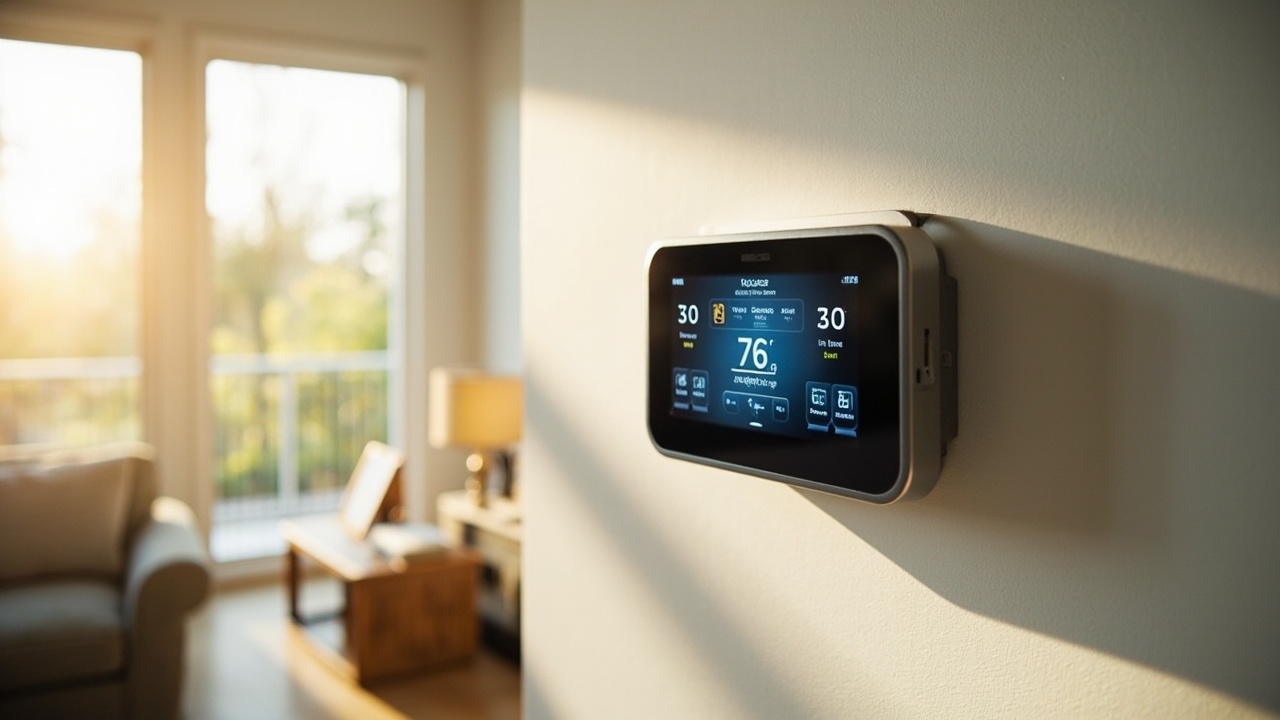
A zone control system has three main components. First, you need multiple thermostats. Each zone gets its own thermostat that reads temperature independently. Second, you need a zone control panel. This is the brain that receives signals from all thermostats and tells the dampers what to do. Third, you need motorized dampers installed in your ductwork. These dampers open and close to control airflow to each zone.

When a zone calls for heating or cooling, the control panel opens that zone's dampers and starts your furnace or air conditioner. Other zones stay closed. The system monitors pressure to prevent strain on your equipment. A bypass damper or pressure relief duct maintains safe static pressure when most zones are closed.

Elite HVAC Philadelphia designs zoning systems based on your home's layout and your family's habits. We map heat gain and loss for each room. We measure your existing ductwork to ensure adequate airflow. We calculate the right damper sizes and placement. Poor zoning design causes comfort problems and equipment damage. We see this in homes where contractors just slapped dampers in without proper sizing.

Philadelphia building codes require certain safety features in zoned systems. The zone panel must include pressure monitoring to prevent over-pressurization. Supply and return air must balance properly. We install these systems according to manufacturer specifications and local requirements.

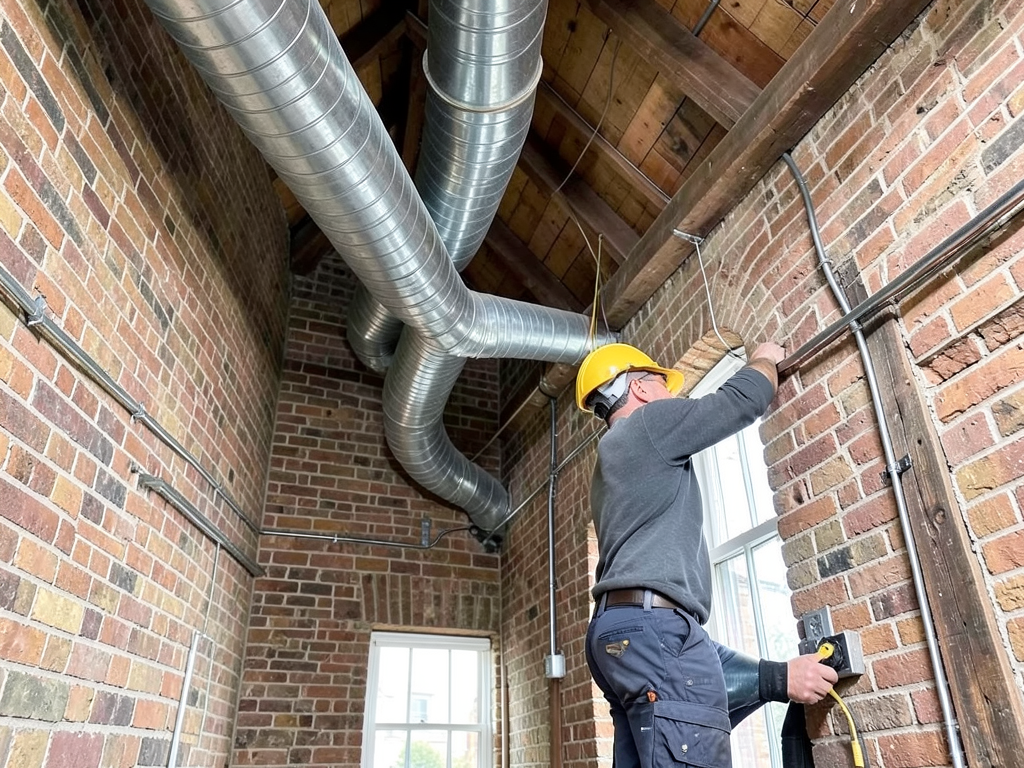
The installation process requires cutting into your existing ductwork to install dampers. We seal all connections with mastic to prevent air leaks. We run low-voltage wiring from the zone panel to each damper and thermostat. We program the control panel and test each zone independently. A proper installation takes one to two days depending on how many zones you want and how accessible your ductwork is.

Getting Zoned Heating Installed in Your Philadelphia Home

Zone Control Systems in Philadelphia – Stop Heating and Cooling Empty Rooms
01

System Design and Assessment

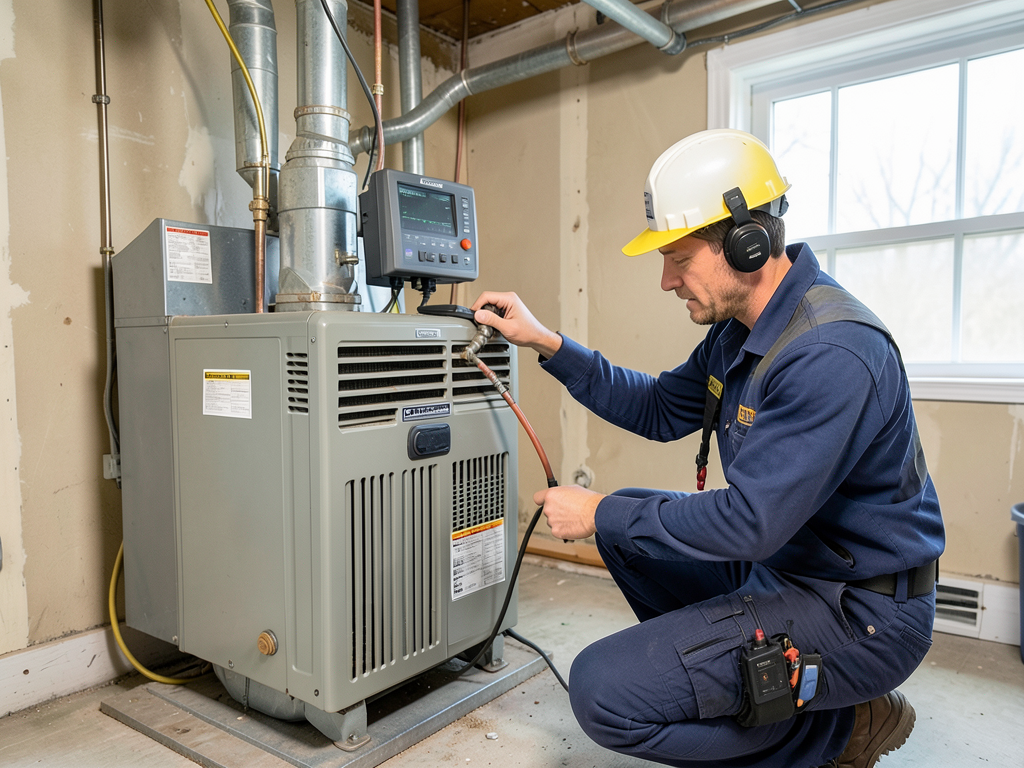
We start by evaluating your current HVAC system and ductwork. You tell us which rooms have temperature problems. We check your equipment capacity to ensure it can handle zoning. We inspect duct layout, insulation, and existing airflow patterns. We measure each space and calculate heating and cooling loads. This assessment determines how many zones make sense and where to place dampers for optimal performance.
02

Damper and Control Installation

Our technicians install motorized dampers in your main trunk lines or branch ducts based on the zone design. We mount the zone control panel near your existing equipment. We run wiring to connect dampers, thermostats, and the main panel. We add bypass dampers or barometric relief if needed to protect your equipment from pressure buildup. All ductwork cuts get sealed properly to maintain system efficiency.
03

Programming and Testing

We program the zone panel with your preferred settings. We test each zone independently to verify proper damper operation and airflow. We adjust damper positions to balance the system. We show you how to use your new thermostats and explain features like scheduling and setback modes. We verify that pressure relief systems work correctly and that your furnace or air conditioner cycles properly with the new zone controls.

Why Philadelphia Homeowners Choose Elite HVAC Philadelphia for Zoned Systems

Most HVAC contractors in Philadelphia will sell you a zoning system. Few understand how to design one correctly for our local housing stock. Philadelphia homes present specific challenges. Rowhouses share walls that affect heat transfer. Victorian-era homes have complex duct layouts that were never designed for central air. Converted attics and finished basements create extreme temperature variations.

We work with these structures daily. We know how to zone a three-story Trinity rowhouse where the first floor stays cold and the third floor overheats. We understand the solar heat gain on south-facing Manayunk hillside homes. We account for the thermal mass of thick brick walls in Chestnut Hill stone houses.

Generic zoning installations fail because contractors do not account for system pressure. When you close dampers to multiple zones, static pressure builds up in your ductwork. This strains your blower motor and reduces equipment life. We size bypass dampers correctly and add pressure relief where needed. We have seen zoned systems that shortened equipment life by years because the installer skipped this step.

Philadelphia's mix of older and newer homes means ductwork quality varies wildly. Some homes have undersized ducts that barely move enough air for single-zone operation. Adding zones without addressing the underlying duct problems makes comfort worse, not better. We tell you honestly whether your ductwork needs modification before zoning will work properly.

We also understand Philadelphia building codes and permit requirements. Commercial properties need permits for HVAC modifications. Some residential work requires permits depending on scope. We handle this documentation correctly so you do not face issues during inspections or when selling your property.

The difference between a good zoning system and a bad one comes down to design and installation quality. You deserve a system that actually solves your comfort problems instead of creating new ones.

What Happens When You Add Zone Control to Your HVAC System

Installation Timeline and Process

Most residential zoning installations take one to two days. Single-story homes with accessible ductwork often finish in one day. Multi-story homes with finished ceilings or complex duct layouts may take two days. We schedule the work when you are available to discuss thermostat placement and answer questions. Your heating and cooling will be down during active installation, so we plan around weather and your schedule. Commercial installations take longer depending on building size and the number of zones required. We work evenings and weekends for businesses that cannot shut down during operating hours.

Pre-Installation Evaluation

We visit your property to assess your HVAC system and ductwork before quoting a zoning system. This evaluation identifies potential issues. We check your equipment age and capacity. We inspect ductwork accessibility and condition. We discuss your comfort goals and how you use different spaces. You tell us which rooms need independent control. We take measurements and photos. This information determines the zone layout, damper placement, and overall system design. We provide a detailed proposal that explains exactly what equipment we will install and where.

Comfort and Energy Savings

You will notice immediate comfort improvements after installation. Each zone reaches its target temperature independently. You stop overheating some rooms to make others comfortable. You close off zones you are not using. Energy savings depend on your habits and home layout. Homeowners who close off unused zones see the biggest savings. Philadelphia residents typically save 20 to 35 percent on heating and cooling costs. The savings come from not conditioning spaces you are not occupying. A zoned system pays for itself over time through lower utility bills and extended equipment life from reduced runtime.

Maintenance and Long-Term Performance

Zone control systems require minimal maintenance beyond your regular HVAC service. Dampers are mechanical devices that should last 15 to 20 years. The zone control panel is solid-state electronics with no moving parts. During annual maintenance, we check damper operation and verify the system is cycling properly. We inspect connections and test thermostats. Most issues come from thermostat batteries dying or dampers getting stuck due to debris in ductwork. We address these problems quickly during routine service. Your existing heating and cooling equipment needs the same maintenance it always did. Zoning does not increase service requirements.

Frequently Asked Questions

You Have Questions,
We Have Answers

What is a zone control system? +

A zone control system divides your home into separate areas, each with its own thermostat. Motorized dampers inside your ductwork open and close to direct airflow where you need it. This lets you heat or cool different rooms to different temperatures at the same time. In Philadelphia rowhomes and older multi-story houses, upstairs bedrooms often run warmer than first-floor living spaces. Zone control solves this by giving you independent temperature control for each area. You set the temperature for each zone, and the system manages airflow automatically. No more fighting over the thermostat or wasting energy cooling empty rooms.

What is the zone control system? +

The zone control system uses a central control panel connected to multiple thermostats and dampers throughout your ductwork. When you adjust a thermostat in one zone, the control panel signals the dampers to open or close, directing conditioned air to that specific area. Your existing furnace or air conditioner works the same way, but airflow gets directed more precisely. Philadelphia homes with finished basements, sunrooms, or additions benefit most because these areas often have different heating and cooling needs than the main living space. The system constantly monitors temperature in each zone and adjusts damper positions to maintain your settings efficiently.

How much does a zone control system cost? +

Zone control system installation in Philadelphia ranges from several thousand dollars for basic two-zone setups to higher amounts for complex multi-zone systems. Cost depends on the number of zones you create, how many dampers your ductwork needs, thermostat choices, and existing system compatibility. Homes with accessible ductwork in basements or crawlspaces typically see lower labor costs. Older Philadelphia rowhomes with limited duct access may require more labor. The system often pays for itself through lower utility bills by eliminating the waste of heating or cooling empty rooms. Get a detailed estimate based on your specific home layout and current HVAC setup.

Are zoned HVAC systems worth it? +

Zoned HVAC systems prove worth it for most Philadelphia homeowners dealing with uneven temperatures between floors or unused rooms. You stop wasting money cooling guest bedrooms or heating the basement when nobody uses those spaces. Philadelphia rowhomes with finished third floors or homes with large additions see immediate comfort improvements. Energy savings typically range from 20 to 30 percent on heating and cooling bills. The system eliminates thermostat battles between family members who prefer different temperatures. If you have a multi-story home, rooms with different sun exposure, or spaces you only use occasionally, zone control delivers measurable returns through comfort and efficiency gains.

Why Philadelphia's Rowhouse Architecture Makes Zone Control Essential

Philadelphia's iconic rowhouses create severe temperature stratification that single-zone systems cannot solve. The narrow footprint and three-story vertical layout mean heat rises quickly from the first floor to the third. South-facing front rooms bake in afternoon sun while north-facing back rooms stay cool. Shared party walls with neighbors affect heating and cooling patterns unpredictably. Multi-zone HVAC lets you compensate for these structural realities by controlling each floor independently. First-floor zones stay warmer in winter. Third-floor zones get more cooling in summer. You stop fighting physics with a single thermostat.

Philadelphia's mix of historic and modern construction standards means HVAC zoning systems must adapt to varying duct layouts and building materials. Center City rowhouses often have ductwork retrofitted into tight spaces. Newer construction in developments like East Passyunk or Fishtown have modern duct systems that zone more easily. Elite HVAC Philadelphia works with both. We understand local building codes for HVAC modifications. We know which neighborhoods have specific historical preservation requirements that affect installation methods. Choosing a contractor with Philadelphia-specific experience ensures your zoned heating and cooling system integrates properly with your home's unique characteristics.
HVAC Services in The Philadelphia Area

Come visit our office or explore our extensive service area on the map below. Elite HVAC proudly serves residential and commercial clients across Philadelphia, ensuring prompt and reliable heating, ventilation, and air conditioning solutions wherever you are. Whether you need an emergency repair or a new installation, we’re strategically located to provide quick and efficient service right to your doorstep, ensuring your comfort is never compromised.

Address:
Elite HVAC Philadelphia, 2231 E Ontario St, Philadelphia, PA, 19134

Additional Services We Offer

Our news updates

Latest Articles & News from The Blogs

Creating an Allergy Friendly Home in Elkins Park with Advanced Air Scrubbers Philadelphia's humid continental climate creates perfect conditions for…

Creating an Allergy Friendly Home in Elkins Park with Advanced Air Scrubbers

Creating an Allergy Friendly Home in Elkins Park with Advanced Air Scrubbers Philadelphia's humid continental climate creates perfect conditions for…

The Best Way to Get Central Air into Your Olney Attic Conversion

Why Your Olney Attic Bedroom Feels Like an Oven Philadelphia summers turn your Olney attic into a heat trap. Hot…

Simple HVAC Tasks Port Richmond Homeowners Can Actually Do Themselves

Simple HVAC Tasks Port Richmond Homeowners Can Actually Do Themselves\n\nPort Richmond homeowners can handle several basic HVAC maintenance tasks that…

Contact Us

Stop wasting money heating and cooling rooms you do not use. Call Elite HVAC Philadelphia at (215) 610-9099 for a free zoning system evaluation. We design multi-zone systems that actually work in Philadelphia homes.