




Menu

Geothermal Heating & Cooling in Philadelphia | Slash Energy Bills Year-Round With Ground Source Technology

Elite HVAC Philadelphia installs geothermal heat pumps that cut heating and cooling costs by up to 70 percent, using stable underground temperatures to keep your home comfortable through every Philadelphia season without burning fossil fuels.

Slider Image 1
Slider Image 2
Slider Image 3
Slider Image 4
Slider Image 5
Slider Image 7
Slider Image 8
Slider Image 9
Slider Image 10
Slider Image 11

Why Philadelphia Homeowners Are Switching to Geothermal HVAC Systems

Philadelphia's climate puts constant pressure on your HVAC system. Summer humidity pushes air conditioners to the limit. Winter freezes force furnaces to burn gas around the clock. The result is energy bills that spike every season and equipment that wears out faster than it should.

Ground source heat pumps solve this problem by tapping into the earth's stable temperature 10 feet below the surface. While air temperatures in Philadelphia swing from 20 degrees in January to 90 degrees in July, the ground stays between 50 and 55 degrees year-round. Geoexchange systems use this constant temperature as a baseline, requiring far less energy to heat or cool your home.

The math is simple. Traditional HVAC systems generate heat or cooling from scratch. Geothermal heat pumps move existing heat from one place to another. Moving heat takes about one-third the energy of creating it. That efficiency translates directly to lower utility bills, month after month.

Philadelphia soil conditions support geothermal installations well. The clay and loam throughout the metro area conduct heat effectively. Compact urban lots work fine with vertical loop systems that drill down instead of spreading out. Larger properties in the suburbs can use horizontal loops for even lower installation complexity.

The technology works. You eliminate the combustion risk of gas furnaces. You avoid the refrigerant leaks common in aging air conditioners. Ground-coupled heat pumps have fewer moving parts exposed to weather, which means less maintenance and longer equipment life. Most systems last 25 years or more, with ground loops lasting 50 years.

Why Philadelphia Homeowners Are Switching to Geothermal HVAC Systems
How Geothermal Systems Outperform Traditional HVAC in Philadelphia Homes

How Geothermal Systems Outperform Traditional HVAC in Philadelphia Homes

A geothermal HVAC system consists of three components working together. The ground loop circulates fluid through buried pipes to exchange heat with the earth. The heat pump sits inside your home and moves that heat to or from your living space. The distribution system delivers conditioned air through your existing ductwork.

The ground loop is where the efficiency happens. In winter, fluid circulating through the loop absorbs heat from the 55-degree ground and carries it to the heat pump. The heat pump concentrates that heat and pushes it into your home at 95 to 100 degrees. In summer, the process reverses. The system pulls heat from your indoor air and dumps it into the cooler ground.

This process uses electricity only to run the circulation pumps and compressor. You eliminate the energy waste of combustion that comes with gas furnaces, which lose 20 to 30 percent of their heat up the flue. You avoid the efficiency penalty of air-source heat pumps, which struggle when outdoor temperatures drop below freezing or climb above 95 degrees.

Philadelphia winters test traditional heat pumps. When air temperatures hit 25 degrees, conventional units activate backup electric resistance heat, which costs three times more to run. Geothermal systems maintain high efficiency because ground temperatures never reach those extremes.

The installation requires precision. We calculate your home's heating and cooling load based on square footage, insulation levels, window quality, and occupancy patterns. We size the ground loop to match that load exactly. Undersized loops cannot meet demand. Oversized loops waste money upfront. Elite HVAC Philadelphia uses Manual J load calculations and thermal conductivity testing to get the sizing right the first time.

What Happens During Your Geothermal Installation

Geothermal Heating & Cooling in Philadelphia | Slash Energy Bills Year-Round With Ground Source Technology
01

Site Assessment and Design

We start with a detailed property evaluation. Our technicians measure your home's thermal envelope, test soil conductivity, and map underground utilities. We determine whether vertical boreholes or horizontal trenches work best for your lot. We calculate exact loop lengths based on your heating and cooling loads. This data drives the custom system design that maximizes efficiency for your specific property and usage patterns.
02

Loop Installation and Connection

Professional drilling equipment installs vertical loops to depths of 150 to 400 feet, or excavation equipment digs horizontal trenches 6 feet deep. We install high-density polyethylene pipes designed for 50-year lifespans. The closed-loop system gets pressure tested before backfilling to verify zero leaks. We connect the ground loop to your indoor heat pump unit and flush the system with heat transfer fluid mixed to prevent freezing and corrosion.
03

System Commissioning and Calibration

After installation, we verify refrigerant charge, test all electrical connections, and calibrate the thermostat controls. We run the system through full heating and cooling cycles to confirm proper operation. Flow rates get adjusted to manufacturer specifications. We train you on thermostat programming and system operation. Your geothermal heat pump is now ready to deliver consistent comfort while cutting your energy consumption by more than half compared to conventional systems.

Why Elite HVAC Philadelphia Is Your Ground Source Heat Pump Expert

Geothermal system installation requires specialized knowledge that most HVAC contractors lack. The physics of heat transfer, soil thermal conductivity, and hydronic loop design are different from conventional equipment work. Elite HVAC Philadelphia has completed dozens of geothermal installations across the Philadelphia metro, from rowhomes in Center City to estates in Montgomery County.

We understand local geology. Philadelphia sits on the Piedmont Plateau with soil conditions that change from block to block. Some areas have shallow bedrock requiring careful drilling. Others have water tables that affect loop performance. We adjust our installation methods based on what we find at your specific address.

Local utility incentives change frequently. PECO offers rebates for high-efficiency heating and cooling systems. Federal tax credits cover 30 percent of geothermal installation costs through 2032. We stay current on every available program and help you maximize your financial return. Many clients recover their investment in 7 to 10 years through energy savings and incentives combined.

Our work follows International Ground Source Heat Pump Association standards. We use certified loop installers who understand proper pipe fusion techniques and thermal grout mixing. Poor installation practices lead to reduced efficiency and early system failure. We do not cut corners on materials or methods.

Philadelphia building codes require permits for ground loop installations. We handle all permit applications and inspections. Our relationships with local building departments keep projects moving without delays. We coordinate with utility companies when drilling near gas lines or water mains.

You get straight answers about costs and timelines. Geothermal systems cost more upfront than conventional equipment. That honesty matters. The long-term savings are real, but the initial investment is significant. We provide detailed proposals that break down equipment costs, drilling expenses, and labor separately so you understand exactly where your money goes.

What You Should Know Before Installing Geothermal

Installation Timeline and Process

A complete geothermal installation typically takes 3 to 5 days for residential properties. Day one involves drilling or excavation work for the ground loop. Days two and three cover pipe installation, backfilling, and interior equipment setup. Final days include electrical connections, system startup, and testing. Weather can affect outdoor work schedules. We coordinate drilling contractors, electricians, and HVAC technicians to minimize disruption to your property. Most homeowners stay in their homes during installation, though you will be without heating and cooling for approximately 48 hours during the equipment changeover.

Property Assessment and Feasibility

Not every property suits geothermal installation. We evaluate your lot size, soil conditions, and existing ductwork before recommending a system. Properties smaller than 3,000 square feet often work better with vertical loops that drill down rather than spread out horizontally. Homes with inadequate ductwork may need upgrades to handle geothermal airflow requirements. We perform thermal imaging to identify insulation problems that would reduce system efficiency. Poor insulation wastes the energy savings geothermal provides. We give you an honest assessment of whether your property is a good candidate before you spend money on engineering studies or permits.

Performance and Energy Savings

Geothermal systems deliver consistent temperatures without the hot and cold spots common with forced-air furnaces. You get precise control over humidity levels, which matters in Philadelphia's muggy summers. Energy consumption typically drops 40 to 70 percent compared to conventional systems. A 2,500-square-foot home that costs $3,000 annually to heat and cool with gas and electric might drop to $900 with geothermal. The exact savings depend on your current equipment efficiency, insulation quality, and utility rates. We provide load calculations and energy modeling so you see projected costs before making a decision. Systems reach peak efficiency after the first full year of operation.

Maintenance and Longevity

Geothermal heat pumps require less maintenance than traditional HVAC equipment. The ground loop needs zero maintenance after installation. Indoor heat pump units need annual filter changes and biennial refrigerant checks. No outdoor condensing unit means no coil cleaning, no fan motor failures, and no weather damage. Most manufacturers warranty heat pumps for 10 years and ground loops for 50 years. The system's longest-lasting component sits protected underground. You eliminate the 15-year replacement cycle typical of furnaces and air conditioners. We offer annual maintenance plans that include system inspection, filter replacement, and efficiency testing to keep your equipment running at peak performance.

Frequently Asked Questions

You Have Questions,
We Have Answers

What is the downside of geothermal heating? +

The primary downside is upfront installation cost. Geothermal systems require drilling boreholes or trenching, which costs significantly more than conventional HVAC. In Philadelphia, soil conditions and property size can complicate installation. Older rowhomes or small city lots may lack adequate yard space for horizontal loops, forcing vertical drilling. Retrofit projects often require ductwork modifications. Installation disrupts your property for weeks. You also need electrical upgrades in many cases. Despite high initial investment, operational costs drop dramatically. Philadelphia homeowners typically see payback within 7 to 12 years depending on energy rates and system size.

Is geothermal heating and cooling worth it? +

Yes, especially in Philadelphia's climate with hot summers and cold winters. You eliminate separate furnace and AC units. Geothermal systems use 25 to 50 percent less electricity than traditional systems. Ground temperatures stay constant year-round, making heat exchange efficient. Federal tax credits cover 30 percent of installation costs through 2032. PECO electricity rates make operational savings significant. Systems last 25 years for indoor components and 50-plus years for ground loops. Philadelphia homeowners with adequate property space and long-term ownership plans see strong return on investment. Carbon footprint drops substantially compared to natural gas furnaces.

How much does it cost to put geothermal in a 2000 sq ft house? +

Installation typically ranges from $20,000 to $40,000 for a 2,000-square-foot home, though exact pricing varies significantly. Philadelphia properties with clay soil or limited yard access may push costs higher. Vertical loop systems cost more than horizontal due to drilling depth requirements common in denser neighborhoods. You need site assessment, soil testing, and permit costs. Existing ductwork condition affects total price. The federal 30 percent tax credit reduces your net cost substantially. Financing options exist through PECO and local credit unions. System complexity, loop type, and property accessibility determine your final investment.

How does the 30% tax credit work for geothermal? +

The federal Residential Clean Energy Credit provides 30 percent back on total qualified geothermal installation costs through 2032. You claim the credit on IRS Form 5695 when filing taxes. The credit covers equipment, labor, piping, and installation expenses. No cap exists on the credit amount. If your tax liability is lower than the credit, you can carry the remaining balance forward to future tax years. Philadelphia homeowners must ensure their contractor provides proper documentation. The system must meet Energy Star requirements. You reduce your federal tax bill dollar-for-dollar, not as a deduction.

Why is my electric bill so high with geothermal? +

Your bill may spike if the system runs inefficiently or was improperly sized. Check your thermostat settings first. Auxiliary electric heat strips activate when the geothermal system cannot keep up, consuming massive electricity. This happens if your loop field is undersized or groundwater flow is restricted. Air in the system or low refrigerant reduces efficiency. Dirty filters force longer run times. In Philadelphia winters, improper insulation or ductwork leaks make the system work harder. Older PECO meters may also be inaccurate. Have a qualified technician verify system charge, flow rates, and zone balancing.

What is the life expectancy of a geothermal system? +

The indoor heat pump components last 20 to 25 years, similar to conventional HVAC. Ground loops last 50-plus years, often outliving your home. Philadelphia's stable ground temperatures reduce thermal stress on underground piping. High-density polyethylene loops resist corrosion and degradation. You may replace the compressor once during the system lifespan. Pumps and electronics wear faster than buried components. Proper installation and water quality in closed-loop systems affect longevity. Annual maintenance extends equipment life. The ground loop itself is virtually permanent. You get decades of reliable heating and cooling from a single installation.

What is the biggest problem when using geothermal energy? +

Installation complexity and high upfront cost create the biggest barrier. Geothermal requires site assessment, soil testing, and significant excavation or drilling. Philadelphia's urban density and older infrastructure complicate installations. You need adequate property space for loop fields. Soil composition affects heat transfer efficiency. Clay soils common in the region conduct heat differently than sandy soils. Improper sizing or installation causes permanent efficiency loss. Finding experienced contractors is challenging since geothermal represents a small market share. Retrofitting older homes with inadequate electrical service requires costly upgrades. Poor water quality in open-loop systems causes scaling and fouling.

What size yard do I need for geothermal? +

Horizontal loop systems need roughly 2,000 to 2,500 square feet of yard space for a typical home. You need 400 to 600 feet of trench length depending on heating and cooling load. Philadelphia rowhomes and smaller city lots often cannot accommodate horizontal loops. Vertical systems solve this by drilling boreholes 150 to 400 feet deep, requiring only small access points. You need as little as 200 square feet for drilling equipment. Pond loops work if you have a nearby water body. Urban properties typically use vertical installations despite higher drilling costs.

Does geothermal require a lot of maintenance? +

No, geothermal systems require minimal maintenance compared to conventional HVAC. Change air filters every one to three months like any forced-air system. Annual inspections check refrigerant levels, electrical connections, and thermostat calibration. Closed-loop systems need no maintenance on buried components. You should verify pump operation and inspect ductwork. Philadelphia humidity requires occasional condensate drain cleaning. No outdoor condenser means no coil cleaning or fan maintenance. Ground loops never need service. Most maintenance involves the indoor air handler. Total annual maintenance costs less than traditional furnace and AC combinations.

How Philadelphia's Four-Season Climate Makes Geothermal Systems Pay Off Faster

Philadelphia experiences temperature extremes that test conventional HVAC equipment year-round. Summer humidity regularly pushes the heat index above 100 degrees. Winter cold snaps drop temperatures into the teens. This climate pattern creates high heating and cooling loads that force traditional systems to work harder and consume more energy. Geothermal heat pumps thrive in this environment because they maintain consistent efficiency regardless of outdoor conditions. The ground temperature at 10 feet deep stays near 55 degrees whether surface air hits 15 or 95. That stability eliminates the efficiency penalty that air-source heat pumps suffer during temperature extremes. Philadelphia homeowners with geothermal systems see energy savings every single month because the equipment operates at peak efficiency through all four seasons.

Philadelphia's push toward building decarbonization is accelerating geothermal adoption across the metro. The city's Clean Energy Vision aims to reduce building emissions 30 percent by 2030. Geothermal systems help property owners meet these goals while lowering operating costs. Local contractors with proven geothermal experience matter because installation quality directly affects system performance. Poor loop design or improper heat pump sizing wastes the technology's potential. Elite HVAC Philadelphia has installed ground source systems in Philadelphia's diverse housing stock, from narrow rowhomes with limited yard space to suburban properties with room for horizontal loops. We understand the permitting requirements, soil conditions, and utility interconnection procedures specific to Philadelphia and surrounding counties. That local knowledge prevents costly mistakes and ensures your system delivers the efficiency and savings you expect.
HVAC Services in The Philadelphia Area

Come visit our office or explore our extensive service area on the map below. Elite HVAC proudly serves residential and commercial clients across Philadelphia, ensuring prompt and reliable heating, ventilation, and air conditioning solutions wherever you are. Whether you need an emergency repair or a new installation, we’re strategically located to provide quick and efficient service right to your doorstep, ensuring your comfort is never compromised.

Address:
Elite HVAC Philadelphia, 2231 E Ontario St, Philadelphia, PA, 19134

Additional Services We Offer

Our news updates

Latest Articles & News from The Blogs

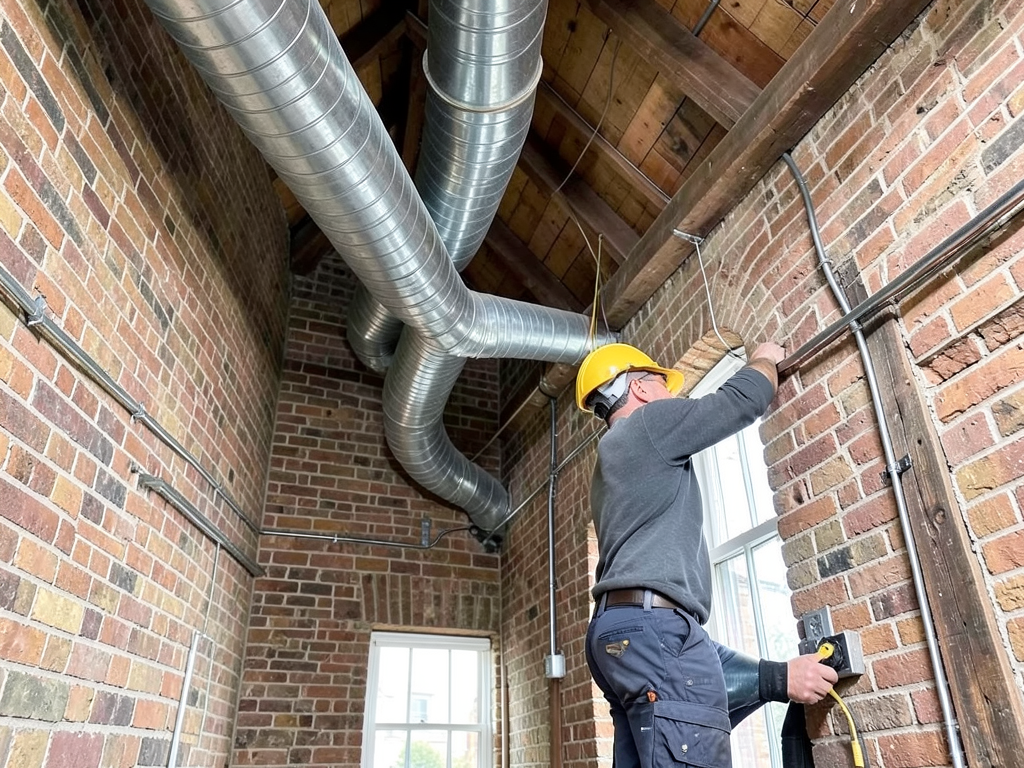
Creative Ways to Hide HVAC Ductwork in a High Ceiling South Kensington Loft Living in a South Kensington loft means…

Creative Ways to Hide HVAC Ductwork in a High Ceiling South Kensington Loft

Creative Ways to Hide HVAC Ductwork in a High Ceiling South Kensington Loft Living in a South Kensington loft means…

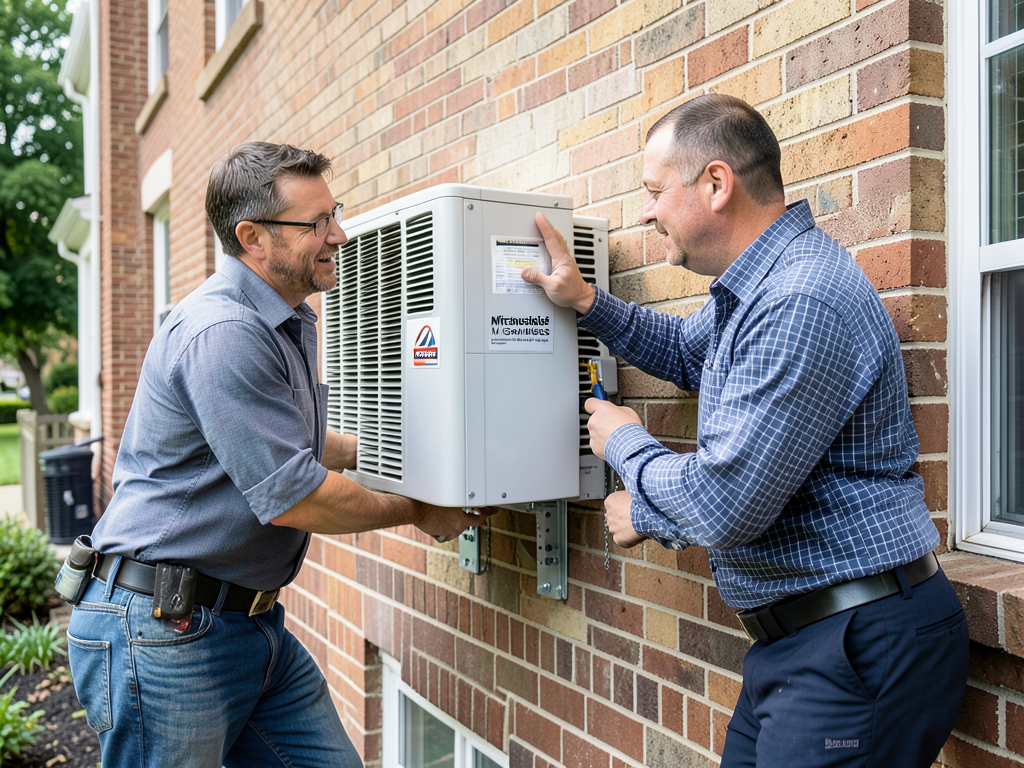
Picking a Whisper Quiet Heat Pump for Small Backyards in Haddington

Picking a Whisper Quiet Heat Pump for Small Backyards in Haddington Living in Haddington means dealing with tight backyard spaces…

Should You Keep Repairing or Just Replace That 15 Year Old Furnace in Your Bustleton Split Level Home

Should You Keep Repairing or Just Replace That 15 Year Old Furnace in Your Bustleton Split Level Home Your 15-year-old…

Contact Us

Call Elite HVAC Philadelphia at (215) 610-9099 for a free geothermal feasibility assessment. We evaluate your property, calculate your potential savings, and provide detailed cost estimates with no obligation. Stop paying for energy waste and start saving with ground source technology.