




Menu

Furnace Maintenance Checklist for Philadelphia | Keep Your System Running Through Bitter Cold Winters

Get the complete annual furnace inspection list and heating system maintenance steps you need to prevent mid-winter breakdowns in Philadelphia's freeze-thaw climate.

Slider Image 1
Slider Image 2
Slider Image 3
Slider Image 4
Slider Image 5
Slider Image 7
Slider Image 8
Slider Image 9
Slider Image 10
Slider Image 11

Why Philadelphia Furnaces Need Year-Round Attention

Philadelphia's winter climate puts serious stress on heating systems. You face temperatures that swing from 15°F to 45°F within days, creating freeze-thaw cycles that force your furnace to work harder than systems in steady cold climates. This stop-start demand pattern wears down heat exchangers, stresses blower motors, and accelerates carbon buildup on burners.

Your furnace runs longer hours from November through March compared to milder regions. The high humidity from proximity to the Delaware River means condensation forms inside your system during temperature swings, leading to rust in critical components if you skip preventative heating maintenance. Historic Philadelphia row homes add another challenge. Many still have original ductwork from the 1960s, which leaks conditioned air and forces your system to cycle more frequently.

Without a proper furnace tune-up checklist, small issues become expensive failures. A cracked heat exchanger goes undetected until carbon monoxide enters your living space. Dirty flame sensors cause false shutdowns at 2 AM when temperatures drop to 20°F. Clogged condensate lines freeze and crack during cold snaps.

The seasonal furnace service schedule matters here more than in moderate climates. You need fall inspections before heating season, not just annual checkups. Philadelphia's particulate pollution from I-95 and port activity clogs filters faster than suburban areas. Your system pulls in more contaminants, which means more frequent filter changes and blower cleaning to maintain efficiency and air quality.

Why Philadelphia Furnaces Need Year-Round Attention
The Professional Heating System Maintenance Process

The Professional Heating System Maintenance Process

A complete annual furnace inspection list covers combustion safety, mechanical function, and efficiency metrics. This is not a filter change and visual check. You need diagnostic testing with calibrated instruments to catch problems before they cause failures.

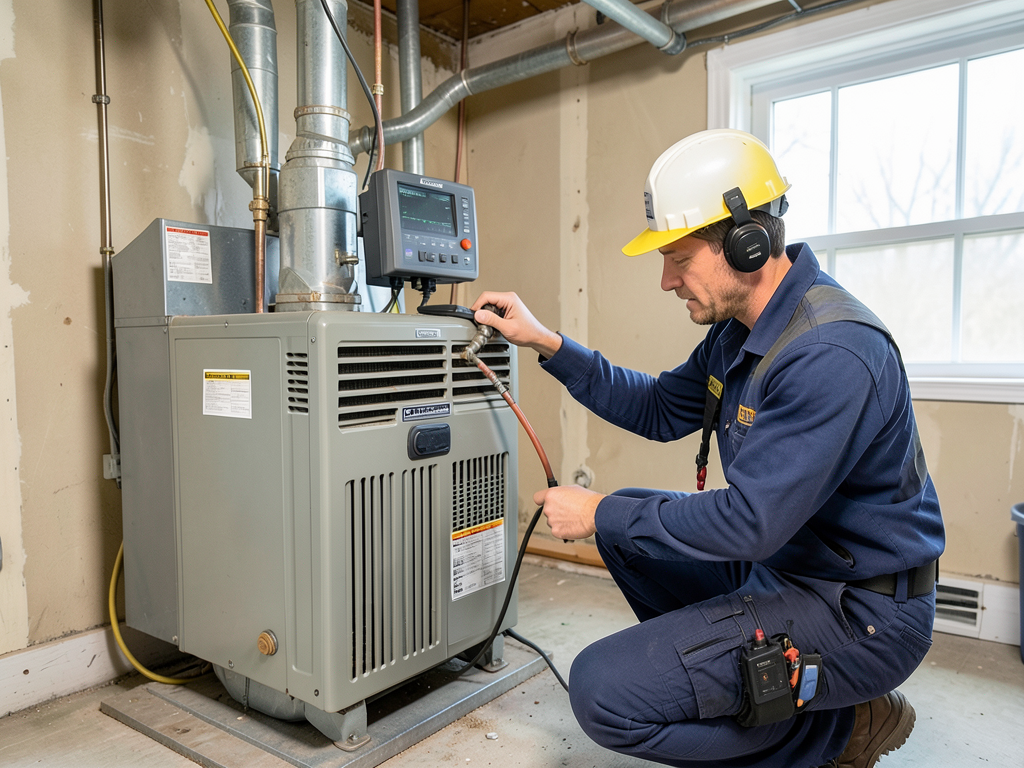
The process starts with combustion analysis. Technicians measure flue gas temperature, oxygen levels, and carbon monoxide output using digital analyzers. These readings show whether your burners are firing correctly and if the heat exchanger has cracks allowing exhaust into your home. Philadelphia's older housing stock makes this critical because many systems vent through deteriorating masonry chimneys that can develop gaps.

Next comes mechanical inspection of the blower assembly. Technicians check amp draw on the motor, inspect the wheel for buildup, test capacitors for proper microfarad ratings, and verify belt tension on belt-drive units. They clean the flame sensor, which prevents false lockouts, and inspect the ignitor for cracks that cause intermittent failures. The gas valve gets tested for proper pressure and smooth operation.

Draft testing ensures your system vents combustion gases safely. Technicians measure draft pressure in the flue and check for backdrafting that could send carbon monoxide into your home. They inspect the condensate drain system, which is prone to freezing in unheated basements common in Philadelphia rowhomes.

The final phase involves airflow measurement. Technicians calculate static pressure across the system to verify your ductwork delivers proper airflow. They check refrigerant charge on heat pump systems and test emergency heat strips for proper staging. You get documentation of all readings and a clear explanation of any issues found.

How Annual Furnace Service Protects Your Investment

Furnace Maintenance Checklist for Philadelphia | Keep Your System Running Through Bitter Cold Winters
01

Pre-Season Inspection Timing

Schedule your annual inspection in September or early October, before the first cold snap hits Philadelphia. This timing ensures technicians can order parts if needed and complete repairs before you need heat. Waiting until November means competing with emergency calls when everyone's furnace fails during the first freeze. Fall scheduling also locks in standard rates before peak-season pricing begins.
02

Documented System Testing

Technicians perform a multi-point inspection covering combustion safety, mechanical components, and efficiency metrics. You receive a written report showing flue gas analysis readings, amp draw measurements, and static pressure calculations. This documentation creates a performance baseline that reveals developing problems during future inspections. The report also helps identify when repair costs exceed replacement value, giving you time to budget for a new system.
03

Performance Verification and Recommendations

After completing maintenance and any necessary repairs, technicians run the system through full heating cycles to verify proper operation. They measure supply air temperature, check thermostat accuracy, and confirm all safety controls function correctly. You get clear recommendations for any issues found, with explanations of urgency levels. Minor issues get scheduled for repair during the next service visit, while safety concerns require immediate attention.

Why Philadelphia Homeowners Trust Elite HVAC Philadelphia

Philadelphia's housing stock demands technicians who understand the specific challenges of heating older homes. Elite HVAC Philadelphia specializes in servicing systems in the city's historic neighborhoods, from Society Hill rowhomes to Chestnut Hill twins. We know how to work with gravity-fed steam systems in Old City buildings and retrofit modern forced-air systems in converted industrial lofts.

Our technicians recognize local installation patterns that create problems. Many Philadelphia homes have undersized return air grilles because contractors prioritized aesthetics over function in narrow rowhomes. We identify these airflow restrictions that force your blower motor to work harder and reduce system life. We also understand how Philadelphia's mixed construction types affect heating needs. A brick rowhome with shared walls has completely different heat loss patterns than a standalone stone colonial.

The preventative heating maintenance guide we follow addresses Philadelphia-specific concerns. We check for chimney liner deterioration common in pre-1950 homes. We inspect for improper venting in finished basements where homeowners enclosed heating systems without maintaining clearances. We verify proper combustion air supply in tight rowhomes where bathroom exhaust fans can create negative pressure that affects furnace operation.

You work with technicians who grew up in this region and understand local building practices. We know which neighborhoods have high water tables that flood basements and rust out furnace cabinets. We recognize when a system was installed during Philadelphia's conversion from oil to gas heat in the 1970s and 1980s, which means outdated components need replacement. This local knowledge translates to accurate diagnoses and repairs that last through multiple heating seasons.

What Your Furnace Maintenance Appointment Includes

Service Window and Arrival

We schedule appointments in two-hour windows to respect your time. Technicians call 30 minutes before arrival and show up in marked vehicles with your service history already loaded. Most tune-ups take 60 to 90 minutes depending on system type and accessibility. We work around your schedule, offering evening and weekend appointments during fall when everyone books maintenance. If we find issues requiring parts, we stock common components on our trucks to complete repairs the same day.

System Diagnostics and Testing

Technicians bring calibrated combustion analyzers, manometers for pressure testing, and amp meters to measure electrical performance. You get real data, not assumptions. We test safety controls by simulating failure conditions to confirm they shut down the system properly. We measure temperature rise across the heat exchanger to verify proper firing rate. For two-stage and modulating systems, we test operation in all modes to catch control board issues. You receive a printed report showing all measurements and photos of any problems found.

Cleaning and Adjustment Results

After completing the heating system maintenance steps, your furnace operates at factory specifications. Burners fire with proper flame characteristics. The blower moves the correct volume of air for your system tonnage. All electrical connections are tight and drawing proper amperage. Safety controls respond correctly to test scenarios. You get efficiency improvements that reduce your heating bills and extend equipment life. Most importantly, you get confirmed safe operation with proper combustion and venting that protects your family from carbon monoxide exposure.

Ongoing Maintenance Planning

We document your system's condition in our database and flag components approaching end of life. You get reminders for filter changes based on actual runtime and your home's conditions, not generic recommendations. We track your system's performance year over year to identify developing trends like declining efficiency or increasing repair frequency. When major repairs come up, we provide replacement quotes alongside repair options so you can make informed decisions. Our maintenance agreements lock in priority scheduling and discounted service rates for Philadelphia homeowners who plan ahead.

Frequently Asked Questions

You Have Questions,
We Have Answers

What maintenance should be done on a furnace? +

A thorough furnace maintenance includes filter replacement, thermostat calibration, and blower motor inspection. Technicians clean burner assemblies, check gas pressure, and test safety controls like limit switches. They inspect the heat exchanger for cracks (critical in Philadelphia's older row homes), lubricate moving parts, and verify proper venting to prevent carbon monoxide buildup. Electrical connections are tightened, and airflow is measured. The condensate drain is cleared to prevent freezing during harsh Philadelphia winters. A complete combustion analysis ensures efficient fuel burn and safe operation throughout the heating season.

What is the $5000 rule for HVAC? +

The $5,000 rule is a replacement guideline: multiply the repair cost by your system's age in years. If the result exceeds $5,000, replacement makes better financial sense. For example, a $400 repair on a 15-year-old furnace equals $6,000, suggesting replacement over repair. This rule accounts for diminishing returns on aging equipment. Philadelphia's freeze-thaw cycles stress older systems further, accelerating wear. While not absolute, this calculation helps homeowners weigh immediate repair costs against inevitable future failures and lower efficiency in aging furnaces.

What is included in furnace tune up? +

A furnace tune-up covers filter replacement, burner cleaning, and blower adjustment. Technicians test ignition systems, inspect the heat exchanger for stress cracks, and verify gas connections for leaks. They check flue draft and venting (important in Philadelphia's older housing stock with aging chimneys), calibrate thermostats, and test safety controls. Electrical components are tightened, and refrigerant levels are checked on dual-fuel systems. The condensate system is flushed, and airflow is balanced. A combustion analysis confirms proper fuel-to-air ratios for safe, efficient operation during Philadelphia's cold winters.

What is the average cost to service a furnace? +

Furnace service in Philadelphia ranges from $100 to $200 for standard maintenance. Annual tune-ups with filter changes and safety checks fall at the lower end. Comprehensive service with combustion analysis and detailed inspections costs more. Older row homes may require additional venting checks due to original masonry chimneys. Pricing varies by system type, with high-efficiency condensing furnaces requiring specialized service. Service agreements often reduce per-visit costs. Emergency calls during January cold snaps command premium rates. Regular maintenance prevents costlier repairs and extends equipment life.

How do I service my furnace myself? +

You can replace filters monthly, keep outdoor vents clear of snow, and ensure registers stay unblocked. Check thermostat batteries and verify the pilot light or ignition. Clear debris from around the furnace base. However, Philadelphia homeowners should not attempt gas line work, heat exchanger inspection, or combustion testing. Carbon monoxide risks, gas leak dangers, and warranty violations make DIY service risky. Older Philadelphia homes with original venting require professional assessment. Annual professional service catches problems you cannot see, like cracked heat exchangers or improper gas pressure.

Do you really need to have your furnace serviced every year? +

Yes. Annual furnace service prevents mid-winter breakdowns and carbon monoxide risks. Philadelphia's cold winters demand reliable heat, and neglected furnaces fail when you need them most. Regular maintenance reduces energy costs by 10 to 15 percent through proper airflow and clean burners. Technicians catch minor issues before they become expensive failures. Manufacturer warranties often require annual service documentation. Older Philadelphia row homes with aging chimneys need yearly venting checks. Skipping service may save money short-term but costs more through emergency repairs, higher utility bills, and premature system replacement.

What are the signs that an HVAC system requires maintenance? +

Watch for uneven heating between rooms, unusual noises like grinding or squealing, and yellow pilot flames instead of blue. Rising energy bills without usage changes indicate declining efficiency. Frequent cycling or difficulty starting signals component wear. Excessive dust, strange odors, or visible rust point to system problems. Philadelphia's humid summers and cold winters stress HVAC equipment year-round. If your system struggles during seasonal transitions, needs frequent thermostat adjustments, or shows visible moisture around the unit, schedule professional inspection before minor issues become major failures.

Is a new HVAC system tax deductible in 2025? +

The Inflation Reduction Act offers tax credits up to $2,000 for high-efficiency HVAC systems installed through 2032. Equipment must meet ENERGY STAR efficiency requirements. Heat pumps qualify for higher credits than standard furnaces. Income limits apply for maximum credit amounts. Philadelphia homeowners should verify current IRS guidelines, as regulations change. Installation costs may qualify separately under energy efficiency improvements. Consult a tax professional for your specific situation. Manufacturer documentation proving efficiency ratings is required. State and utility rebates may stack with federal credits, improving return on investment.

What is the 3 minute rule for AC? +

The three-minute rule prevents compressor damage by allowing refrigerant pressures to equalize after shutdown. Wait three minutes before restarting your air conditioner after turning it off. Immediate restarts force the compressor to start against high pressure, causing electrical stress and mechanical wear. Modern systems have built-in delay timers for protection. This rule applies after power outages or thermostat adjustments. Philadelphia's humid summers mean frequent AC cycling. Respecting this delay extends compressor life and prevents service calls. If your system short-cycles frequently, professional diagnosis is needed.

What is the most expensive part to fix on a furnace? +

Heat exchanger replacement is the costliest repair, often exceeding $1,500 to $3,000. Philadelphia's freeze-thaw cycles and humidity accelerate metal fatigue in heat exchangers. Cracks allow carbon monoxide into living spaces, making replacement urgent. Many technicians recommend full furnace replacement instead, as labor and parts approach new equipment costs. Control boards and blower motors are secondary expensive repairs. Compressor replacement on dual-fuel systems also runs high. Age matters: repairs costing over 50 percent of replacement value on furnaces older than 15 years rarely make financial sense.

How Philadelphia's Freeze-Thaw Cycles Impact Your Furnace Maintenance Schedule

Philadelphia averages 25 freeze-thaw cycles each winter, where temperatures drop below 32°F then climb above 40°F within 24 hours. This pattern forces your furnace through constant on-off cycling that stresses igniters, gas valves, and blower motors more than steady cold climates where systems run continuously. The cycling also creates condensation inside your heat exchanger during warm periods, which promotes rust in critical areas. Your seasonal furnace service schedule needs to account for this accelerated wear by including mid-season checkups, not just annual visits. Systems in Philadelphia typically need filter changes every 60 days instead of the standard 90-day interval because the constant cycling pulls more particulates through the system.

Elite HVAC Philadelphia built our preventative heating maintenance guide specifically for this region's climate demands. We understand that Center City apartments face different challenges than Northeast Philadelphia single-families because building density affects wind exposure and heat loss patterns. Our technicians recognize local installation practices from major contractors who worked Philadelphia neighborhoods over the past 40 years. This means we spot common shortcuts and retrofitting issues that lead to premature failures. When you choose a company that specializes in Philadelphia heating systems, you get technicians who already know your home's construction type, likely ductwork configuration, and common failure points before they walk through your door.
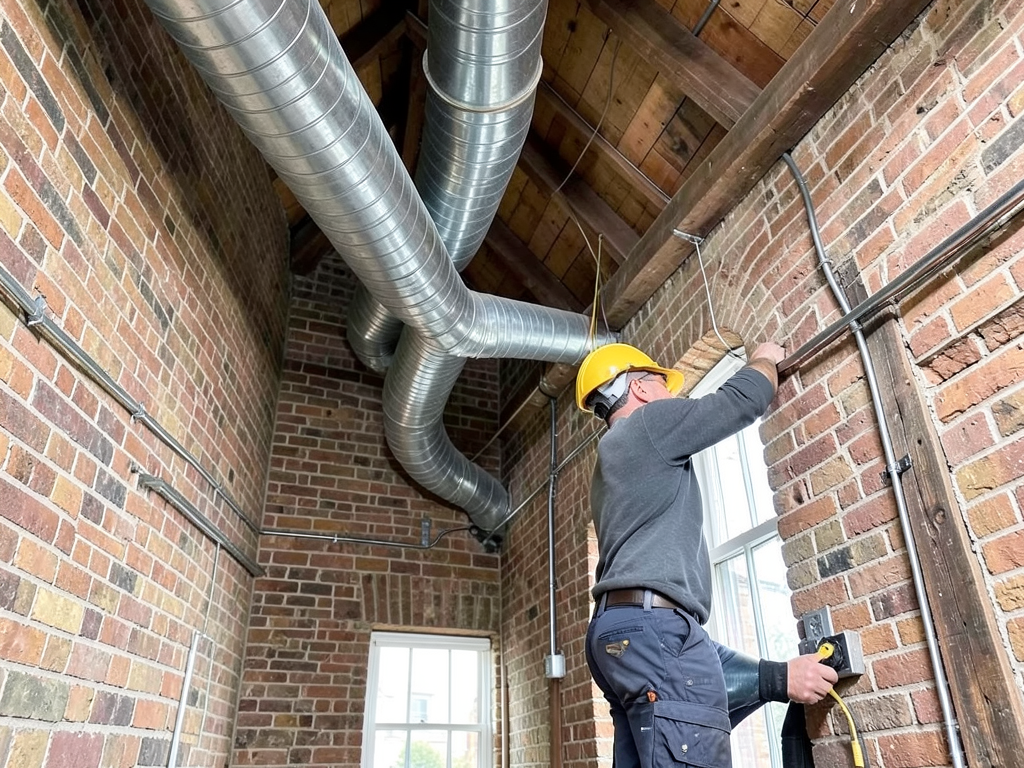
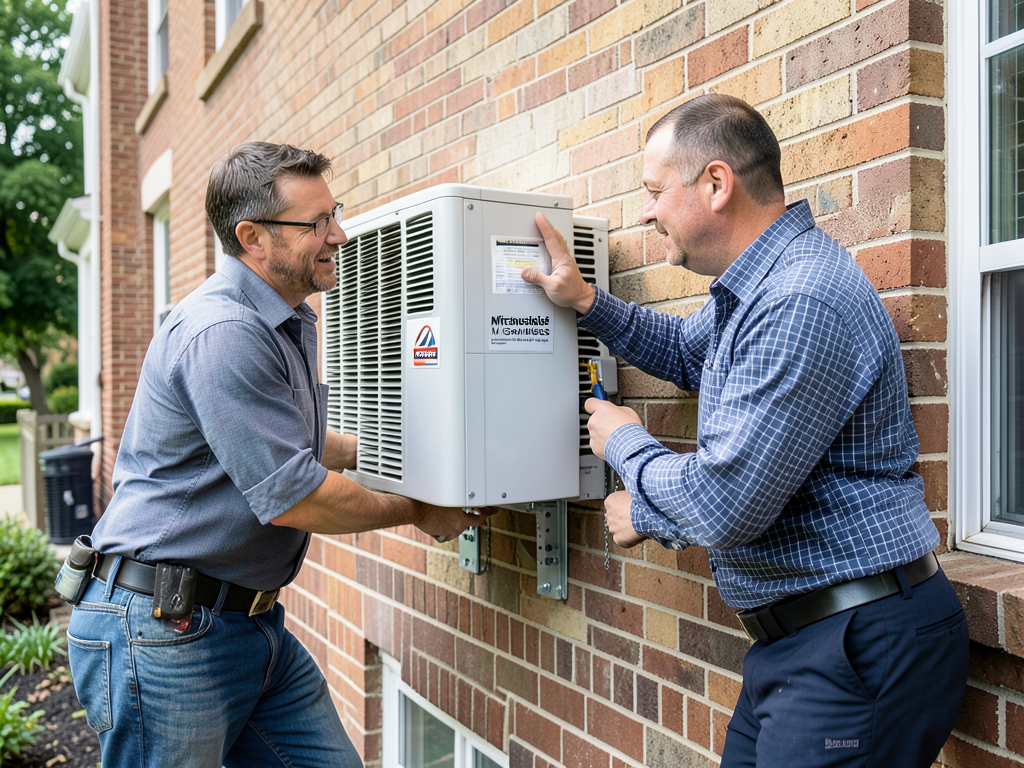
HVAC Services in The Philadelphia Area

Come visit our office or explore our extensive service area on the map below. Elite HVAC proudly serves residential and commercial clients across Philadelphia, ensuring prompt and reliable heating, ventilation, and air conditioning solutions wherever you are. Whether you need an emergency repair or a new installation, we’re strategically located to provide quick and efficient service right to your doorstep, ensuring your comfort is never compromised.

Address:
Elite HVAC Philadelphia, 2231 E Ontario St, Philadelphia, PA, 19134

Additional Services We Offer

Our news updates

Latest Articles & News from The Blogs

Creating an Allergy Friendly Home in Elkins Park with Advanced Air Scrubbers Philadelphia's humid continental climate creates perfect conditions for…

Creating an Allergy Friendly Home in Elkins Park with Advanced Air Scrubbers

Creating an Allergy Friendly Home in Elkins Park with Advanced Air Scrubbers Philadelphia's humid continental climate creates perfect conditions for…

The Best Way to Get Central Air into Your Olney Attic Conversion

Why Your Olney Attic Bedroom Feels Like an Oven Philadelphia summers turn your Olney attic into a heat trap. Hot…

Simple HVAC Tasks Port Richmond Homeowners Can Actually Do Themselves

Simple HVAC Tasks Port Richmond Homeowners Can Actually Do Themselves\n\nPort Richmond homeowners can handle several basic HVAC maintenance tasks that…

Contact Us

Don't wait until the first freeze to discover your furnace has problems. Call Elite HVAC Philadelphia at (215) 610-9099 now to book your pre-season maintenance appointment. We're scheduling fall tune-ups through October, with same-week availability still open.