




Menu

Emergency Heat Pump Repair in Philadelphia – 24/7 Response When Your System Fails

When your heat pump quits in the middle of a Philadelphia winter night or during a summer heatwave, you need emergency heat pump service that arrives fast and fixes it right the first time.

Slider Image 1
Slider Image 2
Slider Image 3
Slider Image 4
Slider Image 5
Slider Image 7
Slider Image 8
Slider Image 9
Slider Image 10
Slider Image 11

Why Heat Pumps Fail Without Warning in Philadelphia

Your heat pump just stopped. No heat. No cool air. Just silence or a strange grinding noise. You are standing in your Philadelphia rowhome wondering if you need to pack up the kids and leave.

Heat pumps fail fast in Philadelphia because of our freeze-thaw cycles. One day it is 45 degrees, the next it drops to 18. That temperature swing puts immense stress on reversing valves, compressors, and refrigerant lines. When the defrost cycle fails during a cold snap, ice builds up on the outdoor coil and the system locks up.

Summer humidity is just as brutal. Philadelphia air sits heavy with moisture from the Delaware and Schuylkill Rivers. Heat pumps work overtime to remove that humidity. Capacitors burn out. Contactors stick. Blower motors seize. You wake up to a house that feels like a sauna at 3 a.m.

Older neighborhoods like Fishtown and Queen Village have homes built before central HVAC was standard. Retrofitted heat pump systems run ductwork through tight spaces. Airflow restrictions cause compressors to overheat. When that compressor trips on thermal overload in the middle of January, you need urgent heat pump repair before pipes freeze.

This is not a DIY fix. A failed heat pump in winter is a health risk. In summer, it is a misery that makes your home unlivable. You need same day heat pump repair from technicians who understand how Philadelphia weather destroys HVAC equipment. You need someone who answers the phone at 2 a.m. and shows up with the parts to get your system running again.

Why Heat Pumps Fail Without Warning in Philadelphia
How We Diagnose and Fix Heat Pump Failures Fast

How We Diagnose and Fix Heat Pump Failures Fast

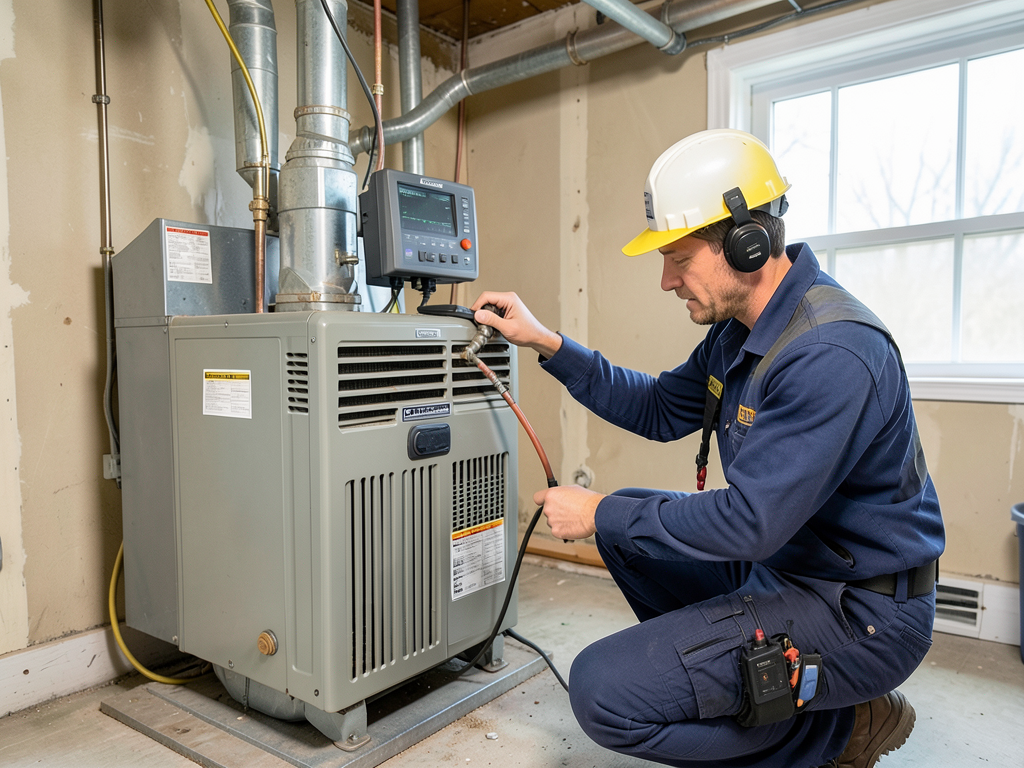
We do not guess. We do not replace parts randomly and hope something works. Our emergency heat pump service starts with a full system diagnostic using manifold gauges, multimeters, and thermal imaging cameras.

First, we check power. Tripped breakers and blown fuses are common after a compressor surge. We test voltage at the disconnect, the contactor, and the capacitor. If voltage is present but the compressor will not start, we check the run capacitor with a capacitance meter. A weak capacitor causes hard starts and eventual compressor failure.

Next, we check refrigerant charge. Low refrigerant means a leak. We pressurize the system with nitrogen and use electronic leak detectors to find the breach. Leaks happen at brazed joints, Schrader valve cores, and along the suction line where vibration causes metal fatigue. We repair the leak, pull a vacuum to remove moisture, and recharge the system to manufacturer specifications.

If the reversing valve is stuck, we check the solenoid coil and the pilot valve. A failed reversing valve means the system only heats or only cools. We replace the valve and test both modes before we leave.

Blower motor issues get traced back to the control board, the motor capacitor, or the motor itself. We test continuity on motor windings. If the windings are open or shorted to ground, the motor gets replaced.

Our trucks carry the most common failure parts for Carrier, Trane, Lennox, Rheem, and Goodman heat pumps. We stock capacitors, contactors, reversing valves, and blower motors. That means after hours heat pump repair gets done on the first visit. You are not waiting three days for a part to arrive while your family suffers.

What Happens When You Call for Emergency Heat Pump Repair

Emergency Heat Pump Repair in Philadelphia – 24/7 Response When Your System Fails
01

Immediate Dispatch

You call our 24 hour heat pump repair line at (215) 610-9099. A live person answers, not a voicemail. We ask targeted questions about your system to identify the likely failure mode. Our technician gets dispatched immediately with the tools and parts needed for your specific heat pump model. You get an arrival window, not a vague promise.
02

System Diagnostic

Our technician arrives and begins electrical and refrigerant testing. We check compressor amperage draw, capacitor microfarads, and superheat and subcooling temperatures. We identify the failed component, explain what caused the failure, and give you a clear repair plan. No upselling. No unnecessary replacements. Just the fix your system needs to run reliably.
03

Repair and Testing

We replace the failed part, test the system through a complete heating and cooling cycle, and verify airflow and temperature split. Before we leave, your heat pump is running at full capacity. We clean up, show you the old part, and explain what to watch for. You get documentation of all work performed and parts installed.

Why Philadelphia Homeowners Choose Elite HVAC for Heat Pump Emergencies

We know Philadelphia HVAC. We know the ductless mini-split systems common in Northern Liberties conversions. We know the old Carrier heat pumps still running in Roxborough cape cods. We know the Trane systems installed in new construction in East Passyunk.

That local knowledge matters when you need urgent heat pump repair at 11 p.m. on a Sunday. Our technicians have worked on heat pumps in every Philadelphia neighborhood. We understand the electrical constraints of older homes. We know how to retrofit systems in tight mechanical rooms. We know which units fail most often and why.

Philadelphia building codes require permits for refrigerant work and electrical modifications. We pull permits when required. We document all work. If you are filing an insurance claim for storm damage or power surge failures, you get the paperwork you need.

Our trucks are fully stocked because we know what breaks. We do not make multiple trips. We do not tell you to wait until morning. When you call for same day heat pump repair, we show up ready to fix the problem. We carry replacement parts for the most common failure modes. Capacitors. Contactors. Thermostats. Reversing valves. Blower motors.

We also understand Philadelphia weather. We know that a heat pump failure during a winter cold snap is not just uncomfortable. It is dangerous. Pipes freeze. Homes become unlivable. That is why we prioritize emergency calls. We do not make you wait while we finish a maintenance call across town. When your heat pump is down and temperatures are dropping, you move to the front of the line.

You get technicians who have seen every type of heat pump failure. Compressor lockout. Defrost board failure. Refrigerant leaks. Blower wheel imbalance. Reversing valve chatter. We diagnose fast and fix it right.

What to Expect When You Need Emergency Heat Pump Service

Arrival Time

We answer our emergency line 24 hours a day, seven days a week. When you call for after hours heat pump repair, you talk to a real person who dispatches a technician immediately. Most emergency calls get a technician on site within 90 minutes. During extreme weather events, we prioritize calls based on health and safety risk. Homes with infants, elderly residents, or medical equipment get bumped to the top. You get a text with your technician's name, photo, and estimated arrival time.

Diagnostic Process

Our diagnostic process is thorough and transparent. We test electrical components first because power issues are the most common cause of heat pump failure. We check voltage, amperage, and capacitance. Then we test refrigerant pressures and temperatures. We use digital manifold gauges that give real-time superheat and subcooling calculations. You see the readings. We explain what they mean. We show you the failed part. You understand exactly what is broken and why it needs replacement before any work begins.

Completed Repair

When we finish the repair, your heat pump runs through a full operational test. We verify correct refrigerant charge, proper airflow, accurate thermostat response, and smooth defrost cycling. We measure supply air temperature and compare it to return air temperature to confirm proper heat transfer. We check for refrigerant leaks using electronic leak detectors. We leave your system running reliably. You get documentation of all tests performed, parts replaced, and system performance metrics. Your home returns to a comfortable temperature within an hour.

Follow-Up Support

After an emergency repair, we follow up within 48 hours to verify your system is still running properly. If you experience any issues with the repair, we return at no additional charge. We also provide a system health report that outlines the condition of other components. If your heat pump is aging and likely to fail again, we tell you. We give you options for extended maintenance plans or system replacement. You make informed decisions about your HVAC investment, not panicked decisions during the next emergency.

Frequently Asked Questions

You Have Questions,
We Have Answers

How much is emergency heating repair? +

Emergency heating repair costs vary based on the problem and time of day. After-hours service in Philadelphia typically adds $100 to $300 to the standard diagnostic fee. Simple fixes like thermostat issues or tripped breakers run $150 to $400. Component replacements like capacitors or contactors range from $250 to $600. Compressor or refrigerant leak repairs cost $800 to $2,500. Many Philadelphia contractors offer financing for emergencies. Get a written estimate before work begins. Focus on finding a licensed technician who arrives fast, not the cheapest quote. Your family's safety comes first.

What to do if the heat pump stops working? +

First, check your thermostat settings and replace batteries if needed. Verify the circuit breaker did not trip. Look at your outdoor unit. Clear snow, ice, or debris blocking airflow. If the unit still will not run, turn off power at the breaker to prevent further damage. Call an emergency HVAC technician immediately. Philadelphia winters demand fast action. Do not attempt DIY repairs on refrigerant lines or electrical components. Use space heaters safely while you wait, keeping them away from curtains and furniture. A qualified technician can diagnose the issue and restore heat quickly.

What is the $5000 rule for HVAC? +

The $5,000 rule helps you decide between repair and replacement. Multiply your system's age by the repair cost. If the total exceeds $5,000, replace the unit instead of repairing it. For example, a 12-year-old heat pump needing a $600 repair equals $7,200, so replacement makes more sense. This guideline accounts for Philadelphia's humid summers and cold winters, which stress aging equipment. Frequent repairs on older systems add up fast. A new heat pump offers better efficiency, lower utility bills, and reliable heating. Discuss both options with your technician before deciding.

What's considered an HVAC emergency? +

An HVAC emergency means immediate danger or total system failure during extreme weather. In Philadelphia, this includes no heat when temperatures drop below freezing, carbon monoxide detector alarms, burning smells from vents, or sparking electrical components. Frozen pipes, gas odors, and complete system shutdowns during winter storms qualify as emergencies. Water leaks damaging your home or ice buildup blocking airflow also demand urgent attention. If your family feels unsafe or uncomfortable due to equipment failure, call for emergency service. Waiting until morning risks pipe damage, health issues, or costly secondary problems.

What is the average life expectancy of a heat pump? +

Heat pumps last 10 to 15 years with proper maintenance. Philadelphia's climate stresses systems year-round. Humid summers force continuous cooling. Cold winters require defrost cycles and backup heat. Coastal moisture accelerates corrosion on outdoor components. Regular maintenance extends lifespan significantly. Annual tune-ups, clean filters, and cleared drain lines prevent premature failure. Higher-quality units with two-stage compressors often reach 15 years. Budget systems or neglected maintenance shorten lifespan to 8 to 10 years. If your heat pump exceeds 12 years and needs major repairs, replacement often makes financial sense.

What is the most expensive part in an HVAC unit? +

The compressor is the most expensive component, costing $1,500 to $3,000 for parts and labor. This motor pumps refrigerant through your system, enabling heat transfer. Compressor failure often results from refrigerant leaks, electrical issues, or lack of maintenance. In Philadelphia, freeze-thaw cycles and high humidity stress compressors harder than mild climates. Replacing a failed compressor on an older system rarely makes sense financially. Most technicians recommend full system replacement instead. The heat exchanger ranks second in cost. Protect your investment with annual maintenance and prompt repairs when small issues arise.

What is the most common problem with heat pumps? +

Reversing valve failure is the most common heat pump problem. This component switches between heating and cooling modes. Philadelphia's temperature swings force frequent mode changes, wearing out the valve. Symptoms include cold air during heating mode or the unit stuck in one mode. Refrigerant leaks rank second, caused by vibration, corrosion, or poor installation. Low refrigerant reduces heating capacity and efficiency. Frozen coils happen when airflow drops due to dirty filters or blocked vents. Defrost cycle issues occur during Philadelphia winters when outdoor coils ice over. Regular maintenance catches these problems early.

What is the average cost of a heat pump replacement? +

Heat pump replacement in Philadelphia costs $4,500 to $8,500 for a complete system, including installation. This price covers a 2 to 5-ton unit suitable for most homes, new indoor air handler, thermostat, and labor. Higher-efficiency models with variable-speed compressors run $7,000 to $12,000 but cut utility bills significantly. Additional costs include ductwork modifications, electrical upgrades, or permits required by Philadelphia building codes. Federal tax credits and utility rebates reduce your final cost. Get three written quotes from licensed contractors. Avoid unusually low bids that cut corners on installation quality or refrigerant charging.

What temperature is too cold for a heat pump to work? +

Standard heat pumps lose efficiency below 40 degrees and struggle under 25 degrees. Philadelphia winters regularly drop into the teens, requiring backup heat strips or dual-fuel systems. Modern cold-climate heat pumps work efficiently down to 5 degrees using enhanced vapor injection technology. Below zero, all heat pumps need supplemental heat. Ice buildup on outdoor coils triggers defrost cycles, temporarily reducing capacity. If your heat pump runs constantly during cold snaps but fails to maintain comfort, your backup heat may have failed. Call a technician immediately. Proper sizing and backup systems keep Philadelphia homes warm all winter.

What is the federal credit for HVAC? +

The federal Energy Efficient Home Improvement Credit offers up to $2,000 annually for qualifying heat pumps installed through 2032. Your system must meet ENERGY STAR certification with minimum SEER2 and HSPF2 ratings. The credit covers 30 percent of equipment and installation costs, capped at $2,000. Philadelphia homeowners can combine this with PECO rebates and Pennsylvania state programs for additional savings. Keep all receipts and manufacturer certifications for tax filing. Consult a tax professional to verify eligibility. This credit makes upgrading to high-efficiency heating more affordable while reducing energy bills long-term.

How Philadelphia's Freeze-Thaw Cycles Destroy Heat Pump Components

Philadelphia sits in a climate zone where winter temperatures swing wildly. A January week might start at 38 degrees and drop to 12 degrees by Friday. That freeze-thaw cycling is brutal on heat pump defrost systems. When temperatures hover near freezing, the outdoor coil ices up repeatedly. The defrost board energizes the reversing valve to melt the ice. If the defrost sensor fails or the board malfunctions, ice keeps building until the system shuts down on high pressure lockout. This failure mode is common in Manayunk, Chestnut Hill, and other neighborhoods where homes sit on hillsides exposed to wind. Emergency heat pump service calls spike during these temperature swings because systems that ran fine at 40 degrees fail completely at 15 degrees.

Philadelphia L&I requires permits for any refrigerant work that involves opening the sealed system. That means leak repairs, compressor replacements, and reversing valve changes need proper documentation. Unlicensed contractors skip this step. That puts you at risk if something goes wrong. Elite HVAC Philadelphia pulls permits, follows code, and documents all work. We also understand the quirks of Philadelphia's older housing stock. Rowhomes built in the 1920s often have undersized electrical panels. Split-level homes in the Northeast have ductwork routed through unconditioned crawl spaces. We have repaired heat pumps in every type of Philadelphia home. We know what works and what causes callbacks.
HVAC Services in The Philadelphia Area

Come visit our office or explore our extensive service area on the map below. Elite HVAC proudly serves residential and commercial clients across Philadelphia, ensuring prompt and reliable heating, ventilation, and air conditioning solutions wherever you are. Whether you need an emergency repair or a new installation, we’re strategically located to provide quick and efficient service right to your doorstep, ensuring your comfort is never compromised.

Address:
Elite HVAC Philadelphia, 2231 E Ontario St, Philadelphia, PA, 19134

Additional Services We Offer

Our news updates

Latest Articles & News from The Blogs

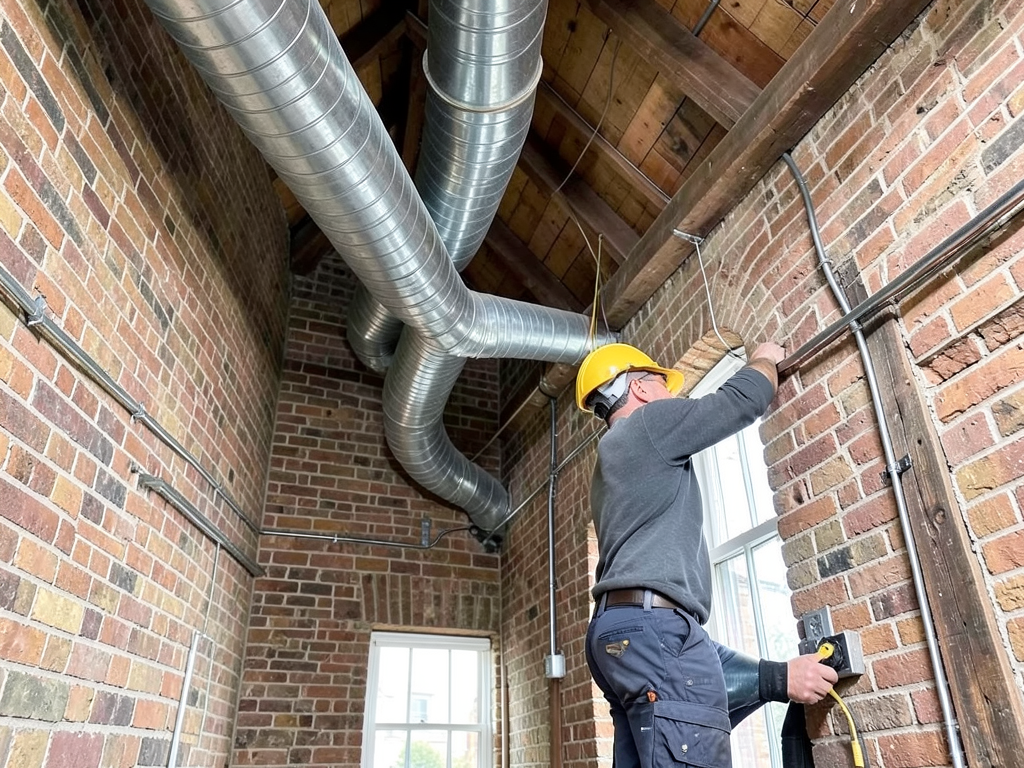
Creative Ways to Hide HVAC Ductwork in a High Ceiling South Kensington Loft Living in a South Kensington loft means…

Creative Ways to Hide HVAC Ductwork in a High Ceiling South Kensington Loft

Creative Ways to Hide HVAC Ductwork in a High Ceiling South Kensington Loft Living in a South Kensington loft means…

Picking a Whisper Quiet Heat Pump for Small Backyards in Haddington

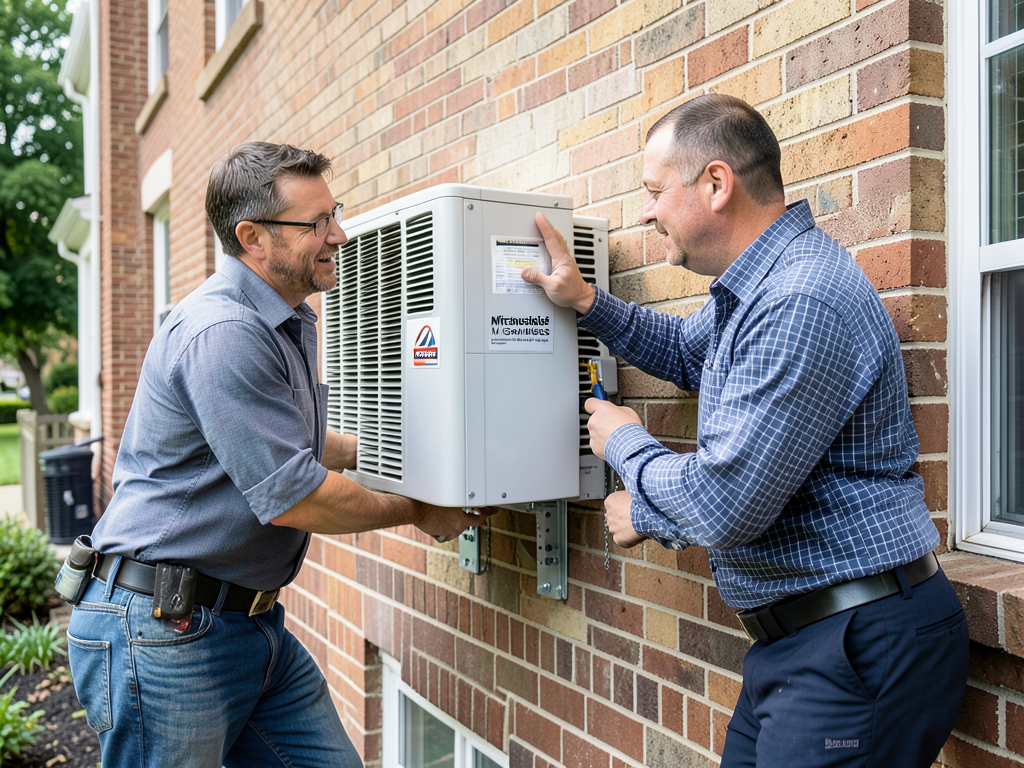
Picking a Whisper Quiet Heat Pump for Small Backyards in Haddington Living in Haddington means dealing with tight backyard spaces…

Should You Keep Repairing or Just Replace That 15 Year Old Furnace in Your Bustleton Split Level Home

Should You Keep Repairing or Just Replace That 15 Year Old Furnace in Your Bustleton Split Level Home Your 15-year-old…

Contact Us

Your family should not suffer through another hour without heat or air conditioning. Call Elite HVAC Philadelphia now at (215) 610-9099 for 24 hour heat pump repair. We answer immediately, dispatch fast, and fix it right the first time.