




Menu

Signs of Carbon Monoxide in Philadelphia – Know the Warning Signs Before It's Too Late

Learn to recognize carbon monoxide symptoms, carbon monoxide poisoning symptoms, and carbon monoxide warning signs before this silent killer puts your family at risk in your Philadelphia home.

Slider Image 1
Slider Image 2
Slider Image 3
Slider Image 4
Slider Image 5
Slider Image 7
Slider Image 8
Slider Image 9
Slider Image 10
Slider Image 11

Philadelphia Homes Face Hidden Carbon Monoxide Risks

Carbon monoxide is colorless, odorless, and deadly. You cannot see it. You cannot smell it. In Philadelphia, older row homes and attached housing create additional risks because carbon monoxide can migrate through shared walls and chimneys from neighboring units.

Philadelphia's building stock includes thousands of homes built before 1950, many with aging furnaces, water heaters, and ventilation systems. As temperatures drop in winter, residents seal windows and doors to keep heat in. This reduces fresh air circulation and traps carbon monoxide inside. The freeze-thaw cycles we experience here cause cracks in heat exchangers and flue pipes, creating pathways for combustion gases to leak into living spaces.

Carbon monoxide symptoms often mimic the flu. You feel tired, dizzy, or nauseous. You develop headaches. Your chest feels tight. Many people dismiss these carbon monoxide warning signs as a virus or stress. They go to bed thinking they need rest. Some never wake up.

Carbon monoxide poisoning symptoms escalate quickly. Confusion sets in. Vision blurs. Coordination fails. At high concentrations, loss of consciousness occurs within minutes. The indicators of carbon monoxide are easy to miss because they affect everyone in the household simultaneously. When the whole family feels sick at the same time, you are dealing with an environmental threat, not a contagious illness.

Signs of a carbon monoxide leak extend beyond physical symptoms. Yellow or orange furnace flames instead of blue indicate incomplete combustion. Soot buildup around appliances signals poor venting. Excessive moisture on windows suggests inadequate fresh air exchange. Pilot lights that frequently go out point to draft problems. If you notice any of these conditions alongside physical symptoms, evacuate immediately and call 911.

Philadelphia Homes Face Hidden Carbon Monoxide Risks
How HVAC Systems Create Carbon Monoxide Hazards

How HVAC Systems Create Carbon Monoxide Hazards

Carbon monoxide forms when fuel burns without enough oxygen. Your furnace, water heater, and gas appliances all produce it during normal operation. When these systems work correctly, combustion gases vent safely outside through flue pipes and chimneys. The problem starts when something disrupts this process.

Cracked heat exchangers are the most dangerous source. The heat exchanger is a metal chamber inside your furnace where combustion occurs. Over time, metal fatigues from repeated heating and cooling cycles. Small cracks form. These cracks allow carbon monoxide to escape from the combustion chamber into the air handler, which then distributes poisoned air throughout your home via the ductwork.

Blocked flue pipes trap combustion gases inside. Bird nests, debris, ice dams, and deteriorated mortar can obstruct the chimney. When exhaust cannot escape, it backs up into your living space. This backdrafting is especially common in Philadelphia row homes where multiple units share a common chimney stack. One blocked section affects everyone.

Negative air pressure pulls combustion gases backward. When bathroom fans, kitchen exhaust hoods, and dryers remove air from your home faster than fresh air enters, they create a vacuum effect. This negative pressure can reverse the natural draft in your flue, pulling carbon monoxide down the chimney instead of up and out.

Insufficient combustion air starves flames of oxygen. Modern homes are tightly sealed for energy efficiency. Without makeup air, gas appliances cannot burn fuel completely. The result is elevated carbon monoxide production. This issue affects both heating equipment and gas water heaters, especially when they operate in small mechanical rooms or closets.

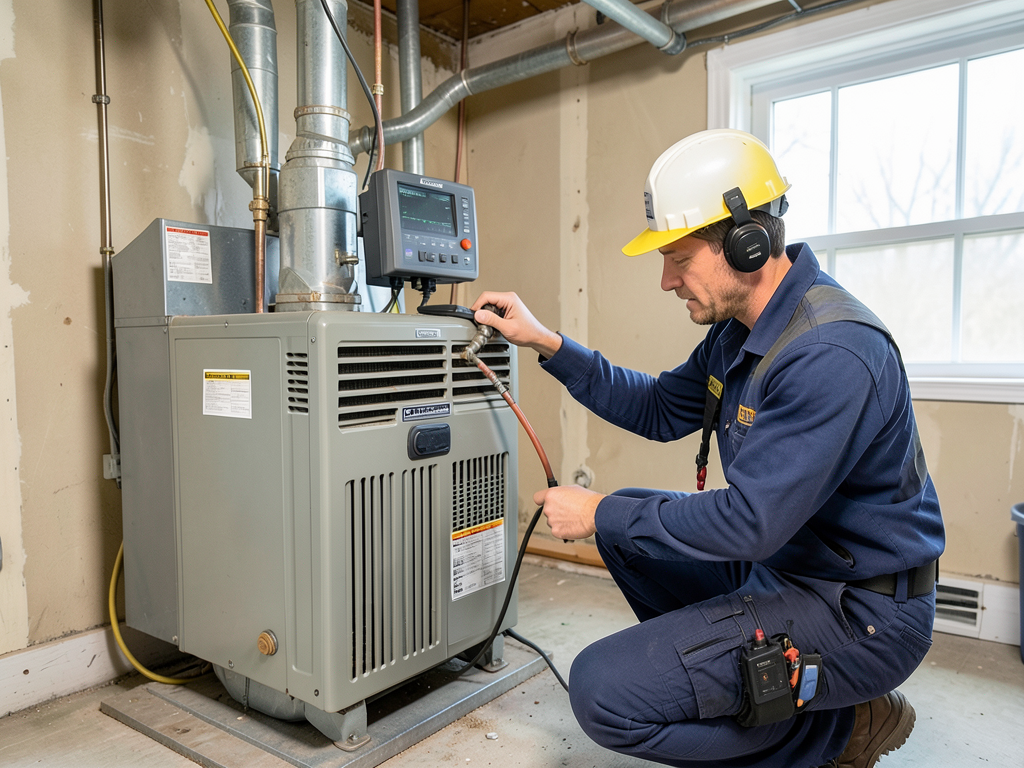
Elite HVAC Philadelphia technicians check heat exchangers with cameras, measure flue draft with manometers, and test ambient carbon monoxide levels with calibrated gas detectors during every furnace inspection.

What Happens During a Carbon Monoxide Safety Assessment

Signs of Carbon Monoxide in Philadelphia – Know the Warning Signs Before It's Too Late
01

Complete System Inspection

Our technician examines your furnace, water heater, and all gas appliances for visible damage, corrosion, and soot accumulation. We inspect heat exchangers with a borescope camera to identify cracks invisible to the naked eye. We check flue pipes for proper slope, secure connections, and blockages. We verify that combustion air openings are unobstructed and adequate for your equipment load.
02

Combustion Analysis Testing

We use a digital combustion analyzer to measure oxygen levels, carbon monoxide concentration, and flue gas temperature in your exhaust stream. This data tells us whether your equipment is burning fuel efficiently and venting properly. We test draft pressure to confirm adequate draw up the chimney. We measure ambient carbon monoxide levels in mechanical rooms and living spaces to detect any leakage into occupied areas.
03

Safety Documentation and Recommendations

You receive a written report detailing all findings, test measurements, and any carbon monoxide hazards we identified. We classify issues by urgency. Critical safety problems require immediate equipment shutdown and repair. We explain what repairs are necessary, why they matter, and what happens if you delay. We recommend carbon monoxide detector placement throughout your home as your final line of defense.

Why Philadelphia Homeowners Choose Elite HVAC for Carbon Monoxide Safety

Elite HVAC Philadelphia specializes in older heating systems common throughout the city. We understand the unique challenges of Philadelphia's housing stock. Row homes with shared chimneys require different diagnostic approaches than detached houses. Converted multifamily buildings need special attention to ensure proper combustion air and venting for multiple units. We have seen every configuration and know what to look for.

Philadelphia enforces specific mechanical codes through the Department of Licenses and Inspections. We stay current on all local requirements for carbon monoxide detectors, ventilation standards, and appliance installation. Our technicians understand the permit requirements for furnace replacement and the inspection process that follows. We handle the paperwork and ensure your system passes city inspection the first time.

We work in every neighborhood, from Queen Village to Mount Airy, Fishtown to Chestnut Hill. We know which areas have gas service and which rely on oil heat. We understand the infrastructure limitations in older sections of the city. This local knowledge helps us diagnose problems faster and recommend solutions that fit your home's specific conditions.

Carbon monoxide detection requires calibrated equipment and trained interpretation. Many contractors perform visual inspections only. We invest in professional-grade combustion analyzers, draft gauges, and gas detectors. Our technicians receive ongoing training in combustion science and diagnostic techniques. We do not guess. We measure.

When we find a carbon monoxide hazard, we explain it clearly. You see the camera footage of cracked heat exchangers. You see the combustion analysis readings that confirm unsafe carbon monoxide levels. You understand exactly what is wrong and why it is dangerous. We do not use scare tactics. We show you the evidence and let you make an informed decision about repairs.

Emergency service matters when you suspect carbon monoxide exposure. We answer calls 24 hours a day because carbon monoxide does not wait for business hours.

What to Expect When You Call About Carbon Monoxide Concerns

Same-Day Emergency Response

If you are experiencing carbon monoxide symptoms or your detector has alarmed, we treat it as an emergency. You get priority scheduling. Our dispatcher will ask about your symptoms and advise you to evacuate if necessary. We typically arrive within two hours for urgent calls in Philadelphia. Our technician comes equipped with gas detection equipment and diagnostic tools to identify the source immediately. We do not leave until we determine whether your home is safe to occupy or until we shut down the hazard and explain your next steps.

Comprehensive Combustion Safety Testing

Our assessment goes beyond turning on your furnace and watching it run. We perform a full combustion analysis that measures exact carbon monoxide levels in your flue gas. We test draft pressure to verify proper venting. We inspect the heat exchanger with a camera inserted through the burner compartment. We check gas pressure at the manifold to ensure proper input. We measure carbon monoxide concentration in your living space and mechanical room. You receive specific measurements, not vague assurances. This thoroughness takes 60 to 90 minutes but gives you definitive answers about whether your system is producing or leaking carbon monoxide.

Clear Explanation of Findings

You see what we see. If we find a cracked heat exchanger, we show you the camera footage. If combustion readings are out of range, we show you the analyzer screen and explain what the numbers mean. If your flue is blocked, we show you the obstruction. We explain which problems create immediate danger and which are maintenance issues. You get a written report with photos, test measurements, and our recommendations. We never pressure you. We give you the information you need to protect your family. Some situations require immediate furnace shutdown. Others need repair within days or weeks. We tell you the truth about urgency.

Annual Safety Verification

Carbon monoxide safety is not a one-time concern. Heat exchangers develop cracks gradually. Flue pipes deteriorate over time. Combustion characteristics change as equipment ages. We recommend annual combustion safety testing before each heating season. Our maintenance program includes complete combustion analysis, heat exchanger inspection, and carbon monoxide testing every fall. Members get priority emergency service and discounted repairs if we find problems. This proactive approach catches carbon monoxide hazards before they threaten your family. Between visits, replace your carbon monoxide detector batteries twice a year and test the alarm monthly. If the alarm sounds, evacuate immediately and call 911, then call us to diagnose the source.

Frequently Asked Questions

You Have Questions,
We Have Answers

What are signs of carbon monoxide in the house? +

Carbon monoxide is invisible and odorless, so you cannot detect it without equipment. Physical signs in your Philadelphia home include persistent headaches, dizziness, nausea, or flu-like symptoms that improve when you leave the house. Your gas furnace or boiler may produce a yellow or orange flame instead of blue. Soot or stains around appliances signal incomplete combustion. Excess condensation on windows can indicate poor ventilation. Pets may show lethargy or confusion before humans. If multiple family members feel sick simultaneously, evacuate immediately and call 911. Install carbon monoxide detectors on every level of your home.

How long after carbon monoxide exposure do you get symptoms? +

Symptoms appear quickly with high-level exposure, often within minutes to two hours. Low-level exposure causes headaches, fatigue, and nausea within several hours. Philadelphia homes with older heating systems or poor ventilation face greater risk during winter months when windows stay closed. Symptoms mimic the flu but lack fever. Children, elderly residents, and people with heart conditions react faster. Exposure during sleep is especially dangerous because you will not recognize symptoms until severe harm occurs. If you suspect exposure, move to fresh air immediately and seek medical attention. Blood tests confirm carbon monoxide levels and guide treatment.

How can I check if I have carbon monoxide? +

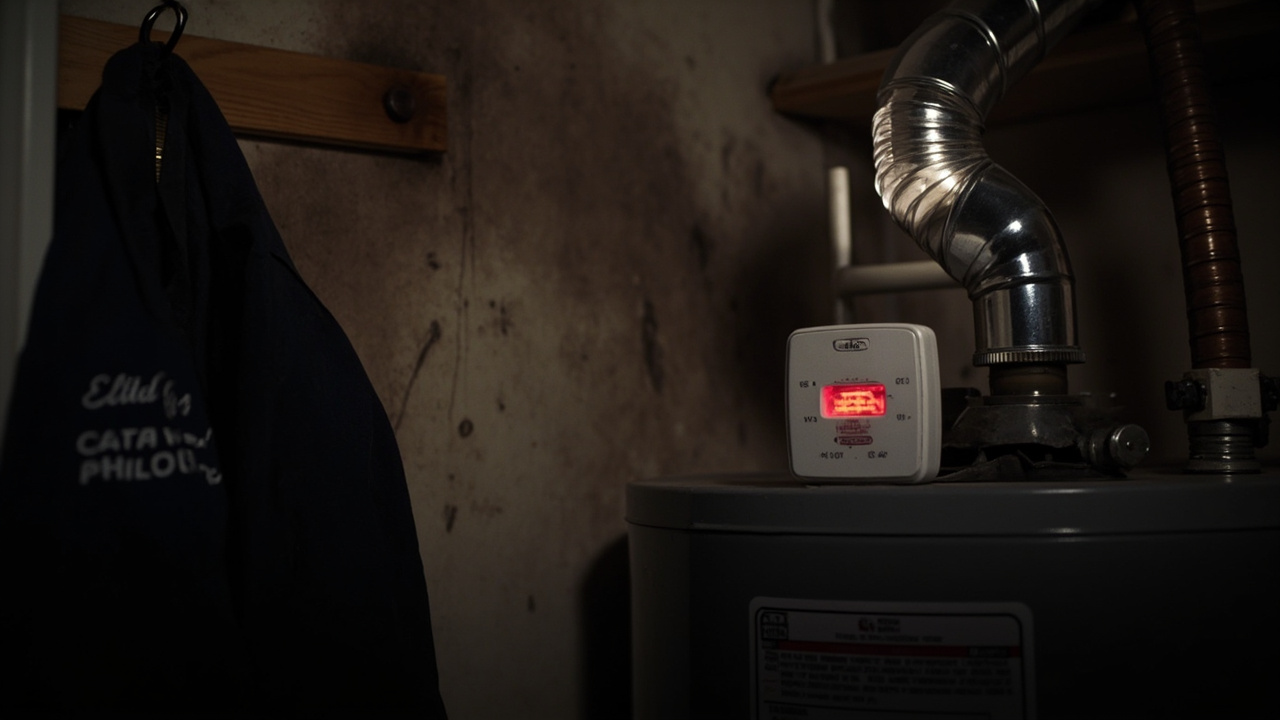
Install battery-powered or hardwired carbon monoxide detectors with digital displays showing parts per million. Place one on each floor, including basements where furnaces and water heaters operate. Philadelphia rowhomes require detectors near shared walls if neighbors have gas appliances. Test detectors monthly and replace batteries twice yearly. Schedule annual inspections of your HVAC system, gas water heater, and any fuel-burning appliances. Technicians use professional-grade analyzers to measure ambient CO levels and check exhaust ventilation. Never rely on symptoms alone. Carbon monoxide poisoning can render you unconscious before you realize danger exists. Professional equipment provides the only reliable detection method.

Can a small gas leak make you feel sick? +

Yes. Even minor natural gas leaks cause dizziness, headaches, nausea, and breathing problems. Natural gas contains added mercaptan for the distinctive rotten egg smell, but leaks near pilot lights or poorly ventilated spaces still pose serious health risks. Philadelphia homes with aging gas lines face higher leak probability. Small leaks reduce oxygen levels in enclosed rooms and can ignite if they contact sparks or flames. Chronic exposure damages your nervous system over time. If you smell gas, do not use light switches or phones inside. Evacuate immediately, then call the gas company and 911 from outside. Professional leak detection and repair prevent health emergencies.

Can a phone app detect carbon monoxide? +

No. Smartphone apps claiming to detect carbon monoxide are unreliable and dangerous. Your phone lacks the electrochemical sensors needed to measure CO concentrations accurately. Apps that analyze color changes on paper strips provide inconsistent results and delay critical response time. Carbon monoxide detection requires certified devices meeting UL 2034 standards. These detectors cost less than fifty dollars and save lives. Philadelphia residents should never substitute apps for proper equipment. Install detectors immediately and test them monthly. Apps cannot protect your family during overnight exposure when symptoms go unnoticed. Only purpose-built detectors with audible alarms provide adequate warning before dangerous levels cause unconsciousness or death.

What did carbon monoxide poisoning feel like? +

Victims describe a severe, pounding headache that worsens quickly. You feel confused, dizzy, and weak, like extreme altitude sickness. Nausea and vomiting are common. Your chest feels tight, and breathing becomes difficult. Vision blurs and your thinking slows noticeably. Philadelphia residents often mistake early symptoms for flu because they include fatigue and muscle weakness. As exposure continues, you lose coordination and cannot think clearly enough to recognize danger. Many victims report feeling sleepy before losing consciousness. The experience is terrifying because you realize something is wrong but cannot identify the cause. If you feel these symptoms indoors, get outside immediately and call 911.

Can I go to sleep after carbon monoxide exposure? +

No. Never go to sleep after any carbon monoxide exposure. Carbon monoxide binds to hemoglobin in your blood, reducing oxygen delivery to organs and tissues. Sleeping prevents you from recognizing worsening symptoms or responding to danger. Even after mild exposure, CO remains in your bloodstream for hours. Philadelphia emergency rooms see preventable deaths each winter from residents who went to bed after feeling sick from furnace malfunctions. Seek immediate medical evaluation. Doctors administer oxygen therapy to accelerate CO elimination and monitor for delayed neurological effects. Returning to your home without professional inspection and appliance repair risks repeated exposure. Do not sleep there until technicians confirm safety.

How to test for carbon monoxide without a detector? +

You cannot reliably test for carbon monoxide without a detector. Some people suggest observing flame color on gas appliances, where yellow or orange flames indicate incomplete combustion. However, this method misses many dangerous situations. Checking for soot buildup around furnaces or water heaters shows poor ventilation but not current CO levels. Condensation on windows suggests ventilation problems but provides no measurement. Philadelphia rowhomes and older buildings make visual inspection unreliable. Professional HVAC technicians use calibrated electronic analyzers to measure exact concentrations. Install proper detectors immediately. Do not risk your family's safety on improvised testing methods. Battery-powered detectors cost less than dinner out and provide continuous monitoring.

Is a small amount of carbon monoxide ok? +

No amount of carbon monoxide is safe. Even low concentrations cause cumulative harm over time. The EPA sets safe outdoor levels at nine parts per million averaged over eight hours. Indoors, any detectable level signals a problem requiring immediate attention. Philadelphia homes should register zero CO under normal conditions. Chronic low-level exposure damages your heart and brain, causing memory problems, mood changes, and cardiovascular disease. Children absorb carbon monoxide faster than adults, making them vulnerable to lower concentrations. Pregnant women risk fetal development issues. Your carbon monoxide detector should read zero. If it shows any reading, identify and fix the source immediately.

What's the most common household thing to cause a carbon monoxide leak? +

Furnaces cause most residential carbon monoxide leaks in Philadelphia. Cracked heat exchangers, blocked flues, and inadequate combustion air allow CO to enter living spaces instead of venting outside. Gas water heaters rank second, especially older models with corroded vent pipes. Many Philadelphia rowhomes have furnaces and water heaters in basements with limited ventilation, increasing risk. Blocked chimneys prevent proper venting during heating season. Running vehicles or generators in attached garages produces lethal concentrations within minutes. Schedule annual HVAC inspections before winter. Technicians check heat exchangers, test combustion efficiency, and verify proper venting. This maintenance prevents most household carbon monoxide incidents.

Why Philadelphia's Aging Housing Stock Increases Carbon Monoxide Risks

Philadelphia has the second-oldest housing stock of any major American city. More than 65 percent of homes were built before 1960. These properties feature masonry chimneys that deteriorate over decades, original cast iron flue pipes that rust through, and heating systems nearing or exceeding their design life. Row home construction creates shared chimneys serving multiple dwelling units. A blockage or backdrafting condition in one unit can create carbon monoxide exposure in adjacent homes. The L&I Building Code requires carbon monoxide detectors within 10 feet of all sleeping areas, but many older homes remain unequipped. Winter heating loads in Philadelphia push aging furnaces to their limits, accelerating heat exchanger fatigue and increasing the likelihood of cracks forming.

Elite HVAC Philadelphia has serviced heating systems throughout the city for years. We understand the unique challenges of Philadelphia's building types, from Society Hill brownstones to Northeast twins, from Germantown Victorians to South Philly row homes. Our technicians are trained to work with both modern forced air systems and older steam and hot water boilers. We maintain relationships with local supply houses for hard-to-find parts for vintage equipment. When we recommend a repair or replacement, we consider your home's specific configuration, available utility services, and budget constraints. Our familiarity with Philadelphia's neighborhoods, building codes, and inspection processes means we complete work correctly the first time. You get safety assurance from a team that knows your home's construction type and its vulnerabilities.
HVAC Services in The Philadelphia Area

Come visit our office or explore our extensive service area on the map below. Elite HVAC proudly serves residential and commercial clients across Philadelphia, ensuring prompt and reliable heating, ventilation, and air conditioning solutions wherever you are. Whether you need an emergency repair or a new installation, we’re strategically located to provide quick and efficient service right to your doorstep, ensuring your comfort is never compromised.

Address:
Elite HVAC Philadelphia, 2231 E Ontario St, Philadelphia, PA, 19134

Additional Services We Offer

Our news updates

Latest Articles & News from The Blogs

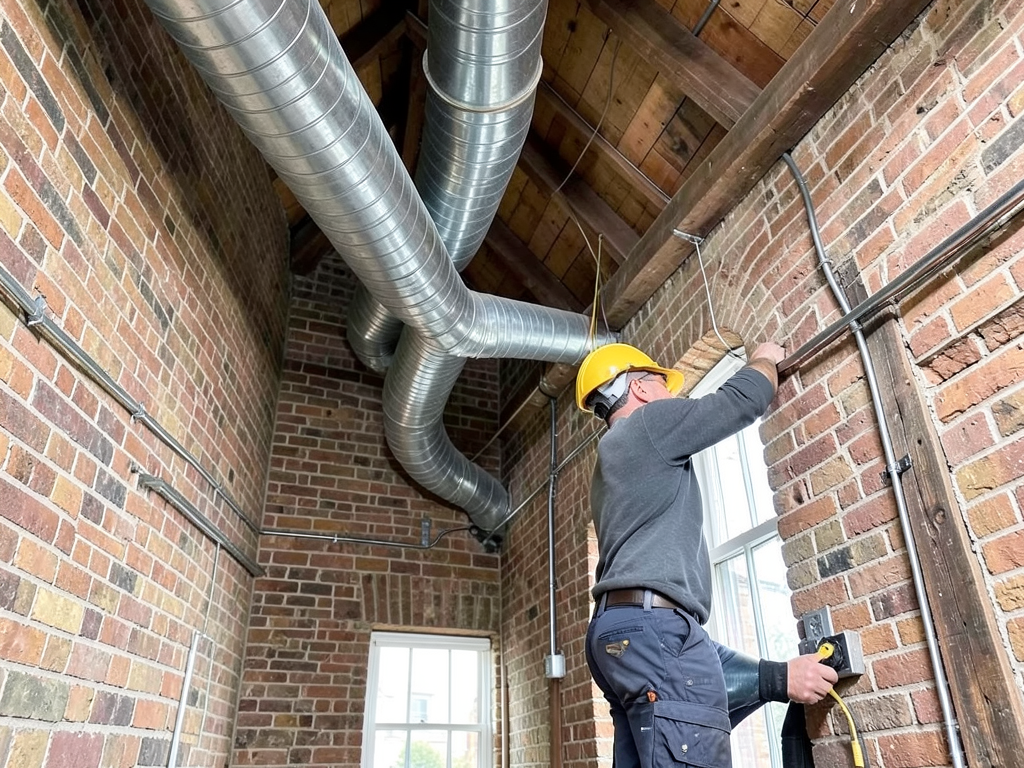
Creative Ways to Hide HVAC Ductwork in a High Ceiling South Kensington Loft Living in a South Kensington loft means…

Creative Ways to Hide HVAC Ductwork in a High Ceiling South Kensington Loft

Creative Ways to Hide HVAC Ductwork in a High Ceiling South Kensington Loft Living in a South Kensington loft means…

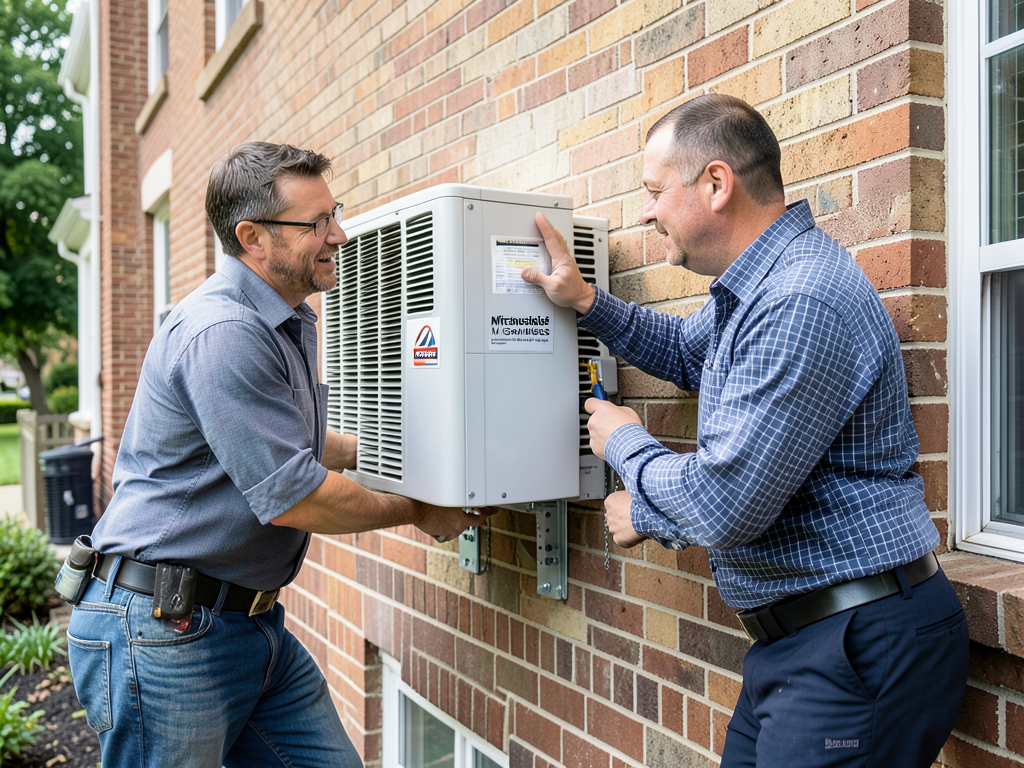
Picking a Whisper Quiet Heat Pump for Small Backyards in Haddington

Picking a Whisper Quiet Heat Pump for Small Backyards in Haddington Living in Haddington means dealing with tight backyard spaces…

Should You Keep Repairing or Just Replace That 15 Year Old Furnace in Your Bustleton Split Level Home

Should You Keep Repairing or Just Replace That 15 Year Old Furnace in Your Bustleton Split Level Home Your 15-year-old…

Contact Us

Do not wait until symptoms appear. Call Elite HVAC Philadelphia at (215) 610-9099 now to schedule a comprehensive combustion safety assessment. We test, we measure, we show you the facts. Protect your family from the silent killer.