




Menu

Uneven Heating or Cooling in Philadelphia – Expert Diagnosis and Permanent Fixes for Every Room

Stop fighting hot and cold spots with guesswork. Our comprehensive HVAC diagnostics pinpoint the exact cause of inconsistent room temperatures in your Philadelphia home and deliver lasting solutions that balance comfort throughout your entire house.

Slider Image 1
Slider Image 2
Slider Image 3
Slider Image 4
Slider Image 5
Slider Image 7
Slider Image 8
Slider Image 9
Slider Image 10
Slider Image 11

Why Philadelphia Homes Struggle with Temperature Balance

You walk into your bedroom and it feels like an icebox. The living room is stuffy and warm. Your thermostat says 72 degrees, but each room tells a different story. This home temperature imbalance is not just uncomfortable, it is a sign something is wrong with your HVAC system.

Philadelphia's extreme seasonal swings make this problem worse. Winter temperatures drop below freezing while summer humidity pushes into the 90s. Your system works overtime to compensate, which exposes weak points in ductwork, air handler capacity, and zone control.

Older Philadelphia rowhomes and twins present unique challenges. Many were retrofitted with central air decades after construction. Ductwork was squeezed into tight spaces, causing uneven airflow distribution. Some rooms get strong airflow while others barely register on a vent check. Add in poor insulation in century-old walls and you have a recipe for different temperatures in each room.

Hot and cold spots also signal deeper issues. Undersized equipment cannot keep up with load demands. Leaky ducts dump conditioned air into crawl spaces and attics instead of living areas. Failed dampers in zoned systems leave some rooms starved for airflow. A single blower motor struggling to push air through restrictive ductwork creates pressure imbalances that favor certain rooms over others.

Your furnace or AC is not broken. It is working exactly as hard as the system allows, but the system itself has fundamental design or maintenance flaws. Inconsistent room temperatures are the symptom. The cause requires professional diagnosis to identify and correct.

Why Philadelphia Homes Struggle with Temperature Balance
How We Diagnose and Fix Temperature Imbalance

How We Diagnose and Fix Temperature Imbalance

We do not guess. We measure. Our diagnostic process starts with a room-by-room temperature mapping using calibrated digital thermometers. We record baseline data while your system runs through a full heating or cooling cycle. This tells us which rooms are over-conditioned, which are under-conditioned, and how severe the deviation is from your setpoint.

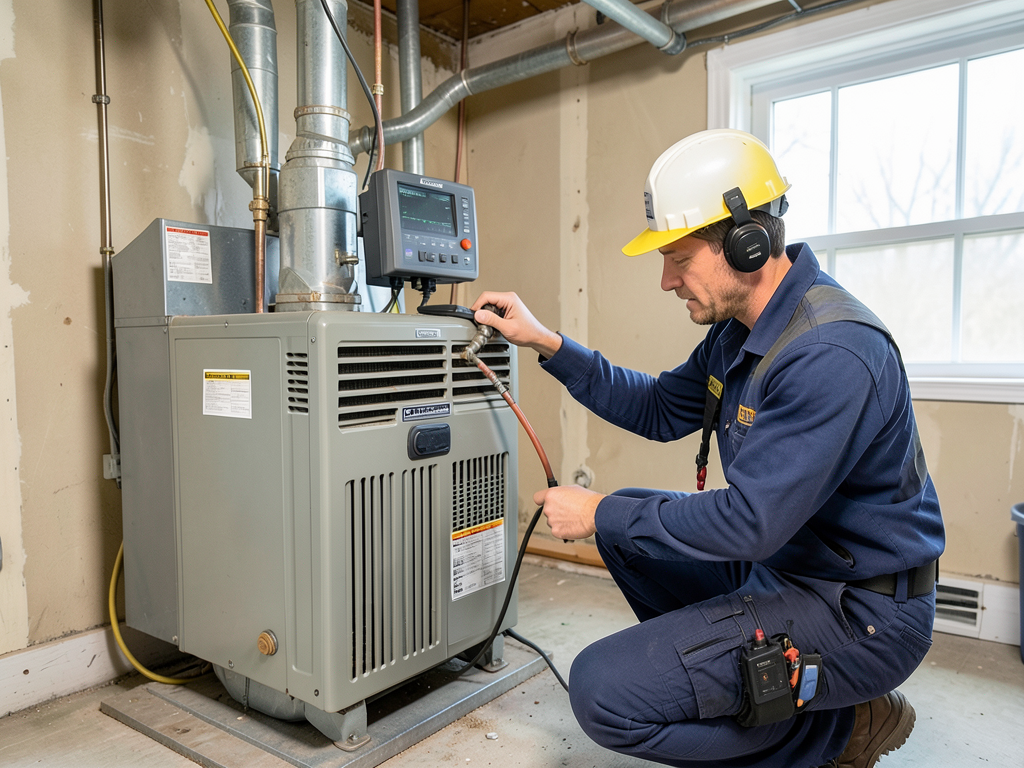
Next, we perform a complete duct inspection. We check static pressure at the air handler and at each supply register. High static pressure means restrictive ductwork or clogged filters are choking airflow. Low pressure at specific registers points to leaks, disconnected ducts, or crushed flex duct in tight spaces. We use a duct blaster test to quantify total leakage. Anything over 10 percent needs sealing.

We inspect dampers in zoned systems. Manual dampers get stuck or were never balanced correctly during installation. Motorized zone dampers fail electronically or mechanically. We verify each damper moves freely and responds to thermostat calls.

Airflow testing at each register uses a flow hood to measure cubic feet per minute. We compare actual CFM to design specs. A bedroom that needs 80 CFM but only receives 40 CFM will always feel uncomfortable. We trace that deficit back to the source, duct sizing, turns, flex duct sag, or undersized trunk lines.

We evaluate your equipment capacity against your home's actual load. A Manual J load calculation shows whether your furnace or air conditioner is properly sized. Undersized units cannot overcome extreme weather. Oversized units short cycle and fail to dehumidify properly, leaving rooms clammy in summer.

Our solutions are specific to what we find. Duct sealing. Damper replacement. Airflow balancing. Zoning system upgrades. Equipment right-sizing. Every fix is targeted to eliminate the root cause, not just the symptom.

What Happens During Your Temperature Balance Service

Uneven Heating or Cooling in Philadelphia – Expert Diagnosis and Permanent Fixes for Every Room
01

Comprehensive System Evaluation

We start with a detailed walkthrough of your home while your HVAC system runs. We measure temperature differentials between rooms, check airflow at every register, and document problem areas. We inspect your attic, basement, and crawl spaces to trace ductwork routing and identify visible issues like disconnected ducts, missing insulation, or poorly designed layouts. This first step builds a complete picture of how your system distributes conditioned air.
02

Diagnostic Testing and Analysis

We perform static pressure testing, duct leakage testing, and airflow measurements at the air handler and each supply register. We verify damper operation in zoned systems and check for proper refrigerant charge and blower motor performance. We compare your equipment capacity to your home's heat load using Manual J calculations. This testing phase isolates the exact cause of your temperature imbalance, whether it is ductwork, equipment sizing, or system design flaws.
03

Targeted Repair and Balancing

Based on our findings, we implement the necessary corrections. This includes sealing duct leaks with mastic and foil tape, adjusting or replacing dampers, modifying ductwork to improve airflow distribution, or recommending equipment upgrades if sizing is the issue. We retest airflow and temperature differentials after repairs to confirm balanced performance. You get documentation of before and after measurements so you can see the measurable improvement in comfort and efficiency.

Why Philadelphia Homeowners Trust Our Temperature Solutions

Philadelphia's housing stock is diverse. Victorian twins in South Philly. Post-war ranches in the Northeast. Modern townhomes in Fishtown. Each architectural style presents different HVAC challenges, and we have worked in all of them. We understand how century-old homes were retrofitted with ductwork through interior chases and how that creates bottlenecks. We know how newer construction sometimes cuts corners on duct sizing to save money.

Our technicians are trained in psychrometrics and building science. We do not just swap parts. We analyze how air moves through your home, how humidity impacts comfort, and how your building envelope interacts with your HVAC system. This level of expertise separates a real diagnosis from a sales pitch.

We also understand Philadelphia's climate demands. Your system must handle 20-degree winter nights and 95-degree summer days with high humidity. A system that works fine in mild weather can fail spectacularly during temperature extremes. We design solutions that account for peak load conditions, not just average days.

Local building codes in Philadelphia require permits for major HVAC modifications. We pull the necessary permits and ensure all work meets current mechanical code standards. This protects you during home sales or insurance claims. DIY fixes or unlicensed work creates liability and often makes the problem worse.

We have relationships with local suppliers and manufacturers, which means faster access to parts and equipment. When a specialized damper or custom duct fitting is needed, we do not wait weeks for shipping. We source locally and keep your project moving.

Philadelphia homeowners deal with enough headaches. Your HVAC system should not be one of them. We deliver solutions that last, backed by thorough diagnostics and expert execution. You get comfort, efficiency, and peace of mind.

What to Expect When You Call Elite HVAC Philadelphia

Fast Response and Flexible Scheduling

We know temperature imbalance disrupts your daily life. You should not have to wait weeks for an appointment. We offer same-week diagnostic visits for most service areas in Philadelphia. Our scheduling team works around your availability, including evenings and weekends. During peak seasons, we add technicians to reduce wait times. Once we diagnose the issue, we provide a clear timeline for repairs. Simple fixes like damper adjustments or duct sealing often happen the same day. Larger projects like ductwork modifications are scheduled promptly with minimal disruption to your routine.

Thorough Diagnostic Process

Our diagnostic visit typically takes 90 minutes to two hours, depending on your home's size and complexity. We do not rush. Our technician explains each test as it happens and answers your questions in plain language. You receive a written diagnostic report that details temperature differentials, airflow measurements, static pressure readings, and any duct leakage findings. We explain what each number means for your comfort and efficiency. You also get a prioritized list of recommended repairs with clear explanations of what each fix accomplishes. No pressure tactics, no upselling unnecessary equipment. Just honest assessment and transparent recommendations.

Measurable Comfort Improvement

After we complete repairs, you will notice the difference immediately. Rooms that were consistently too hot or too cold will stabilize within a few degrees of your setpoint. Your system will run more efficiently because conditioned air reaches living spaces instead of leaking into unconditioned areas. You may see lower energy bills as your furnace or AC no longer overworks to compensate for poor distribution. We provide before and after temperature and airflow measurements so you can see the objective improvement. Most customers report better sleep, improved comfort, and fewer thermostat adjustments throughout the day.

Ongoing Support and Maintenance

Temperature balance is not a one-time fix. Filters need changing. Dampers need seasonal adjustment. Ductwork develops new leaks over time. We offer maintenance plans that include biannual system tune-ups, filter replacements, and airflow verification. Our maintenance visits catch small issues before they turn into comfort problems. If you experience temperature imbalance again after our service, we return to investigate at no additional diagnostic charge. We stand behind our work and our analysis. You get a partner who understands your system and keeps it running right year after year.

Frequently Asked Questions

You Have Questions,
We Have Answers

Is uneven heating normal? +

No. Uneven heating signals a problem with your system or home. Philadelphia homes often face this during cold winters when furnaces work overtime. Common causes include dirty air filters restricting airflow, blocked vents, leaking ductwork, or an undersized furnace. Older rowhomes in Center City and South Philly with outdated duct systems see this issue frequently. If some rooms stay cold while others roast, your system cannot balance air distribution properly. This wastes energy and drives up heating bills. A professional inspection identifies whether you need duct sealing, damper adjustments, or equipment replacement to restore even comfort.

Is 70 heat the same as 70 cool? +

No. Your HVAC system works harder to cool than to heat. At 70 degrees, cooling mode removes humidity and heat from incoming air, which demands more energy. Heating simply adds warmth. Philadelphia summers bring high humidity from the Delaware River and Schuylkill River valleys, making cooling more taxing on your AC unit. Your system may struggle to maintain 70 degrees during July and August heat waves. Winter heating to 70 degrees feels easier because furnaces push warm air without fighting moisture. This explains why cooling costs more and why your AC may run longer cycles than your furnace during shoulder seasons.

What is the $5000 rule for HVAC? +

The $5000 rule helps you decide between repair and replacement. Multiply your system age by the repair cost. If the total exceeds $5000, replace the unit. For example, a 12-year-old furnace needing a $450 repair equals $5400. Replace it. This rule applies to Philadelphia homeowners facing frequent breakdowns on aging equipment. Our freeze-thaw cycles and humid summers stress HVAC systems, shortening their lifespan to 12-15 years. If your system approaches 10 years old and needs expensive repairs, replacement often saves money long-term. New systems run more efficiently and qualify for utility rebates through PECO.

How to fix uneven heating? +

Start by changing your air filter and checking all vents are open and unblocked. Walk through your Philadelphia home and note temperature differences room by room. Seal visible duct leaks in your basement or crawlspace with mastic sealant. Adjust dampers in your ductwork to redirect more airflow to cold rooms. If you live in a Victorian or rowhome with radiators, bleed trapped air from radiator valves. Check insulation in your attic since heat escapes quickly through older row house roofs. If these steps fail, call a technician to test duct balance, check refrigerant levels, or evaluate if your system is properly sized for your square footage.

Why is half my house hot and half cold? +

This happens when your ductwork cannot distribute air evenly. Philadelphia homes, especially older construction in Germantown or Fishtown, often have duct systems added decades after the house was built. Poor duct design creates long runs to distant rooms, losing pressure along the way. Leaking ductwork in unconditioned basements wastes conditioned air before it reaches upstairs bedrooms. Closed or blocked vents in certain rooms restrict airflow. An undersized HVAC unit may cool the first floor near the return vent but fail to push air upstairs. Zoning issues and improper damper settings also create hot and cold zones throughout your home.

How to fix an unbalanced heating system? +

Balancing requires adjusting dampers in your ductwork to control airflow to each room. Locate the dampers on metal duct branches in your basement or attic. Partially close dampers to rooms that get too much air and open dampers to starved rooms. Test temperatures room by room over several days and fine-tune the settings. Philadelphia homes with multiple stories need balancing because hot air rises, overheating upper floors in summer. Sealing duct leaks improves balance by preventing conditioned air from escaping before reaching its destination. A professional duct inspection identifies hidden leaks, undersized return vents, and design flaws that manual damper adjustments cannot fix.

How Philadelphia's Seasonal Extremes Expose HVAC Weaknesses

Philadelphia experiences a 70-degree temperature swing between January lows and July highs. This range pushes heating and cooling systems to their limits. Ductwork that barely keeps up in mild spring weather fails completely during January cold snaps or August heat waves. Homes in neighborhoods like Roxborough and Chestnut Hill, with their hilly terrain and older construction, face additional challenges. Temperature stratification becomes more pronounced in multi-story homes. Basements stay cold while second floors overheat. These extremes reveal undersized equipment, poorly insulated ductwork in unconditioned spaces, and inadequate return air pathways that restrict circulation.

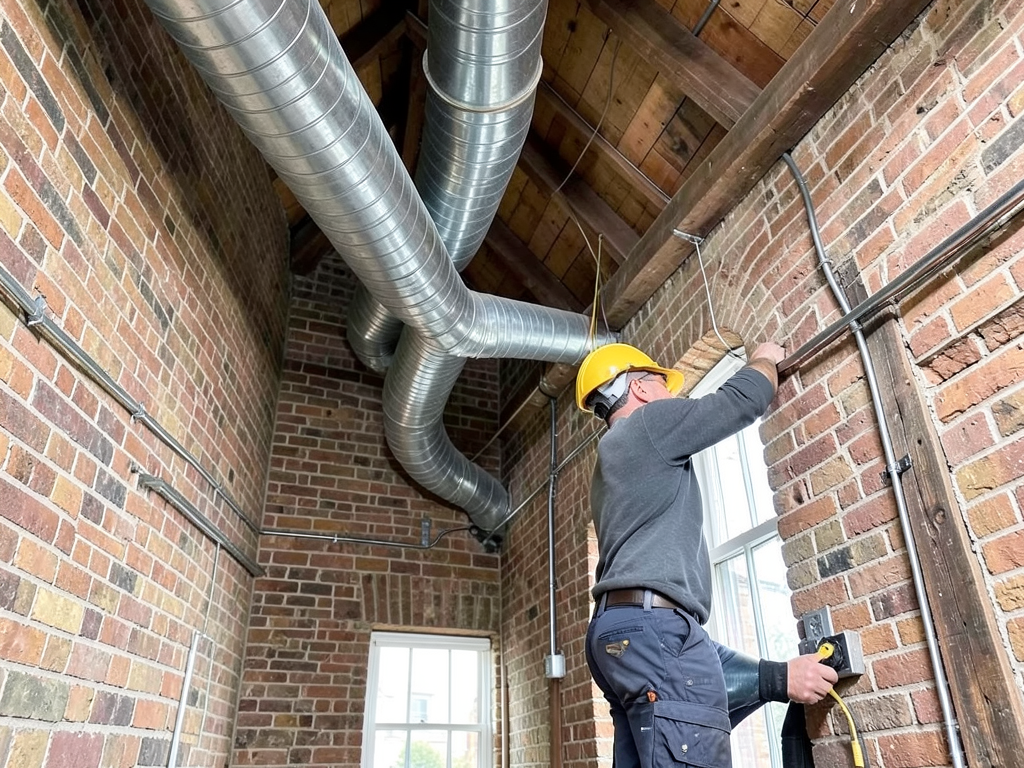
Philadelphia's HVAC contractors see every type of system configuration because the housing stock spans three centuries of construction methods. We work in rowhomes with ductwork squeezed into 18-inch floor joists, post-war Cape Cods with attic air handlers, and modern construction with proper zoning systems. This breadth of experience means we recognize patterns quickly. We know which duct configurations work in tight spaces and which compromises create permanent comfort problems. Local expertise matters because cookie-cutter solutions from national chains do not account for Philadelphia's unique housing challenges or climate demands.
HVAC Services in The Philadelphia Area

Come visit our office or explore our extensive service area on the map below. Elite HVAC proudly serves residential and commercial clients across Philadelphia, ensuring prompt and reliable heating, ventilation, and air conditioning solutions wherever you are. Whether you need an emergency repair or a new installation, we’re strategically located to provide quick and efficient service right to your doorstep, ensuring your comfort is never compromised.

Address:
Elite HVAC Philadelphia, 2231 E Ontario St, Philadelphia, PA, 19134

Additional Services We Offer

Our news updates

Latest Articles & News from The Blogs

Creative Ways to Hide HVAC Ductwork in a High Ceiling South Kensington Loft Living in a South Kensington loft means…

Creative Ways to Hide HVAC Ductwork in a High Ceiling South Kensington Loft

Creative Ways to Hide HVAC Ductwork in a High Ceiling South Kensington Loft Living in a South Kensington loft means…

Picking a Whisper Quiet Heat Pump for Small Backyards in Haddington

Picking a Whisper Quiet Heat Pump for Small Backyards in Haddington Living in Haddington means dealing with tight backyard spaces…

Should You Keep Repairing or Just Replace That 15 Year Old Furnace in Your Bustleton Split Level Home

Should You Keep Repairing or Just Replace That 15 Year Old Furnace in Your Bustleton Split Level Home Your 15-year-old…

Contact Us

Stop adjusting your thermostat and start fixing the real problem. Call Elite HVAC Philadelphia at (215) 610-9099 to schedule your comprehensive temperature balance diagnostic. We will find the cause and deliver solutions that work.