



Menu

Storm Damage HVAC Repair in Philadelphia – 24/7 Emergency Response Within 60 Minutes

When severe weather hits Philadelphia, your heating and cooling system needs immediate attention. Elite HVAC Philadelphia deploys certified technicians around the clock to assess storm damaged AC units, restore heating systems, and prevent secondary damage to your property.

Slider Image 1
Slider Image 2
Slider Image 3
Slider Image 4
Slider Image 5
Slider Image 7
Slider Image 8
Slider Image 9
Slider Image 10
Slider Image 11

Why Philadelphia Storms Destroy HVAC Systems Fast

Philadelphia's position between the Atlantic coast and the Appalachian Mountains creates a weather collision zone. You get nor'easters dumping heavy snow, summer thunderstorms with straight-line winds exceeding 60 mph, and rapid freeze-thaw cycles that crack condensate lines and split compressor housings.

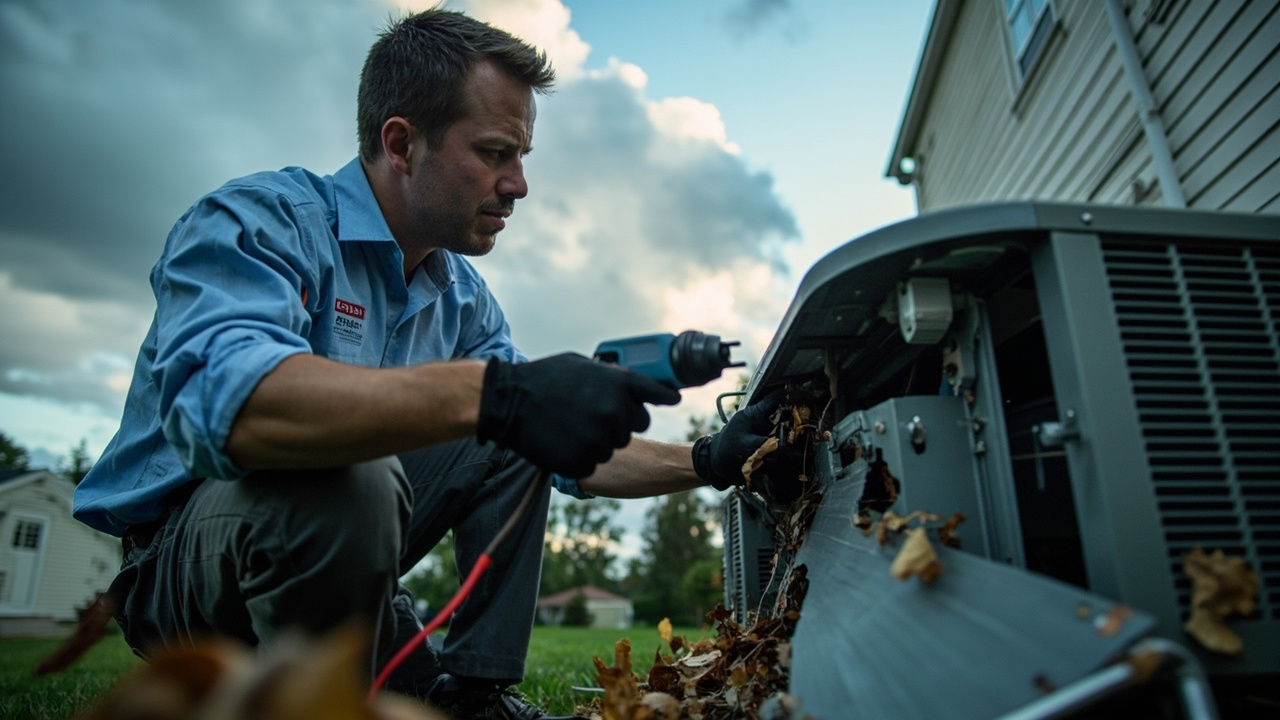
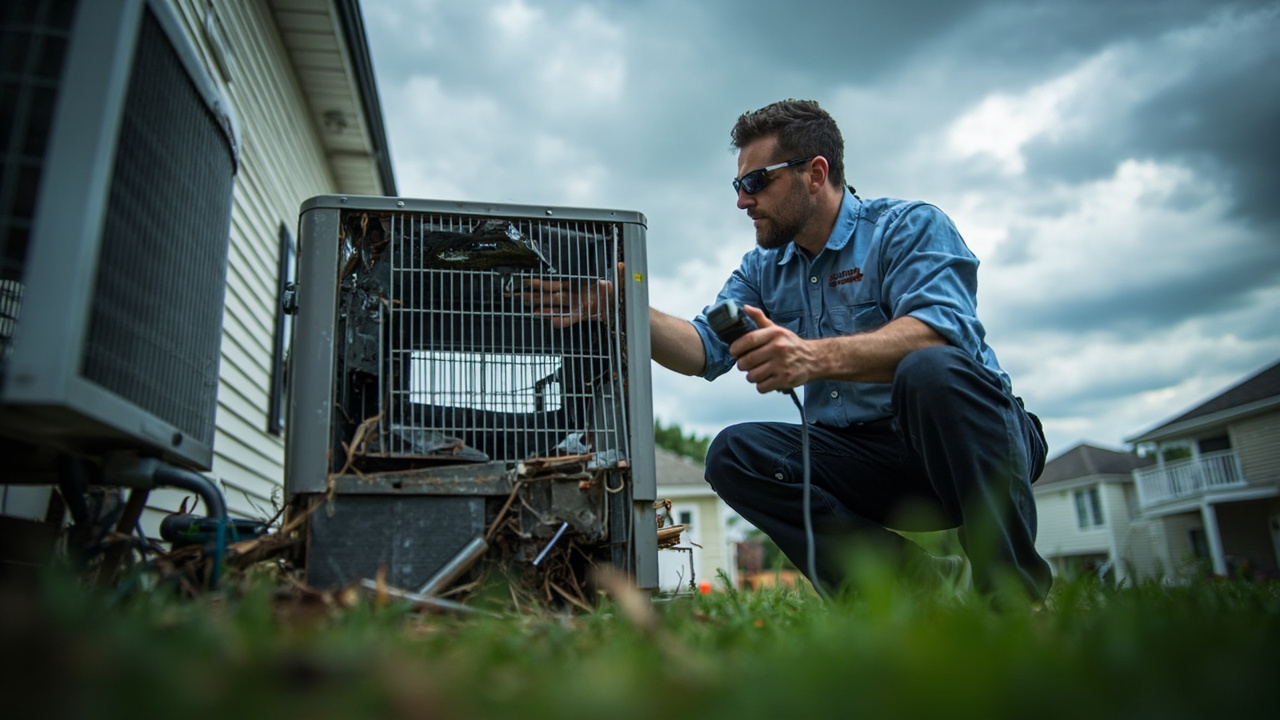
When a storm rips through neighborhoods like Fishtown or South Philadelphia, your outdoor condenser unit becomes a target. Flying debris punctures refrigerant lines. Hail dents fins and coils. Flooding from the Schuylkill or Delaware Rivers pushes water into electrical components. Your system stops working when you need it most.

The real damage happens in the hours after the storm passes. Water sits in your air handler. Electrical shorts create fire risks. Refrigerant leaks into your yard. Mold starts growing in wet ductwork within 24 to 48 hours. Every hour you wait, the repair bill grows.

Emergency HVAC storm repair is not just about comfort. It protects your property value and keeps your family safe. Storm damaged AC unit repair requires immediate response to prevent compressor failure. HVAC storm restoration services must address both visible damage and hidden moisture intrusion. Philadelphia's humid summers and cold winters mean your heating and cooling storm damage repair cannot wait.

You need a team that understands how Philadelphia weather attacks HVAC systems and knows how to fix storm damaged HVAC systems before secondary problems develop.

Why Philadelphia Storms Destroy HVAC Systems Fast
How We Restore Storm Damaged Systems

How We Restore Storm Damaged Systems

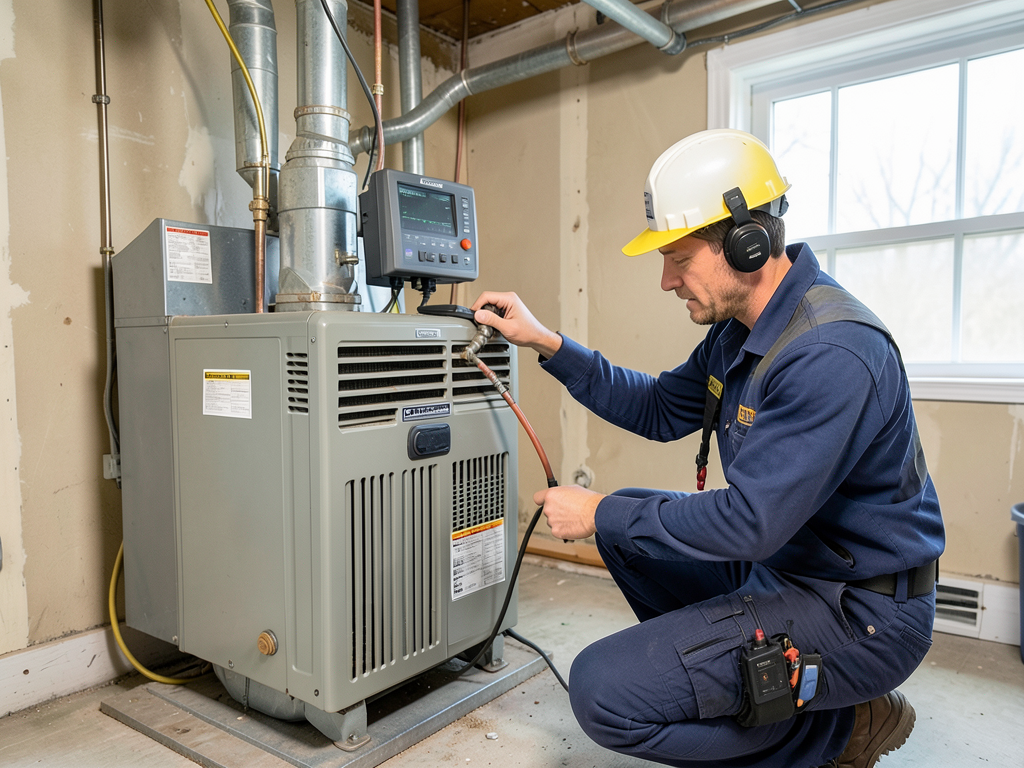
Elite HVAC Philadelphia approaches storm damage differently than standard service calls. We arrive with diagnostic equipment designed for emergency conditions, including refrigerant leak detectors, megohm meters for electrical testing, and thermal imaging cameras to spot hidden water intrusion.

Our technicians perform a full system diagnostic before touching any components. We check refrigerant pressures, test compressor windings for shorts, inspect condensate drain integrity, and verify blower motor operation. Philadelphia's electrical grid often surges during storms. We test capacitors, contactors, and control boards for voltage damage that may not show obvious signs.

The outdoor condenser receives special attention. We straighten bent fins using specialized combs, pressure test coils for punctures, and verify fan motor bearings were not damaged by water intrusion. If your unit took a direct hit from debris, we assess whether the compressor housing maintained integrity or if refrigerant escaped.

Inside your home, we pull access panels on your air handler and furnace. Water damage shows up in rust patterns, corroded connections, and swollen insulation. We test limit switches, inspect heat exchangers for cracks, and verify your thermostat still communicates properly with system components.

HVAC storm restoration services require documentation for insurance claims. We photograph all damage, create detailed repair estimates with line-item breakdowns, and provide technical explanations your adjuster needs. Our process protects you from claim denials and ensures you get full coverage for necessary repairs.

We prioritize safety over speed. If we find electrical hazards or gas leaks, we secure the system before proceeding. You get honest assessments about repair versus replacement based on actual damage, not upselling.

What Happens During Emergency Storm Repair

Storm Damage HVAC Repair in Philadelphia – 24/7 Emergency Response Within 60 Minutes
01

Immediate Safety Assessment

Our technician arrives within 60 minutes and immediately checks for gas leaks, electrical hazards, and structural damage around your HVAC equipment. We disconnect power if necessary, secure refrigerant lines, and identify any immediate threats to your property. You get a verbal safety report before we begin diagnostic work, so you know exactly what risks exist.
02

Complete System Diagnostic

We test every component affected by the storm using calibrated instruments. This includes refrigerant pressure readings, electrical continuity tests on all circuits, compressor amp draw measurements, and airflow verification. Philadelphia building codes require specific testing protocols for storm damaged systems. We document everything with photos and technical readings your insurance company needs to process claims without delays.
03

Temporary or Permanent Repair

Based on damage severity, we either restore full function immediately or implement temporary measures while parts arrive. Critical repairs like refrigerant line fixes or electrical component replacement happen on-site when possible. You receive a detailed timeline for any follow-up work, a written estimate for insurance purposes, and recommendations for preventing future storm damage to your heating and cooling system.

Why Philadelphia Homeowners Call Elite HVAC First

Storm damage repair requires different expertise than routine maintenance. Elite HVAC Philadelphia specializes in emergency HVAC storm repair because we understand how Philadelphia's unique weather patterns stress heating and cooling systems.

We work throughout Philadelphia County, from Old City's historic rowhomes to the modern construction in University City. Each neighborhood presents different challenges. Center City buildings have rooftop units exposed to high winds. Northeast Philadelphia homes face flooding from Pennypack Creek. South Philadelphia's older ductwork systems suffer moisture intrusion during nor'easters.

Our technicians carry parts for common storm damage repairs on every truck. You do not wait three days for a replacement contactor or capacitor. We stock condensate pumps, refrigerant for R-410A and R-22 systems, control boards for major manufacturers, and electrical components rated for Philadelphia's voltage standards.

Insurance companies recognize our documentation process. We provide detailed damage reports with technical language adjusters understand. Our estimates separate storm damage from pre-existing wear, which prevents claim disputes. You get copies of all diagnostic readings, photos showing damage progression, and repair recommendations prioritized by urgency.

Philadelphia building codes require permits for certain HVAC repairs. We handle all paperwork, coordinate inspections, and ensure your storm damaged system meets current code requirements. This matters for resale value and protects you from liability if future problems develop.

We do not disappear after emergency repairs. Our follow-up service verifies your system operates efficiently once everything is restored. You get maintenance recommendations specific to preventing similar damage in future storms.

What to Expect from Emergency Storm Service

Response Time and Availability

Our dispatch center operates 24 hours daily, including holidays and weekends. When you call for emergency HVAC storm repair, we provide an arrival window within 60 to 90 minutes for Philadelphia city limits. Severe weather sometimes delays response, but we maintain contact and update you on technician location. Our trucks are equipped with GPS routing to avoid flooded roads and downed power lines, ensuring we reach you safely and quickly even during ongoing storm conditions.

Initial Assessment Process

The first visit focuses on diagnosis and safety. Our technician performs a complete system evaluation, tests all electrical circuits, measures refrigerant levels if safe to do so, and documents visible damage with photos. You receive a verbal explanation of findings in plain language, not technical jargon designed to confuse you. We provide a written estimate before starting any repair work, breaking down costs by component and labor. This transparency helps you make informed decisions about immediate repairs versus filing insurance claims.

Quality of Repair Work

Storm damaged HVAC systems require more than quick fixes. We replace damaged components with manufacturer-approved parts, not generic substitutes that fail prematurely. Refrigerant lines get pressure tested after repairs to verify leak-free operation. Electrical connections receive dielectric grease to prevent future corrosion. We follow manufacturer specifications for all repair procedures, which protects any remaining warranty coverage on your equipment. Your system operates as reliably after storm damage repair as it did before the weather hit.

Post-Repair Support and Documentation

You receive complete documentation of all repair work, including parts invoices, labor descriptions, and before-and-after diagnostic readings. This paperwork satisfies insurance requirements and provides records for future service needs. We schedule a follow-up inspection within two weeks of major repairs to verify your system maintains proper operation. If additional issues develop related to storm damage within 30 days, we return at no additional diagnostic charge to assess and resolve problems. Our goal is complete restoration, not just temporary fixes.

Frequently Asked Questions

You Have Questions,
We Have Answers

What is the $5000 rule for HVAC? +

The $5000 rule is a quick decision tool for aging HVAC systems. Multiply the repair cost by your system's age. If the total exceeds $5000, replace the unit instead of repairing it. For example, a $400 repair on a 10-year-old system equals $4000, so repair. A $600 repair on a 9-year-old system equals $5400, so replace. After storm damage in Philadelphia, this rule helps you decide fast. However, insurance coverage changes the math. If your policy covers storm damage repairs fully, fixing makes sense regardless of age. Get a professional assessment immediately after severe weather.

Does insurance cover HVAC damage? +

Yes, most homeowners insurance policies cover HVAC damage from covered perils like wind, hail, lightning strikes, and falling trees during storms. Philadelphia sees severe thunderstorms and nor'easters that can damage outdoor condenser units. Your policy typically covers sudden, accidental damage but excludes wear and tear or lack of maintenance. Document everything with photos immediately. Insurance may cover the full replacement cost or depreciated value depending on your policy type. File your claim within 24 hours of discovering damage. Delays hurt your case. An HVAC technician can provide documentation linking the damage directly to the storm event for your adjuster.

What is the 3 minute rule for AC? +

The 3-minute rule protects your compressor from damage. After your AC shuts off, wait at least 3 minutes before restarting it. This allows refrigerant pressure to equalize throughout the system. Restarting too quickly forces the compressor to work against high pressure, causing strain and potential failure. After storm power outages in Philadelphia, this rule becomes critical. When electricity returns, your thermostat may immediately call for cooling. Manually turn your system off, wait 3 full minutes, then restart. If you lost power during a storm, inspect your outdoor unit for visible damage before restarting anything.

How much does it cost to fix an HVAC system? +

HVAC repair costs vary widely based on the problem. Minor fixes like thermostat replacement or capacitor issues run a few hundred dollars. Compressor replacement, refrigerant leaks, or blower motor repairs cost significantly more. Storm damage repairs in Philadelphia depend on what failed. Hail-damaged condenser coils, wind-torn ductwork, or lightning-fried circuit boards each carry different price tags. Emergency repairs cost more than scheduled service. Your insurance may cover storm-related repairs after your deductible. Get a detailed written estimate before authorizing work. A qualified technician will diagnose the exact issue and explain what failed and why.

What is the average lifespan of an HVAC? +

Most HVAC systems last 15 to 20 years with proper maintenance. Philadelphia's humid summers and cold winters stress systems year-round, potentially shortening lifespan without regular care. Coastal humidity accelerates corrosion on outdoor units. Systems installed after 2010 use more reliable technology and stricter efficiency standards. Age matters after storm damage. If your 18-year-old system suffers major damage, replacement often makes better financial sense than extensive repairs. A 5-year-old damaged system warrants repair. Age also affects parts availability. Older systems may need discontinued components, forcing replacement. Track your installation date and maintenance records.

Is HVAC system cost tax deductible? +

HVAC costs are rarely tax deductible for residential properties. You cannot deduct repairs or replacements as personal expenses. However, energy-efficient system upgrades may qualify for federal tax credits under specific programs. High-efficiency heat pumps and certain air conditioners meeting ENERGY STAR standards sometimes qualify. Check current IRS guidelines or the Database of State Incentives for Renewables. For rental properties in Philadelphia, HVAC expenses become deductible business expenses. Storm damage repairs covered by insurance provide no tax benefit since you are reimbursed. Consult a tax professional for your specific situation before assuming any deduction.

What are three things that are not covered by homeowners insurance? +

Three common exclusions in homeowners insurance are flooding, earthquakes, and general maintenance or wear. Standard policies do not cover rising water from storms, requiring separate flood insurance. This matters in Philadelphia's flood-prone areas near the Schuylkill and Delaware Rivers. Earthquake damage needs separate coverage. Normal wear and tear, neglect, or deferred maintenance are never covered. If your HVAC failed because you skipped maintenance for years, insurance denies the claim. However, sudden storm damage to a well-maintained system is covered. Keep maintenance records. They prove you maintained your system properly before the storm hit.

How much does it cost to fix a leak in your AC system? +

AC refrigerant leak repairs range based on leak location and severity. Finding the leak, repairing it, and recharging the system involves multiple steps. Leaks in accessible line sets cost less than evaporator coil leaks requiring system disassembly. After storms in Philadelphia, vibration or impact damage can crack refrigerant lines. Insurance may cover storm-caused leaks after your deductible. Older R-22 refrigerant systems cost more due to refrigerant scarcity and phase-out regulations. Newer R-410A systems use more affordable refrigerant. Severe leaks in aging systems often justify replacement over repair. Get multiple opinions for leak repairs exceeding a certain threshold.

What two events are not covered under homeowners insurance? +

Two major exclusions in homeowners insurance are floods and routine maintenance. Flood damage requires separate federal flood insurance through FEMA or private carriers. This distinction confuses Philadelphia homeowners after severe storms. Water damage from wind-driven rain through a storm-damaged roof is covered. Rising water from overflowing rivers or streets is not. Similarly, insurance never covers gradual deterioration, pest damage, or neglect. If storm winds reveal existing maintenance problems, insurers may dispute coverage. The key difference is sudden versus gradual. Document when damage occurred and what caused it. Photos immediately after storms protect your claim.

How cool should my house be if it's 100 outside? +

Your AC should keep indoor temperatures 15 to 20 degrees below outdoor heat. On 100-degree days in Philadelphia, expect your home to reach 80 to 85 degrees. Systems cannot create unlimited temperature differences. Pushing your thermostat lower strains the compressor without cooling faster. After storm damage, reduced cooling capacity becomes obvious during heat waves. If your system cannot maintain that 15 to 20 degree difference, something failed. Check air filters first. Inspect your outdoor unit for storm debris blocking airflow. Philadelphia's humidity makes perceived temperature worse. Use ceiling fans to improve comfort without overworking your damaged system.

How Philadelphia's Four-Season Climate Intensifies HVAC Storm Damage

Philadelphia experiences the full range of severe weather. Summer thunderstorms bring hail that dents condenser fins and reduces cooling efficiency by 30 percent or more. Winter nor'easters dump snow that freezes condensate drains and cracks drain pans. Spring and fall bring temperature swings from 35 to 75 degrees within 48 hours, causing thermal stress on compressor mounts and refrigerant lines. The Delaware and Schuylkill Rivers flood low-lying neighborhoods during heavy rain, pushing water into ground-level HVAC equipment. This combination means Philadelphia HVAC systems face more storm-related failures than single-climate regions. Emergency HVAC storm repair services must address multiple damage types simultaneously.

Philadelphia's housing stock includes structures from every era, from 18th-century row homes in Society Hill to new construction in Northern Liberties. Each building type presents different HVAC vulnerabilities during storms. Older homes have undersized electrical panels that fail during storm surges. Rowhomes share walls that trap moisture after flooding, creating hidden ductwork damage. Modern high-efficiency systems use electronic controls more susceptible to voltage spikes. Elite HVAC Philadelphia understands these neighborhood-specific challenges because we work throughout the metro area daily. Our familiarity with local building codes and architectural styles means faster diagnosis and appropriate repairs for your specific property type.
HVAC Services in The Philadelphia Area

Come visit our office or explore our extensive service area on the map below. Elite HVAC proudly serves residential and commercial clients across Philadelphia, ensuring prompt and reliable heating, ventilation, and air conditioning solutions wherever you are. Whether you need an emergency repair or a new installation, we’re strategically located to provide quick and efficient service right to your doorstep, ensuring your comfort is never compromised.

Address:
Elite HVAC Philadelphia, 2231 E Ontario St, Philadelphia, PA, 19134

Additional Services We Offer

Our news updates

Latest Articles & News from The Blogs

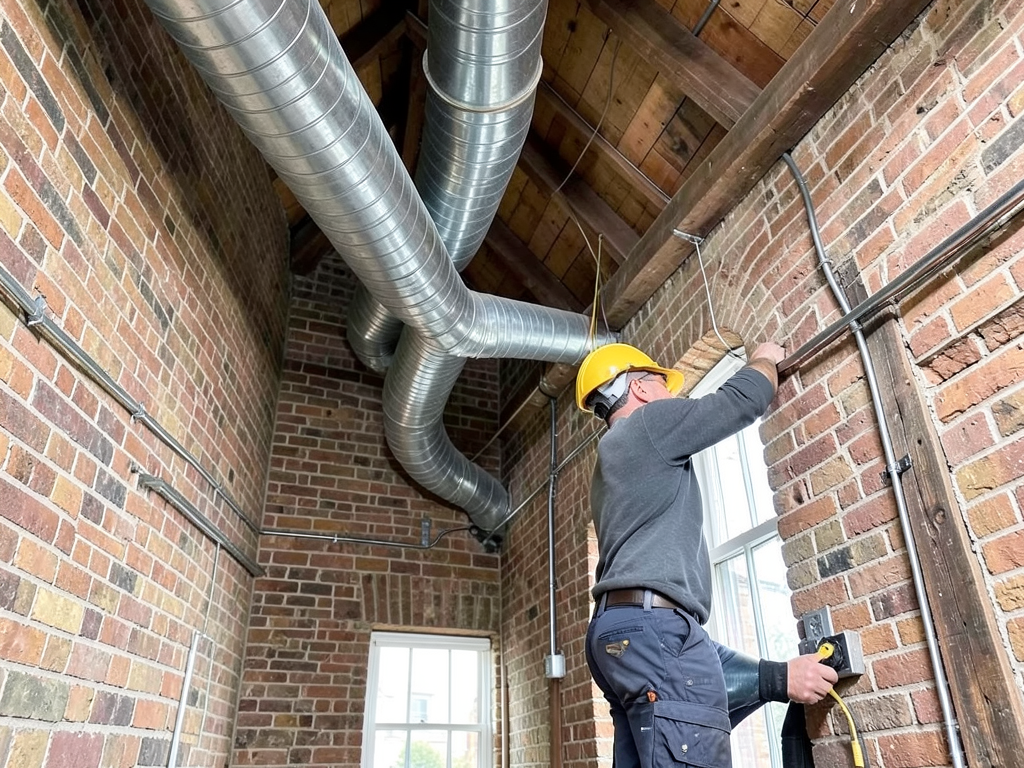
Creative Ways to Hide HVAC Ductwork in a High Ceiling South Kensington Loft Living in a South Kensington loft means…

Creative Ways to Hide HVAC Ductwork in a High Ceiling South Kensington Loft

Creative Ways to Hide HVAC Ductwork in a High Ceiling South Kensington Loft Living in a South Kensington loft means…

Picking a Whisper Quiet Heat Pump for Small Backyards in Haddington

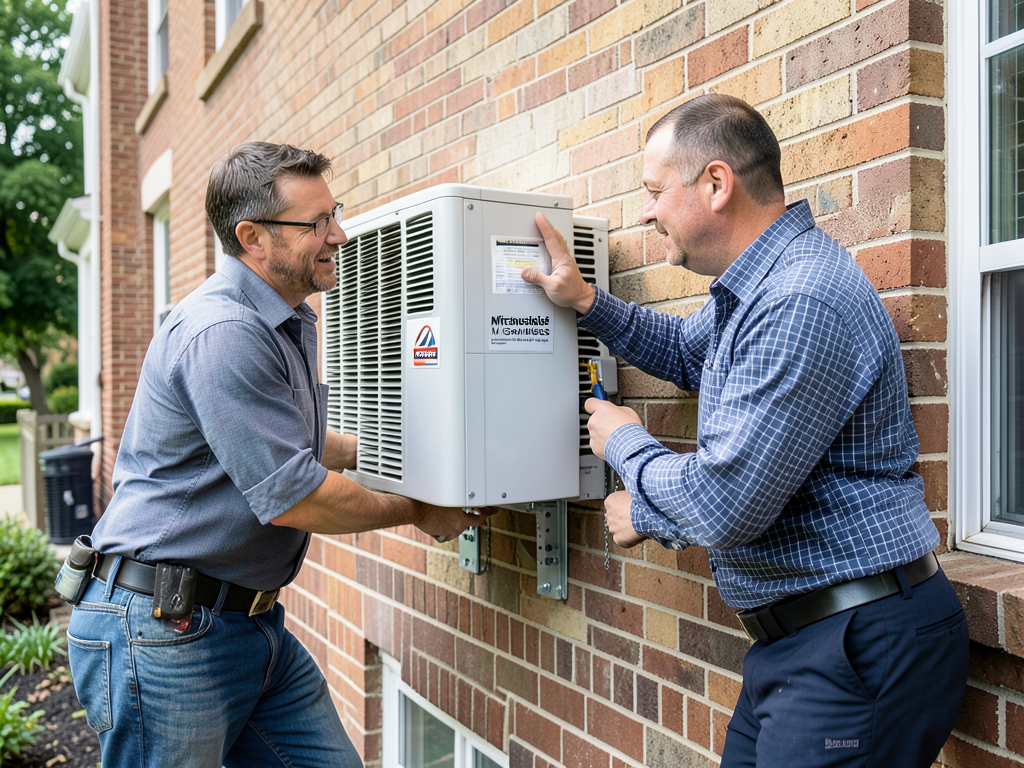
Picking a Whisper Quiet Heat Pump for Small Backyards in Haddington Living in Haddington means dealing with tight backyard spaces…

Should You Keep Repairing or Just Replace That 15 Year Old Furnace in Your Bustleton Split Level Home

Should You Keep Repairing or Just Replace That 15 Year Old Furnace in Your Bustleton Split Level Home Your 15-year-old…

Contact Us

Do not wait for secondary damage to develop. Call Elite HVAC Philadelphia at (215) 610-9099 right now. Our emergency technicians are standing by to restore your heating and cooling system. We dispatch immediately, arrive within 60 minutes, and provide the expert storm damage repair your Philadelphia home needs.