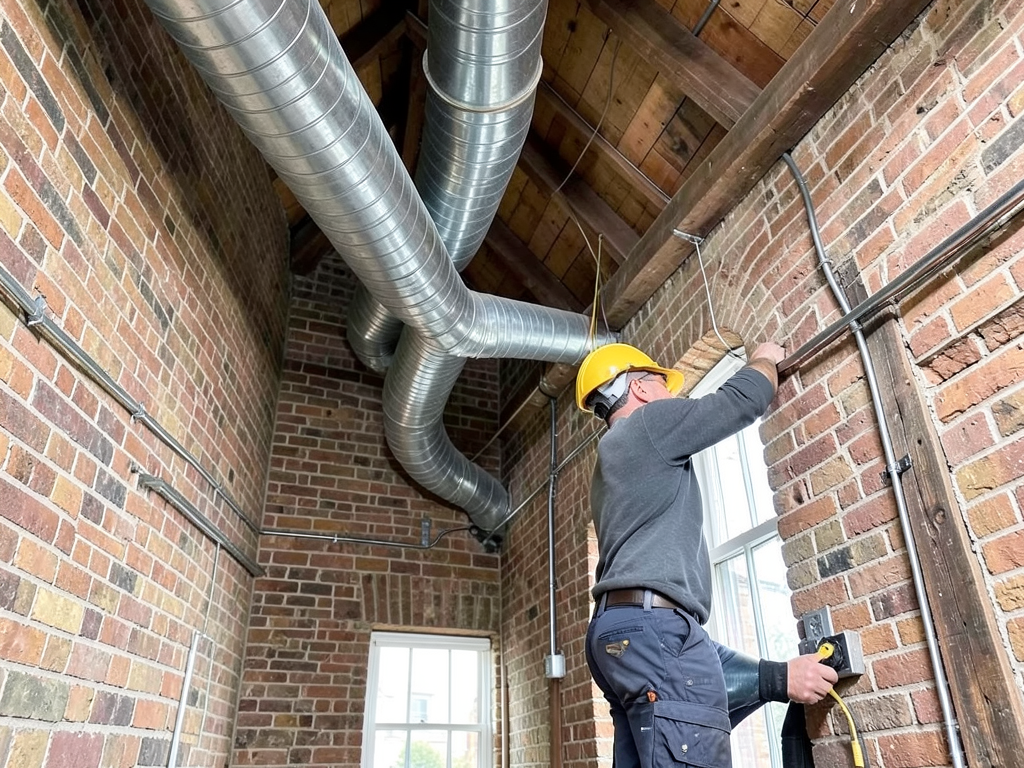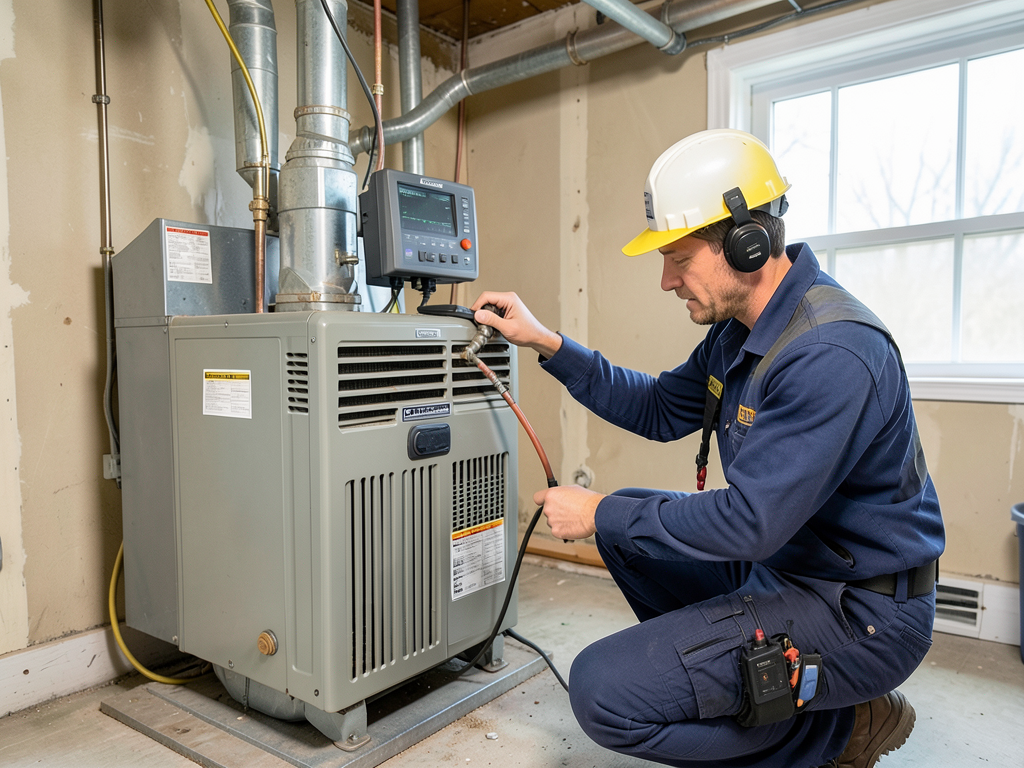







Philadelphia has some of the oldest residential housing in the country. Rowhomes built in the early 1900s often have furnaces installed in tight, unventilated basements with low ceilings. These spaces were not designed for modern gas appliances. The lack of combustion air causes pilot lights to starve and go out. Basement humidity from groundwater seepage corrodes thermocouples and gas valves faster than in newer homes. Many Philadelphia properties still have original cast iron gas lines that accumulate rust and scale, which breaks loose and clogs pilot orifices. These location-specific factors make furnace pilot light problems more common and require technicians who understand how Philadelphia's aging infrastructure affects HVAC performance.
Philadelphia enforces specific mechanical codes for gas appliances through the Department of Licenses and Inspections. Any work on gas furnaces must comply with these regulations to pass inspection. Elite HVAC Philadelphia technicians understand local code requirements for combustion air supply, venting clearances, and gas line sizing. We know which repairs can be completed without triggering full system upgrades and when code requires modernization. This knowledge protects you from failed inspections and ensures your furnace operates safely and legally. Choosing a local contractor who works daily with Philadelphia's housing stock and regulatory environment means you get repairs done right the first time.