



Menu

Furnace Blowing Cold Air in Philadelphia – Expert Diagnosis and Same-Day Repairs

When your heating system blows cold air on a freezing Philadelphia night, you need fast answers and proven fixes. Our technicians diagnose the root cause and restore heat the same day, so you're never left in the cold.

Slider Image 1
Slider Image 2
Slider Image 3
Slider Image 4
Slider Image 5
Slider Image 7
Slider Image 8
Slider Image 9
Slider Image 10
Slider Image 11

Why Your Furnace Blows Cold Air in Philadelphia Winters

You turn up the thermostat. The blower kicks on. But the air coming through the vents feels cold, or barely warm. In Philadelphia's freeze-thaw climate, where temperatures plunge below freezing and humidity swings wildly, this problem hits hard and fast.

A heater blowing cold air signals a breakdown in the combustion cycle, the ignition sequence, or the airflow path. Philadelphia homes built before 1980 often have undersized return ducts or aging heat exchangers that crack under thermal stress. When your furnace blows cool air instead of the steady heat you expect, the issue is rarely a simple thermostat glitch. More often, you're dealing with a failed ignitor, a tripped flame sensor, a gas valve malfunction, or a clogged burner assembly.

The city's variable humidity also creates condensation in flue pipes, which can trigger safety lockouts. Philadelphia's frequent winter wind chills can overwhelm marginal systems, exposing latent defects that only surface under load. A furnace not blowing hot air during a January cold snap is not just uncomfortable. It puts pipes at risk, drives energy bills up, and can create carbon monoxide hazards if the heat exchanger is compromised.

When your heating system blows unheated air, the problem escalates fast. You need a diagnostic approach that isolates the failure point and fixes it correctly the first time.

Why Your Furnace Blows Cold Air in Philadelphia Winters
How We Diagnose and Fix a Furnace Blowing Cold Air

How We Diagnose and Fix a Furnace Blowing Cold Air

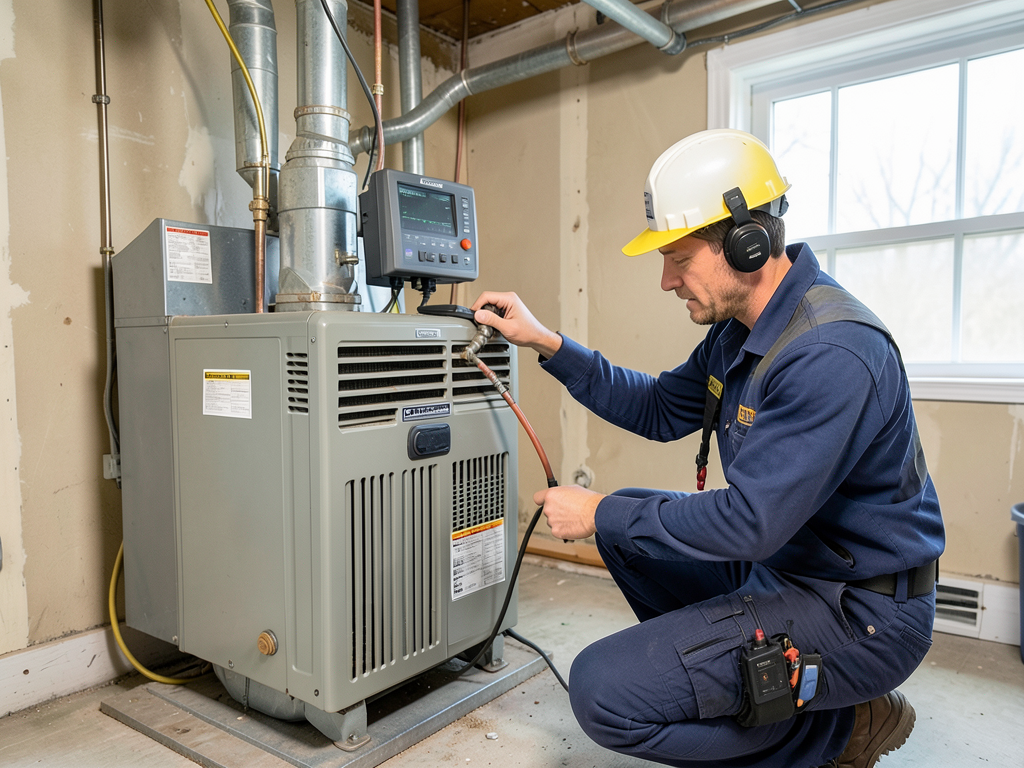
We start with a full combustion analysis, not a visual inspection. Our technicians measure gas pressure at the manifold, check voltage at the control board, and test continuity across the flame sensor and limit switches. We use a digital manometer to verify static pressure in the ductwork, because undersized return ducts choke airflow and prevent the furnace from reaching operating temperature.

If your heater blows cold air, we test the ignition sequence step by step. We verify the inducer motor spools up, the pressure switch closes, and the ignitor glows to the correct resistance. If the burners ignite but the blower delivers cold air, we check the fan limit control and the heat exchanger for cracks or splits. A cracked heat exchanger will trip the limit switch prematurely, shutting off the burners before the air heats.

For systems where the furnace blows unheated air intermittently, we test the flame sensor with a microamp meter. A sensor reading below 0.5 microamps will cause nuisance shutdowns, leaving you with short bursts of heat followed by cold air. We also inspect the flue pipe for blockages, condensation traps, and proper pitch, which is critical in Philadelphia's older rowhomes where shared chimneys create backdraft issues.

We replace failed components with OEM parts, not universal aftermarket substitutes. We recalibrate the gas valve, reset the airflow, and verify combustion efficiency before we leave.

What Happens During Your Cold Air Furnace Repair

Furnace Blowing Cold Air in Philadelphia – Expert Diagnosis and Same-Day Repairs
01

System Diagnostic and Testing

Our technician connects diagnostic tools to your furnace control board and begins testing the ignition cycle, gas valve operation, and airflow pressures. We measure actual combustion efficiency and compare it to manufacturer specs. This diagnostic phase pinpoints whether your furnace blows cold air due to ignition failure, sensor drift, or airflow restriction. We document every reading, so you know exactly what failed and why.
02

Component Repair or Replacement

Once we identify the failed part, we replace the ignitor, flame sensor, gas valve, or limit switch with the correct OEM component. We clean the burner assembly, adjust the air shutter for proper flame color, and recalibrate the gas pressure. If your heating system blows cold air due to a cracked heat exchanger, we explain the safety risk and provide replacement options. No guesswork, no trial and error.
03

Performance Verification and Handoff

We run the furnace through multiple heating cycles, monitoring the ignition timing, flame stability, and blower cutoff. We verify the air coming from your vents reaches the correct supply temperature and that the system shuts down cleanly without short cycling. You get a printed diagnostic report and a clear explanation of what we fixed. Your furnace now delivers consistent heat, cycle after cycle.

Why Philadelphia Homeowners Choose Elite HVAC for Cold Air Repairs

Philadelphia's housing stock is a mix of century-old rowhomes, mid-century brick twins, and newer construction, each with its own heating quirks. In Fishtown, you see forced air systems crammed into basements with low clearances and tight ductwork. In Chestnut Hill, older homes have converted coal furnaces with retrofitted gas burners and marginal venting. In South Philadelphia, shared flue pipes create draft issues that newer suburban systems never encounter.

Elite HVAC Philadelphia understands these local variables. Our technicians have worked on every furnace brand installed in the city over the past three decades. We know how Philadelphia's freeze-thaw cycles stress heat exchangers, how the clay soil under your foundation shifts ductwork over time, and how old wiring in historic districts causes control board failures.

When your furnace blows cool air or fails to heat properly, you need someone who can diagnose the problem in context, not just swap parts until something works. We carry a full van stock of OEM components, so we fix the issue on the first visit. We understand local building codes and permitting requirements for furnace replacements in Philadelphia's historic neighborhoods.

We also know you need heat restored fast. Our response time averages under two hours for emergency calls. You get a technician who shows up prepared, diagnoses accurately, and repairs correctly. No callbacks, no return trips, no excuses.

What to Expect When You Call Elite HVAC Philadelphia

Rapid Response and Scheduling

We dispatch a technician to your Philadelphia home within two hours for emergency cold air repairs. For non-emergency diagnostics, we offer same-day and next-day appointments. You get a confirmed arrival window, not a vague all-day estimate. Our technicians call 15 minutes before arrival, so you're never waiting around. When your furnace blows cold air in the middle of winter, speed matters. We treat every cold air call as urgent until we verify otherwise.

Thorough Diagnostic and Transparent Pricing

Our diagnostic process takes 30 to 45 minutes and includes combustion testing, electrical checks, and airflow measurement. You receive a written diagnosis with photos of any failed components. We explain what caused the cold air issue and provide upfront pricing for the repair. No hidden fees, no surprise charges. If your heater blowing cold air requires a part we don't have in stock, we source it same-day from local suppliers. You approve the work before we start.

Reliable Repair and Restored Heat

Once we complete the repair, your furnace runs through multiple heating cycles under observation. We verify the supply air temperature, check for proper ignition sequencing, and confirm the blower shuts off cleanly. Your home begins warming up within minutes. We clean up the work area and remove any packaging or old parts. You're left with a furnace that heats reliably, not a temporary patch. The cold air problem is solved, not masked.

Post-Repair Support and Maintenance

After your furnace repair, you receive a detailed service report and maintenance recommendations tailored to your system. If your heating system blows unheated air again within 90 days due to the same component failure, we return at no additional charge for that specific repair. We also offer preventive maintenance plans that include annual tune-ups, priority scheduling, and discounted service rates. Regular maintenance catches small issues before they leave you with cold air in January.

Frequently Asked Questions

You Have Questions,
We Have Answers

How do you fix a furnace that blows cold air? +

Start by checking your thermostat setting. Confirm it's on heat mode and set above your current room temperature. Next, inspect your air filter. A clogged filter restricts airflow and forces your system to shut down the burners while the blower keeps running. Replace it if dirty. Check your pilot light or igniter to ensure it's working. If the flame sensor is covered in soot or grime, it may signal a false shutdown. Philadelphia's freeze-thaw cycles can also cause condensate drain clogs, triggering safety switches. If basic checks fail, call a licensed HVAC technician to diagnose ignition, gas valve, or flame sensor issues.

Why is cold air blowing when the heat is on? +

Your furnace likely completed its heat cycle but the blower fan continues running to clear residual air from the ducts. This is normal for a few minutes. However, if cold air persists, your burners may not be igniting. Common causes include a dirty flame sensor, failed igniter, or tripped limit switch due to overheating from a clogged filter. Philadelphia homes with older gas furnaces often experience pilot light issues during cold snaps. Check your thermostat batteries and settings first. If the problem continues beyond five minutes after the thermostat calls for heat, you need professional diagnosis to avoid wasting energy and staying uncomfortable.

Why is my furnace blowing air but not warm? +

Your furnace blower runs independently from the heating elements. If you feel air but no warmth, the burners are not igniting. Start with the thermostat. Verify it's set to heat and the temperature is higher than the room reading. Replace the batteries if needed. Next, check the air filter. A blocked filter causes overheating, and the limit switch cuts power to the burners while the blower continues. Inspect your circuit breaker and furnace power switch. In Philadelphia rowhomes and older construction, ductwork leaks can also dilute warm air before it reaches your rooms. If ignition components or gas flow are faulty, call a technician immediately.

How do I reset my furnace? +

Locate the power switch on or near your furnace and turn it off. Wait 30 seconds. This allows the control board to fully reset. Turn the switch back on. If your furnace has a pilot light, relight it following the instructions on the access panel. For electronic ignition systems, the reset happens automatically once power is restored. Some furnaces have a dedicated reset button on the control board. Press it once and wait for the startup sequence. Philadelphia's humidity can cause condensate backups, triggering safety switches that require a manual reset. If your furnace does not restart after resetting, call a professional to inspect safety controls.

Should I turn off my furnace if it blows cold air? +

Yes, turn off your furnace if it continuously blows cold air for more than 10 minutes after calling for heat. Running the blower without heat wastes energy and can spread cold air, making your Philadelphia home uncomfortable during winter. A furnace blowing cold air often signals ignition failure, a tripped safety switch, or a gas supply issue. Continuing to run the system can mask underlying problems or worsen component wear. Switch the thermostat to off and check your circuit breaker and filter. If you smell gas or notice unusual sounds, shut off the gas supply and leave your home. Contact a licensed HVAC technician immediately for safe diagnosis.

How can I tell if my thermostat is bad? +

Check for temperature inconsistencies. Set your thermostat five degrees higher than the current room temperature. If the furnace does not respond within a few minutes, the thermostat may be faulty. Look for a blank display, which indicates dead batteries or wiring issues. If your system cycles on and off rapidly, the thermostat's temperature sensor might be failing or mounted near a heat source. In older Philadelphia homes, mercury thermostats can drift out of calibration. Test by installing a programmable thermostat temporarily or using an infrared thermometer to compare actual room temperature against the thermostat reading. Wiring corrosion is also common in high-humidity environments.

What are signs of furnace failure? +

Watch for inconsistent heating, where some rooms stay cold while others overheat. Strange noises like banging, squealing, or rumbling indicate blower motor or ignition problems. Increased energy bills without usage changes suggest declining efficiency. Frequent cycling on and off points to thermostat or limit switch failure. Yellow or flickering pilot flames mean incomplete combustion and potential carbon monoxide risk. Visible rust or cracks in the heat exchanger are serious safety hazards. Philadelphia homes with older furnaces should also watch for soot buildup around vents. If your furnace is over 15 years old and needs frequent repairs, replacement is often more cost-effective than continued fixes.

What is the most expensive part to fix on a furnace? +

The heat exchanger is the most expensive component to replace, often costing between half to two-thirds the price of a new furnace. This metal chamber transfers heat from combustion gases to your home's air. Cracks develop from repeated heating and cooling cycles, especially in furnaces over 15 years old. In Philadelphia, freeze-thaw conditions accelerate metal fatigue. A cracked heat exchanger leaks carbon monoxide and requires immediate replacement for safety. Because labor is intensive and the part is costly, most HVAC professionals recommend full furnace replacement instead. The gas valve and control board are the next most expensive repairs, but still far less than heat exchanger work.

How to fix a heater not blowing hot air? +

Follow the same diagnostic steps as a furnace blowing cold air. Verify your thermostat is set to heat and raised above room temperature. Replace the air filter if clogged. Check the circuit breaker and furnace power switch. Inspect the pilot light or look for error codes on electronic ignition systems. Philadelphia's older heating systems may have standing pilot lights that blow out during drafts. Blocked or leaky ductwork reduces heat delivery to rooms. If your blower motor runs but you feel no air at all, the motor may be disconnected or failing. When basic checks do not restore heat, call a licensed technician to inspect ignition components and gas flow.

What are signs of a bad furnace igniter? +

A failing igniter shows visible cracks or breaks when you inspect it during a heating cycle. You may hear the furnace click or hum as it tries to ignite, but the burners never light. The igniter may glow weakly or not at all. If it glows bright orange but the burners do not ignite, the gas valve or flame sensor may be the issue instead. In Philadelphia homes, igniters wear out faster due to frequent winter cycling. Most hot surface igniters last five to seven years. If your furnace shuts down after a few seconds or requires multiple attempts to start, the igniter is likely weak and needs replacement before it fails completely.

How Philadelphia's Winter Humidity and Old Ductwork Cause Cold Air Issues

Philadelphia's winter humidity levels swing between 50% and 80%, creating condensation in furnace flue pipes and draft hoods. When moisture accumulates in the vent system, it triggers pressure switch failures and causes the furnace to lock out mid-cycle. You get cold air instead of heat. The city's older rowhomes and twins often have undersized return ducts that can't pull enough air through the furnace, which prevents the heat exchanger from reaching temperature. A furnace not blowing hot air in these homes is often an airflow problem, not a burner problem.

Elite HVAC Philadelphia has serviced heating systems in every neighborhood from Manayunk to Pennsport. We understand the quirks of Philadelphia's housing stock and the HVAC challenges unique to this region. Our technicians are trained on the specific building codes enforced by the city's Department of Licenses and Inspections. When you call us for a heater blowing cold air, you get a team that knows your home's construction, your furnace's limitations, and the fastest path to restored heat. Local knowledge makes the difference.
HVAC Services in The Philadelphia Area

Come visit our office or explore our extensive service area on the map below. Elite HVAC proudly serves residential and commercial clients across Philadelphia, ensuring prompt and reliable heating, ventilation, and air conditioning solutions wherever you are. Whether you need an emergency repair or a new installation, we’re strategically located to provide quick and efficient service right to your doorstep, ensuring your comfort is never compromised.

Address:
Elite HVAC Philadelphia, 2231 E Ontario St, Philadelphia, PA, 19134

Additional Services We Offer

Our news updates

Latest Articles & News from The Blogs

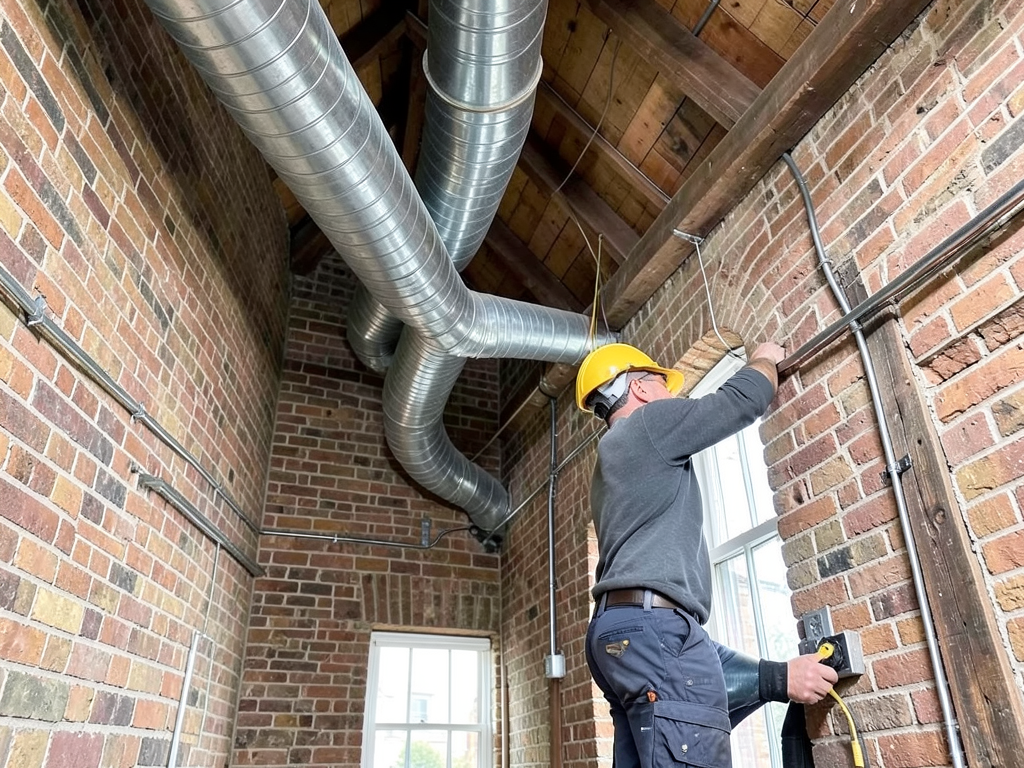
Creative Ways to Hide HVAC Ductwork in a High Ceiling South Kensington Loft Living in a South Kensington loft means…

Creative Ways to Hide HVAC Ductwork in a High Ceiling South Kensington Loft

Creative Ways to Hide HVAC Ductwork in a High Ceiling South Kensington Loft Living in a South Kensington loft means…

Picking a Whisper Quiet Heat Pump for Small Backyards in Haddington

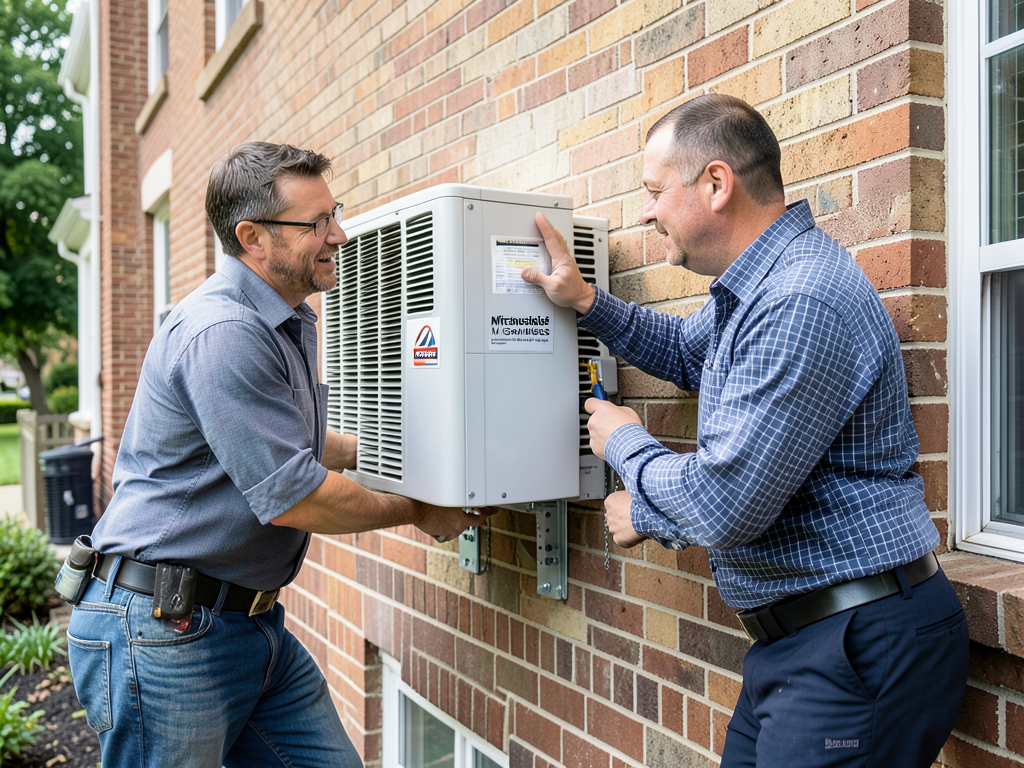
Picking a Whisper Quiet Heat Pump for Small Backyards in Haddington Living in Haddington means dealing with tight backyard spaces…

Should You Keep Repairing or Just Replace That 15 Year Old Furnace in Your Bustleton Split Level Home

Should You Keep Repairing or Just Replace That 15 Year Old Furnace in Your Bustleton Split Level Home Your 15-year-old…

Contact Us

Your furnace should deliver steady, reliable heat. If you're dealing with cold air coming from your vents, don't wait. Call Elite HVAC Philadelphia at (215) 610-9099 for same-day diagnostics and repairs. We'll restore your heat fast.