







Menu

Air Purification Systems in Philadelphia – Whole-House Solutions That Remove Allergens, Mold Spores, and Indoor Pollutants Year-Round

Elite HVAC Philadelphia installs advanced air purification systems that integrate directly with your existing HVAC equipment to capture particulates, neutralize odors, and reduce respiratory triggers in every room of your home or business.

Slider Image 1
Slider Image 2
Slider Image 3
Slider Image 4
Slider Image 5
Slider Image 7
Slider Image 8
Slider Image 9
Slider Image 10
Slider Image 11

Why Philadelphia's Air Quality Demands More Than a Standard HVAC Filter

Philadelphia's dense urban environment creates a unique indoor air quality challenge. Vehicle emissions from I-95 and the Schuylkill Expressway, industrial activity along the Delaware River waterfront, and high pollen counts from the Wissahickon Valley and Fairmount Park all contribute to elevated particulate levels that standard HVAC filters cannot fully capture.

Add Philadelphia's humidity levels during summer months, and you create ideal conditions for mold spore proliferation in ductwork and HVAC equipment. Older rowhomes in Fishtown, Northern Liberties, and South Philadelphia often have limited ventilation, which concentrates allergens, dust mites, and volatile organic compounds from cooking and cleaning products.

A basic one-inch furnace filter traps large debris but allows particles smaller than 10 microns to recirculate through your home. These microscopic particles include pollen, pet dander, mold fragments, and combustion byproducts that aggravate asthma, trigger allergies, and create persistent respiratory irritation.

Whole-house air purifiers work differently than portable units. Central air cleaners integrate directly into your HVAC system, treating every cubic foot of air that circulates through your home. Air filtration systems use multiple stages of capture, from mechanical filtration to electrostatic precipitation to ultraviolet germicidal irradiation, depending on the system design.

HVAC air purifiers address the root problem: contaminated air moving through your ductwork 24 hours a day. Air cleaning systems provide continuous protection, not just spot treatment in a single room.

Why Philadelphia's Air Quality Demands More Than a Standard HVAC Filter
How Professional Air Purification Installation Differs from Plug-and-Play Units

How Professional Air Purification Installation Differs from Plug-and-Play Units

Installing whole-house air purifiers requires integration with your existing HVAC infrastructure, not just plugging in a countertop device. We start by measuring your system's static pressure and airflow velocity to determine which air cleaning systems will function without reducing HVAC efficiency or forcing your blower motor to work harder.

We calculate the air changes per hour in your home based on square footage, ceiling height, and ductwork layout. This determines the Clean Air Delivery Rate you need to achieve meaningful particulate reduction. A 1,200-square-foot rowhouse requires a different approach than a 3,500-square-foot colonial in Chestnut Hill.

For mechanical air filtration systems, we install a dedicated return air plenum with access panels for filter replacement. MERV 13 or higher media filters capture particles down to 0.3 microns but require sufficient airflow to prevent system strain. We verify compatibility with your furnace or air handler's blower capacity before installation.

For electronic air cleaners, we integrate ionization or photocatalytic oxidation units directly into the supply plenum. These HVAC air purifiers generate charged particles or hydroxyl radicals that neutralize pathogens and break down volatile organic compounds at the molecular level.

UV germicidal lamps install downstream of the evaporator coil to prevent microbial growth on wet surfaces. We select the correct wavelength and intensity based on duct dimensions and airflow velocity to ensure adequate exposure time for sterilization.

Every central air cleaner installation includes duct sealing to prevent bypass air from circumventing the purification zone. We also balance airflow across all supply registers to maintain even distribution of cleaned air throughout your home.

What Happens During Your Air Purification System Installation

Air Purification Systems in Philadelphia – Whole-House Solutions That Remove Allergens, Mold Spores, and Indoor Pollutants Year-Round
01

System Compatibility Assessment

We measure your HVAC system's airflow capacity, duct dimensions, and static pressure to determine which air purification systems will integrate without compromising heating and cooling performance. We inspect your existing filter cabinet, return air plenum, and blower motor specifications to identify any modifications needed before installation. This prevents airflow restriction that forces your system to work harder and increases energy consumption.
02

Strategic Installation and Integration

We install the air cleaning system in the optimal location within your ductwork, whether that's a media filter cabinet in the return plenum, an electronic air cleaner near the air handler, or UV lamps mounted downstream of the evaporator coil. We seal all duct connections, install access panels for maintenance, and integrate the system with your thermostat or HVAC controls for automatic operation whenever your system runs.
03

Performance Verification and Training

After installation, we measure airflow velocity at multiple points to confirm even distribution and verify that static pressure remains within manufacturer specifications. We demonstrate filter replacement procedures, explain indicator light functions, and provide a maintenance schedule based on your home's occupancy and local air quality conditions. You receive documentation showing baseline performance metrics and recommended service intervals for long-term system effectiveness.

Why Philadelphia Homes and Businesses Trust Elite HVAC Philadelphia for Indoor Air Quality

Philadelphia's building stock ranges from 18th-century colonial structures in Old City to modern high-rises in Center City, each with distinct HVAC configurations and air quality challenges. We understand how century-old rowhomes in Graduate Hospital require different air purification approaches than new construction in Navy Yard or University City.

We work with Philadelphia's HVAC code requirements and Building Energy Conservation Code standards that govern indoor air quality equipment. Commercial installations require coordination with mechanical engineers and compliance with ASHRAE ventilation standards, particularly for schools, medical offices, and food service establishments where air quality directly impacts occupant health.

Our technicians train continuously on emerging air purification technologies, from bipolar ionization to photocatalytic oxidation to HEPA filtration. We install whole-house air purifiers from manufacturers who provide third-party testing data and support long-term filter availability, so you're not locked into proprietary consumables that become unavailable or prohibitively expensive.

We also understand Philadelphia's seasonal air quality patterns. Spring brings tree pollen from the region's oak, maple, and birch populations. Summer humidity creates mold growth conditions in poorly ventilated spaces. Fall introduces ragweed allergens that persist until the first frost. Winter brings particulate matter from wood-burning fireplaces and heating system dust.

Each season requires different filtration strategies. We help you understand when to increase filter change frequency, when to activate germicidal UV lamps, and when electronic air cleaners provide the most benefit for your specific indoor air quality concerns.

What You Can Expect When You Choose Professional Air Purification Services

Installation Timeline and System Activation

Most residential air purification system installations complete in three to five hours, depending on ductwork access and whether modifications are needed to accommodate the equipment. We schedule installations to minimize disruption, typically completing the work in a single visit. For commercial buildings requiring multiple air cleaners or integration with building automation systems, we coordinate with your facility management team to stage installation during off-peak hours. You'll notice improved air quality within 24 to 48 hours as the system begins filtering recirculated air and reducing accumulated particulates in your ductwork.

Comprehensive Air Quality Assessment

Before recommending a specific air cleaning system, we evaluate your current indoor air quality using particulate monitors that measure PM2.5 and PM10 concentrations. We inspect your ductwork for dust accumulation, check for mold growth on evaporator coils, and assess ventilation rates to determine whether your home brings in sufficient outdoor air. We also discuss your specific concerns, whether that's pet dander, cooking odors, tobacco smoke, or respiratory sensitivities. This diagnostic process ensures we select the right combination of mechanical filtration, electronic air cleaning, or germicidal UV treatment for your situation.

Measurable Indoor Air Quality Improvement

After installation, you'll experience reduced dust accumulation on furniture and surfaces, fewer allergy symptoms, and elimination of persistent odors that standard HVAC filters cannot address. High-efficiency air filtration systems capture 95% or more of particles larger than 0.3 microns, including pollen, mold spores, and fine dust. Electronic air cleaners neutralize airborne pathogens and volatile organic compounds that cause chemical sensitivities. We provide before-and-after particulate readings so you can see the measurable difference in your indoor environment. Most clients report noticeable respiratory relief within the first week of operation.

Ongoing Maintenance and Filter Management

Whole-house air purifiers require regular maintenance to sustain performance. Media filters need replacement every six to twelve months depending on household occupancy and local air quality. Electronic air cleaners require periodic cleaning of collection plates and ionization wires. UV lamps lose germicidal effectiveness after 12 to 18 months and require replacement even if the bulb still glows. We offer maintenance plans that include scheduled filter changes, system cleaning, and performance verification to ensure your air purification system continues operating at peak efficiency. You receive reminder notifications when service is due, and we keep replacement filters in stock for immediate availability.

Frequently Asked Questions

You Have Questions,
We Have Answers

What is the best home air purifying system? +

The best home air purifying system depends on your specific needs. For whole-home coverage in Philadelphia, a HEPA filtration system integrated into your HVAC unit provides consistent air cleaning throughout every room. These systems trap 99.97% of airborne particles, including pollen, mold spores, and dust common in Philadelphia's humid summers. If you deal with seasonal allergies or pet dander, look for units with activated carbon filters to capture odors and VOCs. Portable HEPA units work well for single rooms, but whole-home systems offer better value and coverage for families.

Is there a downside to air purifiers? +

Air purifiers have few downsides when properly maintained. Ozone-generating units can irritate lungs and worsen asthma, so avoid them. Filters require regular replacement every 6-12 months, adding ongoing costs. Some units produce white noise that bothers light sleepers. In Philadelphia's older homes with poor ventilation, purifiers address symptoms but don't fix the root cause like leaky ductwork or moisture problems. Units also consume electricity continuously. However, these drawbacks are minor compared to the health benefits of cleaner indoor air, especially for families with allergies or respiratory conditions.

Are air purification systems worth it? +

Air purification systems are worth it for Philadelphia residents dealing with allergies, asthma, or indoor air quality concerns. The city's seasonal pollen counts, urban pollution, and humidity-driven mold growth make indoor air surprisingly contaminated. Systems reduce airborne irritants, improve sleep quality, and decrease respiratory symptoms. Homes near Center City or industrial areas benefit most from continuous filtration. The investment pays off through fewer sick days, reduced medication needs, and better overall health. If anyone in your household has breathing issues or you notice persistent dust, a quality air purification system delivers measurable benefits.

What is an air purification system? +

An air purification system removes contaminants from indoor air through mechanical or electronic filtration. Most systems use HEPA filters to trap particles like dust, pollen, pet dander, and mold spores. Some include activated carbon layers to absorb odors, smoke, and volatile organic compounds. Whole-home systems integrate with your existing HVAC ductwork to clean air throughout Philadelphia homes continuously. Portable units filter air in single rooms. UV light systems kill bacteria and viruses. The goal is removing airborne pollutants that aggravate allergies, trigger asthma, or degrade indoor air quality.

Which air purifier do doctors recommend? +

Doctors typically recommend HEPA filtration systems without ozone generation. Medical-grade HEPA filters capture 99.97% of particles down to 0.3 microns, removing allergens, bacteria, and virus particles effectively. For Philadelphia patients with asthma or COPD, pulmonologists often suggest whole-home HEPA systems paired with humidity control. Allergists recommend units with activated carbon pre-filters to capture pet dander and odors. Avoid ionizers and ozone generators, as these can irritate airways. Look for systems certified by the Asthma and Allergy Foundation. Your specific health needs determine the best filtration technology.

How much does a whole-house air purification system cost? +

Whole-house air purification systems vary widely based on technology and installation complexity. Basic HEPA filter upgrades for existing HVAC systems start lower, while advanced UV and electronic air cleaners cost more. Installation complexity affects pricing, especially in Philadelphia's older homes with challenging ductwork access. Systems requiring electrical work or duct modifications increase labor costs. Factor in annual filter replacements and electricity usage for total ownership costs. Get multiple quotes from licensed HVAC contractors who understand Philadelphia building codes and can assess your specific home layout.

What are signs you need an air purifier? +

You need an air purifier if you notice persistent dust accumulation, experience worsening allergies indoors, or smell musty odors. Philadelphia residents often see increased symptoms during spring pollen season or humid summers when mold spores thrive. Frequent sneezing, coughing, or congestion that improves outdoors signals poor indoor air quality. Visible dust in sunlight, pet odor lingering despite cleaning, or family members with asthma struggling indoors are clear indicators. Homes near busy streets or industrial areas accumulate more airborne pollutants requiring filtration.

Is it okay to sleep with an air purifier on all night? +

Running an air purifier all night is safe and beneficial for most people. Continuous operation maintains consistent air quality and provides white noise that helps some sleep. Philadelphia's nighttime humidity can increase mold spore circulation, making overnight filtration valuable. Modern HEPA units consume minimal electricity on low settings. However, if the fan noise disrupts sleep, use a quieter model or place the unit farther from your bed. Replace filters on schedule to prevent reduced efficiency. For allergy sufferers, overnight purification significantly reduces morning congestion and improves sleep quality.

What to avoid when buying an air purifier? +

Avoid air purifiers that generate ozone, which irritates lungs and worsens asthma. Skip units with vague filtration claims lacking HEPA certification. Undersized purifiers waste money since they cannot clean the room's full volume effectively. Check the Clean Air Delivery Rate against your square footage. Avoid models with expensive proprietary filters that create high ongoing costs. In Philadelphia's humid climate, skip units without mold-resistant features. Do not buy based solely on price. Cheap units often lack adequate filtration and fail quickly. Verify the manufacturer provides replacement filters and honors warranties.

Where is the best place to put an air purifier in your home? +

Place air purifiers where you spend the most time, typically bedrooms and living rooms. Position units at least six inches from walls to allow proper airflow. In Philadelphia rowhomes with limited space, place purifiers in corners with unobstructed intake and output vents. Bedrooms benefit most since you spend eight hours breathing that air. Avoid closets, behind furniture, or near curtains that block airflow. For whole-room coverage, elevate portable units three to five feet off the floor. Keep purifiers away from electronics and humidity sources like bathrooms to extend filter life.

How Philadelphia's Urban Air Quality and Historic Housing Stock Make Central Air Cleaners Essential for Respiratory Health

Philadelphia ranks among the top 25 U.S. cities for ozone pollution and particulate matter concentration, according to the American Lung Association's State of the Air report. Proximity to major highways, port operations along the Delaware River, and industrial facilities in Northeast Philadelphia and the refinery areas contribute to elevated outdoor particulate levels that infiltrate homes through windows, doors, and ventilation systems. The city's older housing stock, particularly the brick rowhomes that define neighborhoods from Port Richmond to Point Breeze, often lack modern ventilation systems and rely on natural air exchange that brings in unfiltered outdoor air laden with diesel particulates, tire dust, and combustion byproducts. This makes whole-house air purifiers particularly valuable for capturing pollutants before they accumulate in living spaces and exacerbate respiratory conditions like asthma and COPD.

Philadelphia's Department of Licenses and Inspections requires mechanical ventilation upgrades in many renovation projects, particularly when converting older buildings to residential use. We understand local code requirements and work with contractors to ensure air filtration systems meet ventilation standards while providing enhanced particulate capture. Our familiarity with Philadelphia's building types means we know how to retrofit air cleaning systems into homes with limited ductwork access, basement furnaces with low clearances, and older HVAC equipment that requires airflow balancing before adding filtration. We also understand the concerns of Philadelphia homeowners who want cleaner air without sacrificing historic character or triggering costly mechanical system replacements.
HVAC Services in The Philadelphia Area

Come visit our office or explore our extensive service area on the map below. Elite HVAC proudly serves residential and commercial clients across Philadelphia, ensuring prompt and reliable heating, ventilation, and air conditioning solutions wherever you are. Whether you need an emergency repair or a new installation, we’re strategically located to provide quick and efficient service right to your doorstep, ensuring your comfort is never compromised.

Address:
Elite HVAC Philadelphia, 2231 E Ontario St, Philadelphia, PA, 19134

Additional Services We Offer

Our news updates

Latest Articles & News from The Blogs

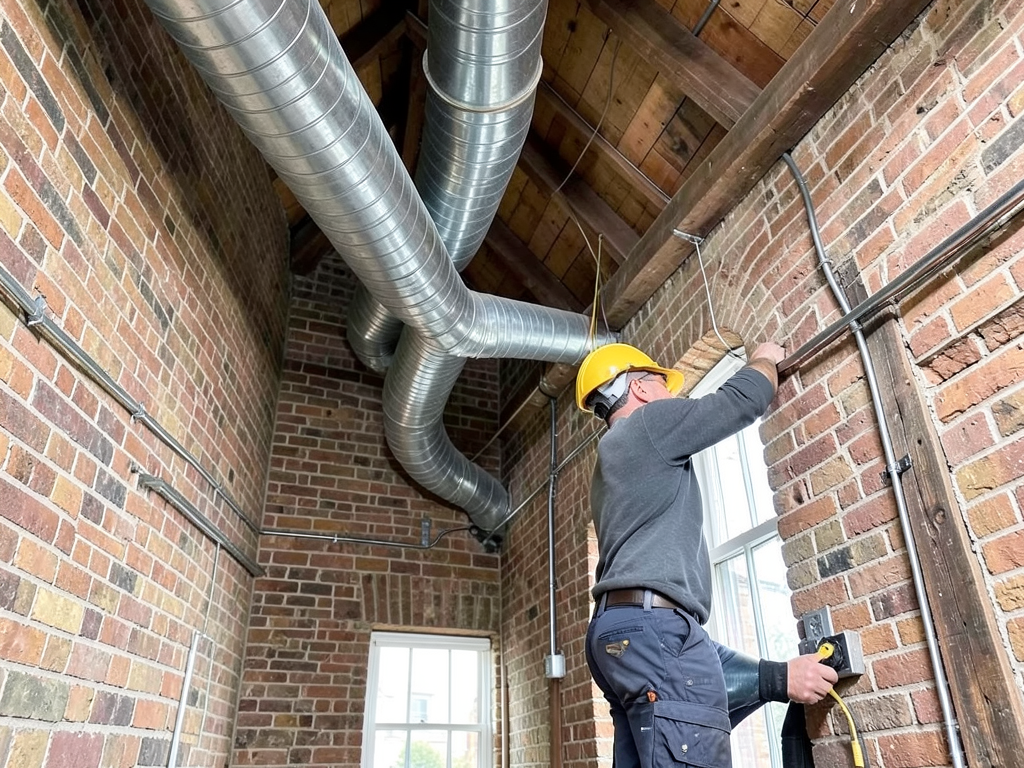
Creative Ways to Hide HVAC Ductwork in a High Ceiling South Kensington Loft Living in a South Kensington loft means…

Creative Ways to Hide HVAC Ductwork in a High Ceiling South Kensington Loft

Creative Ways to Hide HVAC Ductwork in a High Ceiling South Kensington Loft Living in a South Kensington loft means…

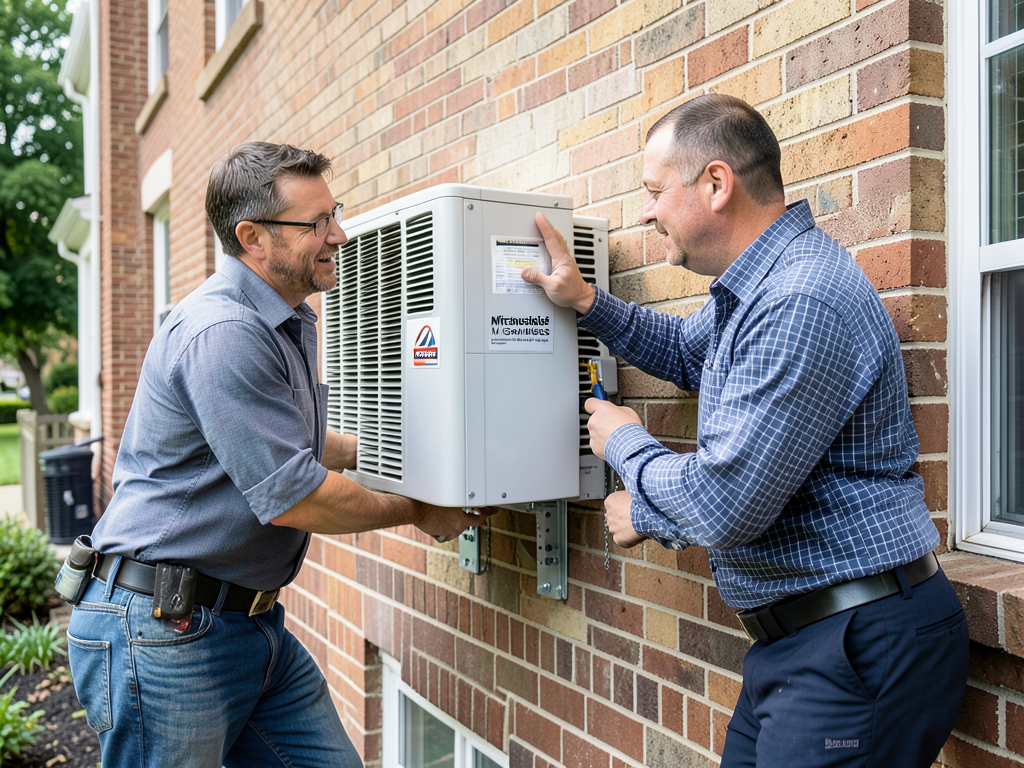
Picking a Whisper Quiet Heat Pump for Small Backyards in Haddington

Picking a Whisper Quiet Heat Pump for Small Backyards in Haddington Living in Haddington means dealing with tight backyard spaces…

Should You Keep Repairing or Just Replace That 15 Year Old Furnace in Your Bustleton Split Level Home

Should You Keep Repairing or Just Replace That 15 Year Old Furnace in Your Bustleton Split Level Home Your 15-year-old…

Contact Us

Stop breathing recirculated dust, allergens, and pollutants. Call Elite HVAC Philadelphia at (215) 610-9099 to schedule your indoor air quality assessment. We'll evaluate your home's specific needs and recommend the right air cleaning system for measurable respiratory relief.