




Menu

Noisy AC or Heater in Philadelphia – Fast Diagnosis and Permanent Fixes

Elite HVAC Philadelphia identifies the exact source of your loud air conditioner or furnace making noise and delivers targeted repairs that eliminate the racket for good.

Slider Image 1
Slider Image 2
Slider Image 3
Slider Image 4
Slider Image 5
Slider Image 7
Slider Image 8
Slider Image 9
Slider Image 10
Slider Image 11

Why Your HVAC System Sounds Like a Rock Concert

You hear it before you feel it. A loud air conditioner rattling against the foundation. A furnace making noise that wakes you at 2 a.m. These sounds are not normal, and they signal real problems brewing inside your noisy HVAC system.

Philadelphia's freeze-thaw cycles stress metal components harder than most climates. Your outdoor condenser unit endures winter temperatures that dip into the teens, then switches to cooling duty when summer humidity hits 80 percent. That expansion and contraction loosens mounting bolts, warps fan blades, and accelerates compressor wear. The result is a loud heater in January and an air conditioner making noise by June.

Most noise falls into three categories. Mechanical issues like loose blower wheels or failing bearings produce grinding or squealing. Airflow problems from clogged filters or blocked return ducts create whistling or banging. Refrigerant issues cause hissing or bubbling. Each sound points to a specific failure mode, and ignoring it compounds the damage.

The older rowhouses and twins common in neighborhoods like Fishtown and South Philadelphia amplify every vibration. Thin walls and shared ductwork turn a minor rattle into a major disturbance. Your loud air conditioner is not just an annoyance. It warns you that efficiency is dropping, energy bills are climbing, and a complete system failure is approaching. The longer you wait, the more components fail in cascade. A loose fan blade scores the housing. A worn bearing seizes the motor. A refrigerant leak forces the compressor to run hot until it burns out.

You need someone who can decode the noise and fix the root cause before it destroys your entire system.

Why Your HVAC System Sounds Like a Rock Concert
How We Silence Your System Without Guesswork

How We Silence Your System Without Guesswork

We do not throw parts at your noisy HVAC system and hope something works. We follow a diagnostic protocol that isolates the exact failure point.

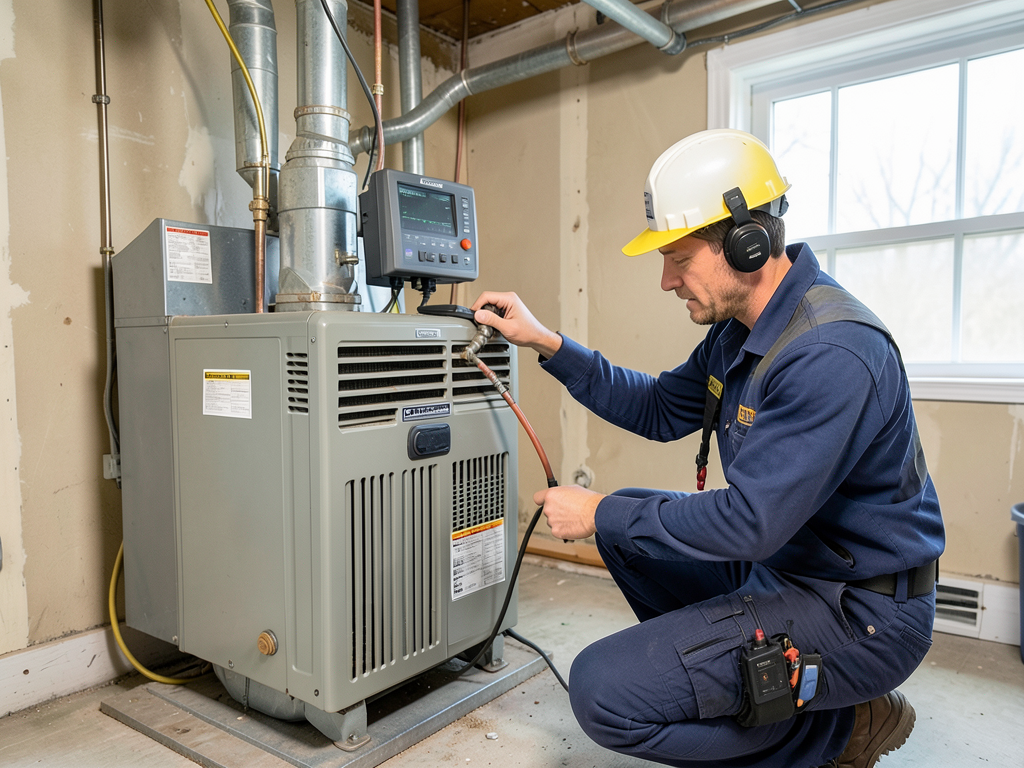
Our technicians arrive with decibel meters and thermal imaging cameras. We measure sound levels at different points in the cycle to determine whether the noise originates in the blower assembly, compressor, or ductwork. Thermal imaging reveals hotspots that indicate bearing friction or motor overload. We inspect mounting hardware, check fan blade balance, and test capacitor voltage under load. If your furnace is making noise during ignition, we examine the burner assembly and heat exchanger for cracks or debris.

Airflow diagnostics come next. We measure static pressure across the system to detect restrictions. A clogged filter or collapsed duct creates negative pressure that makes the blower work harder and louder. We pull the blower wheel and inspect for dust buildup that throws it out of balance. We check dampers and zone controls to ensure proper airflow distribution.

Refrigerant-side diagnostics require precision. We attach manifold gauges and compare operating pressures to manufacturer specifications. Low charge causes the evaporator coil to freeze, and when it thaws, you hear bubbling or gurgling. High charge forces the compressor to strain, producing a loud groaning. We use leak detectors to find cracks in the line set or failed service valves.

Once we identify the source, we repair or replace only the failed component. We torque mounting bolts to specification, balance fan assemblies, replace worn bearings, and secure loose ductwork. We do not sell you a new system unless the damage is catastrophic. Most noise problems are mechanical and fixable.

How We Diagnose and Repair Your Noisy System

Noisy AC or Heater in Philadelphia – Fast Diagnosis and Permanent Fixes
01

Sound Source Identification

We run your system through a full heating and cooling cycle while listening and measuring. Our technicians use decibel meters to quantify noise levels and pinpoint whether the sound originates in the air handler, condenser, or ductwork. We check blower motor mounts, compressor isolators, and duct hangers for looseness. This step eliminates guesswork and prevents unnecessary part replacement.
02

Component Inspection and Testing

We disassemble the affected section and inspect every moving part. Fan blades get checked for cracks and imbalance. Bearings get tested for play and friction. Capacitors get measured for voltage drop. We examine the heat exchanger for cracks that cause whistling and the evaporator coil for ice buildup that produces gurgling. Each component is tested against manufacturer tolerances to determine repair or replacement necessity.
03

Targeted Repair and Verification

We replace the failed component and reassemble the system to factory specifications. Mounting hardware gets torqued correctly. Fan assemblies get balanced. Refrigerant charge gets adjusted if needed. We run the system for 20 minutes and re-measure sound levels to confirm the noise is eliminated. You get a detailed report of what failed, what we fixed, and what to monitor going forward.

Why Philadelphia Homeowners Choose Us for Noise Diagnosis

Philadelphia's housing stock is diverse. You have 1920s rowhouses with gravity furnaces retrofitted for forced air. You have 1950s twins with undersized ductwork. You have modern townhomes with multi-zone systems. Each configuration produces different noise signatures, and diagnosing them requires experience with local construction methods.

We have worked in every neighborhood from Manayunk to Queen Village. We know how shared walls amplify vibration. We know how basement installations in older homes lack proper clearance for airflow. We know how the transition from coal to gas to electric heating left many homes with mismatched equipment that runs louder than it should.

Most contractors replace parts until the noise stops. We identify the failure mode first. That approach saves you money and prevents collateral damage. A loose blower wheel does not require a new air handler. A failing capacitor does not require a new compressor. A dirty flame sensor does not require a new gas valve. We fix what is broken and leave everything else alone.

Our technicians carry common wear parts on every truck. Fan blades, capacitors, bearings, and mounting hardware are in stock. That means most repairs finish in one visit. We do not need to order parts and schedule a second appointment. You get your quiet back the same day.

We also understand the urgency of noise problems. A loud heater keeps your family awake. An air conditioner making noise at 3 a.m. disrupts your entire household. We prioritize noise complaints and offer same-day service when you call before noon. You should not have to suffer through another sleepless night because your HVAC system sounds like a failing jet engine.

What Happens When You Call Us About Your Noisy System

Same-Day Service Availability

We dispatch technicians within two hours for noise complaints called in before noon. Our trucks are stocked with diagnostic equipment and common repair parts, which means most jobs finish in a single visit. You do not wait days for an appointment or weeks for parts to arrive. We understand that a loud air conditioner or furnace making noise disrupts your entire household, so we treat every noise complaint as urgent. Evening and weekend appointments are available for families who cannot accommodate daytime service.

Comprehensive Diagnostic Process

Our technicians perform a full system evaluation before recommending repairs. We measure sound levels, inspect all moving parts, test electrical components, and check refrigerant pressures. You receive a written diagnostic report that explains what failed, why it failed, and what we recommend to fix it. We show you the damaged part and explain how it caused the noise. You get photos of the problem area and a detailed cost breakdown before any work begins. No surprises, no upselling, no pressure.

Permanent Noise Elimination

We fix the root cause, not the symptom. If your loud heater is caused by a cracked heat exchanger, we replace the heat exchanger instead of masking the noise with insulation. If your noisy HVAC system is caused by undersized ductwork, we redesign the airflow path instead of installing a quieter blower. Our repairs are engineered to last, and we verify the noise is eliminated before we leave. You get a quiet system that runs efficiently and reliably.

Preventive Maintenance Plans

Most noise problems are preventable. Our maintenance plans include annual inspections that catch wear before it becomes catastrophic. We tighten mounting hardware, lubricate bearings, balance fan assemblies, and clean blower wheels. Members get priority scheduling and discounted repairs. You also get detailed records of every service visit, which helps identify patterns and predict future failures. A well-maintained system runs quieter, lasts longer, and costs less to operate. Maintenance is not an expense. It is an investment in reliability.

Frequently Asked Questions

You Have Questions,
We Have Answers

Why is my AC so loud all of a sudden? +

Sudden AC noise usually points to a mechanical failure. Loose fan blades rattle against the housing. A worn belt slips and squeals. Compressor bearings grind when they fail. Debris stuck in the outdoor unit creates loud clanging. In Philadelphia's humid summers, moisture accelerates wear on motors and belts, making noise issues common. Turn off your system immediately to prevent further damage. A grinding or screeching sound means internal components are failing and can cause a complete breakdown. A trained technician can diagnose the exact source and replace worn parts before you lose cooling during a heat wave.

What is the 3 minute rule for AC? +

The 3 minute rule prevents compressor damage. After your AC shuts off, wait at least three minutes before restarting. This delay allows refrigerant pressure to equalize throughout the system. If you restart too quickly, the compressor works against high pressure, which strains the motor and can blow the capacitor. Many modern thermostats have this delay built in. In Philadelphia's stop-and-start weather during spring and fall, compressors cycle frequently. Repeatedly short-cycling without the pressure reset wears out components faster. If your system struggles to start or trips breakers, the compressor may already be damaged from improper cycling.

What is the $5000 AC rule? +

The $5000 rule is a replacement guideline. Multiply the repair cost by your system's age. If the total exceeds $5000, replacement makes more financial sense than repair. For example, a $600 repair on a 10-year-old unit equals $6000, so you should replace it. A $400 repair on a 5-year-old system equals $2000, so repair is smarter. This formula accounts for diminishing returns on aging equipment. Philadelphia homes with older systems face higher humidity loads and salt air corrosion near the Delaware River, which shortens equipment life. Factor in rising energy costs and efficiency gains when deciding.

What does an AC compressor sound like when it's going out? +

A failing compressor makes distinct sounds. You will hear a hard-starting groan or stuttering when the unit tries to engage. Grinding or rattling inside the outdoor unit means internal bearings are shot. A high-pitched screaming sound indicates refrigerant pressure problems or seized pistons. Clicking without startup means electrical failure. Philadelphia's humid climate puts extra strain on compressor seals and windings. If you hear these sounds, shut down the system immediately. A seized compressor can overheat and cause electrical fires. Compressor replacement costs more than half the price of a new system, so evaluate your options carefully before committing.

What does a blown blower motor sound like? +

A blown blower motor produces specific sounds. You will hear a humming without airflow, meaning the motor gets power but cannot spin. Squealing or screeching indicates worn bearings. A loud bang followed by silence means the motor seized. Rattling suggests loose mounting or a broken fan cage. In Philadelphia rowhomes with tight mechanical spaces, poor ventilation causes blower motors to overheat faster. You may smell burning oil or see smoke from the vents. The system will run but produce weak or no airflow. Turn off your furnace or air handler immediately to prevent fire risk and call for service.

How much does it cost to replace a capacitor in an AC unit? +

Capacitor replacement typically costs between $150 and $400 for parts and labor. The capacitor itself runs $10 to $50, but you pay for the technician's expertise and emergency availability. Dual capacitors cost more than single-run models. Prices increase during Philadelphia's peak cooling season when demand spikes. A failed capacitor prevents your compressor or blower from starting. The repair takes under an hour for an experienced tech. Some companies charge trip fees or diagnostic fees separately. Get quotes from multiple contractors. Capacitors fail frequently in high-humidity climates, so consider a maintenance plan that covers electrical components.

How cool should my house be if it's 100 outside? +

Your home should reach 75 to 78 degrees when it is 100 degrees outside. Your AC removes about 20 to 25 degrees from outdoor temperature. Expecting 68 degrees on a scorching day overworks your system and spikes your electric bill. Philadelphia summers combine high heat with humidity, which makes cooling harder. Set your thermostat to 76 degrees for comfort and efficiency. Close blinds on south-facing windows to reduce solar heat gain. Older homes with poor insulation struggle more. If your system runs constantly but cannot reach 75 degrees, you may have undersized equipment, ductwork leaks, or low refrigerant.

How to tell if an AC capacitor is bad? +

A bad capacitor shows clear symptoms. Your AC hums but will not start. The outdoor fan spins slowly or not at all. You smell burning from the unit. The system shuts off randomly mid-cycle. You can visually inspect the capacitor for bulging, leaking oil, or a swollen top. Use a multimeter to test microfarad readings against the label specs. Philadelphia's summer heat accelerates capacitor failure because high temperatures degrade the internal dielectric material. Capacitors are inexpensive but critical. If your system is over eight years old, replace the capacitor proactively during maintenance to avoid emergency breakdowns.

How do the amish keep cool in the summer? +

The Amish cool homes without electricity through passive design. They build homes with deep porches for shade and cross-ventilation. Windows align to catch prevailing breezes. Thick walls and high ceilings slow heat transfer. They use root cellars for cold storage. Some Amish communities in Pennsylvania use propane-powered refrigerators or battery-operated fans charged by solar panels. They work outdoors during early morning or evening hours. Sleeping porches and lightweight cotton bedding help at night. Shade trees planted strategically around homes reduce direct sun. While Philadelphia Amish populations are small, these principles apply to energy-conscious homeowners looking to reduce cooling costs.

Can I write off my new AC unit on my taxes? +

You may write off a new AC unit if it qualifies under specific tax rules. The Inflation Reduction Act offers tax credits for high-efficiency systems that meet Energy Star standards. You can claim up to 30 percent of the cost, capped at $600 for equipment and $2000 total for home improvements. Consult a tax professional because rules vary by system type and efficiency rating. Philadelphia homeowners can stack federal credits with state rebates from PECO for energy upgrades. Business properties have different depreciation rules under Section 179. Keep all receipts and manufacturer certifications. Standard replacements without efficiency upgrades typically do not qualify.

How Philadelphia's Climate Accelerates HVAC Noise Problems

Philadelphia sits in a humid subtropical zone with temperature swings that punish HVAC equipment. Winter lows in the teens force your furnace to cycle dozens of times per day. Summer highs in the 90s with 80 percent humidity make your air conditioner run nearly nonstop. That constant cycling expands and contracts metal components, loosens mounting bolts, and accelerates bearing wear. The freeze-thaw cycle is particularly brutal on outdoor condenser units. Ice forms inside the cabinet during winter shutdowns, and when the unit restarts in spring, that ice damages fan blades and bends coil fins. The result is a loud air conditioner that rattles and vibrates from the moment it powers on.

Philadelphia's building codes require permits for major HVAC work, and our technicians are familiar with L&I procedures. We pull permits when needed and schedule inspections to keep your project compliant. Our team has worked with thousands of local homeowners, and we understand the quirks of Philadelphia's housing stock. We know how to retrofit modern equipment into tight basements and crawlspaces. We know which manufacturers design systems that handle our climate without constant breakdowns. That local knowledge protects you from expensive mistakes and ensures your noisy HVAC system gets fixed right the first time.
HVAC Services in The Philadelphia Area

Come visit our office or explore our extensive service area on the map below. Elite HVAC proudly serves residential and commercial clients across Philadelphia, ensuring prompt and reliable heating, ventilation, and air conditioning solutions wherever you are. Whether you need an emergency repair or a new installation, we’re strategically located to provide quick and efficient service right to your doorstep, ensuring your comfort is never compromised.

Address:
Elite HVAC Philadelphia, 2231 E Ontario St, Philadelphia, PA, 19134

Additional Services We Offer

Our news updates

Latest Articles & News from The Blogs

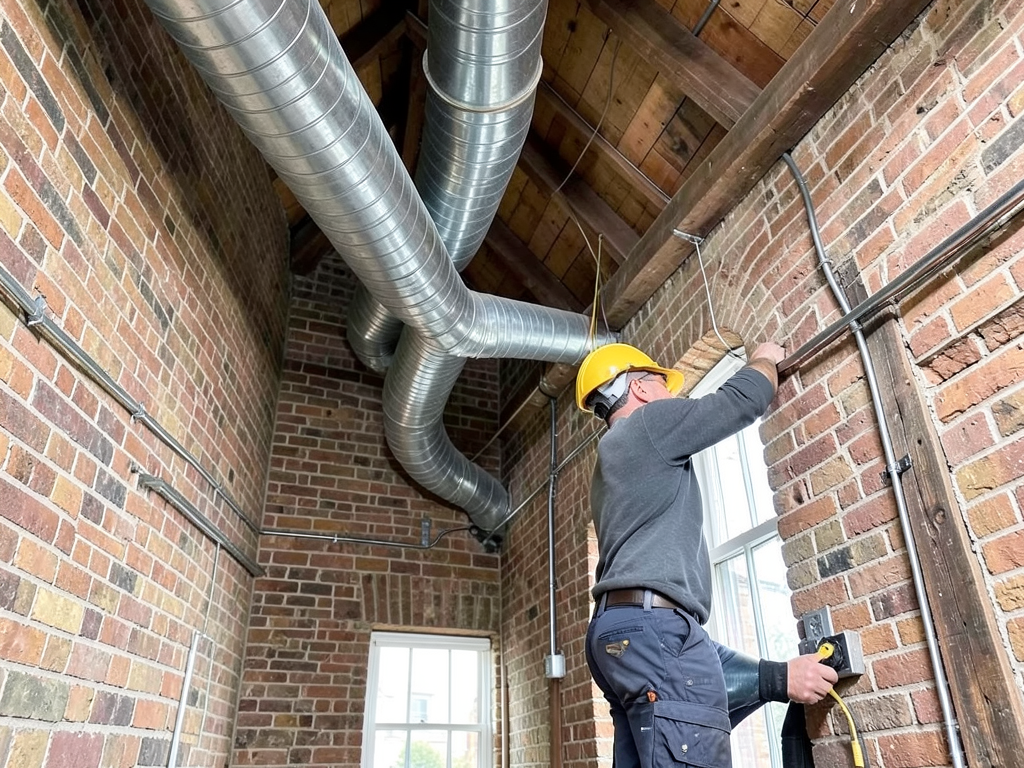
Creative Ways to Hide HVAC Ductwork in a High Ceiling South Kensington Loft Living in a South Kensington loft means…

Creative Ways to Hide HVAC Ductwork in a High Ceiling South Kensington Loft

Creative Ways to Hide HVAC Ductwork in a High Ceiling South Kensington Loft Living in a South Kensington loft means…

Picking a Whisper Quiet Heat Pump for Small Backyards in Haddington

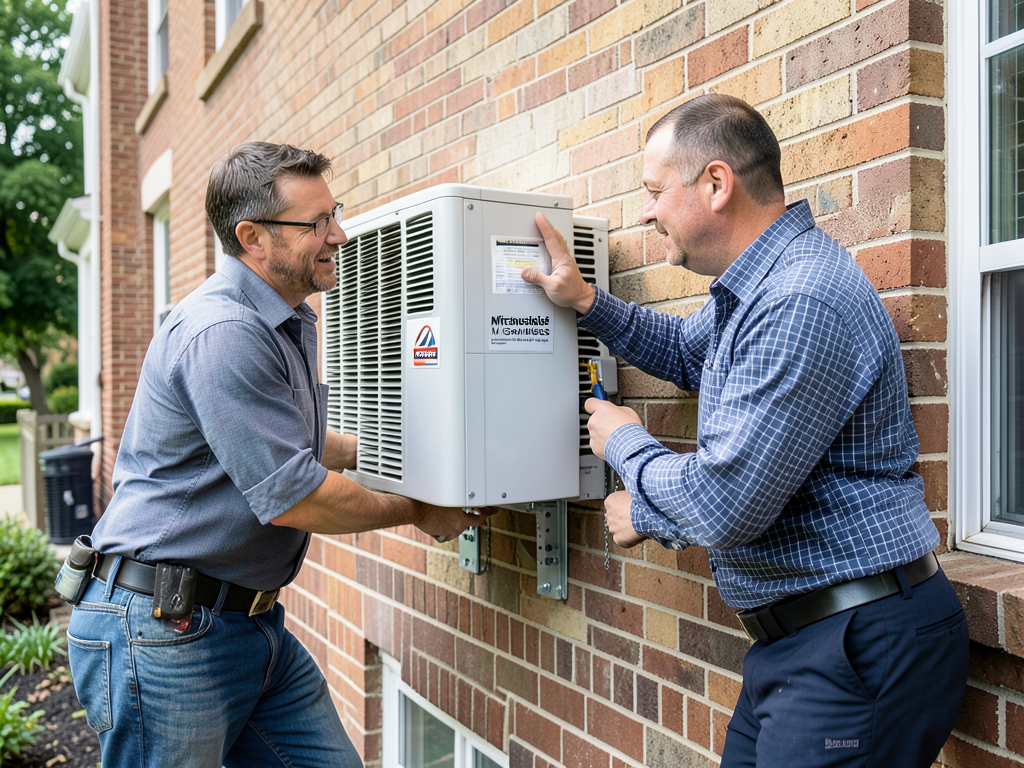
Picking a Whisper Quiet Heat Pump for Small Backyards in Haddington Living in Haddington means dealing with tight backyard spaces…

Should You Keep Repairing or Just Replace That 15 Year Old Furnace in Your Bustleton Split Level Home

Should You Keep Repairing or Just Replace That 15 Year Old Furnace in Your Bustleton Split Level Home Your 15-year-old…

Contact Us

Your loud air conditioner or furnace making noise will not fix itself. Call Elite HVAC Philadelphia at (215) 610-9099 now for same-day diagnosis and repair. We identify the exact problem and restore your peace and quiet.