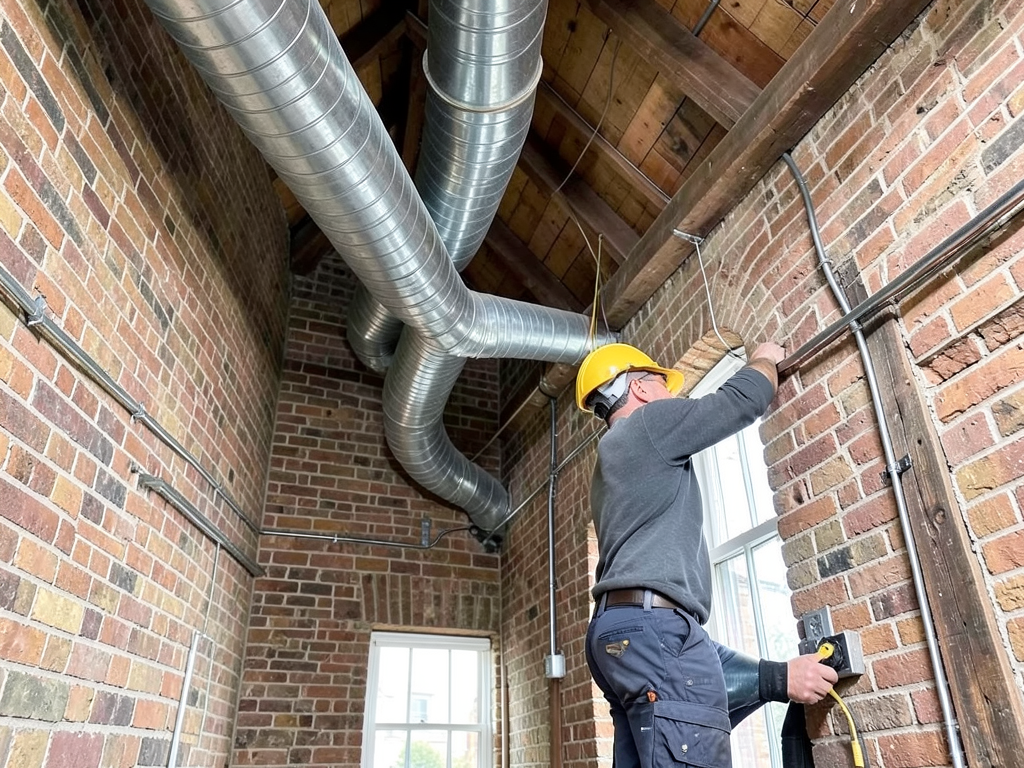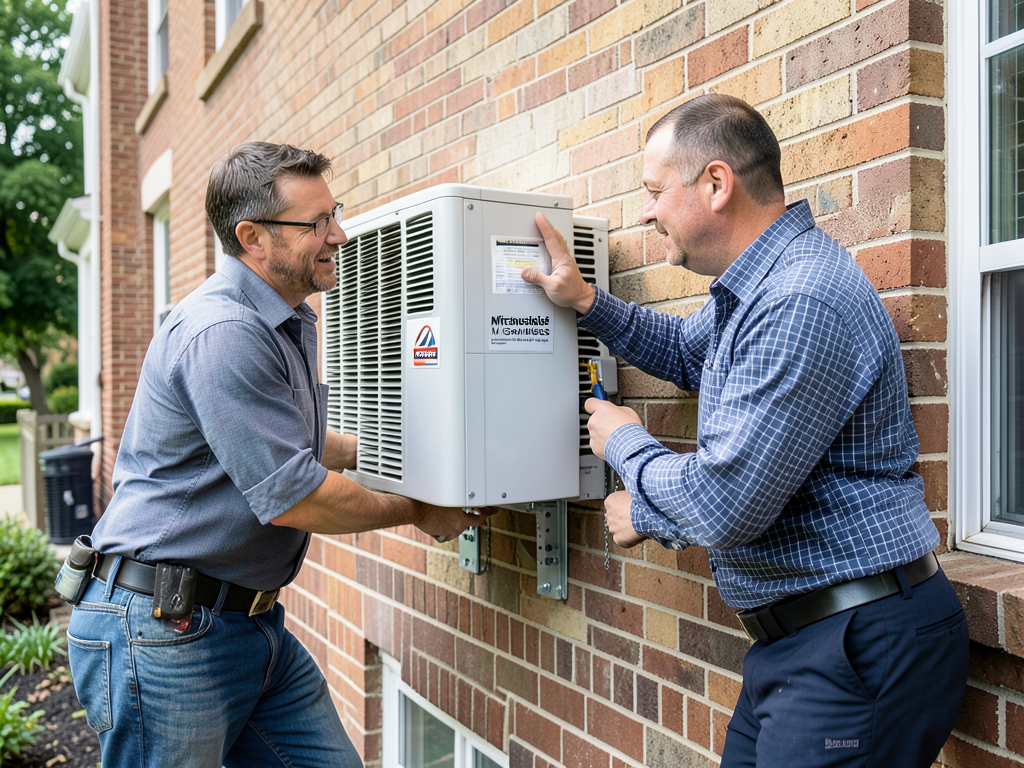







Philadelphia has the second-oldest housing stock among major American cities. More than 60 percent of residential structures were built before 1950. Most of these homes relied on steam radiators, gravity furnaces, or window units for climate control. When contractors retrofit central air into these properties, they face structural limitations that compromise system performance. Narrow joist bays limit duct sizing. Finished basements eliminate access to main trunk lines. Load-bearing walls prevent direct duct runs between floors. These constraints force installers to use undersized ductwork, excessive elbows, and long flex duct runs that increase static pressure and reduce airflow. The problem worsens in rowhomes where shared walls eliminate side-access options for ductwork routing.
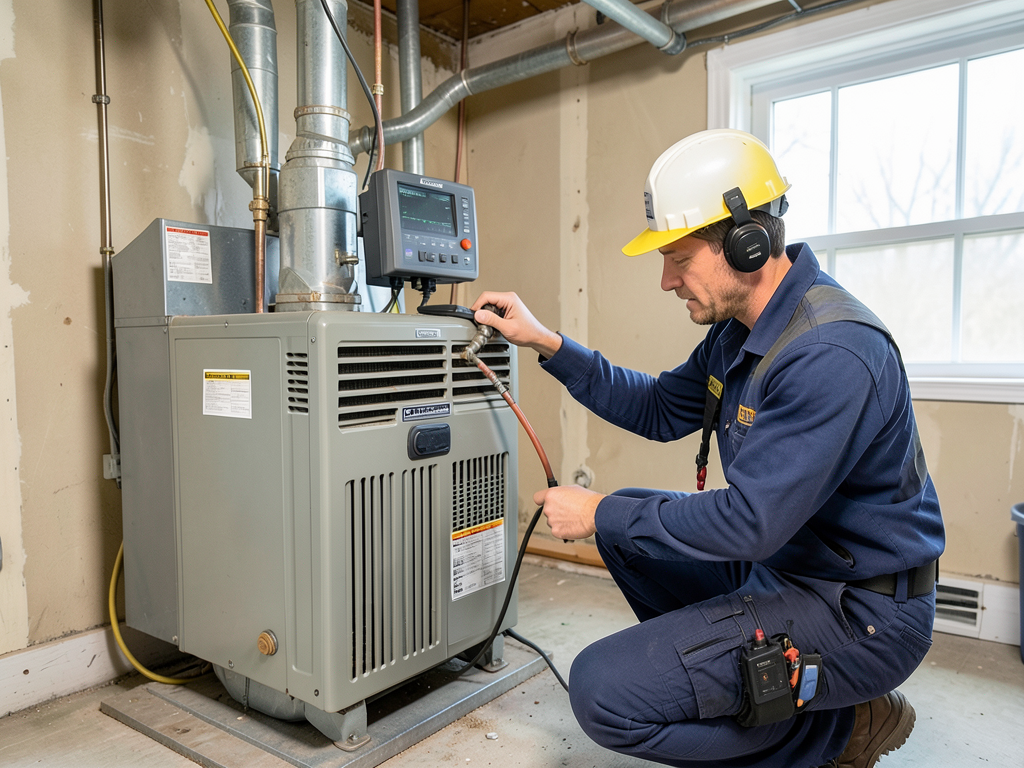
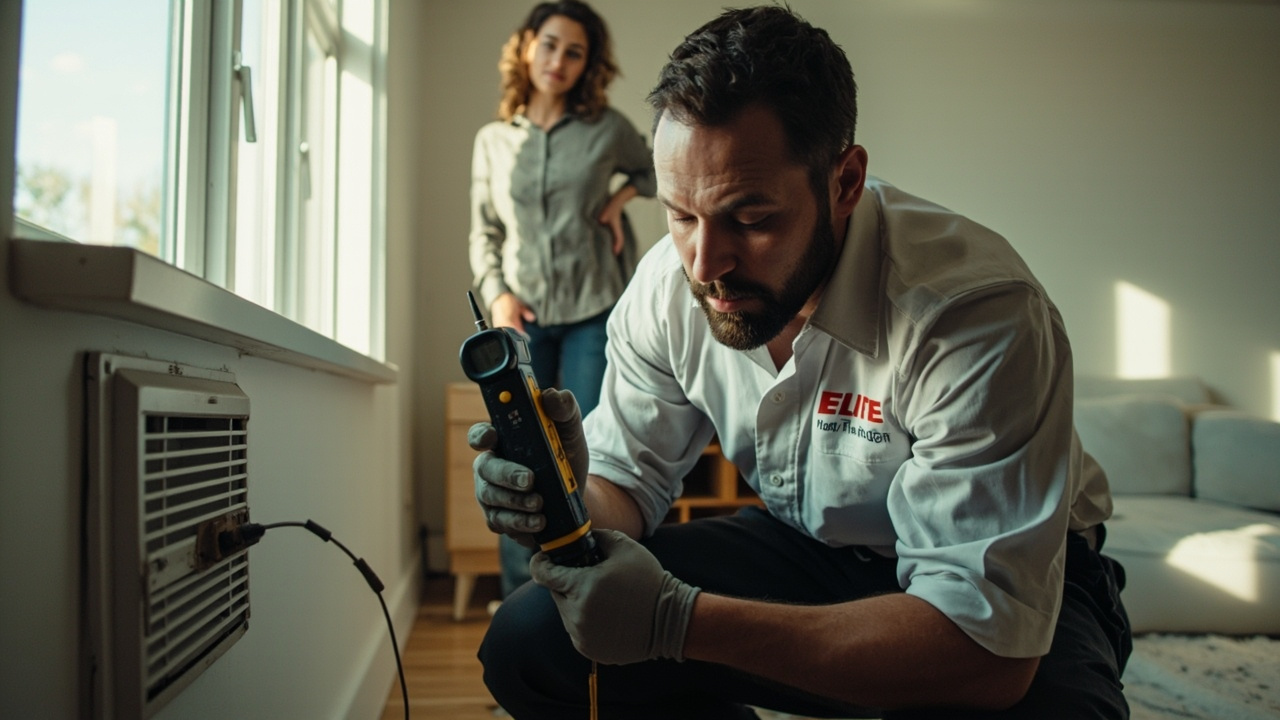
Philadelphia's Department of Licenses and Inspections requires permits for HVAC modifications that alter ductwork or increase system capacity. Many contractors skip this step to save time and money, leaving homeowners with unpermitted work that fails to meet code requirements. When you call Elite HVAC Philadelphia about poor airflow from your AC, we evaluate your existing installation against current code standards. If your ductwork was installed improperly or without permits, we document the issues and help you bring the system into compliance. Our relationships with L&I inspectors and our track record of code-compliant work mean your repairs pass inspection the first time. This matters during home sales, insurance claims, and when you need confidence that your system operates safely and legally.