




Menu

AC Blowing Warm Air in Philadelphia – Expert Diagnosis and Same-Day Repair

When your central air starts pushing hot air through the vents, you need technicians who can diagnose refrigerant leaks, compressor failures, and airflow restrictions fast. We identify the root cause and restore cold air the same day.

Slider Image 1
Slider Image 2
Slider Image 3
Slider Image 4
Slider Image 5
Slider Image 7
Slider Image 8
Slider Image 9
Slider Image 10
Slider Image 11

Why Your Air Conditioner Is Blowing Hot Air in Philadelphia

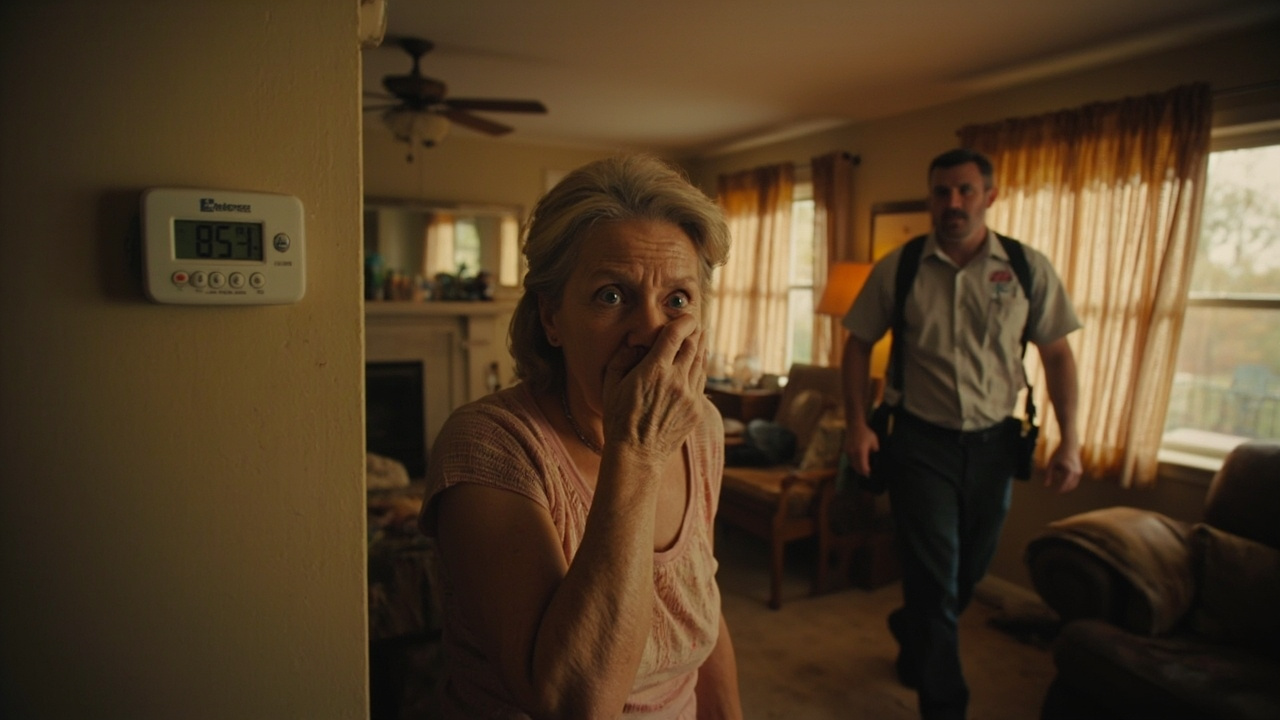
You set the thermostat to 68. The system is running. But the air coming out of your vents feels like a hair dryer.

This is one of the most common AC problems we see in Philadelphia, and it always happens at the worst time. The outdoor unit hums away, but your living room stays at 82 degrees. You check the filter. You flip the breaker. Nothing changes.

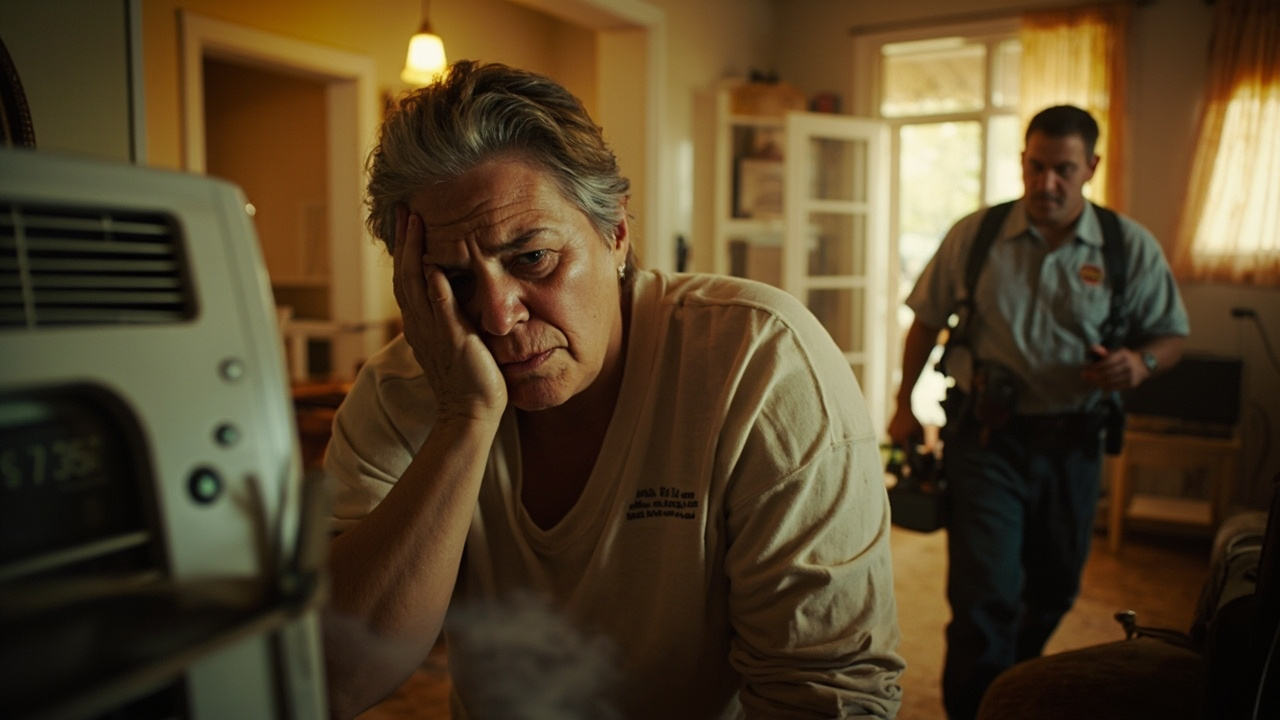
Philadelphia's summer humidity makes this problem worse. When your air conditioning is not blowing cold air, the moisture hangs in the air and your home feels like a sauna. The discomfort is immediate. So is the urgency.

There are multiple reasons your central air is blowing warm air. Refrigerant leaks are the most common. If your system is low on refrigerant, the evaporator coil cannot absorb heat. The blower keeps running, but it is just circulating warm indoor air. You might notice ice buildup on the copper lines outside or hear a hissing sound near the condenser.

Compressor failure is another culprit. The compressor pumps refrigerant through the system. When it fails, the outdoor unit runs but produces no cooling. You will hear the fan spinning, but the compressor stays silent or clicks on and off rapidly.

Airflow restrictions cause warm air too. A clogged evaporator coil, a failing blower motor, or closed dampers in your ductwork can all prevent cold air from reaching your vents. The system works harder, but the air never gets cold.

Thermostat wiring issues and reversing valve problems also cause AC vents to blow hot air. If the thermostat sends the wrong signal or the reversing valve sticks, your system might be running in heat mode during the summer.

You need a technician who can diagnose the exact problem, not someone who guesses and replaces parts until something works.

Why Your Air Conditioner Is Blowing Hot Air in Philadelphia
How We Diagnose and Fix Air Conditioners Running But Not Cooling

How We Diagnose and Fix Air Conditioners Running But Not Cooling

We do not show up with a parts catalog and start swapping components. We use systematic diagnostics to identify the failure point.

First, we measure the temperature differential at the supply and return vents. This tells us if the evaporator coil is absorbing heat. If the differential is less than 15 degrees, the system is not cooling properly.

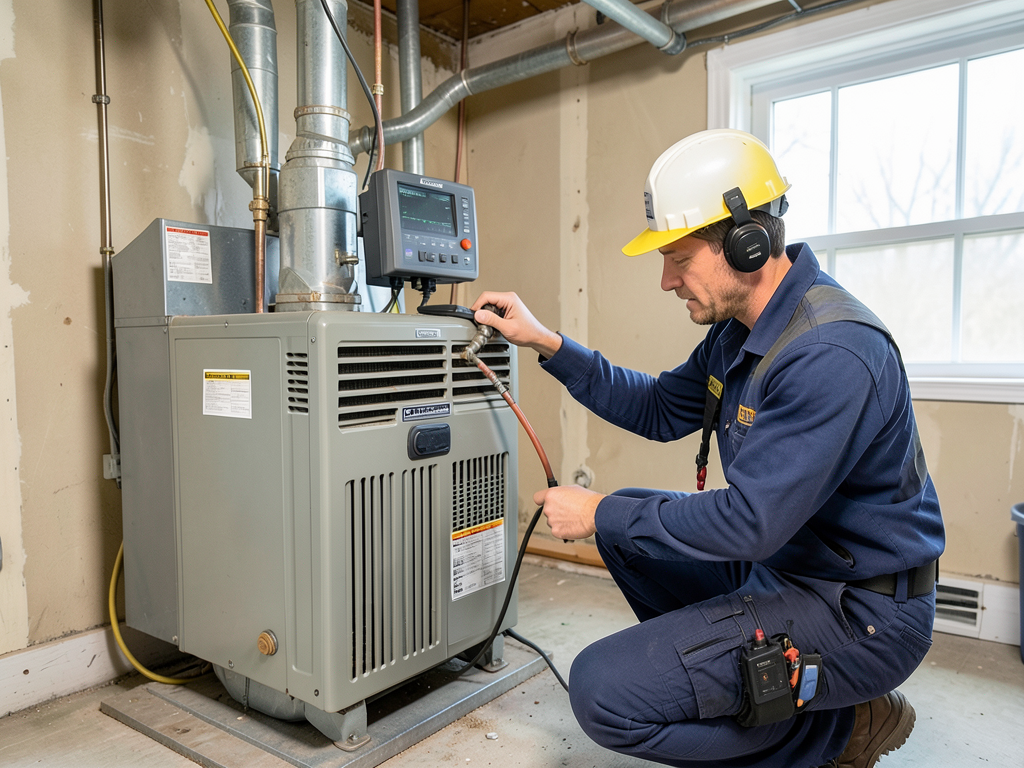
Next, we check refrigerant pressures at the service ports. Low suction pressure indicates a refrigerant leak or a restriction in the evaporator coil. High head pressure points to condenser coil blockage or a failing compressor. We use manifold gauges to get exact readings, then compare them to the manufacturer specifications for your system.

We inspect the outdoor condenser unit for mechanical failures. A seized compressor makes a distinct clicking sound. A failed capacitor prevents the compressor from starting. A stuck reversing valve causes the system to run in the wrong mode. We test each component with a multimeter before making any repairs.

Airflow problems require blower motor testing and static pressure measurement. We check the amp draw on the blower motor to see if it is running at full capacity. If the static pressure is too high, we inspect the ductwork for closed dampers, crushed flex ducts, or disconnected supply lines.

For refrigerant leaks, we use electronic leak detectors and UV dye to locate the exact leak point. Rooftop condensers in Philadelphia row homes often develop leaks at the flare fittings due to vibration. We repair the leak, vacuum the system to remove moisture, then recharge it to the correct weight.

Once we identify the problem, we explain the repair in plain language. You understand what failed, why it failed, and what we need to do to fix it. No upselling. No unnecessary replacements.

What Happens When You Call for Warm Air Repair

AC Blowing Warm Air in Philadelphia – Expert Diagnosis and Same-Day Repair
01

Immediate Dispatch and Arrival

You call (215) 610-9099 and describe the problem. We ask about symptoms like ice buildup, strange noises, or recent power outages. Then we dispatch a technician with the diagnostic tools and common repair parts for your system type. Most calls get same-day service, even on weekends during peak cooling season.
02

Full System Diagnostics

The technician tests refrigerant pressures, checks electrical components, measures airflow, and inspects the evaporator and condenser coils. We identify the failure point using calibrated instruments, not guesswork. You get a clear explanation of what is broken, why it is broken, and what the repair involves before any work begins.
03

Repair and Cold Air Restoration

Once you approve the repair, we complete the work on site. For refrigerant leaks, we repair the line, evacuate the system, and recharge it to spec. For mechanical failures, we replace the failed component and test the system under load. Before we leave, we verify the temperature differential at your vents and make sure cold air is flowing.

Why Philadelphia Homeowners Choose Elite HVAC for AC Repairs

Philadelphia HVAC systems face unique stress. The summer humidity puts constant load on the evaporator coil. The freeze-thaw cycles in spring damage outdoor condensers. Row home rooftop units vibrate on aging wooden structures, loosening refrigerant fittings over time.

We understand these local conditions because we have worked on thousands of systems in this city. We know which brands hold up better in the humidity. We know which rooftop platforms need vibration isolation pads. We know the common failure points for older systems still running R-22 refrigerant.

When your air conditioner is blowing hot air, you need technicians who have seen the problem before and fixed it correctly. You need someone who stocks the parts for the brands installed in Philadelphia homes. You need a company that shows up when they say they will.

We do not subcontract our work. The technician who answers your call is the technician who shows up at your door. They carry diagnostic equipment, not just a clipboard. They can test capacitors, measure superheat, and check voltage drop without leaving to get tools.

We also understand the building codes in Philadelphia. If your system needs a new condenser pad, we pour it to the correct height and use the correct anchors. If you need a new condensate drain line, we route it according to the mechanical code. If you need a compressor replacement, we pull the permit and schedule the inspection.

You get transparency at every step. Before we start the repair, you know what it will cost. No trip charges. No diagnostic fees if you proceed with the repair. No surprise add-ons when we finish the job.

We fix the problem the first time. If your AC is still blowing warm air after we leave, we come back at no additional charge until it is right.

What to Expect When You Schedule AC Warm Air Repair

Same-Day Service Availability

Most warm air problems get same-day service. We prioritize calls where the AC is running but not cooling because the problem usually gets worse the longer you wait. Refrigerant leaks cause compressor damage if the system runs dry. Failing compressors trip breakers and damage capacitors. We arrive within hours, not days. If you call in the morning, we are often there by early afternoon. Evening and weekend appointments are available during the summer.

Thorough Diagnostic Process

We do not skip steps to save time. The technician checks refrigerant pressures, compressor amp draw, capacitor microfarads, blower motor voltage, and thermostat calibration. We inspect the evaporator coil for ice, the condenser coil for debris, and the ductwork for airflow restrictions. You see the test results on the gauges and meters. We explain what each reading means and how it points to the problem. The diagnostic process takes 30 to 45 minutes depending on the system complexity.

Verified Cold Air Restoration

We do not leave until the system is blowing cold air. After the repair, we let the system run for 15 minutes and measure the supply air temperature. It should be 55 to 60 degrees at the vent. We check the temperature differential between supply and return. We listen for abnormal sounds. We verify the outdoor unit is cycling correctly. You feel the cold air before we pack up. If the system does not cool properly after the repair, we troubleshoot further at no extra cost.

Post-Repair Support and Maintenance

After the repair, we walk you through basic maintenance steps to prevent future problems. Change the filter monthly during cooling season. Keep the area around the outdoor unit clear. Listen for unusual sounds. If something feels off after we leave, call us. We provide follow-up support at no charge for 30 days after the repair. If the same problem recurs, we come back and make it right. We also offer maintenance plans that include seasonal tune-ups, priority scheduling, and discounted repairs.

Frequently Asked Questions

You Have Questions,
We Have Answers

How do I fix my AC blowing warm air? +

Start by checking your thermostat settings. Confirm it's set to cool mode and the temperature is lower than your current room temperature. Next, inspect your air filter. A clogged filter restricts airflow and forces your system to work harder. Replace it if dirty. Check your outdoor condenser unit for debris, leaves, or obstructions blocking airflow. If these basic fixes don't work, you likely have a refrigerant leak, frozen evaporator coil, or compressor issue. Philadelphia's humid summers put extra strain on AC systems, making professional diagnosis critical. Turn off your unit and call a licensed technician to prevent further damage.

Should I turn off the AC if it is blowing warm air? +

Yes, turn off your AC if it blows warm air for more than an hour. Running a malfunctioning system can damage the compressor, which is the most expensive component to replace. The issue could be a refrigerant leak, frozen coil, or electrical failure. Continuing to run the unit wastes energy and risks turning a simple repair into a major replacement. Switch to fan mode only if you need air circulation while waiting for service. Philadelphia's high humidity makes a failing AC more than uncomfortable, it creates moisture problems. Contact a technician quickly to diagnose the problem before it escalates.

Why is my AC running but not cooling? +

Your AC runs but doesn't cool due to restricted airflow, refrigerant loss, or compressor failure. Check your air filter first. A clogged filter blocks airflow to the evaporator coil, preventing heat exchange. Inspect your outdoor condenser unit for dirt buildup or obstructions. Low refrigerant from a leak stops your system from absorbing heat effectively. Philadelphia's freeze-thaw cycles can crack refrigerant lines over time. A failing compressor won't circulate refrigerant properly. Frozen evaporator coils also prevent cooling. If basic filter and outdoor unit cleaning don't help, you need professional diagnosis to pinpoint the exact cause and prevent total system failure.

How to reset AC not blowing cold air? +

To reset your AC, turn off the thermostat completely. Go to your electrical panel and flip the breaker for your AC unit to the off position. Wait five minutes to allow the system to fully discharge. Flip the breaker back on, then turn on your thermostat and set it to cool mode. Wait 30 minutes to see if cold air returns. This reset can clear minor electronic glitches. If warm air persists, the problem is mechanical, not electronic. Philadelphia's summer humidity demands quick action. Refrigerant leaks, compressor issues, or frozen coils require professional repair, not just a reset.

Is it safe to run an AC that blows hot air? +

No, running an AC that blows hot air is not safe for your system. You risk burning out the compressor, which can cost thousands to replace. Hot air often signals a refrigerant leak, electrical failure, or reversed valve issue. Continuing to operate the unit under these conditions creates excessive heat and pressure inside the compressor. This damages internal components and shortens system lifespan. Philadelphia's hot, humid summers make a working AC critical, but forcing a broken unit to run makes repairs more expensive. Turn it off immediately and call a technician to diagnose the cause before permanent damage occurs.

How do I know if my AC condensate line is clogged? +

A clogged condensate line shows several clear signs. You'll notice water pooling around your indoor air handler or dripping from the unit. Your AC may shut off unexpectedly due to the float switch triggering when the drain pan fills. You might smell musty odors from standing water breeding mold. Philadelphia's high humidity produces more condensate, making clogs common. Some systems have a secondary overflow pan that catches water when the primary line blocks. Check for visible algae or sludge at the drain opening. If your AC cycles off frequently or you see water damage near the unit, the line needs professional cleaning.

What is the 3 minute rule for AC? +

The three-minute rule prevents compressor damage during startup. After your AC cycles off, wait at least three minutes before restarting it. This allows refrigerant pressure to equalize throughout the system. Starting too quickly forces the compressor to work against high pressure, which damages internal components and shortens lifespan. Most modern thermostats have built-in delay timers to enforce this rule automatically. If you manually turn your system off at the breaker or thermostat, wait the full three minutes. Philadelphia's frequent temperature swings can cause rapid cycling, making this rule especially important for protecting your compressor from premature failure.

What are signs of a failing AC compressor? +

A failing compressor shows specific warning signs. You'll hear loud grinding, squealing, or rattling noises from your outdoor unit when the AC runs. The unit may struggle to start, making clicking sounds without engaging. Your AC blows warm air despite running continuously. You notice the breaker trips repeatedly when the compressor tries to start. The outdoor unit vibrates excessively or runs hot to the touch. Philadelphia's humid climate forces compressors to work harder, accelerating wear. Electrical issues like hard starting indicate internal damage. If you see these signs, shut down your system immediately and call a technician. Compressor replacement is expensive.

What should my AC be set at if it's 100 degrees outside? +

Set your thermostat to 75-78 degrees when outdoor temperatures hit 100 degrees. Your AC can typically cool 15-20 degrees below outdoor temperature efficiently. Setting it lower forces the system to run continuously without reaching the target, wasting energy and stressing components. Philadelphia's summer heat and humidity already challenge your AC. Unrealistic temperature settings cause frozen coils from constant operation. Use ceiling fans to improve comfort without lowering the thermostat further. Close blinds during peak sun hours. If your home won't reach 78 degrees, you likely have an undersized unit, refrigerant leak, or failing compressor requiring professional attention.

What is the $5000 rule for AC? +

The $5,000 rule helps you decide between repair and replacement. Multiply the repair cost by your AC's age in years. If the result exceeds $5,000, replace the unit instead of repairing it. For example, a $500 repair on a 12-year-old system equals $6,000, suggesting replacement. A $300 repair on a 5-year-old unit equals $1,500, making repair sensible. This rule accounts for diminishing returns on older systems. Philadelphia's climate demands reliable cooling, and older units lose efficiency. Consider energy savings from newer models with higher SEER ratings. Major repairs like compressor replacement on systems over 10 years old rarely make financial sense long-term.

How Philadelphia Humidity Accelerates AC Refrigerant Leaks and Compressor Wear

Philadelphia summer humidity stays above 70 percent for weeks at a time. This forces your evaporator coil to work harder removing moisture from the air. The constant workload increases pressure on the refrigerant lines and accelerates corrosion at the flare fittings. Older systems installed on rooftop platforms in row homes vibrate more due to the wooden structure underneath. This vibration loosens the refrigerant connections over time. Small leaks become big leaks. Low refrigerant forces the compressor to run longer cycles, which generates more heat and causes premature failure. The result is warm air blowing through your vents when you need cold air most.

Philadelphia has strict mechanical codes for refrigerant handling and system modifications. Any repair involving refrigerant requires an EPA-certified technician. Any compressor replacement requires a permit and inspection. We follow these codes because we work in this city every day. We know the inspectors. We know what they look for. When you hire a company that understands local requirements, you avoid compliance problems and failed inspections. You also get technicians who understand the unique challenges of cooling homes in this climate. That local knowledge makes the difference between a quick fix and a lasting repair.
HVAC Services in The Philadelphia Area

Come visit our office or explore our extensive service area on the map below. Elite HVAC proudly serves residential and commercial clients across Philadelphia, ensuring prompt and reliable heating, ventilation, and air conditioning solutions wherever you are. Whether you need an emergency repair or a new installation, we’re strategically located to provide quick and efficient service right to your doorstep, ensuring your comfort is never compromised.

Address:
Elite HVAC Philadelphia, 2231 E Ontario St, Philadelphia, PA, 19134

Additional Services We Offer

Our news updates

Latest Articles & News from The Blogs

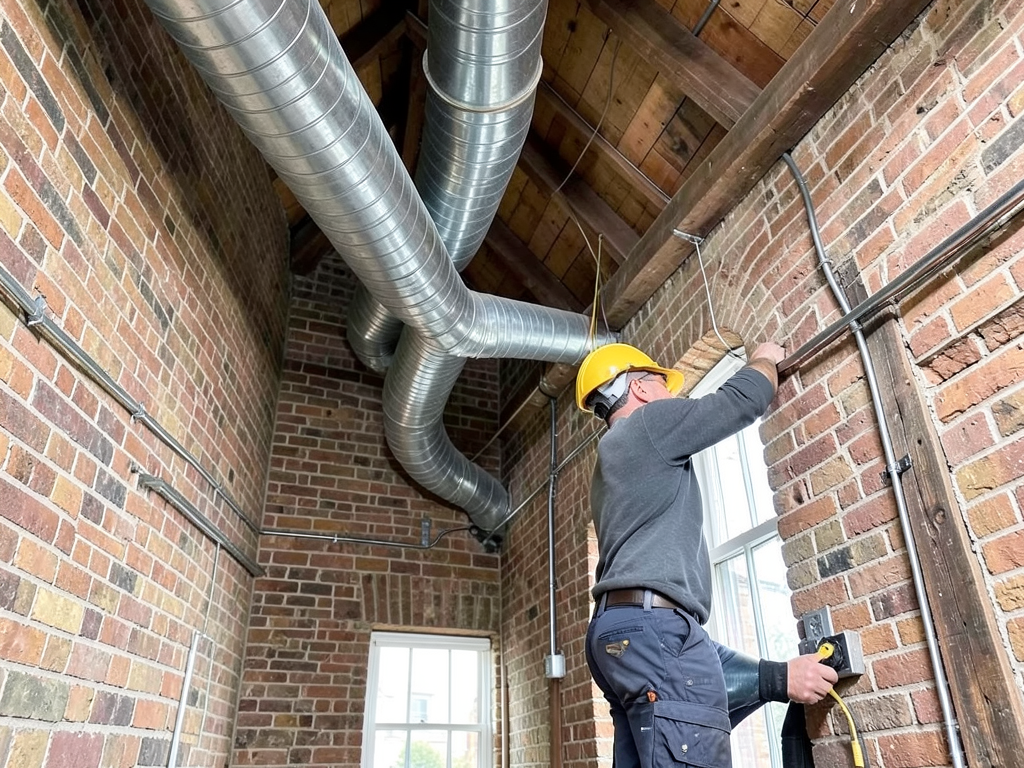
Creative Ways to Hide HVAC Ductwork in a High Ceiling South Kensington Loft Living in a South Kensington loft means…

Creative Ways to Hide HVAC Ductwork in a High Ceiling South Kensington Loft

Creative Ways to Hide HVAC Ductwork in a High Ceiling South Kensington Loft Living in a South Kensington loft means…

Picking a Whisper Quiet Heat Pump for Small Backyards in Haddington

Picking a Whisper Quiet Heat Pump for Small Backyards in Haddington Living in Haddington means dealing with tight backyard spaces…

Should You Keep Repairing or Just Replace That 15 Year Old Furnace in Your Bustleton Split Level Home

Should You Keep Repairing or Just Replace That 15 Year Old Furnace in Your Bustleton Split Level Home Your 15-year-old…

Contact Us

Your AC should blow cold air, not hot air. Call Elite HVAC Philadelphia at (215) 610-9099 right now. We will diagnose the problem today and restore cold air before the sun goes down. Same-day service available.