
Protecting Your HVAC System from Construction Dust During a Spring Garden Renovation
Spring renovation season in Philadelphia means construction dust is everywhere. That fine drywall powder and sawdust can destroy your HVAC system in days by coating coils, clogging filters, and burning out motors. This guide shows you exactly how to shield your equipment before the first hammer swings and what to do when the dust settles. HVAC Philadelphia.
Why Construction Dust is Lethal to Your HVAC System
Construction dust isn’t just dirt. Drywall dust contains silica particles that are 100 times smaller than a human hair. These microscopic particles bypass standard MERV 8 filters and coat your evaporator coils like concrete. Once coated, your system works 30% harder, energy bills spike, and the blower motor overheats within weeks.
The real danger hits your return air system. Construction dust enters through unsealed registers and builds up inside your ductwork. That dust becomes a breeding ground for mold when Philadelphia’s summer humidity hits. Your family breathes contaminated air while your system slowly dies from the inside out.
Pre-Construction: How to Seal Your System Properly
Before any demolition starts, your HVAC system needs complete isolation. Start by turning off the system at the thermostat and the circuit breaker. This prevents the blower from pulling dust through the system during construction. Weak Airflow from Vents.
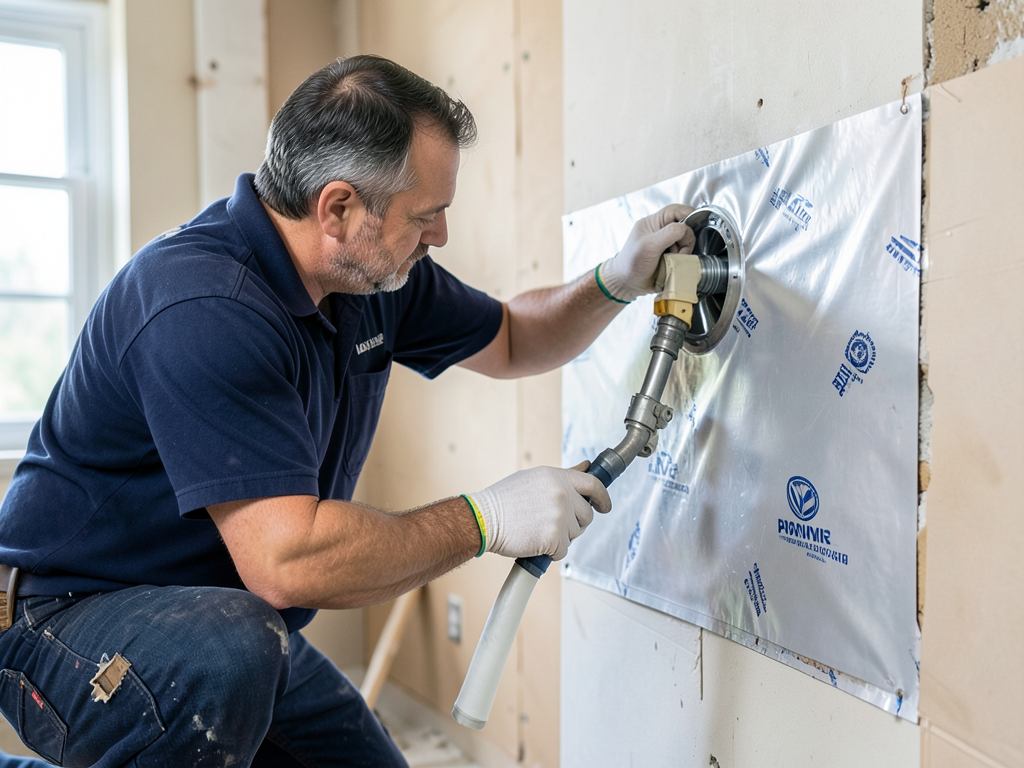
Cover every supply and return register with 6-mil polyethylene sheeting. Secure it with painter’s tape, not duct tape. Duct tape fails in 24 hours under construction conditions. For extra protection, cut foam board insulation to fit over each register opening before applying the plastic.
Seal the air handler cabinet itself. Construction dust settles everywhere. Even with registers covered, vibrations from demolition can shake dust into your air handler through seams and electrical penetrations. Use foil tape on all accessible seams.
Finally, create negative pressure in work zones. Set up a box fan blowing out a window in the construction area. This keeps dust from migrating to other parts of your home where your HVAC system can pull it in.
Filtration Strategies During Renovations
Standard residential filters cannot handle construction dust loads. A single day of drywall sanding can overwhelm a MERV 8 filter. You need specialized protection during renovation phases.
| Filter Type | MERV Rating | Best For | Replacement Frequency |
|---|---|---|---|
| Standard Pleated | 8 | Normal operation | 90 days |
| Construction Grade | 11 | Light renovation | 30 days |
| Heavy Duty | 13 | Major demolition | 7-14 days |
During active construction, install a MERV 13 filter as your primary defense. These filters capture particles down to 1 micron. That’s small enough to trap most drywall dust and sawdust. However, MERV 13 filters restrict airflow more than standard filters. Only use them during construction, then switch back to MERV 8 afterward.
Consider using disposable fiberglass filters during the heaviest demolition phases. They have minimal airflow restriction but must be changed daily. One day of drywall work can completely clog a filter.
Philadelphia-Specific Considerations
Philadelphia’s historic homes present unique HVAC protection challenges. Many Center City rowhomes have original ductwork from the 1920s. This galvanized steel becomes brittle with age. Construction vibrations can cause these old ducts to leak, creating new pathways for dust infiltration.
Philadelphia’s humid continental climate means construction dust stays active longer. Our summer humidity keeps silica particles from settling quickly. That dust stays airborne for days, constantly cycling through your HVAC system if it finds an opening.
Many Philadelphia homes sit on clay soil. Construction vibrations travel through this soil and can rattle loose duct connections in basements and crawl spaces. Check all accessible duct joints before starting work. A single loose connection can let in tons of dust.
Philadelphia’s building codes require permits for most renovations. During permit inspections, verify your contractor seals HVAC openings. Many contractors skip this step to save time. The International Mechanical Code Section 601.1 requires protection of existing HVAC equipment during construction. Best Rated HVAC Contractors in the Main Line Area.
Post-Project Recovery: The HVAC Deep Clean Checklist
When construction ends, your HVAC system needs professional evaluation. Don’t just change the filter and assume everything’s fine. Construction dust penetrates deep into your system.
First, inspect evaporator coils. Construction dust mixed with moisture creates a concrete-like coating on coils. This reduces heat transfer by up to 40%. A technician uses a coil cleaning solution and soft brushes to remove this buildup without damaging the fins.
Next, check blower wheels and motors. Construction dust accumulates on fan blades, causing imbalance. This vibration can destroy bearings within months. The motor itself may have dust-clogged cooling vents, causing overheating.
Finally, inspect ductwork. Construction dust in ducts recirculates for years. Professional duct cleaning uses negative air machines to remove this contamination. According to NADCA standards, contaminated ducts can reduce HVAC efficiency by 30% and trigger allergies.
Schedule a complete system test. This includes checking static pressure, which construction dust often increases by blocking filters and coils. High static pressure strains your system and shortens equipment life.
Cost-Benefit Analysis: Prevention vs. Repair
Protecting your HVAC system during construction costs $200-500 for materials and basic sealing. Professional pre-construction system isolation runs $500-1,500 depending on your home’s complexity.
Compare that to repair costs. Replacing contaminated evaporator coils costs $1,200-2,500. Cleaning severely contaminated ductwork runs $1,000-4,000. Replacing a burned-out blower motor plus the damage it caused to other components can exceed $3,000. EPA Construction Dust Guidelines.
The math is simple. Every $1 spent on prevention saves $5-10 in repairs. Plus, you avoid the downtime and discomfort of a system failure during Philadelphia’s hottest or coldest days. Emergency AC Repair in Fishtown (Fast Service When the Heat Hits).
DIY vs. Professional Protection Strategies
DIY protection works for small projects. If you’re painting a bedroom or replacing kitchen cabinets, you can handle the sealing yourself. Buy quality materials and be thorough with register coverage.
Professional protection becomes essential for major renovations. If you’re doing whole-house remodeling, adding square footage, or working with multiple contractors, hire HVAC professionals. They understand system dynamics that most contractors miss.
Professionals use advanced techniques like HEPA filtration during construction. They install temporary HEPA air scrubbers that capture 99.97% of particles down to 0.3 microns. These systems run continuously during construction, creating a clean buffer zone around your HVAC equipment.
They also pressure test your system after construction. This identifies hidden leaks that could let in dust later. A pressure test costs $200-400 but can prevent thousands in future repairs.
Health Implications of Construction Dust in Ventilation Systems
Construction dust isn’t just bad for your HVAC system. It’s dangerous for your family’s health. Silica dust from drywall causes silicosis, a serious lung disease. Wood dust can trigger asthma attacks and allergic reactions.
When construction dust enters your HVAC system, it becomes distributed throughout your home. Your family breathes these particles for months or years. Children and elderly family members are especially vulnerable to respiratory issues from construction dust contamination.
Philadelphia’s high humidity makes things worse. Moisture in your ducts causes construction dust to clump and stick to duct surfaces. This creates perfect conditions for mold growth. Once mold establishes in your ducts, professional remediation becomes necessary.
Protect your family by treating construction dust as a serious health hazard, not just a nuisance. The same sealing steps that protect your HVAC system also protect your indoor air quality.
Emergency Response: What to Do If Dust Enters Your System
Sometimes construction dust gets past your defenses. Maybe a contractor forgot to seal a register. Maybe demolition created more dust than expected. Here’s what to do immediately.
First, shut off your HVAC system at the thermostat and breaker. Don’t run the system while it’s contaminated. Running it spreads dust throughout your home and can destroy components.
Next, inspect all registers. If you see dust around unsealed openings, cover them immediately with plastic sheeting. This prevents additional contamination while you assess the damage.
Check your air filter. If it’s loaded with visible dust, replace it immediately. A clogged filter can cause your system to overheat and fail.
Finally, call a professional HVAC technician. They can assess contamination levels and recommend appropriate cleaning or repairs. Quick action can prevent minor contamination from becoming a major system failure.
Long-Term Protection Strategies
Once your renovation ends, implement long-term protection strategies. Install high-quality air purification systems. These capture construction dust that escapes initial cleanup efforts.
Consider upgrading to a higher MERV rating filter permanently. MERV 11 filters offer good protection against future dust while maintaining adequate airflow for most systems.
Schedule annual HVAC maintenance. Professional technicians can spot early signs of dust contamination before they cause major problems. They check coil conditions, blower wheel balance, and duct integrity.
Document your system’s condition before and after renovations. Take photos of clean coils and blower wheels. This helps you identify contamination early if it occurs later.
Finally, educate your family about construction dust risks. Make sure everyone understands why sealing registers matters and what to do if dust appears around HVAC openings.
Call (215) 610-9099 today to schedule your pre-construction HVAC protection consultation. Don’t wait until construction starts to protect your system. The cost of prevention is always less than the cost of repair.
Frequently Asked Questions
How long should I keep my HVAC system off during major construction?
Keep your system off during active dusty phases like demolition and drywall finishing. Once these phases complete and thorough cleaning happens, you can run the system with proper filtration. This might mean 2-3 days of downtime during intense phases.
Can construction dust damage my heat exchanger?
Yes. Construction dust insulates heat exchangers, causing them to run hotter than designed. This reduces efficiency and can crack the heat exchanger over time. Silica dust is particularly abrasive and can damage exchanger surfaces.
What’s the best way to seal return air vents?
Use 6-mil polyethylene sheeting taped with painter’s tape. For added protection, cut foam board to fit the vent opening before applying plastic. This creates a rigid barrier that won’t collapse under negative pressure.
How do I know if construction dust already contaminated my system?
Signs include visible dust around registers, reduced airflow, unusual system noises, or increased energy bills. If you notice these symptoms after construction, have a professional inspect your system immediately.
Should I upgrade my filter permanently after renovation?
Consider upgrading to MERV 11 for permanent installation. This provides better dust protection while maintaining good airflow. However, consult your HVAC technician first, as some systems cannot handle higher MERV ratings. For more information, visit ASHRAE Indoor Air Quality Standards.
{
“@context”: “https://schema.org”,
“@type”: “BlogPosting”,
“headline”: “Protecting Your HVAC System from Construction Dust During a Spring Garden Renovation”,
“description”: “Spring renovations in Philadelphia can destroy your HVAC system. Learn how to protect your equipment from drywall dust, silica, and construction debris with proven sealing and filtration methods.”,
“wordCount”: 1748,
“datePublished”: “2026-05-22T11:01:00.000Z”,
“dateModified”: “2026-05-22T11:01:00.000Z”,
“inLanguage”: “en-US”,
“mainEntityOfPage”: {
“@type”: “WebPage”,
“@id”: “https://elitehvacphiladelphia.com”
},
“publisher”: {
“@type”: “LocalBusiness”,
“name”: “Elite HVAC Philadelphia”,
“url”: “https://elitehvacphiladelphia.com”
},
“author”: {
“@type”: “Organization”,
“name”: “Elite HVAC Philadelphia”,
“url”: “https://elitehvacphiladelphia.com”
},
“image”: {
“@type”: “ImageObject”,
“url”: “https://elitehvacphiladelphia.com/wp-content/uploads/2026/03/protecting-your-hvac-system-from-construction-dust-1.png”
}
}
{
“@context”: “https://schema.org”,
“@type”: “HVACBusiness”,
“name”: “Elite HVAC Philadelphia”,
“url”: “https://elitehvacphiladelphia.com”,
“address”: {
“@type”: “PostalAddress”,
“addressLocality”: “Philadelphia”
},
“areaServed”: {
“@type”: “City”,
“name”: “Philadelphia”
}
}
{
“@context”: “https://schema.org”,
“@type”: “FAQPage”,
“mainEntity”: [
{
“@type”: “Question”,
“name”: “How long should I keep my HVAC system off during major construction?”,
“acceptedAnswer”: {
“@type”: “Answer”,
“text”: “Keep your system off during active dusty phases like demolition and drywall finishing. Once these phases complete and thorough cleaning happens, you can run the system with proper filtration. This might mean 2-3 days of downtime during intense phases.”
}
},
{
“@type”: “Question”,
“name”: “Can construction dust damage my heat exchanger?”,
“acceptedAnswer”: {
“@type”: “Answer”,
“text”: “Yes. Construction dust insulates heat exchangers, causing them to run hotter than designed. This reduces efficiency and can crack the heat exchanger over time. Silica dust is particularly abrasive and can damage exchanger surfaces.”
}
},
{
“@type”: “Question”,
“name”: “How do I know if construction dust already contaminated my system?”,
“acceptedAnswer”: {
“@type”: “Answer”,
“text”: “Signs include visible dust around registers, reduced airflow, unusual system noises, or increased energy bills. If you notice these symptoms after construction, have a professional inspect your system immediately.”
}
},
{
“@type”: “Question”,
“name”: “Should I upgrade my filter permanently after renovation?”,
“acceptedAnswer”: {
“@type”: “Answer”,
“text”: “Consider upgrading to MERV 11 for permanent installation. This provides better dust protection while maintaining good airflow. However, consult your HVAC technician first, as some systems cannot handle higher MERV ratings. For more information, visit ASHRAE Indoor Air Quality Standards.”
}
}
]
}
{
“@context”: “https://schema.org”,
“@type”: “BreadcrumbList”,
“itemListElement”: [
{
“@type”: “ListItem”,
“position”: 1,
“name”: “Home”,
“item”: “https://elitehvacphiladelphia.com”
},
{
“@type”: “ListItem”,
“position”: 2,
“name”: “Blog”,
“item”: “https://elitehvacphiladelphia.com/blog”
},
{
“@type”: “ListItem”,
“position”: 3,
“name”: “Protecting Your HVAC System from Construction Dust During a Spring Garden Renovation”
}
]
}
{
“@context”: “https://schema.org”,
“@type”: “Service”,
“serviceType”: “HVAC”,
“provider”: {
“@type”: “LocalBusiness”,
“name”: “Elite HVAC Philadelphia”,
“url”: “https://elitehvacphiladelphia.com”
},
“areaServed”: {
“@type”: “City”,
“name”: “Philadelphia”
},
“description”: “Spring renovations in Philadelphia can destroy your HVAC system. Learn how to protect your equipment from drywall dust, silica, and construction debris with proven sealing and filtration methods.”
}