



Menu

Furnace Repair & Heating Service in Philadelphia | Expert Diagnosis and Same-Day Restoration for Gas and Electric Systems

Elite HVAC Philadelphia delivers comprehensive furnace repair and heating service across residential and commercial properties, from single-zone forced air systems to multi-stage commercial boilers, with certified technicians who diagnose ignition failures, heat exchanger cracks, and blower motor issues the same day you call.

Slider Image 1
Slider Image 2
Slider Image 3
Slider Image 4
Slider Image 5
Slider Image 7
Slider Image 8
Slider Image 9
Slider Image 10
Slider Image 11

Why Philadelphia's Winter Climate Demands Immediate Furnace Attention

Philadelphia's freeze-thaw cycles hit your heating system hard. When temperatures drop below 20 degrees, furnaces run 18 to 22 hours daily. That constant demand exposes weak ignitors, cracked heat exchangers, and failing blower motors faster than moderate climates ever would.

The city's older housing stock compounds the problem. Rowhomes and brownstones in Fishtown, Queen Village, and Fairmount feature narrow ductwork and undersized return air plenums. These systems struggle to distribute heat evenly, forcing your furnace to cycle more frequently and wear components prematurely.

Philadelphia's humidity swings create another layer of stress. Winter air pulls moisture into your home when you cook or shower, then your heating system dries it out. This constant expansion and contraction stresses metal components, particularly heat exchangers and burner assemblies. You see it in rust buildup, corrosion around gas valves, and premature failure of electronic ignition modules.

When your furnace quits on a January morning with temperatures at 15 degrees, you face more than discomfort. Frozen pipes become a real threat within six hours in uninsulated areas. Heating system repair becomes urgent, not optional. Central heating maintenance before winter catches these failures early, but when problems hit mid-season, you need residential furnace repair that responds the same day. Home heating service in Philadelphia means understanding how our climate accelerates wear patterns and knowing which components fail first under sustained cold-weather operation.

Why Philadelphia's Winter Climate Demands Immediate Furnace Attention
How We Diagnose and Repair Heating Systems Right the First Time

How We Diagnose and Repair Heating Systems Right the First Time

We start every heater repair service with static pressure testing across your ductwork. This reveals whether restricted airflow is causing your furnace to overheat and cycle off prematurely. Most technicians skip this step and replace parts that were never broken. We measure actual airflow in cubic feet per minute against manufacturer specifications, then identify whether undersized ducts, dirty evaporator coils, or blocked return grills are choking your system.

Next, we test gas pressure at the manifold. Gas furnaces require precise pressure, typically 3.5 inches of water column for natural gas. Low pressure causes weak flames, incomplete combustion, and carbon buildup on your heat exchanger. High pressure creates flame rollout and potential carbon monoxide issues. We verify your gas valve regulator is delivering correct pressure before touching any other components.

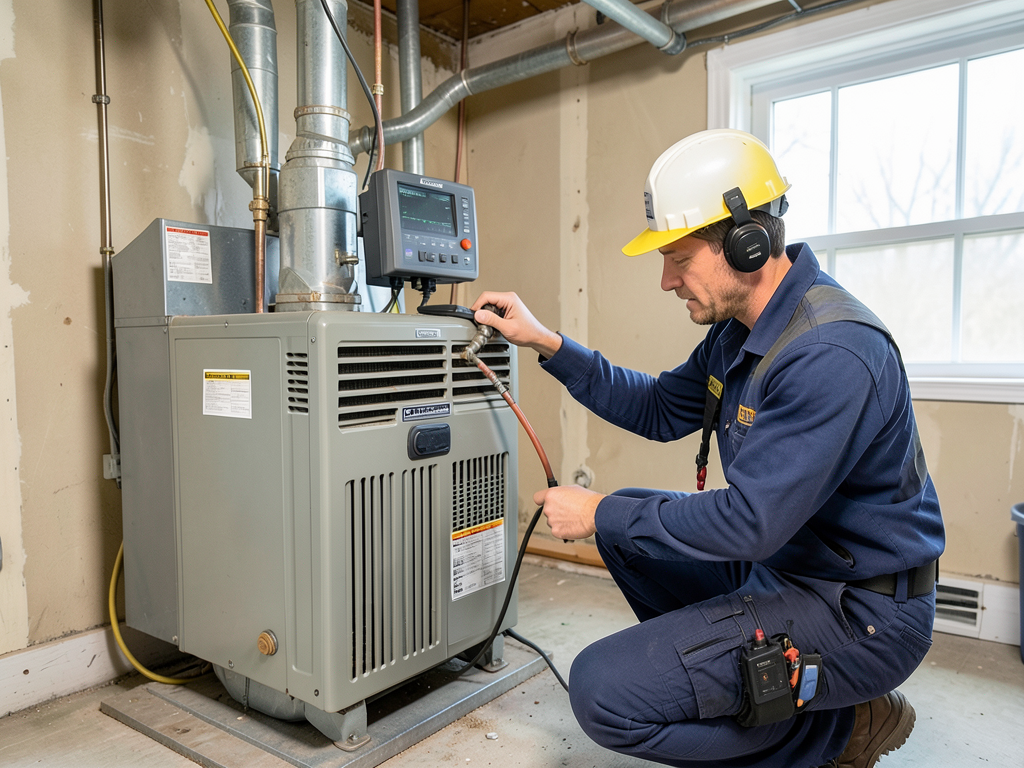
For ignition problems, we use a multimeter to test voltage at the control board, through the limit switches, and to the ignitor or pilot assembly. This tells us whether you have a bad ignitor, a failing pressure switch, or a control board that is not sending proper signals. We do not guess. We measure voltage drops across each component in the ignition sequence.

Heat exchanger inspection involves a camera scope examination and draft pressure testing. Cracks in heat exchangers allow combustion gases into your living space. We pressurize the heat exchanger and use electronic leak detectors to identify breaches too small to see. For blower motor failures, we test capacitor microfarad ratings and amp draw under load. A weak capacitor causes hard starting and shortened motor life.

What Happens During Your Furnace Repair Appointment

Furnace Repair & Heating Service in Philadelphia | Expert Diagnosis and Same-Day Restoration for Gas and Electric Systems
01

Diagnostic Testing and Documentation

Our technician arrives with digital manometers, combustion analyzers, and infrared thermometers to measure actual system performance. We document baseline readings for gas pressure, temperature rise across your heat exchanger, and amp draw on your blower motor. This data tells us exactly which component failed and why. You receive a written diagnostic report with measurements, photos of failed parts, and repair options before any work begins.
02

Component Replacement and Calibration

We stock common failure parts like ignitors, flame sensors, pressure switches, and blower capacitors on every truck. After installing replacement components, we recalibrate your system to manufacturer specifications. This includes adjusting temperature rise, checking gas manifold pressure, verifying proper flame characteristics, and testing all safety limits under operating load. We run your furnace through multiple heating cycles to confirm the repair holds before leaving your property.
03

System Verification and Prevention

Before completing the job, we perform a final combustion analysis to verify safe operation. We measure oxygen levels, carbon monoxide output, and draft pressure in your flue. You receive documentation showing your furnace operates within safe parameters. We also identify maintenance issues that could cause future failures, like dirty burners, corroded flame sensors, or inadequate combustion air supply. This prevents repeat service calls and extends your heating system lifespan.

Why Philadelphia Property Owners Choose Elite HVAC for Heating System Repairs

Philadelphia's building codes require specific venting configurations for furnaces, particularly in rowhomes and multi-unit buildings. We understand the city's mechanical code requirements for combustion air intake, flue sizing, and carbon monoxide detector placement. Many heating contractors miss these details, creating code violations that surface during property sales or rental inspections.

Our technicians work daily in Philadelphia's diverse housing stock. We know how converted coal furnace chimneys affect draft pressure in Manayunk bungalows. We understand why Chestnut Hill's stone homes need different ductwork strategies than Port Richmond's vinyl-sided rowhomes. We have repaired furnaces in Society Hill's historic buildings where original ductwork runs through walls too narrow for modern replacement, requiring creative solutions that preserve heating capacity without demolition.

We stock parts for the brands Philadelphia homeowners actually own. Carrier, Rheem, Goodman, Lennox, and Trane dominate the local market. Our trucks carry ignitors, pressure switches, and control boards for these manufacturers, which means we complete most residential furnace repairs in a single visit. You do not wait three days for parts while your house drops to 45 degrees.

For commercial properties, we handle heating systems from 80,000 BTU rooftop units to 500,000 BTU boiler systems. We have worked on heating installations in Center City office buildings, Northeast Philadelphia warehouses, and multi-family buildings across South Philly. Our commercial clients need minimal downtime. We schedule after-hours repairs to avoid disrupting business operations and coordinate with property managers to maintain tenant comfort during emergency repairs.

What to Expect When You Schedule Furnace Repair Service

Response Time and Scheduling Flexibility

We dispatch technicians within two hours for emergency calls when your heat is completely out. For non-emergency heating system repairs, we offer same-day or next-day appointments. Our schedule runs seven days per week during heating season, including evenings until 8 PM. You receive a text notification with your technician's name, photo, and estimated arrival time. Most diagnostic visits take 45 to 90 minutes, depending on system complexity. If we identify a repair that requires specialty parts, we source them locally when possible to minimize downtime. Emergency service gets priority dispatch, particularly when outside temperatures drop below freezing and you have vulnerable occupants or risk of frozen pipes.

Thorough System Evaluation Process

Your heater repair service begins with questions about symptoms. When did the problem start? What sounds do you hear? How long does the furnace run before shutting off? These details guide our diagnostic approach. We inspect your thermostat operation, check electrical connections at your furnace, examine your air filter condition, and verify proper venting. We use combustion analysis equipment to measure flue gas composition and draft pressure. For intermittent problems, we simulate heating demand to trigger the failure. You watch the diagnostic process and see exactly what failed. We explain the problem in plain terms, show you the failed component, and provide repair options with transparent pricing before starting work.

Quality Standards for Completed Repairs

Every furnace repair meets manufacturer installation standards and Philadelphia mechanical code requirements. We test all safety controls after completing repairs. Limit switches, rollout switches, and pressure switches must function properly to prevent dangerous operating conditions. We verify correct gas pressure, proper flame appearance, and adequate temperature rise across your heat exchanger. For electrical repairs, we check voltage and amperage at all connection points to prevent future failures. You receive documentation of all test results, including combustion analysis readings. We clean up completely, removing old parts and packaging materials. Before leaving, we run your system through multiple heating cycles and verify proper thermostat operation. Your furnace should run quietly, heat evenly, and cycle normally.

Protection for Your Heating Investment

Parts installed during residential furnace repair carry manufacturer warranties, typically one year for components like blower motors, gas valves, and control boards. We provide detailed invoices documenting all parts replaced, including model numbers and serial numbers for warranty tracking. Our labor is guaranteed for 90 days on repair work. If the same component fails again, we return at no charge to correct the issue. We offer annual central heating maintenance agreements that include priority scheduling, discounted repairs, and pre-season system inspections. These plans catch problems before they cause breakdowns. During maintenance visits, we clean burners, test safety controls, lubricate motors, and verify proper combustion. Regular maintenance extends furnace lifespan and reduces emergency repair frequency.

Frequently Asked Questions

You Have Questions,
We Have Answers

What is the average cost to service a furnace? +

Furnace service in Philadelphia typically runs between $80 and $200 for a standard tune-up. This includes cleaning burners, checking the heat exchanger, testing safety controls, and inspecting the flue system. Older homes in neighborhoods like Fishtown or South Philly with legacy heating systems may need extra attention, which can push costs higher. If your technician finds issues during inspection, repair costs vary based on the specific component. Given Philadelphia's freeze-thaw cycles and humidity swings, annual service prevents costly mid-winter breakdowns. Always ask for upfront pricing before work begins to avoid surprises.

What is the $5000 rule for HVAC? +

The $5000 rule is a simple decision tool. Multiply the age of your furnace by the estimated repair cost. If the total exceeds $5000, replace the unit instead of repairing it. For example, a 15-year-old furnace needing a $400 repair equals $6000, so replacement makes financial sense. Philadelphia winters demand reliable heat, and older furnaces lose efficiency, driving up utility bills. Homes in areas like Manayunk or West Philadelphia with aging infrastructure often face this decision. Factor in energy savings from modern high-efficiency models when calculating the true cost of keeping an outdated system running.

What is the most common furnace failure? +

Dirty or clogged filters cause the most common furnace failures in Philadelphia homes. Restricted airflow forces the system to work harder, triggering limit switch shutdowns or overheating. The second most frequent issue is ignition problems, especially in older gas furnaces exposed to basement moisture common in rowhomes. Pilot lights fail or electronic igniters crack from repeated cycling during our cold snaps. Thermostat malfunctions also rank high. Regular filter changes every 30 to 90 days prevent most failures. Neglecting this simple task leads to blower motor burnout and heat exchanger stress.

What is the most expensive part to fix on a furnace? +

Heat exchanger replacement is the most expensive furnace repair, often costing $1500 to $3000 in parts and labor. Cracks develop from metal fatigue or corrosion, common in Philadelphia's humid climate. Because a cracked heat exchanger can leak carbon monoxide, most technicians recommend full system replacement instead of repair, especially if your furnace is over 15 years old. Blower motor replacements run $400 to $800. Control boards cost $200 to $600. Given the labor-intensive nature of heat exchanger work in tight basement spaces typical of Philadelphia rowhomes, replacement rarely makes economic sense.

How much does it cost for someone to check your furnace? +

A furnace inspection in Philadelphia costs between $80 and $150 for a basic diagnostic visit. Many contractors offer seasonal tune-up packages that include inspection, cleaning, and minor adjustments for $100 to $200. Some companies waive the service fee if you proceed with recommended repairs the same day. Emergency diagnostics during winter cold snaps may carry premium rates. Homes in historic districts like Society Hill or Queen Village with older systems benefit from pre-season checks in early fall before heating demand spikes. Always confirm pricing when scheduling to avoid misunderstandings about diagnostic fees versus repair costs.

How frequently should a furnace be serviced? +

Service your furnace once per year, ideally in early fall before Philadelphia's heating season begins. Annual maintenance catches small problems before they become expensive mid-winter failures. Technicians clean burners, test safety controls, inspect the heat exchanger, and measure combustion efficiency. Homes with pets or located near high-traffic areas like Market Street may need filter changes more frequently than the standard 90-day interval. Skipping annual service voids some manufacturer warranties and reduces system lifespan. Given our region's temperature swings and humidity from the Delaware River, consistent maintenance prevents breakdowns during January cold snaps when you need heat most.

Is HVAC system cost tax deductible? +

HVAC system costs are not directly tax deductible for most homeowners. However, high-efficiency furnace installations may qualify for federal energy tax credits under specific IRS guidelines. As of recent tax years, systems meeting Energy Star efficiency ratings can earn credits up to 30% of installation costs. Pennsylvania does not currently offer state-level HVAC tax credits. Consult a tax professional to confirm eligibility based on your specific situation and the equipment installed. Keep all receipts and manufacturer certifications. Business owners in Philadelphia may deduct HVAC expenses differently under commercial property rules. Tax laws change, so verify current regulations before purchasing.

What are signs my HVAC needs replacing? +

Replace your HVAC system if it is over 15 years old and needs frequent repairs. Rising energy bills signal declining efficiency, common as furnaces age. Uneven heating between rooms or floors indicates failing ductwork or a struggling blower motor. Strange noises like banging, screeching, or rumbling suggest mechanical failure. Yellow pilot light flames instead of blue signal incomplete combustion and potential carbon monoxide risk. Philadelphia homes with original systems from the 1990s face higher replacement likelihood. If repairs exceed half the cost of replacement or you are applying the $5000 rule, invest in a new high-efficiency system.

Do HVAC companies give free quotes? +

Most Philadelphia HVAC companies provide free estimates for system replacement or major installations. Diagnostic visits to identify existing problems typically carry a service fee, though some contractors apply that fee toward completed repairs. During slower seasons like spring or fall, companies may waive diagnostic charges to stay competitive. Always clarify pricing before scheduling. Free quotes for furnace replacement allow you to compare equipment options, efficiency ratings, and financing terms across multiple contractors. Beware companies offering free furnace inspections as sales tactics. Legitimate quotes involve load calculations, ductwork assessment, and equipment sizing specific to your home's needs.

Which brand of furnace is most reliable? +

Carrier, Lennox, and Trane consistently rank as the most reliable furnace brands based on longevity and warranty coverage. Carrier furnaces handle Philadelphia's humidity well and offer strong parts availability. Lennox models deliver high efficiency ratings, lowering utility costs during long winters. Trane builds durable heat exchangers that resist corrosion. American Standard and Rheem provide solid mid-tier options. Brand reliability matters less than proper installation and annual maintenance. An expertly installed mid-tier furnace outperforms a premium unit installed incorrectly. Choose a contractor experienced with your specific brand and ensure they size the system correctly for your home's square footage and insulation levels.

How Philadelphia's Historic Housing Stock Affects Furnace Repair and Heating Service Needs

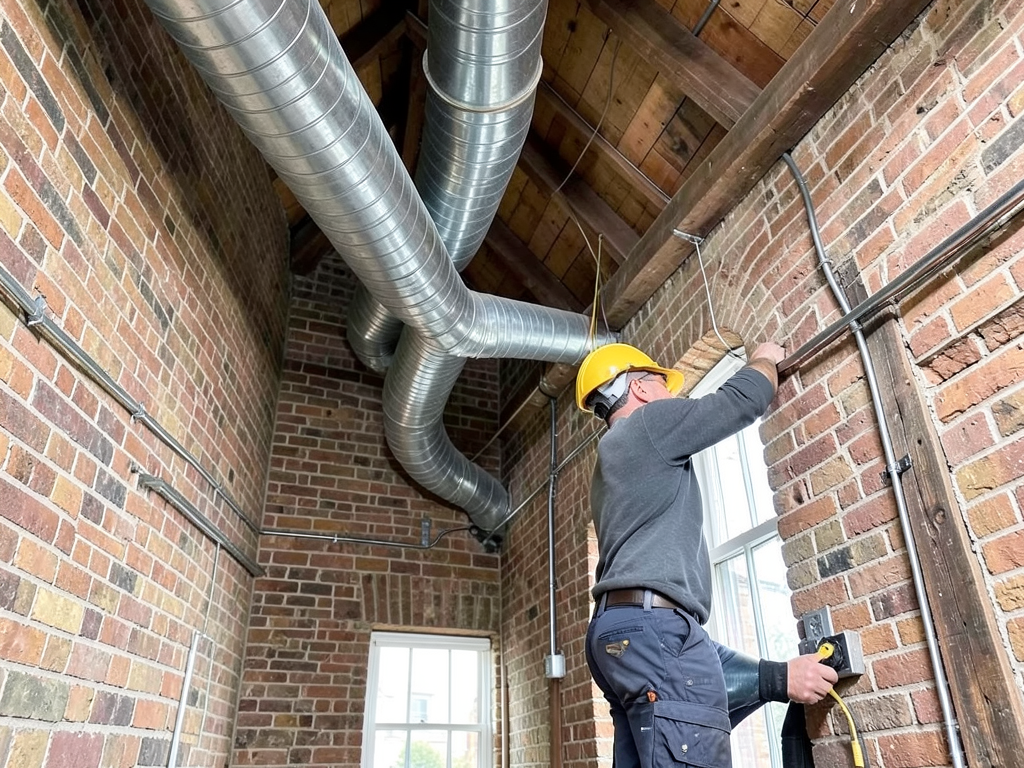
Philadelphia's pre-1940 housing stock presents unique challenges for heating system repair. Rowhomes in Bella Vista, Northern Liberties, and Passyunk Square were built for coal heating, then converted to gas or oil furnaces decades ago. These conversions often used undersized ductwork and inadequate return air systems. Modern high-efficiency furnaces struggle in these configurations because they require specific airflow volumes to operate safely. Insufficient return air causes pressure imbalances that trigger limit switch shutdowns and crack heat exchangers prematurely. We encounter this constantly in Philadelphia's older neighborhoods, where home heating service requires understanding these historical constraints and adapting repairs to work within existing infrastructure limitations.

Philadelphia's residential and commercial properties need heating contractors who understand local code requirements and building department expectations. The city requires permits for furnace replacements and major heating system modifications. Inspectors focus on combustion air supply, proper venting clearances, and carbon monoxide detector placement. We pull permits when required and coordinate inspections to keep your project compliant. Our familiarity with Philadelphia's mechanical code and relationships with local suppliers means faster parts sourcing and smoother project completion. When you hire local expertise for heater repair services, you avoid the code violations and installation shortcuts that create safety hazards and complicate future property transactions.
HVAC Services in The Philadelphia Area

Come visit our office or explore our extensive service area on the map below. Elite HVAC proudly serves residential and commercial clients across Philadelphia, ensuring prompt and reliable heating, ventilation, and air conditioning solutions wherever you are. Whether you need an emergency repair or a new installation, we’re strategically located to provide quick and efficient service right to your doorstep, ensuring your comfort is never compromised.

Address:
Elite HVAC Philadelphia, 2231 E Ontario St, Philadelphia, PA, 19134

Additional Services We Offer

Our news updates

Latest Articles & News from The Blogs

Choosing Between a Portable Dehumidifier and a Whole House System for Your South Philly Basement\n\nPhiladelphia's humid summers and damp basements…

Choosing Between a Portable Dehumidifier and a Whole House System for Your South Philly Basement

Choosing Between a Portable Dehumidifier and a Whole House System for Your South Philly Basement\n\nPhiladelphia's humid summers and damp basements…

The Critical Importance of Carbon Monoxide Testing for Older Homes in Point Breeze

The Critical Importance of Carbon Monoxide Testing for Older Homes in Point Breeze Point Breeze's charming rowhomes built before 1940…

Why the Upstairs of Your Bella Vista Rowhome Is Always Sweltering (And the Best Fixes)

Why the Upstairs of Your Bella Vista Rowhome Is Always Sweltering (And the Best Fixes) The second floor of your…

Contact Us

Your home should not be cold. Call Elite HVAC Philadelphia now at (215) 610-9099 for same-day furnace repair service. Our technicians carry the parts Philadelphia systems need and deliver repairs that last. Do not wait until temperatures drop again tonight.