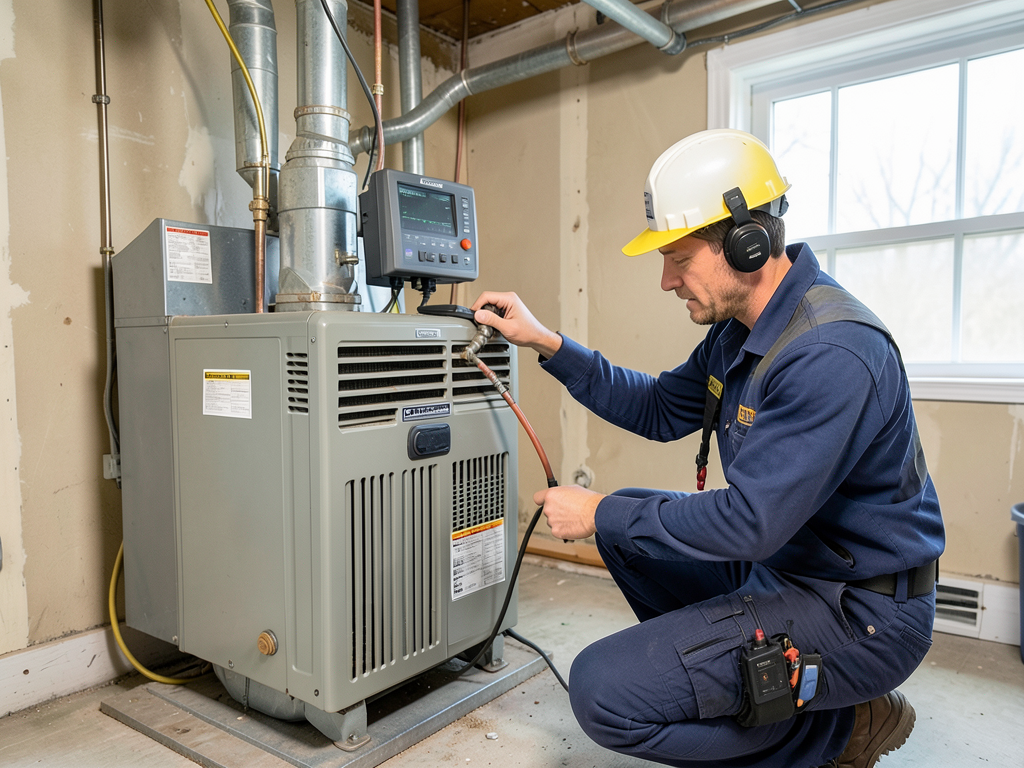







Philadelphia sits at the intersection of humid subtropical and humid continental climate zones. Summer dew points regularly hit 70 to 75 degrees, meaning the air holds massive amounts of water vapor. Your evaporator coil must condense this moisture before it can cool the air. This latent load exceeds sensible cooling load during July and August. When airflow drops even 20 percent below design, the coil temperature plunges low enough to freeze the condensate before it drains away. Row homes with single return grilles and tortuous duct routing create the perfect conditions for coil icing during our humid summers.
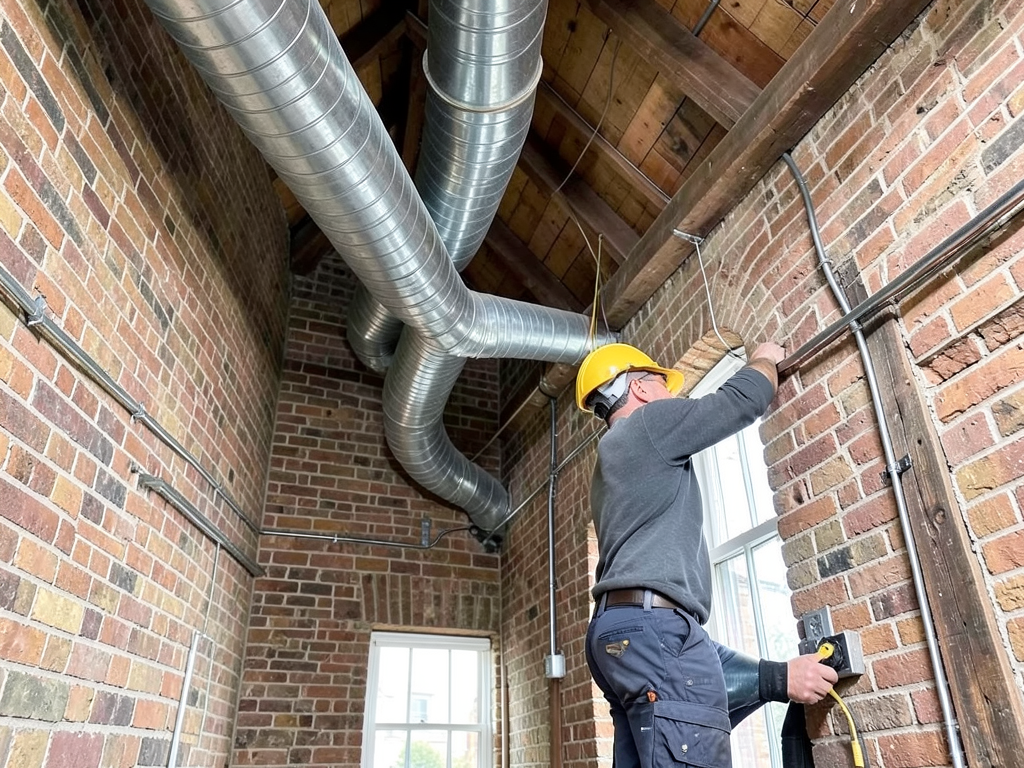
Philadelphia's older housing stock compounds the freeze problem. Homes in Manayunk, Queen Village, and Northern Liberties often have central air systems installed decades after the house was built. Installers routed ducts through existing chases and cavities not designed for forced air distribution. The result is high static pressure that restricts airflow below minimum requirements. We have diagnosed countless frozen coil issues in these neighborhoods where the only permanent fix involved ductwork modification. Our technicians understand these architectural constraints because we work in them daily. We know which row home configurations allow duct improvements and which require alternative solutions like zoned systems or ductless heads.