




Menu

AC Unit Leaking Water in Philadelphia – Fast Diagnosis and Expert Repair to Prevent Costly Damage

When your AC unit leaking water creates puddles or ceiling stains, our trained technicians diagnose the root cause and fix it right the first time, protecting your home from mold, structural damage, and system failure.

Slider Image 1
Slider Image 2
Slider Image 3
Slider Image 4
Slider Image 5
Slider Image 7
Slider Image 8
Slider Image 9
Slider Image 10
Slider Image 11

Why Your Air Conditioner Dripping Water Is More Than Just a Nuisance

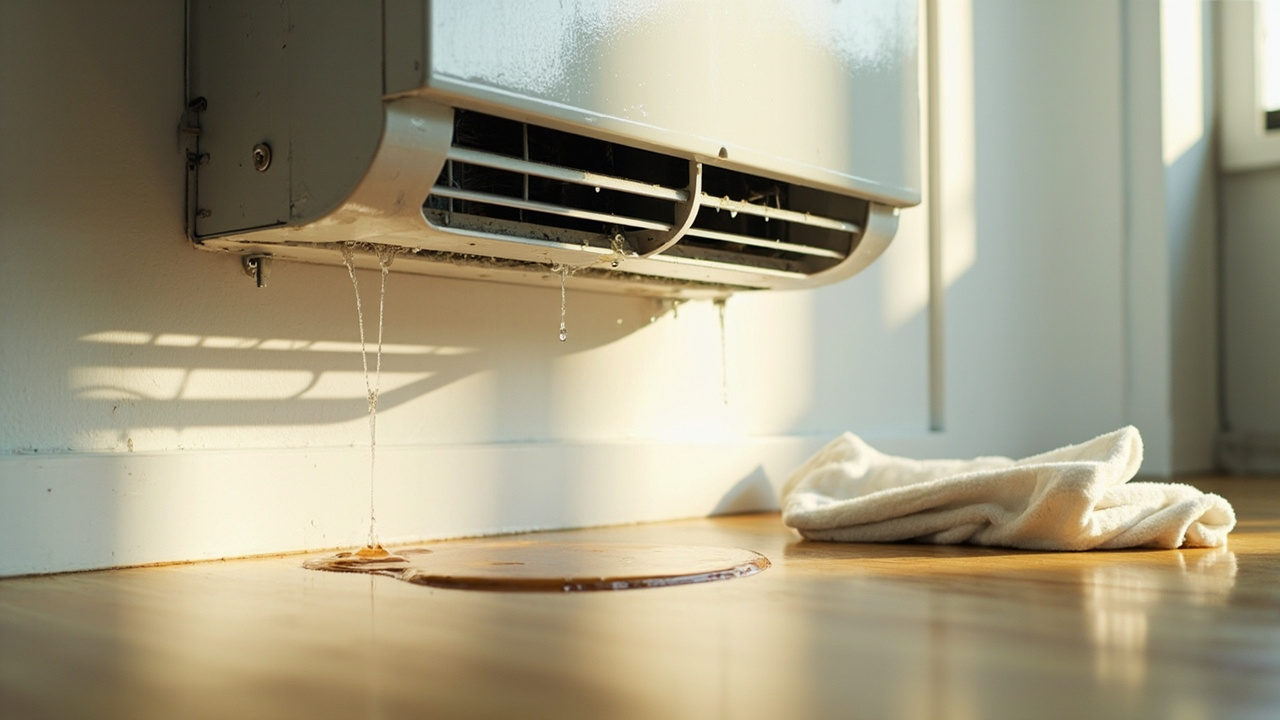
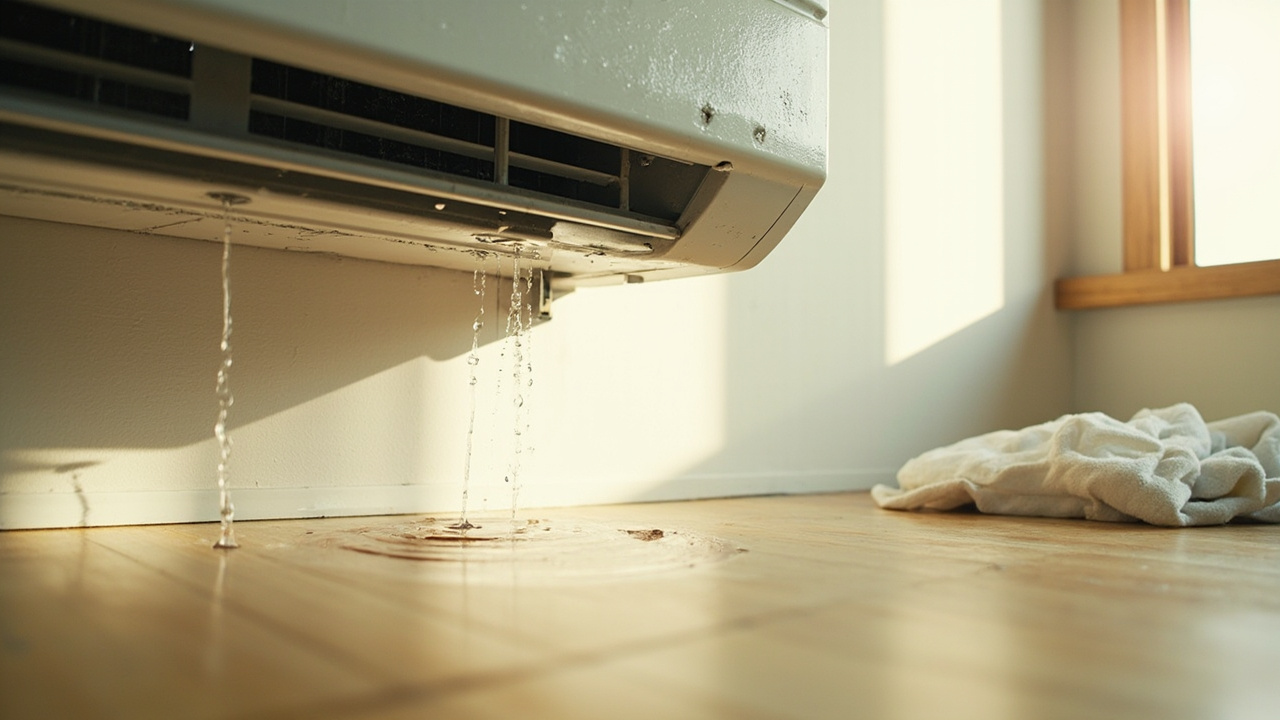
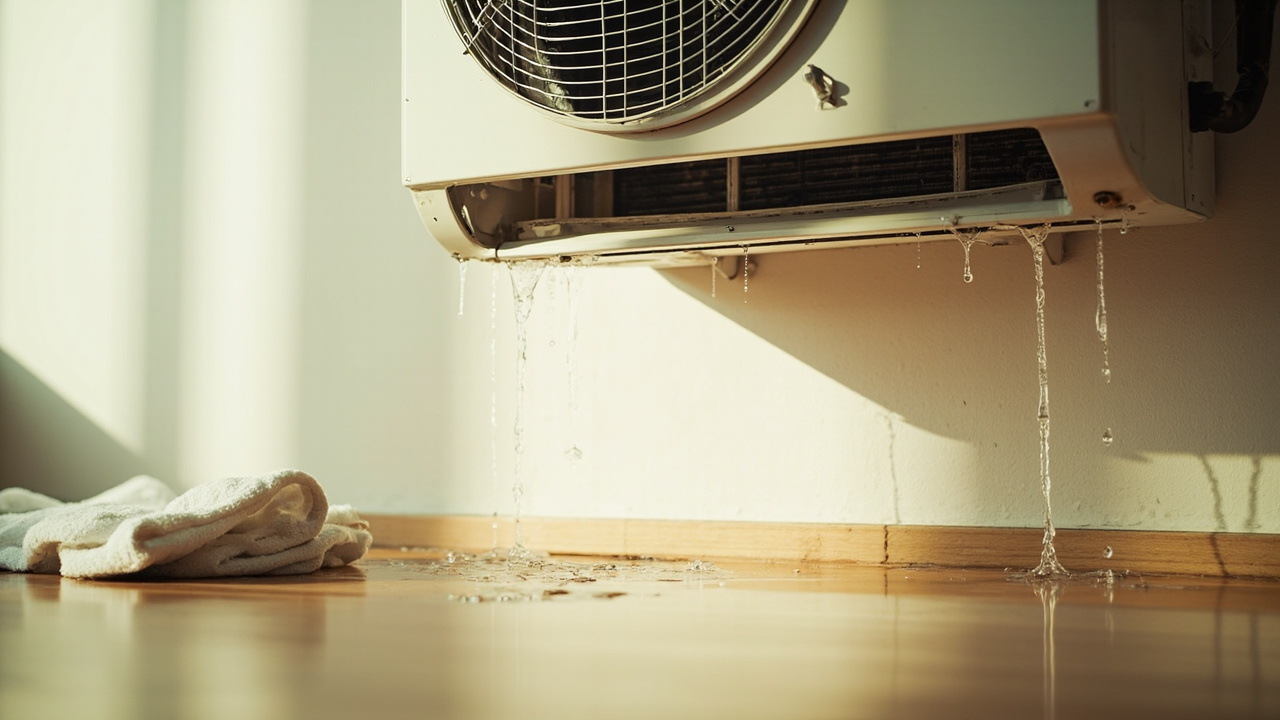
You walk past your AC unit and see a puddle forming on the floor. Maybe you notice water dripping from the AC unit onto your ceiling tiles or drywall. This is not normal, and it will not fix itself.

Philadelphia's humid summers push air conditioning systems hard. When outdoor temperatures spike into the 90s and indoor humidity climbs, your evaporator coil works overtime to pull moisture from the air. That condensation needs to drain properly through the condensate line. When it does not, you get an air conditioning leaking water situation that can escalate fast.

The problem usually starts small. A clogged drain line. A frozen evaporator coil caused by restricted airflow. A cracked drain pan corroded by years of exposure. In older Philadelphia rowhomes and twin homes, original drain lines sometimes lack proper pitch or tie into aging plumbing systems that create backflow issues.

Water dripping from an AC unit can soak insulation, rot wood framing, and create the perfect environment for mold growth behind walls. In multi-story homes common throughout Center City, Northern Liberties, and South Philadelphia, an AC water leak on the second floor can damage ceilings and walls on the first floor before you even notice the source.

The longer you wait, the more damage accumulates. What starts as a small puddle can turn into a insurance claim, especially when water seeps into electrical components or soaks through plaster and lathe construction typical in pre-war Philadelphia housing stock.

If you see an AC system leaking water, you need to act now. The fix is usually straightforward when caught early, but delay turns a simple repair into a renovation project.

Why Your Air Conditioner Dripping Water Is More Than Just a Nuisance
How We Stop AC Water Leaks at the Source

How We Stop AC Water Leaks at the Source

We do not guess. We diagnose the exact failure point causing your air conditioner dripping water, then fix it correctly so it does not come back next month.

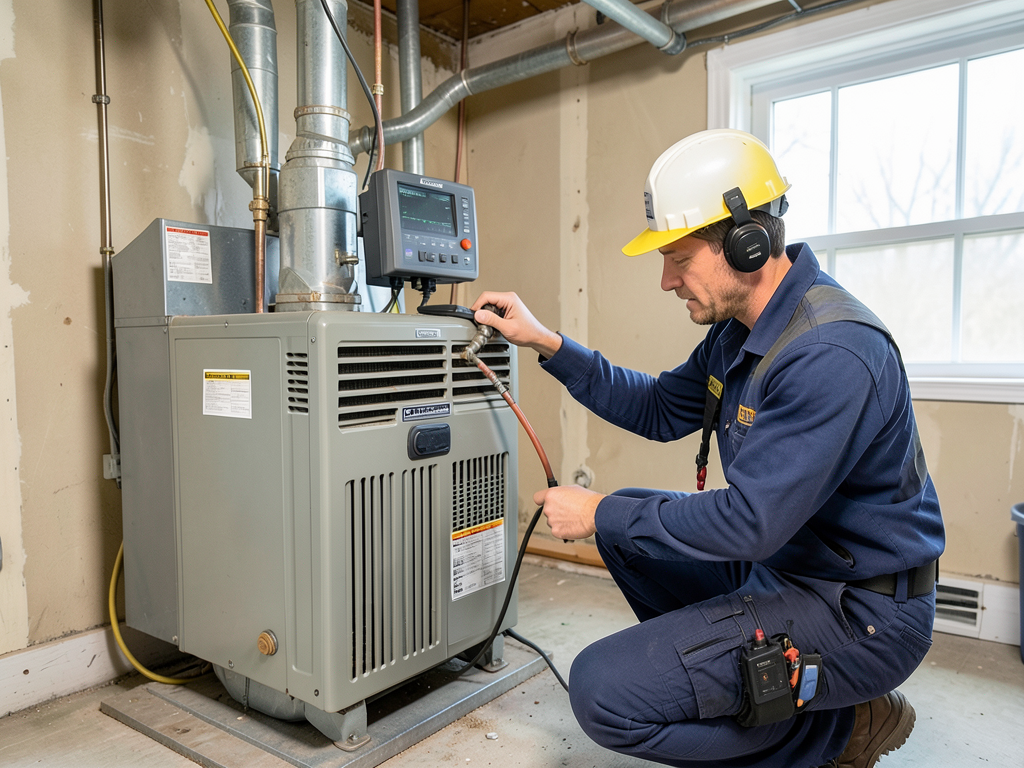
First, we inspect the condensate drain line. This is the most common culprit. Algae, mold, and debris build up inside the PVC line over time, creating a blockage. Water backs up into the drain pan and overflows. We clear the line using compressed air or a wet vacuum, then flush it with a biocide treatment to kill organic growth and prevent future clogs.

Next, we check the drain pan itself. Older units often have metal pans that rust through or develop hairline cracks. If the pan is compromised, we replace it with a corrosion-resistant polymer pan that will outlast the unit.

We also evaluate airflow across the evaporator coil. When airflow is restricted by a dirty filter, blocked return vents, or a failing blower motor, the coil temperature drops below freezing. Ice forms on the coil fins. When the system cycles off, that ice melts faster than the drain line can handle, causing water to overflow. We measure static pressure, check refrigerant levels, and verify blower speeds to ensure proper airflow.

In some cases, the drain line lacks a proper trap or has incorrect pitch, allowing air pressure imbalances to push water back into the pan. We correct the slope and install a proper P-trap if needed, ensuring gravity does its job.

For units installed in attics or above finished spaces, we often add a secondary drain pan with its own dedicated drain line and a float switch safety shutoff. If the primary drain clogs, the float switch kills power to the system before water can damage your home. This is especially important in Philadelphia's older homes where ceiling repairs get expensive fast.

What Happens When You Call About Water Leaking From Your AC

AC Unit Leaking Water in Philadelphia – Fast Diagnosis and Expert Repair to Prevent Costly Damage
01

Emergency Shutoff and Assessment

We walk you through shutting off your AC system to stop additional water damage. Our technician arrives and immediately locates the leak source, checking the drain pan, condensate line, evaporator coil, and surrounding components. We document the damage and explain what failed and why, so you understand exactly what needs repair before any work begins.
02

Targeted Repair and Testing

We clear blockages, replace damaged drain pans, correct drain line pitch issues, or repair refrigerant leaks depending on the diagnosis. If airflow restriction caused coil icing, we replace filters, clean coils, and verify blower operation. After repairs, we run the system through a full cooling cycle while monitoring condensate drainage to confirm the fix holds under operating conditions.
03

Prevention and Monitoring Plan

We treat your drain line with biocide tablets that prevent algae regrowth for months. You receive specific maintenance instructions, including filter change intervals and warning signs to watch for. We schedule a follow-up inspection during peak cooling season to verify the system drains properly under maximum load. You get documentation of all repairs for your records and future reference.

Why Philadelphia Homeowners Trust Elite HVAC for AC Water Leak Repairs

Philadelphia's housing stock presents unique challenges. The city has thousands of rowhomes, twins, and converted multi-family buildings with tight mechanical spaces, shared walls, and aging infrastructure. Fixing an AC unit leaking water in a 1920s Fishtown rowhome requires different thinking than servicing a standalone suburban home.

Our technicians know how to navigate cramped basements, access attics through pull-down stairs, and work around the knob-and-tube wiring and plaster walls common in older Philadelphia construction. We understand how condensate drainage works in homes with combined waste systems and how to prevent backflow when drain lines tie into old cast iron stacks.

We also know Philadelphia's climate. Summer humidity here is brutal. Your AC removes gallons of moisture from the air every day during July and August. Systems installed without proper drain line sizing or secondary overflow protection will eventually fail. We size and install drainage components correctly the first time, using local building code requirements as the minimum standard.

When you call Elite HVAC Philadelphia, you talk to someone who knows the difference between servicing a modern HVAC system in a new construction home in Fishtown and repairing a window unit condensate issue in a Manayunk apartment. We have seen every configuration, every failure mode, and every bizarre drainage setup that decades of DIY modifications can create.

You also get honest answers. If your drain pan is shot but the rest of the system is sound, we tell you that. If your evaporator coil is leaking refrigerant and causing ice buildup that leads to overflow, we explain why a proper refrigerant leak repair is the real solution, not just clearing the drain line every few months.

We carry the parts needed for most common repairs on our trucks. That means same-day fixes for clogged drain lines, cracked pans, and airflow issues. You do not wait three days for a part to arrive while water continues damaging your home.

What You Can Expect When We Fix Your AC Water Leak

Fast Response When Water Is Actively Leaking

When your AC system is leaking water, you need help now, not next week. We prioritize active leak calls and dispatch a technician the same day in most cases. If water is damaging your home, we walk you through emergency shutoff procedures over the phone while our truck is in route. Most repairs take one to three hours once we arrive, depending on the failure point. You get your cooling back and stop the damage quickly.

Thorough Diagnosis Before Any Repair

We do not throw parts at your AC and hope something fixes the water leak. Our technician inspects the entire condensate drainage system, measures airflow and refrigerant pressures, and identifies the actual root cause. You receive a written explanation of what failed and what needs repair before we touch anything. If multiple issues exist, we explain which repairs are urgent and which can wait. You make informed decisions based on facts, not fear.

Repairs That Last Beyond This Cooling Season

We use quality replacement parts designed for the specific failure mode we are repairing. Drain pans are corrosion-resistant polymer, not the cheap stamped metal that will rust through again in two years. Condensate pumps are commercial-grade models with adequate head pressure for multi-story installations. Drain lines are properly pitched, trapped, and secured. We treat cleared lines with long-lasting biocide to prevent regrowth. The goal is a permanent fix, not a temporary patch.

Preventive Maintenance to Avoid Future Leaks

After we fix your air conditioner dripping water, we recommend adding drain line maintenance to your annual tune-up schedule. During preventive maintenance visits, we flush the condensate line, inspect the drain pan for early signs of corrosion, verify proper drainage under load, and treat the line with biocide tablets. This catches small issues before they turn into water damage. You also get priority scheduling and discounted service rates as a maintenance customer.

Frequently Asked Questions

You Have Questions,
We Have Answers

How do I stop my air conditioner from leaking water? +

First, turn off your system to prevent further damage. Check your air filter and replace it if clogged, as dirty filters restrict airflow and cause freeze-ups. Locate your condensate drain line (usually a PVC pipe near the outdoor unit) and clear any blockages. In Philadelphia's humid summers, drain lines clog fast from algae and debris. If the drip pan is full, empty it. Low refrigerant or frozen evaporator coils also cause leaks. If basic checks don't solve it, call a technician. Ignoring leaks leads to mold, water damage, and compressor failure.

Can I still use my AC if it's leaking water? +

No. Running a leaking AC risks serious damage. Water leaking inside your home can rot drywall, ruin flooring, and trigger mold growth, especially in Philadelphia's older rowhomes with limited ventilation. A leaking outdoor unit may signal a frozen evaporator coil, low refrigerant, or failing drain pump. Continued operation can burn out the compressor or flood your basement. Turn the system off immediately. You can run fans for temporary circulation, but don't restart the AC until a technician diagnoses the root cause. Protecting your equipment now saves you from expensive emergency repairs later.

Is a leaking AC unit an emergency? +

It depends on where and how much. A small puddle outside near the condensate line is normal during humid Philadelphia summers. But water pooling inside your home, dripping from vents, or flowing continuously is urgent. Indoor leaks can cause ceiling collapse, electrical hazards, and mold outbreaks within 48 hours. If you see water near electrical panels or soaked insulation, shut off the system and call for service immediately. Frozen coils or refrigerant leaks also need fast attention to prevent compressor damage. Don't wait if the leak is active and indoors.

How do I unclog my AC condensate drain line? +

Locate the condensate drain line, usually a white PVC pipe exiting near your outdoor unit or basement. Turn off your AC. Use a wet/dry vacuum to suction out the clog from the outdoor end of the pipe. Apply firm suction for 60 seconds. You can also pour a cup of distilled vinegar or bleach solution down the indoor drain access port to break up algae. In Philadelphia's muggy climate, algae and sludge build fast. Flush with water after 30 minutes. If the blockage won't clear, call a technician to use professional tools.

Is AC leaking water expensive to fix? +

Costs vary by cause. A simple clogged drain line costs little to clear, often handled during routine maintenance. Replacing a cracked drip pan, condensate pump, or evaporator coil costs more. Low refrigerant due to leaks requires diagnosis, repair, and recharge. Philadelphia's freeze-thaw cycles can crack drain pans in aging systems. Most homeowners pay a moderate diagnostic fee plus parts and labor. Ignoring leaks always costs more in the long run due to water damage, mold remediation, or full system replacement. Address leaks fast to avoid compounding expenses.

What is the 3 minute rule for AC? +

The 3-minute rule prevents compressor damage. After turning off your AC, wait at least 3 minutes before restarting it. This delay allows pressure in the refrigerant lines to equalize. If you restart too quickly, the compressor works harder against unbalanced pressure, risking burnout. This rule applies after power outages, thermostat changes, or manual shutoffs. In Philadelphia's hot summers, impatient homeowners often short-cycle their units, leading to costly compressor failure. Modern thermostats often include built-in delay timers. Always respect this waiting period to protect your equipment and extend system life.

Can I fix a leaking AC myself? +

Basic maintenance, yes. Advanced repairs, no. You can replace dirty air filters, clear visible debris from the condensate drain, and empty a full drip pan. But diagnosing refrigerant leaks, repairing frozen evaporator coils, or replacing internal components requires EPA certification, specialized tools, and technical knowledge. Philadelphia's building codes and insurance policies often void coverage for DIY HVAC work. Mishandling refrigerant is illegal and dangerous. If the leak persists after filter changes and drain clearing, call a licensed technician. Attempting complex fixes without training often creates bigger, more expensive problems.

What happens if I ignore an AC leak? +

Water damage escalates fast. Indoor leaks rot drywall, buckle hardwood floors, and destroy ceilings. Mold colonies form within 48 hours in Philadelphia's humid climate, triggering respiratory problems and allergy flare-ups. Continuous leaks from frozen coils signal low refrigerant or airflow issues, straining your compressor until it fails completely. A flooded drip pan can overflow into ductwork, spreading moisture throughout your home. Electrical shorts from water near wiring create fire hazards. What starts as a small puddle becomes a multi-thousand-dollar disaster involving mold remediation, structural repairs, and full system replacement.

Will turning off AC stop it from leaking water? +

Yes, temporarily. Turning off the AC stops the condensate production and gives frozen coils time to thaw. If a frozen evaporator coil caused the leak, turning off the system and running only the fan helps melt ice buildup. But shutting down doesn't fix the underlying problem. Clogged drains, dirty filters, low refrigerant, or failing pumps still need professional repair. In Philadelphia's July heat, you can't stay off indefinitely. Use the downtime to schedule a technician. Turning off the unit protects against immediate water damage but isn't a permanent solution.

What is the $5000 rule for AC? +

The $5000 rule is a replacement guideline. Multiply the repair cost by your system's age in years. If the result exceeds $5000, replace the unit instead of repairing it. For example, a repair costing $400 on a 10-year-old system equals $4000, so repair makes sense. But a $700 repair on an 8-year-old unit equals $5600, suggesting replacement. This rule accounts for diminishing efficiency and upcoming failures in aging equipment. In Philadelphia's temperature extremes, older systems work harder and fail faster. Consult a technician for honest guidance based on your system's condition.

How Philadelphia's Humidity and Aging Housing Stock Increase AC Water Leak Risk

Philadelphia sits in a humid subtropical climate zone where summer dew points regularly hit 70 degrees or higher. Your air conditioning system pulls massive amounts of moisture from the air during July and August. A typical residential AC unit can generate five to twenty gallons of condensate water per day during peak humidity. That water has to go somewhere. In older homes with undersized drain lines, improper pitch, or corroded drain pans, the drainage system simply cannot keep up. Add in the fact that many Philadelphia rowhomes and twins have AC units installed in tight attic spaces or cramped basements with limited access for maintenance, and you have the perfect recipe for an AC water leak that goes unnoticed until water stains appear on your ceiling.

Elite HVAC Philadelphia has served Philadelphia homeowners for years, building trust by showing up on time and fixing problems correctly. We know the quirks of Philadelphia's housing stock because we work in these homes every day. We understand local building codes, we know which inspector to call when permit questions arise, and we have relationships with suppliers who stock parts for the older equipment still running in thousands of Philadelphia homes. When you choose a local HVAC company that knows this city, you get faster service, better answers, and repairs that account for the specific challenges your home presents.
HVAC Services in The Philadelphia Area

Come visit our office or explore our extensive service area on the map below. Elite HVAC proudly serves residential and commercial clients across Philadelphia, ensuring prompt and reliable heating, ventilation, and air conditioning solutions wherever you are. Whether you need an emergency repair or a new installation, we’re strategically located to provide quick and efficient service right to your doorstep, ensuring your comfort is never compromised.

Address:
Elite HVAC Philadelphia, 2231 E Ontario St, Philadelphia, PA, 19134

Additional Services We Offer

Our news updates

Latest Articles & News from The Blogs

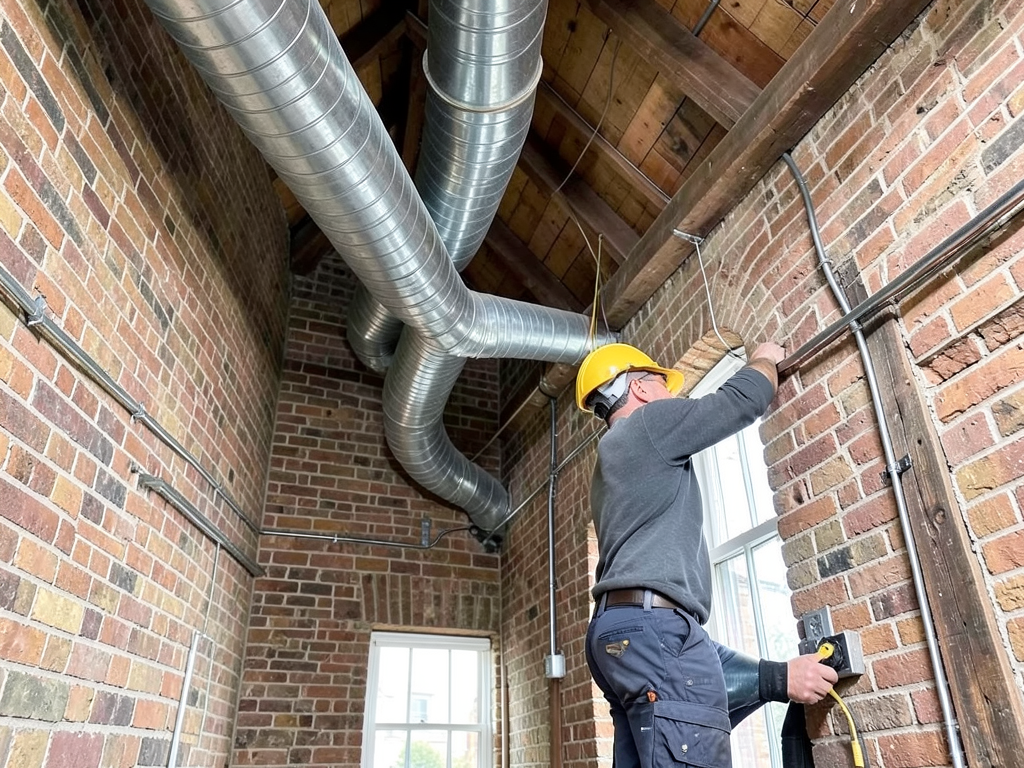
Creative Ways to Hide HVAC Ductwork in a High Ceiling South Kensington Loft Living in a South Kensington loft means…

Creative Ways to Hide HVAC Ductwork in a High Ceiling South Kensington Loft

Creative Ways to Hide HVAC Ductwork in a High Ceiling South Kensington Loft Living in a South Kensington loft means…

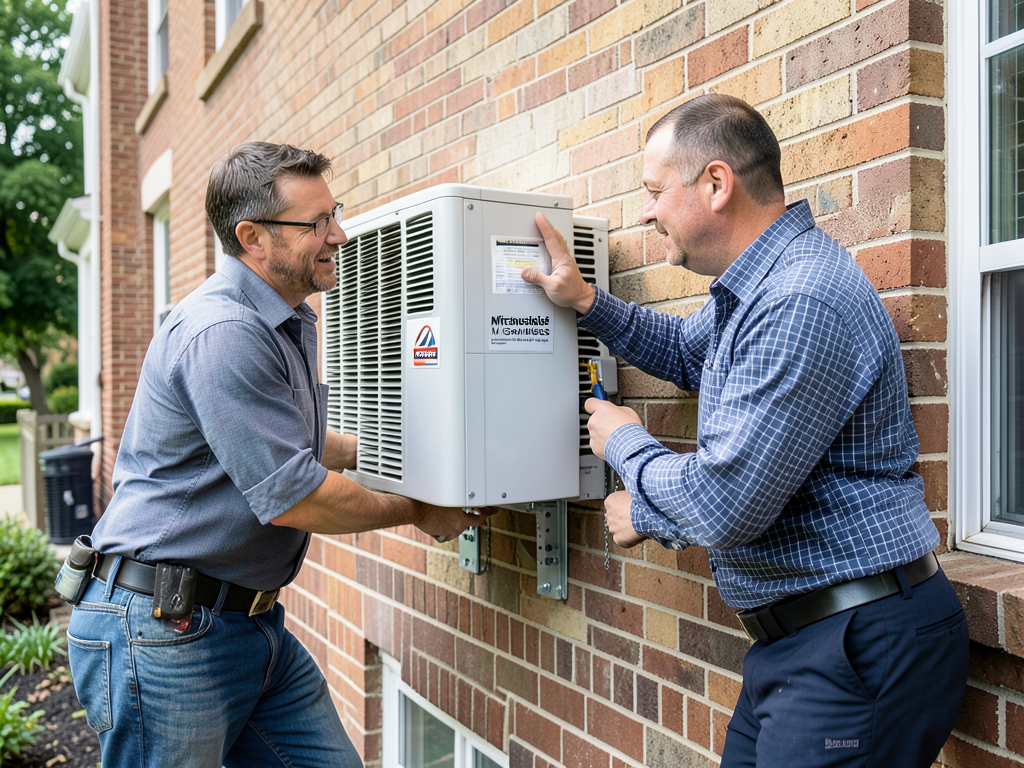
Picking a Whisper Quiet Heat Pump for Small Backyards in Haddington

Picking a Whisper Quiet Heat Pump for Small Backyards in Haddington Living in Haddington means dealing with tight backyard spaces…

Should You Keep Repairing or Just Replace That 15 Year Old Furnace in Your Bustleton Split Level Home

Should You Keep Repairing or Just Replace That 15 Year Old Furnace in Your Bustleton Split Level Home Your 15-year-old…

Contact Us

Do not let an AC unit leaking water destroy your home. Call Elite HVAC Philadelphia at (215) 610-9099 right now. We will dispatch a technician today, diagnose the problem fast, and fix it right so you can stop worrying about water damage and get back to staying cool.