






Menu

High Energy Bills in Philadelphia – Expert HVAC Diagnostics That Identify the Real Problem

When your heating and cooling costs keep climbing, you need precision diagnostics that pinpoint inefficiencies in your system. We identify why your HVAC is draining your wallet and fix the root cause, not just the symptoms.

Slider Image 1
Slider Image 2
Slider Image 3
Slider Image 4
Slider Image 5
Slider Image 7
Slider Image 8
Slider Image 9
Slider Image 10
Slider Image 11

Why Philadelphia Homeowners Face Rising Utility Costs Year After Year

You open the electricity bill and see another increase. The number climbs month after month, but your usage habits have not changed. You are not imagining it. Philadelphia's four-season climate puts constant stress on HVAC systems, forcing equipment to work harder during humid summers and frigid winters.

The city's older housing stock compounds the problem. Many homes in neighborhoods like Fishtown, Queen Village, and West Philadelphia were built before modern insulation standards existed. Single-pane windows, uninsulated attics, and aging ductwork allow conditioned air to escape while outdoor air seeps in. Your system runs constantly to compensate, driving up expensive electricity bills.

Philadelphia's grid demands also play a role. Summer peak hours push electricity rates higher when you need cooling most. Winter heating cycles stress aging furnaces and heat pumps, causing them to draw more power as efficiency drops. These factors combine to create the perfect storm for skyrocketing energy bills.

The problem rarely fixes itself. A system losing efficiency will continue declining until a component fails completely. Dirty coils reduce heat transfer. Refrigerant leaks force compressors to work harder. Blocked airflow from clogged filters increases runtime. Each issue feeds increased heating and cooling costs that compound over time.

Understanding what drives your costly utility expenses is the first step toward solving them. Generic advice about programmable thermostats and changing filters does not address the mechanical failures happening inside your equipment.

Why Philadelphia Homeowners Face Rising Utility Costs Year After Year
How We Diagnose What Other Companies Miss

How We Diagnose What Other Companies Miss

Most HVAC companies check the obvious problems and move on. We perform comprehensive system analysis that reveals the hidden efficiency killers driving your rising utility costs.

Our diagnostic process starts with thermal imaging of your envelope. Infrared cameras show exactly where conditioned air escapes your home. We identify thermal bridging through wall studs, air infiltration around window frames, and insulation voids in attics. These images provide concrete evidence of where your money is leaking out.

Next, we measure airflow at each register and return. Imbalanced systems force some rooms to overcool while others remain warm, causing your thermostat to call for longer cycles. We calculate total CFM against your equipment capacity to determine if your ductwork is sized correctly or if leaks are bleeding efficiency.

Refrigerant charge verification comes next. We measure superheat and subcooling values, not just top-off pressure. A system running 15 percent low on refrigerant can increase compressor runtime by 20 percent. We check for active leaks using electronic detection, not just visual inspection.

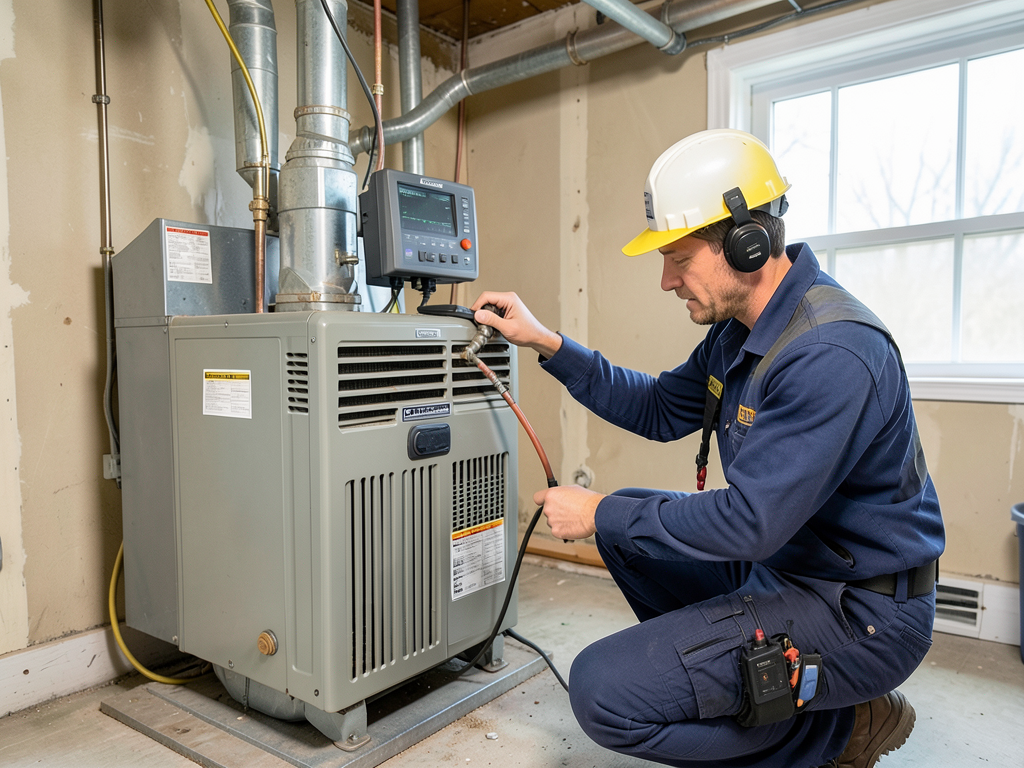
Electrical diagnostics reveal failing components before they quit completely. We measure amperage draw on compressors, blower motors, and capacitors. A compressor drawing high amps signals mechanical wear that increases power consumption. Weak capacitors cause motors to run inefficiently, spiking your electricity usage.

Elite HVAC Philadelphia uses calibrated instruments to measure what matters. Temperature differentials across coils, static pressure in ductwork, combustion efficiency on furnaces. We document findings with data, not guesses. This approach identifies the actual problems causing your expensive electricity bills instead of selling you parts you do not need.

How We Solve Your High Energy Bill Problem

High Energy Bills in Philadelphia – Expert HVAC Diagnostics That Identify the Real Problem
01

System Performance Testing

We begin with a complete performance evaluation of your HVAC system. This includes measuring actual BTU output against rated capacity, checking airflow volume, and testing electrical consumption under load. We compare your system's current efficiency against manufacturer specifications to quantify how much performance you have lost. This baseline data shows exactly how much your equipment is costing you to operate.
02

Root Cause Identification

After collecting performance data, we analyze what is causing the inefficiency. This might be refrigerant loss, failing components, ductwork problems, or control system issues. We use pressure testing to find duct leaks, amperage testing to identify struggling motors, and airflow measurement to locate restrictions. You receive a detailed explanation of what is wrong, why it is driving up costs, and what fixing it will accomplish.
03

Efficiency Restoration

We implement repairs that restore your system to proper operating efficiency. This includes fixing refrigerant leaks and recharging to specification, replacing failing capacitors or contactors, sealing duct leaks, and cleaning coils that restrict heat transfer. After repairs, we retest the system to verify performance improvements. You get documentation showing efficiency gains and projected savings on your utility bills moving forward.

Why Philadelphia Residents Trust Our HVAC Diagnostics

Philadelphia's building codes and inspection requirements are stricter than surrounding counties. Elite HVAC Philadelphia stays current on Philadelphia Mechanical Code updates and permit requirements for system modifications. When we identify ductwork issues or recommend system changes, we know what requires permits and how to document work for inspection.

Our experience with Philadelphia's housing types gives us an advantage. We understand the challenges of servicing row homes with shared walls and limited access. We know how Victorian homes in Chestnut Hill differ from postwar ranches in the Northeast. We recognize the HVAC problems common to converted factory lofts in Northern Liberties versus single-family homes in Mount Airy.

This local knowledge matters when diagnosing high energy bills. A technician unfamiliar with Philadelphia's architectural quirks might miss problems that are obvious to someone who has serviced hundreds of local homes. We know where ductwork typically fails in older homes. We recognize the signs of undersized systems that previous contractors installed without proper load calculations.

Philadelphia's utility rate structure also factors into our recommendations. PECO's time-of-use rates and seasonal pricing affect which efficiency improvements deliver the fastest payback. We calculate savings based on local electricity costs, not national averages.

You also get honest assessments. If your high energy bills stem from an oversized system that short-cycles, we tell you. If your ductwork is so poorly designed that repairs will not help much, we explain that too. We prioritize solutions that actually reduce your costly utility expenses instead of selling services that sound good but accomplish little.

Trust comes from transparency. We show you the problems, explain why they matter, and let you decide how to proceed.

What Happens When You Call Us About High Energy Bills

Diagnostic Appointment Scheduling

We schedule comprehensive diagnostics within 48 hours of your call. The evaluation takes two to three hours depending on system complexity and home size. You can schedule evenings or weekends if weekday appointments do not work for you. We ask you to gather recent utility bills before our visit so we can track consumption patterns over time. This historical data helps us correlate spikes with weather patterns or system changes. Our technicians arrive on time with calibrated testing equipment ready to identify what is driving your increased heating and cooling costs.

Detailed System Evaluation

Our diagnostic process is thorough, not rushed. We inspect every component that affects efficiency. You receive thermal imaging photos showing heat loss areas, airflow measurements from each register, and electrical readings from major components. We explain findings in plain language as we work, so you understand what we are testing and why it matters. If we identify multiple problems, we prioritize them by impact on your utility costs. You get a written report with photos and data, not just a verbal explanation you will forget later. This documentation shows exactly what is wrong and what fixing it accomplishes.

Projected Savings Analysis

We calculate how much each identified problem is costing you monthly based on current electricity rates. If a refrigerant leak is reducing efficiency by 20 percent, we show you what that means in dollars. If duct leaks are wasting 30 percent of your conditioned air, we quantify the loss. This analysis helps you decide which repairs to prioritize based on payback period. Some fixes pay for themselves in months. Others take years. You get the information you need to make smart decisions about your skyrocketing energy bills without pressure or sales tactics.

Post-Repair Verification

After completing repairs, we retest your system to verify efficiency improvements. You get before and after measurements showing actual performance gains. We also provide guidance on monitoring your utility bills to confirm savings. Most customers see noticeable reductions within the first full billing cycle after repairs. We follow up 30 days after service to check if your bills have decreased as projected. If issues persist, we return to investigate further at no additional diagnostic charge. Our goal is solving the problem completely, not just treating symptoms and hoping for the best.

Frequently Asked Questions

You Have Questions,
We Have Answers

Why is my power bill so high suddenly? +

A sudden spike in your power bill usually points to three causes: an aging HVAC system working overtime, a faulty thermostat cycling equipment incorrectly, or air leaks forcing your system to compensate. Philadelphia's humid summers and cold winters stress HVAC units hard. Check your air filter first. A clogged filter makes your furnace or AC run longer. Also inspect weatherstripping around doors and windows. Even small gaps let conditioned air escape. If your system is over 15 years old, efficiency drops sharply. Schedule a diagnostic to pinpoint the exact problem before your next billing cycle.

Why is your energy bill suddenly so much more expensive? +

Energy costs jumped recently, but if your bill spiked beyond normal rate increases, your HVAC system likely lost efficiency. In Philadelphia rowhomes and older construction, poor insulation in attics or crawlspaces forces heating and cooling equipment to run constantly. Ductwork leaks are another culprit. Up to 30 percent of conditioned air escapes through unsealed ducts in basements. Your thermostat might also be miscalibrated or placed near a heat source, triggering false readings. Check your usage history on your utility portal. If kilowatt hours climbed without lifestyle changes, your HVAC needs professional attention.

What runs your electric bill up the most? +

Heating and cooling account for nearly half of your electric bill. In Philadelphia, your furnace or heat pump battles cold winter nights, while your AC fights summer humidity. Old units with SEER ratings below 14 waste energy. Water heaters rank second, especially older tank models that reheat water continuously. Refrigerators, washers, and dryers follow. If your home has electric baseboard heating, expect higher bills. Poor attic insulation and air leaks around windows make your HVAC work harder. Upgrading to a high-efficiency system and sealing ductwork cuts costs fast. Focus on HVAC first for maximum impact.

What is the average electric bill in RI? +

This question asks about Rhode Island, but if you are in Philadelphia, the average electric bill runs about 110 to 140 dollars monthly for a typical rowhome or single-family home. Bills climb in summer and winter when HVAC systems run constantly. Older homes in neighborhoods like Fishtown or South Philly often see higher bills due to poor insulation and aging systems. Homes with electric heating pay more. If your bill exceeds 200 dollars consistently, your HVAC system likely needs service or replacement. Philadelphia's variable climate demands efficient equipment to keep costs manageable year-round.

Why is my electric bill over $400? +

A 400 dollar electric bill signals a serious efficiency problem or equipment failure. In Philadelphia, this happens when an aging HVAC system runs nonstop to maintain temperature. A refrigerant leak in your AC makes the compressor cycle constantly. A failing furnace blower motor draws excess power. Check if your thermostat is stuck in an incorrect mode or if someone adjusted settings. Inspect your outdoor AC unit for debris blocking airflow. Ductwork leaks in your basement waste conditioned air. If your system is over 12 years old, replacement often costs less than continued high bills. Schedule an immediate diagnostic to stop the bleeding.

How to figure out what is causing a high electric bill? +

Start with your utility account portal. Compare kilowatt hours month-over-month. If usage spiked without lifestyle changes, your HVAC is the prime suspect. Turn off your furnace or AC at the thermostat and watch your meter. If it still spins fast, another appliance is the problem. Check your water heater breaker. Feel if the unit is excessively hot. Inspect your refrigerator seals. In Philadelphia rowhomes, basement ductwork often has leaks you can feel by hand when the system runs. A professional load test pinpoints exact electrical draw by circuit. HVAC diagnostics reveal hidden issues like failing capacitors or motors.

How to find out what is using so much electricity? +

Isolate circuits one by one. Flip breakers off except for one, then monitor your meter for 10 minutes. The circuit that spins the meter fastest is your culprit. HVAC circuits typically draw the most power. In Philadelphia homes, check your basement or attic air handler first. A failing blower motor or compressor draws excess amperage. Water heaters rank second. If the heating element stays energized constantly, usage spikes. Plug-in devices matter less unless you run space heaters or window AC units nonstop. A whole-home energy audit with thermal imaging reveals air leaks forcing your HVAC to overwork.

Why am I using so much electricity all of a sudden? +

Sudden electricity spikes point to equipment failure or efficiency loss. Your HVAC system might have developed a refrigerant leak, forcing the compressor to run continuously without cooling effectively. A failing capacitor makes motors draw more power. Thermostat placement near heat sources triggers false readings. In Philadelphia's older homes, settling foundations create new air gaps around windows and doors. Your furnace or AC compensates by running longer cycles. Dirty evaporator coils restrict airflow, making your system work harder. Check your air filter first. If it is clogged, airflow drops and energy use climbs. Schedule a tune-up immediately.

What contributes most to my electric bill? +

Heating and cooling dominate your electric bill, consuming 40 to 50 percent of total usage in Philadelphia homes. Your furnace battles freezing winters while your AC fights humid summers. Water heating ranks second at 15 to 20 percent. Older tank models reheat water around the clock. Appliances like refrigerators, washers, and dryers contribute another 15 percent. Lighting and electronics account for the rest. If your HVAC system is over 10 years old or your home has poor attic insulation, those percentages skew higher. Upgrading to a high-efficiency heat pump or sealing ductwork delivers the biggest savings.

What is the biggest energy waster in your home? +

Your HVAC system wastes the most energy when it is inefficient or improperly maintained. In Philadelphia, an aging furnace or AC with a low SEER rating runs longer to achieve the same comfort level. Air leaks around windows, doors, and ductwork force your system to compensate. Attics without proper insulation let heat escape in winter and enter in summer. Water heaters with broken thermostats reheat constantly. Leaving electronics on standby wastes power, but it pales compared to HVAC waste. Seal ductwork, upgrade insulation, and replace units over 15 years old. Target HVAC first for real savings.

How Philadelphia's Seasonal Extremes Accelerate HVAC Efficiency Loss

Philadelphia's temperature swings force HVAC systems through constant heating and cooling cycles. Summer humidity regularly pushes 70 percent, making air conditioners work harder to remove moisture. Winter temperatures drop below freezing for weeks at a time, stressing heat pumps and forcing supplemental heat strips to engage. This constant thermal stress degrades components faster than in mild climates. Compressor valves wear. Expansion valves stick. Blower bearings fail. Each failure chips away at efficiency, driving rising utility costs even when you have not changed your thermostat settings or usage patterns.

Elite HVAC Philadelphia has serviced thousands of systems across Philadelphia County and surrounding areas. We understand how the Schuylkill River valley's microclimate affects homes in Manayunk differently than properties in South Philadelphia. We know which HVAC problems plague rowhouses in Kensington versus detached homes in Roxborough. This neighborhood-level knowledge helps us diagnose expensive electricity bills faster and more accurately than companies serving broader regional territories. When you choose local experts, you get technicians who recognize patterns specific to your exact location and housing type.
HVAC Services in The Philadelphia Area

Come visit our office or explore our extensive service area on the map below. Elite HVAC proudly serves residential and commercial clients across Philadelphia, ensuring prompt and reliable heating, ventilation, and air conditioning solutions wherever you are. Whether you need an emergency repair or a new installation, we’re strategically located to provide quick and efficient service right to your doorstep, ensuring your comfort is never compromised.

Address:
Elite HVAC Philadelphia, 2231 E Ontario St, Philadelphia, PA, 19134

Additional Services We Offer

Our news updates

Latest Articles & News from The Blogs

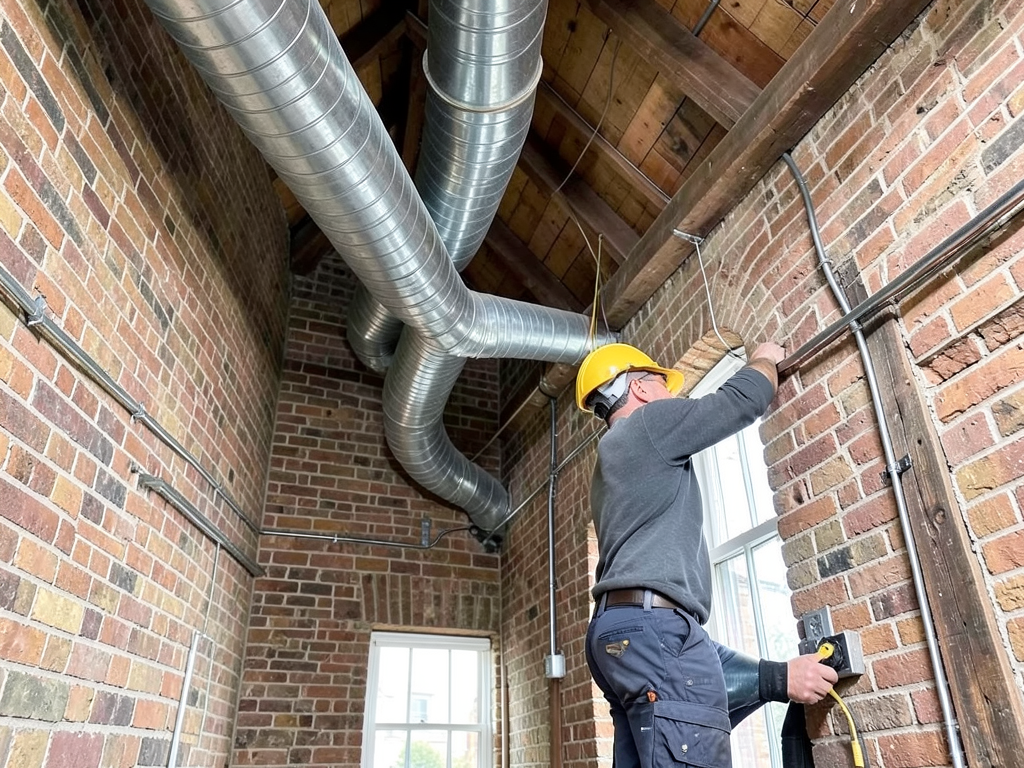
Creative Ways to Hide HVAC Ductwork in a High Ceiling South Kensington Loft Living in a South Kensington loft means…

Creative Ways to Hide HVAC Ductwork in a High Ceiling South Kensington Loft

Creative Ways to Hide HVAC Ductwork in a High Ceiling South Kensington Loft Living in a South Kensington loft means…

Picking a Whisper Quiet Heat Pump for Small Backyards in Haddington

Picking a Whisper Quiet Heat Pump for Small Backyards in Haddington Living in Haddington means dealing with tight backyard spaces…

Should You Keep Repairing or Just Replace That 15 Year Old Furnace in Your Bustleton Split Level Home

Should You Keep Repairing or Just Replace That 15 Year Old Furnace in Your Bustleton Split Level Home Your 15-year-old…

Contact Us

Your high energy bills will not fix themselves. Call Elite HVAC Philadelphia at (215) 610-9099 today to schedule a comprehensive diagnostic. We identify exactly what is driving your costs up and show you how to fix it.