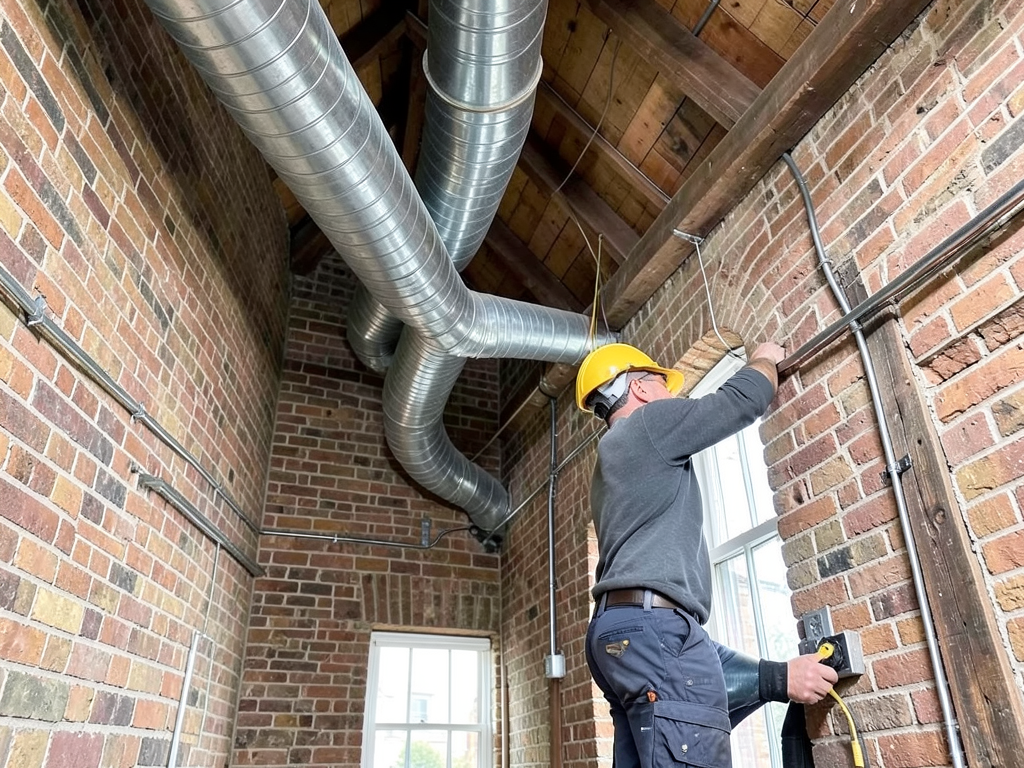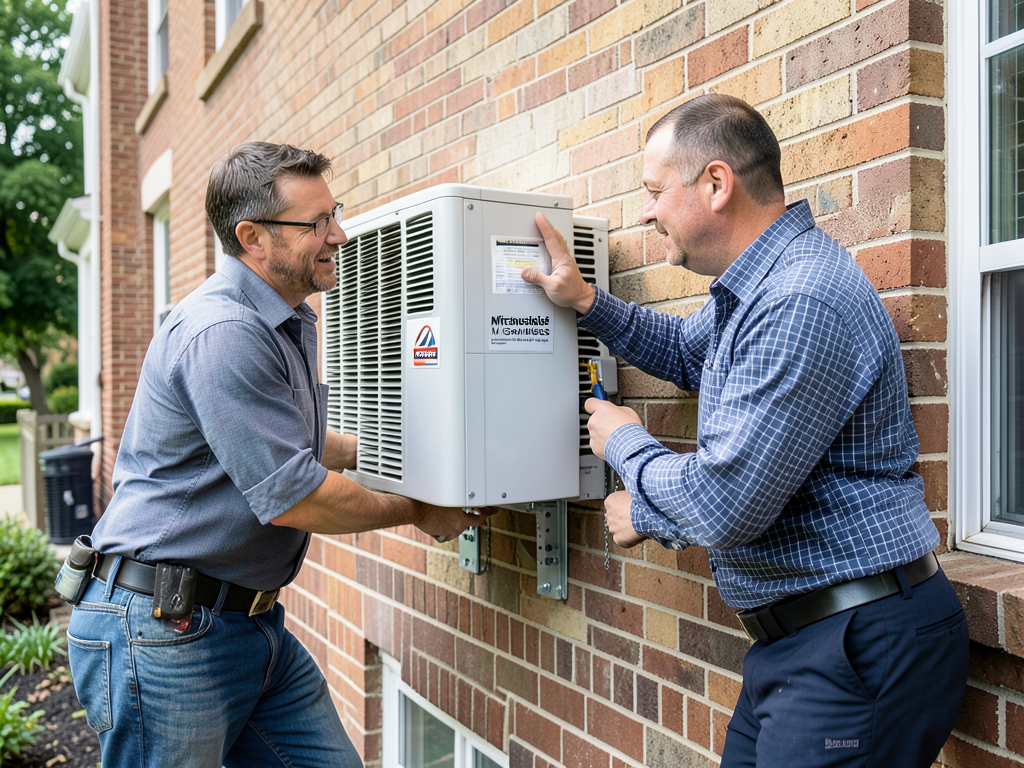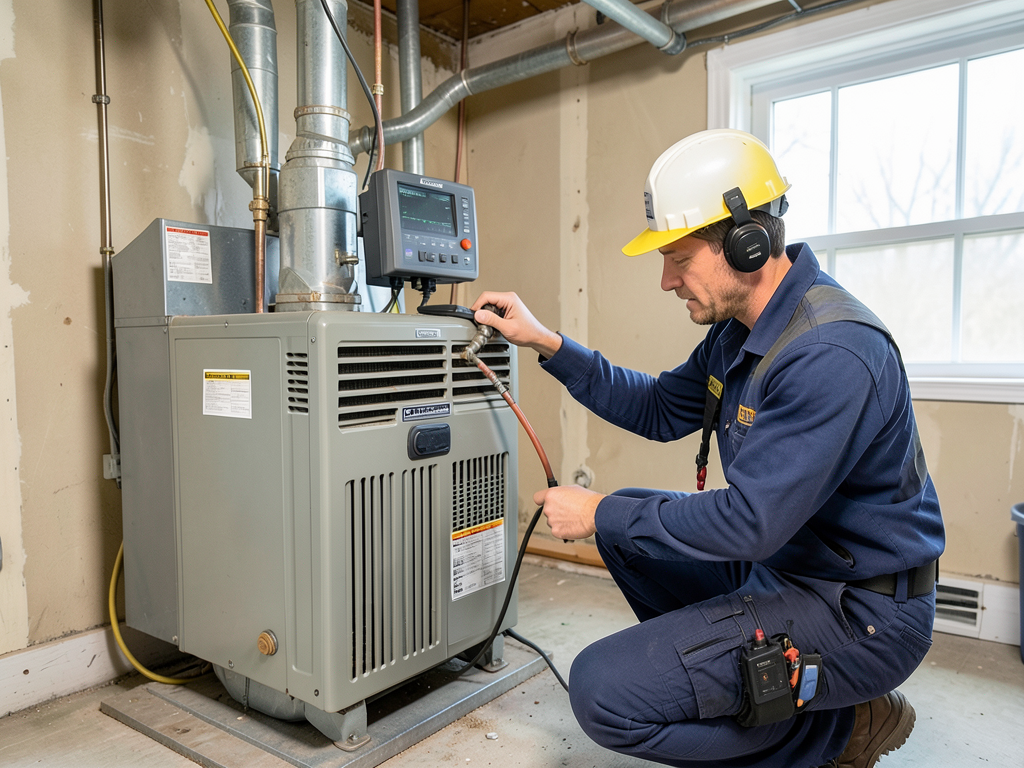







Philadelphia's zoning code encourages mixed-use development, which creates buildings where ground-floor retail, mid-level offices, and upper-floor apartments coexist in the same structure. Traditional HVAC systems cannot efficiently serve these mixed loads. A coffee shop needs maximum cooling at 7 AM while offices above require minimal conditioning. VRF systems solve this by allowing each tenant to operate independently on separate utility meters. This is critical for landlords leasing space under triple-net agreements where tenants pay their own energy costs. Variable refrigerant flow installation also simplifies the permitting process in Center City Historic Districts, where adding rooftop equipment requires Historical Commission approval. VRF outdoor units are compact enough to hide behind parapet walls, preserving sightlines that larger RTUs would obstruct.
Elite HVAC Philadelphia has completed VRF installations in more than 40 commercial buildings across the five-county metro area. We understand the nuances of Philadelphia's building code, including the recent amendments requiring separate outside air systems for high-density occupancies. Our team coordinates with your MEP engineer and expeditor to navigate L&I's plan review process, which requires sealed drawings from a PE licensed in Pennsylvania. We also maintain relationships with local utilities including PECO, which offers rebates up to $200 per ton for qualifying high-efficiency VRF equipment. We handle the rebate application paperwork and coordinate pre-installation inspections, which reduces your net project cost. Local expertise matters when your building permit depends on demonstrating code compliance using Philadelphia-specific energy modeling protocols.