




Menu

Rapid Response Cooling in Philadelphia – 24/7 Emergency AC Repair When Every Minute Counts

Elite HVAC Philadelphia dispatches certified technicians to your home or business within the hour, stopping cooling failures before heat damage, health risks, or business losses escalate during Philadelphia's brutal summer humidity.

Slider Image 1
Slider Image 2
Slider Image 3
Slider Image 4
Slider Image 5
Slider Image 7
Slider Image 8
Slider Image 9
Slider Image 10
Slider Image 11

When Your AC Dies in Philadelphia's Heat and Humidity, Waiting is Not an Option

Philadelphia summers bring a dangerous combination: temperatures pushing into the mid-90s and humidity levels that make indoor spaces feel like steam rooms. When your air conditioning system fails during a July heat wave, indoor temperatures can climb past 95 degrees within two hours. That heat accelerates mold growth in your walls, warps hardwood floors, damages electronics, and creates genuine health risks for children, elderly residents, and pets.

The dense row home construction common in neighborhoods like Fishtown, Graduate Hospital, and Queen Village traps heat. Brick facades absorb solar radiation all day and release it at night, turning living spaces into ovens. Without functioning cooling, second and third floor bedrooms become uninhabitable. Refrigerated medications spoil. Home offices shut down. Sleep becomes impossible.

Emergency AC repair in Philadelphia requires immediate dispatch and diagnostic speed. A refrigerant leak, failed compressor, or tripped breaker needs identification and correction within hours, not days. Elite HVAC Philadelphia operates 24/7 urgent air conditioning service because cooling failures do not respect business hours. Our technicians carry the parts needed for the most common emergency repairs on every truck, cutting repair time from days to hours.

Immediate AC service prevents secondary damage. Water damage from frozen evaporator coils can ruin ceilings and drywall. Electrical failures can damage circuit boards in your HVAC system or household panel. The longer you wait, the more expensive the fix becomes. Rapid response cooling is not a luxury in Philadelphia's climate. It is damage control.

When Your AC Dies in Philadelphia's Heat and Humidity, Waiting is Not an Option
How Elite HVAC Philadelphia Delivers True Emergency Cooling Repair

How Elite HVAC Philadelphia Delivers True Emergency Cooling Repair

Our 24/7 cooling repair process starts the moment you call (215) 610-9099. A live dispatcher, not an answering service, takes your information and immediately contacts the nearest available technician. You receive a callback with an estimated arrival time within 15 minutes. Our average response time across Philadelphia County is under 60 minutes.

Every Elite HVAC Philadelphia emergency truck stocks refrigerants including R-410A and R-22, capacitors in all common microfarad ratings, contactor relays, thermostats, and condensate pumps. We also carry diagnostic tools including manifold gauge sets, refrigerant leak detectors, and digital multimeters. This means we can complete most emergency repairs on the first visit without waiting for parts orders or return trips.

Our technicians begin with a rapid diagnostic protocol. We check thermostat settings and battery backup, inspect the circuit breaker and disconnect box, examine the condensate drain for blockages, and test the contactor and capacitor for electrical continuity. We measure refrigerant pressures at both the suction and discharge lines. This systematic approach identifies the failure point in under 20 minutes.

For refrigerant leaks, we pressurize the system with nitrogen and use electronic leak detection to pinpoint the breach. We do not guess or add refrigerant without fixing the leak first. That approach wastes your money and violates EPA regulations. For compressor failures, we test windings and amp draw to confirm the diagnosis before recommending replacement. For airflow problems, we inspect the evaporator coil for ice buildup and the blower motor for bearing wear.

Transparency matters during emergencies. We explain what failed, why it failed, and what the repair involves before starting work. You receive a fixed-price quote, not an estimate that climbs as the job progresses.

What Happens When You Call for Emergency Cooling

Rapid Response Cooling in Philadelphia – 24/7 Emergency AC Repair When Every Minute Counts
01

Immediate Dispatch and Contact

Within 15 minutes of your call to (215) 610-9099, a certified HVAC technician receives your service request and contacts you directly with an arrival window. You receive the technician's name, truck number, and mobile contact. GPS tracking allows us to provide accurate ETAs and reroute if traffic on I-76 or I-95 causes delays. Our goal is arrival within 60 minutes for Philadelphia residents.
02

Onsite Diagnosis and Repair

The technician performs a complete system diagnostic using calibrated manifold gauges, leak detectors, and multimeters. We test refrigerant charge, electrical components, airflow, and drainage. You receive a clear explanation of the failure and a fixed-price repair quote. Most emergency repairs, including capacitor replacement, refrigerant recharge after leak repair, and contactor replacement, are completed within 90 minutes of arrival. We restore cooling the same day.
03

System Testing and Prevention

After completing the repair, we run the system through a full cooling cycle and verify proper operation. We measure supply air temperature, check refrigerant pressures at operating temperature, and confirm the thermostat cycles the compressor correctly. You receive a written service report documenting the failure, the repair performed, and recommendations to prevent future breakdowns. We also schedule a follow-up call within 48 hours.

Why Philadelphia Residents Trust Elite HVAC for Emergency Cooling Repairs

Philadelphia's housing stock presents unique HVAC challenges. Row homes in Center City and South Philadelphia often have undersized ductwork or window units struggling to cool multiple floors. Victorian homes in Chestnut Hill and Mt. Airy have outdated electrical panels that trip under AC load. Split-level homes in the Northeast have zoning issues that leave upper floors hot even when the first floor is comfortable.

Elite HVAC Philadelphia technicians train specifically on the cooling challenges common to Philadelphia architecture. We understand the limitations of older homes with knob-and-tube wiring. We know how to retrofit central air into homes built before air conditioning existed. We work within the constraints of historic district regulations in areas like Society Hill where exterior condenser placement requires approval.

Our emergency response vehicles carry parts sized for the systems most common in Philadelphia. We stock capacitors for Carrier, Trane, and Lennox systems because those brands dominate local installations. We carry R-22 refrigerant for older systems still operating in homes built before 2010. We understand Philadelphia's electrical code requirements for disconnect boxes and GFCI protection.

Local expertise matters during emergencies. A technician from outside the region may not recognize the symptoms of a condensate pump failure caused by Philadelphia's high humidity. They may not understand why evaporator coils freeze in basements with poor air circulation. They may not carry the parts needed for the Bryant and Rheem systems installed throughout the city.

We also understand the urgency of commercial cooling failures. A restaurant in Rittenhouse Square losing refrigeration faces health code violations and food loss within hours. A medical office in University City cannot operate without climate control for sensitive equipment. We prioritize these calls and dispatch technicians with commercial HVAC experience.

What to Expect from Elite HVAC Philadelphia Emergency Service

Response Time and Availability

Elite HVAC Philadelphia operates 24 hours per day, 365 days per year. We staff technicians for overnight, weekend, and holiday emergencies. When you call (215) 610-9099, you reach a live dispatcher immediately, not an answering service that delays response. Our average arrival time for emergency calls in Philadelphia County is under 60 minutes. We provide real-time updates if traffic or weather affects that window. Emergency service fees apply for after-hours calls, but we disclose all costs upfront before dispatching a technician. You will never receive surprise charges.

Diagnostic Process and Transparency

Our technicians perform a systematic diagnostic that identifies the root cause of cooling failure. We test electrical components with multimeters, measure refrigerant pressures with calibrated gauges, and inspect mechanical parts for wear. You receive a clear explanation of what failed and why. We provide a written, fixed-price quote before beginning repairs. If the system requires parts we do not carry on the truck, we explain your options: wait for parts delivery, install a temporary solution, or schedule a follow-up repair. We do not perform unnecessary work or recommend replacements unless the repair cost approaches replacement value.

Quality of Repair Work

We use OEM or equivalent-quality replacement parts, not generic components that fail prematurely. Refrigerant charging follows manufacturer specifications, not guesswork. We evacuate systems properly before recharging and verify charge with subcooling or superheat measurements. Electrical connections receive dielectric grease and proper torque. We test the system under load and verify it reaches the correct supply air temperature before leaving your property. The repair meets the same quality standards as a planned service call. Emergency status does not justify shortcuts.

Follow-Up and Prevention

After completing the emergency repair, we contact you within 48 hours to confirm the system operates correctly. If you experience any issues with the repair, we return at no additional charge. We also provide recommendations to prevent future failures. This may include annual maintenance to clean coils and test components before they fail, thermostat upgrades for better temperature control, or electrical upgrades if your panel cannot handle the AC load safely. These recommendations are informational, not sales pressure. Your immediate goal is restored cooling. Prevention is a secondary conversation.

Frequently Asked Questions

You Have Questions,
We Have Answers

What is the $5000 AC rule? +

The $5000 AC rule refers to the IRS tax credit cap for qualifying energy-efficient cooling systems. Under the Inflation Reduction Act, Philadelphia homeowners can claim up to $2000 annually for heat pumps or high-efficiency AC units that meet ENERGY STAR requirements. The $5000 figure combines multiple home efficiency upgrades (insulation, windows, HVAC) over multiple years. If your AC fails during a Philadelphia heatwave, ask your technician if replacement units qualify for federal rebates. You must itemize deductions and the unit must meet SEER2 ratings above 16. Keep receipts and manufacturer certifications for your tax preparer.

What is the 3 minute rule for AC? +

The 3 minute rule prevents compressor damage after shutdown. When your AC cycles off, refrigerant pressure equalizes between the high and low sides. Starting the compressor before pressure balances forces it to work against high resistance, shortening its lifespan. Most modern thermostats in Philadelphia homes have built-in delay timers. If you manually switch your system on and off during a power outage or storm, wait at least 3 minutes between cycles. Ignoring this rule can burn out your compressor, turning a simple fix into a $2000+ emergency replacement during peak summer heat.

How cool should my house be if it's 100 outside? +

When it hits 100 degrees outside in Philadelphia, your AC should maintain indoor temps between 75-78 degrees. Most residential systems can cool about 20-25 degrees below outdoor temperature. Pushing your thermostat lower forces the compressor to run constantly without reaching setpoint, spiking your electric bill and risking system failure. Philadelphia's high humidity makes 78 degrees feel comfortable with proper dehumidification. If your home cannot reach 78 degrees during extreme heat, your system may be undersized, low on refrigerant, or suffering from ductwork leaks. That requires immediate professional diagnosis.

How do the amish keep cool in the summer? +

Amish communities in Lancaster County (west of Philadelphia) stay cool through passive design and behavioral adaptation. They build homes with deep porches for shade, high ceilings for heat rise, and strategically placed windows for cross-ventilation. They wear light-colored loose clothing, complete outdoor work before noon, and rest during peak afternoon heat. Basements stay naturally cool. Some use propane-powered refrigeration or solar fans. While these methods work for their lifestyle, Philadelphia rowhouses and modern construction lack these features. If your AC fails, opening windows at night and using fans mimics this approach temporarily until repair.

Can I write off my new AC unit on my taxes? +

You can claim a federal tax credit for energy-efficient AC units, not a full write-off. The Inflation Reduction Act allows Philadelphia homeowners to claim up to $2000 for qualifying ENERGY STAR systems with SEER2 ratings of 16 or higher. This is a credit (reduces taxes owed), not a deduction (reduces taxable income). You must own your home and itemize deductions. The credit covers 30% of equipment and installation costs, capped at $2000 annually. Business owners may qualify for different commercial incentives. Save your HVAC contractor invoice and manufacturer certification forms for tax filing.

Does keeping the AC at 72 save money? +

Keeping your AC at 72 degrees in Philadelphia does not save money. It costs more. Every degree below 78 increases cooling costs by 3-5%. The ideal balance is 78 degrees when home, 82-85 when away. Philadelphia's humid summers make 78 feel comfortable if your system dehumidifies properly. A programmable thermostat prevents cooling empty rooms. If 78 feels uncomfortable, check for airflow issues, dirty filters, or failing compressors rather than dropping the setpoint. Running your system at 72 during 90-degree days forces near-constant operation, maxing out your electric bill without proportional comfort gains.

How long should your AC run on a 100 degree day? +

On a 100-degree day in Philadelphia, your AC should run 15-20 minutes per cycle, cycling 2-3 times per hour. That equals roughly 50-70% runtime during peak afternoon heat. If your system runs constantly without reaching setpoint, you have undersized equipment, refrigerant leaks, or ductwork problems. If it short-cycles (runs under 10 minutes), the unit is oversized or the thermostat is misplaced. Philadelphia's humidity extends runtime compared to dry climates. Continuous operation during extreme heat is acceptable for a few hours, but all-day nonstop running signals a failing system needing emergency repair.

Why is my AC set at 74 but reads 78? +

Your thermostat reads 78 when set to 74 because your AC cannot keep up with heat gain. Common causes in Philadelphia homes include undersized equipment for square footage, refrigerant leaks reducing cooling capacity, clogged air filters restricting airflow, or failing compressors. Older homes with poor insulation or single-pane windows gain heat faster than the system removes it. Thermostat placement near heat sources (sunlight, appliances) causes false readings. If the gap persists beyond 30 minutes during moderate weather, your system needs professional diagnosis. During 95-degree heatwaves, a 4-degree gap may be normal for aging equipment.

How long should it take to cool a house from 85 to 70? +

A properly functioning AC should cool a Philadelphia home from 85 to 70 degrees in 2-3 hours, depending on square footage and insulation. Systems cool about 1 degree every 10-15 minutes under normal conditions. If cooling takes 4+ hours, you have airflow restrictions, refrigerant issues, or undersized equipment. Philadelphia rowhouses with shared walls cool faster than detached homes. Closing blinds and avoiding oven use accelerates cooling. If your home cannot reach 70 degrees after 4 hours during mild weather (under 85 degrees outside), your compressor may be failing or refrigerant is low, requiring immediate repair.

Why is 2025 the hottest year? +

2025 shows record heat due to compounding climate factors. El Niño warming patterns, increased atmospheric CO2 trapping heat, and reduced Arctic ice accelerating jet stream disruption all converge this year. Philadelphia experiences this through extended 90-degree days, higher overnight lows preventing cooling, and increased humidity. Urban heat island effects from pavement and buildings amplify temperatures 5-7 degrees above surrounding areas. This strains aging AC systems designed for historical climate norms. If your unit struggles during 2025 heatwaves, it may be undersized for current conditions. Modern systems account for these temperature shifts with higher SEER ratings and better dehumidification.

Why Philadelphia's Summer Humidity Makes Emergency AC Repair Critical

Philadelphia averages 15 to 20 days per summer with heat index values exceeding 100 degrees. The combination of temperature and humidity creates dangerous indoor conditions when air conditioning fails. Unlike dry climates where evaporative cooling provides some relief, Philadelphia's humidity prevents sweat evaporation and makes passive cooling ineffective. Indoor temperatures climb rapidly in row homes and brick buildings that absorb heat all day. Mold begins growing on walls and in HVAC ducts within 48 hours of cooling loss. Immediate AC service prevents both health risks and structural damage.

Elite HVAC Philadelphia maintains relationships with supply houses throughout the city, including locations in Northeast Philadelphia and the Navy Yard. This network allows us to source specialty parts quickly when emergency repairs require components not stocked on service trucks. We also understand local building codes for HVAC installations, including requirements for condensate drainage in rowhomes and electrical disconnects for outdoor units. Our technicians hold EPA Section 608 certification for refrigerant handling and complete continuing education on Philadelphia's evolving energy codes. Local expertise reduces repair time and prevents code violations.
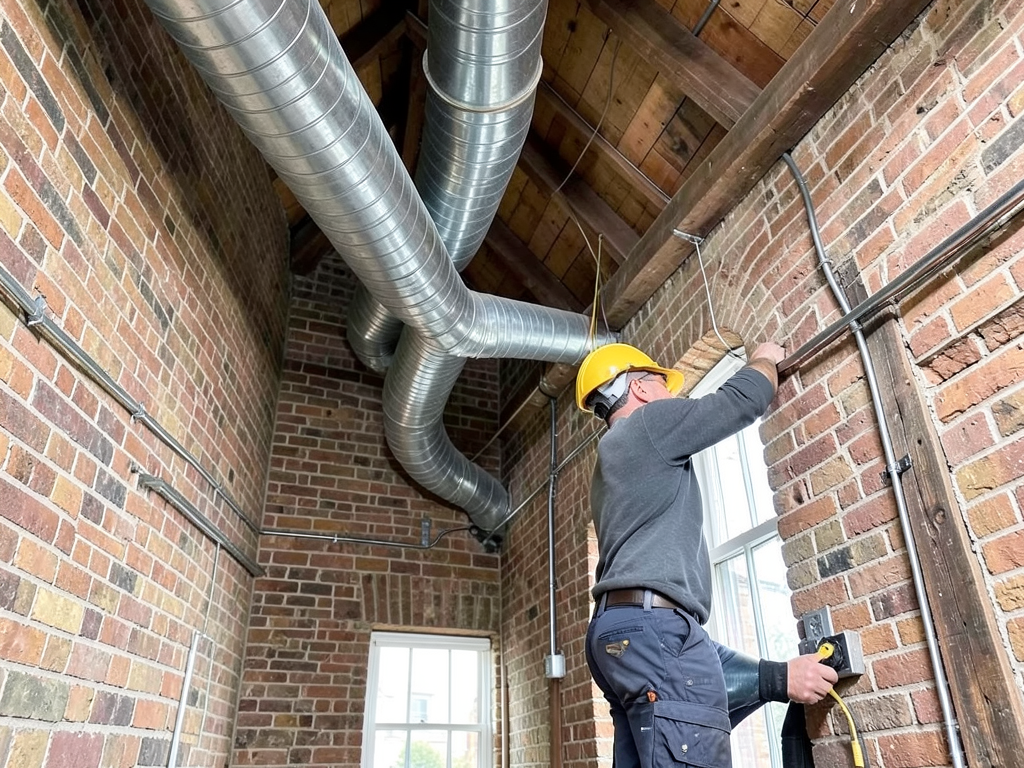
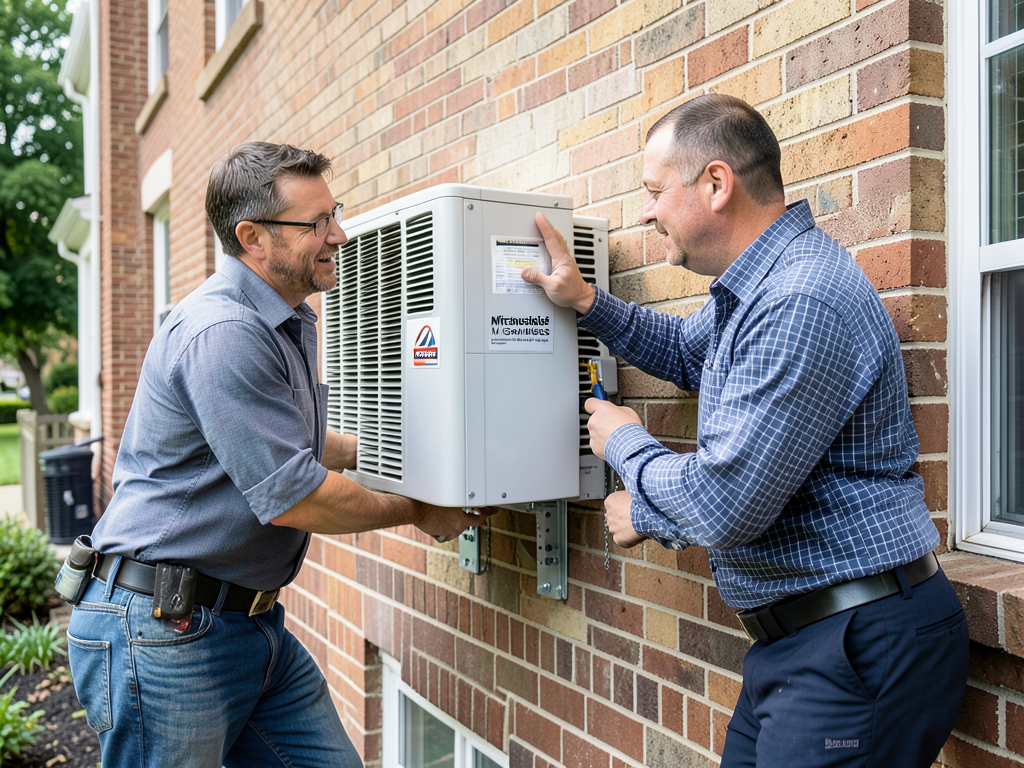
HVAC Services in The Philadelphia Area

Come visit our office or explore our extensive service area on the map below. Elite HVAC proudly serves residential and commercial clients across Philadelphia, ensuring prompt and reliable heating, ventilation, and air conditioning solutions wherever you are. Whether you need an emergency repair or a new installation, we’re strategically located to provide quick and efficient service right to your doorstep, ensuring your comfort is never compromised.

Address:
Elite HVAC Philadelphia, 2231 E Ontario St, Philadelphia, PA, 19134

Additional Services We Offer

Our news updates

Latest Articles & News from The Blogs

Creating an Allergy Friendly Home in Elkins Park with Advanced Air Scrubbers Philadelphia's humid continental climate creates perfect conditions for…

Creating an Allergy Friendly Home in Elkins Park with Advanced Air Scrubbers

Creating an Allergy Friendly Home in Elkins Park with Advanced Air Scrubbers Philadelphia's humid continental climate creates perfect conditions for…

The Best Way to Get Central Air into Your Olney Attic Conversion

Why Your Olney Attic Bedroom Feels Like an Oven Philadelphia summers turn your Olney attic into a heat trap. Hot…

Simple HVAC Tasks Port Richmond Homeowners Can Actually Do Themselves

Simple HVAC Tasks Port Richmond Homeowners Can Actually Do Themselves\n\nPort Richmond homeowners can handle several basic HVAC maintenance tasks that…

Contact Us

Call Elite HVAC Philadelphia at (215) 610-9099 right now for 24/7 emergency AC repair. A certified technician will arrive within the hour, diagnose the problem, and restore cooling the same day. Stop the heat damage before it gets worse.