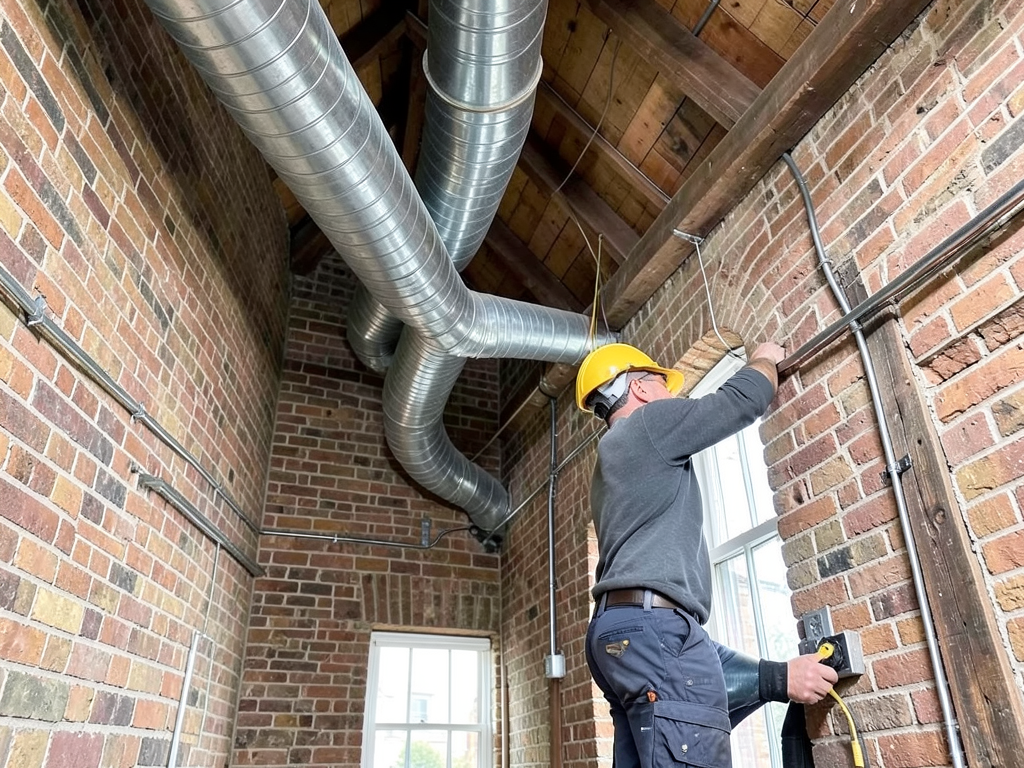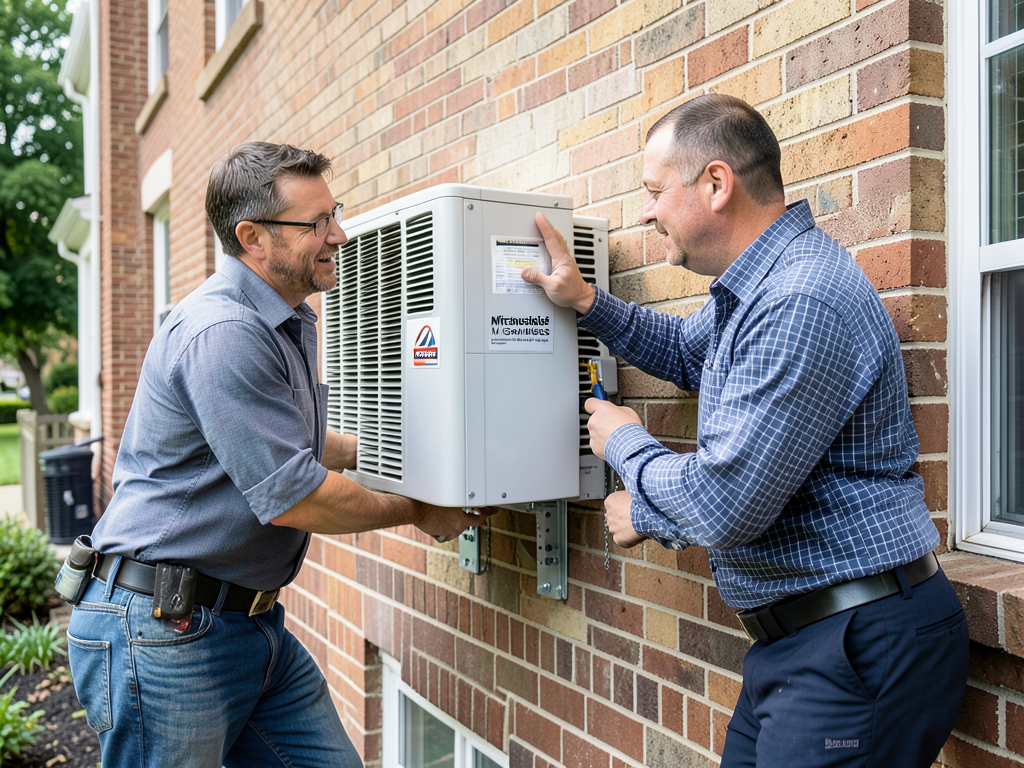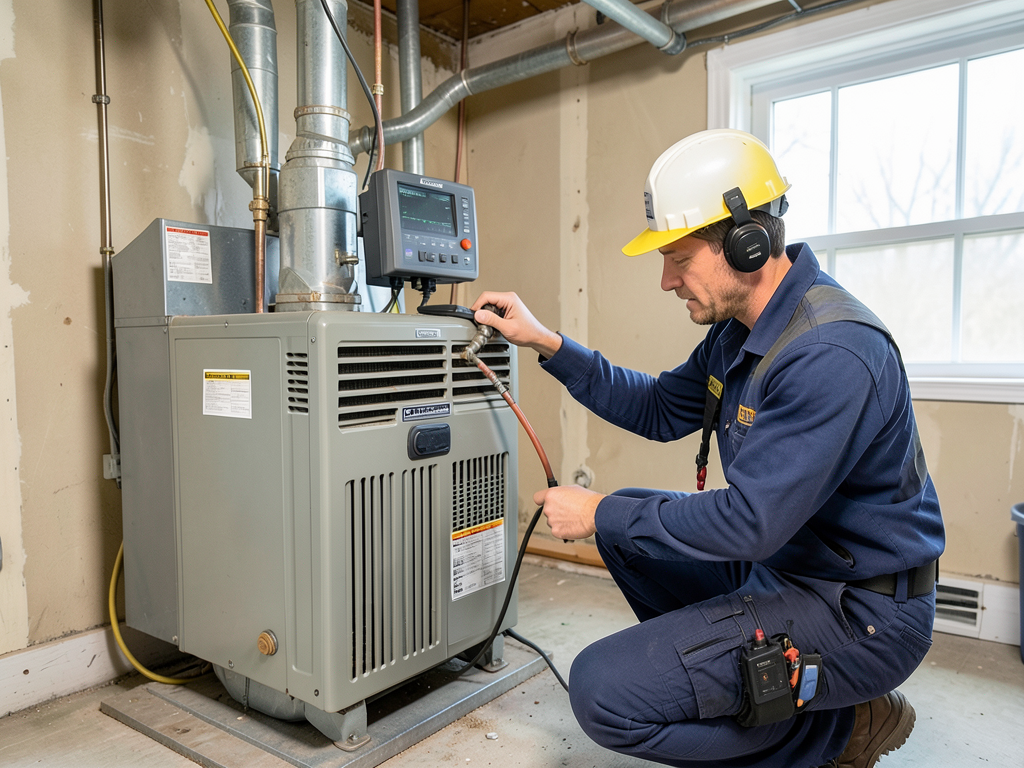





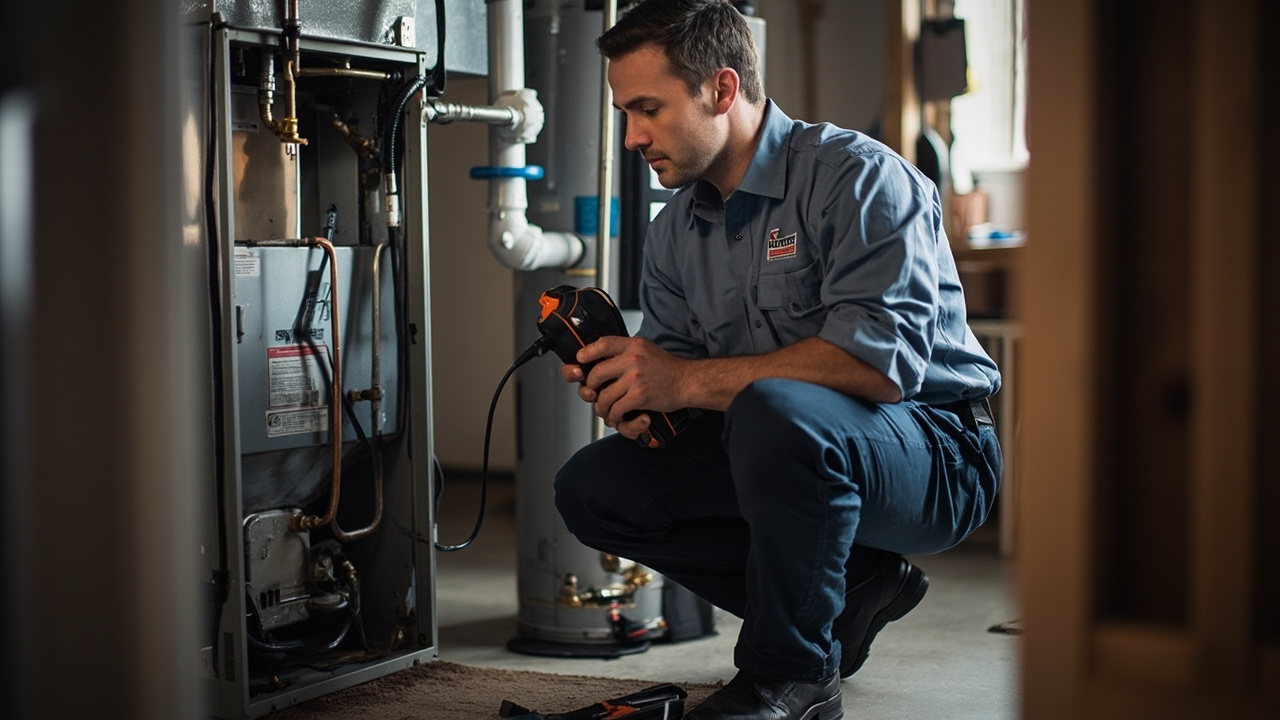
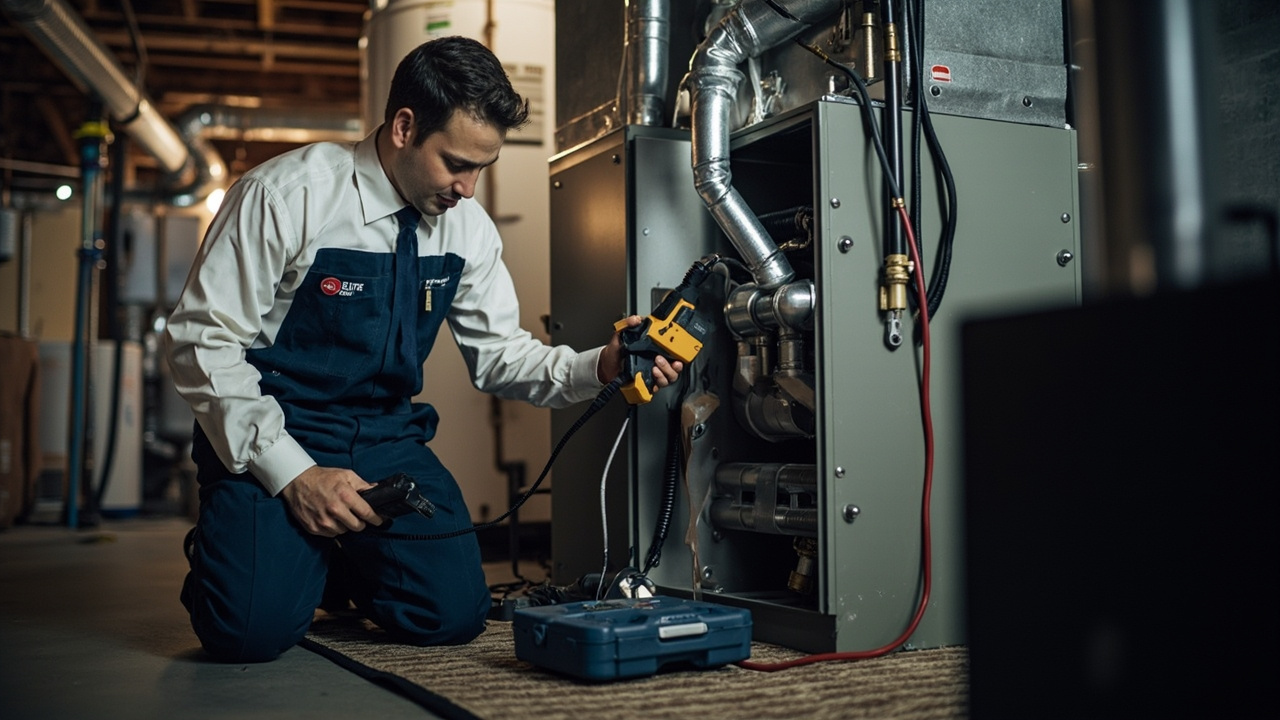

Philadelphia's winter weather pattern creates unique stress on gas furnaces. We experience rapid temperature swings, sometimes 30 degrees in 24 hours during January and February. Your furnace cycles on and off constantly as outdoor temperatures fluctuate between overnight lows in the teens and afternoon highs in the 40s. This constant heating and cooling causes thermal expansion and contraction in metal components. Heat exchangers, constructed from stamped steel or aluminized steel, develop stress cracks at weld points and bend locations after years of this cycling. Gas line fittings loosen as threaded connections expand and contract. The rowhouses and twins common throughout Philadelphia trap humidity in basements, accelerating corrosion on gas train components. This combination makes furnace gas line leak repair more common here than in regions with stable winter temperatures.
Philadelphia Gas Works requires specific protocols when gas service is shut off due to a leak. Our technicians understand these requirements and coordinate with PGW when necessary to restore service safely. We also navigate Philadelphia's permit requirements for gas line work, ensuring compliance with Department of Licenses and Inspections regulations. This local knowledge matters because out-of-town companies often miss these steps, leaving you with code violations or service interruptions. When you need emergency furnace gas leak service, choosing a company that understands Philadelphia's regulatory environment protects you from future complications. We have established relationships with local inspectors and understand exactly what documentation and testing they require for gas appliance repairs in residential properties.