




Menu

Air Conditioning Installation in Philadelphia | Full System Design and Professional Installation for Any Property Size

Elite HVAC Philadelphia handles complete air conditioning installation from load calculation through final commissioning, delivering properly sized central air systems that handle Philadelphia's humid summers and protect your indoor air quality year-round.

Slider Image 1
Slider Image 2
Slider Image 3
Slider Image 4
Slider Image 5
Slider Image 7
Slider Image 8
Slider Image 9
Slider Image 10
Slider Image 11

Why Philadelphia's Climate Demands Correct Air Conditioning Installation

Philadelphia's summer humidity routinely pushes past 70%, and heat waves drive temperatures into the mid-90s for weeks at a time. Your AC system does two jobs in this climate. It cools your space, and it pulls moisture from the air. If your central air installation is sized incorrectly, one of those jobs fails.

Oversized units short-cycle. They blast cold air, shut off before removing humidity, then restart when the thermostat climbs again. You end up with a cold, clammy house and mold growth in hidden corners. Undersized units run nonstop during July heat, never quite reaching setpoint, burning energy and wearing out compressors years early.

Philadelphia's housing stock adds another wrinkle. Rowhomes in Fishtown and Bella Vista have limited outdoor space for condenser placement. Older homes in Chestnut Hill and Mount Airy have plaster walls and knob-and-tube wiring that complicate refrigerant line routing. New construction in Navy Yard and University City demands high-SEER systems to meet updated energy codes.

AC unit installation is not about dropping in the biggest box that fits. It requires load calculations, ductwork analysis, and refrigerant line sizing. Get it wrong, and you pay for it in comfort and repair bills. Get it right, and the system disappears into the background, doing its job quietly for 15 years.

We handle air conditioner replacement and new installs across every Philadelphia neighborhood, matching system capacity to your actual cooling load and your building's limitations.

Why Philadelphia's Climate Demands Correct Air Conditioning Installation
How Elite HVAC Philadelphia Approaches AC Installation

How Elite HVAC Philadelphia Approaches AC Installation

We start with a Manual J load calculation. This is not a guess based on square footage. We measure window area, insulation levels, orientation, and occupancy. We account for shade trees, adjacent buildings, and whether your attic has radiant barriers. The calculation tells us exactly how many BTUs your space needs to stay comfortable on the hottest day Philadelphia delivers.

Next, we evaluate your ductwork. If you are replacing an old system, we check for leaks, crushed sections, and undersized return plenums. Duct leakage steals 20% to 30% of your cooling capacity before it reaches your rooms. We seal joints with mastic, not tape, and we size return ducts to match supply airflow. Balanced airflow keeps your evaporator coil from freezing and your compressor from overheating.

We match your equipment to your needs. High-SEER variable-speed systems make sense if you cool for six months a year and want low operating costs. Single-stage units work fine if you are on a budget and your cooling season is short. We explain the tradeoffs without upselling. You decide what fits your situation.

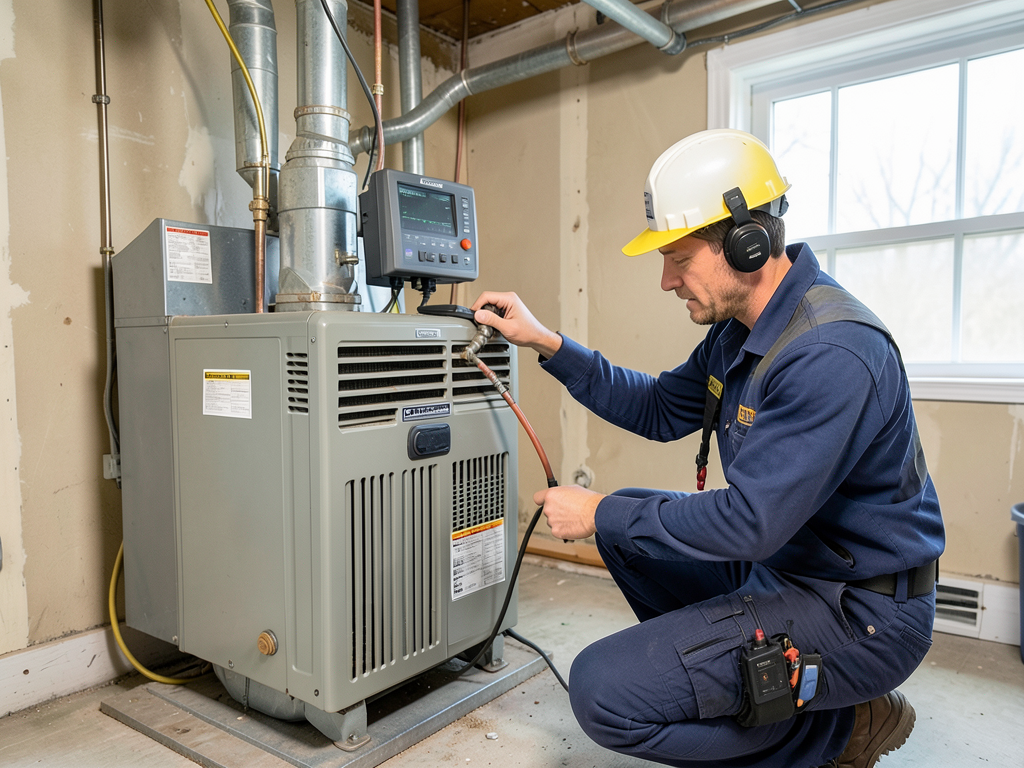
During installation, we vacuum the refrigerant lines to remove moisture and air, then charge the system to manufacturer specs using superheat and subcooling measurements. We do not guess. We verify airflow with a manometer, check voltage at the disconnect, and program the thermostat for your specific equipment. The system leaves our hands running at design capacity, ready for whatever Philadelphia's summer throws at it.

Elite HVAC Philadelphia treats every central air installation as a engineered system, not a product swap.

What Happens During Your AC Installation

Air Conditioning Installation in Philadelphia | Full System Design and Professional Installation for Any Property Size
01

Site Assessment and Load Calculation

We visit your property to measure dimensions, evaluate insulation, inspect existing ductwork, and identify placement options for the outdoor condenser and indoor air handler. We calculate your precise cooling load and present equipment options that match your capacity requirements, budget, and efficiency goals. You receive a written proposal with system specifications and installation scope before any work begins.
02

Equipment Installation and System Commissioning

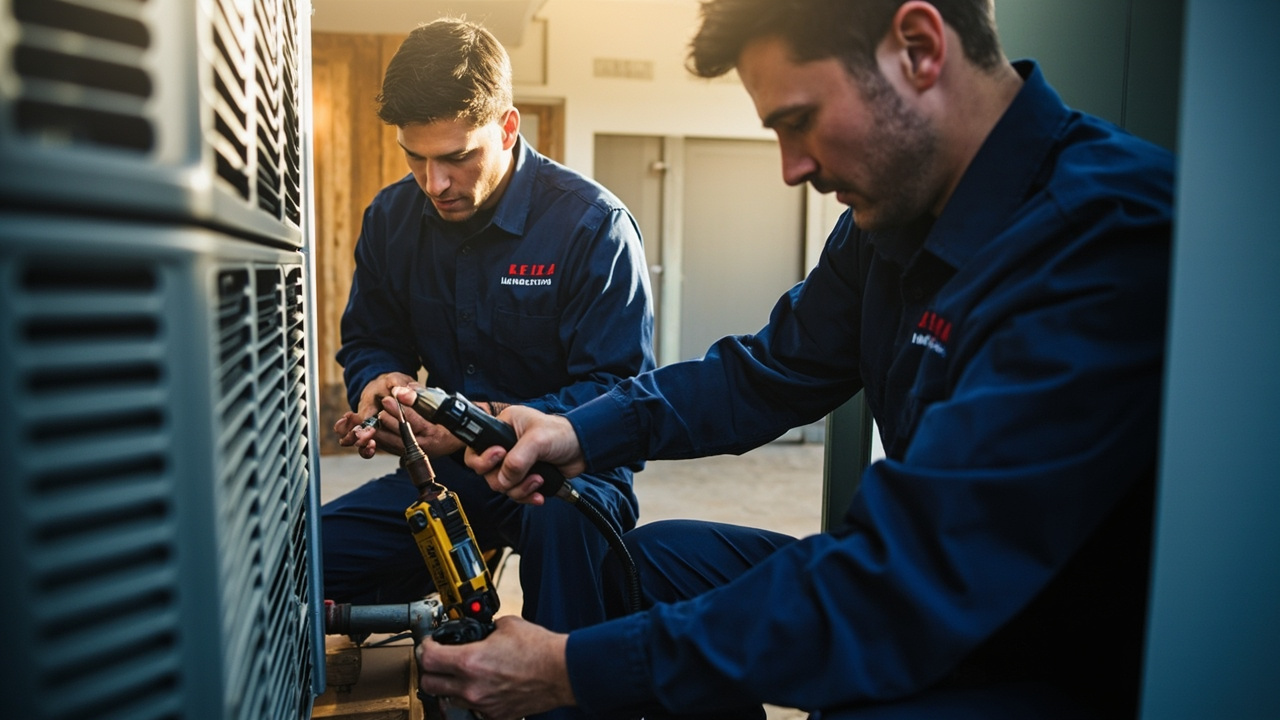
Our crew sets the outdoor condenser on a level pad, mounts the indoor air handler or furnace coil, runs refrigerant lines through walls or chases, connects electrical service, and integrates the system with your existing or new ductwork. We vacuum the lines, charge refrigerant to spec, verify airflow at each register, test safety controls, and program your thermostat. The system runs through multiple cooling cycles before we leave.
03

Final Testing and Walkthrough

We measure supply and return temperatures, check voltage and amperage, confirm condensate drainage, and verify thermostat operation. You receive a walkthrough covering filter changes, thermostat programming, and maintenance schedules. We answer your questions, show you where the shutoffs are located, and leave you with documentation including equipment manuals, warranty registration, and our contact information for future service needs.

Why Philadelphia Property Owners Choose Elite HVAC Philadelphia for AC Installation

Philadelphia's building codes require permits for HVAC installations, and inspectors check refrigerant handling, electrical connections, and combustion venting on combination systems. We pull permits, schedule inspections, and ensure your installation passes on the first visit. You do not want to deal with correction notices or failed inspections six months after the install.

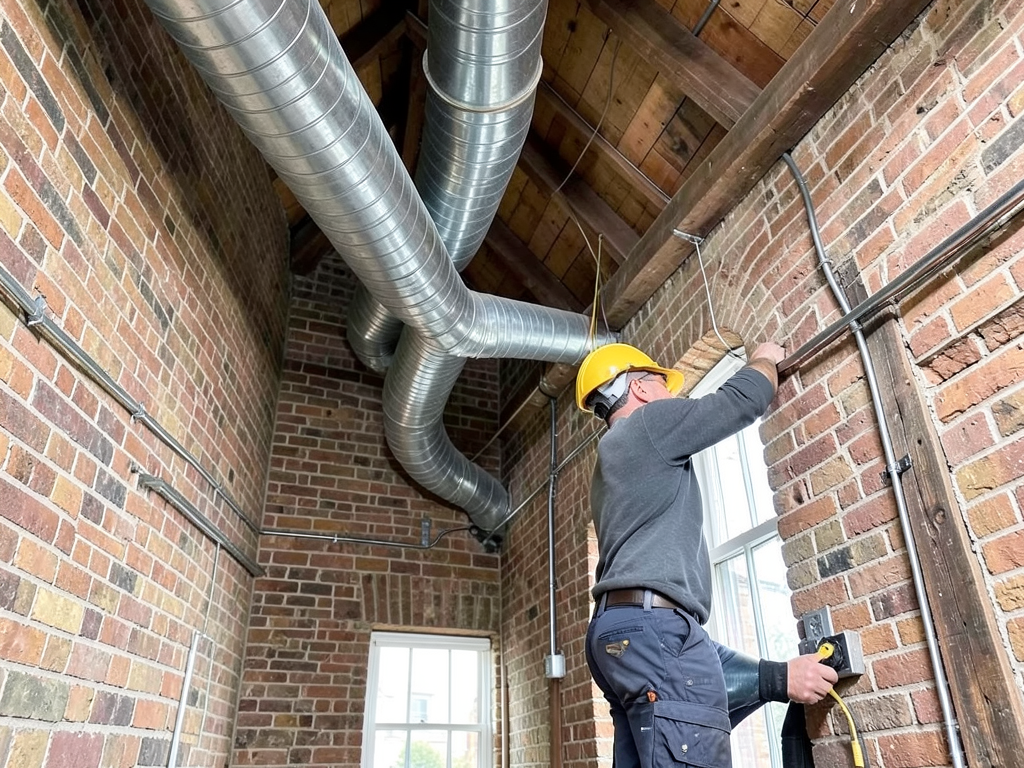
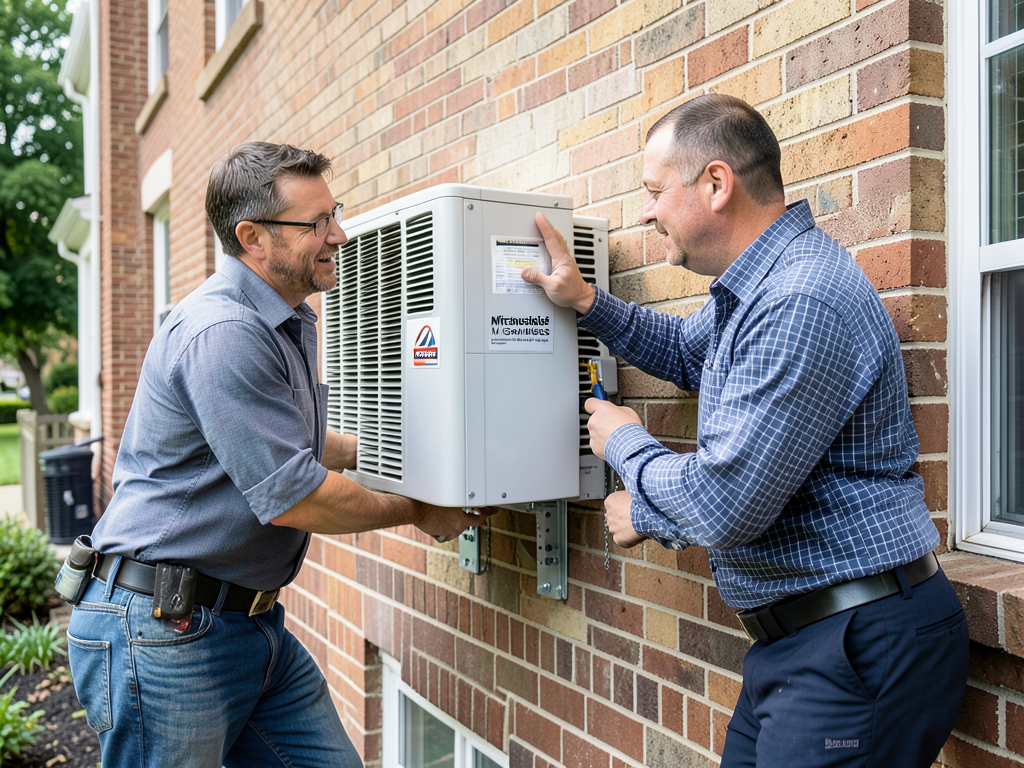
We know the local housing types. Rowhomes need creative condenser placement because side yards do not exist and rear alleys are tight. We use wall-mounted brackets, roof stands, or shared courtyards depending on your building layout and HOA rules. Victorian-era homes in Fairmount and Graduate Hospital have high ceilings and decorative plaster. We route refrigerant lines through closets, chases, or exterior soffits to avoid damaging historic details.

Our trucks carry the parts that matter. Vibration isolators for condenser pads. Plenum takeoffs sized for your ductwork. Disconnect boxes rated for your electrical service. We do not leave mid-job to pick up missing components because we planned the install before we arrived.

Elite HVAC Philadelphia works in every Philadelphia neighborhood, from the dense rowhomes of South Philly to the suburban splits in the Northeast. We have installed systems in century-old brownstones and brand-new construction. We understand how Philadelphia's housing stock works, and we adapt our installation methods to fit your building.

You get straight answers about what your property needs. We do not inflate equipment sizes to pad invoices, and we do not push financing schemes you did not ask for. We quote the job, do the work, and leave your system running correctly.

What to Expect from Your Air Conditioning Installation

Installation Timeline and Scheduling

Most residential air conditioner replacement projects take one to two days depending on system complexity and whether ductwork modifications are required. Straightforward changeouts where we are swapping an old system for a new one on existing pads and connections often finish in a single day. New installs with duct fabrication, electrical upgrades, or challenging condenser placement take longer. We schedule your installation date after equipment arrives at our warehouse, and we confirm the day before. Our crew arrives on time, works efficiently, and cleans up before leaving. You are not left without cooling for extended periods.

Pre-Installation Assessment and Planning

Before installation day, we verify equipment fit, condenser placement, electrical capacity, and duct compatibility. If your electrical panel needs an upgrade to handle the new system, we coordinate with a licensed electrician. If your ductwork is undersized or leaking, we address it before the new system goes in. You receive a detailed scope of work outlining every task from equipment removal through final startup. We answer your questions during the assessment so there are no surprises on installation day. You know what happens, when it happens, and why it matters.

System Performance and Comfort Outcomes

A correctly installed AC system maintains your setpoint within two degrees, runs in smooth cycles without short-cycling, removes humidity so your indoor air feels dry and comfortable, and operates quietly without rattling or vibrating. You should not hear the compressor from inside your house, and airflow from your registers should feel consistent across all rooms. We measure temperature split across the evaporator coil to verify refrigerant charge, and we check airflow at your farthest register to confirm duct balance. Your system leaves our hands performing at design capacity, ready to handle Philadelphia's worst summer heat without strain.

Manufacturer Warranties and Ongoing Support

Your new equipment includes manufacturer warranties covering parts and sometimes labor for a defined period. We register your system with the manufacturer and provide you with warranty documentation. Beyond manufacturer coverage, Elite HVAC Philadelphia remains your point of contact for service, maintenance, and troubleshooting. We recommend annual maintenance visits to keep your system running efficiently and catch small issues before they become expensive failures. Our technicians know your system because we installed it, which simplifies diagnostics if problems arise. You have direct access to the team that did the work.

Frequently Asked Questions

You Have Questions,
We Have Answers

How much would it cost to have air conditioning installed? +

Air conditioning installation costs in Philadelphia typically range from $3,500 to $7,500 for a standard residential system. Several factors affect price: your home's square footage, existing ductwork condition, equipment efficiency rating (SEER), and system type. Philadelphia's older rowhomes often require additional work, like upgrading electrical panels or modifying tight ductwork runs, which increases labor costs. Higher-efficiency units cost more upfront but save significantly on summer energy bills in our humid climate. Licensed contractors provide free in-home assessments to calculate your specific installation price based on cooling load requirements and existing infrastructure.

What is the $5000 rule for AC? +

The $5,000 rule helps you decide between repair and replacement. If your AC repair cost multiplied by your system's age in years exceeds $5,000, replace it instead. For example, a $400 repair on a 10-year-old unit equals $4,000, so repair makes sense. But a $600 repair on a 12-year-old system equals $7,200, signaling replacement is smarter. Philadelphia homeowners should also consider efficiency losses in aging units. Our humid summers strain older systems, increasing energy bills. This rule is a guideline, not absolute law. Always factor in refrigerant type, existing efficiency, and how many years of reliable cooling you need.

How expensive is it to install an AC unit? +

Installing an AC unit in Philadelphia costs between $3,500 and $10,000 depending on system type and complexity. Central air installation for a whole home runs $5,000 to $7,500 on average. Ductless mini-splits cost $3,000 to $5,000 per zone. Philadelphia's housing stock varies widely, from modern single-family homes to century-old rowhomes with no ductwork, which dramatically affects installation complexity. Labor accounts for 30-40% of total cost. Equipment efficiency ratings, brand selection, and necessary electrical upgrades also influence price. Higher SEER ratings reduce operating costs in our hot, humid summers but increase upfront investment.

How much does Home Depot charge for AC installation? +

Home Depot subcontracts AC installation to local licensed contractors, with costs typically ranging from $1,800 to $3,500 for basic installations. This price usually covers standard equipment and straightforward installations only. Philadelphia homes often require custom work like ductwork modifications, electrical upgrades, or navigating tight rowhome spaces, which increases costs significantly. Big-box retailers focus on volume, not customization. You lose direct contractor relationships and accountability. Local Philadelphia HVAC specialists provide more personalized assessments, understand regional building codes, handle complex installations better, and offer direct warranty support. Always compare multiple quotes and verify contractor licenses regardless of where you purchase equipment.

How much does an air conditioner cost for a 2000 sq ft home? +

A 2,000 square foot home in Philadelphia typically requires a 3 to 4-ton central air system costing $5,500 to $8,500 installed. Actual cost depends on home layout, insulation quality, window efficiency, ceiling height, and sun exposure. Philadelphia's brick rowhomes hold heat differently than suburban single-family homes, affecting cooling load calculations. Equipment efficiency matters: a 16 SEER system costs more than 14 SEER but cuts summer electric bills significantly. If you need ductwork installation or major electrical upgrades, add $2,000 to $4,000. Proper load calculations prevent oversizing, which causes humidity problems in our muggy climate.

What is the 3 minute rule for AC? +

The 3-minute rule prevents compressor damage by requiring a 3-minute wait between restart attempts after shutdown. When your AC cycles off, refrigerant pressure equalizes throughout the system. Restarting immediately forces the compressor to start against high pressure, straining the motor and shortening equipment life. Modern thermostats and systems have built-in delay timers. Philadelphia's high summer humidity means AC units cycle frequently. Rapid cycling from an oversized system or thermostat issues damages compressors over time. If your system short-cycles (runs less than 10 minutes per cycle), call a technician. This indicates sizing problems or refrigerant issues requiring professional diagnosis.

Is HVAC system cost tax deductible? +

HVAC systems qualify for federal tax credits if they meet efficiency standards, but standard replacements are not deductible as personal expenses. As of 2024, Energy Star certified heat pumps and high-efficiency systems may qualify for up to $2,000 in federal tax credits under the Inflation Reduction Act. Central AC units meeting specific SEER2 ratings also qualify for smaller credits. Philadelphia homeowners should verify current IRS guidelines and save manufacturer certification statements. Business properties handle HVAC as capital improvements with depreciation schedules. Consult a tax professional for your specific situation. Rebates from PECO energy also reduce net costs for efficient equipment upgrades.

What is the best month to buy an HVAC system? +

Fall (September through November) and early spring offer the best HVAC purchasing opportunities in Philadelphia. Demand drops after summer, giving you negotiating leverage and faster installation scheduling. Manufacturers release new models in spring, so dealers discount previous-year inventory in fall. Avoid buying during summer heat waves when emergency demand drives prices up and wait times stretch weeks. Philadelphia winters are relatively mild, so replacing a broken furnace in January is less urgent than in colder climates. Plan proactively rather than waiting for failure. Off-season purchases also mean technicians spend more time on proper installation rather than rushing between emergency calls.

Is a 3 ton AC too big for 1500 square feet? +

A 3-ton AC unit is typically appropriate for 1,500 square feet, but correct sizing depends on multiple factors beyond square footage. Philadelphia rowhomes with shared walls need less cooling than detached homes. Proper load calculations account for insulation quality, window count and orientation, ceiling height, occupancy, and heat-generating appliances. Oversizing causes short cycling, where the system cools quickly but never runs long enough to remove humidity. Our muggy summers make humidity control critical for comfort. Undersizing means the system runs constantly on hot days, wearing components faster. Professional Manual J load calculations determine correct tonnage for your specific home, preventing comfort and efficiency problems.

What is the lifespan of an AC unit? +

AC units in Philadelphia last 12 to 17 years with proper maintenance. Our humid climate and seasonal temperature swings stress systems more than mild climates. Coastal salt air in nearby shore areas accelerates corrosion. Lifespan depends on installation quality, maintenance frequency, usage patterns, and equipment quality. Budget brands fail sooner than premium manufacturers. Annual maintenance (cleaning coils, checking refrigerant, inspecting electrical connections) extends life significantly. Systems installed incorrectly or with improper refrigerant charge fail prematurely. Plan replacement when your unit reaches 12 years old and repair costs exceed $500. Refrigerant type matters too: older R-22 systems face expensive repairs as refrigerant becomes scarce.

How Philadelphia's Summer Humidity Affects AC Unit Installation and Sizing

Philadelphia sits in a humid subtropical climate zone where summer dew points regularly exceed 65 degrees. Your AC system must remove moisture and sensible heat simultaneously. Oversized systems cool too quickly, shutting off before dehumidification completes. The result is cold, damp indoor air and mold growth on walls and ceilings. Proper central air installation in Philadelphia requires matching equipment capacity to your actual load so the evaporator coil runs long enough to condense moisture from your indoor air. Humidity control matters as much as temperature control in this region.

Philadelphia enforces the International Mechanical Code with local amendments covering refrigerant handling, duct sealing, and equipment clearances. Installations require permits and inspections, which verify code compliance and protect property owners from substandard work. Elite HVAC Philadelphia pulls permits for every AC installation, ensuring your system meets city requirements and passes inspection on the first attempt. Local expertise matters because Philadelphia's building stock and regulatory environment demand installation practices tailored to this city's specific conditions.
HVAC Services in The Philadelphia Area

Come visit our office or explore our extensive service area on the map below. Elite HVAC proudly serves residential and commercial clients across Philadelphia, ensuring prompt and reliable heating, ventilation, and air conditioning solutions wherever you are. Whether you need an emergency repair or a new installation, we’re strategically located to provide quick and efficient service right to your doorstep, ensuring your comfort is never compromised.

Address:
Elite HVAC Philadelphia, 2231 E Ontario St, Philadelphia, PA, 19134

Additional Services We Offer

Our news updates

Latest Articles & News from The Blogs

Creative Ways to Hide HVAC Ductwork in a High Ceiling South Kensington Loft Living in a South Kensington loft means…

Creative Ways to Hide HVAC Ductwork in a High Ceiling South Kensington Loft

Creative Ways to Hide HVAC Ductwork in a High Ceiling South Kensington Loft Living in a South Kensington loft means…

Picking a Whisper Quiet Heat Pump for Small Backyards in Haddington

Picking a Whisper Quiet Heat Pump for Small Backyards in Haddington Living in Haddington means dealing with tight backyard spaces…

Should You Keep Repairing or Just Replace That 15 Year Old Furnace in Your Bustleton Split Level Home

Should You Keep Repairing or Just Replace That 15 Year Old Furnace in Your Bustleton Split Level Home Your 15-year-old…

Contact Us

Elite HVAC Philadelphia handles AC installation across every Philadelphia neighborhood. Call (215) 610-9099 to schedule your site assessment. We calculate your load, present equipment options, and deliver a system that handles Philadelphia's summer heat and humidity without guessing.