




Menu

Industrial Chiller Services in Philadelphia – Minimize Downtime with 24/7 Process Cooling Support

Elite HVAC Philadelphia delivers industrial chiller maintenance, emergency repair, and chiller plant optimization to keep your facility running. We respond fast to prevent production loss and maintain your cooling capacity across the metro.

Slider Image 1
Slider Image 2
Slider Image 3
Slider Image 4
Slider Image 5
Slider Image 7
Slider Image 8
Slider Image 9
Slider Image 10
Slider Image 11

Philadelphia's Industrial Facilities Depend on Reliable Chiller Performance

Your chiller system is not optional. It is the backbone of your process cooling operation. When a chiller goes down in a pharmaceutical plant, data center, or manufacturing facility, every minute costs money. Production halts. Equipment overheats. Deadlines collapse.

Philadelphia's humid summers push industrial cooling systems to their limits. High ambient temperatures reduce condenser efficiency. The city's aging industrial infrastructure means many facilities are running chillers past their intended service life. Add in fluctuating electrical loads from the regional grid and you have a recipe for unexpected failures.

Most industrial chiller failures do not happen suddenly. They announce themselves through rising discharge pressures, erratic cycling, or reduced tonnage output. The problem is that most facilities do not have the in-house expertise to read these warnings. By the time someone notices the compressor is struggling, you are already behind schedule.

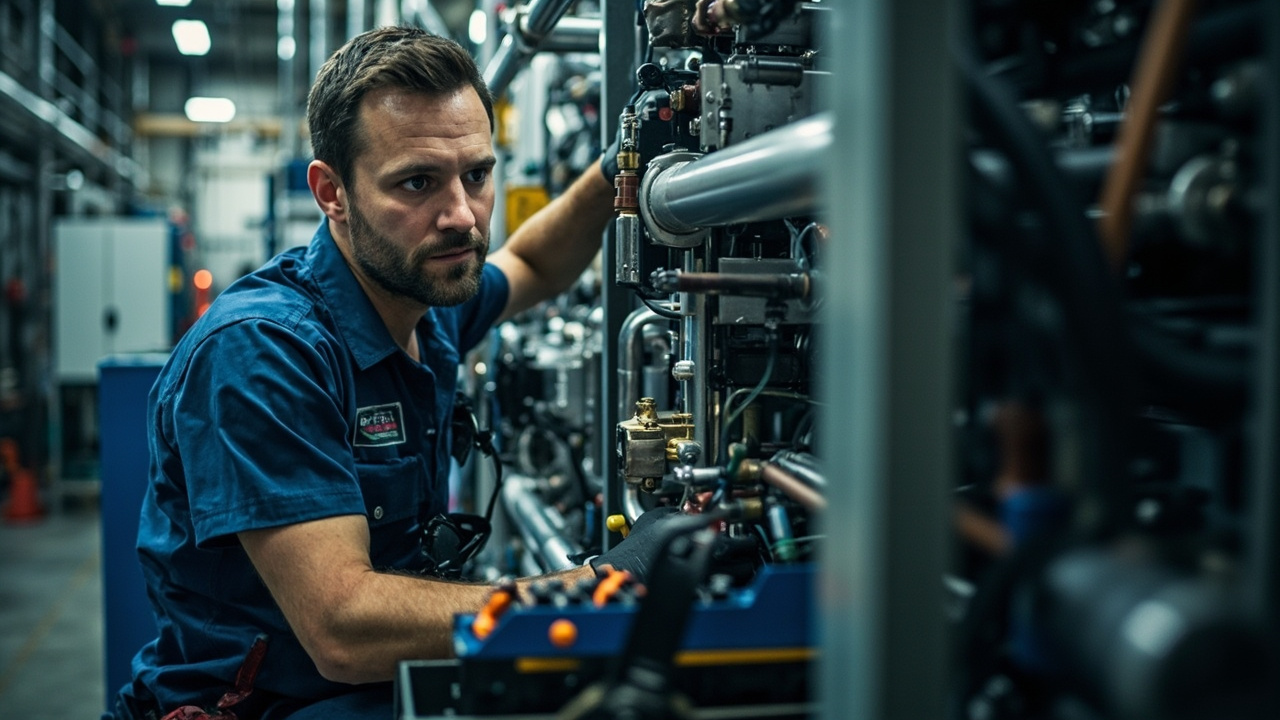
Elite HVAC Philadelphia provides industrial chiller maintenance, industrial chiller repair, and full-scope process cooling services to facilities that cannot afford downtime. We work on water-cooled and air-cooled systems, absorption chillers, and modular chiller plants. Our technicians understand the difference between a capacity issue and a controls issue. We diagnose the root cause, not just the symptom.

We serve pharmaceutical manufacturers in the Navy Yard, data centers in Center City, and food processing operations across the Delaware Valley. If your business depends on continuous cooling, your chiller system needs preventive care and rapid response capability.

Philadelphia's Industrial Facilities Depend on Reliable Chiller Performance
How We Keep Industrial Chillers Running at Peak Efficiency

How We Keep Industrial Chillers Running at Peak Efficiency

Industrial chiller repair is not the same as commercial HVAC service. You are dealing with higher tonnage, tighter tolerances, and systems integrated into larger process loops. A misdiagnosis can cascade into thousands of dollars in lost production.

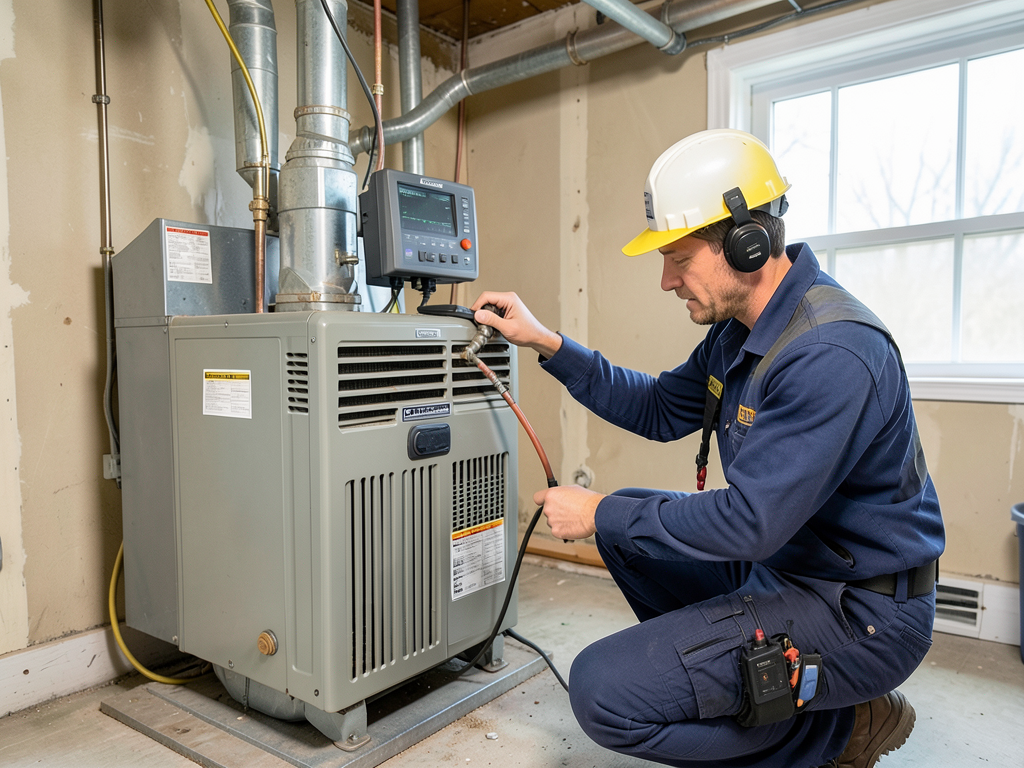
Our diagnostic process starts with the control system. We pull fault logs from the chiller's onboard controller and cross-reference them with real-time sensor data. We measure refrigerant subcooling and superheat at multiple points in the cycle to pinpoint inefficiencies. We use thermal imaging to detect hot spots in electrical panels and compressor windings before they fail.

For water-cooled systems, we inspect condenser water flow rates, check for scaling in tube bundles, and verify that cooling tower performance matches design specifications. For air-cooled units, we measure airflow across the coil and inspect fan motor amperage. Many chiller issues trace back to poor heat rejection, not mechanical failure.

We also evaluate your chiller plant as a system. If you are running multiple chillers in parallel, we verify that your sequencing logic is optimized for load conditions. Poor staging wastes energy and increases wear on lead units. We adjust setpoints, recalibrate sensors, and tune control algorithms to match your actual cooling demand.

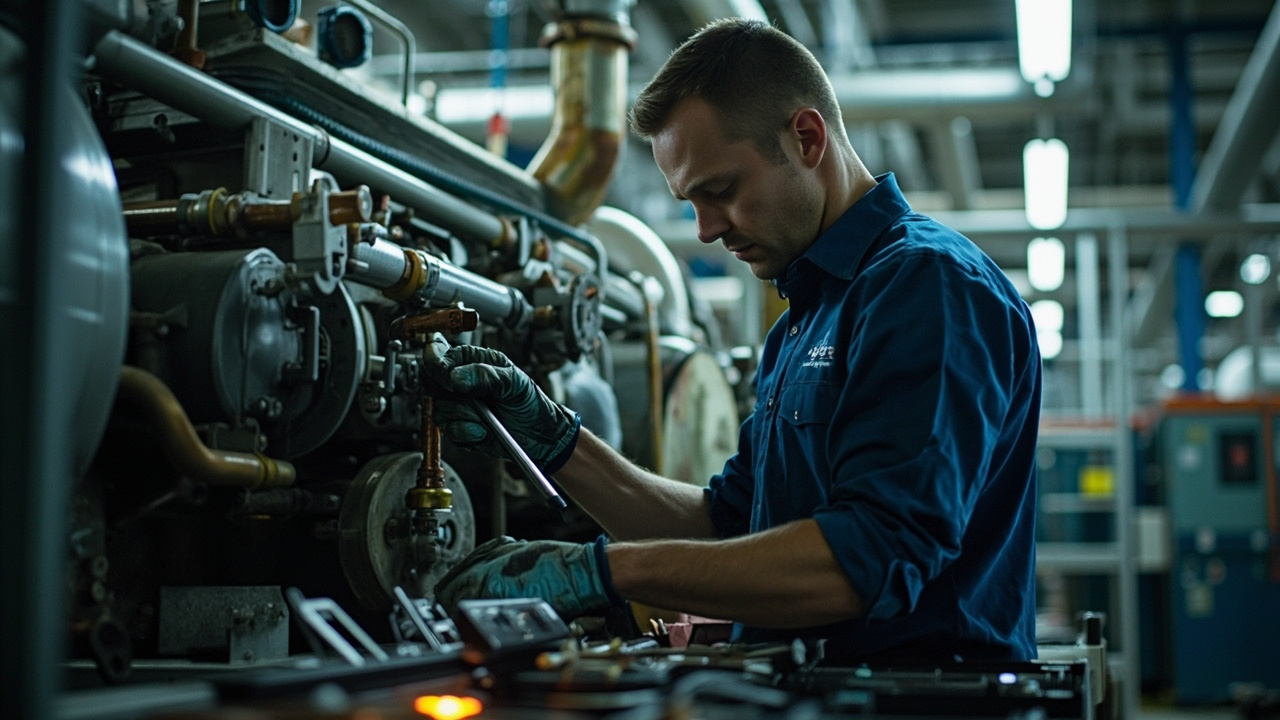
Preventive maintenance is where we save you the most money. Our chiller plant maintenance program includes quarterly inspections, oil analysis, vibration monitoring, and refrigerant purity testing. We catch bearing wear, refrigerant contamination, and electrical degradation before they trigger a shutdown. Planned maintenance costs a fraction of emergency repair.

What Happens When You Call for Chiller Service

Industrial Chiller Services in Philadelphia – Minimize Downtime with 24/7 Process Cooling Support
01

Rapid Dispatch and Assessment

When your chiller goes down, we mobilize immediately. Our technician arrives with diagnostic tools and common repair parts to reduce response time. We perform a system evaluation, pull fault codes, and measure operating parameters. You receive a verbal assessment within the first hour, including probable cause and repair timeline. For facilities with redundant systems, we help you shift load to maintain partial cooling capacity while we work.
02

Targeted Repair or Component Replacement

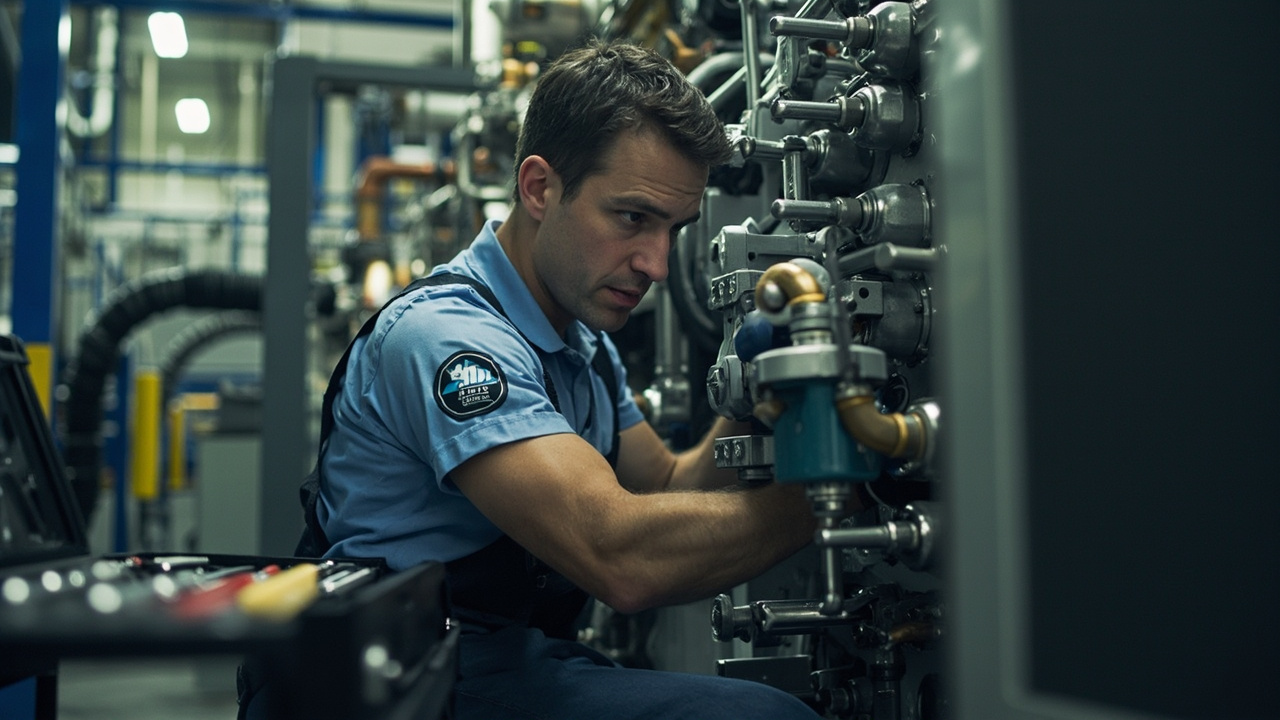
Once we isolate the failure, we execute the repair with minimal disruption to your operation. This might involve replacing a failed compressor starter, clearing a refrigerant restriction, or rebuilding a control valve. We source OEM parts when specification matters and use aftermarket components when they meet performance standards. If the chiller cannot be repaired onsite, we coordinate rental equipment to bridge the gap. Our goal is to restore your process cooling capacity as fast as possible.
03

System Testing and Documentation

After the repair, we run the chiller through a full load cycle and verify all safeties are functioning. We measure system performance against baseline data to confirm the issue is resolved. You receive a detailed service report documenting the failure, the repair performed, and any recommendations for preventing recurrence. For facilities under maintenance contracts, we update your equipment history and schedule the next preventive visit. Your chiller returns to full capacity with documented proof of performance.

Why Philadelphia Facilities Trust Elite HVAC for Industrial Cooling Systems

Industrial facilities need a service provider who understands the stakes. You are not calling about a broken air conditioner. You are calling because your production line is at risk. Elite HVAC Philadelphia has been supporting process cooling operations across the metro for years. We know the difference between a nuisance alarm and a critical failure.

Philadelphia's industrial sector is diverse. We service chillers in pharmaceutical clean rooms, data centers with redundant cooling loops, food processing plants with strict temperature requirements, and manufacturing facilities with 24/7 uptime demands. Each application has different tolerances and different failure modes. Our technicians are trained to work in controlled environments and follow lockout-tagout procedures for industrial safety.

We also understand Philadelphia's building infrastructure. Many facilities in Kensington, the Navy Yard, and along the Delaware waterfront were built decades ago. Legacy chiller systems were designed for different load profiles than what modern operations demand. We help facilities evaluate whether to rebuild existing equipment or invest in new, more efficient systems. That decision depends on your cooling load, your budget, and how long you plan to occupy the space.

Our response time matters. When a chiller fails during a summer heat wave, you do not have days to wait for a technician. We maintain a dispatch schedule that prioritizes emergency industrial calls. We also stock critical components for common chiller brands so we are not waiting on parts shipments.

If you operate a facility where cooling is mission-critical, you need a service partner who can respond fast and repair correctly the first time.

What to Expect from Our Industrial Chiller Services

Emergency Response and Availability

Industrial chiller failures do not follow business hours. We provide 24/7 emergency response for facilities with critical cooling needs. When you call, you reach a live dispatcher who can mobilize a technician immediately. Our average response time for emergency industrial calls in the Philadelphia metro is under two hours. We arrive with diagnostic equipment and common repair parts to reduce downtime. For facilities under service contract, we prioritize dispatch and maintain emergency stock specifically for your equipment model.

Comprehensive System Evaluation

Our diagnostic process goes beyond surface-level troubleshooting. We analyze refrigerant cycle performance, measure electrical inputs, inspect mechanical components, and review control system logic. We use data logging to capture intermittent faults that only appear under load. For complex issues, we coordinate with equipment manufacturers to access proprietary diagnostic tools. You receive a written assessment that identifies the root cause, not just the failed component. This level of analysis prevents repeat failures and helps you plan capital expenditures for aging equipment.

Precision Repair and Performance Verification

We execute repairs to restore your chiller to design capacity. This involves replacing failed components, recalibrating controls, and verifying refrigerant charge and purity. We do not cut corners. If a compressor is mechanically compromised, we recommend replacement rather than a temporary patch. After the repair, we run the system through multiple load cycles and compare performance data to baseline measurements. You receive documentation proving the chiller is operating within specification. This matters for facilities with quality management systems or regulatory compliance requirements.

Preventive Maintenance and Reliability Programs

Reactive service is expensive. Our preventive maintenance programs reduce emergency calls by catching issues early. We schedule quarterly or monthly inspections based on your cooling load and operating hours. Each visit includes oil analysis, vibration testing, electrical measurements, and control system diagnostics. We track equipment performance over time and alert you when a component is trending toward failure. This allows you to plan repairs during scheduled downtime rather than responding to a crisis. Facilities under maintenance contracts also receive priority emergency response and discounted labor rates.

Frequently Asked Questions

You Have Questions,
We Have Answers

How often should a chiller be serviced? +

Industrial chillers require quarterly preventive maintenance at minimum to maintain efficiency and prevent downtime. Philadelphia's climate shifts from humid summers to freezing winters, which stresses compressors, heat exchangers, and refrigerant lines. Schedule inspections every 90 days to check refrigerant levels, clean condenser coils, test electrical connections, and verify control sequences. High-usage facilities or process-critical operations benefit from monthly monitoring. Annual comprehensive service should include refrigerant analysis, oil sampling, and tube cleaning. Consistent service reduces energy costs by 10 to 15 percent and extends equipment life. Defer maintenance and you risk compressor failure, production delays, and costly emergency repairs during peak cooling season.

What does an industrial chiller do? +

An industrial chiller removes heat from process fluids or facility air through vapor compression or absorption cycles. The system circulates chilled water or glycol through equipment, absorbing thermal load, then transfers that heat to a condenser. Chillers regulate temperature for manufacturing processes, data centers, pharmaceutical production, and large commercial buildings. In Philadelphia, facilities use chillers to maintain precision environments for injection molding, chemical processing, and server cooling. Unlike standard HVAC systems, industrial chillers handle higher tonnage loads and deliver consistent temperature control critical to product quality and equipment longevity. They protect your operation from thermal fluctuations that damage machinery or compromise output.

What are the most common problems with chillers? +

Refrigerant leaks top the list of chiller failures, often from corroded evaporator or condenser tubes. Low refrigerant charge reduces cooling capacity and increases compressor runtime. Compressor wear from inadequate lubrication or electrical issues causes complete system shutdown. Scaling and fouling in heat exchangers reduce thermal transfer efficiency, forcing the system to work harder. Control sensor drift leads to erratic operation or false alarms. Water quality issues in Philadelphia, particularly mineral buildup from municipal supply, accelerate tube corrosion. Dirty condenser coils reduce heat rejection. Regular water treatment, refrigerant testing, and coil cleaning prevent most failures. Ignoring these issues increases operating costs and risks unplanned downtime during critical production periods.

Is HVAC and chiller the same thing? +

HVAC and chillers serve different functions. HVAC systems provide heating, ventilation, and air conditioning for comfort cooling in offices and retail spaces. Industrial chillers deliver precise, high-capacity cooling for process equipment and manufacturing operations. Chillers generate chilled water or glycol loops that regulate temperature in machinery, not occupied spaces. Some large commercial buildings in Philadelphia use central chiller plants to feed air handlers, blurring the line. A chiller is often a component within an HVAC system but operates independently with dedicated controls. HVAC prioritizes air quality and occupant comfort. Chillers prioritize process stability and thermal load management. Your facility needs both for different reasons.

What is the $5000 rule? +

The 5000 dollar rule guides chiller repair versus replacement decisions. If total repair costs exceed 5000 dollars and the equipment has surpassed 15 years of service or 60 percent of expected lifespan, replacement often delivers better ROI than continued repairs. Factor in energy efficiency gains from modern chillers, which can cut operating costs 20 to 30 percent annually. Philadelphia facilities must also consider increasing refrigerant phase-outs under EPA regulations. Older R-22 systems face escalating refrigerant costs. Calculate payback period based on energy savings, repair frequency, and downtime risk. Rebuilding a failing compressor on aged equipment often leads to secondary failures within months. Use lifecycle cost analysis, not just upfront repair quotes.

What are the 7 types of maintenance? +

The seven types of maintenance are preventive, predictive, corrective, condition-based, predetermined, planned, and reactive. Preventive maintenance follows scheduled intervals regardless of equipment condition. Predictive uses vibration analysis, oil testing, and thermal imaging to identify failures before they occur. Corrective addresses known issues before breakdown. Condition-based monitors real-time performance data to trigger service. Predetermined follows manufacturer specifications. Planned maintenance is scheduled during low-demand periods to minimize disruption. Reactive responds to unexpected failures. Philadelphia industrial facilities benefit most from combining preventive quarterly service with predictive monitoring. This hybrid approach reduces emergency calls, controls costs, and maintains uptime. Reactive maintenance alone increases total spending by 40 to 60 percent through emergency rates and lost production.

How long do industrial chillers last? +

Industrial chillers last 15 to 25 years with proper maintenance and water treatment. Compressor lifespan typically reaches 20 years in well-maintained systems. Heat exchangers corrode faster in Philadelphia due to municipal water mineral content, often requiring tube replacement after 12 to 15 years. Control systems need updates every 10 to 12 years as components become obsolete. Absorption chillers can exceed 30 years due to fewer moving parts. Operating conditions heavily influence longevity. Chillers running continuously in process applications wear faster than those cycling for comfort cooling. Consistent water chemistry management, quarterly service, and bearing replacements extend life expectancy. Budget for major overhauls around year 15 to maximize ROI before replacement.

How much does a 1000 ton chiller cost? +

A 1000 ton chiller ranges from 600,000 dollars to 1.2 million dollars installed, depending on type and site conditions. Air-cooled models cost less upfront but consume more energy. Water-cooled chillers require cooling towers, adding infrastructure expenses. Centrifugal compressors deliver better efficiency for large tonnage. Screw compressors offer redundancy and partial-load performance. Philadelphia installations must account for electrical service upgrades, rigging into existing facilities, and potential structural reinforcement for rooftop placement. Variable speed drives, advanced controls, and heat recovery options increase initial investment but reduce operating costs. Factor in energy rebates through PECO utility programs. Total cost of ownership over 20 years often favors higher-efficiency equipment despite upfront premiums.

What are the three types of chillers? +

The three main chiller types are air-cooled, water-cooled, and absorption. Air-cooled chillers use ambient air to reject heat through finned coils, requiring no cooling tower. They suit smaller loads or sites with limited water access. Water-cooled chillers circulate condenser water through cooling towers, offering better efficiency for large facilities common in Philadelphia's industrial corridors. Absorption chillers use thermal energy instead of mechanical compression, ideal for facilities with waste heat or steam. Each type has distinct operating costs and maintenance needs. Water-cooled systems dominate process applications due to consistent performance regardless of outdoor temperature. Air-cooled units simplify installation but consume 15 to 20 percent more energy annually.

Should chillers be cleaned? +

Chillers require cleaning to maintain thermal efficiency and prevent premature failure. Condenser and evaporator tubes accumulate scale, biological growth, and particulate buildup that insulate heat transfer surfaces. Dirty coils force compressors to work harder, increasing energy consumption by 20 to 35 percent. Philadelphia's municipal water chemistry accelerates fouling without proper treatment. Clean condenser coils annually using chemical or mechanical methods. Inspect evaporator tubes during shutdowns and brush or hydroblast as needed. Implement automated filtration and chemical feed systems to control ongoing buildup. Neglected heat exchangers reduce capacity, trigger high-pressure alarms, and shorten equipment life. Regular cleaning protects your capital investment and prevents costly mid-season failures when cooling demand peaks.

How Philadelphia's Climate and Industrial Density Affect Chiller Performance

Philadelphia's hot, humid summers create challenging conditions for industrial cooling systems. High ambient wet-bulb temperatures reduce condenser efficiency, forcing compressors to work harder to reject heat. This increases energy consumption and accelerates wear on mechanical components. Facilities located near the Delaware or Schuylkill rivers face additional challenges from airborne particulates that clog condenser coils and reduce airflow. Industrial chiller maintenance in Philadelphia must account for these environmental stressors. Regular coil cleaning, condenser water treatment, and seasonal performance tuning are not optional. They are required to keep systems running reliably through peak cooling season.

Philadelphia's industrial corridor has a long history. Many facilities operate equipment installed decades ago. These legacy systems were not designed for modern cooling loads or energy efficiency standards. Elite HVAC Philadelphia understands the quirks of older chiller models and the limitations of aging infrastructure. We work with facility managers to balance short-term repairs against long-term capital planning. We also stay current on Philadelphia's mechanical code requirements and work with local inspectors when repairs involve refrigerant handling or electrical upgrades. Choosing a local provider means working with technicians who understand your facility's constraints and can navigate city permitting when needed.
HVAC Services in The Philadelphia Area

Come visit our office or explore our extensive service area on the map below. Elite HVAC proudly serves residential and commercial clients across Philadelphia, ensuring prompt and reliable heating, ventilation, and air conditioning solutions wherever you are. Whether you need an emergency repair or a new installation, we’re strategically located to provide quick and efficient service right to your doorstep, ensuring your comfort is never compromised.

Address:
Elite HVAC Philadelphia, 2231 E Ontario St, Philadelphia, PA, 19134

Additional Services We Offer

Our news updates

Latest Articles & News from The Blogs

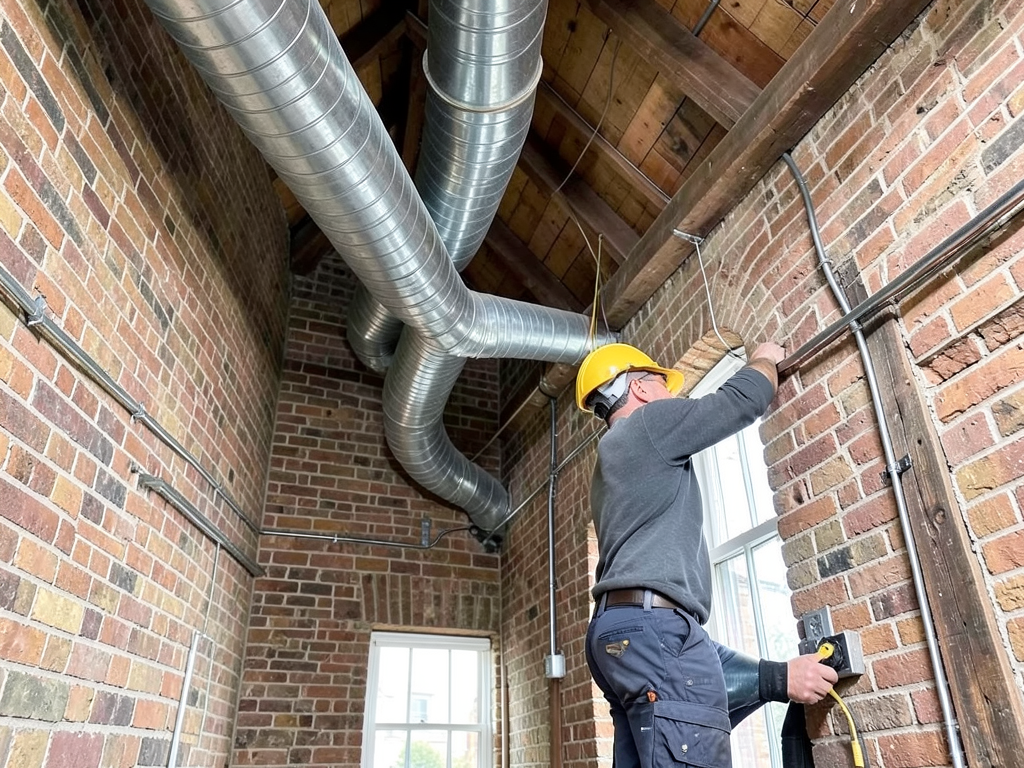
Creative Ways to Hide HVAC Ductwork in a High Ceiling South Kensington Loft Living in a South Kensington loft means…

Creative Ways to Hide HVAC Ductwork in a High Ceiling South Kensington Loft

Creative Ways to Hide HVAC Ductwork in a High Ceiling South Kensington Loft Living in a South Kensington loft means…

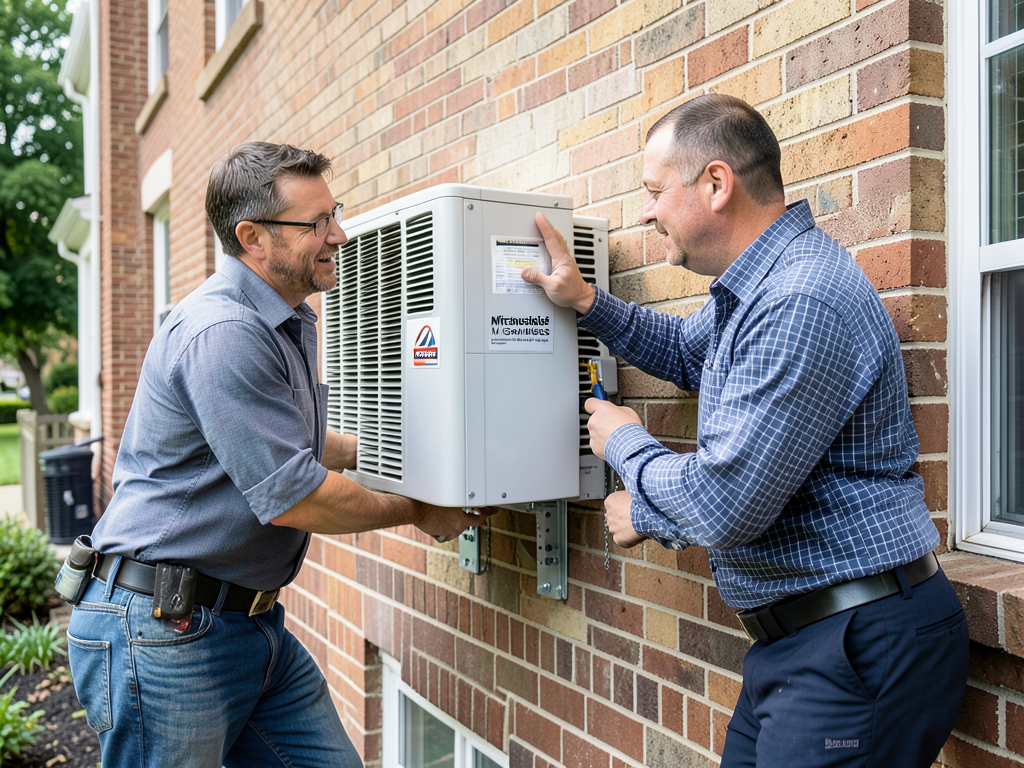
Picking a Whisper Quiet Heat Pump for Small Backyards in Haddington

Picking a Whisper Quiet Heat Pump for Small Backyards in Haddington Living in Haddington means dealing with tight backyard spaces…

Should You Keep Repairing or Just Replace That 15 Year Old Furnace in Your Bustleton Split Level Home

Should You Keep Repairing or Just Replace That 15 Year Old Furnace in Your Bustleton Split Level Home Your 15-year-old…

Contact Us

Downtime costs money. Call Elite HVAC Philadelphia now at (215) 610-9099 for emergency chiller repair or to schedule preventive maintenance. We respond 24/7 to keep your facility running.