




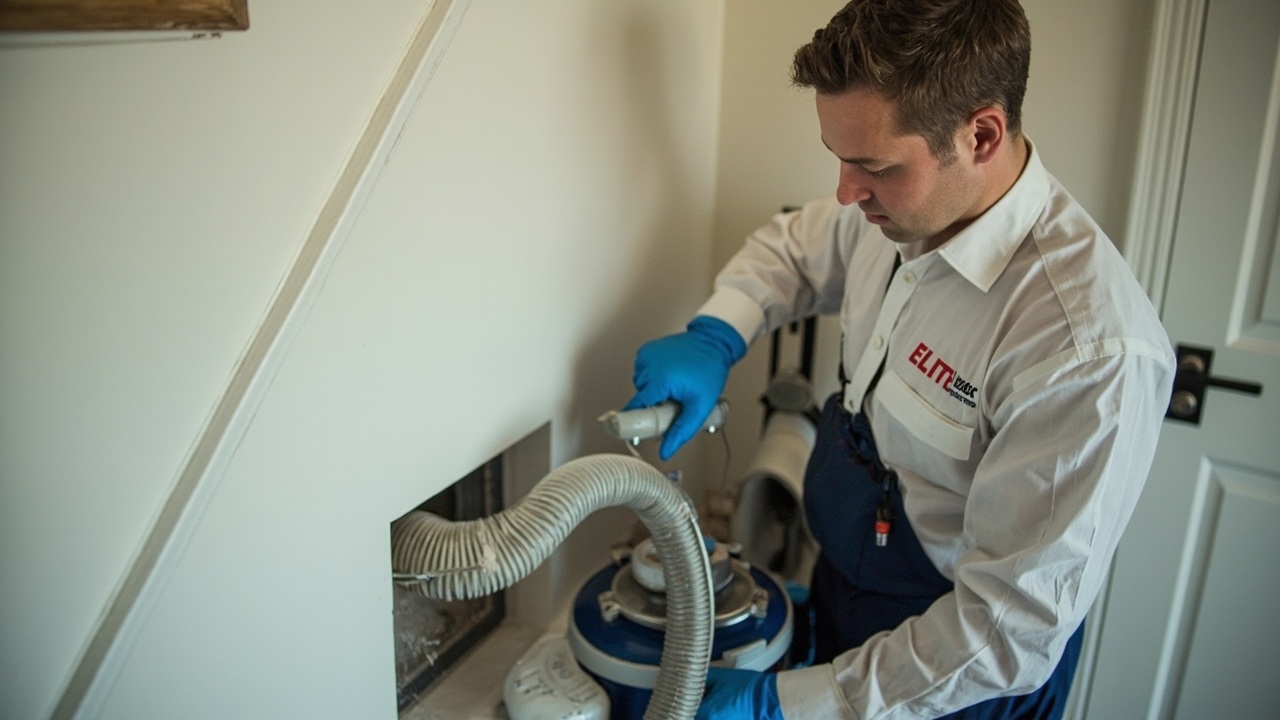
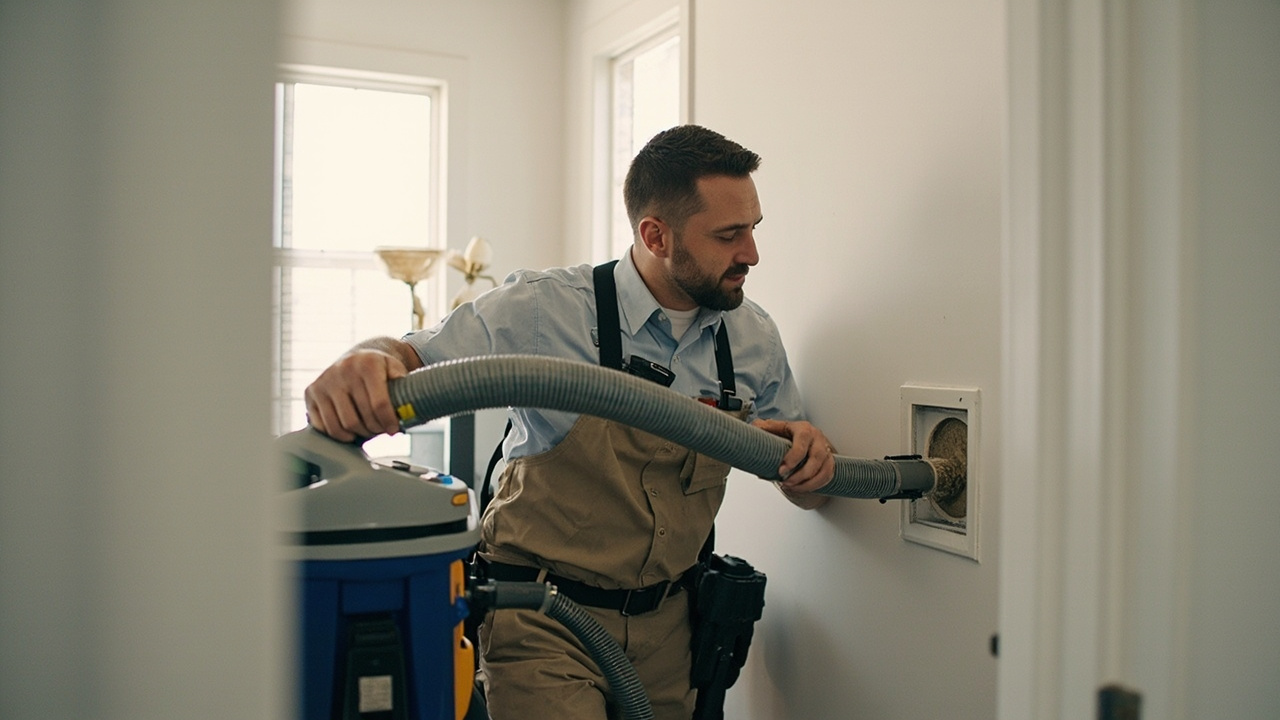
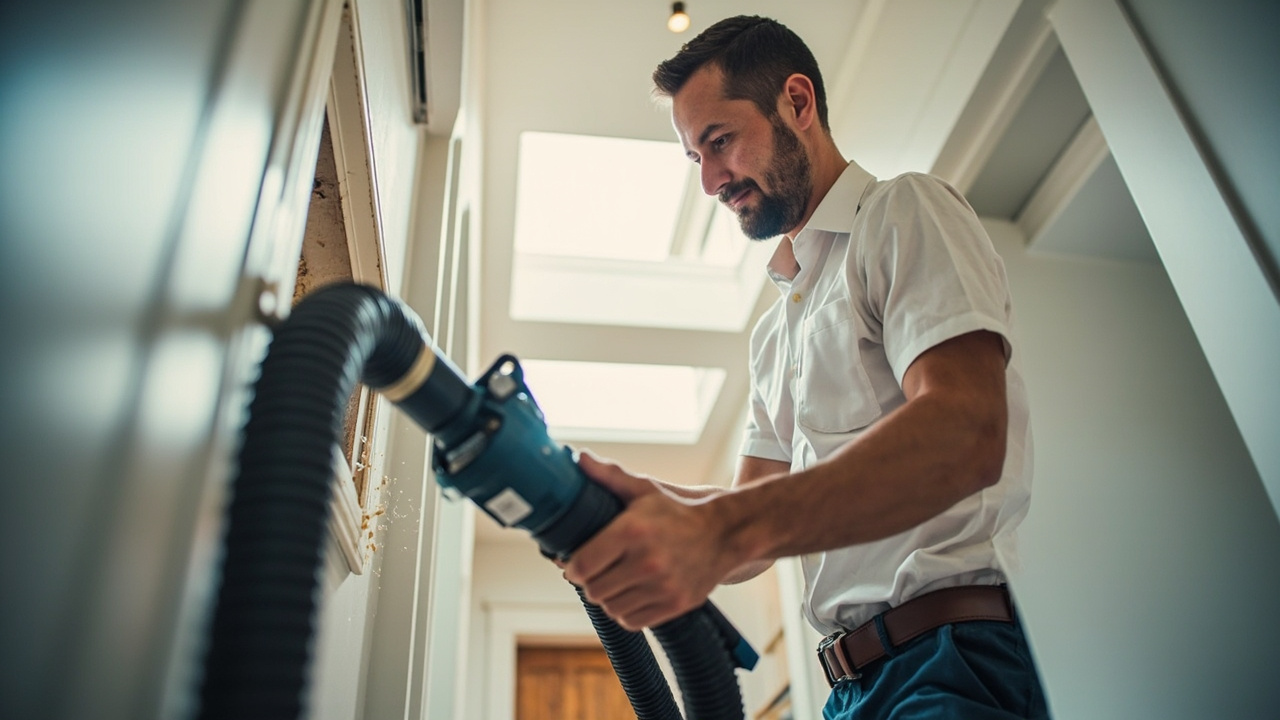
Philadelphia experiences 50 to 60 inches of precipitation annually, with summer humidity regularly exceeding 70 percent. This moisture infiltrates duct systems through leaky return air pathways, condensation on cold supply ducts, and humid air pulled in during cooling cycles. Once inside, it combines with organic debris to create mold colonies on duct interiors. The freeze-thaw cycle compounds the problem. When outdoor temperatures swing 40 degrees in 24 hours during spring and fall, condensation forms inside ducts as temperatures fluctuate. This repeated wetting and drying creates ideal conditions for dust mites and bacterial growth that mechanical filtration cannot address.
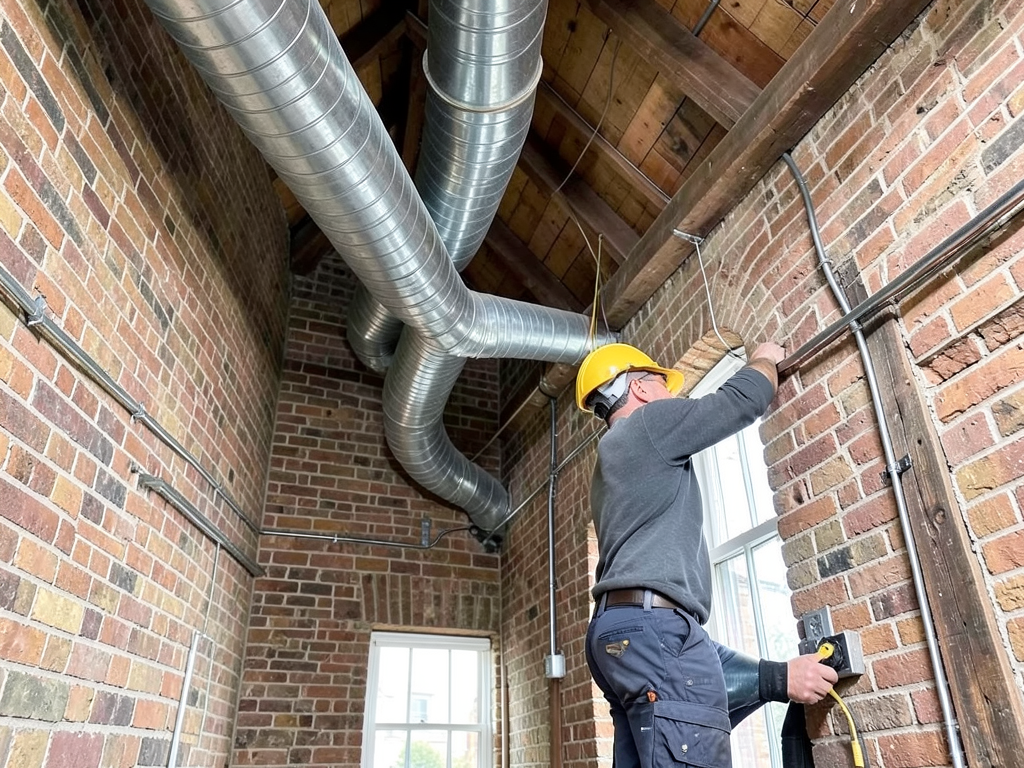
Philadelphia enforces strict indoor air quality standards for commercial buildings under the International Mechanical Code as adopted by the Department of Licenses and Inspections. Residential properties are not subject to the same requirements, but homeowners insurance policies increasingly ask about HVAC maintenance history when processing mold-related claims. Elite HVAC Philadelphia maintains relationships with local inspectors and understands how duct cleaning intersects with renovation permits, especially in historic districts like Society Hill where alterations require approval. Choosing a local contractor ensures compliance with Philadelphia-specific regulations that out-of-state companies often miss.