



Menu

Energy Saving Tips for Summer in Philadelphia – Cut Your Cooling Costs Without Sacrificing Comfort

Philadelphia homeowners waste hundreds of dollars each summer fighting the heat with outdated cooling strategies. Learn proven energy saving tips for summer that reduce air conditioning bills while keeping your home comfortable through the city's hottest months.

Slider Image 1
Slider Image 2
Slider Image 3
Slider Image 4
Slider Image 5
Slider Image 7
Slider Image 8
Slider Image 9
Slider Image 10
Slider Image 11

Why Philadelphia Summers Drive Energy Bills Through the Roof

Philadelphia's summer climate creates a perfect storm for high energy costs. The combination of high humidity, temperatures regularly hitting 90 degrees, and older housing stock in neighborhoods like Queen Village and Fishtown means your air conditioner works overtime just to maintain comfort.

The city's historic row homes and vintage construction were built before modern insulation standards existed. Single-pane windows, minimal attic ventilation, and aging HVAC systems force your equipment to cycle constantly. Each degree you drop the thermostat adds roughly 3% to your cooling costs. Over a typical Philadelphia summer, that translates to significant waste.

Most residents focus only on thermostat settings when reducing air conditioning bills. They ignore the bigger picture. Your cooling system efficiency depends on multiple factors working together. Air flow, insulation quality, equipment condition, and even outdoor unit placement all impact how hard your system works.

TheRowHome effect amplifies these challenges. Shared walls trap heat differently than detached homes. Roof exposure in end units creates additional solar gain. Basement humidity migrates upward. These Philadelphia-specific conditions require tailored approaches to lowering summer utility costs.

Understanding ways to lower cooling costs starts with recognizing how your home loses conditioned air and gains unwanted heat. The solutions are not complicated, but they must address your specific situation. Generic advice fails because it ignores local building types and climate patterns that define summer energy efficiency ideas for this region.

Why Philadelphia Summers Drive Energy Bills Through the Roof
How Strategic HVAC Management Cuts Summer Energy Waste

How Strategic HVAC Management Cuts Summer Energy Waste

Effective summer energy efficiency starts with your cooling system's operating conditions. Your air conditioner's SEER rating means nothing if airflow is restricted or refrigerant charge is incorrect. A system running 15% low on refrigerant can increase operating costs by 20% while delivering reduced cooling capacity.

Start by addressing the supply side. Dirty evaporator coils act as insulators, reducing heat transfer efficiency. When your indoor coil cannot absorb heat effectively, the compressor runs longer cycles to achieve the same temperature drop. This extended runtime directly increases electricity consumption.

Filter maintenance is critical but often misunderstood. A standard 1-inch pleated filter should be changed monthly during cooling season. Higher MERV ratings increase dust capture but also increase static pressure. If your system was not designed for MERV 13 filters, you are reducing airflow and forcing the blower motor to work harder. This creates a false economy where you pay more to move less air.

Condenser coil cleaning often gets ignored because the outdoor unit looks fine from a distance. Philadelphia's urban environment deposits a film of exhaust particulate, pollen, and cottonwood debris on the coil fins. This coating reduces heat rejection capacity. Your system must run longer to dump the same amount of heat outdoors.

Refrigerant pressures tell the real story about system efficiency. Subcooling and superheat measurements reveal whether your system is operating at design specifications. A technician who checks only if the system "blows cold" misses inefficiencies that cost you money every time the compressor cycles.

Ductwork condition matters more than most homeowners realize. A 15% duct leakage rate is common in older Philadelphia homes. You are paying to cool your attic or basement instead of living spaces. Mastic seal and proper insulation on supply ducts recovers this lost capacity.

Your Three-Phase Summer Efficiency Improvement Plan

Energy Saving Tips for Summer in Philadelphia – Cut Your Cooling Costs Without Sacrificing Comfort
01

System Performance Assessment

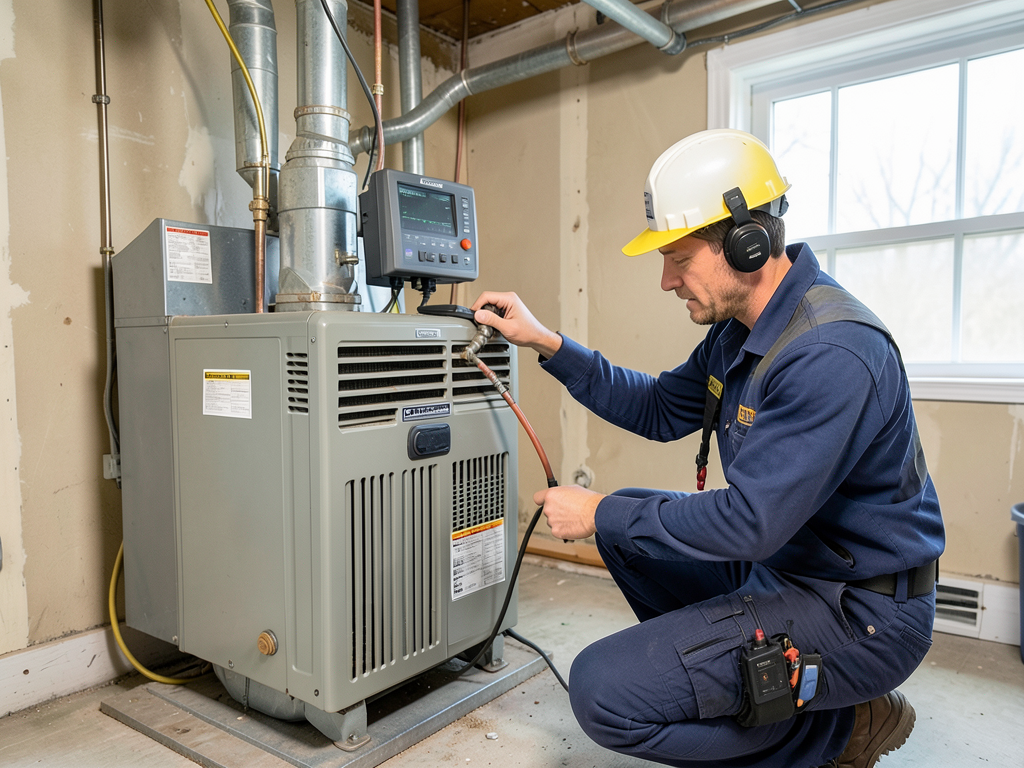
We start by measuring actual system performance, not guessing. Static pressure readings across the air handler, refrigerant charge verification, and amperage draw on the compressor establish your baseline efficiency. Infrared scanning identifies duct leakage and insulation gaps. This data shows exactly where energy waste occurs in your specific home and equipment configuration.
02

Targeted Efficiency Corrections

Based on the assessment findings, we address the highest-impact issues first. Coil cleaning, refrigerant charge correction, and airflow optimization deliver immediate measurable improvements. We focus on fixes that reduce runtime and improve heat transfer. Each correction is verified with before and after measurements so you see the actual performance gain, not marketing promises.
03

Ongoing Optimization Strategy

Summer efficiency requires ongoing attention, not one-time fixes. We establish a monitoring schedule that tracks system performance through the cooling season. Filter change reminders, seasonal tune-ups, and early detection of developing issues keep your system operating at peak efficiency. You avoid the performance degradation that typically occurs as the summer progresses and equipment works harder.

Why Elite HVAC Philadelphia Understands Local Cooling Challenges

Philadelphia's housing stock requires specific knowledge that out-of-town contractors lack. We work with the reality of 100-year-old row homes, mid-century twins, and modern construction across neighborhoods from Society Hill to Roxborough. Each building type presents different efficiency challenges.

Historic district homes face unique constraints. You cannot always upgrade windows or modify exterior appearance. We focus on what you can control: system efficiency, internal air sealing, and strategic ventilation management. Our approach respects preservation requirements while delivering real utility cost reductions.

We understand Philadelphia's cooling degree day patterns. The city averages 1,100 cooling degree days annually, concentrated in July and August. Your system must handle both the peak load days when temperatures hit 95 degrees and the shoulder season days when partial cooling is more efficient than full capacity operation.

Local utility rate structures matter. PECO's tiered summer rates mean your marginal cost per kilowatt-hour increases as consumption rises. Reducing peak usage delivers disproportionate savings. We help you understand when your system consumes the most energy and how to flatten that demand curve through smart thermostat programming and load management.

Our technicians live in the neighborhoods we serve. We see the same summer heat you experience. We pay the same utility rates. This shared experience informs our recommendations. We suggest solutions we would implement in our own homes, not upsells that pad invoices.

Building code knowledge specific to Philadelphia matters for any HVAC modification work. Permit requirements, inspection protocols, and required equipment specifications differ from surrounding counties. We navigate these requirements correctly the first time, avoiding the delays and complications that occur when contractors treat all locations identically.

What You Can Expect From Our Summer Efficiency Service

Fast Assessment and Action

We schedule comprehensive efficiency assessments within 48 hours of your call. The evaluation takes 90 minutes to two hours depending on system complexity and home size. You receive a written report the same day detailing measured performance issues and prioritized recommendations. Critical efficiency repairs like refrigerant charge correction or coil cleaning can often be completed during the initial visit if you choose to proceed immediately. We stock common parts and cleaning equipment on every service vehicle.

Detailed Performance Documentation

Every assessment includes measured data, not subjective opinions. You get actual static pressure readings, refrigerant subcooling and superheat values, amperage draw measurements, and supply air temperature documentation. We photograph coil condition and use thermal imaging to show heat loss patterns. This documentation provides proof of existing conditions and establishes the baseline for measuring improvement after corrections are made. You understand exactly what is wrong and why it costs you money.

Measurable Performance Improvements

After implementing efficiency corrections, we re-measure system performance to verify improvement. You see the difference in runtime reduction, temperature differential improvement, and amperage draw changes. We provide estimated annual savings based on your actual usage patterns and local utility rates. The goal is measurable reduction in cooling costs while maintaining or improving comfort. We track results through the summer so you can verify the actual impact on your utility bills.

Seasonal Maintenance Planning

Summer efficiency requires ongoing attention as equipment operates under continuous load. We establish a maintenance schedule that addresses filter changes, condensate drain clearing, and outdoor coil washing at appropriate intervals. You receive reminders before service is due. Pre-season tune-ups in late April prepare your system for peak summer demand. Mid-season checks in July catch developing issues before they cause failures during heat waves. This preventive approach maintains efficiency gains throughout the cooling season and extends equipment life.

Frequently Asked Questions

You Have Questions,
We Have Answers

How can we save energy in summer? +

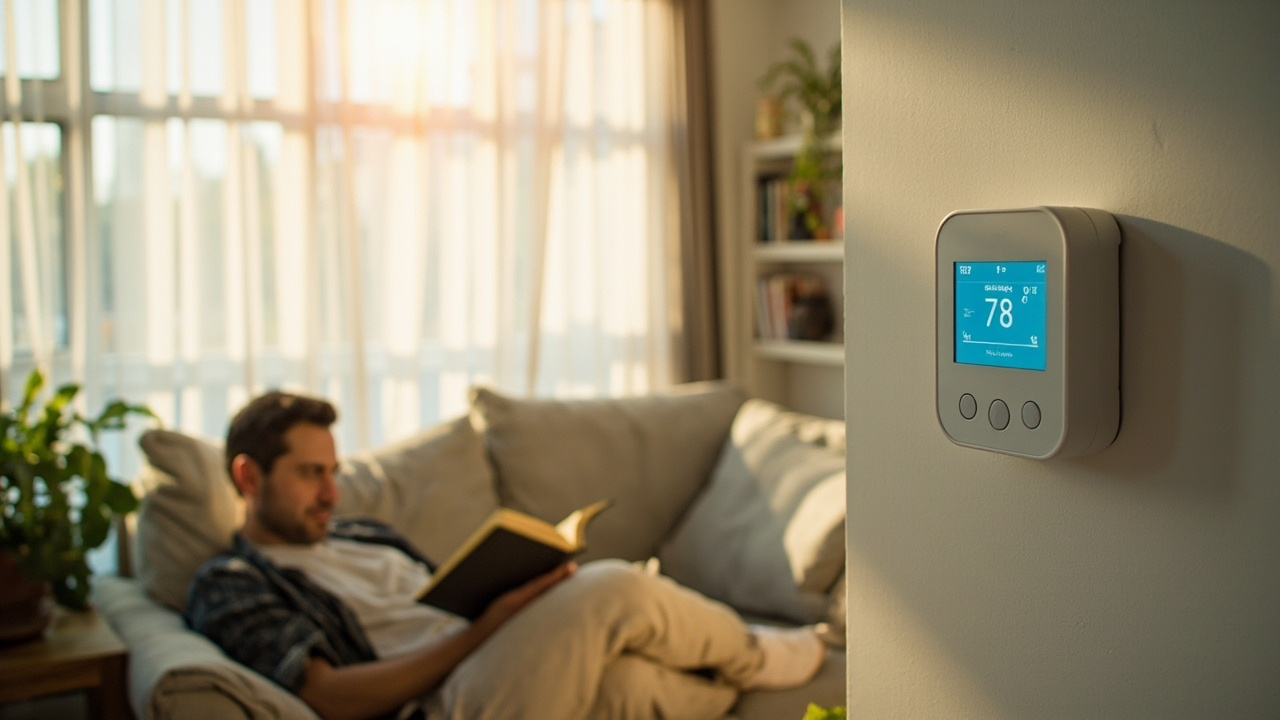
You save energy in summer by maintaining your AC system, sealing air leaks, and using cooling strategically. Clean or replace filters monthly to improve airflow. Set your thermostat to 78 degrees when home and higher when away. Close blinds during peak sun hours to reduce heat gain. Run ceiling fans counterclockwise to push cool air down. In Philadelphia's humid summers, a programmable thermostat helps manage both temperature and moisture levels without wasting electricity. Seal gaps around windows and doors to prevent cool air from escaping. Schedule annual AC tune-ups before the heat arrives to ensure your system runs efficiently all season.

What are the 5 P's of energy conservation? +

The 5 P's of energy conservation are Plan, Perform, People, Process, and Persist. Plan means setting clear energy goals for your home or business. Perform involves taking action like upgrading equipment or changing habits. People refers to getting everyone in your household on board with conservation efforts. Process means establishing routines that reduce waste, like shutting off lights or adjusting thermostats. Persist is the commitment to maintain these habits long-term. In Philadelphia homes, applying the 5 P's during humid summers can significantly reduce cooling costs. Start with a plan to audit your current energy use, then implement changes systematically.

Does keeping the AC at 72 save money? +

Keeping your AC at 72 degrees does not save money compared to higher settings. Every degree below 78 increases your cooling costs by roughly 3 to 5 percent. In Philadelphia's summer heat, setting your thermostat to 78 when home and 82 or higher when away reduces strain on your system and cuts utility bills. The 72-degree setting forces your AC to run longer cycles, using more electricity. If 78 feels uncomfortable, use ceiling fans to create a wind chill effect. You can feel cooler without dropping the temperature. Programmable thermostats help automate these adjustments for maximum savings.

What runs your electric bill up the most? +

Air conditioning runs your electric bill up the most during summer months, especially in Philadelphia's hot, humid climate. Cooling accounts for nearly half of residential energy use from June through August. Older, inefficient AC units or systems with dirty filters work harder and consume more power. Water heaters rank second, followed by washers, dryers, and refrigerators. Poor insulation and air leaks force your AC to cycle more frequently, compounding costs. Leaving lights on, running multiple electronics, and using heat-generating appliances during peak hours also drive bills higher. Addressing AC efficiency first delivers the biggest impact on your monthly expenses.

Is 72 a good temperature for AC in the summer? +

72 degrees is cooler than necessary for summer AC use and increases your energy costs. The recommended setting is 78 degrees when you are home and awake. This temperature balances comfort with efficiency, particularly in Philadelphia where humidity can make indoor spaces feel warmer. If 78 feels too warm, improve comfort with ceiling fans, which use far less electricity than lowering the thermostat. Keep your system maintained with clean filters and proper airflow. At night, you can raise the setting further or use windows when outdoor temperatures drop. Small adjustments add up to significant savings over a full cooling season.

What are 5 energy-saving tips? +

Five energy-saving tips include raising your thermostat to 78 degrees, using ceiling fans to improve air circulation, sealing air leaks around doors and windows, closing blinds during peak sun hours, and scheduling annual AC maintenance. In Philadelphia homes, these actions reduce cooling demand during humid summer months. Replace air filters monthly to maintain airflow. Run heat-generating appliances like ovens and dryers during cooler morning or evening hours. Switch to LED bulbs, which produce less heat than incandescent lighting. Unplug electronics when not in use to eliminate phantom power draw. These simple changes lower your electric bill without sacrificing comfort.

What are 8 ways to save energy? +

Eight ways to save energy include setting your thermostat to 78 degrees, using programmable thermostats, sealing ductwork leaks, replacing air filters monthly, closing blinds during peak sun, running ceiling fans, upgrading to ENERGY STAR appliances, and scheduling AC tune-ups. In Philadelphia's climate, focus on managing humidity with proper ventilation. Avoid using ovens during the hottest hours. Wash clothes in cold water and air-dry when possible. Turn off lights in empty rooms. Unplug chargers and electronics that draw standby power. Insulate your attic to prevent heat transfer. Use kitchen and bathroom exhaust fans to remove excess heat and moisture efficiently.

What are 10 examples of conservation of energy? +

Ten examples of energy conservation include raising thermostat settings, using LED lighting, unplugging idle electronics, air-sealing your home, installing a programmable thermostat, using ceiling fans, maintaining your AC system, upgrading insulation, closing blinds during peak sun, and running appliances during off-peak hours. In Philadelphia, focus on reducing cooling loads during humid summers. Replace old appliances with ENERGY STAR models. Use cold water for laundry. Turn off computers and monitors when not in use. Plant shade trees on south and west sides of your property. Use microwaves instead of ovens. These actions reduce electricity demand and lower monthly utility costs year-round.

What are 10 ways to conserve resources? +

Ten ways to conserve resources include reducing AC use by raising thermostat settings, fixing leaks promptly, using water-efficient fixtures, recycling materials, composting organic waste, choosing reusable products, reducing single-use plastics, maintaining appliances for longer life, upgrading to efficient HVAC systems, and using native landscaping that requires less water. In Philadelphia homes, proper AC maintenance extends equipment life and reduces waste. Seal ducts to prevent conditioned air loss. Install low-flow showerheads to reduce hot water demand. Use a programmable thermostat to avoid overcooling. Buy durable products that last longer. These practices conserve energy, water, and materials while lowering your environmental impact.

What is the $5000 AC rule? +

The $5000 AC rule is an informal guideline suggesting that if your AC repair cost multiplied by the system's age in years exceeds $5000, you should replace the unit instead of repairing it. For example, a $500 repair on a 12-year-old system equals $6000, indicating replacement makes better financial sense. This rule helps Philadelphia homeowners decide between repair and replacement when facing major AC failures. Older systems use less efficient refrigerants and technology. New units offer better energy efficiency, reducing monthly bills. Consider additional factors like frequent breakdowns, rising energy costs, and available rebates when making your decision.

How Philadelphia's Urban Heat Island Effect Increases Your Cooling Costs

Philadelphia's dense urban core experiences temperatures 5 to 7 degrees higher than surrounding suburbs during summer heat waves. Concrete, asphalt, and brick absorb and re-radiate heat throughout the night, preventing the evening temperature drop that reduces cooling loads. Neighborhoods like Center City and University City face the most severe heat island effect. Your air conditioner never gets the nighttime relief that allows the system to recover. This continuous load increases runtime and accelerates wear on compressor components. Reducing air conditioning bills in Philadelphia requires strategies that address this extended cooling demand, not just peak afternoon temperatures.

Philadelphia's aging infrastructure and diverse housing stock require local expertise for effective energy efficiency improvements. Elite HVAC Philadelphia has worked with every building type from Federal-era row homes in Old City to post-war ranches in the Northeast. We understand the specific challenges each construction style presents. Our technicians are familiar with the ductwork configurations common in Philadelphia homes, the typical placement of equipment in tight basements, and the access limitations created by finished spaces. This local knowledge ensures we can implement practical solutions that work within your home's constraints and deliver real summer utility cost reductions.
HVAC Services in The Philadelphia Area

Come visit our office or explore our extensive service area on the map below. Elite HVAC proudly serves residential and commercial clients across Philadelphia, ensuring prompt and reliable heating, ventilation, and air conditioning solutions wherever you are. Whether you need an emergency repair or a new installation, we’re strategically located to provide quick and efficient service right to your doorstep, ensuring your comfort is never compromised.

Address:
Elite HVAC Philadelphia, 2231 E Ontario St, Philadelphia, PA, 19134

Additional Services We Offer

Our news updates

Latest Articles & News from The Blogs

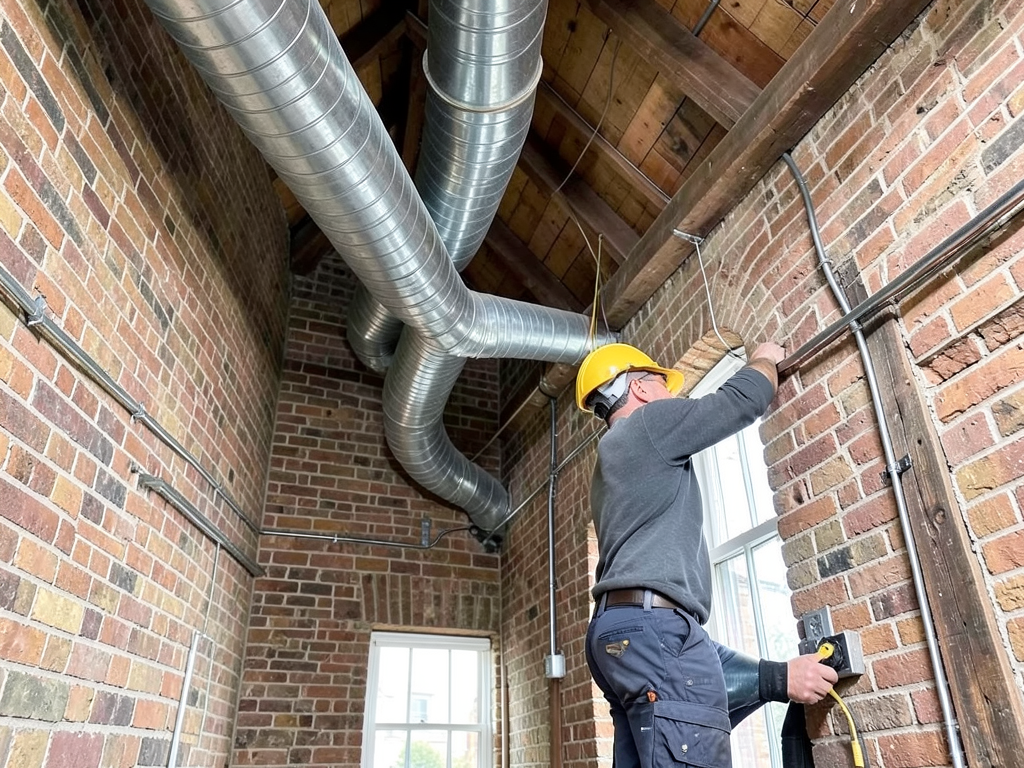
Creative Ways to Hide HVAC Ductwork in a High Ceiling South Kensington Loft Living in a South Kensington loft means…

Creative Ways to Hide HVAC Ductwork in a High Ceiling South Kensington Loft

Creative Ways to Hide HVAC Ductwork in a High Ceiling South Kensington Loft Living in a South Kensington loft means…

Picking a Whisper Quiet Heat Pump for Small Backyards in Haddington

Picking a Whisper Quiet Heat Pump for Small Backyards in Haddington Living in Haddington means dealing with tight backyard spaces…

Should You Keep Repairing or Just Replace That 15 Year Old Furnace in Your Bustleton Split Level Home

Should You Keep Repairing or Just Replace That 15 Year Old Furnace in Your Bustleton Split Level Home Your 15-year-old…

Contact Us

Schedule your summer efficiency assessment today and start seeing lower utility bills within days. Call Elite HVAC Philadelphia at (215) 610-9099 to book your evaluation. We will measure your system's current performance and show you exactly where energy waste occurs in your home.