Menu

Heat Pump vs. Furnace Guide in Philadelphia – Get the Straight Facts on Efficiency, Cost, and Climate Fit

Our Heat Pump vs. Furnace Guide breaks down how each system handles Philadelphia's humid summers and cold winters, so you can make the right heating choice for your home without regret.

Slider Image 1
Slider Image 2
Slider Image 3
Slider Image 4
Slider Image 5
Slider Image 7
Slider Image 8
Slider Image 9
Slider Image 10
Slider Image 11

Why Philadelphia Homeowners Struggle with the Heat Pump vs Furnace Decision

Philadelphia's climate sits in a tricky zone. You face humid 90-degree summers and winters that dip into the teens. This swing makes the heat pump vs furnace comparison more complicated than it is in milder regions.

A gas furnace burns natural gas to create heat. It works in any temperature. It's been the default in Philadelphia row homes and older neighborhoods for decades. You know it works when the temperature drops to 10 degrees in January.

A heat pump moves heat instead of creating it. It pulls warmth from outdoor air and transfers it inside during winter. In summer, it reverses and acts like an air conditioner. The difference between heat pump and furnace comes down to fuel source and method. Heat pumps run on electricity. Furnaces typically use gas.

The heat pump or furnace question gets harder in Philadelphia because of our freeze-thaw cycles. Older heat pump models lost efficiency below 32 degrees. Newer cold-climate heat pumps work down to negative temperatures, but they cost more upfront.

Your home's insulation, ductwork condition, and current fuel type all affect which system makes sense. A poorly insulated brick rowhome with gas service already in place leans toward a furnace. A well-sealed home with no gas line and high electric efficiency leans toward a heat pump.

The heat pump vs furnace pros and cons shift based on your energy costs, upgrade budget, and how long you plan to stay in the house. Philadelphia's PECO electric rates and PGW gas rates move independently. What saves money today may not save money in five years.

The heat pump vs gas furnace decision is not one-size-fits-all. You need to run the numbers for your specific home and usage pattern.

Why Philadelphia Homeowners Struggle with the Heat Pump vs Furnace Decision
How Each System Actually Works in Real Philadelphia Conditions

How Each System Actually Works in Real Philadelphia Conditions

A gas furnace uses a burner assembly, heat exchanger, and blower motor. Natural gas ignites in the combustion chamber. The heat exchanger transfers that heat to air without mixing combustion gases into your ductwork. The blower pushes warm air through your ducts. Exhaust gases vent outside through a flue pipe.

Modern furnaces have AFUE ratings between 80 and 98 percent. AFUE measures how much fuel converts to usable heat. A 95 AFUE furnace turns 95 cents of every gas dollar into heat. The other 5 cents goes up the flue.

A heat pump uses a compressor, refrigerant, and reversing valve. In heating mode, the outdoor coil absorbs heat from outside air. The refrigerant carries that heat to the indoor coil. The indoor coil releases the heat into your home. In cooling mode, the process reverses.

Heat pumps have HSPF and SEER ratings. HSPF measures heating efficiency. SEER measures cooling efficiency. A good cold-climate heat pump has an HSPF above 10 and SEER above 16.

The key technical difference is backup heat. Most heat pumps in Philadelphia include electric resistance strips for when outdoor temps drop below the unit's balance point. These strips use straight electric heat, which costs more to run than the heat pump's normal operation. A dual-fuel system pairs a heat pump with a gas furnace for backup, giving you the best of both worlds.

Ductwork condition matters more with heat pumps. Heat pumps move air at lower temperatures than furnaces, so leaky ducts feel colder. You need sealed ducts and proper airflow to get rated efficiency.

Installation complexity depends on your existing setup. Swapping a gas furnace for another gas furnace is straightforward. Adding a heat pump when you have no cooling system requires new refrigerant lines, electrical upgrades, and often a new breaker panel.

How to Evaluate Which System Fits Your Philadelphia Home

Heat Pump vs. Furnace Guide in Philadelphia – Get the Straight Facts on Efficiency, Cost, and Climate Fit
01

Assess Your Current System

Start by identifying what you have now. Check your utility bills to see if you use gas or electric heat. Look at your outdoor unit. If you have central air conditioning, you already have half the infrastructure for a heat pump. Measure your home's square footage and insulation quality. Poor insulation makes any heating system work harder and increases operating cost regardless of fuel type.
02

Calculate Operating Costs

Pull your last 12 months of PECO electric bills and PGW gas bills if applicable. Calculate your cost per therm of gas and cost per kilowatt-hour of electricity. A heat pump uses roughly 3 kilowatt-hours to produce the same heat as one therm of gas. Multiply your electric rate by 3 and compare it to your gas rate. This comparison shows which fuel costs less to run in your specific situation.
03

Factor in Upfront Investment

High-efficiency gas furnaces and cold-climate heat pumps have similar installed costs when you account for ductwork and electrical. Heat pumps qualify for federal tax credits and sometimes state rebates. Gas furnaces do not. Include these incentives in your payback calculation. If you need air conditioning and heating, a heat pump does both jobs with one system, which changes the cost comparison significantly.

Why Elite HVAC Philadelphia Gives You Unbiased Heating Recommendations

We install both systems every week across Philadelphia, from Fishtown rowhomes to Chestnut Hill single-family houses. We do not push one technology over the other. Our recommendation depends on your home's specific conditions and your financial priorities.

Philadelphia has unique housing stock. Many homes were built before central heating standards. You see cast iron radiators, baseboard hot water, and ductwork added decades after construction. We account for these factors when sizing equipment. A system sized wrong costs more to run and breaks down faster.

We pull permits and follow the Philadelphia Department of Licenses and Inspections code requirements. Gas furnace installations require proper combustion air, flue sizing, and carbon monoxide detection. Heat pump installations require electrical load calculations and refrigerant line inspection. Cutting corners on either system creates safety risks and efficiency losses.

Our technicians hold EPA 608 certification for refrigerant handling and NATE certification for system installation. We stay current on cold-climate heat pump technology because the equipment changes fast. Five years ago, heat pumps struggled in Philadelphia winters. Today's variable-speed inverter-driven models perform well into single-digit temperatures.

We give you a load calculation using Manual J software. This calculation factors in your home's insulation, window quality, air leakage, and orientation. It determines the correct system size in BTUs. Oversized systems short-cycle and waste energy. Undersized systems run constantly and never reach comfort.

You get a written estimate showing equipment model numbers, AFUE or HSPF ratings, and installed cost. We break out ductwork modifications, electrical upgrades, and permit fees separately so you see exactly where your money goes.

We service both systems after installation. Our maintenance plans include annual inspections, filter changes, and priority scheduling during breakdowns. We know the systems we install and keep parts in stock for common repairs.


What to Expect When Choosing Between a Heat Pump and Furnace

Decision Timeline and Consultation Process

Schedule an in-home assessment. We measure your home, inspect your ductwork, check your electrical panel, and review your utility bills. This visit takes about 90 minutes. We provide a written comparison showing operating costs, installation costs, and payback period for both a high-efficiency furnace and a cold-climate heat pump. You get model numbers and efficiency ratings for each option. Most homeowners make a decision within a week after reviewing the numbers and discussing financing options.

Installation Day and System Commissioning

Furnace installation takes one day for most homes. Heat pump installation takes one to two days depending on electrical work and refrigerant line routing. We protect your floors, remove the old equipment, and install the new system to manufacturer specifications. We test airflow, check refrigerant charge on heat pumps, verify gas pressure on furnaces, and calibrate the thermostat. You get a walkthrough showing how to operate the system and change filters. We leave you with the owner's manual and warranty registration.

Performance and Comfort Results

A properly sized and installed system maintains consistent temperature without hot or cold spots. Gas furnaces deliver air at 120 to 140 degrees, which feels very warm at the register. Heat pumps deliver air at 90 to 110 degrees, which feels cooler but still heats the home effectively. You notice lower noise levels with variable-speed equipment compared to old single-stage systems. Your utility bills reflect the efficiency difference within the first full month of operation. Cold-climate heat pumps reduce electric heating costs compared to resistance heat or oil furnaces.

Ongoing Maintenance and Lifespan Expectations

Gas furnaces need annual combustion analysis and heat exchanger inspection. Heat pumps need refrigerant level checks and coil cleaning twice per year because they run year-round. Both systems benefit from quarterly filter changes if you have pets or allergies. A well-maintained gas furnace lasts 15 to 20 years. A well-maintained heat pump lasts 12 to 15 years. Manufacturer warranties cover parts for 5 to 10 years depending on model and registration. We offer extended labor warranties and maintenance plans that include priority service and discounted repairs.

Frequently Asked Questions

You Have Questions,
We Have Answers

How Philadelphia's Humid Summers and Variable Winters Affect Heat Pump Performance

Philadelphia sits in ASHRAE climate zone 4A, which means hot humid summers and cold winters. This combination makes heat pump efficiency vary more than it does in milder climates. Summer humidity puts extra load on the cooling side, which affects SEER ratings in real-world operation. Winter temperatures below 25 degrees trigger backup heat on older models. Cold-climate heat pumps with variable-speed compressors and enhanced vapor injection handle Philadelphia winters better because they extract heat efficiently down to 5 degrees. The freeze-thaw cycle we experience also stresses outdoor coils. Ice buildup triggers defrost cycles, which temporarily reverses the system and reduces heating output. This is normal operation, but it affects perceived comfort during extreme cold snaps.

HVAC Services in The Philadelphia Area

Come visit our office or explore our extensive service area on the map below. Elite HVAC proudly serves residential and commercial clients across Philadelphia, ensuring prompt and reliable heating, ventilation, and air conditioning solutions wherever you are. Whether you need an emergency repair or a new installation, we’re strategically located to provide quick and efficient service right to your doorstep, ensuring your comfort is never compromised.

Address:
Elite HVAC Philadelphia, 2231 E Ontario St, Philadelphia, PA, 19134

Additional Services We Offer

Our news updates

Latest Articles & News from The Blogs

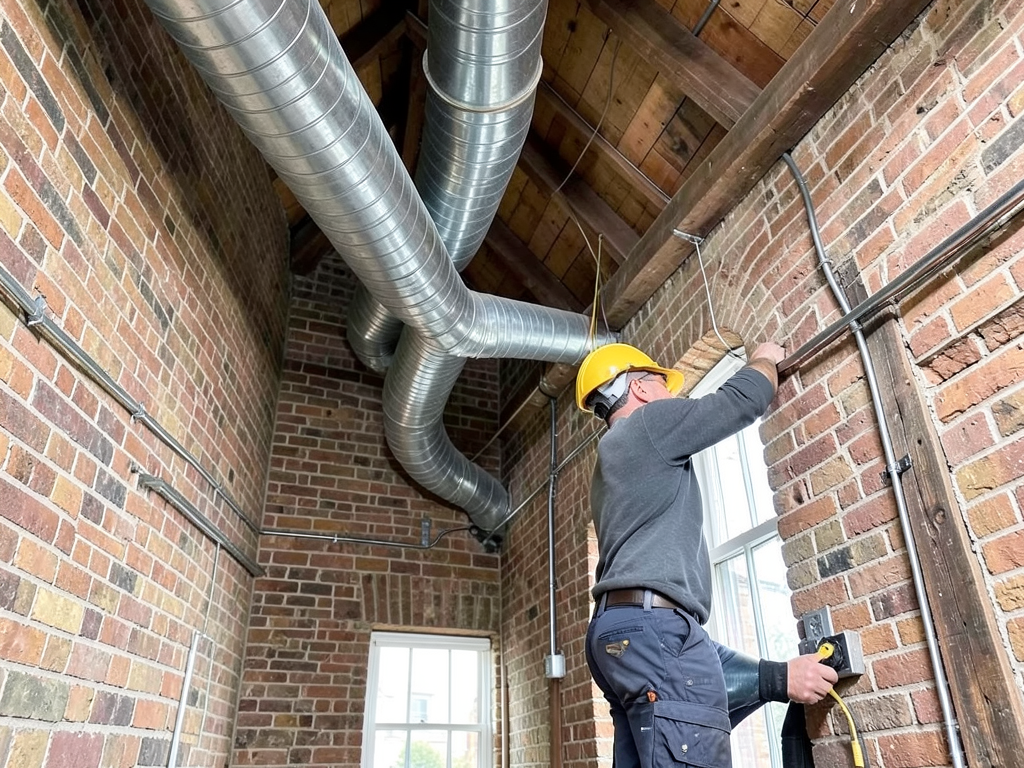
Creative Ways to Hide HVAC Ductwork in a High Ceiling South Kensington Loft Living in a South Kensington loft means…

Creative Ways to Hide HVAC Ductwork in a High Ceiling South Kensington Loft

Creative Ways to Hide HVAC Ductwork in a High Ceiling South Kensington Loft Living in a South Kensington loft means…

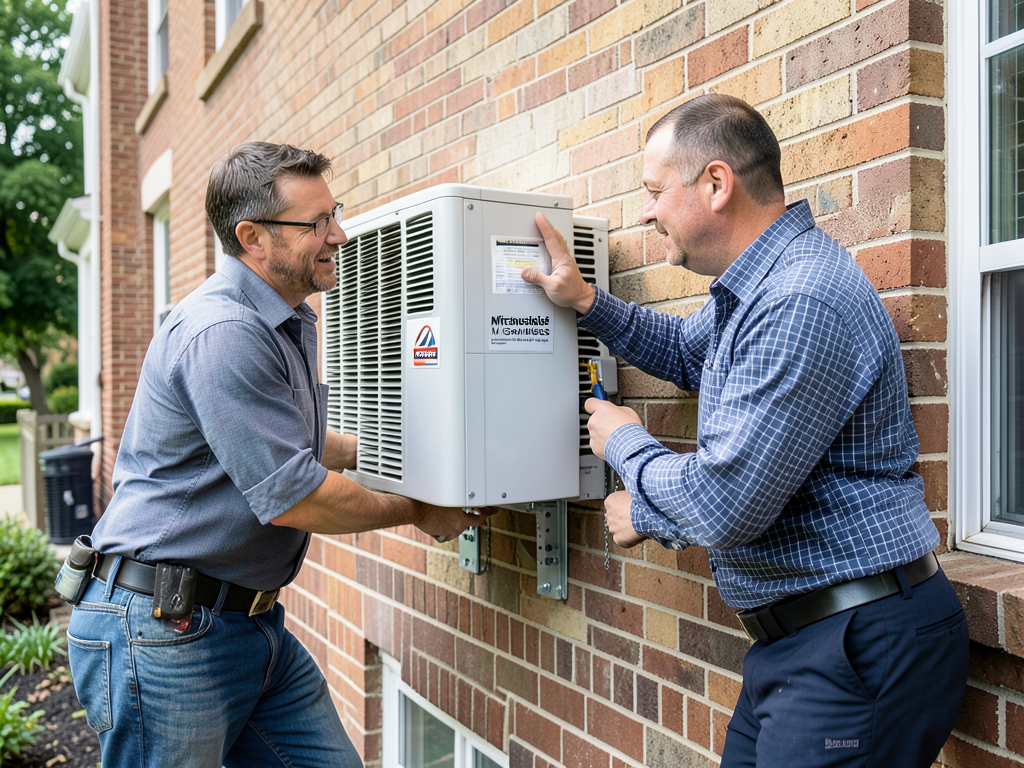
Picking a Whisper Quiet Heat Pump for Small Backyards in Haddington

Picking a Whisper Quiet Heat Pump for Small Backyards in Haddington Living in Haddington means dealing with tight backyard spaces…

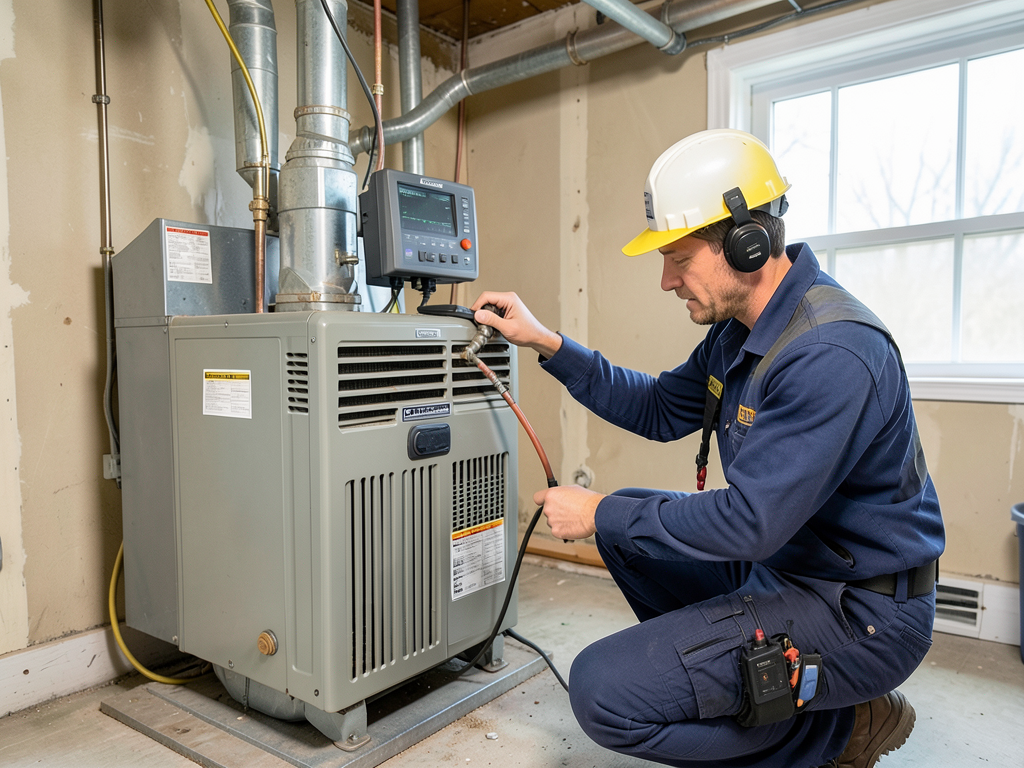
Should You Keep Repairing or Just Replace That 15 Year Old Furnace in Your Bustleton Split Level Home

Should You Keep Repairing or Just Replace That 15 Year Old Furnace in Your Bustleton Split Level Home Your 15-year-old…

Contact Us

Call Elite HVAC Philadelphia at (215) 610-9099 for an honest comparison based on your home and your bills. We show you the numbers and let you decide. No pressure, just facts.