
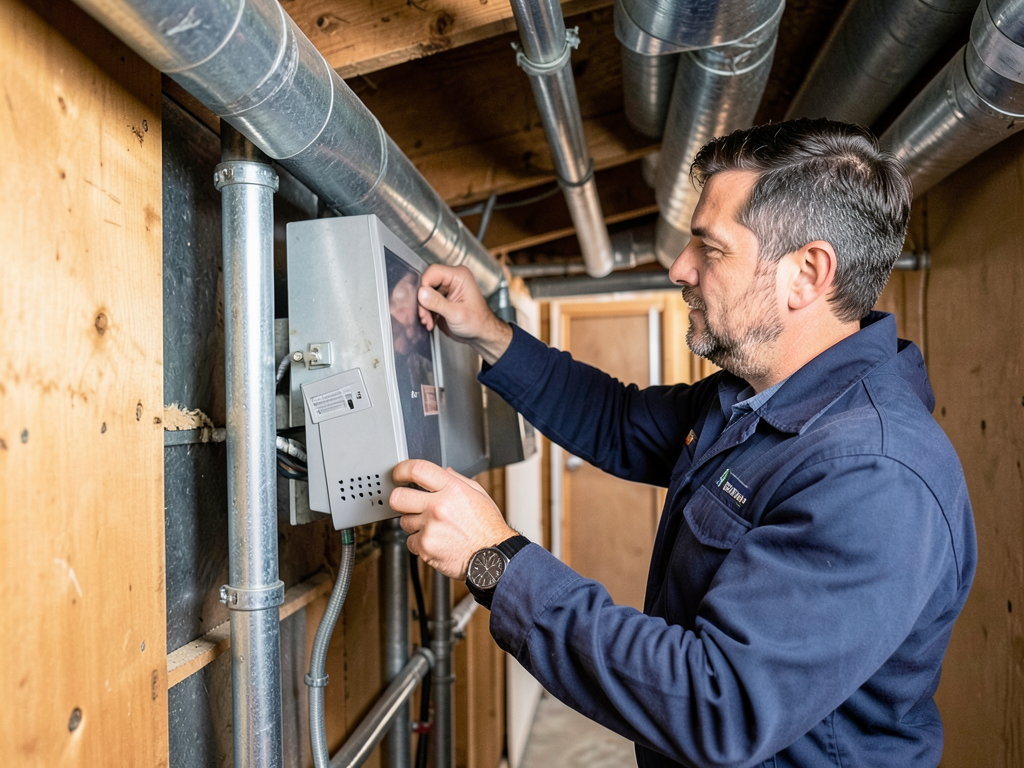
How HVAC Zoning Can Finally Cool Down the Third Floor of Your Society Hill Rowhome
The third floor of your Society Hill rowhome feels like a sauna while the first floor is freezing. This is not just uncomfortable it is a physics problem that standard single-thermostat systems cannot solve. Heat naturally rises through your narrow rowhome creating what HVAC technicians call the stack effect. Without zoning your system runs until the first floor is cold leaving the third floor scorching hot.. Read more about Custom Radiant Floor Heating for Historic Society Hill Renovations.
Philadelphia rowhomes built in the early 1900s were not designed with modern HVAC in mind. Many have limited ductwork running through shared party walls making traditional zoning installation challenging. The good news is that modern zoning technology can retrofit into these historic structures without destroying original plaster or requiring major renovations. Philadelphia Historical Commission.
Call (215) 610-9099 today to schedule your inspection and stop wasting energy cooling empty rooms.. Read more about Smart Heating and Cooling Solutions for Narrow Manayunk and Roxborough Rowhouses.
How HVAC Zoning Works in Narrow Spaces
Zoning divides your home into separate temperature-controlled areas using motorized dampers installed in your existing ductwork. Each zone has its own thermostat allowing independent temperature control. In a typical Society Hill rowhome you would create three zones basement/main floor second floor and third floor.. Read more about Keeping Your Pennsport Rowhome Cooler with a Solar Powered Attic Fan.
The system uses a zone controller that communicates with all thermostats and dampers. When the third-floor thermostat calls for cooling only the dampers serving that zone open directing conditioned air exactly where needed. This prevents the third floor from becoming an oven while the rest of your home stays comfortable. Weak Airflow from Vents.
Modern zoning systems integrate with smart thermostats like Ecobee or Nest giving you smartphone control over each zone. You can schedule different temperatures for different floors based on your family’s routine cooler bedrooms at night warmer living areas during the day.
Top 3 Zoning Options for Philly Homeowners
Traditional Ducted Zoning uses your existing ductwork with added motorized dampers. This works well if your system has adequate return air capacity and does not require major structural modifications. Installation typically takes 1-2 days and costs less than complete system replacement.
Ductless Mini-Split Integration offers the best solution for older brick rowhomes with limited ductwork. These systems use individual air handlers mounted on walls or ceilings eliminating the need for extensive duct modifications. Each indoor unit operates independently creating natural zoning without complex controls.. Read more about Finding the Perfect AC Solution for the Tiny Footprint of a Philadelphia Trinity House.
Hybrid Systems combine ducted and ductless approaches. Keep your existing ductwork for the first two floors while adding mini-splits for the third floor. This provides the most flexibility and often delivers the best energy efficiency for Philadelphia’s climate. HVAC Philadelphia.
The Installation Process What to Expect
Professional zoning installation starts with a detailed load calculation using Manual J methodology. This determines exactly how much cooling each zone needs based on square footage insulation window orientation and Philadelphia’s humid climate. Many third-floor overheating problems stem from undersized equipment struggling to overcome heat gain. Manual J methodology.
Technicians map your existing ductwork to identify optimal damper locations. In narrow rowhomes this often means working within tight joist spaces or retrofitting dampers into existing supply runs. The goal is minimal visual impact while maximizing airflow distribution.
Installation typically requires 1-3 days depending on system complexity. You will have temporary system downtime during damper installation but most homeowners report immediate comfort improvements. The system undergoes thorough testing to ensure proper damper operation and balanced airflow across all zones.
Local Case Study Zoning a South Philly Rowhome
A recent project on Pine Street involved a 1920s brick rowhome where the third-floor bedroom consistently measured 85°F when the first floor was set to 72°F. The homeowner reported running the AC continuously during summer months with minimal third-floor improvement.
Our diagnostic revealed inadequate return air from the third floor and significant heat gain through original single-pane windows. We installed a hybrid system traditional zoning for the first two floors using existing ductwork plus a ductless mini-split for the third floor bedroom.
Post-installation data showed third-floor temperatures staying within 3°F of the set point even during Philadelphia’s hottest weeks. The homeowner reported 23% reduction in summer energy bills and finally being able to sleep comfortably without multiple fans running all night.
Cost vs Comfort Is Zoning Worth It
Traditional ducted zoning for a three-story rowhome typically ranges from $3500 to $6500 installed. Ductless mini-split systems for the same application run $4500 to $8000. While these represent significant investments they often pay for themselves through energy savings within 3-5 years.
Philadelphia homeowners can access PECO Smart Ideas rebates for high-efficiency HVAC equipment. Current programs offer up to $450 for qualifying systems with SEER ratings above 16. These rebates combined with reduced energy consumption improve the return on investment significantly. PECO Smart Ideas rebates.
Beyond energy savings zoning increases property value. Homebuyers increasingly prioritize zoned HVAC systems especially in historic districts where comfort issues are common. A properly zoned system can be a strong selling point when it is time to move.
Energy Efficiency Comparison Table
| System Type | Typical ROI Period | Energy Savings | Installation Time |
|---|---|---|---|
| Traditional Ducted Zoning | 3-5 years | 15-25% | 1-2 days |
| Ductless Mini-Split | 2-4 years | 20-30% | 1-3 days |
| Hybrid System | 3-6 years | 18-28% | 2-4 days |
Why Society Hill Rowhomes Need Special Consideration
Society Hill’s historic district regulations add complexity to HVAC modifications. Any exterior modifications require approval from the Philadelphia Historical Commission making ductless systems particularly attractive since they do not require external condenser placement through party walls.
The neighborhood’s 18th and 19th-century construction means many homes lack the wall cavities needed for traditional zoning ductwork. Technicians must work within existing structural constraints often using slim-profile dampers that fit in 4-inch spaces between joists.
Philadelphia’s humid continental climate creates unique challenges. Summer humidity levels regularly exceed 70% making proper dehumidification as important as cooling. Modern zoning systems include humidity sensors that maintain optimal comfort levels while preventing mold growth in tight rowhome construction.. Read more about How to Vet a Heating and Cooling Specialist for Your New Graduate Hospital Construction.
Maintenance and Troubleshooting
Zoned systems require slightly different maintenance than traditional HVAC. Each zone’s dampers need periodic inspection to ensure smooth operation. Most failures occur due to debris accumulation or motor wear after 5-7 years of operation.
Homeowners should check zone dampers annually especially before cooling season. Signs of trouble include uneven temperatures between zones unusual clicking sounds from the control panel or thermostats that won’t maintain set temperatures.
Professional maintenance includes damper calibration control board diagnostics and airflow verification across all zones. This prevents the common problem of one zone working while others remain unconditioned.
Smart Technology Integration
Modern zoning systems integrate seamlessly with smart home technology. Geofencing can automatically adjust temperatures based on your location while occupancy sensors ensure you are not cooling empty rooms. Some systems learn your schedule and adjust automatically for maximum efficiency.
Voice control through Amazon Alexa or Google Home lets you adjust individual zones without touching a thermostat. This is particularly useful for second-floor master bedrooms where getting up to adjust temperature means leaving the comfort of your bed.
Mobile apps provide detailed energy usage reports showing exactly how much energy each zone consumes. This data helps identify patterns and optimize settings for maximum savings without sacrificing comfort.
Frequently Asked Questions
Will zoning damage my historic plaster walls
Professional installation uses minimally invasive techniques. Most zoning work occurs in existing ductwork or mechanical closets. When wall access is necessary technicians use restoration-compatible methods to preserve original plaster and trim.
How long does a zoning system last
Quality zoning components typically last 10-15 years. Dampers and controls may need replacement sooner but the initial investment often outlasts traditional single-thermostat systems due to reduced operating hours.
Can I add zoning to my existing system
Yes most existing HVAC systems can be retrofitted with zoning. The key is proper load calculation and ensuring your equipment has sufficient capacity to handle multiple zones operating simultaneously.
Will zoning help with winter heating too
Absolutely. Zoning works year-round allowing you to direct heat to occupied areas while reducing output to unused spaces. This can significantly reduce heating costs during Philadelphia’s cold winters.
Ready to finally solve your third-floor temperature problems Call (215) 610-9099 today to schedule your free consultation. Our NATE-certified technicians understand the unique challenges of Society Hill rowhomes and can design a zoning solution that works with your home’s historic character while delivering modern comfort.
Do not wait until next summer’s heatwave. Pick up the phone and call (215) 610-9099 before the next storm hits. Your third floor will thank you.
You may also find this helpful. Upgrading Your Rittenhouse Condo with a Custom Smart Thermostat Setup.
You may also find this helpful. Why the Upstairs of Your Bella Vista Rowhome Is Always Sweltering (And the Best Fixes).
{
“@context”: “https://schema.org”,
“@type”: “BlogPosting”,
“headline”: “How HVAC Zoning Can Finally Cool Down the Third Floor of Your Society Hill Rowhome”,
“description”: “Discover how HVAC zoning solves third-floor overheating in Society Hill rowhomes. Learn about local solutions, rebates, and expert installation for historic Philadelphia homes.”,
“wordCount”: 1401,
“datePublished”: “2026-03-22T13:43:00.000Z”,
“dateModified”: “2026-03-22T13:43:00.000Z”,
“inLanguage”: “en-US”,
“mainEntityOfPage”: {
“@type”: “WebPage”,
“@id”: “https://elitehvacphiladelphia.com”
},
“publisher”: {
“@type”: “LocalBusiness”,
“name”: “Elite HVAC Philadelphia”,
“url”: “https://elitehvacphiladelphia.com”
},
“author”: {
“@type”: “Organization”,
“name”: “Elite HVAC Philadelphia”,
“url”: “https://elitehvacphiladelphia.com”
},
“image”: {
“@type”: “ImageObject”,
“url”: “https://elitehvacphiladelphia.com/wp-content/uploads/2026/03/how-hvac-zoning-can-finally-cool-down-the-third-fl-1.png”
}
}
{
“@context”: “https://schema.org”,
“@type”: “HVACBusiness”,
“name”: “Elite HVAC Philadelphia”,
“url”: “https://elitehvacphiladelphia.com”,
“address”: {
“@type”: “PostalAddress”,
“addressLocality”: “Philadelphia”
},
“areaServed”: {
“@type”: “City”,
“name”: “Philadelphia”
}
}
{
“@context”: “https://schema.org”,
“@type”: “BreadcrumbList”,
“itemListElement”: [
{
“@type”: “ListItem”,
“position”: 1,
“name”: “Home”,
“item”: “https://elitehvacphiladelphia.com”
},
{
“@type”: “ListItem”,
“position”: 2,
“name”: “Blog”,
“item”: “https://elitehvacphiladelphia.com/blog”
},
{
“@type”: “ListItem”,
“position”: 3,
“name”: “How HVAC Zoning Can Finally Cool Down the Third Floor of Your Society Hill Rowhome”
}
]
}
{
“@context”: “https://schema.org”,
“@type”: “Service”,
“serviceType”: “HVAC”,
“provider”: {
“@type”: “LocalBusiness”,
“name”: “Elite HVAC Philadelphia”,
“url”: “https://elitehvacphiladelphia.com”
},
“areaServed”: {
“@type”: “City”,
“name”: “Philadelphia”
},
“description”: “Discover how HVAC zoning solves third-floor overheating in Society Hill rowhomes. Learn about local solutions, rebates, and expert installation for historic Philadelphia homes.”
}