
Why the Upstairs of Your Bella Vista Rowhome Is Always Sweltering (And the Best Fixes)
The second floor of your Bella Vista rowhome feels like a sauna every summer. You crank the AC downstairs but the heat just sits up there baking you. This is not your imagination. Philadelphia’s brick rowhomes trap heat in a way that few other buildings do and the physics of how that heat moves makes your upper floor unbearable. Philadelphia Department of Licenses and Inspections.
Bella Vista’s classic red brick rowhomes were built before air conditioning existed. Their shared party walls absorb heat all day like a thermal battery. Add in the lack of side windows for cross-ventilation and the heat has nowhere to go but up. By late afternoon your second floor can be 10 to 15 degrees hotter than the first floor. That’s not a minor inconvenience. It’s a building science problem unique to Philadelphia’s historic architecture. HVAC Philadelphia.
Why Rowhomes Trap Heat Like an Oven
Philadelphia’s rowhomes have three heat traps working against you. First the shared brick walls on both sides soak up sun all day and radiate that heat inward. Second the flat or low-slope roofs common in Bella Vista absorb heat instead of reflecting it. Third the lack of cross-ventilation means hot air cannot escape. It just rises and collects upstairs like steam in a pressure cooker.
Older ductwork makes this worse. Many rowhomes have narrow ducts that cannot move enough cool air upstairs. Or they have no central ductwork at all. The result is uneven cooling where your first floor gets most of the air and your second floor gets what’s left over. That leftover air is often warm from traveling through hot attic spaces. The True Cost of Installing Central Air in an Older South Philly Rowhome.
The stack effect also plays a role. Hot air rises naturally and in a rowhome with a central stairwell it acts like a chimney pulling heat upstairs. Even if your AC is running full blast the rising air creates positive pressure upstairs that pushes cooled air back down. This is why closing vents upstairs often backfires. It increases pressure and makes the upstairs even hotter. Weak Airflow from Vents.

A thermal imaging photo showing heat buildup in a Bella Vista rowhome’s second floor compared to the first floor during peak afternoon hours.
Quick Fixes That Actually Help
Before calling an HVAC company try these low-cost steps. They won’t solve the problem but they can buy you relief while you plan bigger fixes.
- Install blackout curtains or thermal blinds on south and west facing windows. This blocks solar heat gain during the hottest parts of the day.
- Reverse ceiling fan direction to spin counterclockwise. This creates a wind chill effect that makes you feel cooler even if the room temperature stays the same.
- Seal air leaks around windows and doors with weatherstripping. Hot outdoor air seeping in makes your AC work harder.
- Close interior doors at night to create smaller cooling zones. This helps your existing system focus on fewer cubic feet of space.
These steps can lower your upstairs temperature by a few degrees. But if your second floor is still 8 or more degrees hotter than downstairs you need professional help.
Professional HVAC Solutions That Work
The best fix depends on your home’s layout and your budget. Here are the most effective solutions for Bella Vista rowhomes.. Read more about Finding the Perfect AC Solution for the Tiny Footprint of a Philadelphia Trinity House.
Ductless Mini-Split Systems
Mini-splits are the go-to solution for rowhomes without ductwork. They mount high on walls and deliver cool air directly to the room. No ducts means no energy loss through leaky or uninsulated duct runs. A single outdoor unit can power multiple indoor heads so you can cool your entire second floor efficiently.
Modern mini-splits also heat so you get year-round comfort. They qualify for PECO energy efficiency rebates which can cut your installation cost by several hundred dollars. Installation usually takes one day and causes minimal disruption to your home. PECO energy efficiency rebates.
High-Velocity HVAC Systems
If you want central air but lack space for traditional ducts high-velocity systems are the answer. They use small flexible ducts that fit in tight wall cavities. The vents are round and barely noticeable. These systems move air at high speed which helps overcome the stack effect and push cool air upstairs.. Read more about High Velocity HVAC vs Ductless Systems for Historic Society Hill Properties.
High-velocity systems work well in older homes because they do not require major structural changes. They also remove more humidity than standard systems which is crucial in Philadelphia’s muggy summers.. Read more about Managing Intense Summer Humidity in Philadelphia with Whole Home Dehumidifier Solutions.
Attic and Cockloft Insulation
Many rowhomes have a narrow attic space or cockloft above the second floor. If this space is not insulated it becomes an oven that bakes your upper floor from above. Adding blown-in cellulose insulation to this space can reduce heat gain by 30 percent or more.
Insulation also helps in winter by keeping your heat from escaping through the roof. The cost is usually recovered in energy savings within three to five years. This is one of the highest return on investment upgrades you can make.
Reflective Roof Coatings
If your flat roof is original it likely absorbs heat instead of reflecting it. Applying a reflective silver or white coating can lower roof surface temperature by 50 to 60 degrees. This reduces the heat radiating down into your second floor.
Reflective coatings also extend roof life by protecting the membrane from UV damage. They are a cost effective way to improve comfort while delaying expensive roof replacement.
Air Balancing and Zoning
Even if you have central air your system may not be balanced. Some rooms get too much air while others get too little. A professional can adjust dampers and measure airflow to ensure each room gets its fair share.
Zoning takes this further by letting you control temperatures on different floors independently. This means you can keep your first floor at seventy degrees while your second floor stays at seventy five. Zoning systems use electronic dampers and smart thermostats to automate this process.. Read more about Smart Heating and Cooling Solutions for Narrow Manayunk and Roxborough Rowhouses.
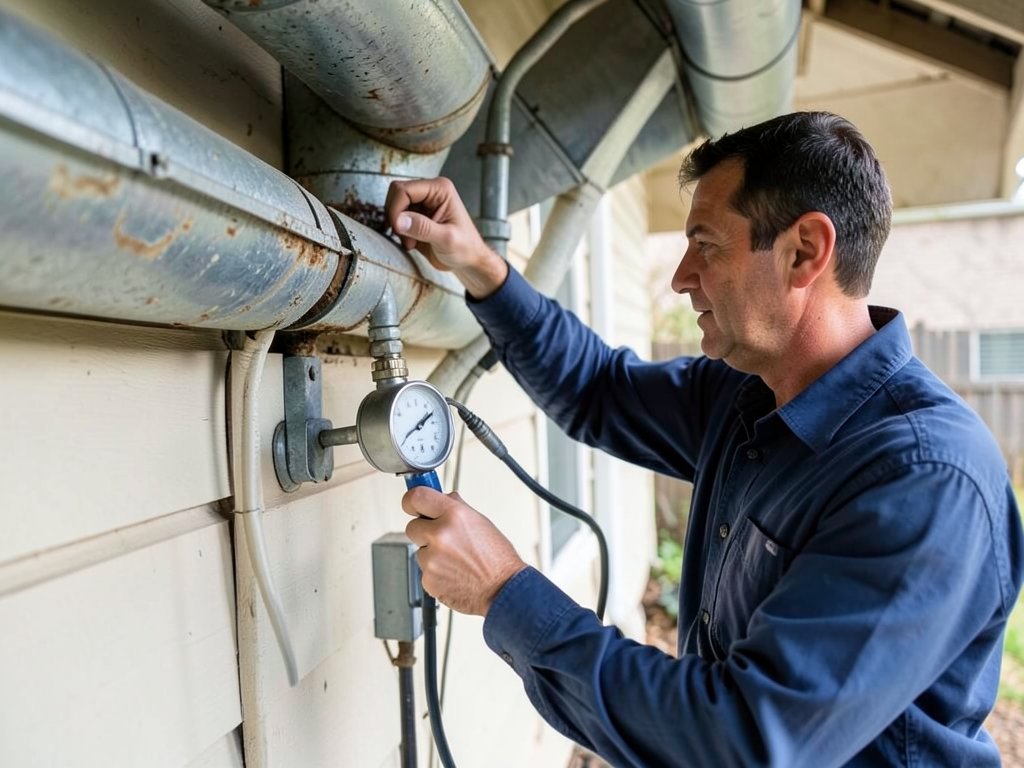
A technician using a digital manometer to test static pressure in old ductwork and identify airflow restrictions in a Bella Vista rowhome.
Philadelphia Building Codes and Permit Requirements
Installing new HVAC equipment in a historic rowhome requires permits from the Philadelphia Department of Licenses and Inspections. The specific code section is the Philadelphia Mechanical Code Chapter 6 which covers heating and cooling equipment.. Read more about How to Vet a Heating and Cooling Specialist for Your New Graduate Hospital Construction.
If you are adding outdoor condenser units there are setback requirements. Units must be at least five feet from property lines in most cases. In some historic districts like Bella Vista you may need approval from the Philadelphia Historical Commission if the equipment is visible from the street.. Read more about Finding the Quietest AC Units for Small Outdoor Patios in Queen Village.
Electrical upgrades also require permits. Many older rowhomes need a new dedicated circuit for a mini-split or high-velocity system. The National Electrical Code Article 440 covers the specific wiring requirements for these systems.
Working with a licensed HVAC contractor ensures your installation meets all codes and passes inspection. This protects you from fines and ensures your system operates safely.
Understanding the Cost Factors
The cost of cooling your second floor depends on the solution you choose. Here are the main factors that affect price.
| Solution | Typical Cost Range | Key Benefit |
|---|---|---|
| Ductless Mini-Split | $3,500 to $7,000 | No ductwork needed |
| High-Velocity System | $8,000 to $15,000 | Central air in tight spaces |
| Attic Insulation | $1,500 to $3,500 | Reduces heat gain by 30% |
| Reflective Roof Coating | $1,000 to $2,500 | Lowers roof temp by 50 degrees |
These are 2026 price ranges for typical Bella Vista rowhomes. Your actual cost depends on the number of units, ease of installation, and any necessary electrical upgrades.
PECO offers rebates for high efficiency equipment. A mini-split with a SEER rating of eighteen or higher can qualify for a rebate of up to $300 per ton of cooling capacity. This can offset a significant portion of your installation cost.
Why DIY Solutions Often Fail
Many homeowners try to fix hot second floors with box fans or portable AC units. These can provide temporary relief but they have major drawbacks. Portable units vent hot air through a window which can create negative pressure that pulls more hot air into your home. They also use more electricity than mini-splits and are noisy.
Box fans just move hot air around. They do not remove heat or humidity. In a rowhome with poor ventilation they can actually make the upstairs feel stuffier by stirring up stagnant hot air.
The real solution is to address the root cause. That means either improving your existing system’s ability to cool upstairs or adding a dedicated cooling system for the second floor. This is where professional HVAC expertise makes the difference. Expert Boiler Repair and Maintenance for Historic Homes in Chestnut Hill and Mt Airy.
Call (215) 610-9099 Today to Schedule Your Inspection
Stop suffering through another sweltering summer. Our team knows Philadelphia rowhomes inside and out. We will diagnose your specific heat problem and recommend the most cost effective solution for your home.
Call (215) 610-9099 today to schedule your inspection. We offer free estimates on new system installations and can often complete your upgrade in just one day. Do not wait until the next heatwave hits. Get your upstairs cool and comfortable now.
Frequently Asked Questions
Why is my second floor so much hotter than my first floor?
Heat rises naturally and your second floor is exposed to more direct sunlight through windows. In rowhomes shared brick walls also absorb heat all day and radiate it inward. Poor ductwork or lack of ducts means your upstairs gets less cool air than it needs.. Read more about What to Do if Your AC is Leaking Refrigerant and Needs a Professional Recharge in Penn Valley.
Can I just add more vents to cool my upstairs?
Adding vents without balancing your system can make things worse. It can reduce airflow to your first floor and create pressure imbalances. A professional air balancing test is needed to determine if your system can support additional vents.
How long does it take to install a ductless mini-split?
Most installations take six to eight hours for a single indoor unit. Multi zone systems take one to two days. The process includes mounting the indoor unit mounting the outdoor condenser running refrigerant lines and testing the system.
Will a new system lower my electric bill?
Yes. Modern high efficiency systems use up to 40 percent less electricity than units that are ten years old. Adding insulation and sealing air leaks multiplies these savings. Many homeowners see their electric bills drop within the first month.
Do I need a permit to install a mini-split in Philadelphia?
Yes. Any new HVAC equipment requires a permit from the Department of Licenses and Inspections. The permit ensures your installation meets safety codes and passes inspection. Your contractor should handle the permitting process for you.
- Assess Your Current System
Check if your existing AC can cool upstairs by measuring temperatures on each floor. If the difference is more than five degrees you need a solution.
- Seal Air Leaks
Use weatherstripping around windows and doors to prevent hot outdoor air from entering. This simple step can improve comfort immediately.
- Choose the Right Cooling Solution
Decide between a ductless mini-split high velocity system or improving your existing system. Consider your budget and whether you want cooling only or heating and cooling.
- Schedule Professional Installation
Work with a licensed HVAC contractor who understands Philadelphia rowhome construction. They will handle permits electrical work and ensure your system is properly sized.
{
“@context”: “https://schema.org”,
“@type”: “BlogPosting”,
“headline”: “Why the Upstairs of Your Bella Vista Rowhome Is Always Sweltering (And the Best Fixes)”,
“description”: “Discover why Bella Vista rowhomes trap heat upstairs and the proven fixes from local HVAC experts. Get cool fast with mini-splits, high-velocity systems, and insulation upgrades.”,
“wordCount”: 1901,
“datePublished”: “2026-04-01T15:17:00.000Z”,
“dateModified”: “2026-04-01T15:17:00.000Z”,
“inLanguage”: “en-US”,
“mainEntityOfPage”: {
“@type”: “WebPage”,
“@id”: “https://elitehvacphiladelphia.com”
},
“publisher”: {
“@type”: “LocalBusiness”,
“name”: “Elite HVAC Philadelphia”,
“url”: “https://elitehvacphiladelphia.com”
},
“author”: {
“@type”: “Organization”,
“name”: “Elite HVAC Philadelphia”,
“url”: “https://elitehvacphiladelphia.com”
},
“image”: {
“@type”: “ImageObject”,
“url”: “https://elitehvacphiladelphia.com/wp-content/uploads/2026/03/why-the-upstairs-of-your-bella-vista-rowhome-is-al-1.png”
}
}
{
“@context”: “https://schema.org”,
“@type”: “HVACBusiness”,
“name”: “Elite HVAC Philadelphia”,
“url”: “https://elitehvacphiladelphia.com”,
“address”: {
“@type”: “PostalAddress”,
“addressLocality”: “Philadelphia”
},
“areaServed”: {
“@type”: “City”,
“name”: “Philadelphia”
}
}
{
“@context”: “https://schema.org”,
“@type”: “FAQPage”,
“mainEntity”: [
{
“@type”: “Question”,
“name”: “Why is my second floor so much hotter than my first floor?”,
“acceptedAnswer”: {
“@type”: “Answer”,
“text”: “Heat rises naturally and your second floor is exposed to more direct sunlight through windows. In rowhomes shared brick walls also absorb heat all day and radiate it inward. Poor ductwork or lack of ducts means your upstairs gets less cool air than it needs.”
}
},
{
“@type”: “Question”,
“name”: “Can I just add more vents to cool my upstairs?”,
“acceptedAnswer”: {
“@type”: “Answer”,
“text”: “Adding vents without balancing your system can make things worse. It can reduce airflow to your first floor and create pressure imbalances. A professional air balancing test is needed to determine if your system can support additional vents.”
}
},
{
“@type”: “Question”,
“name”: “How long does it take to install a ductless mini-split?”,
“acceptedAnswer”: {
“@type”: “Answer”,
“text”: “Most installations take six to eight hours for a single indoor unit. Multi zone systems take one to two days. The process includes mounting the indoor unit mounting the outdoor condenser running refrigerant lines and testing the system.”
}
},
{
“@type”: “Question”,
“name”: “Will a new system lower my electric bill?”,
“acceptedAnswer”: {
“@type”: “Answer”,
“text”: “Yes. Modern high efficiency systems use up to 40 percent less electricity than units that are ten years old. Adding insulation and sealing air leaks multiplies these savings. Many homeowners see their electric bills drop within the first month.”
}
},
{
“@type”: “Question”,
“name”: “Do I need a permit to install a mini-split in Philadelphia?”,
“acceptedAnswer”: {
“@type”: “Answer”,
“text”: “Yes. Any new HVAC equipment requires a permit from the Department of Licenses and Inspections. The permit ensures your installation meets safety codes and passes inspection. Your contractor should handle the permitting process for you.”
}
}
]
}
{
“@context”: “https://schema.org”,
“@type”: “HowTo”,
“name”: “How to Keep Your Second Floor Cool”,
“step”: [
{
“@type”: “HowToStep”,
“position”: 1,
“name”: “Assess Your Current System”,
“text”: “Check if your existing AC can cool upstairs by measuring temperatures on each floor. If the difference is more than five degrees you need a solution.”
},
{
“@type”: “HowToStep”,
“position”: 2,
“name”: “Seal Air Leaks”,
“text”: “Use weatherstripping around windows and doors to prevent hot outdoor air from entering. This simple step can improve comfort immediately.”
},
{
“@type”: “HowToStep”,
“position”: 3,
“name”: “Choose the Right Cooling Solution”,
“text”: “Decide between a ductless mini-split high velocity system or improving your existing system. Consider your budget and whether you want cooling only or heating and cooling.”
},
{
“@type”: “HowToStep”,
“position”: 4,
“name”: “Schedule Professional Installation”,
“text”: “Work with a licensed HVAC contractor who understands Philadelphia rowhome construction. They will handle permits electrical work and ensure your system is properly sized.”
}
],
“image”: “https://elitehvacphiladelphia.com/wp-content/uploads/2026/03/why-the-upstairs-of-your-bella-vista-rowhome-is-al-1.png”
}
{
“@context”: “https://schema.org”,
“@type”: “BreadcrumbList”,
“itemListElement”: [
{
“@type”: “ListItem”,
“position”: 1,
“name”: “Home”,
“item”: “https://elitehvacphiladelphia.com”
},
{
“@type”: “ListItem”,
“position”: 2,
“name”: “Blog”,
“item”: “https://elitehvacphiladelphia.com/blog”
},
{
“@type”: “ListItem”,
“position”: 3,
“name”: “Why the Upstairs of Your Bella Vista Rowhome Is Always Sweltering (And the Best Fixes)”
}
]
}
{
“@context”: “https://schema.org”,
“@type”: “Service”,
“serviceType”: “HVAC”,
“provider”: {
“@type”: “LocalBusiness”,
“name”: “Elite HVAC Philadelphia”,
“url”: “https://elitehvacphiladelphia.com”
},
“areaServed”: {
“@type”: “City”,
“name”: “Philadelphia”
},
“description”: “Discover why Bella Vista rowhomes trap heat upstairs and the proven fixes from local HVAC experts. Get cool fast with mini-splits, high-velocity systems, and insulation upgrades.”
}