
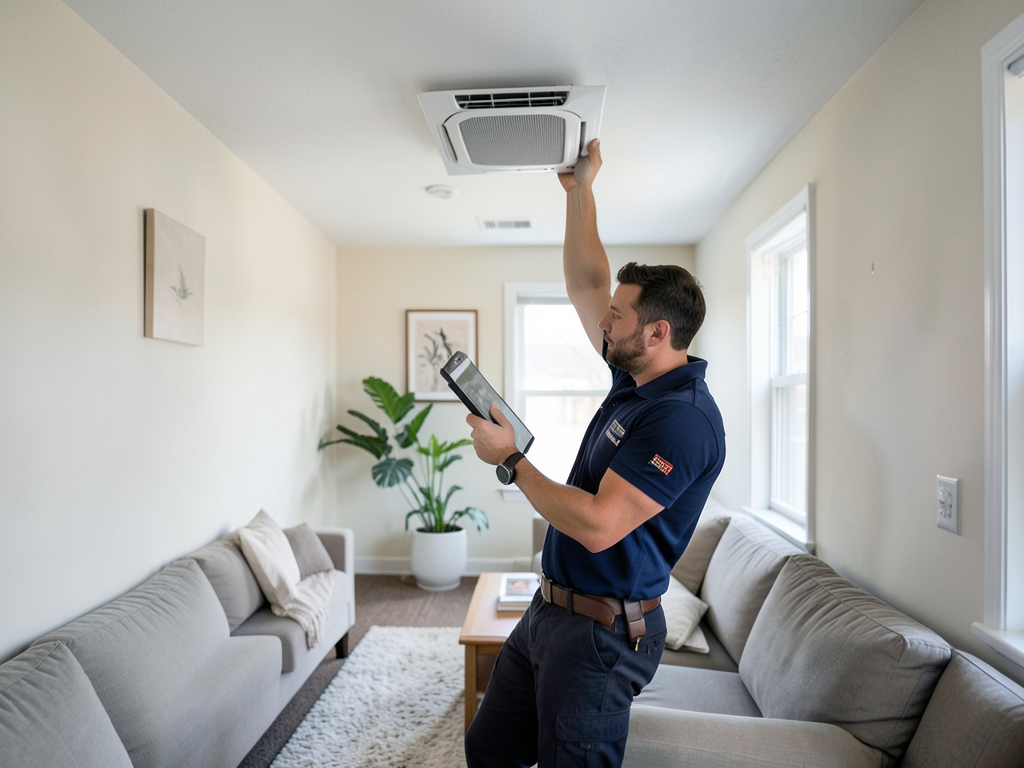
Finding the Perfect AC Solution for the Tiny Footprint of a Philadelphia Trinity House
Philadelphia trinity houses pack three floors of living space into a footprint barely larger than a standard rowhome. These iconic structures built in the 18th and 19th centuries feature one room per floor with winding staircases that make traditional HVAC installation nearly impossible. The narrow hallways and lack of closet space eliminate the option for bulky ductwork while historic preservation rules often restrict exterior modifications. Philadelphia Historical Commission.
Homeowners in neighborhoods like Queen Village and Society Hill face a unique cooling challenge. The stacked layout means heat rises quickly making upper floors uncomfortable during Philadelphia’s humid summers. Standard window units block precious window light and create security concerns while portable air conditioners struggle to cool three stories effectively. HVAC Philadelphia.
The solution requires thinking vertically rather than horizontally. Modern HVAC technology offers several options specifically designed for tight spaces and historic structures. Understanding these systems and their installation requirements helps homeowners make informed decisions about comfort and preservation.. Read more about High Velocity HVAC vs Ductless Systems for Historic Society Hill Properties.
The Unique Challenges of Cooling a Trinity Home
Philadelphia trinities present three specific obstacles that standard HVAC solutions cannot overcome. The pie-shaped staircases consume valuable wall space and eliminate the possibility of running ductwork through traditional routes. Second floor ceilings often sit below seven feet creating clearance issues for overhead equipment. Finally the brick masonry construction makes any exterior penetration a major architectural concern.
Heat naturally accumulates in these vertical spaces. During summer months upper floors can reach temperatures 10 to 15 degrees higher than ground level. This temperature stratification means a single cooling source rarely provides adequate comfort throughout all three levels.
Historic district regulations add another layer of complexity. The Philadelphia Historical Commission requires approval for any exterior modifications visible from public streets. This includes condenser placement and refrigerant line routing which must maintain the building’s original character.
Top 3 AC Solutions for Trinities
Ductless Mini-Split Systems The Gold Standard
Ductless mini-split systems solve the trinity cooling problem by eliminating the need for ductwork entirely. These systems consist of an outdoor compressor unit connected to one or more indoor air handlers mounted high on walls or ceilings. The refrigerant lines run through small holes approximately three inches in diameter.
For a typical trinity layout homeowners often choose multi-zone systems with three indoor units. One air handler serves each floor providing independent temperature control. The indoor units mount near ceilings where they remain unobtrusive and avoid clearance issues.. Read more about Finding the Quietest AC Units for Small Outdoor Patios in Queen Village.
Modern mini-splits offer several advantages for historic homes. The indoor units operate at sound levels below 30 decibels making them quieter than most window units. Many models include built-in air filtration removing allergens and improving indoor air quality. The systems also provide heating capability making them year-round solutions.
High-Velocity HVAC Unico SpacePak for Preservation
High-velocity systems use small flexible ductwork approximately two inches in diameter. This allows installation in wall cavities and ceiling spaces too narrow for conventional ducts. The Unico System and SpacePak represent the two primary manufacturers serving the Philadelphia market.
These systems operate at higher pressures than standard HVAC pushing air through smaller ducts at velocities up to 30 miles per hour. This creates a gentle mixing effect throughout rooms eliminating hot and cold spots. The small supply outlets can be painted to match wall colors making them nearly invisible.
Installation requires careful planning to route the flexible ducts through existing wall cavities. Technicians often run lines vertically through plumbing chases or horizontally through ceiling spaces. The outdoor condenser still requires exterior placement but the small ductwork minimizes interior disruption.
Window Units vs Through the Wall Why They Often Fail in Trinities
Window air conditioners seem like obvious solutions for trinity homes but create multiple problems. These units block natural light reducing the already limited illumination in narrow rooms. They also create security vulnerabilities leaving homes exposed to break ins. The units protrude into living spaces consuming valuable square footage.. Read more about Choosing the Best Air Filters to Block Out Center City Dust and Pollution.
Through the wall units offer some improvements but still present challenges. Installation requires cutting large openings in brick walls which can compromise structural integrity. The units remain visible from exterior creating aesthetic concerns in historic districts. Like window units they only cool individual rooms rather than entire floors.
Portable air conditioners provide the least effective solution. These units require venting through windows or doors reducing their cooling efficiency. Most portable models lack the capacity to cool even a single trinity floor effectively.
Navigating the Philadelphia Historical Commission
Installing any exterior HVAC component in a historic district requires approval from the Philadelphia Historical Commission. The process begins with submitting detailed drawings showing the proposed condenser location and refrigerant line routing. Commission staff review applications for compatibility with the building’s architectural character. The True Cost of Installing Central Air in an Older South Philly Rowhome.
Successful applications demonstrate minimal visual impact. This often means placing condensers in rear yards where they remain hidden from public view. Refrigerant lines can be painted to match existing brick or siding reducing their visibility. Some homeowners install decorative screens or trellises to further camouflage equipment.
The commission generally approves mini-split installations because they require only small penetration holes. High-velocity systems face more scrutiny due to the larger openings needed for air handlers. Window units almost always face rejection in historic districts due to their visual impact.
Installation Logistics The Tight Squeeze Factor
Installing HVAC in a trinity requires special equipment and techniques. Technicians must navigate pie stairs carrying condensers and air handlers through narrow stairwells. Many installations require removing doors or using specialized dollies to maneuver equipment through tight turns.
Refrigerant lines run vertically through interior walls connecting outdoor units to indoor air handlers. This requires core drilling through floor joists and careful sealing to prevent air leakage. The lines must slope slightly toward the outdoor unit allowing proper drainage.
Electrical work presents another challenge. Most trinities have outdated electrical panels unable to support modern HVAC loads. Upgrading service often becomes necessary adding to project complexity. Technicians must coordinate with electricians to ensure proper circuit sizing and grounding.
Case Study Recent Trinity Install in Society Hill
A recent project in Society Hill demonstrates the practical challenges of trinity cooling. The three story brick home built in 1890 had never contained air conditioning. The homeowners wanted cooling without compromising the historic character or losing any floor space.
The solution involved a three zone Mitsubishi mini-split system. Technicians mounted the outdoor condenser in the rear courtyard behind a decorative fence. Indoor units installed on each floor near ceilings where they remained barely noticeable.
The installation required three days and careful coordination with the Philadelphia Historical Commission. The commission approved the plan because the condenser remained completely hidden from street view. Refrigerant lines ran through existing wall cavities painted to match the interior.
The homeowners reported immediate comfort improvements with each floor maintaining consistent temperatures. The system also provided heating capability reducing their reliance on the original radiator system during mild winter weather.
Cost Analysis and Energy Efficiency
High velocity systems typically cost between $12000 and $18000 for complete trinity installation. These systems offer excellent efficiency with SEER ratings often exceeding 16. The small ductwork reduces energy losses compared to conventional systems. Energy Star air conditioning guidelines.
Ductless mini-splits range from $8000 to $15000 depending on the number of zones and equipment quality. Most trinity installations use three indoor units providing individual floor control. These systems achieve SEER ratings up to 22 making them highly efficient.
Energy savings compared to window units can reach 50 percent annually. Mini-splits and high velocity systems use inverter technology adjusting compressor speed to match cooling demand. This prevents the on off cycling that wastes energy in conventional systems. Weak Airflow from Vents.
PECO offers rebates up to $300 per ton for qualifying high efficiency systems. These rebates combined with federal tax credits can offset 10 to 15 percent of installation costs.
Comparing System Specifications
| System Type | Installation Cost | Space Required | Efficiency SEER | Noise Level |
|---|---|---|---|---|
| Ductless Mini Split | $8000 – $15000 | Minimal wall/ceiling mounts | 18 – 22 | 19 – 30 dB |
| High Velocity | $12000 – $18000 | 2 inch flexible ducts | 14 – 16 | 25 – 35 dB |
| Window Units | $500 – $1500 per unit | Blocks entire window | 8 – 11 | 45 – 55 dB |
Energy Efficiency and Environmental Impact
Modern HVAC systems significantly reduce energy consumption compared to older cooling methods. High efficiency heat pumps use 30 to 50 percent less electricity than conventional air conditioners while providing both heating and cooling.. Read more about How to Reduce AC Noise for a More Peaceful Home in Bella Vista.
The Philadelphia area benefits from PECO’s green energy initiatives. Homeowners installing systems with SEER ratings above 16 may qualify for additional rebates through the utility’s energy efficiency programs. These programs aim to reduce peak demand during summer months when the electrical grid faces the greatest stress.
Proper system sizing proves crucial for efficiency. Oversized units short cycle reducing their effectiveness and increasing wear. Professional load calculations considering trinity specific factors ensure optimal system performance.
Maintenance Requirements and Longevity
Ductless mini-splits require minimal maintenance beyond regular filter cleaning. Most manufacturers recommend cleaning or replacing filters every three months. The outdoor units need annual professional cleaning to remove debris from coils and check refrigerant levels.
High velocity systems need similar maintenance but with additional attention to the small ductwork. Professional duct cleaning every five years prevents dust buildup that can restrict airflow. The high pressure operation makes these systems more sensitive to blockages than conventional HVAC.
Both system types typically last 15 to 20 years with proper maintenance. The lack of ductwork in mini-split systems eliminates a major failure point found in conventional HVAC. High velocity systems benefit from durable flexible ducts that resist the leaks common in metal ductwork.
Frequently Asked Questions
Can I install air conditioning in my trinity without exterior modifications?
Options without exterior changes include high velocity systems using existing chimneys for venting or portable units for temporary cooling. However these solutions provide limited effectiveness compared to systems with exterior condensers.
How long does trinity HVAC installation typically take?
Most trinity installations require three to five days depending on system complexity and any necessary electrical upgrades. Historic district approvals can add several weeks to the planning process.
Will air conditioning damage my trinity’s historic features?
Properly installed modern systems preserve historic integrity. Mini-splits require only small wall penetrations while high velocity systems use existing cavities. Both options avoid the major structural changes required for conventional ductwork.
Making the Right Choice for Your Home
Selecting the best HVAC solution for your trinity depends on several factors. Budget constraints often favor ductless mini-splits which offer lower upfront costs and higher efficiency. Historic preservation priorities may lean toward high velocity systems that minimize visible equipment.
Consider your specific trinity layout when making decisions. Homes with limited exterior access may benefit from high velocity systems that can use interior routing. Properties in strict historic districts might require the minimal visual impact of mini-splits.
Professional evaluation helps identify the optimal solution for your unique situation. Technicians familiar with trinity construction understand the specific challenges and can recommend systems proven effective in similar homes.
Next Steps for Comfortable Living
Philadelphia trinity owners no longer need to suffer through humid summers or sacrifice historic charm for modern comfort. Today’s HVAC technology offers solutions specifically designed for the unique challenges these homes present.
The key lies in working with contractors experienced in trinity installations. These professionals understand the architectural constraints and regulatory requirements that affect every project. They can navigate the Philadelphia Historical Commission process and recommend systems proven effective in similar homes. Best Rated HVAC Contractors in the Main Line Area.
Comfort in your trinity home is achievable with the right approach and equipment. The investment in proper cooling pays dividends through improved quality of life and increased property values.
Call to Action
Ready to transform your trinity house from a hot box into a comfortable year round home? Call (215) 610-9099 today to schedule your inspection. Our specialists understand the unique challenges of Philadelphia trinity cooling and can recommend the perfect solution for your specific home.
Don’t wait for the next heat wave to make your upstairs unbearable. Pick up the phone and call (215) 610-9099 before the next storm hits. We offer free consultations and can often provide same week installation for qualifying systems.
Your trinity deserves comfort that respects its historic character. Call (215) 610-9099 now and discover how modern HVAC technology can preserve your home’s charm while delivering the comfort you deserve.
{
“@context”: “https://schema.org”,
“@type”: “BlogPosting”,
“headline”: “Finding the Perfect AC Solution for the Tiny Footprint of a Philadelphia Trinity House”,
“description”: “Discover the best air conditioning options for Philadelphia trinity homes. Learn how to cool your three-story rowhome without losing space or historic charm.”,
“wordCount”: 2079,
“datePublished”: “2026-04-10T08:38:00.000Z”,
“dateModified”: “2026-04-10T08:38:00.000Z”,
“inLanguage”: “en-US”,
“mainEntityOfPage”: {
“@type”: “WebPage”,
“@id”: “https://elitehvacphiladelphia.com”
},
“publisher”: {
“@type”: “LocalBusiness”,
“name”: “Elite HVAC Philadelphia”,
“url”: “https://elitehvacphiladelphia.com”
},
“author”: {
“@type”: “Organization”,
“name”: “Elite HVAC Philadelphia”,
“url”: “https://elitehvacphiladelphia.com”
},
“image”: {
“@type”: “ImageObject”,
“url”: “https://elitehvacphiladelphia.com/wp-content/uploads/2026/03/finding-the-perfect-ac-solution-for-the-tiny-footp-1.png”
}
}
{
“@context”: “https://schema.org”,
“@type”: “HVACBusiness”,
“name”: “Elite HVAC Philadelphia”,
“url”: “https://elitehvacphiladelphia.com”,
“address”: {
“@type”: “PostalAddress”,
“addressLocality”: “Philadelphia”
},
“areaServed”: {
“@type”: “City”,
“name”: “Philadelphia”
}
}
{
“@context”: “https://schema.org”,
“@type”: “FAQPage”,
“mainEntity”: [
{
“@type”: “Question”,
“name”: “Can I install air conditioning in my trinity without exterior modifications?”,
“acceptedAnswer”: {
“@type”: “Answer”,
“text”: “Options without exterior changes include high velocity systems using existing chimneys for venting or portable units for temporary cooling. However these solutions provide limited effectiveness compared to systems with exterior condensers.”
}
},
{
“@type”: “Question”,
“name”: “How long does trinity HVAC installation typically take?”,
“acceptedAnswer”: {
“@type”: “Answer”,
“text”: “Most trinity installations require three to five days depending on system complexity and any necessary electrical upgrades. Historic district approvals can add several weeks to the planning process.”
}
},
{
“@type”: “Question”,
“name”: “Will air conditioning damage my trinity’s historic features?”,
“acceptedAnswer”: {
“@type”: “Answer”,
“text”: “Properly installed modern systems preserve historic integrity. Mini-splits require only small wall penetrations while high velocity systems use existing cavities. Both options avoid the major structural changes required for conventional ductwork.”
}
}
]
}
{
“@context”: “https://schema.org”,
“@type”: “BreadcrumbList”,
“itemListElement”: [
{
“@type”: “ListItem”,
“position”: 1,
“name”: “Home”,
“item”: “https://elitehvacphiladelphia.com”
},
{
“@type”: “ListItem”,
“position”: 2,
“name”: “Blog”,
“item”: “https://elitehvacphiladelphia.com/blog”
},
{
“@type”: “ListItem”,
“position”: 3,
“name”: “Finding the Perfect AC Solution for the Tiny Footprint of a Philadelphia Trinity House”
}
]
}
{
“@context”: “https://schema.org”,
“@type”: “Service”,
“serviceType”: “HVAC”,
“provider”: {
“@type”: “LocalBusiness”,
“name”: “Elite HVAC Philadelphia”,
“url”: “https://elitehvacphiladelphia.com”
},
“areaServed”: {
“@type”: “City”,
“name”: “Philadelphia”
},
“description”: “Discover the best air conditioning options for Philadelphia trinity homes. Learn how to cool your three-story rowhome without losing space or historic charm.”
}