




Menu

New HVAC System Cost 2026 in Philadelphia – Real Numbers and Smart Buying Strategies for Your Home

Get transparent pricing breakdowns, cost-saving installation tactics, and local rebate guidance for your new HVAC system cost 2026 in Philadelphia from contractors who work in your neighborhood every day.

Slider Image 1
Slider Image 2
Slider Image 3
Slider Image 4
Slider Image 5
Slider Image 7
Slider Image 8
Slider Image 9
Slider Image 10
Slider Image 11

Why Philadelphia Homeowners Face Higher HVAC Replacement Costs Than National Averages

Philadelphia's freeze-thaw cycles and humid summers force HVAC systems to work harder than in moderate climates. Your furnace battles sub-zero wind chills off the Delaware River in January, then your AC runs overtime through sticky August nights when humidity hits 80 percent. This constant cycling shortens equipment lifespan and drives up the 2026 HVAC replacement cost for local homeowners.

The average HVAC system price 2026 in Philadelphia runs higher than national figures because of regional factors you need to understand. Rowhomes in neighborhoods like Fishtown and South Philly present unique installation challenges. Narrow alleyways mean smaller equipment access. Shared walls require careful ductwork routing. Older homes in Fairmount or Northern Liberties often need electrical panel upgrades to handle modern high-efficiency systems, adding $1,200 to $2,500 to your total investment.

Local building codes add another layer. Philadelphia requires specific permits for HVAC work, and inspections follow strict protocols. These requirements protect you but affect the new HVAC installation pricing 2026 timeline and budget. Understanding these local factors helps you avoid sticker shock and plan accurately.

The 2026 heating and cooling system cost also reflects energy efficiency standards that changed in January 2023. New federal regulations require higher SEER2 ratings for air conditioners and HSPF2 ratings for heat pumps. Equipment meeting these standards costs more upfront but delivers measurable savings on monthly bills. A comprehensive HVAC replacement price guide 2026 should break down both immediate costs and long-term operating expenses so you can make informed decisions for your specific home and budget.

Why Philadelphia Homeowners Face Higher HVAC Replacement Costs Than National Averages
How Smart Philadelphia Contractors Calculate Your Actual Replacement Cost

How Smart Philadelphia Contractors Calculate Your Actual Replacement Cost

Quality HVAC contractors in Philadelphia start with a Manual J load calculation, not a square footage guess. This room-by-room analysis accounts for your home's insulation, window placement, sun exposure, and even how many people live there. For a 1,800-square-foot rowhome in Queen Village, the calculation might show you need a 2.5-ton system, not the 3-ton unit the previous contractor quoted. Right-sizing saves you money on equipment and prevents short-cycling that kills efficiency.

Next comes the ductwork assessment. Many Philadelphia homes have ductwork installed in the 1950s or 1960s. These systems leak 20 to 40 percent of conditioned air through gaps and deteriorated connections. A thermal imaging scan reveals exactly where you lose money. Sealing ducts with mastic and replacing damaged sections costs less than oversizing equipment to compensate for leaks.

The refrigerant line set matters more than most homeowners realize. If your existing copper lines are compatible with the new system and pass a pressure test, you can reuse them and cut $800 to $1,500 from your bill. If lines need replacement or you are switching from R-22 to R-410A refrigerant, factor that expense into your budget.

Electrical capacity determines whether you need panel upgrades. Modern two-stage and variable-speed systems pull different amperage than older single-stage units. A 100-amp panel in an older Philadelphia home might max out when you add high-efficiency heating and cooling. Upgrading to 200 amps costs money but prevents tripped breakers and fire hazards.

Rebates through PECO and federal tax credits under the Inflation Reduction Act can offset 10 to 30 percent of your total investment. Elite HVAC Philadelphia walks you through available incentives before you sign anything.

Three Phases Every Philadelphia HVAC Replacement Follows

New HVAC System Cost 2026 in Philadelphia – Real Numbers and Smart Buying Strategies for Your Home
01

In-Home Energy Assessment

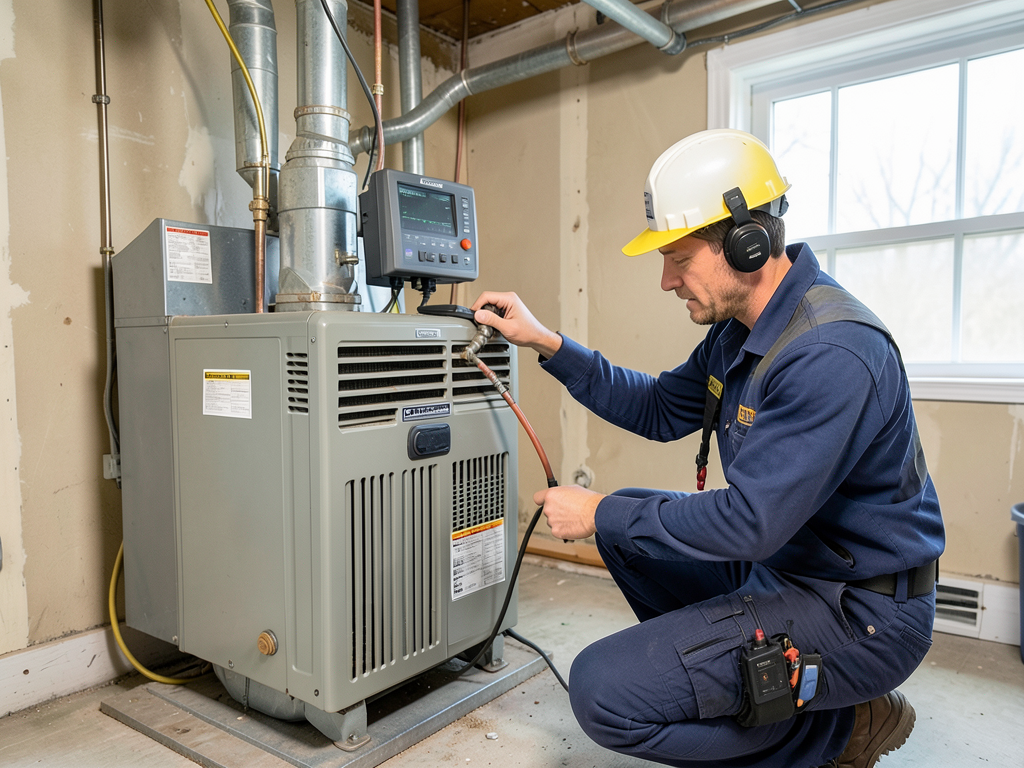
A qualified technician measures your home's heat gain and loss, inspects existing ductwork for leaks, evaluates insulation levels, and checks electrical capacity. This assessment takes 60 to 90 minutes and produces a detailed report showing exactly what size system your home needs. You receive a written estimate breaking down equipment, labor, permits, and optional upgrades like whole-home humidifiers or advanced air filtration systems.
02

Equipment Selection and Scheduling

You compare system options based on SEER2 ratings, warranty coverage, noise levels, and brand reliability. The contractor explains trade-offs between single-stage, two-stage, and variable-speed compressors. You review financing options and available rebates. Once you approve the proposal, the team orders equipment and schedules installation around your availability. Most Philadelphia installations happen within two to three weeks of equipment arrival.
03

Installation and System Commissioning

The crew removes old equipment, installs the new system, connects refrigerant lines, seals ductwork, upgrades the thermostat, and tests airflow at every register. They pull city permits and coordinate inspections. Final commissioning includes refrigerant charge verification, combustion analysis on gas furnaces, and thermostat programming. You receive operation training and written documentation for warranty registration. Most installations complete in one to two days depending on complexity.

Why Local Philadelphia Knowledge Affects Your Final HVAC Investment

Philadelphia's building stock presents challenges that out-of-town contractors miss. A technician familiar with Kensington rowhomes knows how to navigate tight basements and plan condensate drainage when there is no floor drain. Someone who works regularly in Chestnut Hill understands stone foundation moisture issues that affect equipment placement. Local experience translates to accurate estimates and fewer surprise charges mid-project.

Permit navigation saves you time and money. Philadelphia's Department of Licenses and Inspections requires specific documentation for HVAC replacements. Contractors who pull permits weekly know exactly what paperwork inspectors expect and how to schedule inspections efficiently. This expertise prevents project delays that leave you without heating or cooling.

Relationships with local suppliers matter during equipment shortages. When supply chain issues delay specific models, contractors with established Philadelphia-area vendor relationships can source alternatives quickly or get priority delivery. You spend less time waiting and more time enjoying consistent comfort.

Understanding Philadelphia's microclimates helps with system selection. Homes near the Schuylkill River face different humidity challenges than properties in West Philadelphia. Neighborhoods with mature tree canopy need different cooling capacity than areas with full sun exposure. Local contractors factor these details into load calculations for better performance and efficiency.

Elite HVAC Philadelphia technicians live and work in the communities they serve. They know which equipment holds up best in local conditions because they come back for maintenance and repairs years later. This long-term accountability drives better initial recommendations. You are not just another address on a service route. You are a neighbor whose comfort and budget matter.

What Your Philadelphia HVAC Replacement Timeline and Investment Include

Project Timeline and Coordination

Most Philadelphia HVAC replacements take one to two days from start to finish. Single-zone systems in homes under 2,000 square feet typically complete in eight to ten hours. Larger homes or properties requiring ductwork modifications may need two full days. The crew arrives with all necessary equipment, completes the installation, handles debris removal, and leaves your home clean. You schedule around your availability, and the team communicates any delays immediately. Emergency replacements during extreme weather get priority scheduling, often within 24 to 48 hours.

Comprehensive System Evaluation

Your initial consultation includes a room-by-room Manual J load calculation, ductwork inspection with pressure testing, electrical panel assessment, and indoor air quality evaluation. The technician measures supply and return airflow, checks for duct leaks using calibrated equipment, photographs problem areas, and documents current system performance. You receive a written report explaining findings in plain language, not technical jargon. This assessment identifies whether you need just equipment replacement or if ductwork repairs, insulation upgrades, or electrical work should happen simultaneously for optimal performance and efficiency.

Performance and Efficiency Standards

Every installation meets or exceeds manufacturer specifications and local code requirements. The crew uses digital manifolds for precise refrigerant charging, verifies airflow at every register, checks temperature splits across the evaporator coil, and documents combustion efficiency on gas furnaces. They program the thermostat for your schedule and comfort preferences. Final testing includes a full system cycle to confirm proper operation of all components. You receive documentation showing your system performs exactly as designed, with baseline readings for future maintenance comparisons.

Manufacturer Warranties and Maintenance Plans

Equipment comes with manufacturer warranties covering parts for five to ten years, depending on the brand and model you choose. Compressors typically carry longer coverage, often ten to twelve years. Labor warranties vary by contractor, usually one to two years on installation workmanship. Many Philadelphia homeowners opt for maintenance agreements that include two annual tune-ups, priority service scheduling, and discounts on repairs. These plans maintain warranty validity, catch small issues before they become expensive failures, and keep your system running at peak efficiency. Proper maintenance extends equipment life by three to five years on average.

Frequently Asked Questions

You Have Questions,
We Have Answers

Will HVAC prices go down in 2026? +

HVAC prices are not expected to drop in 2026. Labor costs in the Philadelphia region continue to rise, and material costs remain elevated due to supply chain adjustments and tariffs on imported components. The shift toward higher-efficiency systems and refrigerant phaseouts also adds upward pressure. Philadelphia's humid summers and cold winters demand reliable equipment, which means you are paying for durability and performance. Budget for gradual price increases rather than decreases. If you need a replacement, waiting rarely saves money and risks breakdowns during extreme weather.

Will HVAC systems be more expensive in 2025? +

HVAC systems will continue to be expensive in 2025. Regulatory changes, including new efficiency standards and the refrigerant transition away from older coolants, increase production costs. Labor shortages in the Philadelphia metro area keep installation costs high. Supply chain disruptions have stabilized somewhat, but prices have not returned to pre-pandemic levels. Additionally, Philadelphia's older housing stock often requires custom ductwork or electrical upgrades, adding to installation complexity. Expect 2025 pricing to hold steady or inch upward rather than decline.

What is the $5000 rule for HVAC? +

The 5000 dollar rule is a guideline for deciding whether to repair or replace your HVAC system. Multiply the age of your equipment by the repair cost. If the result exceeds 5000, replacement is usually smarter than repair. For example, if your system is 12 years old and the repair costs 500 dollars, that totals 6000, suggesting replacement. This rule accounts for diminishing returns on aging equipment. In Philadelphia, where humidity and freeze-thaw cycles stress systems, older units often fail repeatedly.

How much is HVAC to cost in 2025? +

HVAC costs in 2025 vary widely based on system type, home size, and efficiency level. A basic furnace and air conditioner combo for a typical Philadelphia rowhome may start around mid-range pricing, while a full central air system with high-efficiency equipment for a larger single-family home costs significantly more. Factors like ductwork modifications, electrical panel upgrades, and local permitting also affect totals. Philadelphia's older housing stock often requires custom solutions, which increases labor and material expenses.

How much is HVAC for a 2000 square foot house? +

For a 2000 square foot house in Philadelphia, expect costs to vary based on equipment efficiency, brand, and home layout. A standard split system (gas furnace and central air) typically serves this square footage, but Philadelphia's multi-story homes and older duct systems may require modifications. Factors like insulation quality, window efficiency, and home orientation also impact sizing. Two-story homes need careful airflow balancing to avoid temperature gaps between floors. Get a load calculation to ensure proper sizing and avoid oversized or undersized equipment.

Why is 2026 an important year? +

2026 is important for HVAC because it marks continued enforcement of stricter efficiency standards and refrigerant regulations. The phaseout of older refrigerants accelerates, making replacement parts for aging systems harder to find and more expensive. Philadelphia homeowners with systems over 15 years old should plan ahead, as repair costs will climb. New equipment will feature advanced controls and higher SEER ratings, improving comfort and energy efficiency. If your system is nearing end-of-life, replacing before wider adoption of new technology can sometimes mean better pricing.

Is a new HVAC system tax deductible in 2025? +

A new HVAC system may qualify for federal tax credits in 2025, depending on efficiency ratings. High-efficiency heat pumps, furnaces, and central air systems meeting specific Energy Star criteria often qualify for credits up to certain limits. Pennsylvania does not currently offer state-level HVAC tax credits, but federal incentives apply. Check the IRS Energy Efficient Home Improvement Credit guidelines for current qualifications. Keep all receipts and manufacturer certifications. Philadelphia homeowners should consult a tax professional to confirm eligibility before filing.

What are the HVAC trends for 2026? +

HVAC trends for 2026 include wider adoption of heat pumps, smart thermostats, and zoned climate control. Philadelphia homeowners are increasingly choosing cold-climate heat pumps that handle both heating and cooling efficiently, reducing reliance on fossil fuels. Air quality features like UV lights and advanced filtration are gaining traction due to urban air quality concerns. Variable-speed compressors and modulating furnaces improve comfort and energy efficiency. Refrigerant changes push manufacturers toward systems using low-GWP coolants. Expect smarter, greener, and more customizable systems.

Why is replacing HVAC so expensive? +

Replacing HVAC is expensive because you are paying for complex equipment, skilled labor, and site-specific installation challenges. In Philadelphia, older homes often require ductwork repairs, electrical panel upgrades, or structural modifications to accommodate modern equipment. High-efficiency systems use advanced compressors, heat exchangers, and controls that cost more upfront but save on energy bills. Labor costs in the region remain elevated due to demand and training requirements. Permits, disposal fees, and safety compliance also add to the total.

Can you get a tax credit for a new HVAC system? +

Yes, you can get a federal tax credit for a new HVAC system if it meets efficiency requirements. The Energy Efficient Home Improvement Credit applies to qualifying heat pumps, furnaces, and central air conditioners installed in your primary residence. The credit amount depends on equipment type and efficiency ratings. Pennsylvania does not offer additional state credits, but federal incentives can reduce your net cost. Save your receipts and manufacturer certifications for IRS documentation. Consult a tax professional to verify eligibility and maximize your savings.

How Philadelphia's Historic Building Stock Affects Your HVAC Replacement Budget

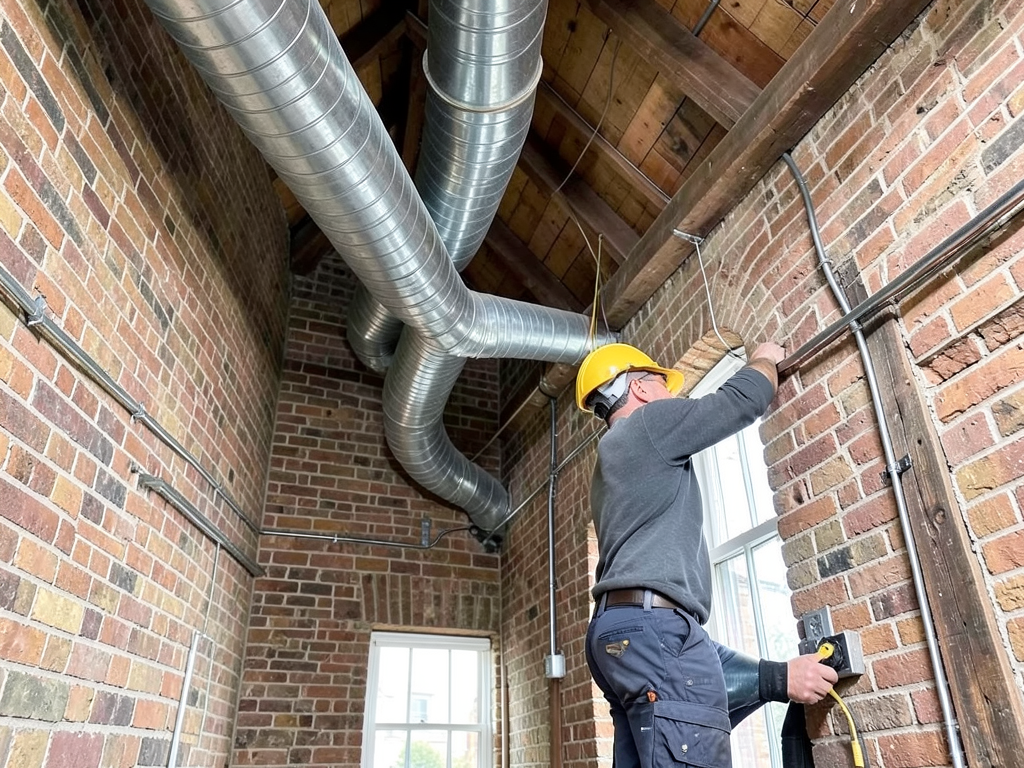
Philadelphia's housing dates back centuries, with thousands of homes built before central HVAC existed. Rowhomes in Graduate Hospital, Society Hill, and Bella Vista present unique challenges for new HVAC system cost 2026 planning. These properties often lack dedicated mechanical rooms, forcing creative equipment placement in tight basements or exterior installations. Original plaster walls make running new ductwork expensive when you want to preserve historic details. Homes in local historic districts face additional approval requirements that affect project timelines and budgets. Understanding these Philadelphia-specific factors prevents budget surprises and helps you plan realistic timelines for your HVAC replacement project.

Working with contractors who specialize in Philadelphia's older housing stock delivers better outcomes. They know how to retrofit modern equipment into Victorian-era homes without compromising architectural integrity. They understand which HVAC solutions work best when you cannot install traditional ductwork. They maintain relationships with inspectors who review work in historic properties. This local expertise translates to accurate estimates, faster permit approval, and installations that respect your home's character while delivering modern comfort and efficiency. Philadelphia homeowners deserve contractors who view historic preservation and comfort as complementary goals, not competing priorities.
HVAC Services in The Philadelphia Area

Come visit our office or explore our extensive service area on the map below. Elite HVAC proudly serves residential and commercial clients across Philadelphia, ensuring prompt and reliable heating, ventilation, and air conditioning solutions wherever you are. Whether you need an emergency repair or a new installation, we’re strategically located to provide quick and efficient service right to your doorstep, ensuring your comfort is never compromised.

Address:
Elite HVAC Philadelphia, 2231 E Ontario St, Philadelphia, PA, 19134

Additional Services We Offer

Our news updates

Latest Articles & News from The Blogs

Creating an Allergy Friendly Home in Elkins Park with Advanced Air Scrubbers Philadelphia's humid continental climate creates perfect conditions for…

Creating an Allergy Friendly Home in Elkins Park with Advanced Air Scrubbers

Creating an Allergy Friendly Home in Elkins Park with Advanced Air Scrubbers Philadelphia's humid continental climate creates perfect conditions for…

The Best Way to Get Central Air into Your Olney Attic Conversion

Why Your Olney Attic Bedroom Feels Like an Oven Philadelphia summers turn your Olney attic into a heat trap. Hot…

Simple HVAC Tasks Port Richmond Homeowners Can Actually Do Themselves

Simple HVAC Tasks Port Richmond Homeowners Can Actually Do Themselves\n\nPort Richmond homeowners can handle several basic HVAC maintenance tasks that…

Contact Us

Stop guessing about costs. Call Elite HVAC Philadelphia at (215) 610-9099 for a detailed in-home assessment. You get transparent pricing, local rebate guidance, and a system sized correctly for your home. No pressure, just honest answers from technicians who live in your community.