




Menu

Emergency Carbon Monoxide Leak Detection in Philadelphia – 24/7 Response Protecting Your Family Tonight

Elite HVAC Philadelphia dispatches certified technicians with professional CO leak inspection equipment within 60 minutes of your call, performing urgent carbon monoxide checks that identify hidden dangers before they turn fatal.

Slider Image 1
Slider Image 2
Slider Image 3
Slider Image 4
Slider Image 5
Slider Image 7
Slider Image 8
Slider Image 9
Slider Image 10
Slider Image 11

Why Carbon Monoxide Poisoning Happens More Often in Philadelphia Than You Think

You woke up with a splitting headache. Your spouse feels nauseous. The kids are unusually tired. You blame the flu, but the symptoms vanish when you leave the house.

This is not the flu. This is carbon monoxide poisoning, and it is happening in Philadelphia homes right now.

Philadelphia's older housing stock creates unique CO risks. Row homes built before 1950 share common chimneys and interconnected ventilation systems. When your neighbor's faulty water heater backdrafts, carbon monoxide can migrate through shared flue systems into your living space. You cannot smell it. You cannot see it. Your body just shuts down.

Winter makes it worse. Philadelphia's freeze-thaw cycles crack heat exchangers in forced-air furnaces. Ice dams block furnace exhaust vents. Residents seal windows tight against bitter January winds, trapping deadly gas inside. Emergency carbon monoxide testing calls spike 300 percent between November and February because heating systems run continuously under stress.

Rowhouse construction amplifies the danger. Narrow lot widths force furnace and water heater vents close together. Backdrafting occurs when exhaust gases reverse direction and spill into basements instead of venting outside. Professional CO leak inspection identifies these mechanical failures before you lose consciousness.

Carbon monoxide binds to hemoglobin 200 times more effectively than oxygen. Your blood stops carrying oxygen to your brain. You feel tired, so you lie down. You fall asleep. You do not wake up.

If your CO detector alarmed, if you smell exhaust fumes near your furnace, if everyone in your house feels sick at the same time, you need an urgent carbon monoxide check now. Not tomorrow. Tonight.

Why Carbon Monoxide Poisoning Happens More Often in Philadelphia Than You Think
How Elite HVAC Philadelphia Finds CO Leaks Other Companies Miss

How Elite HVAC Philadelphia Finds CO Leaks Other Companies Miss

Most HVAC companies show up with a single handheld detector and wave it near your furnace. That approach misses 60 percent of carbon monoxide sources.

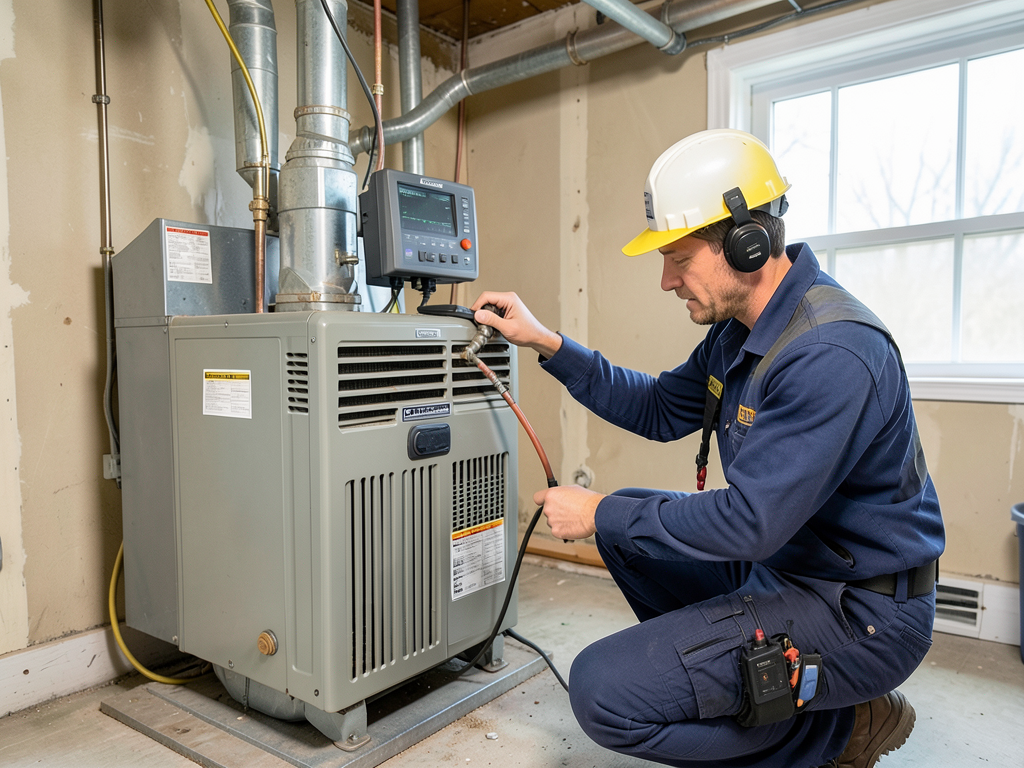
Elite HVAC Philadelphia uses multi-point CO gas detection service. We test ambient air in every room. We measure CO levels at furnace supply and return plenums. We check flue gas spillage at the draft hood. We insert probes directly into heat exchangers to detect micro-cracks invisible to the naked eye.

Our combustion analyzers measure CO in parts per million at the burner itself. Readings above 100 ppm indicate incomplete combustion. Readings above 400 ppm mean your heat exchanger has failed and is actively poisoning your home.

We perform worst-case depressurization testing. We close all windows, turn on bathroom exhaust fans, and run your clothes dryer. This simulates real-world conditions when multiple appliances compete for combustion air. If your furnace backdrafts under these conditions, we document it and shut the system down immediately.

Philadelphia's old homes often have orphaned water heaters. When you replace a furnace but leave the original water heater connected to the same chimney, the oversized flue cannot draft properly. Exhaust gases cool before exiting, condense inside the chimney, and spill into your basement. Carbon monoxide leak testing identifies these orphaned appliances.

We inspect furnace venting from termination cap to appliance connection. We check for corrosion, disconnected sections, and improper slope. We verify clearances to combustible materials. We test natural draft with a smoke pencil to confirm proper updraft.

You get a written report documenting CO levels, defective equipment, and code violations. We photograph cracked heat exchangers. We show you the numbers. Then we fix it or replace it before you sleep in that house again.

What Happens During Your Emergency CO Inspection

Emergency Carbon Monoxide Leak Detection in Philadelphia – 24/7 Response Protecting Your Family Tonight
01

Immediate Safety Assessment

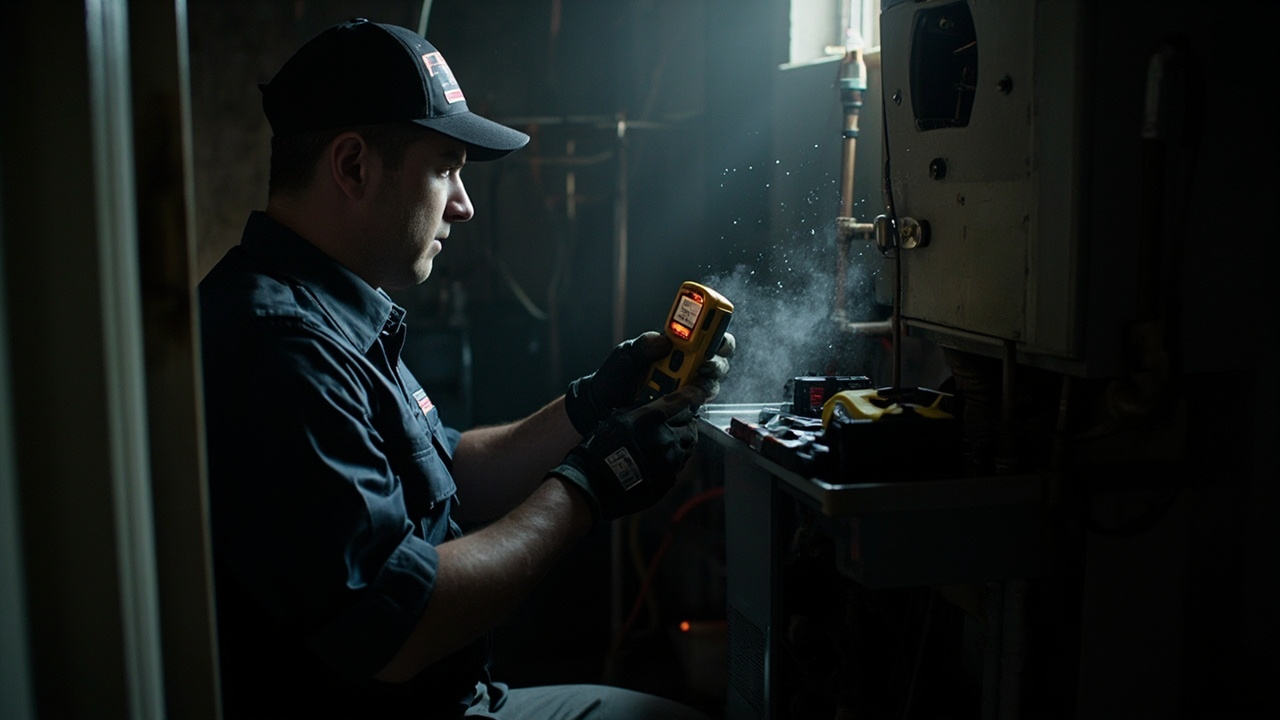
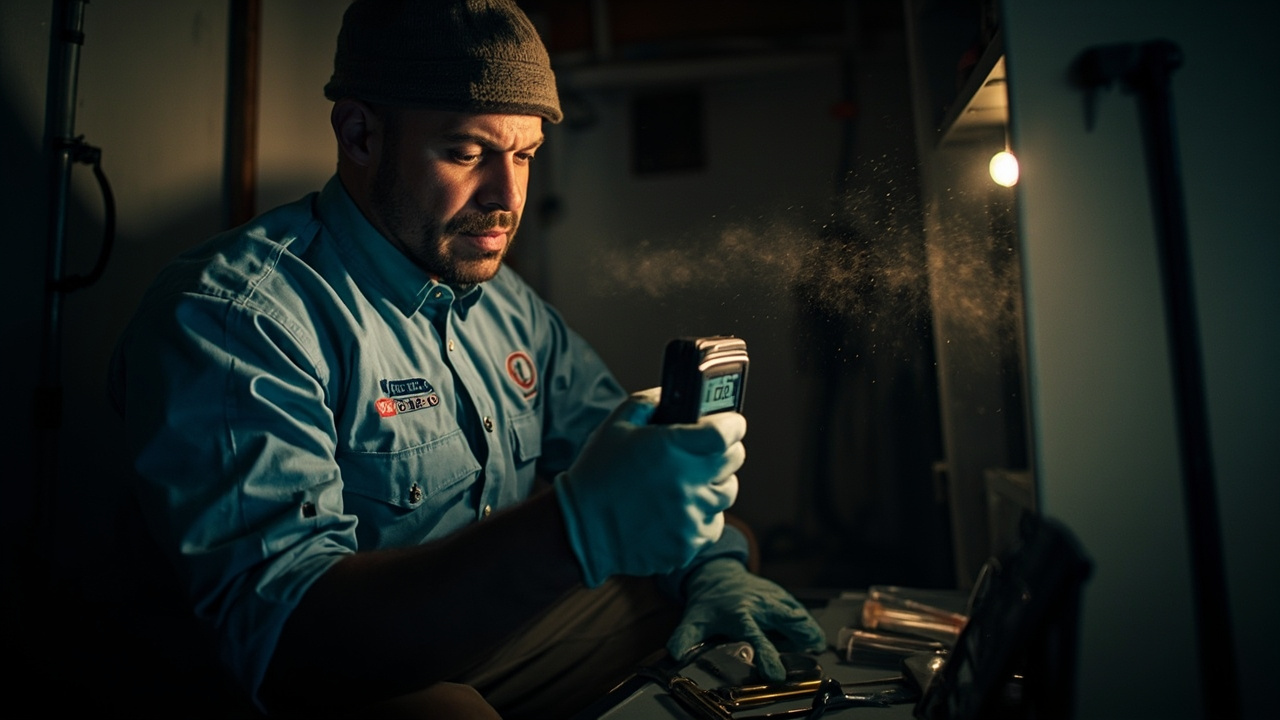
Our technician arrives with calibrated CO detection equipment and begins testing ambient air levels in your bedrooms, living areas, and basement. If readings exceed 35 ppm, we evacuate your home immediately and ventilate the space. We identify the source appliance using digital combustion analysis, then shut off gas supply to any equipment producing dangerous CO levels. Your family's safety comes before diagnosis.
02

Source Identification Testing

We test each fuel-burning appliance individually. Furnaces, water heaters, and boilers receive combustion analysis measuring CO output, oxygen levels, and draft pressure. We remove furnace panels to inspect heat exchangers with video scopes, check flue connections for gaps, and test chimney draft under operating conditions. We document every defect with photos and PPM readings so you understand exactly what failed and why it is producing carbon monoxide.
03

Clearance and Documentation

After repairs or equipment replacement, we retest the entire system. We run your furnace through a full heating cycle while monitoring CO levels continuously. We verify proper venting, confirm adequate combustion air, and test draft under worst-case conditions. You receive written documentation clearing your home for occupancy. We do not leave until ambient CO levels read zero and all appliances pass combustion analysis. You get proof your home is safe.

Why Philadelphia Families Trust Elite HVAC Philadelphia for CO Emergencies

You need someone who answers the phone at 2 AM. You need a technician who knows the difference between a cracked heat exchanger and a blocked flue. You need equipment calibrated to detect CO concentrations as low as 5 ppm.

Elite HVAC Philadelphia keeps emergency response trucks stocked with replacement heat exchangers for common furnace models installed in Philadelphia rowhomes. We carry ignition assemblies, pressure switches, and vent connectors. When we diagnose a failed component at midnight, we fix it before sunrise. You do not wait three days for parts while sleeping in a hotel.

Our technicians train on the specific HVAC configurations common to Philadelphia construction. They understand how natural draft water heaters interact with atmospheric furnaces in shared chimney systems. They recognize the venting challenges created by finished basements with drop ceilings that starve appliances of combustion air.

We work directly with Philadelphia Gas Works when we suspect meter issues or supply line leaks. We coordinate with the Department of Licenses and Inspections when CO incidents require code enforcement. We document everything because your safety and liability matter.

Carbon monoxide incidents often involve insurance claims. We provide the detailed reports, combustion analysis data, and photographic evidence your insurance adjuster needs. We itemize failed equipment, code violations, and necessary repairs. We work with your carrier to expedite claims so you get your heating system restored.

You call us because we show up fast, test thoroughly, and fix it right. We do not guess. We do not blame your detector. We find the source, eliminate the danger, and give you written proof your home is safe. Philadelphia families trust us because we treat CO emergencies like the life-threatening events they are.

What You Can Expect When You Call for Emergency CO Detection

Response Time and Availability

We dispatch emergency technicians 24 hours a day, 365 days a year. When you call our emergency line, you speak directly to a dispatcher who logs your address and symptoms. A certified HVAC technician with carbon monoxide detection equipment arrives within 60 minutes in most Philadelphia neighborhoods. We prioritize CO calls above all other service requests because delayed response can be fatal. Nights, weekends, holidays, we answer. If your detector alarmed or you suspect CO poisoning, we come now.

Comprehensive Testing Protocol

Our technicians perform room-by-room ambient air testing with calibrated electrochemical sensors. We test combustion appliances using digital analyzers that measure CO, oxygen, temperature, and draft pressure. We inspect heat exchangers with fiber-optic cameras to identify cracks invisible during visual inspection. We perform spillage testing at draft hoods and barometric dampers. We check furnace venting for blockages, corrosion, and improper installation. You receive a written report with measured CO levels and identified defects before we begin repairs.

Repair and Replacement Solutions

When we identify a cracked heat exchanger or failed appliance, we give you options. If your furnace can be repaired safely, we carry common replacement parts. If the heat exchanger has failed, we explain why replacement is the only safe option and provide transparent pricing. We never pressure you, but we will not restore gas service to equipment that produces dangerous CO levels. Your safety is non-negotiable. Emergency replacements can be completed the same day if necessary to restore safe heating.

Post-Repair Verification and Documentation

After repairs, we retest your entire system under operating conditions. We run combustion analysis on all fuel-burning appliances. We verify ambient CO levels return to zero throughout your home. You receive a written safety clearance report documenting all test results and repairs performed. We recommend installing additional CO detectors if your home lacks proper coverage. We provide ongoing maintenance plans to prevent future CO incidents through annual combustion analysis and heat exchanger inspection.

Frequently Asked Questions

You Have Questions,
We Have Answers

How do you know if carbon monoxide is leaking? +

You cannot see, smell, or taste carbon monoxide, which makes detection difficult. Warning signs include physical symptoms like sudden headaches, dizziness, nausea, confusion, or flu-like illness that improves when you leave the building. A functional CO detector is your primary alert system. Other clues include yellow or orange flames on gas appliances instead of blue, soot buildup around furnaces or water heaters, and excessive moisture on windows. If your detector sounds or you experience symptoms, evacuate immediately and call 911. Philadelphia's older row homes with aging furnaces and blocked chimneys are particularly vulnerable, especially during winter.

What's the most common household thing to cause a carbon monoxide leak? +

Your furnace is the most common source of carbon monoxide leaks in Philadelphia homes. Cracked heat exchangers, blocked vents, or incomplete combustion from poor maintenance allow CO to escape into living spaces. This risk increases in Philadelphia's older housing stock where furnaces often exceed their lifespan. Gas water heaters rank second, particularly units in basements with inadequate ventilation. Blocked chimneys and flues, common in historic Philadelphia neighborhoods, prevent proper venting. Never ignore your furnace maintenance. Annual inspections catch heat exchanger cracks before they become deadly. If your furnace is over 15 years old, replacement may be safer than repair.

How do you test for carbon monoxide leaks? +

Professional HVAC technicians use electronic CO detectors and combustion analyzers to measure carbon monoxide levels in parts per million. They test near fuel-burning appliances, check flue gases, and measure ambient air throughout your home. The technician inspects your furnace heat exchanger for cracks, examines venting systems for blockages, and evaluates combustion efficiency. This testing takes 30 to 60 minutes and identifies problems before they become emergencies. In Philadelphia, schedule testing annually before heating season. Older homes with aging furnaces, gas water heaters, or fireplace systems need immediate professional inspection. Do not rely solely on consumer-grade detectors for diagnosis. They alert you to danger but cannot pinpoint the source.

What are two warning signs of carbon monoxide? +

The first warning sign is unexplained physical symptoms that improve when you leave your home. Headaches, dizziness, weakness, nausea, vomiting, chest pain, and confusion all signal CO exposure. Multiple household members experiencing flu-like symptoms simultaneously is a red flag. The second warning is your CO detector alarm sounding. Never ignore this alarm or assume it is a malfunction. Evacuate immediately and call 911 from outside. Philadelphia residents should also watch for yellow or orange burner flames instead of blue, excessive condensation on windows, soot marks near appliances, and pilot lights that frequently go out. These physical clues indicate incomplete combustion and potential CO production.

How long can you live in a house with a carbon monoxide leak? +

This depends entirely on concentration levels, and the answer is not reassuring. At 400 parts per million, you may experience headaches within two hours and death within three hours. At 800 ppm, symptoms appear within 45 minutes and death occurs within two hours. At 1,600 ppm, death can occur in one hour. At 3,200 ppm, death happens in 10 to 15 minutes. You cannot safely live in a house with any carbon monoxide leak. Chronic low-level exposure causes brain damage, heart problems, and death. If your detector sounds or you experience symptoms, evacuate immediately. Do not re-enter until emergency responders clear the building and a qualified technician repairs the source.

Can my cell phone detect carbon monoxide? +

No. Your cell phone cannot detect carbon monoxide. While some aftermarket sensors claim to work with smartphones, they are unreliable and not approved by safety organizations. Carbon monoxide detection requires dedicated, UL-listed detectors with electrochemical sensors placed on every level of your home and near sleeping areas. Philadelphia building codes require CO detectors in specific locations. Replace detectors every five to seven years regardless of battery life, as sensors degrade. Do not gamble with smartphone gimmicks. Install proper hardwired detectors with battery backup. If you need immediate detection and lack a working detector, evacuate and call 911. Professional responders carry calibrated equipment to measure CO levels accurately.

How can I test for CO in my home? +

Install UL-listed carbon monoxide detectors on every level of your home, outside sleeping areas, and near fuel-burning appliances. Test them monthly by pressing the test button and replace batteries twice yearly. Replace the entire unit every five to seven years. For comprehensive testing, hire a licensed HVAC technician to perform combustion analysis on your furnace, water heater, and other gas appliances. The technician measures CO in flue gases and ambient air using calibrated equipment. Schedule this inspection annually before Philadelphia's heating season begins. Do not use color-changing cards or home test kits as primary detection methods. They lack accuracy. Professional testing identifies problems before your detector sounds.

How long does it take for a stove to be on to cause carbon monoxide poisoning? +

A properly functioning gas stove should not produce dangerous carbon monoxide levels during normal cooking. However, a malfunctioning stove or running it for heating can create lethal conditions within hours. Concentrations depend on burner efficiency, kitchen ventilation, and room size. Never use your stove or oven to heat your Philadelphia home, particularly in winter. This practice kills people every year. If you must use a gas stove, ensure proper ventilation with exhaust fans venting outdoors. Yellow or orange flames instead of blue indicate incomplete combustion and CO production. Turn off the stove immediately and call a qualified technician. Space heaters and generators also produce deadly CO in minutes indoors.

What can falsely set off a carbon monoxide detector? +

Hydrogen gas from battery charging, high humidity, paint fumes, methane, cleaning chemicals, and alcohol vapors can trigger false alarms. Detectors placed too close to fuel-burning appliances may detect normal trace amounts and alarm unnecessarily. Extreme temperature fluctuations in unheated spaces or direct sunlight exposure can cause malfunctions. Aging sensors past their five to seven year lifespan produce false readings. Despite these possibilities, never assume an alarm is false. Evacuate immediately and call 911. Let emergency responders with calibrated equipment determine if CO is present. In Philadelphia's older homes, what seems like a false alarm often reveals a real furnace or venting problem requiring immediate repair.

How long does it take for carbon monoxide poisoning to kick in? +

Symptoms appear rapidly depending on concentration. At low levels around 50 ppm, healthy adults may experience mild headaches after several hours. At 200 ppm, headaches, nausea, and dizziness start within two to three hours. At 400 ppm, life-threatening symptoms appear in one to two hours. At 800 ppm, symptoms hit within 45 minutes and unconsciousness follows quickly. At extreme levels above 1,600 ppm, you lose consciousness within minutes and death follows shortly. Children, elderly residents, and people with heart or lung conditions experience symptoms faster. Philadelphia's winter months pose the highest risk when furnaces run constantly in sealed homes. Never wait to see if symptoms develop. Evacuate when your detector sounds.

Why Philadelphia's Aging Rowhouse Heating Systems Create Hidden CO Risks

Philadelphia has the second-largest concentration of pre-1940 rowhouses in the United States. These homes share common masonry chimneys designed for coal furnaces, not modern gas appliances. When you install a high-efficiency furnace but leave the original oversized chimney, flue gases cool before exiting and condensate blocks the passage. Carbon monoxide spills into your basement instead of venting outside. Professional CO leak inspection in Philadelphia accounts for these shared chimney systems and tests for cross-contamination between units. Winter heating season compounds the problem when freeze-thaw cycles crack terracotta chimney liners and ice blocks termination caps.

Elite HVAC Philadelphia understands the mechanical code requirements specific to Philadelphia rowhome construction. We know when shared chimneys require relining before connecting new appliances. We recognize the venting challenges created by finished basements that restrict combustion air supply. We work regularly with the Department of Licenses and Inspections on CO incident reports and code compliance issues. Our technicians carry the certifications required to work on commercial and multi-family buildings in Philadelphia. When you call us for urgent carbon monoxide checks, you get local expertise that understands your home's unique construction and the life-safety systems protecting your family.
HVAC Services in The Philadelphia Area

Come visit our office or explore our extensive service area on the map below. Elite HVAC proudly serves residential and commercial clients across Philadelphia, ensuring prompt and reliable heating, ventilation, and air conditioning solutions wherever you are. Whether you need an emergency repair or a new installation, we’re strategically located to provide quick and efficient service right to your doorstep, ensuring your comfort is never compromised.

Address:
Elite HVAC Philadelphia, 2231 E Ontario St, Philadelphia, PA, 19134

Additional Services We Offer

Our news updates

Latest Articles & News from The Blogs

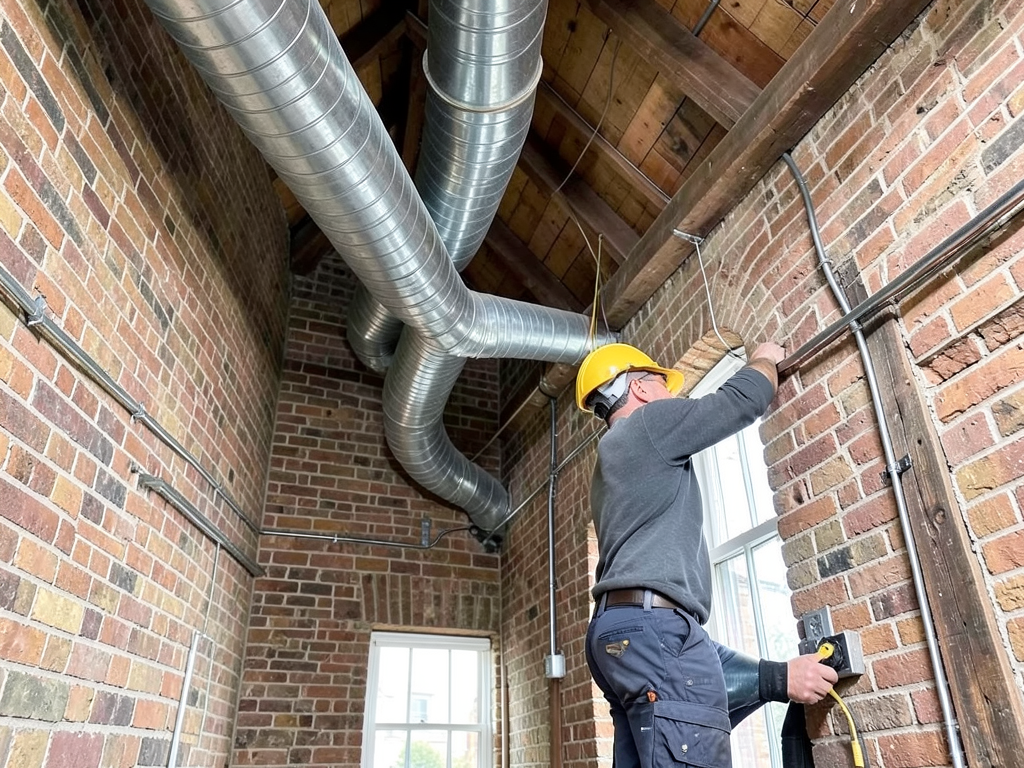
Creative Ways to Hide HVAC Ductwork in a High Ceiling South Kensington Loft Living in a South Kensington loft means…

Creative Ways to Hide HVAC Ductwork in a High Ceiling South Kensington Loft

Creative Ways to Hide HVAC Ductwork in a High Ceiling South Kensington Loft Living in a South Kensington loft means…

Picking a Whisper Quiet Heat Pump for Small Backyards in Haddington

Picking a Whisper Quiet Heat Pump for Small Backyards in Haddington Living in Haddington means dealing with tight backyard spaces…

Should You Keep Repairing or Just Replace That 15 Year Old Furnace in Your Bustleton Split Level Home

Should You Keep Repairing or Just Replace That 15 Year Old Furnace in Your Bustleton Split Level Home Your 15-year-old…

Contact Us

Do not wait. Do not go to sleep. If your carbon monoxide detector alarmed or you suspect a gas leak, call Elite HVAC Philadelphia immediately at (215) 610-9099. Our emergency technicians are standing by with professional CO detection equipment to protect your family tonight.