




Menu

Why Air Filter Changes Matter in Philadelphia – Protect Your System from Mid-Atlantic Humidity and Indoor Air Pollution

Philadelphia's dense urban environment and seasonal humidity swings create the perfect storm for clogged filters. Regular air filter changes keep your HVAC system efficient, reduce allergens, and prevent costly breakdowns across the city.

Slider Image 1
Slider Image 2
Slider Image 3
Slider Image 4
Slider Image 5
Slider Image 7
Slider Image 8
Slider Image 9
Slider Image 10
Slider Image 11

How Philadelphia's Climate and Urban Environment Make Air Filter Changes Critical

Philadelphia sits at the intersection of humid subtropical and humid continental climate zones. Summer humidity levels regularly climb above 70 percent, while winter brings temperature swings that force your HVAC system to work harder. This constant cycling pulls more air through your filters, loading them with moisture, pollen from Fairmount Park's 2,000 acres of greenery, and particulates from I-95 traffic corridors.

The benefits of changing air filters go beyond comfort. A clogged filter forces your blower motor to work harder, increasing energy consumption by up to 15 percent. In neighborhoods like Fishtown and Northern Liberties, where row homes share walls and ventilation paths, dirty filters compound indoor air quality problems. You breathe recycled dust, pet dander, and mold spores that settle in ductwork.

Why replace HVAC filters regularly in Philadelphia? The freeze-thaw cycle damages outdoor units, while indoor systems compensate by running longer cycles. A dirty filter restricts airflow, causing your evaporator coil to freeze or your heat exchanger to overheat. The significance of air filter replacement becomes clear when you consider repair costs. A simple filter swap prevents compressor failure, which can run into thousands of dollars.

The impact of dirty air filters shows up in your utility bills first. When airflow drops, your system runs longer to reach the thermostat setting. In older Philadelphia homes with radiators converted to forced air, undersized return ducts already limit airflow. Add a clogged filter, and you create a bottleneck that starves your system of the air it needs to function.

How Philadelphia's Climate and Urban Environment Make Air Filter Changes Critical
What Happens Inside Your HVAC System When You Ignore Filter Changes

What Happens Inside Your HVAC System When You Ignore Filter Changes

Your air filter is the first line of defense for your HVAC system. Every cubic foot of air that enters your return ducts passes through this barrier. When the filter media becomes saturated with particulates, static pressure increases across the blower assembly. The blower motor compensates by drawing more amperage, but it cannot overcome the physical restriction.

Reduced airflow has cascading effects. During cooling season, your evaporator coil depends on a specific volume of air moving across the fins to absorb heat. When airflow drops below design specifications, refrigerant temperature plummets. The coil ices over, blocking airflow entirely. Your system cycles on and off repeatedly, never reaching the set point. The compressor short-cycles, wearing out contactors and capacitors.

During heating season, restricted airflow causes the heat exchanger to overheat. Modern furnaces have limit switches that shut down the burners when temperatures exceed safe thresholds. You get short bursts of heat followed by long waits. In extreme cases, the heat exchanger cracks from thermal stress. A cracked heat exchanger is a safety hazard that requires immediate furnace replacement.

The reasons for changing AC filters extend to indoor air quality. A saturated filter cannot trap new particles. Instead, pressure differentials force air around the filter frame, pulling unfiltered air directly into your system. This unfiltered air carries mold spores, pollen, and dust that coat your ductwork and circulate through your living spaces. In homes with family members who have asthma or allergies, this creates health problems that show up as respiratory symptoms and emergency room visits.

How Regular Filter Maintenance Protects Your Investment

Why Air Filter Changes Matter in Philadelphia – Protect Your System from Mid-Atlantic Humidity and Indoor Air Pollution
01

Initial System Assessment

We start by identifying your filter type and location. Philadelphia homes use different configurations. Some have filters at the return grilles, others at the air handler. We measure your current filter dimensions and check the MERV rating. A MERV 8 filter works for most homes, but if you have pets or allergies, we recommend MERV 11. We also inspect the filter track for gaps that allow bypass air to enter your system unfiltered.
02

Replacement Schedule Design

Filter change frequency depends on your specific conditions. Homes with pets need monthly changes. If you live near heavy traffic corridors like Roosevelt Boulevard, plan for every six weeks. Standard occupancy in neighborhoods like Chestnut Hill or Mount Airy typically requires changes every 90 days. We create a schedule based on your blower runtime, occupancy, and indoor air quality goals. We also show you how to inspect filters between changes using a flashlight test.
03

System Performance Verification

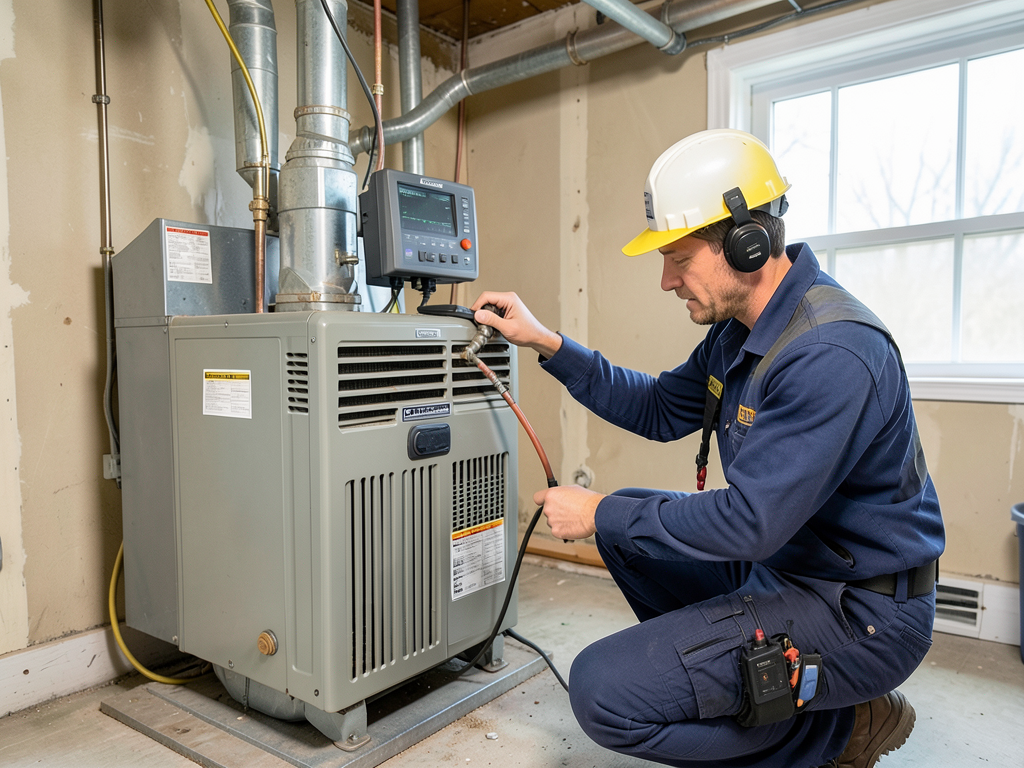
After installing a fresh filter, we measure airflow at supply registers using an anemometer. Proper airflow ensures your system operates at design capacity. We check temperature splits across the evaporator coil during cooling mode and temperature rise through the heat exchanger during heating mode. These measurements confirm your system is no longer working against restriction. You get better comfort, lower energy bills, and equipment that lasts longer.

Why Philadelphia Homeowners Trust Elite HVAC Philadelphia for Filter Guidance

Elite HVAC Philadelphia understands the specific challenges of maintaining HVAC systems in this city. We work in Trinity rowhomes with cramped mechanical rooms, Victorian twins with original ductwork, and modern loft conversions in Old City where air handlers hide in closets. We know which filter configurations work in each setting.

Philadelphia's building stock creates unique HVAC demands. Many homes were built before forced air heating became standard. Retrofitted systems often have return air paths that pull through wall cavities and floor joists. These configurations make filter access difficult and create pressure imbalances that accelerate filter loading. We help homeowners adapt to these realities with practical solutions that fit their specific layouts.

We also understand Philadelphia's seasonal patterns. Spring pollen from the Schuylkill River watershed hits hard in April and May. Summer humidity loads filters with moisture and biological growth. Fall brings leaf mold and ragweed. Winter means soot from wood-burning fireplaces in neighborhoods like Manayunk. Each season demands attention to filter condition.

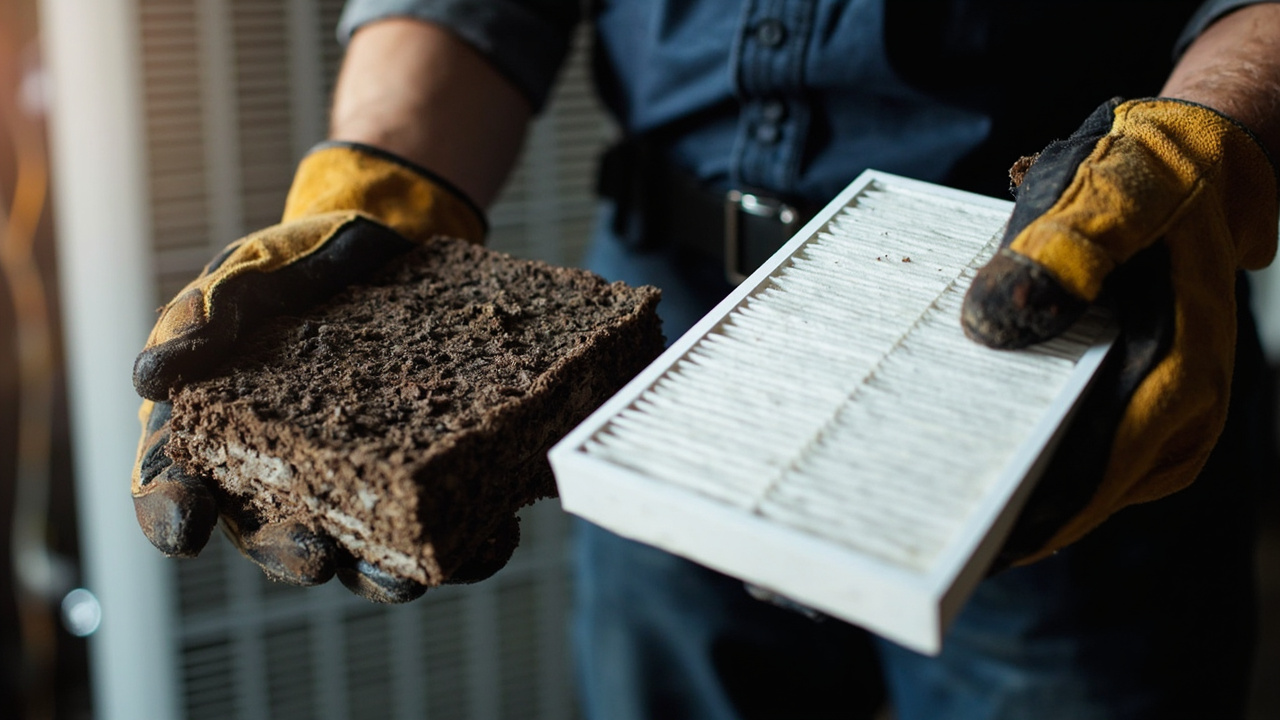
Our technicians see the consequences of neglected filters every day. We have pulled filters so caked with dust they bent under their own weight. We have documented ice buildup on evaporator coils that could have been prevented with a ten-dollar filter. We have replaced heat exchangers in furnaces that overheated because no one changed the filter for two years. These experiences make us advocates for simple preventive maintenance that protects your investment and keeps your family comfortable.

What You Can Expect When You Prioritize Air Filter Maintenance

Lower Energy Consumption Year-Round

A clean filter allows your blower motor to move air efficiently. Your system reaches the thermostat setting faster and shuts off instead of running continuously. You see the difference in your PECO bill within the first month. During peak summer cooling in July and August, the savings compound because your air conditioner does not labor against restriction. During winter heating season, your furnace cycles normally instead of short-cycling on the limit switch. Over a year, consistent filter changes can reduce your total HVAC energy consumption by 10 to 15 percent compared to running with dirty filters.

Improved Indoor Air Quality You Can Feel

Fresh filters trap pollen, dust mites, mold spores, and pet dander before they circulate through your home. You notice less dust settling on furniture and fewer allergy symptoms during high pollen counts. In Philadelphia's dense urban environment, where outdoor air quality varies by neighborhood, your HVAC filter provides a controlled barrier. You breathe cleaner air regardless of what is happening outside. Families with children or elderly members who are sensitive to airborne irritants see the most dramatic improvement. The air in your home smells fresher and feels cleaner because you are not recycling months of accumulated particulates.

Extended Equipment Lifespan and Fewer Repairs

HVAC equipment is expensive. A new air conditioner costs several thousand dollars. A furnace replacement runs even higher. Regular filter changes protect these investments by preventing the wear patterns that lead to premature failure. Blower motors last longer when they do not overheat from overwork. Compressors avoid the damage caused by short-cycling on a frozen coil. Heat exchangers do not crack from thermal stress. You avoid emergency repair calls and extend the functional life of your equipment by years. The return on investment from a consistent filter change schedule exceeds 10 to 1 when you factor in avoided repairs.

Consistent Comfort in Every Room

Proper airflow creates even temperatures throughout your home. When your system moves the designed volume of air, hot spots and cold spots disappear. Upstairs bedrooms cool down during summer. Basement living spaces warm up during winter. You stop adjusting the thermostat constantly because your HVAC system can do its job. In multi-story Philadelphia rowhomes where temperature stratification is common, good airflow makes the difference between a comfortable home and one where you avoid certain rooms during extreme weather. A clean filter is the simplest way to maintain that airflow.

Frequently Asked Questions

You Have Questions,
We Have Answers

Is changing the air filter important? +

Yes. Your air filter traps dust, pollen, and particulates before they enter your HVAC system. In Philadelphia, high humidity during summer and dense tree pollen in spring create extra airborne debris. A dirty filter restricts airflow, forcing your system to work harder. This increases energy bills, reduces indoor air quality, and shortens equipment life. Changing your filter protects your furnace and AC components from debris buildup, prevents frozen evaporator coils, and keeps your home comfortable. It's the simplest maintenance task that prevents expensive repairs and keeps your system running efficiently year-round.

Does changing the air filter improve performance? +

Yes. A clean filter allows proper airflow through your system, which improves heating and cooling efficiency. When airflow is restricted by a clogged filter, your HVAC system struggles to push conditioned air through your ductwork. This reduces output at your vents and makes rooms feel stuffy or uneven in temperature. In Philadelphia's older rowhomes and converted apartments, where ductwork may already be tight, a dirty filter compounds airflow problems. Regular filter changes restore proper air circulation, reduce strain on your blower motor, and help your system reach desired temperatures faster without overworking.

What can happen if you don't replace the air filter? +

Your system can fail. A clogged filter restricts airflow so severely that your evaporator coil freezes in cooling mode or your heat exchanger overheats in heating mode. This triggers safety shutoffs and repeated short cycling. Over time, your blower motor burns out from overwork, your compressor fails from inadequate cooling, or your heat exchanger cracks. In Philadelphia's humid summers, a dirty filter also promotes mold growth inside your ductwork. You'll face poor indoor air quality, higher energy bills, frequent breakdowns, and potentially a full system replacement years before necessary.

Can I just clean my air filter instead of replacing it? +

Only if you have a washable filter designed for reuse. Standard disposable fiberglass or pleated filters cannot be cleaned effectively. The fibers compress and lose their filtration ability once clogged. Washing them damages the media and reduces airflow further. If you have a permanent electrostatic or foam filter, you can rinse it with water and let it dry completely before reinstalling. However, most Philadelphia homes use disposable filters rated MERV 8 to 11, which must be replaced monthly or quarterly. Cleaning these wastes time and leaves your system vulnerable to debris.

What is the life expectancy of an air filter? +

Standard disposable filters last one to three months depending on your home's conditions. In Philadelphia, you should replace filters more often during high pollen spring months and humid summer periods when your AC runs constantly. Homes with pets, smokers, or ongoing construction need monthly changes. High-efficiency pleated filters last longer than basic fiberglass but still require regular replacement. Check your filter monthly by holding it to light. If you cannot see through it clearly, replace it immediately. Waiting longer risks system damage and indoor air quality problems that affect your family's health.

Does a new air filter improve gas mileage? +

No. This question confuses HVAC air filters with automotive engine air filters. Your home's HVAC system does not affect your vehicle's fuel efficiency. However, changing your home's air filter does reduce your HVAC system's energy consumption. A clean filter allows proper airflow, so your furnace or AC uses less electricity or gas to heat or cool your home. In Philadelphia, where older homes often have inefficient HVAC systems, this can lower your monthly utility bills by up to 15 percent during peak heating and cooling seasons.

Will I notice a difference with a new air filter? +

Yes. You'll notice improved airflow at your vents within hours of installing a fresh filter. Rooms feel more comfortable as air circulates properly. Your system cycles less frequently because it reaches thermostat settings faster. Energy bills drop over the next billing cycle. In Philadelphia's older housing stock, where duct leaks and poor insulation already stress HVAC systems, a clean filter makes a dramatic difference. You'll also breathe easier as allergens and dust particles get trapped before recirculating. If you haven't changed your filter in months, the improvement is immediately obvious.

How often should air filters be changed? +

Change standard filters every 30 to 90 days depending on your situation. Philadelphia homes with pets or high pollen exposure need monthly changes. Homes without pets or during mild weather can extend to 60 days. Check your filter monthly regardless. High-efficiency pleated filters rated MERV 11 or higher may last 90 days in ideal conditions. During July and August, when your AC runs constantly in Philadelphia's heat and humidity, change filters more frequently. Set a phone reminder or subscribe to a filter delivery service to stay consistent. Skipping changes costs more in repairs than filters.

Does changing the air filter make the AC colder? +

Yes. A clean filter restores proper airflow across your evaporator coil, allowing it to absorb heat efficiently from your indoor air. When a dirty filter restricts airflow, your AC cannot remove heat effectively, leaving your home warmer and humid. In Philadelphia's sticky summer months, this is especially noticeable. A fresh filter allows cold air to circulate freely through your ductwork, reaching all rooms evenly. Your AC will also cycle properly instead of running constantly without cooling. If your AC still underperforms after a filter change, you may have refrigerant leaks or compressor issues requiring professional service.

What is the $5000 AC rule? +

This rule suggests repairing your AC if the cost is less than $5,000 and replacing it if repairs exceed that amount or if your system is over 10 years old. It's a rough guideline, not a law. In Philadelphia, where HVAC systems work hard through humid summers and cold winters, age and repair history matter more than one threshold. If your system needs a costly compressor replacement and is already 12 years old, replacement makes sense. However, a simple refrigerant leak on a newer system warrants repair. Consult a qualified Philadelphia HVAC contractor for personalized advice based on your specific situation.

Why Philadelphia's Particulate Load Makes Filter Changes Non-Negotiable

Philadelphia's air quality index reflects its position as a major northeastern urban center. The city sits in a valley where the Schuylkill and Delaware rivers converge, creating atmospheric conditions that trap particulates. I-76 and I-95 carry hundreds of thousands of vehicles daily, generating brake dust, tire particulates, and exhaust emissions. Industrial facilities along the Delaware waterfront and the Port of Philadelphia contribute additional airborne contaminants. Spring pollen from the extensive tree canopy in neighborhoods like East Falls and Germantown adds a seasonal load that clogs filters rapidly. These local conditions make air filter changes more critical here than in rural or less densely developed areas.

Elite HVAC Philadelphia has maintained HVAC systems across every neighborhood from Society Hill to Roxborough. We understand the differences between Center City high-rises with central HVAC plants and Northeast Philadelphia single-family homes with package units. We know which local suppliers stock the filter sizes for older systems and where to source specialty filters for custom installations. Our familiarity with Philadelphia's building stock and climate patterns means we provide recommendations that work in real-world conditions, not generic advice from a national call center. When you choose local expertise, you get solutions designed for Philadelphia homes.
HVAC Services in The Philadelphia Area

Come visit our office or explore our extensive service area on the map below. Elite HVAC proudly serves residential and commercial clients across Philadelphia, ensuring prompt and reliable heating, ventilation, and air conditioning solutions wherever you are. Whether you need an emergency repair or a new installation, we’re strategically located to provide quick and efficient service right to your doorstep, ensuring your comfort is never compromised.

Address:
Elite HVAC Philadelphia, 2231 E Ontario St, Philadelphia, PA, 19134

Additional Services We Offer

Our news updates

Latest Articles & News from The Blogs

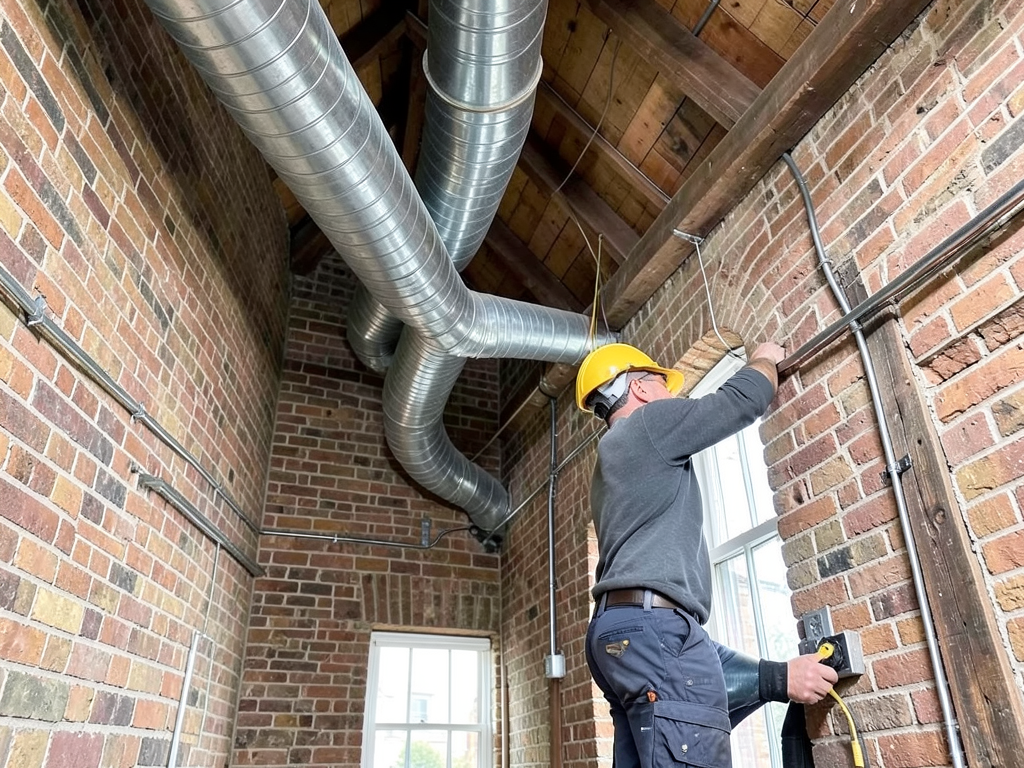
Creative Ways to Hide HVAC Ductwork in a High Ceiling South Kensington Loft Living in a South Kensington loft means…

Creative Ways to Hide HVAC Ductwork in a High Ceiling South Kensington Loft

Creative Ways to Hide HVAC Ductwork in a High Ceiling South Kensington Loft Living in a South Kensington loft means…

Picking a Whisper Quiet Heat Pump for Small Backyards in Haddington

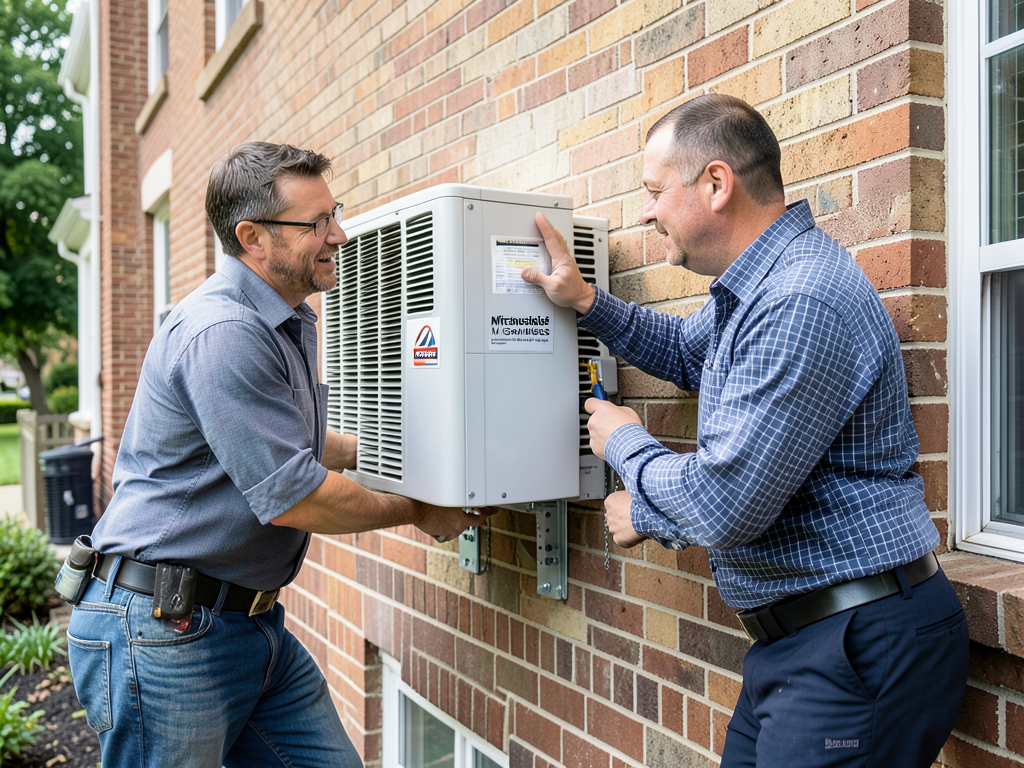
Picking a Whisper Quiet Heat Pump for Small Backyards in Haddington Living in Haddington means dealing with tight backyard spaces…

Should You Keep Repairing or Just Replace That 15 Year Old Furnace in Your Bustleton Split Level Home

Should You Keep Repairing or Just Replace That 15 Year Old Furnace in Your Bustleton Split Level Home Your 15-year-old…

Contact Us

Do not wait for your system to fail. Call Elite HVAC Philadelphia at (215) 610-9099 right now. We will inspect your current filter, recommend the right replacement schedule, and show you how to maintain peak system performance year-round.