




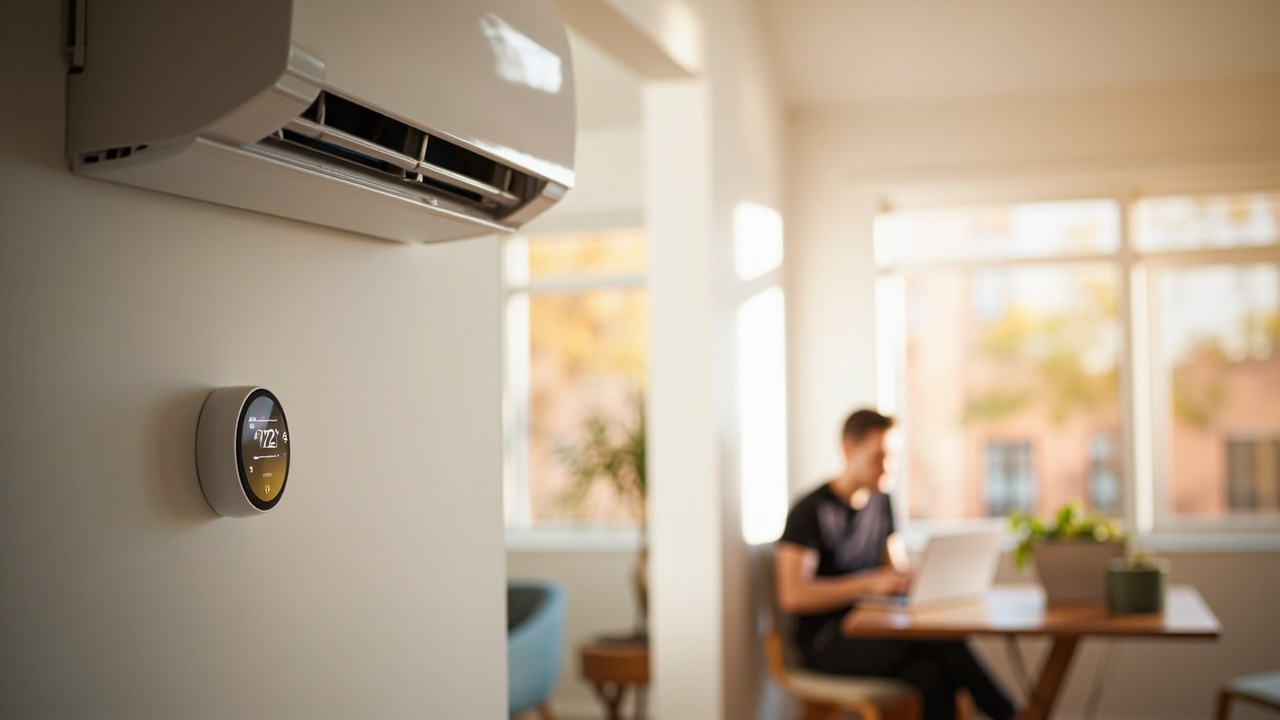
Philadelphia's location between the Atlantic coast and Appalachian Mountains creates a humid subtropical climate with dramatic seasonal variation. Summer dew points regularly exceed 70 degrees, making dehumidification as important as cooling. Winter arctic air masses drop temperatures to single digits, stressing heat pumps beyond their effective range. Conventional single-stage systems either overcool to remove humidity or switch to expensive backup heat when outdoor temperatures fall. Inverter technology solves both problems through variable speed compressor benefits that modulate capacity across Philadelphia's 100-degree annual temperature range. Systems run longer at lower speeds during humid weather, removing moisture without overcooling. Enhanced vapor injection maintains heating capacity at 5 degrees outdoor temperature, eliminating backup heat operation that doubles winter electricity costs.
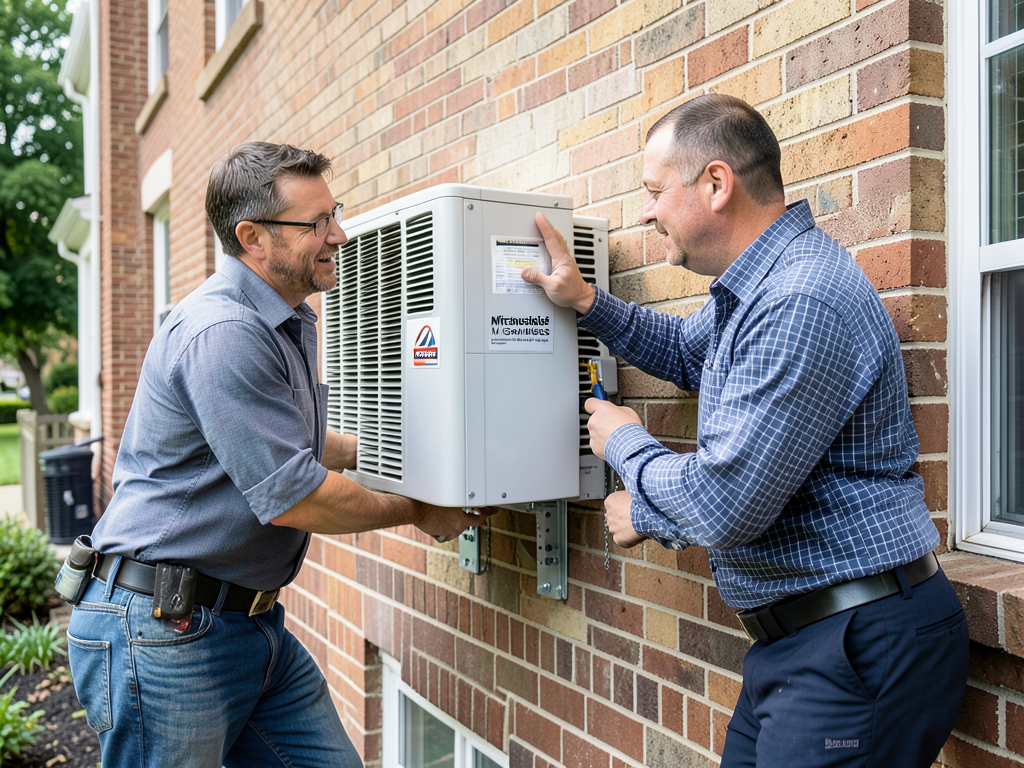
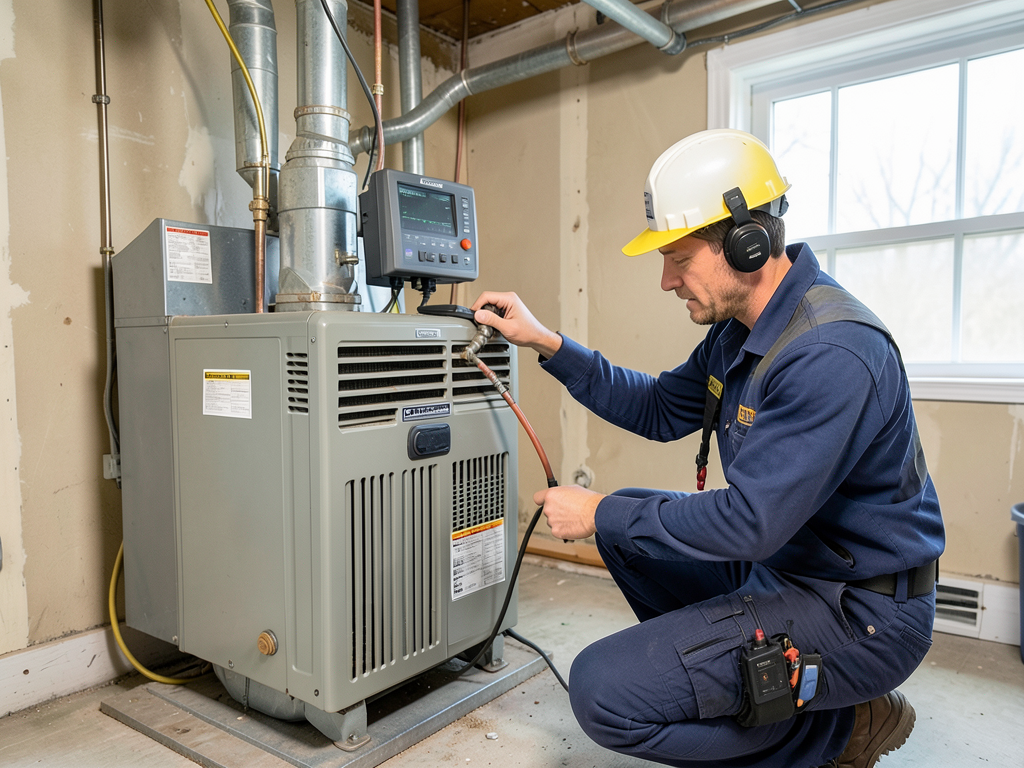
Philadelphia's building codes and utility rate structures favor high-efficiency HVAC equipment. PECO's time-of-use rates penalize peak demand during summer afternoons when conventional air conditioners surge to maximum capacity. Inverter systems reduce peak electrical draw by 40%, lowering demand charges and qualifying for utility rebates up to $1,200. Local mechanical codes require proper refrigerant management and electrical disconnects within sight of equipment. Elite HVAC Philadelphia technicians maintain Philadelphia contractor licenses and stay current on city permitting requirements. We handle all code compliance, inspections, and utility rebate applications, ensuring your inverter system installation meets municipal standards and qualifies for available incentives.