




Menu

Outdoor Unit Not Spinning in Philadelphia – Expert Diagnosis and Same-Day Repair

When your air conditioner outdoor fan stops running, you need fast answers and faster fixes. Elite HVAC Philadelphia troubleshoots condenser fan failures across the city, identifying electrical issues, capacitor failures, and motor burnout to restore cooling the same day you call.

Slider Image 1
Slider Image 2
Slider Image 3
Slider Image 4
Slider Image 5
Slider Image 7
Slider Image 8
Slider Image 9
Slider Image 10
Slider Image 11

Why Your AC Condenser Fan Stops Spinning in Philadelphia Heat

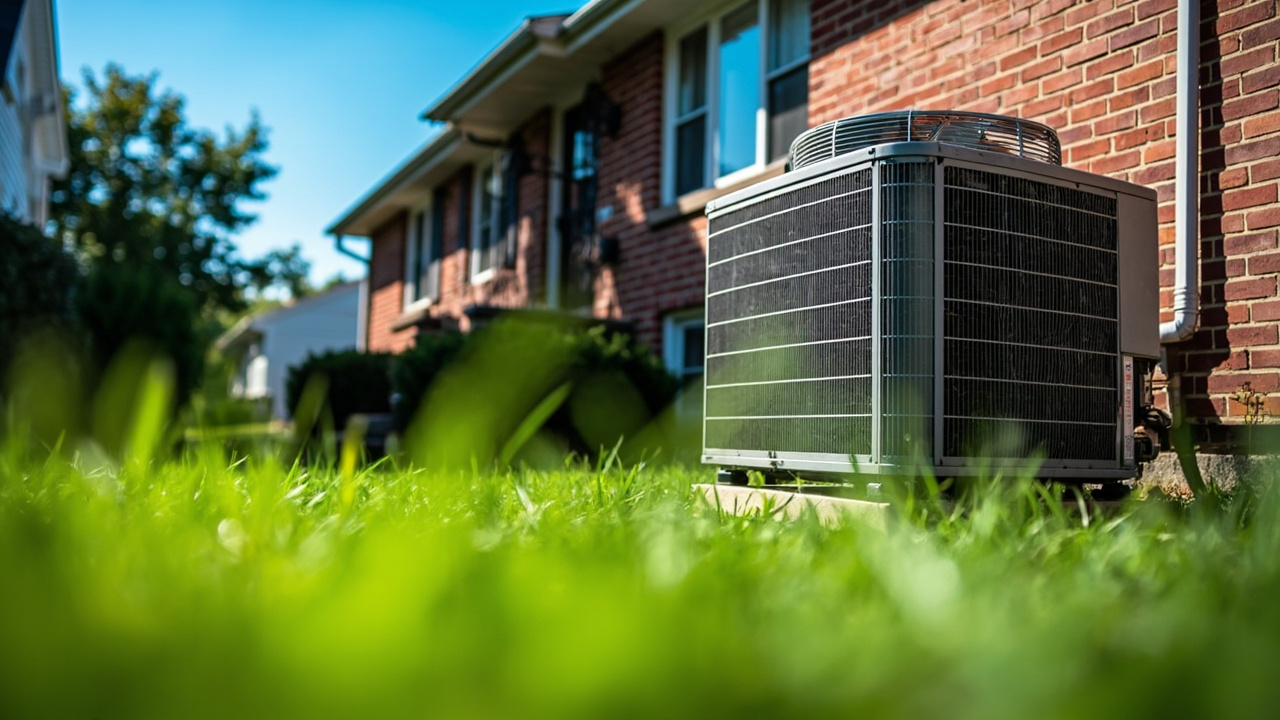
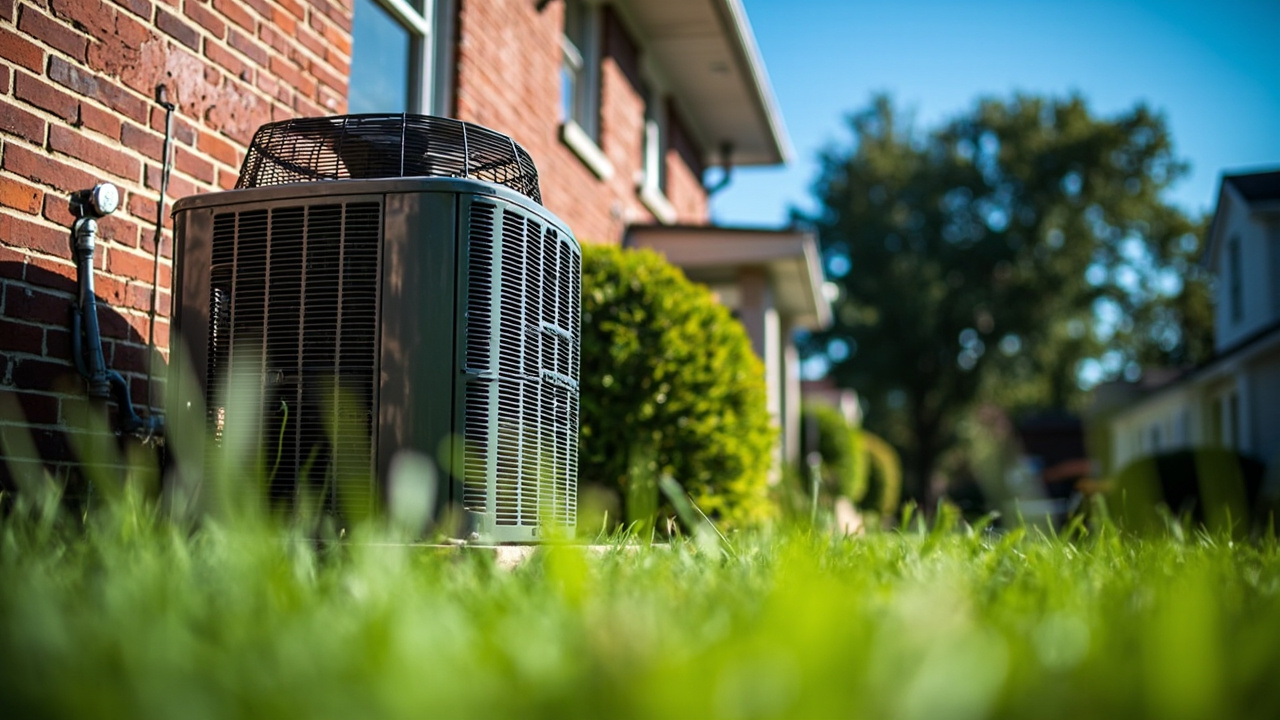
You walk outside and see it. The outdoor unit is humming, but the fan blade sits still. The condenser fan not spinning means your AC cannot reject heat. Your system works harder, your energy bill climbs, and your compressor risks permanent damage.

Philadelphia's summer humidity and temperature swings create perfect conditions for capacitor failure. The start capacitor stores the electrical charge needed to spin the condenser fan motor. When it weakens or fails, your outside AC fan will not turn. You hear the contactor click, but nothing moves.

Motor bearings seize after years of exposure to Philadelphia's freeze-thaw cycles. Water infiltrates the motor housing during winter, then expands when temperatures drop below freezing. When summer returns, the motor tries to spin but cannot overcome the internal resistance. Your air conditioner outdoor fan sits frozen in place.

Debris accumulation around the unit blocks airflow and causes overheating. Cottonwood seeds from Philadelphia's street trees clog the condenser coils every June. The motor runs hot, trips the thermal overload, and shuts down. Your AC condenser fan stops working until the motor cools and resets.

Electrical issues at the contactor relay prevent power from reaching the fan motor. The contactor contacts pit and corrode from Philadelphia's humidity. When you turn on your system, the compressor runs but the outdoor unit fan does not receive voltage. The blade stays still while the compressor overheats.

Why Your AC Condenser Fan Stops Spinning in Philadelphia Heat
How We Diagnose and Repair Non-Spinning Condenser Fans

How We Diagnose and Repair Non-Spinning Condenser Fans

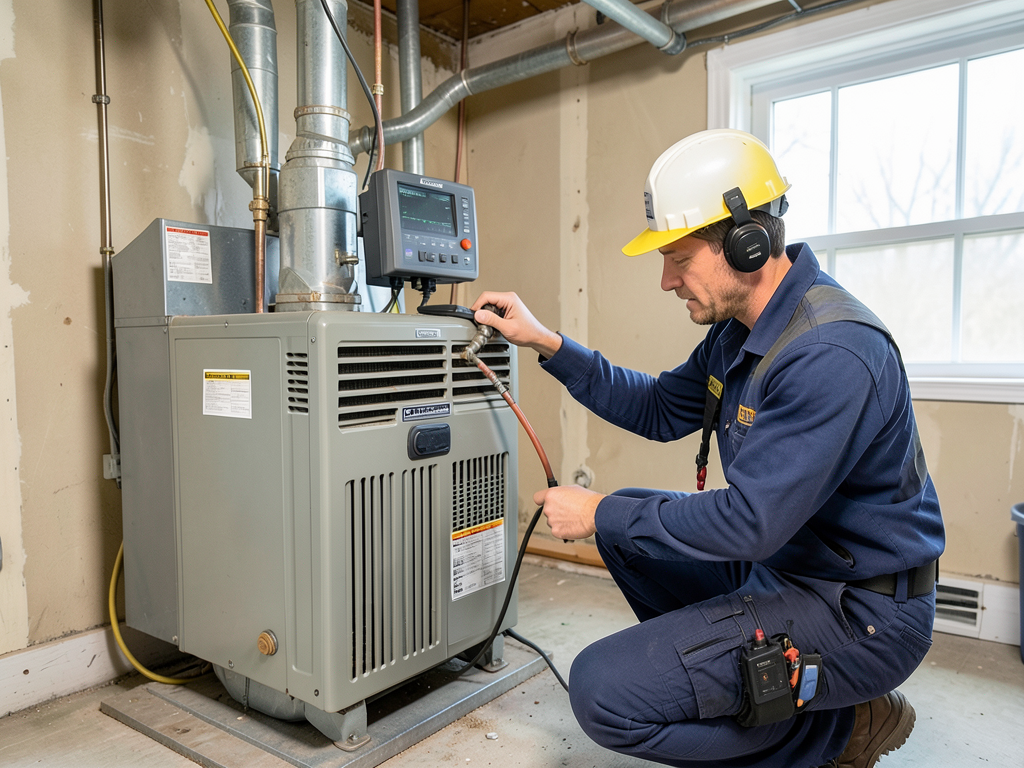
We do not guess. We test every component in the starting circuit with calibrated multimeters and capacitor analyzers.

First, we verify voltage at the contactor. If the contactor receives 24 volts from the thermostat but does not close, we replace it. If it closes but voltage does not reach the fan motor terminal, we trace the disconnect between the contactor and the motor.

Next, we test the dual-run capacitor. The capacitor stores electrical charge measured in microfarads. We measure actual capacitance against the rated specification printed on the capacitor housing. If the reading falls more than 10 percent below rating, we replace it. A weak capacitor cannot generate the starting torque needed to spin the fan blade from a dead stop.

We check the fan motor directly. We disconnect power, then manually spin the blade. If it moves freely, the bearings are sound. If it resists or grinds, the motor needs replacement. We measure winding resistance across the motor terminals. An open circuit indicates a burned winding. A short circuit indicates internal insulation failure.

We inspect the thermal overload switch embedded in the motor housing. This switch opens the circuit when the motor overheats. We test continuity across the switch terminals. If it shows open, we allow the motor to cool, then retest. A switch that remains open after cooling is defective.

We clean the condenser coils and verify unrestricted airflow. A motor running at elevated temperature will fail prematurely, even after repair.

What Happens When You Call for a Non-Spinning Fan

Outdoor Unit Not Spinning in Philadelphia – Expert Diagnosis and Same-Day Repair
01

Electrical Circuit Testing

We arrive with diagnostic tools and test voltage at every connection point in your starting circuit. We measure incoming voltage at the disconnect, contactor coil voltage from the thermostat, and output voltage to the fan motor. We identify where power stops flowing. We test your capacitor under load, not just with a static meter. This reveals weak capacitors that test normal when cold but fail under starting load.
02

Component Replacement

Once we isolate the failed component, we replace it with the correct replacement rated for your specific condenser unit. We match capacitor microfarad ratings exactly. We install contactors with the correct pole configuration and voltage rating. We use OEM-equivalent fan motors with matching horsepower, rotation speed, and shaft diameter. We do not use universal parts that create new problems. We install the component that fits your system.
03

System Verification

After replacement, we run your system through a complete cooling cycle. We measure amp draw at the fan motor to confirm it operates within specification. We verify the condenser fan spins at the correct RPM using a tachometer. We check temperature split across the condenser coils to confirm heat rejection. We test the system under load for 15 minutes to ensure the repair holds. You see the fan spinning before we leave.

Why Philadelphia Residents Choose Elite HVAC for Condenser Fan Repairs

We carry the parts that fail most often in Philadelphia's climate. Start capacitors, dual-run capacitors, and contactor relays sit in our service vehicles. We do not need to order parts and return another day. We complete most condenser fan repairs in a single visit.

We understand how Philadelphia's temperature extremes stress outdoor units. Your condenser sits outside year-round, exposed to winter freezes that crack capacitor housings and summer humidity that corrodes electrical connections. We account for these factors when we diagnose your system. We identify secondary damage before it causes another failure.

We work on every major condenser brand installed across Philadelphia. Carrier, Trane, Lennox, Rheem, Goodman, and York units all use different motor mounting systems and capacitor configurations. We know the failure points specific to each brand. We know which Goodman models use proprietary motors and which Carrier units require specialized capacitors.

Our technicians understand Philadelphia's building stock. Rowhomes in South Philadelphia have condenser units installed in tight side yards with limited clearance. Units in Fishtown sit on rooftop platforms exposed to stronger winds. We adapt our diagnostic approach based on your installation environment.

We explain what failed and why. You understand the root cause before we start work. We show you the failed component and explain how it caused your outdoor unit fan to stop spinning. We give you options, not sales pitches. If your motor failed due to age and your compressor shows signs of wear, we tell you. You decide whether to repair or replace.

What to Expect During Your Condenser Fan Repair

Same-Day Service

We prioritize non-spinning condenser fans because they cause compressor damage. When your outdoor fan stops running, your compressor cannot cool itself. It overheats and fails. We dispatch a technician within hours of your call during summer months. We arrive with the diagnostic tools and common replacement parts needed to fix your system the same day. You do not wait days in the heat while your AC sits broken. Most condenser fan repairs take 60 to 90 minutes from diagnosis to completion.

Complete System Evaluation

We do not just replace the failed part and leave. We evaluate your entire outdoor unit for related damage. We inspect your compressor for signs of overheating. We check refrigerant pressures to confirm your system did not lose charge. We test your contactor for pitting and measure voltage drop across corroded connections. We clean your condenser coils if debris accumulation contributed to motor overheating. You receive a full system health report, not just a band-aid repair that fails again in three weeks.

Reliable Cooling Restoration

We verify your repair before we consider the job complete. We run your system through a full cooling cycle and measure performance at every point. We confirm your condenser fan spins at the correct speed, your compressor operates within normal amp draw, and your system achieves proper temperature split. We check for vibration and unusual noise that indicates a mounting problem. Your outdoor unit runs quietly and efficiently when we finish. You feel cool air flowing from your vents within minutes of startup.

Preventive Maintenance Guidance

We tell you how to prevent the next failure. If your capacitor failed due to age, we explain the typical lifespan and recommend replacement intervals. If debris caused your motor to overheat, we show you how to maintain clearance around your outdoor unit. We identify conditions that accelerate component wear in your specific installation. You receive a maintenance schedule tailored to your system and your Philadelphia neighborhood. We do not sell you a maintenance contract on the spot. We give you information and let you decide.

Frequently Asked Questions

You Have Questions,
We Have Answers

Why is my outside AC not spinning? +

Your outside AC unit may not spin for several reasons. A tripped circuit breaker or blown fuse cuts power to the fan motor. Philadelphia's humid summers stress compressors and capacitors, causing them to fail and prevent the fan from starting. A bad fan motor, seized bearings from debris, or a faulty contactor can also stop rotation. The thermostat might not be signaling the outdoor unit properly. Ice buildup from restricted airflow can lock the blades. Check your breaker first, then visually inspect for obstructions. If the unit hums but does not spin, the capacitor is likely dead and needs immediate replacement.

Why is my fan turning on but not spinning? +

When your fan turns on but the blades do not spin, the capacitor has likely failed. The capacitor stores energy to kick-start the motor. Without it, the motor receives power and hums but lacks the torque to rotate. A seized motor from dirt or rust can also prevent spinning despite power delivery. In Philadelphia's freeze-thaw cycles, moisture infiltration corrodes motor components and locks bearings. A bad fan blade itself, bent from storm debris or impact, can bind and stop rotation. You may hear clicking or buzzing. This situation requires professional diagnosis to identify whether the capacitor, motor, or blade assembly needs replacement.

Is the outside AC unit supposed to be spinning? +

Yes, the outside AC unit fan should spin whenever the system runs in cooling mode. The condenser fan pulls air across the coil to release heat absorbed from your home. If the compressor runs but the fan does not spin, the system cannot reject heat properly. This causes high head pressure, compressor overheating, and eventual failure. Philadelphia's summer heat demands constant fan operation during cooling cycles. The fan blade should rotate smoothly and quietly. If it spins intermittently or not at all while the compressor hums, you have a mechanical or electrical failure that needs immediate repair to prevent compressor damage.

Why is my AC unit humming but not spinning? +

A humming AC unit that does not spin signals a failed start capacitor. The capacitor provides the electrical jolt needed to start the fan motor. When it fails, the motor draws power and hums but cannot generate enough torque to overcome inertia and spin. Philadelphia's voltage fluctuations during summer peak demand can weaken capacitors prematurely. A locked rotor from debris, rust, or seized bearings also causes humming without rotation. Continuing to run the unit in this state overheats the motor windings and risks permanent damage. Turn the system off immediately and call a technician to test the capacitor and motor.

Should I turn off my AC if the fan isn't spinning? +

Yes, turn off your AC immediately if the fan is not spinning. Running the compressor without the condenser fan causes refrigerant pressure to spike dangerously high. The compressor overheats rapidly without airflow to cool it, leading to internal damage or complete failure. Philadelphia's 90-degree summer days accelerate this damage within minutes. A failed capacitor or motor keeps the fan from spinning, but the compressor continues running and burning itself out. Shut the system off at the thermostat and breaker. Inspect for visible obstructions or damage. Call a technician before restarting to avoid a costly compressor replacement that could reach thousands of dollars.

What is the $5000 rule for AC? +

The 5000 dollar rule helps you decide between repairing or replacing your AC system. Multiply the age of your unit by the repair cost estimate. If the result exceeds 5000, replacement makes more financial sense than repair. For example, a 12-year-old unit needing an 800 dollar compressor replacement equals 9600, suggesting full replacement. Philadelphia's humid climate shortens AC lifespan compared to dry regions. Units over 10 years old with major component failures like compressor or coil issues often warrant replacement. This rule balances immediate repair costs against the remaining useful life and efficiency gains of a new system. Newer units also handle Philadelphia summers more reliably.

How do I know if my fan motor is blown? +

A blown fan motor shows several signs. The motor hums or buzzes but the fan does not spin, indicating electrical power reaches the motor but internal windings have failed. You may smell burning plastic or detect smoke from overheated insulation. The motor housing feels extremely hot to the touch even after short runtime. A completely silent motor with no humming means total electrical failure or burned windings. Philadelphia's summer humidity accelerates motor corrosion and winding degradation. Use a multimeter to test for continuity across motor terminals. No continuity confirms a blown motor. A seized motor shaft that cannot be manually rotated also indicates internal failure requiring motor replacement.

How do I make my fan spin again? +

Do not attempt to force your fan to spin yourself. First, turn off power at the breaker to ensure safety. Check for visible obstructions like sticks, leaves, or debris blocking the blades. Clear any blockages carefully. If the fan moves freely by hand but will not start on its own, the start capacitor has likely failed and needs professional replacement. A seized motor or bad contactor also prevents spinning and requires technician diagnosis. Philadelphia's freeze-thaw cycles cause moisture damage that locks bearings. Attempting DIY motor repairs risks electrical shock or further damage. Call a licensed HVAC technician to test the capacitor, motor, and electrical components properly.

Can you spray WD-40 in a fan motor? +

No, never spray WD-40 into a fan motor. WD-40 is a water displacer, not a lubricant, and attracts dust that gums up motor bearings. Modern sealed condenser fan motors do not require lubrication and have permanently sealed bearings. Introducing WD-40 breaks down existing grease, accelerates wear, and causes premature motor failure. Philadelphia's humidity makes the residue sticky and clogs ventilation slots, trapping heat inside the motor housing. If your motor squeals or seizes, it needs professional service or replacement, not spray lubricant. Using WD-40 voids warranties and creates a fire hazard if the chemical contacts electrical components. Only use manufacturer-approved lubricants on older motors with oil ports.

How to tell if an outside AC fuse is blown? +

To check if your outside AC fuse is blown, first turn off power at the disconnect box near the unit. Remove the pull-out fuse block and visually inspect the cartridge fuses for a broken internal wire or blackened, melted casing. Use a multimeter set to continuity mode and touch probes to each fuse end. A good fuse shows continuity and beeps. No beep means the fuse is blown. Philadelphia's summer storms and voltage spikes commonly blow fuses. Replace blown fuses with the exact same amperage rating stamped on the original. Never use a higher-rated fuse, which risks fire or equipment damage. If fuses blow repeatedly, an underlying electrical issue needs professional diagnosis.

How Philadelphia's Grid Voltage Fluctuations Damage Condenser Fan Motors

Philadelphia's aging electrical grid experiences voltage sags during peak cooling demand in July and August. When voltage drops below 230 volts, your condenser fan motor draws higher amperage to maintain rotation speed. This elevated current overheats motor windings and degrades capacitor dielectric material. Neighborhoods in West Philadelphia and North Philadelphia experience more frequent voltage fluctuations due to older transformer infrastructure. Your outdoor unit fan motor fails faster in these areas. We see higher capacitor failure rates in zip codes served by older substations. Grid instability shortens component life across the city.

Philadelphia's Department of Licenses and Inspections requires HVAC contractors to carry an active HVAC license and liability coverage. We maintain both. We pull permits when required for equipment replacement. We follow National Electrical Code requirements for outdoor unit disconnects and conductor sizing. Philadelphia's building codes require specific clearances around condenser units in commercial applications. We verify code compliance during every installation and major repair. You avoid violation notices and failed inspections when you use licensed contractors who understand local regulations.
HVAC Services in The Philadelphia Area

Come visit our office or explore our extensive service area on the map below. Elite HVAC proudly serves residential and commercial clients across Philadelphia, ensuring prompt and reliable heating, ventilation, and air conditioning solutions wherever you are. Whether you need an emergency repair or a new installation, we’re strategically located to provide quick and efficient service right to your doorstep, ensuring your comfort is never compromised.

Address:
Elite HVAC Philadelphia, 2231 E Ontario St, Philadelphia, PA, 19134

Additional Services We Offer

Our news updates

Latest Articles & News from The Blogs

Creating an Allergy Friendly Home in Elkins Park with Advanced Air Scrubbers Philadelphia's humid continental climate creates perfect conditions for…

Creating an Allergy Friendly Home in Elkins Park with Advanced Air Scrubbers

Creating an Allergy Friendly Home in Elkins Park with Advanced Air Scrubbers Philadelphia's humid continental climate creates perfect conditions for…

The Best Way to Get Central Air into Your Olney Attic Conversion

Why Your Olney Attic Bedroom Feels Like an Oven Philadelphia summers turn your Olney attic into a heat trap. Hot…

Simple HVAC Tasks Port Richmond Homeowners Can Actually Do Themselves

Simple HVAC Tasks Port Richmond Homeowners Can Actually Do Themselves\n\nPort Richmond homeowners can handle several basic HVAC maintenance tasks that…

Contact Us

Your compressor is at risk every minute your condenser fan sits motionless. Call Elite HVAC Philadelphia now at (215) 610-9099. We diagnose the failure, replace the failed component, and restore cooling the same day. Do not wait until your compressor burns out.