






Menu

Excess Dust in Home in Philadelphia – Expert HVAC Diagnosis Solves the Hidden Source

If you're constantly wiping surfaces or noticing heavy dust buildup in your Philadelphia home, your HVAC system is likely circulating contaminated air through dirty ductwork, failing filters, or leaking return vents.

Slider Image 1
Slider Image 2
Slider Image 3
Slider Image 4
Slider Image 5
Slider Image 7
Slider Image 8
Slider Image 9
Slider Image 10
Slider Image 11

Why Philadelphia Homes Battle Constant Dust Buildup

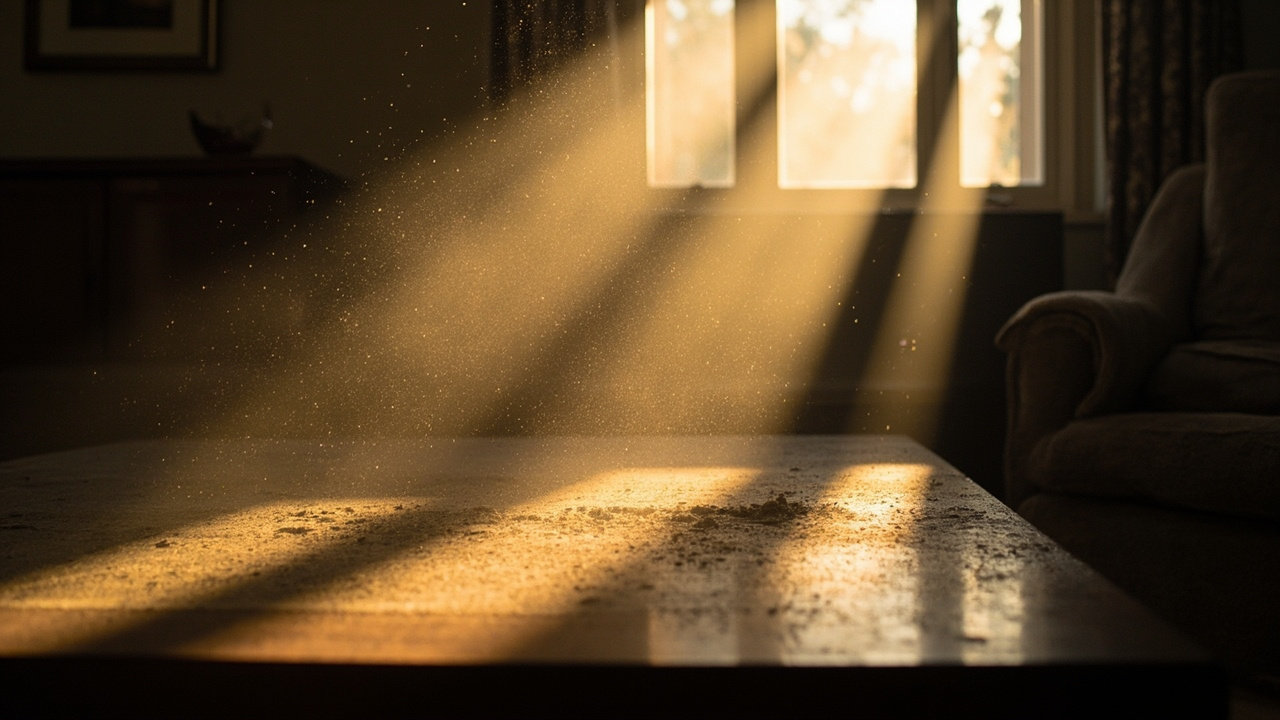
You dust on Monday. By Wednesday, every surface is coated again. You vacuum daily, but excessive house dust keeps appearing on furniture, baseboards, and electronics. This is not normal.

Philadelphia's humid summers and freeze-thaw winters create a perfect storm for dust infiltration. When your HVAC system cycles on and off through temperature swings, compromised ductwork pulls in attic insulation fibers, outdoor particulates, and construction debris from row home renovations common in Fishtown, Queen Village, and Passyunk Square. The city's aging housing stock, much of it built before 1950, often features original ductwork with decades of accumulated contaminants.

Too much dust in home environments is rarely a housekeeping issue. It is an air circulation problem. Your forced air system moves roughly 1,200 cubic feet of air per minute through your home. If that air passes through dirty ducts, failing MERV-rated filters, or leaking return plenums, you are essentially powdering your home with microscopic particles every time the blower motor engages.

Heavy dust buildup also signals poor filtration or bypassed air. When return vents are undersized or blocked, your system pulls unfiltered air through gaps in walls, ceilings, and crawlspaces. This bypass air carries cellulose insulation, drywall dust, and outdoor pollutants directly into your living space. Many Philadelphia rowhomes share common walls with active construction, making this problem worse.

If you see visible dust clouds when your system starts, or if you constantly replace filters within weeks, your HVAC system is not filtering air properly. It is distributing contaminants.

Why Philadelphia Homes Battle Constant Dust Buildup
How We Diagnose and Eliminate Unusually Dusty Home Conditions

How We Diagnose and Eliminate Unusually Dusty Home Conditions

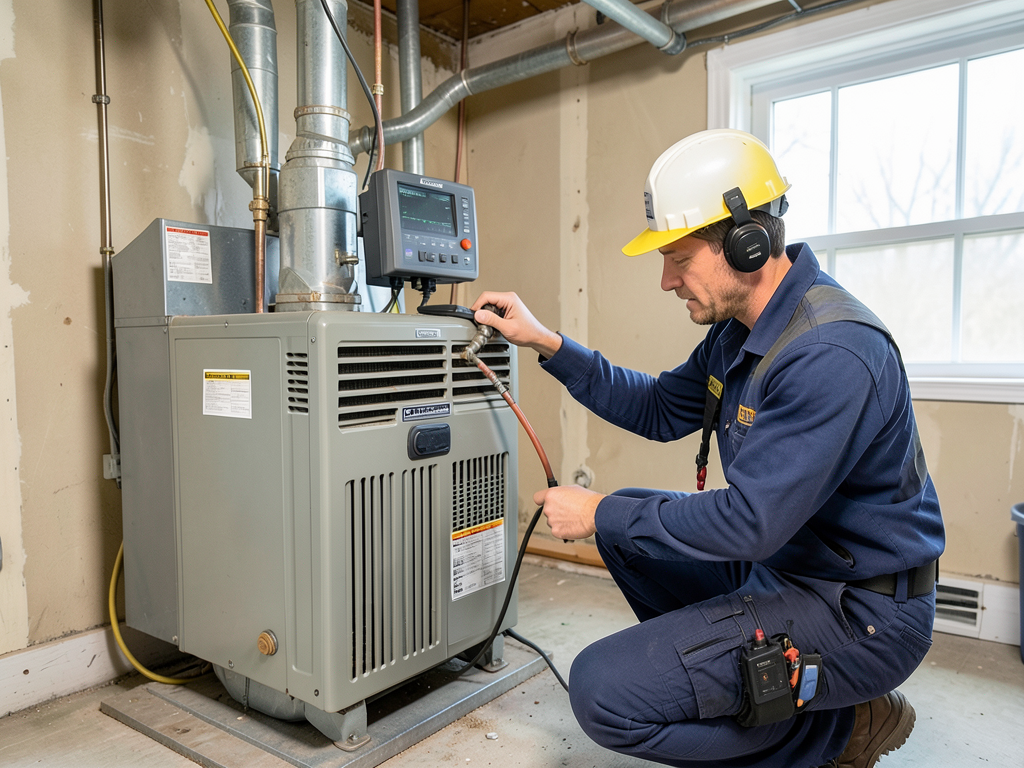
We do not sell duct cleaning as a first step. Most companies push expensive services without identifying the actual source of constant dust in house environments. We start with a blower door test and visual duct inspection using fiber optic cameras to locate breaches, unsealed joints, and return-side leaks.

Philadelphia homes often have return vents installed directly into wall cavities without proper ducting. This pulls air from stud bays filled with old plaster dust, rodent debris, and insulation fragments. We seal these pathways with mastic and install proper return duct boots.

Next, we measure static pressure across your air handler. High pressure indicates restricted airflow from clogged coils or undersized ductwork. Low pressure means leaks. Both conditions cause your system to pull unfiltered air through building cavities, creating excessive house dust.

We also evaluate filter fit and MERV rating. A loose filter allows bypass air. A MERV 13 filter in a system designed for MERV 8 causes pressure drops that pull contaminants through duct seams. We match filtration to your blower capacity and seal filter racks to eliminate edge bypass.

For homes with heavy dust buildup, we inspect the evaporator coil. A dirty coil slows airflow and traps moisture, creating a breeding ground for mold spores that circulate as dust-like particles. We clean coils with biocide treatments and verify proper condensate drainage to prevent microbial growth.

Finally, we test duct sealing effectiveness with a duct blaster. We target less than 10 percent leakage to outside spaces. This ensures your system only circulates filtered air, not attic contaminants or basement particulates.

What Happens During Your Dust Assessment

Excess Dust in Home in Philadelphia – Expert HVAC Diagnosis Solves the Hidden Source
01

System Airflow Analysis

We measure supply and return air velocity at every register using a hot-wire anemometer. This identifies undersized returns that force your system to pull air from wall cavities. We also check for pressure imbalances between rooms, which indicate duct leaks or blocked pathways. You see exactly where unfiltered air enters your home.
02

Duct Integrity Inspection

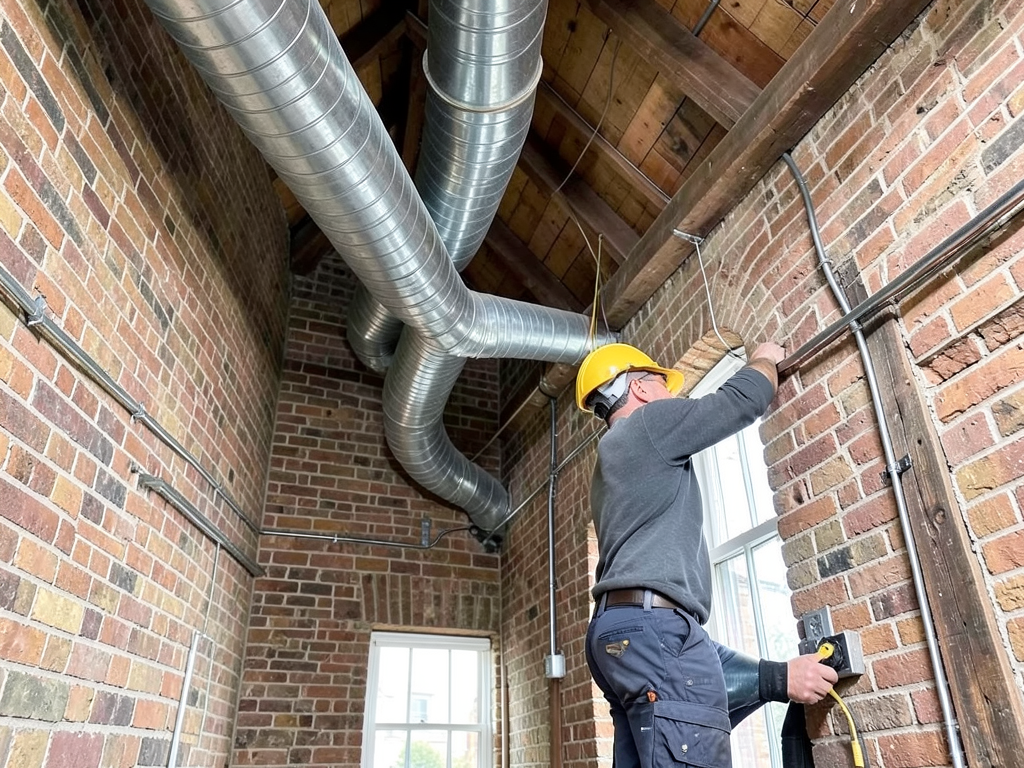
We insert a fiber optic camera into your ductwork to locate disconnected joints, missing sections, and collapsed flex duct common in Philadelphia rowhome attics. Many homes have return vents that open directly into wall cavities or unconditioned basements. We document every breach with photos and provide a written report of contamination sources.
03

Filtration and Sealing Upgrades

After identifying leak points, we seal duct seams with mastic and install proper return duct boots where needed. We upgrade filter racks to eliminate bypass air and recommend the correct MERV rating for your blower motor capacity. You receive a post-repair duct blaster test confirming less than 10 percent leakage, which eliminates dust recirculation.

Why Philadelphia Homeowners Trust Elite HVAC for Dust Problems

Most HVAC companies in Philadelphia treat dust complaints with duct cleaning upsells. We treat them as diagnostic problems. Our technicians carry manometers, anemometers, and duct cameras to every service call because you cannot fix a problem you have not measured.

Philadelphia's housing diversity requires local expertise. A Victorian twin in Chestnut Hill has different duct challenges than a 1920s rowhome in South Philly or a post-war rancher in the Northeast. We have worked in every neighborhood and understand how shared walls, common attics, and retrofitted HVAC systems create unique dust infiltration points.

We also understand the city's renovation culture. If your neighbor is gutting their half of a twin, construction dust enters shared wall cavities and gets pulled into your HVAC return vents. We install temporary sealing solutions during active construction and verify air barrier integrity once work completes.

Our approach focuses on building science, not sales. We explain pressure dynamics, air changes per hour, and filtration efficiency in plain language. You understand why you have too much dust in home environments and what specific repairs eliminate it.

Elite HVAC Philadelphia also works with energy auditors and home performance contractors. If your dust problem stems from whole-house air leakage or attic bypasses, we coordinate with insulation specialists to address the root cause. Many companies ignore this connection because it is outside their scope. We prioritize solutions over service add-ons.

You also get transparent pricing before work begins. We itemize duct sealing, filter upgrades, and coil cleaning separately so you see exactly what you pay for. No bundled packages designed to obscure costs.

What to Expect When We Solve Your Dust Problem

Fast Scheduling and Diagnosis

We schedule diagnostic visits within 48 hours of your call. Most assessments take 90 minutes and include airflow testing, duct inspection, and filter evaluation. You receive a written report the same day with photos of problem areas and cost estimates for repairs. If we identify a simple fix like a loose filter or blocked return vent, we complete it on the spot. For larger projects like duct sealing or coil cleaning, we provide a timeline and coordinate around your schedule.

Detailed Air Quality Assessment

We do not guess at dust sources. Our technicians use digital manometers to measure static pressure at your air handler and across filter racks. We test each return vent for proper airflow and inspect accessible ductwork with a fiber optic camera. You see real-time images of duct interiors, contamination levels, and leak points. We also check your evaporator coil for mold growth and verify condensate drainage. This comprehensive evaluation identifies every pathway that introduces unfiltered air into your home.

Measurable Air Cleanliness Results

After we complete repairs, you notice reduced dust within days. Surfaces stay clean longer. Allergy symptoms often improve as airborne particulates decrease. We provide before-and-after duct blaster results showing reduced leakage percentages. Many clients report cutting their filter replacement frequency in half because the system no longer pulls in attic debris or wall cavity contaminants. We also offer particle count testing if you want quantifiable proof of air quality improvement.

Ongoing Filter and Maintenance Plans

Dust control requires consistent filtration. We offer quarterly filter replacement services using the correct MERV-rated media for your system. Our maintenance plans include annual coil cleaning, condensate line flushing, and duct inspection to catch new leaks before they create dust problems. You also get priority scheduling and discounted rates on future repairs. We track your system's performance over time and adjust maintenance intervals based on your home's specific dust load and usage patterns.

Frequently Asked Questions

You Have Questions,
We Have Answers

Why do I have so much dust in my house? +

Excess dust comes from several sources. Your HVAC system recirculates air constantly. If filters are dirty or low-quality, dust spreads instead of getting trapped. Leaky ductwork pulls in attic dust and insulation fibers. Philadelphia homes, especially older row houses, develop gaps around windows and doors that let in street pollution and outdoor particulates. Poor ventilation traps dust inside. Dirty return vents act like dust launchers. In neighborhoods with heavy traffic or construction, outdoor contamination increases indoor buildup. Your furnace blower can also stir settled dust from ductwork every heating cycle. Check your filter first and inspect ducts for leaks.

How do I stop my house from getting so dusty? +

Start with your HVAC filter. Replace it every 30-60 days with a PLEATED filter rated MERV 8-11. Seal duct leaks with mastic, not tape. Clean return vents monthly to stop recirculation. Upgrade to a whole-home air cleaner if you have forced air heating. In Philadelphia rowhomes, weatherstrip doors and windows to block street dust. Run exhaust fans when cooking to remove airborne particles. Vacuum with a HEPA filter weekly. Schedule professional duct cleaning every 3-5 years. If you have pets or live near construction zones, increase filter changes to monthly. Proper system maintenance stops dust at the source.

Do air purifiers actually reduce dust? +

Yes, but only quality units with HEPA filters. Cheap ionizers do little. A true HEPA purifier captures 99.97% of particles down to 0.3 microns, including dust mites, pollen, and mold spores. Place units in bedrooms or high-traffic rooms for best results. Purifiers work well in Philadelphia homes with poor ventilation or high outdoor pollution. They supplement your HVAC system but do not replace it. You still need clean filters and sealed ducts. Purifiers reduce airborne dust but will not fix the root cause if your furnace or ductwork leaks. Think of them as backup, not a cure.

Is it unhealthy to live in a dusty house? +

Yes. Dust carries allergens, dust mites, mold spores, and chemical residues. Long-term exposure triggers asthma, allergies, and respiratory irritation. Philadelphia has moderate outdoor air quality, so indoor dust compounds the problem. Children and elderly residents face higher risks. Dust mites thrive in humid conditions, common in Philadelphia summers. Fine particulates from traffic pollution enter through gaps and settle indoors. Chronic exposure weakens immune response and inflames airways. If you notice persistent coughing, watery eyes, or worsening allergies, your dust problem needs immediate attention. Clean air is not optional for long-term health. Address it through filtration and duct maintenance.

How Philadelphia's Row Home Construction Amplifies Dust Infiltration

Philadelphia has one of the highest concentrations of row homes in the United States. These shared-wall structures create unique HVAC challenges. Many rowhomes were built with no central ductwork, and HVAC systems were retrofitted into closets, basements, or crawlspaces decades later. Return vents were often cut directly into walls without proper ducting, creating direct pathways to stud bays filled with old plaster dust and construction debris. When your neighbor renovates, demolition dust migrates through shared walls and gets pulled into your system, creating constant dust in house environments that no amount of cleaning can fix.

Elite HVAC Philadelphia specializes in retrofitted HVAC systems common throughout the city's residential neighborhoods. We understand how to seal return pathways in row homes, prevent cross-contamination from adjacent properties, and upgrade filtration without overloading undersized blower motors. Our technicians work daily in Fishtown, Bella Vista, Graduate Hospital, and Port Richmond, and we have solved dust problems in every architectural style from Federal-era twins to post-war duplexes. When you choose a local specialist who understands Philadelphia's housing stock, you get solutions designed for your specific construction type, not generic fixes that fail in shared-wall buildings.
HVAC Services in The Philadelphia Area

Come visit our office or explore our extensive service area on the map below. Elite HVAC proudly serves residential and commercial clients across Philadelphia, ensuring prompt and reliable heating, ventilation, and air conditioning solutions wherever you are. Whether you need an emergency repair or a new installation, we’re strategically located to provide quick and efficient service right to your doorstep, ensuring your comfort is never compromised.

Address:
Elite HVAC Philadelphia, 2231 E Ontario St, Philadelphia, PA, 19134

Additional Services We Offer

Our news updates

Latest Articles & News from The Blogs

Creating an Allergy Friendly Home in Elkins Park with Advanced Air Scrubbers Philadelphia's humid continental climate creates perfect conditions for…

Creating an Allergy Friendly Home in Elkins Park with Advanced Air Scrubbers

Creating an Allergy Friendly Home in Elkins Park with Advanced Air Scrubbers Philadelphia's humid continental climate creates perfect conditions for…

The Best Way to Get Central Air into Your Olney Attic Conversion

Why Your Olney Attic Bedroom Feels Like an Oven Philadelphia summers turn your Olney attic into a heat trap. Hot…

Simple HVAC Tasks Port Richmond Homeowners Can Actually Do Themselves

Simple HVAC Tasks Port Richmond Homeowners Can Actually Do Themselves\n\nPort Richmond homeowners can handle several basic HVAC maintenance tasks that…

Contact Us

You should not have to dust daily or replace filters every two weeks. Call Elite HVAC Philadelphia at (215) 610-9099 for a diagnostic visit that identifies the real source of your dust problem and provides measurable solutions.