



Menu

Short Cycling in Philadelphia – Expert Diagnosis Stops the On-Off Cycle Fast

When your AC or furnace turns on and off repeatedly, you need fast, accurate diagnostics. Elite HVAC Philadelphia identifies the root cause of short cycling and fixes it right the first time.

Slider Image 1
Slider Image 2
Slider Image 3
Slider Image 4
Slider Image 5
Slider Image 7
Slider Image 8
Slider Image 9
Slider Image 10
Slider Image 11

Why Your HVAC System Keeps Kicking On and Off in Philadelphia

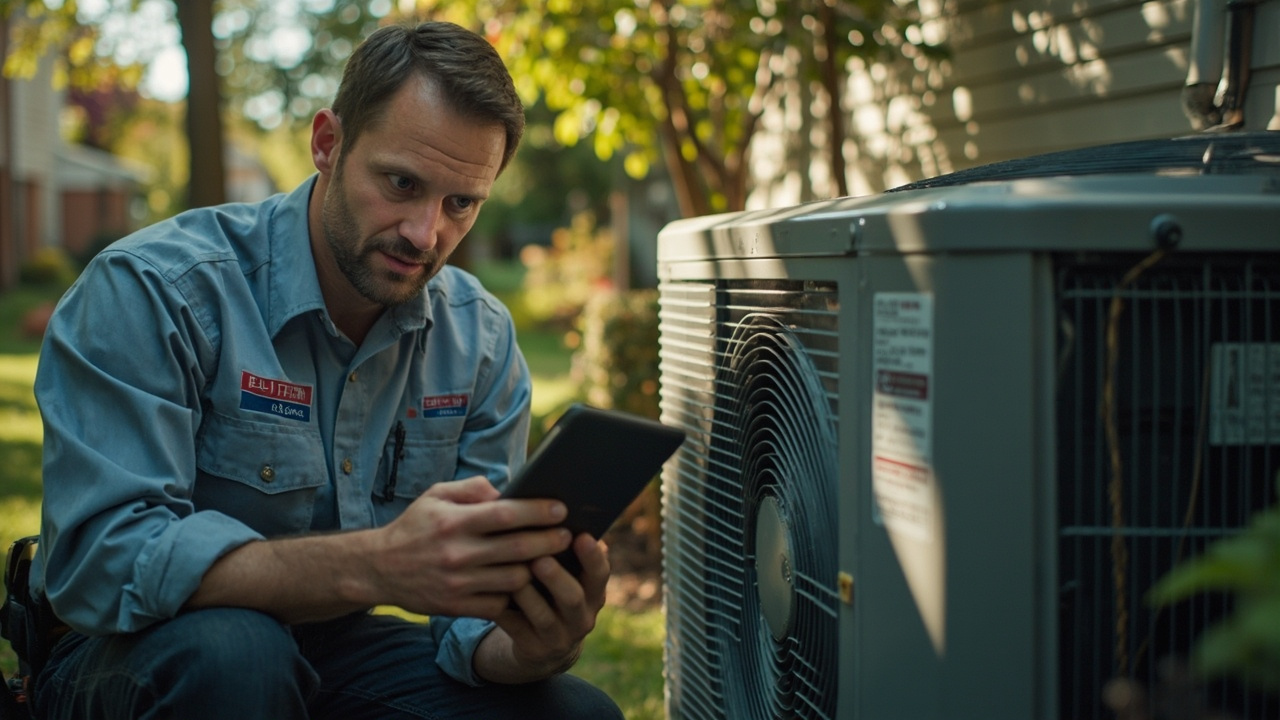
You hear it again. The system roars to life, runs for 30 seconds, then shuts off. Two minutes later, it repeats. Your air conditioner or furnace is short cycling, and it is costing you money while doing nothing to fix your comfort problem.

Short cycling happens when your HVAC system runs in rapid bursts instead of full, efficient cycles. The system kicks on and off constantly, never reaching the temperature you set. You notice uneven cooling or heating, higher energy bills, and strange noises. The compressor or blower motor works overtime but accomplishes little.

In Philadelphia, short cycling often connects to our humid summers and aging building stock. High humidity makes cooling coils freeze faster. Older homes with undersized ductwork or oversized equipment create pressure imbalances. Historic row homes in neighborhoods like Fishtown and Queen Village have tight spaces where airflow restrictions go unnoticed until short cycling begins.

The problem rarely fixes itself. A furnace short cycling in winter or an air conditioner short cycle in July points to deeper system failures. Dirty filters, refrigerant leaks, faulty thermostats, or failing capacitors all trigger HVAC rapid cycling. Left unchecked, the constant starting and stopping damages the compressor, shortens equipment life, and drives up your utility costs by 20 to 40 percent.

You need a technician who understands the difference between a symptom and a root cause. Elite HVAC Philadelphia diagnoses short cycling issues daily across the Philadelphia metro. We know the local building quirks, the climate stresses, and the equipment failures that cause your system to turn on and off repeatedly.

Why Your HVAC System Keeps Kicking On and Off in Philadelphia
How We Fix Short Cycling the Right Way

How We Fix Short Cycling the Right Way

We do not guess. We measure, test, and confirm the exact cause of your short cycling before we touch a single component.

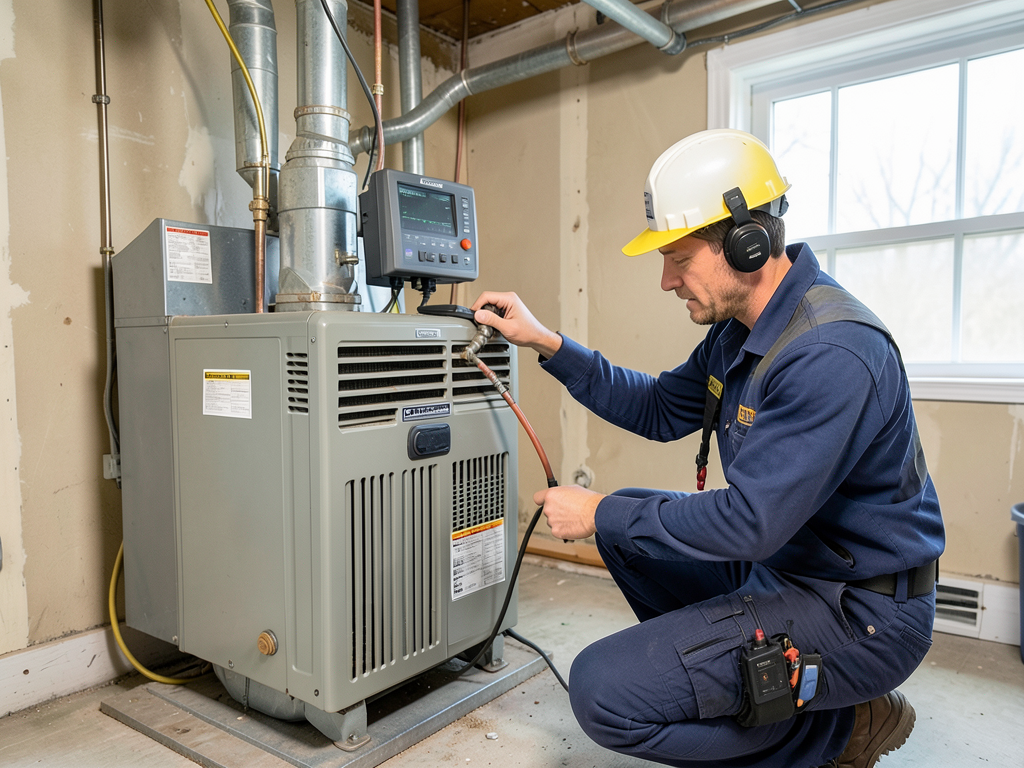
Our technicians start with airflow diagnostics. Restricted airflow is the number one cause of short cycling in residential HVAC systems. We check static pressure across the ductwork, inspect filter condition, and verify return air pathways. In Philadelphia's older homes, we often find blocked returns or undersized ducts that create negative pressure, forcing the system to shut down on limit switches.

Next, we test electrical components. A failing capacitor cannot hold the charge needed to keep the compressor running. A faulty flame sensor shuts down a furnace seconds after ignition. We use multimeters to measure voltage, capacitance, and continuity on every critical part. If your thermostat has a bad anticipator or loose wiring, we catch it during this phase.

We also verify refrigerant charge and heat exchanger integrity. Low refrigerant causes the evaporator coil to freeze, triggering a safety shutoff. A cracked heat exchanger makes the furnace cycle off on the rollout switch. Both issues require precise diagnostics, not parts swapping.

Philadelphia HVAC systems face unique stress from our freeze-thaw cycles and high summer humidity. Equipment that worked fine in April might short cycle in July when humidity climbs above 70 percent. We account for seasonal variables and adjust system controls to match local conditions.

Once we identify the root cause, we explain it in plain terms. You get a clear breakdown of what failed, why it failed, and what we will do to fix it. No upselling. No mystery charges. Just honest diagnostics and effective repairs that stop the on-off cycle for good.

What Happens When You Call Us for Short Cycling Repair

Short Cycling in Philadelphia – Expert Diagnosis Stops the On-Off Cycle Fast
01

Same-Day Diagnostic Visit

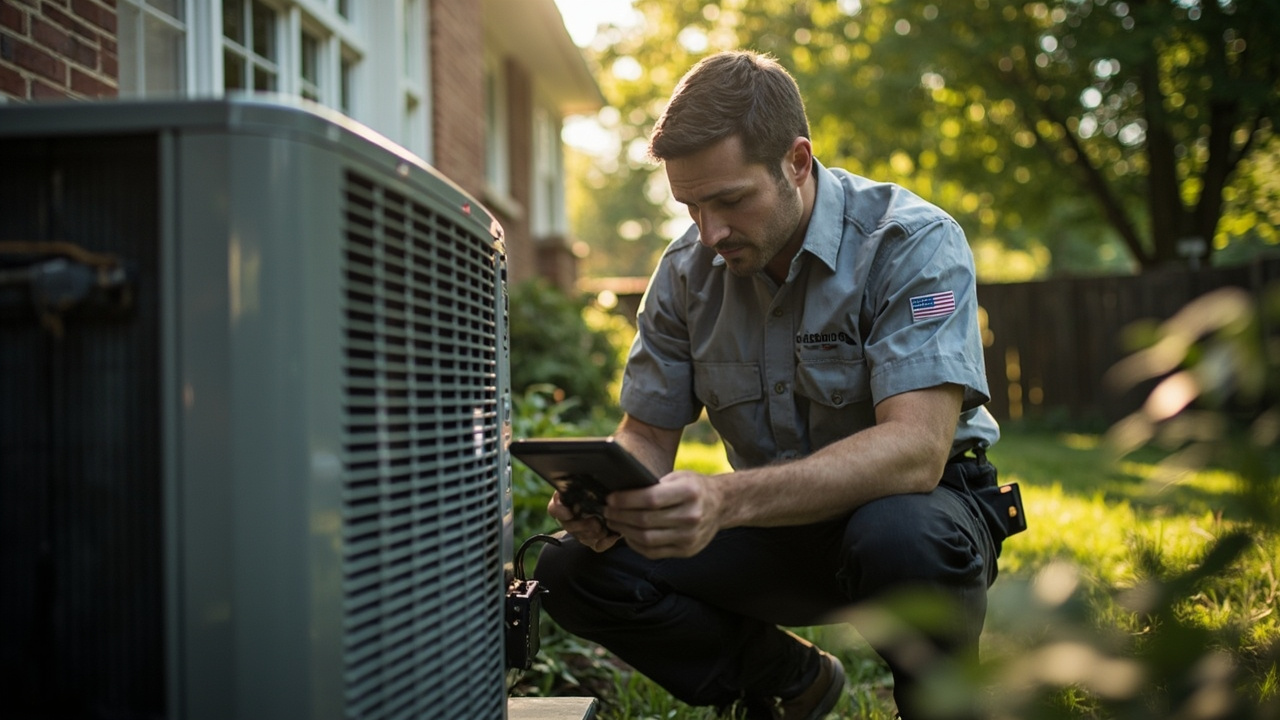
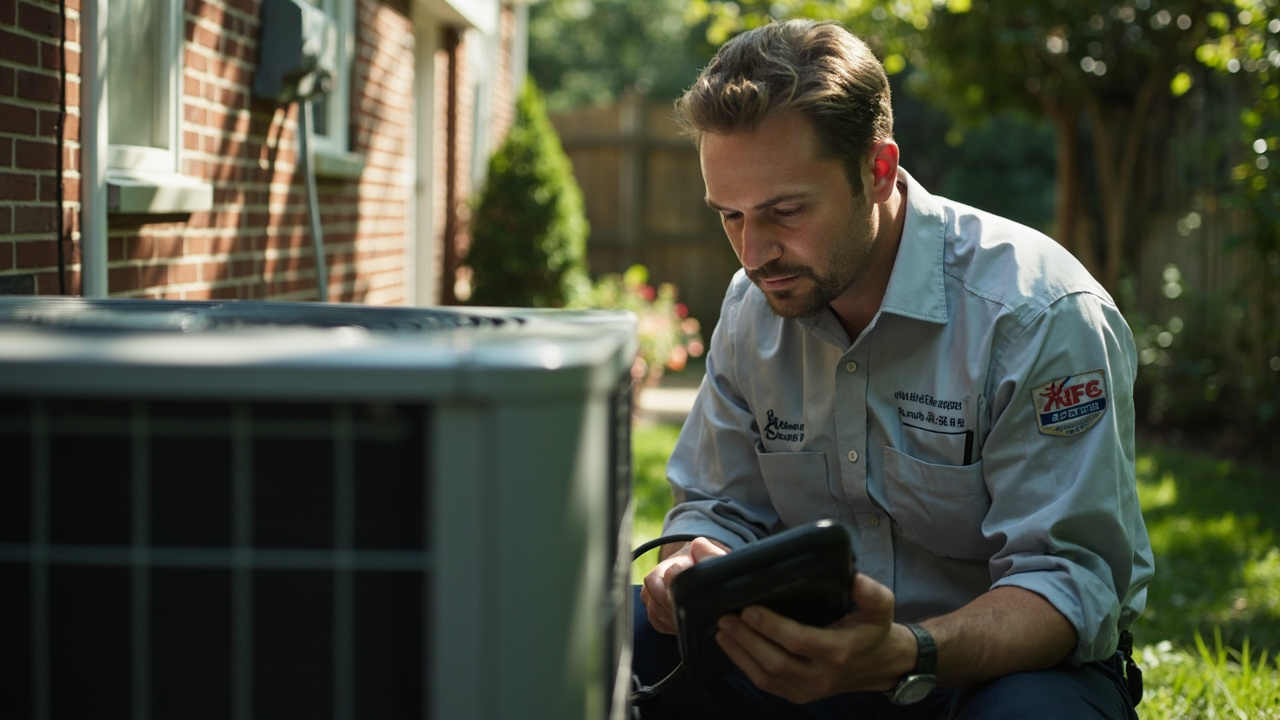
You call, we schedule a technician within hours. Most short cycling repairs start with a same-day visit. Our tech arrives with full diagnostic tools, not just a toolbox. We begin by observing the system through multiple cycles, measuring runtime, and recording shutoff behavior. You explain what you have noticed, and we confirm it with hard data from our gauges and meters.
02

Root Cause Identification

We isolate the failure point through systematic testing. Airflow, refrigerant charge, electrical components, and control boards all get measured against manufacturer specs. We do not stop at the first problem we find. Short cycling sometimes has multiple contributing factors. We test each system thoroughly, then explain exactly what is causing your AC or furnace to turn on and off repeatedly before we proceed with repairs.
03

Repair and Cycle Testing

Once you approve the repair, we fix the problem and monitor multiple full cycles to confirm stable operation. We adjust thermostat settings if needed, verify proper airflow, and ensure the system reaches and maintains the setpoint without rapid cycling. Before we leave, you see the system run smoothly for at least 15 minutes. We also provide maintenance tips to prevent future short cycling issues.

Why Philadelphia Homeowners Trust Elite HVAC for Short Cycling Repairs

Philadelphia has some of the oldest residential building stock on the East Coast. Row homes built in the 1920s, converted twins in West Philadelphia, and historic homes in Society Hill all present unique HVAC challenges. Generic diagnostics fail here. You need technicians who understand how older ductwork, tight attic spaces, and undersized return air grilles contribute to short cycling.

Elite HVAC Philadelphia trains every technician on local building characteristics. We know that many Philadelphia homes have single-return systems feeding multiple zones. We know that brick exteriors and plaster walls trap heat differently than vinyl-sided builds. We account for these variables when diagnosing why your system turns on and off every few minutes.

We also stay current with Philadelphia's energy efficiency programs and local building codes. If your short cycling issue connects to a system that is oversized or improperly installed, we provide clear guidance on code-compliant solutions. Many homeowners do not realize that an oversized AC unit will short cycle from day one, wasting energy and failing to dehumidify. We size equipment correctly and install it to manufacturer standards.

Our reputation in neighborhoods across Philadelphia comes from doing the work right. We do not push unnecessary replacements. If your furnace short cycles because of a dirty flame sensor, we clean it and charge you for the service call. If the heat exchanger is cracked and unsafe, we explain the failure, show you the damage, and provide options.

You also get transparent pricing. We quote the repair cost before we start work. No surprises when the invoice arrives. You know what you are paying for and why it matters.

Philadelphia homeowners choose Elite HVAC because we solve the problem instead of masking symptoms. Short cycling does not go away on its own. It gets worse, damages expensive components, and leaves you uncomfortable in your own home. We fix it right the first time.

What You Can Expect When We Fix Your Short Cycling Issue

Fast Response and Flexible Scheduling

Short cycling is not an emergency, but it is urgent. You are paying for energy you do not get, and the constant on-off cycle stresses your equipment. We schedule most diagnostic visits within 24 hours. If you call in the morning, we often arrive the same afternoon. Our techs work evenings and weekends, so you do not have to take time off work. You get a two-hour arrival window, and we call 30 minutes before we show up. No sitting around all day waiting.

Thorough System Diagnostics

We do not throw parts at the problem. Our technicians run a full diagnostic protocol that tests airflow, electrical components, refrigerant charge, and control systems. You get a written summary of what we found, what caused the short cycling, and what we recommend. If multiple issues exist, we prioritize them by severity. You decide what gets fixed and when. We never pressure you into repairs you do not need.

Verified Repair Results

After we complete the repair, we stay on site and monitor your system through multiple full cycles. We verify stable operation, proper temperature control, and normal runtime intervals. You see the system work correctly before we leave. If the issue persists, we troubleshoot further at no additional diagnostic charge. Our goal is to eliminate the short cycling completely, not just reduce it. You get real results, not temporary fixes.

Ongoing Maintenance Guidance

Short cycling often signals underlying maintenance issues. After the repair, we provide a maintenance plan tailored to your system and your home. This includes filter change schedules, seasonal tune-up recommendations, and early warning signs to watch for. Many of our customers sign up for annual maintenance visits. We inspect and clean your system before summer and winter, catching small problems before they cause another short cycling issue. Preventive care extends equipment life and keeps your energy bills predictable.

Frequently Asked Questions

You Have Questions,
We Have Answers

What is the most common cause of short cycling? +

The most common cause of short cycling in Philadelphia homes is a dirty or clogged air filter. When your filter blocks airflow, your system overheats and shuts down prematurely to protect itself. Other frequent causes include refrigerant leaks, oversized equipment (common in older Philadelphia rowhomes where systems were replaced without proper sizing), and thermostat malfunctions. In summer, the high humidity along the Delaware River makes condensate drain clogs another culprit. Frozen evaporator coils from restricted airflow can also trigger rapid on-off cycles. Start by checking your filter, but if the problem persists, you need a technician to diagnose compressor issues or electrical problems.

How long is considered short cycling? +

Normal heating or cooling cycles last 10 to 15 minutes. Your system is short cycling when it runs for less than 5 to 8 minutes before shutting off, then restarts again shortly after. You might notice your system turning on and off three or four times per hour instead of the normal two or three complete cycles. In Philadelphia's brick and stone rowhomes, proper cycles may run slightly longer due to thermal mass. If your unit runs for just two or three minutes, shuts down, then fires up again within five minutes, you have a short cycling problem that needs immediate attention.

How do you fix short cycling? +

Fixing short cycling starts with replacing your air filter and clearing debris from around your outdoor unit. Check your thermostat placement. If it sits near a window, vent, or lamp in your Philadelphia home, relocating it solves false readings. Clean your condensate drain line with a wet-dry vacuum. If these steps fail, call a technician. Professional fixes include recharging refrigerant, replacing faulty pressure switches, recalibrating the thermostat, or resizing an oversized system. For older Philadelphia rowhomes with original ductwork, duct modifications might be needed. Ignoring short cycling destroys your compressor and drives up utility bills fast.

What is the meaning of short cycling? +

Short cycling means your HVAC system turns on and off too frequently without completing a full heating or cooling cycle. Instead of running long enough to reach your set temperature and then shutting down for a rest period, the system fires up, runs briefly, shuts off prematurely, then restarts minutes later. This rapid cycling pattern stresses mechanical components, wastes energy, and prevents proper temperature control. In Philadelphia homes, short cycling often surfaces during extreme weather when your system works hardest. The term applies to both air conditioners and furnaces. It signals an underlying problem that requires diagnosis, not just an annoyance to tolerate.

How to tell if AC is short cycling? +

You can tell your AC is short cycling when you hear it turn on, run for just a few minutes, then shut off before your home feels comfortable. The outdoor compressor starts and stops repeatedly instead of running steadily. You might notice your thermostat never reaches the set temperature, or rooms feel uneven. In Philadelphia's humid summers, short cycling also causes poor dehumidification, leaving your home clammy. Watch for ice forming on refrigerant lines or the indoor coil. Track how often your system cycles per hour. More than three or four startups means short cycling. Rising electric bills despite normal usage also signal this problem.

What is the $5000 AC rule? +

The $5000 AC rule is a repair-versus-replace guideline used by homeowners facing expensive fixes. Multiply the repair cost by your system's age in years. If the total exceeds $5000, replacement makes more financial sense than repairing. For example, a $600 compressor repair on a 10-year-old unit equals $6000, suggesting replacement. A $400 fix on a 5-year-old system equals $2000, favoring repair. In Philadelphia, where humidity accelerates wear and older rowhomes often have undersized or oversized equipment, this rule helps you avoid throwing money at a dying system. Consider energy efficiency gains and utility rebates when calculating replacement benefits.

How much does it cost to fix short cycling? +

Fixing short cycling costs between $150 and $1500 in Philadelphia, depending on the cause. A simple thermostat recalibration or capacitor replacement runs $150 to $400. Refrigerant recharge costs $300 to $800. Pressure switch or control board replacement ranges from $400 to $900. Compressor replacement, the worst-case scenario, hits $1200 to $2500. Filter replacement costs $20 to $60 if you tackle it yourself. Most Philadelphia HVAC companies charge $89 to $150 for diagnostic visits, applied toward repairs. Get multiple quotes. Ignoring short cycling destroys your compressor, turning a $300 repair into a $2000 disaster or full system replacement.

How long does it take to heat a house from 50 to 70? +

Heating a Philadelphia home from 50 to 70 degrees takes 30 minutes to 2 hours, depending on your home's size, insulation, and furnace capacity. A well-insulated 1200-square-foot rowhome with a properly sized furnace reaches 70 degrees in about 45 minutes. Larger single-family homes or poorly insulated properties with older windows take longer. Philadelphia's brick and stone construction holds cold, slowing heat-up times in winter. If your furnace takes more than 2 hours, you likely have undersized equipment, ductwork leaks, or efficiency problems. Programmable thermostats help by starting the heating cycle before you arrive home, avoiding the wait.

Why is my cycle suddenly so short? +

Your HVAC cycle suddenly shortened because something changed in your system. A refrigerant leak reduces cooling capacity, forcing rapid cycling. A failing capacitor prevents the compressor from running properly. Thermostat batteries dying cause erratic behavior. In Philadelphia homes, a recent heatwave or cold snap might expose an underlying weakness. Ductwork leaks from settling foundations in older neighborhoods create pressure imbalances. A dirty filter you have not changed in months finally blocked enough airflow to trigger safety shutoffs. Even a new appliance or space heater near your thermostat tricks it into false readings. Sudden changes demand immediate inspection before major damage occurs.

What does short cycling look like? +

Short cycling looks like your system turning on, running for two to five minutes, shutting off, then restarting within minutes. You hear the outdoor compressor click on and hum briefly before stopping abruptly. The indoor fan blows for a short burst, stops, then starts again. In Philadelphia rowhomes, you might notice uneven temperatures between floors because the system never runs long enough to circulate air properly. Your thermostat display shows the system calling for heating or cooling, but the temperature barely budges. Ice may form on refrigerant lines. Electric meters spin faster despite shorter run times because frequent startups consume massive energy.

How Philadelphia's Humidity and Aging Homes Make Short Cycling Worse

Philadelphia sits at the intersection of humid continental and humid subtropical climate zones. Summer humidity regularly exceeds 70 percent, putting extra load on cooling coils and forcing systems to work harder to dehumidify. When an AC unit short cycles, it never runs long enough to remove moisture from the air. You get a cold, clammy house that never feels comfortable. Older homes with poor insulation and air leaks compound the problem. Humid air infiltrates through basement foundations and attic vents, overloading an already stressed system. Short cycling in Philadelphia is not just inconvenient, it is a symptom of mismatched equipment fighting against local climate realities.

Philadelphia's building codes have evolved significantly over the past 30 years, but many homes still operate with HVAC systems installed before modern efficiency standards. Row homes and twins built before 1950 often lack proper ductwork, relying on single-zone systems to heat and cool multiple floors. These configurations create airflow restrictions that trigger short cycling. Elite HVAC Philadelphia works in these older neighborhoods daily. We understand the limitations of existing infrastructure and design solutions that work within those constraints. You get service from technicians who know Philadelphia homes, not cookie-cutter solutions imported from suburban new builds.
HVAC Services in The Philadelphia Area

Come visit our office or explore our extensive service area on the map below. Elite HVAC proudly serves residential and commercial clients across Philadelphia, ensuring prompt and reliable heating, ventilation, and air conditioning solutions wherever you are. Whether you need an emergency repair or a new installation, we’re strategically located to provide quick and efficient service right to your doorstep, ensuring your comfort is never compromised.

Address:
Elite HVAC Philadelphia, 2231 E Ontario St, Philadelphia, PA, 19134

Additional Services We Offer

Our news updates

Latest Articles & News from The Blogs

Creative Ways to Hide HVAC Ductwork in a High Ceiling South Kensington Loft Living in a South Kensington loft means…

Creative Ways to Hide HVAC Ductwork in a High Ceiling South Kensington Loft

Creative Ways to Hide HVAC Ductwork in a High Ceiling South Kensington Loft Living in a South Kensington loft means…

Picking a Whisper Quiet Heat Pump for Small Backyards in Haddington

Picking a Whisper Quiet Heat Pump for Small Backyards in Haddington Living in Haddington means dealing with tight backyard spaces…

Should You Keep Repairing or Just Replace That 15 Year Old Furnace in Your Bustleton Split Level Home

Should You Keep Repairing or Just Replace That 15 Year Old Furnace in Your Bustleton Split Level Home Your 15-year-old…

Contact Us

Your system will not fix itself. Short cycling damages expensive components and drives up energy costs every day it continues. Call Elite HVAC Philadelphia at (215) 610-9099 and schedule a diagnostic visit. We identify the problem, explain the fix, and get your system running smoothly again.