





Menu

Weird Smells from Vents in Philadelphia – Expert Diagnosis and Permanent Solutions

Our certified technicians identify the exact source of strange odors from air ducts, bad smells coming from vents, and foul air conditioner odors in Philadelphia homes, then eliminate them at the root cause.

Slider Image 1
Slider Image 2
Slider Image 3
Slider Image 4
Slider Image 5
Slider Image 7
Slider Image 8
Slider Image 9
Slider Image 10
Slider Image 11

Why Philadelphia Homes Experience More HVAC Odor Problems

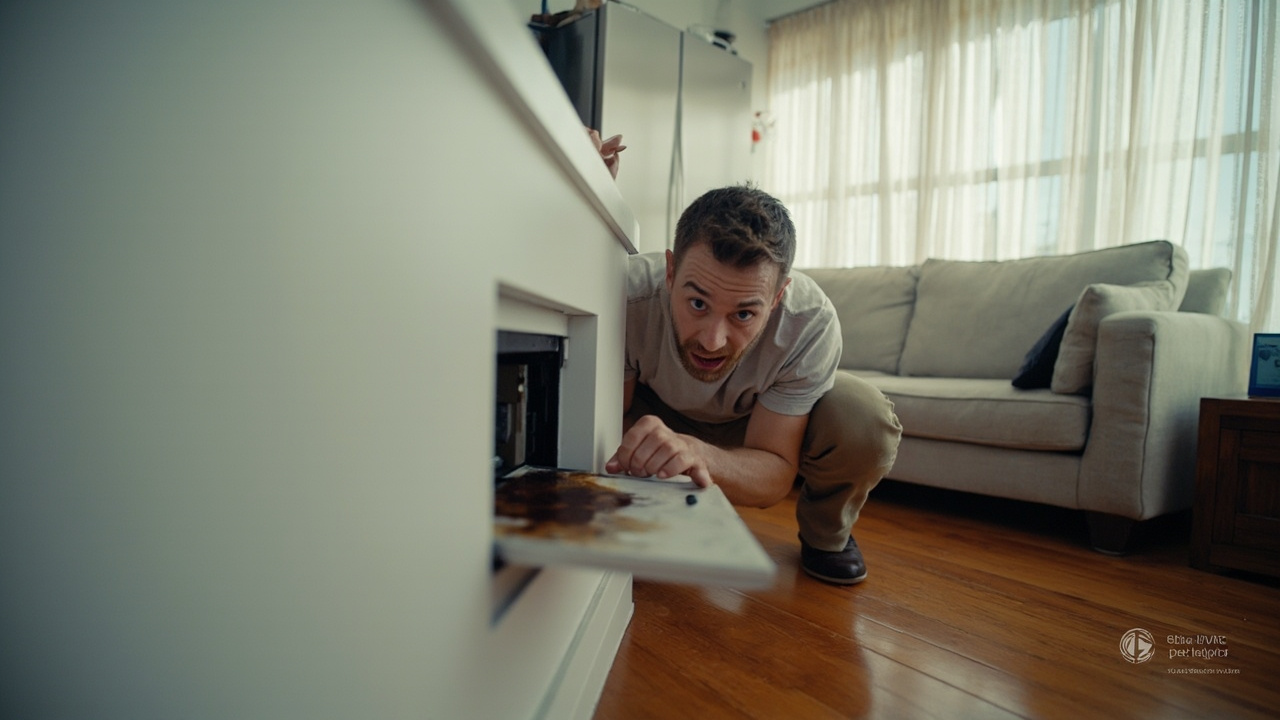
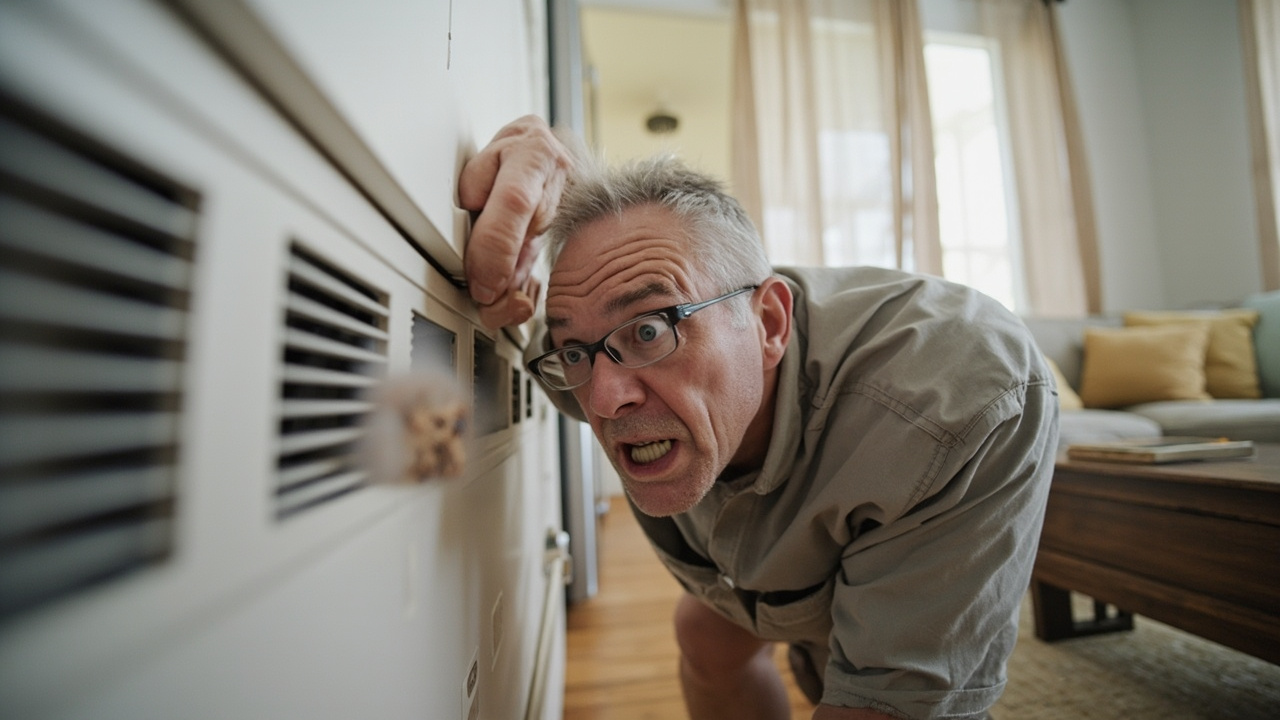
That weird smell coming from your vents is not normal, and you are right to be concerned.

Philadelphia's unique climate creates a perfect environment for HVAC odor issues. The combination of humid summers and freeze-thaw winter cycles forces your system to work harder than units in more stable climates. When your air conditioner runs constantly during July and August, condensation builds up inside the evaporator coil and drain pan. That moisture becomes a breeding ground for mold and bacteria, especially in older Philadelphia rowhomes where ductwork runs through unconditioned spaces.

Strange odors from air ducts often start as a faint musty smell that gets worse over time. You might notice it most when you first turn on the heat in October or fire up the AC in late spring. That funny smell from your heating system could be dust burning off the heat exchanger, or it could signal something more serious like a cracked heat exchanger leaking combustion gases.

The age of Philadelphia's housing stock matters here. Many homes in neighborhoods like Fishtown, Fairmount, and South Philly have HVAC systems installed in tight spaces with limited airflow. Dead rodents in ductwork, decomposing insulation, and even sewer gas infiltration through improperly sealed duct joints all create foul air conditioner odors that circulate through your living space.

Odd smells from your HVAC system are your home telling you something is wrong. The question is whether it is a maintenance issue or a safety hazard.

Why Philadelphia Homes Experience More HVAC Odor Problems
Our Systematic Approach to Identifying and Eliminating Vent Odors

Our Systematic Approach to Identifying and Eliminating Vent Odors

We do not just mask bad smells coming from vents with air fresheners. We find the source and eliminate it.

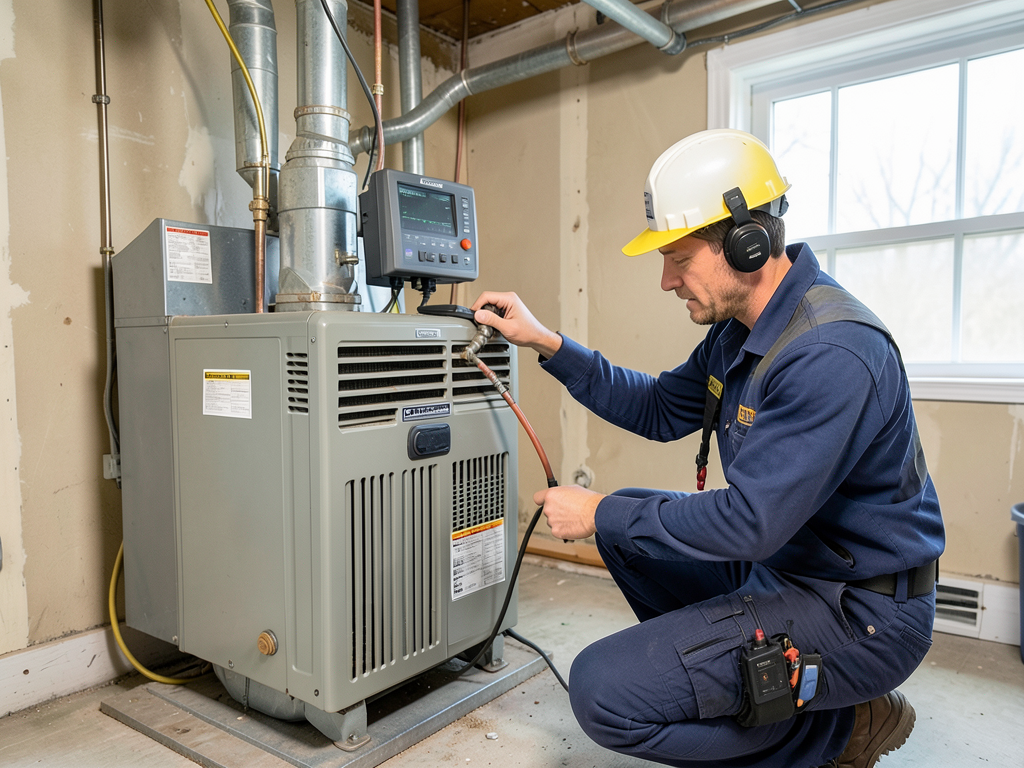
Our diagnostic process starts with a complete visual inspection of your air handler, evaporator coil, and condensate drain system. We check for biological growth inside the drain pan, which is the most common source of musty odors in Philadelphia HVAC systems. If we find mold or bacterial colonies, we document it with photos before beginning remediation.

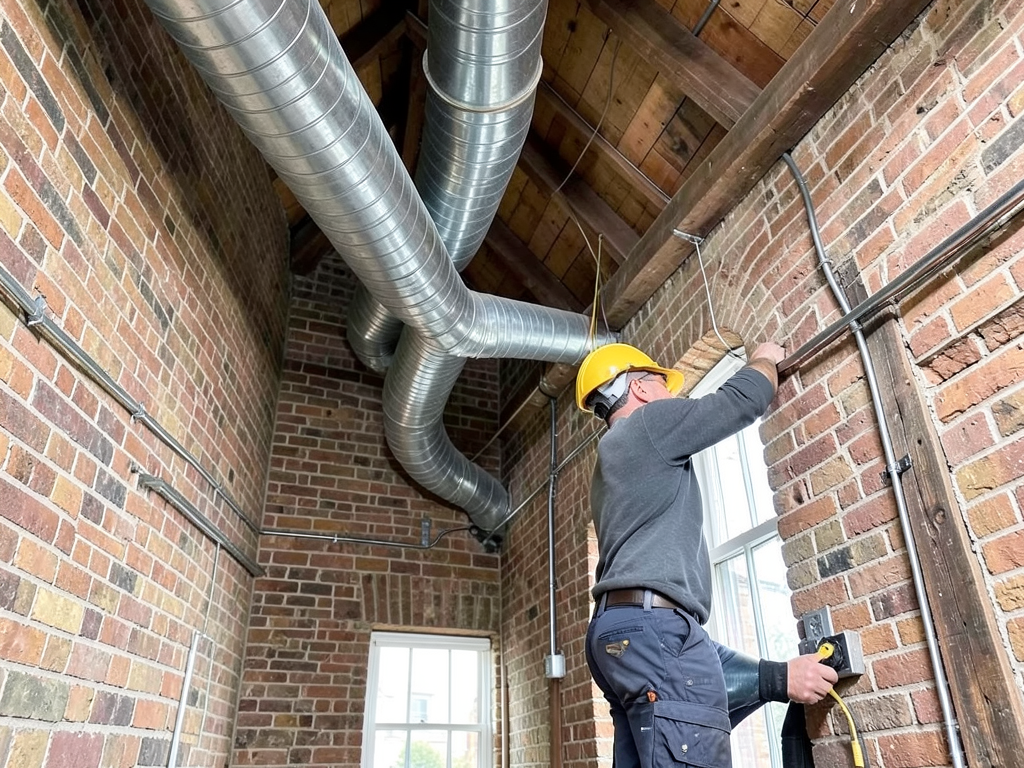
Next, we inspect the ductwork itself. We use cameras to examine sections that run through your basement, crawlspace, or attic. We are looking for moisture intrusion, disconnected joints where sewer gas could enter, animal nests, and deteriorating duct insulation that holds odors. In older Philadelphia homes with uninsulated metal ducts, we often find condensation issues that promote mold growth.

For heating systems, we perform a combustion analysis to check for cracked heat exchangers or backdrafting issues. A sulfur or rotten egg smell coming from your furnace vents could indicate a gas leak or a failing heat exchanger, both of which require immediate attention.

We also test your ventilation system. Poor makeup air can create negative pressure that pulls sewer gas through drain traps or draws musty air from your basement into your ductwork. This is especially common in tightly sealed Philadelphia rowhomes where bathroom and kitchen exhaust fans create pressure imbalances.

Once we identify the source, we recommend the most effective solution, whether that is antimicrobial coil cleaning, duct sealing, heat exchanger replacement, or complete duct sanitization with EPA-registered biocides.

What Happens During Your Odor Investigation

Weird Smells from Vents in Philadelphia – Expert Diagnosis and Permanent Solutions
01

Initial System Inspection

We arrive with diagnostic equipment including thermal imaging cameras, moisture meters, and duct inspection cameras. Your technician starts by running your system through a complete heating and cooling cycle while documenting any unusual smells at each supply and return vent. We check your air filter condition, examine the evaporator coil for biological growth, and inspect the condensate drain pan for standing water or sludge buildup.
02

Source Identification

Using our findings from the initial inspection, we trace the odor to its origin point. This might involve inserting a camera into your ductwork, testing for carbon monoxide near your heat exchanger, or checking your plumbing vent stack for proper termination. We test air samples if we suspect mold contamination and perform pressure testing to identify ventilation imbalances. You receive a detailed explanation of what we found and why it is causing the smell.
03

Remediation and Verification

After you approve the recommended solution, we eliminate the odor source using professional-grade equipment and EPA-approved antimicrobial treatments. For biological contamination, we clean or replace affected components. For mechanical failures like cracked heat exchangers, we make the necessary repairs. We finish by running your system and verifying the odor is completely gone. You receive documentation of all work performed and recommendations for preventing future issues.

Why Philadelphia Homeowners Choose Elite HVAC for Odor Problems

Strange smells from your HVAC system require someone who understands both the mechanical systems and the unique challenges of Philadelphia homes.

We have worked in every type of residence this city has to offer, from century-old brownstones in Rittenhouse Square to new construction in Brewerytown. That experience matters because a musty smell in a 1920s rowhome with original ductwork requires a different approach than the same symptom in a 2015 condo with a modern mini-split system.

Philadelphia's building codes and residential architecture create specific HVAC challenges. Many older homes have ductwork that was added decades after the house was built, often routed through spaces that were never designed for conditioned air distribution. We know how to work within these constraints. We understand how the city's high water table affects basement humidity, which directly impacts your air quality and system performance.

Our technicians receive ongoing training in indoor air quality diagnostics, not just basic HVAC repair. We can differentiate between a dirty sock smell caused by bacterial growth on your evaporator coil and a chemical odor that might indicate electrical problems or refrigerant leaks. That diagnostic precision saves you money because we fix the actual problem instead of guessing.

We also understand the health implications. If you have children, elderly family members, or anyone with respiratory conditions, poor indoor air quality is not just an annoyance. It is a legitimate health concern. We take that seriously. When we tell you that you need duct cleaning or coil sanitization, it is because we found contamination that is circulating through your home every time your system runs.

You can expect straight answers, documented findings, and solutions that actually work.

What to Expect When You Call Us About Vent Odors

Fast Response Times

We know that some odors indicate urgent safety issues. If you smell sulfur, rotten eggs, or burning plastic from your vents, we prioritize your call. For most odor complaints, we can schedule an inspection within 24 to 48 hours. Our technicians arrive in fully stocked vehicles with the diagnostic equipment needed to identify problems on the first visit. We do not make multiple trips to figure out what is wrong. You get answers the same day we inspect your system, along with a clear explanation of what needs to happen next.

Thorough Diagnostic Process

Your inspection includes a complete evaluation of your air handler, heat exchanger, evaporator coil, condensate drain system, and accessible ductwork. We check your ventilation balance, test for carbon monoxide, and examine your filter condition. If we suspect mold growth, we document it with photos. If we find mechanical failures, we explain exactly what failed and why. You receive a written report detailing our findings, the source of the odor, and recommended solutions with transparent pricing before any work begins.

Complete Odor Elimination

We do not stop until the smell is gone. Our remediation process addresses the root cause, whether that means cleaning your evaporator coil with antimicrobial solutions, sealing duct leaks, replacing contaminated insulation, or repairing failed components. We use professional-grade biocides approved for occupied spaces and follow manufacturer protocols for system sanitization. After treatment, we run your system and verify that the odor has been eliminated. You get a clean-smelling home and confidence that the problem will not return next season.

Prevention and Maintenance Guidance

Once we solve your immediate odor problem, we help you prevent it from coming back. You receive specific recommendations based on your system type and home conditions. This might include upgrading to MERV 11 filters, installing UV lights in your air handler to control biological growth, or scheduling seasonal maintenance to keep your condensate drain flowing freely. We explain which maintenance tasks you can handle yourself and which require professional attention. Our goal is to keep your indoor air clean year-round, not just fix problems when they become unbearable.

Frequently Asked Questions

You Have Questions,
We Have Answers

Why is there a bad smell coming from my vents? +

Bad smells from vents usually signal trapped debris, mold growth, or a burnt component. In Philadelphia's humid summers, moisture accumulates in ductwork and breeds mildew. Dead rodents or insects stuck in ducts create a decaying odor. A musty smell points to mold. A burnt rubber or plastic smell suggests overheating wires or a failing blower motor. Rotten egg odors can indicate a gas leak, which requires immediate evacuation and a call to your utility. Turn off your system and contact an HVAC technician. Philadelphia's older housing stock makes duct contamination more common, so professional inspection is critical.

What does an electrical fire smell like before it starts? +

An electrical fire smells like burning plastic, hot metal, or melting insulation before flames appear. You might notice a sharp, acrid odor similar to burning rubber. This smell comes from wire insulation breaking down under excessive heat. In Philadelphia's older homes with outdated wiring, this is a serious warning sign. You may also detect a fishy smell from overheating electrical components. If you smell burning plastic near vents or outlets, shut off power at your breaker box immediately. Evacuate your home and call 911. Do not investigate the source yourself. Electrical fires spread fast.

What does mold in vents smell like? +

Mold in vents smells musty, earthy, or like damp socks. The odor intensifies when you run your HVAC system because air circulation spreads mold spores throughout your home. Philadelphia's humidity, especially in rowhouses with limited airflow, creates ideal mold conditions inside ductwork. You might notice the smell is stronger in basements or poorly ventilated rooms. Black mold has a stronger, more pungent odor than common mildew. If you smell persistent mustiness from vents, you likely have mold growth in your ductwork or air handler. Professional duct cleaning and mold remediation are necessary.

What does HVAC leak smell like? +

HVAC refrigerant leaks smell sweet and chemical-like, similar to chloroform or ether. Freon has a distinct odor that lingers near your indoor unit or vents. Small leaks may smell faint, but large refrigerant escapes create a noticeable chemical scent. You might also notice reduced cooling performance or ice buildup on refrigerant lines. In Philadelphia's older HVAC systems, corroded coils cause leaks. Refrigerant exposure causes dizziness and breathing problems. Turn off your system immediately and open windows. Call an HVAC technician to locate and repair the leak. Do not run your system until the leak is fixed.

How to sanitize air ducts yourself? +

Sanitizing air ducts yourself is not recommended. You lack the equipment and expertise to reach deep contamination or mold growth. Surface cleaning with a vacuum and damp cloth at vent registers removes visible dust, but this does not address bacteria or mold inside ductwork. Philadelphia's humid climate allows mold to grow deep in ducts where you cannot reach. DIY cleaning can also damage duct insulation or dislodge contaminants into living spaces. Professional duct cleaning uses negative pressure systems, HEPA vacuums, and antimicrobial treatments to sanitize thoroughly. Improper cleaning worsens indoor air quality. Hire a certified HVAC professional for duct sanitization.

Does a musty smell automatically mean mold? +

No. A musty smell does not automatically mean mold. It can indicate mildew, dust accumulation, or trapped moisture without active mold colonies. Philadelphia's humidity causes condensation inside ductwork, creating musty odors even without mold growth. Dirty air filters or wet insulation also smell musty. However, persistent musty smells warrant investigation because conditions that create odors also support mold. If the smell worsens when your HVAC runs or appears after water damage, mold is likely. A professional inspection with moisture meters and air quality testing confirms whether mold exists. Do not ignore persistent musty odors.

Are there warning signs before an electrical fire? +

Yes. Warning signs before an electrical fire include flickering lights, frequently tripping breakers, discolored outlets, buzzing sounds from switches, and burning smells near electrical panels. Philadelphia's older homes often have aluminum wiring or outdated fuse boxes that increase fire risk. You might notice outlets feel warm to the touch or sparks when plugging in devices. Dimming lights when appliances run signals overloaded circuits. Burning plastic smells from vents or walls indicate overheating wires. If you notice any of these signs, stop using affected circuits immediately. Call a licensed electrician to inspect your wiring. Do not ignore these warnings.

What does bad wiring smell like? +

Bad wiring smells like burning plastic, hot metal, or fish. The fishy odor comes from electrical components overheating and releasing chemicals. You might smell burnt rubber near outlets or inside walls. In Philadelphia's historic rowhomes with knob-and-tube wiring, this smell indicates dangerous wire degradation. Overloaded circuits create a hot, metallic smell. Arcing wires produce a sharp, acrid odor. If you smell burning near your electrical panel or vents, shut off power at the main breaker immediately. Do not touch outlets or switches. Evacuate and call an electrician. Bad wiring causes house fires.

What are signs of faulty wiring? +

Faulty wiring shows through frequent breaker trips, flickering lights, buzzing outlets, scorched switch plates, and a burning smell. You might notice outlets that do not work or feel warm. Lights dim when you run appliances. Extension cords feel hot during use. Philadelphia's older housing stock often has undersized wiring for modern electrical loads. You may see sparks when plugging in devices. Discolored outlets indicate arcing. Aluminum wiring, common in homes built between 1965 and 1973, corrodes and fails. If you notice multiple signs, your wiring is dangerous. Call a licensed electrician immediately for a full electrical inspection.

What are the 10 warning signs of mold toxicity? +

Mold toxicity warning signs include chronic fatigue, headaches, difficulty concentrating, memory problems, respiratory issues, sinus congestion, skin rashes, joint pain, sensitivity to light, and mood changes. You might experience persistent coughing or wheezing. Philadelphia's humid climate and older housing increase mold exposure risk. Symptoms worsen when you are home and improve when you leave. Children and people with asthma face higher risks. Black mold produces mycotoxins that cause neurological symptoms. If you experience multiple symptoms and smell mold from vents, seek medical attention. Get your home tested for mold. Professional remediation is necessary to eliminate health risks.

How Philadelphia's Humidity and Housing Age Intensify HVAC Odor Issues

Philadelphia averages 76 percent relative humidity during summer months, significantly higher than the 50 percent threshold where mold and bacteria thrive. When your air conditioner removes moisture from your indoor air, that water collects in the evaporator coil and drain pan. In older Philadelphia homes with undersized or poorly maintained systems, this condensate does not drain properly. The standing water becomes a bacterial soup that produces that distinctive musty smell. Add in the fact that many Philadelphia rowhouses lack proper attic ventilation, and you create conditions where ductwork sweats and grows mold even when the system is off.

Working in Philadelphia since our founding, we have learned the specific failure patterns of HVAC systems in this city. We know which neighborhoods have homes with original 1950s ductwork and which areas were built during the 1990s construction boom with better ventilation. That local knowledge helps us diagnose problems faster and recommend solutions that actually hold up in Philadelphia's climate. When you hire a local HVAC company that has serviced thousands of homes across every Philadelphia neighborhood, you get expertise that out-of-town contractors simply cannot match.
HVAC Services in The Philadelphia Area

Come visit our office or explore our extensive service area on the map below. Elite HVAC proudly serves residential and commercial clients across Philadelphia, ensuring prompt and reliable heating, ventilation, and air conditioning solutions wherever you are. Whether you need an emergency repair or a new installation, we’re strategically located to provide quick and efficient service right to your doorstep, ensuring your comfort is never compromised.

Address:
Elite HVAC Philadelphia, 2231 E Ontario St, Philadelphia, PA, 19134

Additional Services We Offer

Our news updates

Latest Articles & News from The Blogs

Creative Ways to Hide HVAC Ductwork in a High Ceiling South Kensington Loft Living in a South Kensington loft means…

Creative Ways to Hide HVAC Ductwork in a High Ceiling South Kensington Loft

Creative Ways to Hide HVAC Ductwork in a High Ceiling South Kensington Loft Living in a South Kensington loft means…

Picking a Whisper Quiet Heat Pump for Small Backyards in Haddington

Picking a Whisper Quiet Heat Pump for Small Backyards in Haddington Living in Haddington means dealing with tight backyard spaces…

Should You Keep Repairing or Just Replace That 15 Year Old Furnace in Your Bustleton Split Level Home

Should You Keep Repairing or Just Replace That 15 Year Old Furnace in Your Bustleton Split Level Home Your 15-year-old…

Contact Us

Stop living with strange smells from your vents. Call Elite HVAC Philadelphia at (215) 610-9099 for same-day diagnostics and permanent solutions. We identify the source and eliminate it.