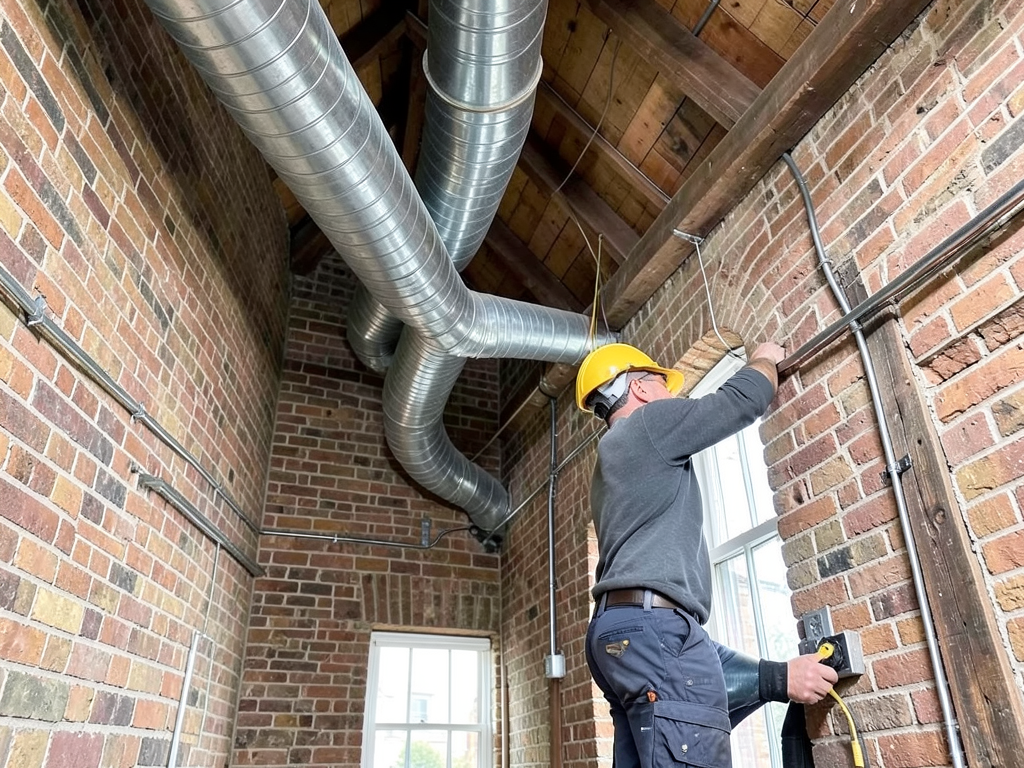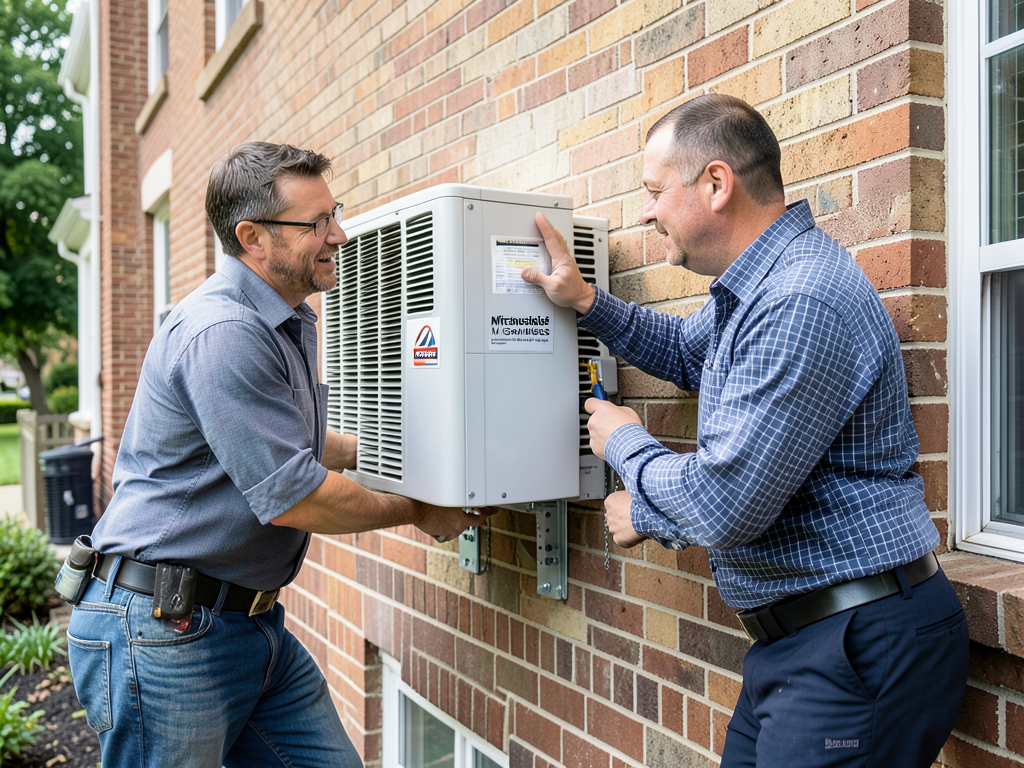






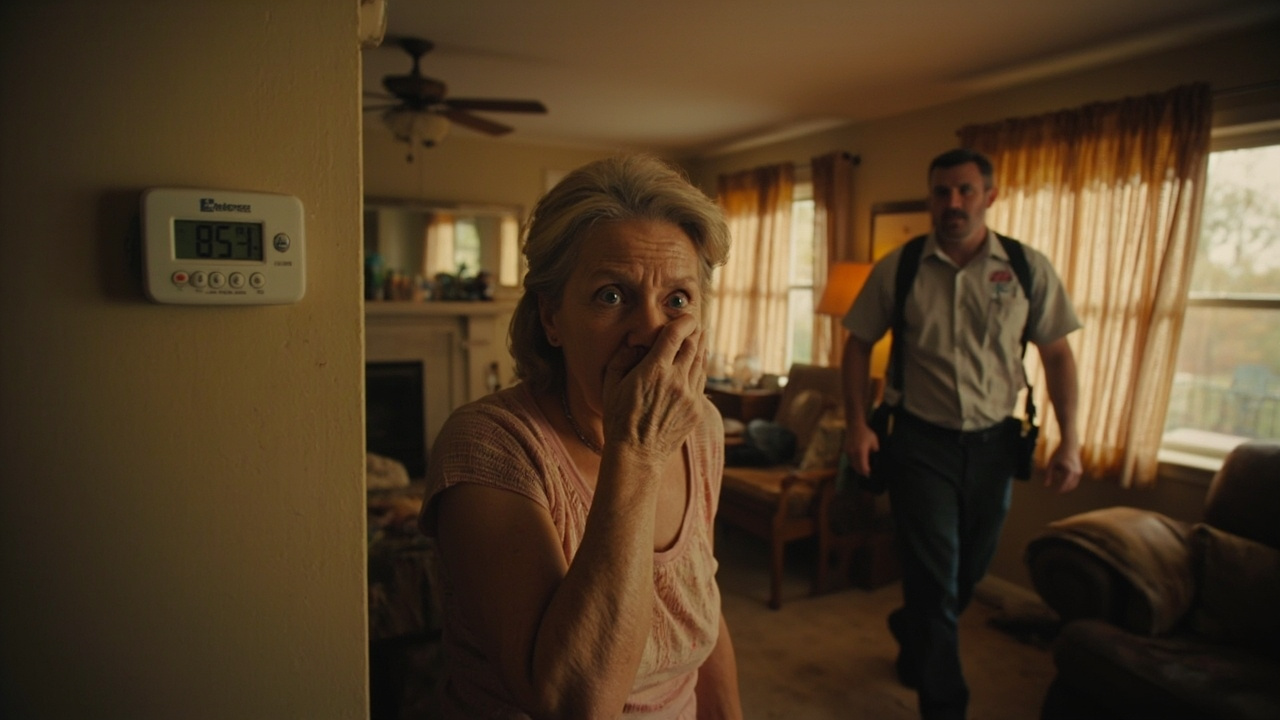
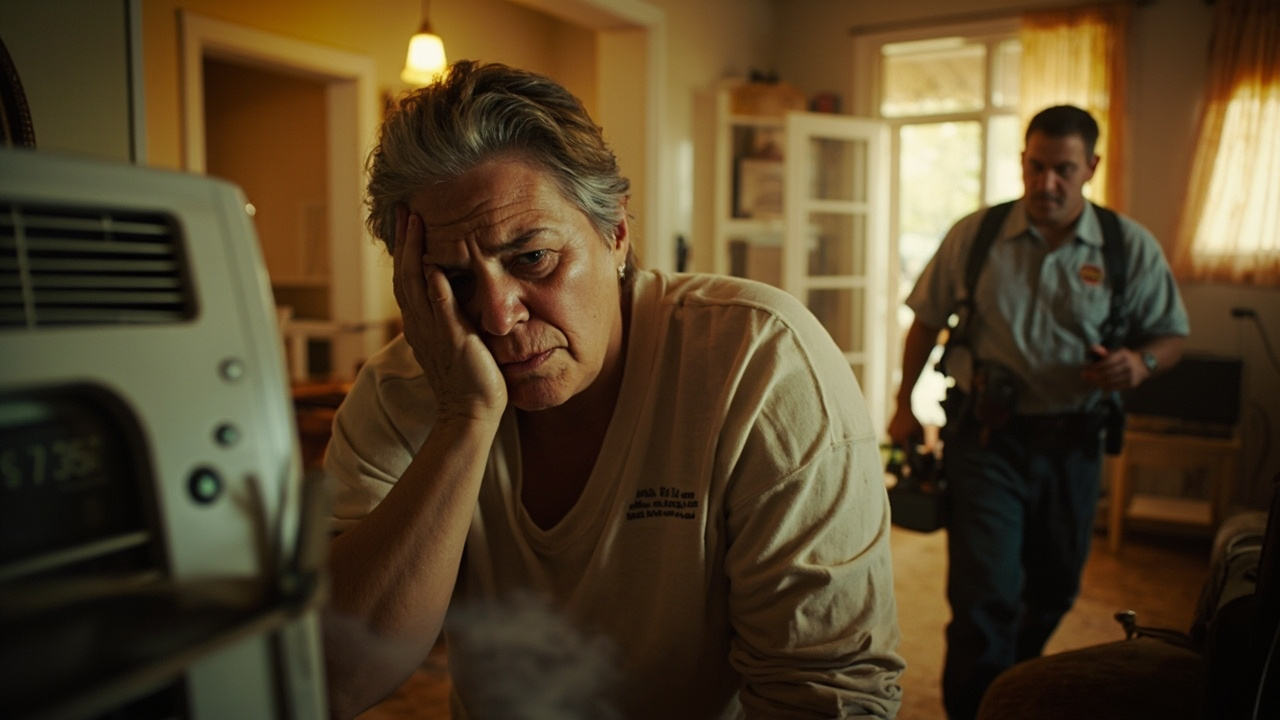
Philadelphia summer humidity stays above 70 percent for weeks at a time. This forces your evaporator coil to work harder removing moisture from the air. The constant workload increases pressure on the refrigerant lines and accelerates corrosion at the flare fittings. Older systems installed on rooftop platforms in row homes vibrate more due to the wooden structure underneath. This vibration loosens the refrigerant connections over time. Small leaks become big leaks. Low refrigerant forces the compressor to run longer cycles, which generates more heat and causes premature failure. The result is warm air blowing through your vents when you need cold air most.
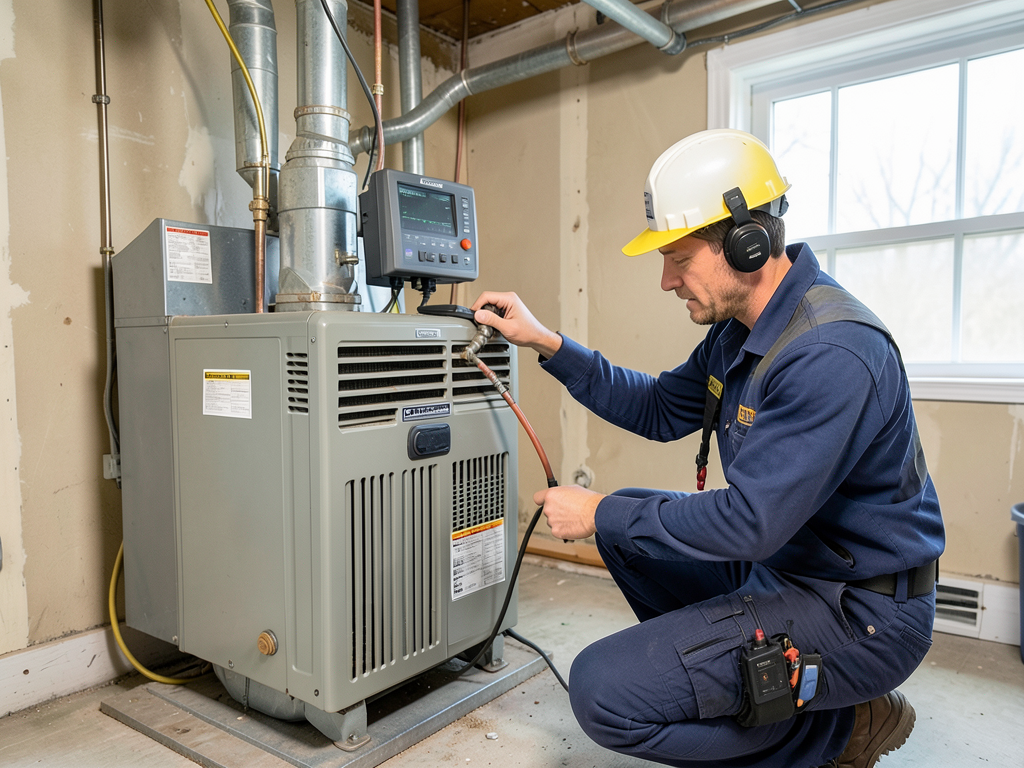
Philadelphia has strict mechanical codes for refrigerant handling and system modifications. Any repair involving refrigerant requires an EPA-certified technician. Any compressor replacement requires a permit and inspection. We follow these codes because we work in this city every day. We know the inspectors. We know what they look for. When you hire a company that understands local requirements, you avoid compliance problems and failed inspections. You also get technicians who understand the unique challenges of cooling homes in this climate. That local knowledge makes the difference between a quick fix and a lasting repair.