




Menu

Emergency Ductwork Repair in Philadelphia – Live Technicians Standing By, 24/7 Dispatch Within the Hour

When your ductwork fails in the middle of winter or during a heatwave, you need immediate air duct repair from local HVAC technicians who know Philadelphia's unique climate demands and can restore your system fast.

Slider Image 1
Slider Image 2
Slider Image 3
Slider Image 4
Slider Image 5
Slider Image 7
Slider Image 8
Slider Image 9
Slider Image 10
Slider Image 11

When Your Ductwork Fails, Every Minute Without Conditioned Air Puts Your Home at Risk

You just heard a loud crash from your basement or felt zero airflow from your vents. Maybe you smell burning insulation or see dust pouring from a register. Your ductwork has failed, and in Philadelphia's freeze-thaw climate, this is not just uncomfortable. It is dangerous.

Philadelphia's weather swings from subzero January nights to humid July afternoons that push heat indexes above 100 degrees. When ductwork ruptures, disconnects, or collapses, your HVAC system cannot maintain safe indoor temperatures. Disconnected ducts vent conditioned air directly into crawlspaces or attics, wasting energy and leaving living spaces vulnerable to temperature extremes. Damaged supply ducts cause pressure imbalances that force your blower motor to work overtime, risking compressor failure. Compromised return ducts pull in unfiltered air contaminated with mold spores, fiberglass particles, and allergens from basements prone to Philadelphia's high humidity.

Older rowhomes in neighborhoods like Fishtown and South Philadelphia often have original ductwork installed in tight crawlspaces with poor access. These systems were not designed for modern high-efficiency HVAC equipment. When connections fail or sheet metal corrodes through, you need urgent air duct repair from technicians who understand how to navigate century-old construction without tearing apart finished walls.

This is not a problem you can tape over or ignore until next week. Collapsed ductwork creates negative pressure that can backdraft combustion gases from water heaters or furnaces. Disconnected sections allow carbon monoxide infiltration. When you need same day air duct fixing, you need a team that treats this like the emergency it is.

When Your Ductwork Fails, Every Minute Without Conditioned Air Puts Your Home at Risk
How Emergency Ductwork Gets Sealed and Restored While Your System Is Still Running

How Emergency Ductwork Gets Sealed and Restored While Your System Is Still Running

Emergency ductwork repair is not about temporary fixes. It is about diagnosing the failure point, stabilizing your HVAC system, and restoring full airflow capacity before secondary damage occurs.

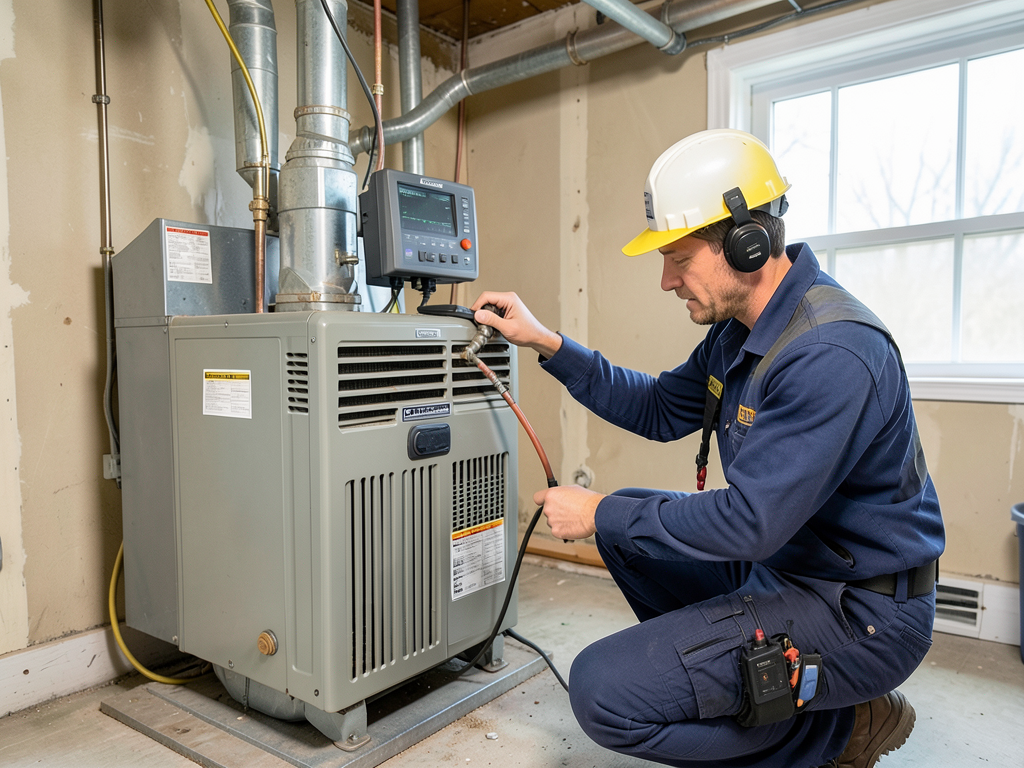
Our technicians arrive with diagnostic tools that measure static pressure, airflow velocity, and temperature differential across each zone. We use thermal imaging cameras to locate hidden leaks behind drywall and infrared thermometers to identify cold spots caused by disconnected supply runs. This is critical in Philadelphia's dense housing stock, where ductwork often runs through shared walls or inaccessible voids between row houses.

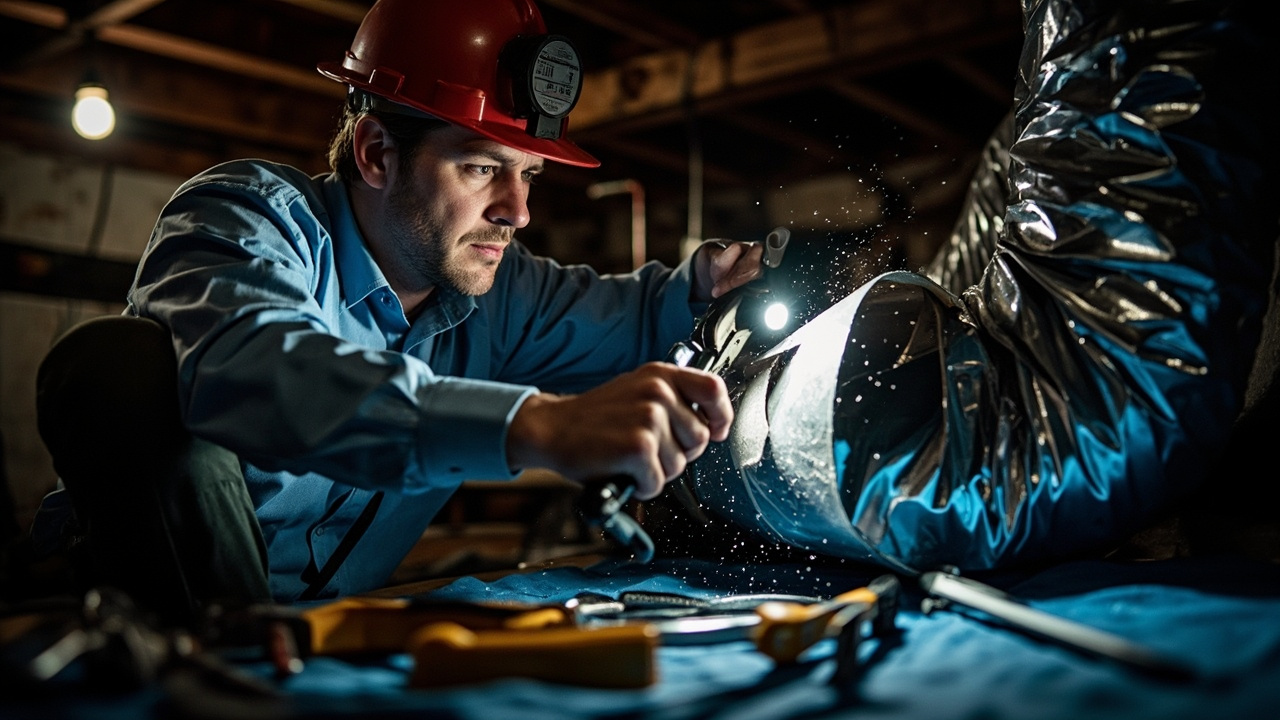
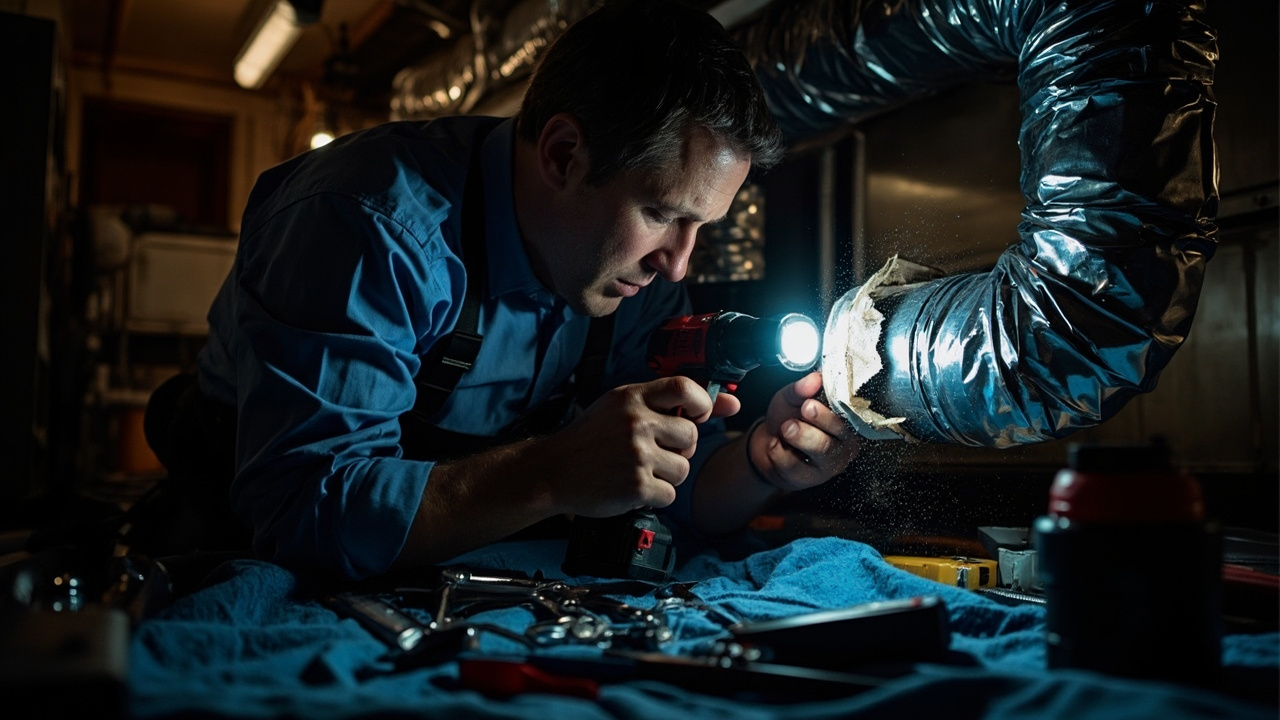
Once we locate the failure, we assess whether the damage is localized or systemic. A single disconnected flex duct collar requires immediate reconnection with mastic sealant and mechanical fasteners, not foil tape. Corroded sheet metal trunk lines need sectional replacement using properly sized rigid ductwork that matches your system's CFM requirements. Crushed or kinked flexible ducts must be replaced entirely because crimped sections create turbulence and restrict airflow permanently.

We carry emergency stock of insulated flex duct, rigid galvanized ductwork, spiral pipe, adjustable elbows, and UL-listed mastic on every truck. For 24/7 HVAC duct repair, we source sheet metal from local suppliers who understand Philadelphia's building codes and can fabricate custom transitions for unusual configurations.

While one technician repairs the damaged section, another verifies that your blower motor is not overheating and checks for secondary failures caused by the pressure imbalance. We test static pressure before and after the repair to confirm your system is operating within manufacturer specifications. You get immediate ductwork service that restores comfort and prevents expensive equipment damage downstream.

What Happens When You Call for Immediate Ductwork Service

Emergency Ductwork Repair in Philadelphia – Live Technicians Standing By, 24/7 Dispatch Within the Hour
01

Emergency Dispatch and Diagnosis

You call our emergency line, describe the symptoms, and we dispatch a technician within 60 minutes. The tech arrives with diagnostic equipment to measure static pressure, inspect accessible ductwork, and use thermal imaging to locate hidden failures. You get a clear explanation of what failed, why it failed, and what needs to happen immediately to restore safe operation.
02

On-Site Repair Execution

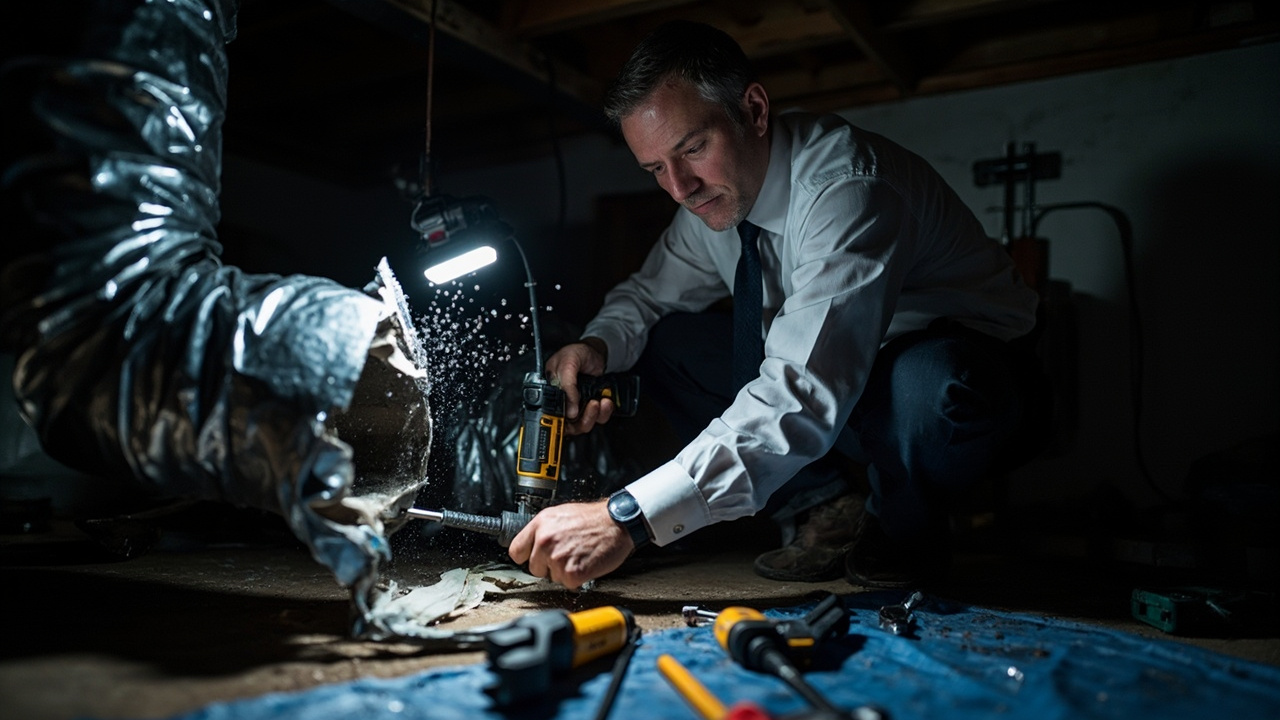
We stabilize your system first by sealing critical leaks and reconnecting separated sections using mechanical fasteners and mastic. For crushed or corroded ductwork, we remove the damaged section and install properly sized replacement ducts that match your system's airflow requirements. All connections are sealed to SMACNA standards, and insulation is restored to prevent condensation and energy loss in unconditioned spaces.
03

System Testing and Verification

After the repair, we run your HVAC system through a full cycle while monitoring supply and return temperatures, verifying airflow at each register, and confirming static pressure is within acceptable limits. You feel the difference immediately as conditioned air returns to every room. We document the repair with photos and pressure readings, then explain any follow-up work needed to prevent future failures.

Why Philadelphia Homeowners Call Elite HVAC Philadelphia When Ductwork Fails

Emergency ductwork repair requires more than tools and materials. It requires understanding how Philadelphia's housing stock behaves under stress.

Elite HVAC Philadelphia has been responding to urgent air duct repair calls across every neighborhood in this city for years. We know the difference between a simple disconnection in a modern suburban home and a corroded trunk line buried behind lath and plaster in a Manayunk rowhouse. We understand that homes built before 1950 often have undersized ductwork that was never designed for central air conditioning, and we know how to retrofit modern systems without compromising structural integrity.

Our technicians are trained on Philadelphia's residential building codes, which require specific clearances, insulation R-values, and support intervals for ductwork installed in unconditioned spaces. We do not cut corners by using contractor-grade foil tape or skipping insulation. Every emergency repair meets the same standards as a planned installation because your family's safety depends on it.

We also understand the urgency. When your heat goes out during a January cold snap or your air conditioning fails during a heatwave that sends half the city to cooling centers, waiting until Monday is not an option. That is why we staff technicians around the clock and maintain fully stocked trucks ready for immediate dispatch. You do not get an answering service. You get a live dispatcher who knows which techs are closest to your location and can be at your door within the hour.

Philadelphia homeowners choose us because we treat emergency ductwork repair like the crisis it is. We show up prepared, diagnose the problem quickly, and restore your system to full operation before secondary damage occurs. You get straight answers, transparent communication, and repairs that last.

What You Can Expect During Emergency Ductwork Repair

Response Time and Availability

We dispatch a technician within 60 minutes of your call, 24 hours a day, seven days a week. Our trucks are staged across Philadelphia to minimize travel time to your location. You get a live person on the phone, not a voicemail. We provide an estimated arrival window and send a text when the technician is 15 minutes out. Emergency calls are prioritized over scheduled maintenance, so you never wait behind routine tune-ups when your ductwork has failed.

Diagnostic Process and Assessment

The technician begins with a visual inspection of accessible ductwork, then uses a manometer to measure static pressure and a thermal camera to locate hidden leaks or disconnections. We check every supply and return register for airflow and temperature. You receive a verbal explanation of what failed, what caused the failure, and what the repair involves. We prioritize immediate safety concerns like backdrafting risks or exposed electrical hazards, then address airflow restoration. No work begins until you understand the plan.

Repair Quality and Materials

We use UL-listed mastic sealant, galvanized sheet metal, and insulated flex duct rated for your system's operating temperature range. All connections are mechanically fastened with sheet metal screws or drive cleats, then sealed with mastic to prevent air leakage. Insulation is replaced or added where code requires it to prevent condensation in crawlspaces or attics. You get materials designed for permanent installation, not temporary patches that fail within months. The repair is built to outlast your HVAC equipment.

Follow-Up and System Monitoring

After the repair, we provide written documentation including before and after static pressure readings, photos of the damaged section, and a description of the work performed. We recommend a follow-up inspection within 30 days to verify your system is maintaining proper airflow and to address any underlying issues that contributed to the failure. If your ductwork showed signs of widespread corrosion or undersizing, we provide a written assessment of what needs attention to prevent future emergencies. You are never pressured into additional work.

Frequently Asked Questions

You Have Questions,
We Have Answers

What qualifies as an HVAC emergency? +

An HVAC emergency means immediate risk to safety, property, or comfort. In Philadelphia, this includes no heat when temps drop below freezing, no AC during extreme summer heat waves, gas leaks, carbon monoxide detector alerts, visible flames or sparking, complete system failure, major ductwork collapse blocking airflow, or water flooding from a failed condensate line. If your system shuts down during a storm or you smell burning wires, that demands urgent response. Philadelphia's humid summers and cold winters make total system failure dangerous fast. You need 24/7 service when health or property is at risk.

What is the 2 foot rule for ductwork? +

The 2 foot rule means supply and return ducts must be at least 2 feet apart to prevent short cycling. When ducts sit too close, conditioned air gets sucked back into the return before reaching your rooms. This kills efficiency and causes temperature imbalances. In Philadelphia row homes and older houses with tight mechanical spaces, contractors sometimes violate this rule during renovations. You will notice hot or cold spots, higher bills, and constant system runtime. Proper duct separation ensures air circulates through your entire living space before returning to the system for reconditioning.

What's the average cost to replace ductwork? +

Full ductwork replacement in Philadelphia typically runs between $3,000 and $10,000, depending on home size, accessibility, and material quality. Older Philadelphia homes with plaster walls and tight crawl spaces cost more due to labor complexity. Multi-story row homes with shared walls require careful routing. Emergency repairs for isolated damage cost less, usually a few hundred dollars for minor leaks or disconnected joints. Costs rise if asbestos insulation is present or if code upgrades are required. Material choice matters: flexible duct costs less but rigid metal lasts longer in our humid climate.

Can I repair ductwork myself? +

You can handle minor duct tape fixes or filter changes, but serious repairs require professionals. Philadelphia's building codes require sealed, properly sized ductwork for energy efficiency and safety. Mistakes cause air leaks, pressure imbalances, mold growth from condensation, or carbon monoxide backdraft risks. Emergency situations like collapsed ducts, disconnected joints near the furnace, or pest damage need immediate expert assessment. Professionals have tools to test airflow, seal joints properly with mastic, and ensure your system meets local code. Poor DIY repairs often create bigger problems and higher costs later.

What is the $5000 rule for HVAC? +

The $5,000 rule helps you decide between repair and replacement. If your HVAC system repair costs more than $5,000 and the unit is over 10 years old, replacement usually makes better financial sense. Multiply the repair cost by the system age in years. If that number exceeds $5,000, replace it. For Philadelphia homeowners facing emergency ductwork damage combined with an aging furnace or AC, this calculation matters. Our freeze-thaw cycles and humidity stress systems hard. Investing in new equipment with efficient ductwork often beats patching old, failing infrastructure.

What counts as emergency repairs? +

Emergency repairs address immediate threats: no heat in winter, no cooling during dangerous heat, gas leaks, electrical failures, carbon monoxide risks, flooding from condensate backups, or complete airflow blockage. In Philadelphia, frozen pipes from failed heat, storm damage to rooftop units, or basement flooding affecting ductwork all qualify. You need urgent response when safety is compromised or when system failure causes property damage. Non-emergencies include routine maintenance, minor efficiency drops, or cosmetic issues. If you are uncomfortable or at risk waiting until morning, it counts as emergency repair.

How many CFM can a 12x12 duct handle? +

A 12x12 inch square duct handles roughly 700 to 1,000 CFM, depending on static pressure and duct length. Philadelphia HVAC systems must account for our humid summers and cold winters, which affect airflow calculations. Undersized ducts create high velocity, noise, and pressure drops. Oversized ducts reduce air speed, causing poor humidity control and temperature stratification. Proper sizing requires load calculations based on your home's square footage, insulation, and window count. Emergency ductwork repairs must maintain correct sizing to prevent system strain and comfort problems across your home's multiple floors.

How to circulate air from basement to upstairs? +

Circulate basement air upstairs by balancing return and supply vents, using transfer grills, or installing a dedicated return in the basement. Many Philadelphia row homes and twins have finished basements that trap cool air. Open interior doors to encourage airflow between levels. Add a return vent near the basement ceiling to pull air into the system for redistribution. Exhaust fans help, but do not rely solely on them. Properly sized ductwork ensures your HVAC system pulls air from all levels, preventing basement cold pockets and upstairs heat buildup during summer months.

What happens if the return air vent is too small? +

An undersized return vent starves your HVAC system of airflow, causing high static pressure, reduced efficiency, frozen evaporator coils, and premature equipment failure. Your system works harder, cycles more frequently, and struggles to maintain temperature. Philadelphia homes, especially older row houses with retrofitted central air, often have inadequate return air paths. You will notice weak airflow from supply vents, increased energy bills, and uneven temperatures between rooms. Emergency ductwork repairs must address return air sizing to protect your equipment and restore proper circulation throughout your home's heating and cooling zones.

Does homeowners insurance cover air duct replacement? +

Homeowners insurance typically covers duct replacement only if damage results from a covered peril like fire, storm damage, or vandalism. Wear and tear, age-related deterioration, pest damage, or maintenance neglect are excluded. In Philadelphia, if a tree falls on your home during a storm and crushes ductwork, insurance may pay. Frozen pipe bursts that flood and ruin ducts might qualify. Always document damage immediately with photos and get a professional assessment. Review your policy's specific exclusions. Emergency repairs to prevent further damage may be covered, but routine replacement due to old age will not qualify.

Why Philadelphia's Freeze-Thaw Cycles and Humid Summers Make Ductwork Failures More Common

Philadelphia experiences dramatic seasonal temperature swings that stress ductwork installed in unconditioned spaces. Winter temperatures drop below 20 degrees for weeks at a time, causing uninsulated ducts in crawlspaces to sweat and corrode. Summer humidity regularly exceeds 70 percent, creating condensation on cold supply ducts that rots out sheet metal joints and softens mastic sealant. Older rowhomes with ductwork squeezed into narrow chases between party walls have limited ventilation, trapping moisture and accelerating corrosion. Flex duct installed in attics becomes brittle after years of temperature cycling, leading to sudden tears or disconnections during high-demand periods when your system runs continuously.

Philadelphia's dense urban housing stock means ductwork often runs through shared walls, tight crawlspaces, and unfinished basements where access is limited. Effective emergency ductwork repair requires familiarity with century-old construction methods, local code requirements for clearances and supports, and relationships with suppliers who can fabricate custom transitions on short notice. Elite HVAC Philadelphia has been serving this city long enough to know which neighborhoods have undersized trunk lines, which construction eras used galvanized steel versus aluminum, and which local inspectors require documentation for emergency repairs performed outside of normal permit processes. You need a team that understands Philadelphia's building culture.
HVAC Services in The Philadelphia Area

Come visit our office or explore our extensive service area on the map below. Elite HVAC proudly serves residential and commercial clients across Philadelphia, ensuring prompt and reliable heating, ventilation, and air conditioning solutions wherever you are. Whether you need an emergency repair or a new installation, we’re strategically located to provide quick and efficient service right to your doorstep, ensuring your comfort is never compromised.

Address:
Elite HVAC Philadelphia, 2231 E Ontario St, Philadelphia, PA, 19134

Additional Services We Offer

Our news updates

Latest Articles & News from The Blogs

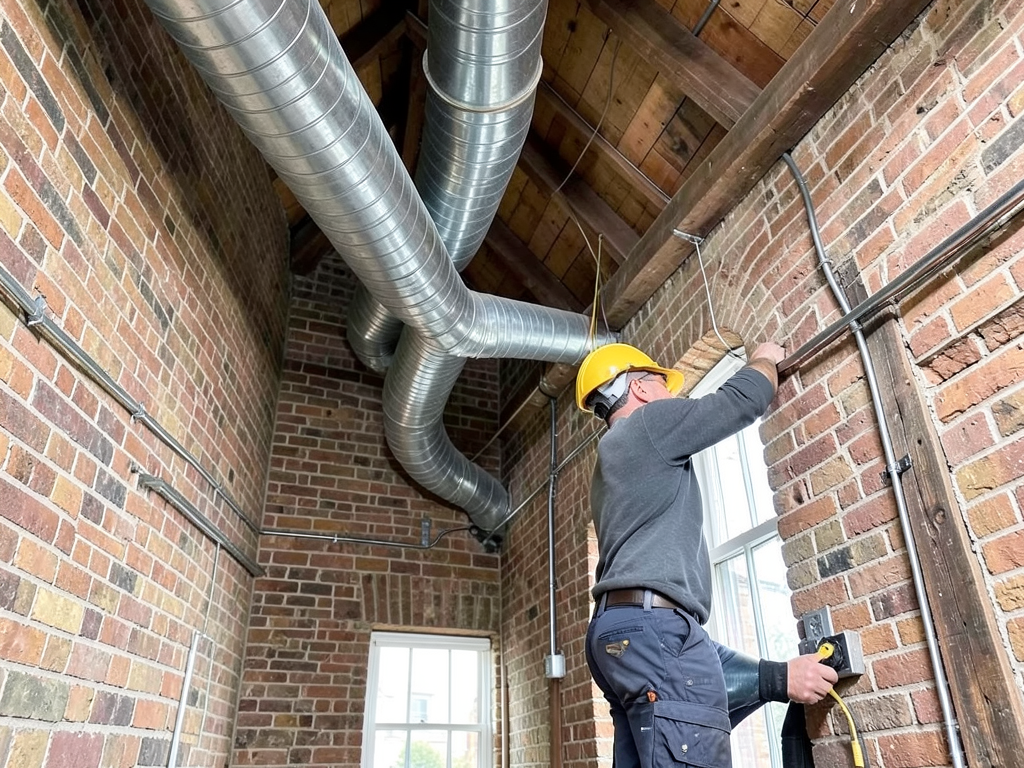
Creative Ways to Hide HVAC Ductwork in a High Ceiling South Kensington Loft Living in a South Kensington loft means…

Creative Ways to Hide HVAC Ductwork in a High Ceiling South Kensington Loft

Creative Ways to Hide HVAC Ductwork in a High Ceiling South Kensington Loft Living in a South Kensington loft means…

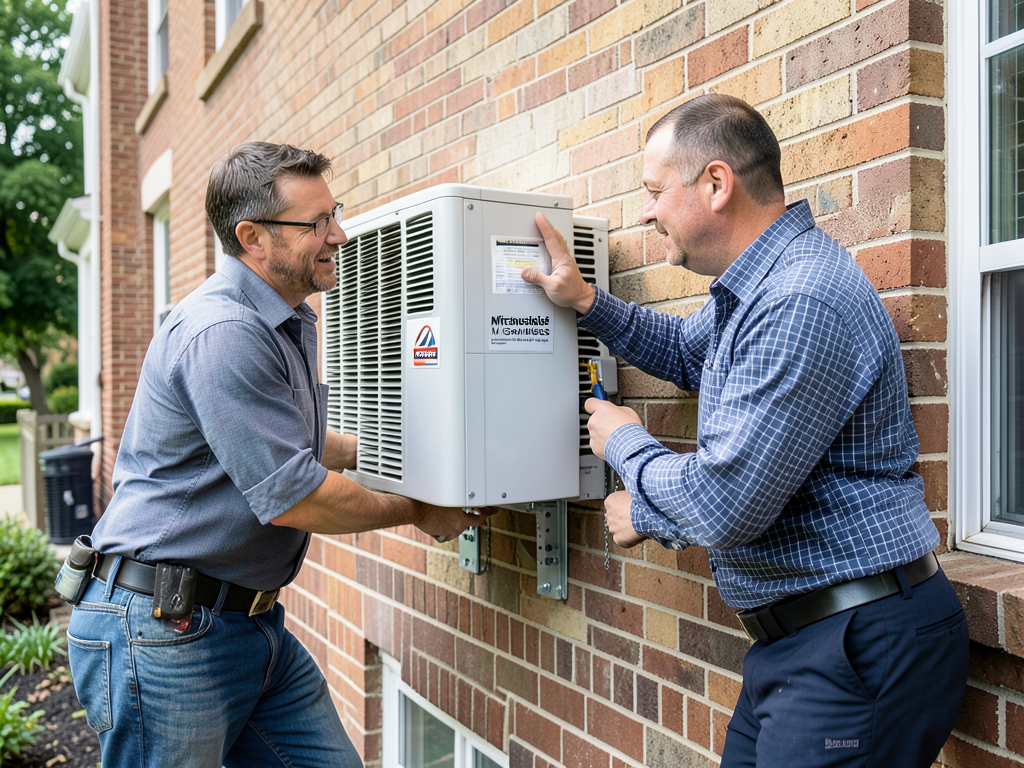
Picking a Whisper Quiet Heat Pump for Small Backyards in Haddington

Picking a Whisper Quiet Heat Pump for Small Backyards in Haddington Living in Haddington means dealing with tight backyard spaces…

Should You Keep Repairing or Just Replace That 15 Year Old Furnace in Your Bustleton Split Level Home

Should You Keep Repairing or Just Replace That 15 Year Old Furnace in Your Bustleton Split Level Home Your 15-year-old…

Contact Us

Your ductwork is not going to fix itself. Call Elite HVAC Philadelphia at (215) 610-9099 right now for immediate dispatch. Live technicians are standing by 24/7 to restore airflow and stop the damage before it gets worse.