




Menu

Emergency Furnace Repair in Philadelphia – 24/7 Dispatch Gets Heat Back in Under 2 Hours

When your furnace quits at 2 AM in freezing Philadelphia weather, you need a repair crew on-site fast. Elite HVAC Philadelphia responds to urgent heating failures around the clock with fully stocked trucks and trained technicians ready to restore warmth before frozen pipes or frostbite become your bigger problem.

Slider Image 1
Slider Image 2
Slider Image 3
Slider Image 4
Slider Image 5
Slider Image 7
Slider Image 8
Slider Image 9
Slider Image 10
Slider Image 11

Your Furnace Failed and Philadelphia Temperatures Are Dropping

Philadelphia winters hit hard. When temperatures plunge below freezing and wind rips down the Schuylkill, a dead furnace is not just an inconvenience. It is a threat to your family's safety and your home's structural integrity.

Frozen pipes burst in crawlspaces across Fishtown and West Philly every winter because homeowners wait too long for emergency heater repair. Water damage from a single burst pipe can cost thousands in repairs. Elderly residents and young children face genuine health risks when indoor temperatures drop into the 40s overnight. Carbon monoxide poisoning spikes during cold snaps when desperate homeowners use ovens or space heaters incorrectly.

Philadelphia's aging housing stock, full of row homes built before modern HVAC codes, makes furnace failures even more dangerous. Old cast iron radiators and steam systems require immediate heating system repair when they quit, or you risk frozen condensate lines and cracked heat exchangers.

You need 24 hour furnace repair that arrives fast, diagnoses the failure correctly, and restores heat before the damage spreads. Elite HVAC Philadelphia keeps crews on standby throughout the winter specifically for these emergencies. We stock common parts for Lennox, Carrier, Trane, and Rheem systems because most urgent heating repair calls involve predictable failures like igniter burnouts, blower motor failures, or pressure switch malfunctions.

When your furnace stops producing heat in Philadelphia, every hour counts. Waiting until morning is not an option.

Your Furnace Failed and Philadelphia Temperatures Are Dropping
How Elite HVAC Philadelphia Restores Heat During Emergency Calls

How Elite HVAC Philadelphia Restores Heat During Emergency Calls

Emergency furnace repair is not the same as a routine maintenance visit. You need diagnostic precision under pressure, not guesswork.

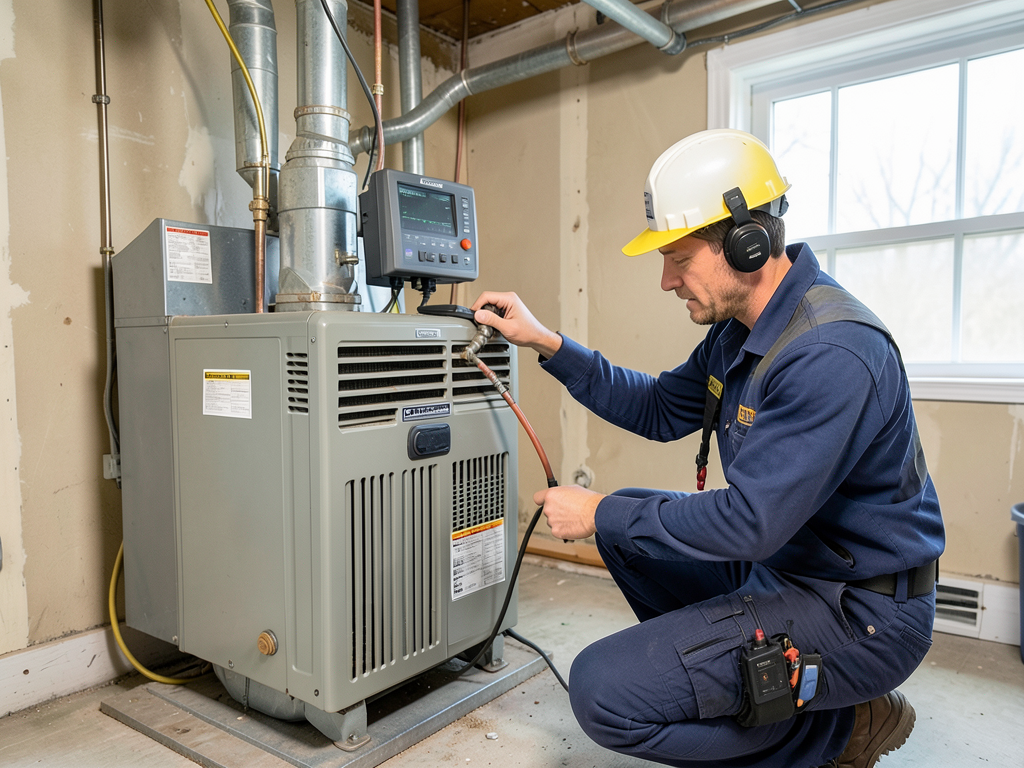
Our technicians arrive with diagnostic tools and replacement parts already loaded. We start with a systematic pressure test on the gas valve and heat exchanger. Most 24/7 furnace service calls in Philadelphia trace back to one of five failure points: a dead igniter, a tripped limit switch, a clogged condensate drain, a failed inducer motor, or a malfunctioning flame sensor.

We use a combustion analyzer to check flue gas composition and verify safe operation before leaving. Carbon monoxide leaks are common in older furnaces, especially after a sudden failure. We will not restore heat if the system is unsafe.

If your furnace is beyond immediate repair, we carry portable electric heaters rated for safe indoor use to keep critical rooms above freezing while we source parts. For older systems with obsolete components, we provide temporary solutions and a clear plan for replacement.

Philadelphia's row home layouts complicate emergency heating repairs. Shared walls, tight basements, and limited attic access mean we often work in cramped conditions. Our technicians are trained to navigate these spaces efficiently without tearing apart finished ceilings or walls.

We also handle oil furnace emergencies, which are still common in Northeast Philadelphia and parts of South Philly. Oil burner nozzles clog, fuel pumps fail, and ignition transformers burn out. We stock these parts because waiting for a supplier to open in the morning is not acceptable when temperatures are in the teens.

Speed matters, but accuracy matters more. We fix it right the first time so you do not lose heat again two days later.

What Happens When You Call for Emergency Heating Repair

Emergency Furnace Repair in Philadelphia – 24/7 Dispatch Gets Heat Back in Under 2 Hours
01

Immediate Dispatch and ETA

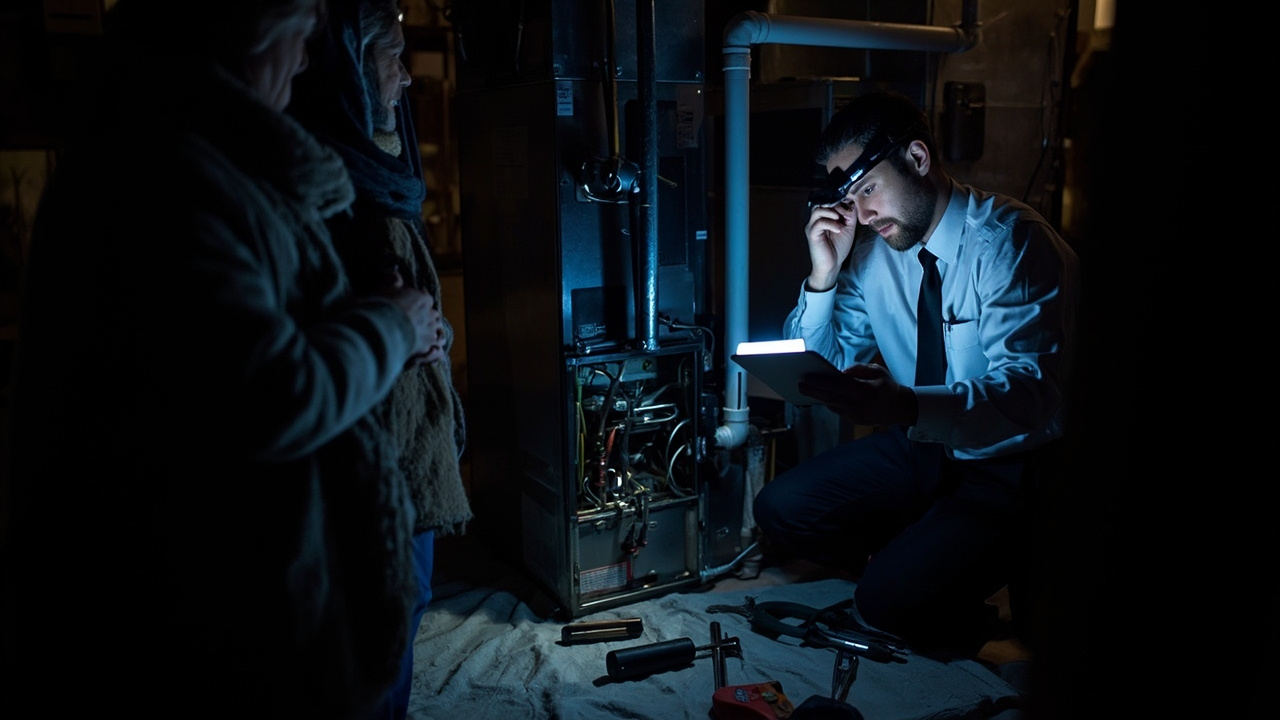
You call our emergency line at (215) 610-9099 and speak with a dispatcher, not a voicemail system. We confirm your address, ask two diagnostic questions to help the technician prepare, and dispatch the closest available truck. You receive a text with the technician's name, photo, and estimated arrival time within five minutes. Most Philadelphia emergency calls get a truck on-site within 90 minutes, often faster in Center City and nearby neighborhoods.
02

On-Site Diagnosis and Repair

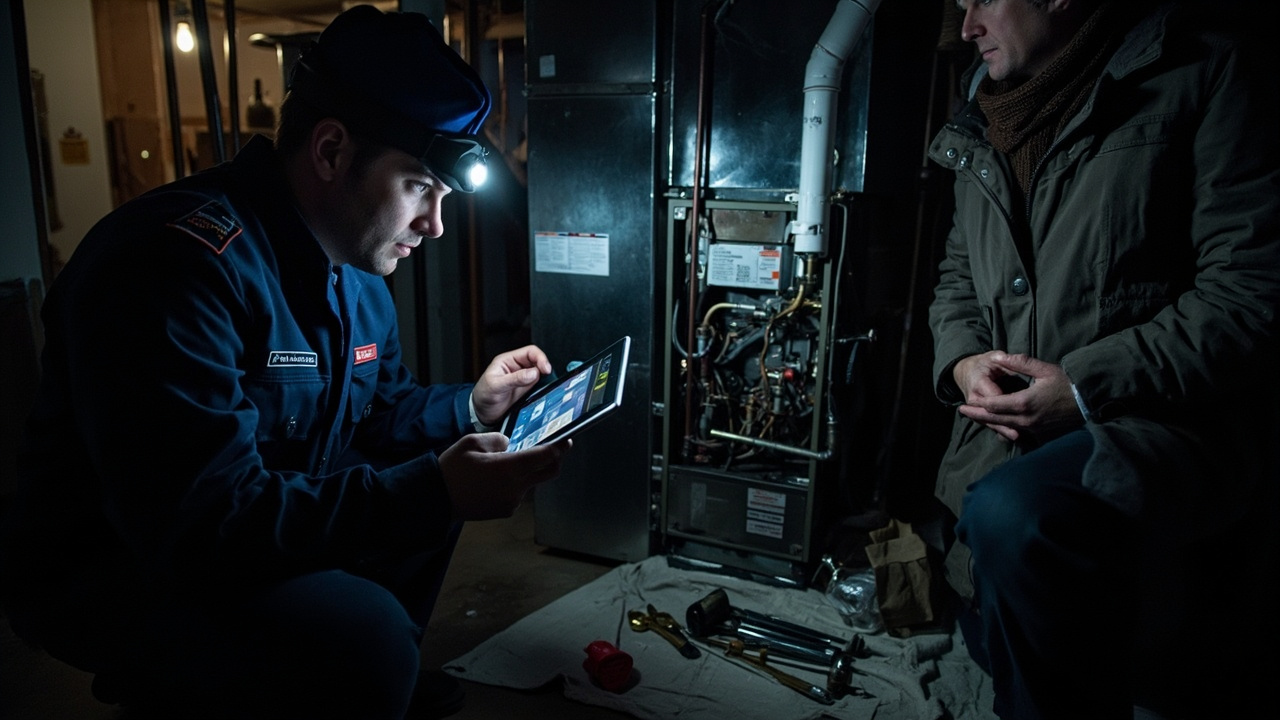
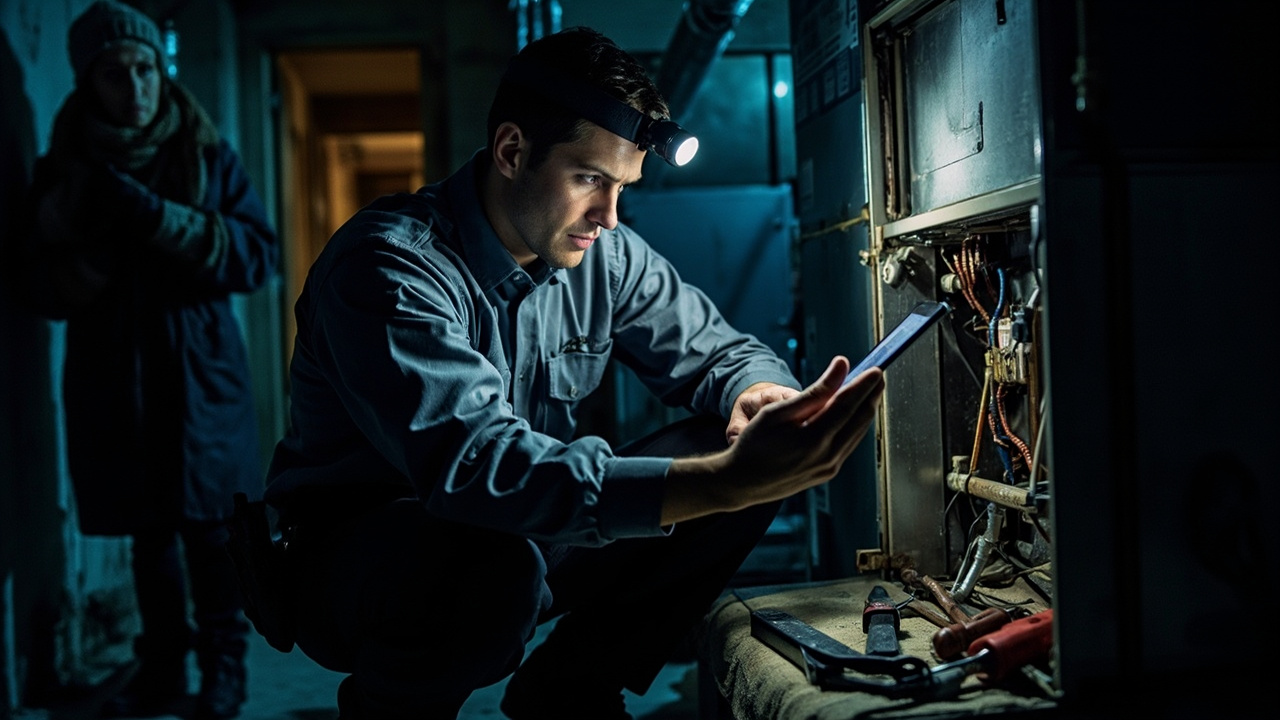
The technician tests voltage at the thermostat, checks gas pressure, inspects the ignition sequence, and runs a full diagnostic on the control board. If the failure is a common part like an igniter or flame sensor, we replace it on the spot and test the system through three full heating cycles. For complex failures involving the heat exchanger or blower assembly, we explain the problem clearly and provide options for immediate temporary heat while sourcing the correct parts.
03

Heat Restored and Safety Verified

Before leaving, we verify the furnace runs through a complete heating cycle, confirm proper airflow from all registers, and check carbon monoxide levels in the room. You receive a written summary of the repair, the parts replaced, and maintenance recommendations to prevent future failures. If the repair required only a minor part replacement, your heat is back within two hours of the initial call. We do not leave until you are warm and safe.

Why Philadelphia Homeowners Call Elite HVAC for Urgent Furnace Failures

Philadelphia's heating emergencies require local knowledge. A technician from the suburbs might not understand the quirks of a converted coal boiler in Kensington or the steam radiator systems still operating in Rittenhouse Square brownstones.

Elite HVAC Philadelphia has worked in every neighborhood from Manayunk to Port Richmond. We know the common heating systems in each area. Northern Liberties and Fishtown have a mix of new construction with high-efficiency gas furnaces and rehabbed row homes with older forced-air systems. South Philly still has oil burners and steam heat. West Philly has a lot of split systems with heat pumps that struggle when temperatures drop below 25 degrees.

We also understand Philadelphia's building codes and permit requirements. Some emergency repairs, especially those involving gas line work or flue modifications, require permits and inspections. We handle that process so you stay compliant.

Our trucks carry parts for the most common furnace brands installed in Philadelphia over the last 20 years. That includes Lennox, Carrier, Bryant, Trane, Rheem, Goodman, and American Standard. We also service older brands like Heil and Janitrol that are no longer manufactured but still operate in thousands of Philadelphia homes.

You will not get a bait-and-switch estimate at 3 AM. We provide upfront pricing before starting any repair. If the job requires a part we do not have on the truck, we tell you immediately and explain the timeline for sourcing it.

Philadelphia homeowners deal with enough stress during a furnace failure. You should not have to worry about whether the repair company knows what they are doing or if they will show up at all. We answer the phone, we show up, and we fix it.

What to Expect During an Emergency Furnace Repair Call

Response Time and Availability

We dispatch emergency heating repair crews 24 hours a day, seven days a week, including holidays. Most calls in Philadelphia proper receive a technician within 90 minutes. Areas like Chestnut Hill, Mount Airy, and the Far Northeast may take slightly longer depending on traffic and weather conditions. We prioritize calls involving elderly residents, young children, or homes where temperatures have already dropped below 50 degrees. You receive real-time updates via text so you know exactly when the technician will arrive.

Diagnostic Process and Transparency

The technician will ask you a few questions about when the furnace stopped working and what symptoms you noticed before the failure. Then they perform a methodical diagnostic starting with the thermostat and working through the ignition sequence, gas valve operation, blower motor function, and safety controls. You will see what they are testing and why. If the problem requires a part replacement, they show you the failed component and explain why it failed. No jargon, no upselling, just clear information so you can make an informed decision.

Quality of the Repair

We use OEM or equivalent-quality parts, not cheap aftermarket components that fail again in six months. Every repair includes a post-repair test where we run the furnace through multiple heating cycles and verify proper combustion, airflow, and safety shutoff operation. We also check the air filter, inspect the flue pipe for blockages, and verify the condensate drain is clear. The goal is not just to restore heat tonight but to ensure the furnace runs reliably for the rest of the winter.

Follow-Up and Maintenance Recommendations

After the repair, you receive a written summary of the work performed, the parts replaced, and any additional maintenance the furnace may need in the near future. If the furnace is old or showing signs of wear, we will recommend a follow-up inspection during normal business hours to assess whether other components are at risk of failure. We do not hard-sell replacements during emergency calls. If your furnace can be repaired safely and affordably, we repair it. If replacement is the smarter choice, we explain why and give you time to make that decision without pressure.

Frequently Asked Questions

You Have Questions,
We Have Answers

How much is an emergency furnace call? +

Emergency furnace service calls in Philadelphia typically include a diagnostic fee that covers after-hours response and initial inspection. Costs vary based on when you call. Weeknight emergencies cost more than daytime repairs, and holiday service commands the highest rates. Most companies charge a flat trip fee plus labor and parts. Philadelphia's freeze-thaw cycles mean furnace failures spike during cold snaps, which can drive demand. If your furnace quits when temperatures drop below freezing, the issue becomes health and safety critical. Get multiple quotes when possible, but do not delay if you have vulnerable family members at home.

What is the $5000 rule? +

The $5000 rule helps homeowners decide between repair and replacement. If your furnace repair costs more than $5000 or if you multiply the repair cost by your system's age and exceed $5000, replacement makes more financial sense. For example, a $500 repair on a 12-year-old furnace equals $6000, suggesting replacement. Philadelphia homes with older heating systems face this decision frequently due to aging infrastructure in neighborhoods like Fishtown and South Philly. Factor in energy efficiency gains with new units. Modern furnaces cut heating bills significantly during Philadelphia's cold winters, offsetting replacement costs over time.

What counts as an HVAC emergency? +

An HVAC emergency means immediate risk to health, safety, or property. No heat when temperatures drop below freezing counts as an emergency, especially with children or elderly residents. Gas smells, carbon monoxide detector alarms, flames or sparks from vents, and furnace flooding all require immediate shutdown and professional response. Odd noises like banging or screeching can signal mechanical failure about to worsen. Philadelphia's housing stock includes many older furnaces in rowhomes with limited ventilation, increasing carbon monoxide risks. If you smell gas or suspect carbon monoxide, evacuate immediately and call 911 before calling an HVAC technician.

What to do if you can't afford to fix your furnace? +

If you cannot afford furnace repairs, explore Philadelphia's Low-Income Home Energy Assistance Program, which helps qualifying residents with heating costs and emergency repairs. Contact PECO's Customer Assistance Program for payment plans and crisis grants. Some HVAC companies offer financing through third-party lenders with monthly payment options. Space heaters provide temporary warmth but create fire hazards if used improperly. Never use gas stoves or ovens for heat. Philadelphia's Office of Homeless Services can connect you with emergency shelter if your home becomes uninhabitable. Address the problem quickly. Frozen pipes from prolonged cold cause expensive water damage that compounds your financial burden.

How much is it to have someone come look at your furnace? +

Standard furnace inspections in Philadelphia range from free to a set diagnostic fee, depending on the company and season. Many contractors waive inspection fees if you proceed with recommended repairs. Emergency calls after hours or on weekends cost more due to premium labor rates. The technician will check your thermostat, inspect the heat exchanger, test ignition systems, measure airflow, and examine venting. Philadelphia's older housing stock means inspections often reveal code compliance issues or outdated components. Get the diagnosis in writing with specific part numbers and labor breakdowns. This protects you from unnecessary upsells and helps you compare estimates if needed.

Who do you call if your furnace goes out? +

Call a licensed HVAC contractor immediately when your furnace stops working in winter. If you smell gas, evacuate first and call PECO's emergency line or 911. Do not attempt DIY repairs on gas furnaces due to explosion and carbon monoxide risks. Check your thermostat settings and circuit breakers before calling, as simple fixes sometimes restore heat. Philadelphia has many 24/7 emergency HVAC services that respond within hours. If you rent, contact your landlord first. Philadelphia housing code requires landlords to maintain heat between October and April. Document everything if your landlord delays, as you may have legal recourse for uninhabitable conditions.

What's the average lifespan of an HVAC system? +

Furnaces last 15 to 20 years with proper maintenance, while air conditioners typically run 10 to 15 years. Philadelphia's humidity and temperature swings stress systems year-round, potentially shortening lifespan. Older rowhomes with poor ventilation force HVAC systems to work harder, accelerating wear. Salt air near the Delaware and Schuylkill Rivers corrodes outdoor condenser units faster. Annual maintenance extends equipment life significantly. If your furnace approaches 15 years old and needs expensive repairs, replacement makes better financial sense. Modern high-efficiency systems cut energy bills by 20 to 40 percent, which matters during Philadelphia's humid summers and cold winters.

How much does a new furnace and AC unit cost? +

New furnace and AC installations vary widely based on system size, efficiency ratings, ductwork condition, and home layout. Philadelphia rowhomes often require custom ductwork or ductless mini-split systems, which affect pricing. High-efficiency units cost more upfront but reduce monthly bills substantially. Older homes may need electrical upgrades to support modern HVAC equipment, adding to project costs. Get three written estimates that itemize equipment models, labor, permits, and warranty coverage. Philadelphia requires permits for HVAC installations. Avoid contractors who skip permitting. Financing options spread costs over time, and energy rebates from PECO can offset some expenses.

How many Btus do I need for a 20x20 room? +

A 20x20 room requires roughly 10,000 to 15,000 BTUs for heating, depending on ceiling height, insulation quality, window count, and sun exposure. Philadelphia's older housing stock often has poor insulation and drafty windows, increasing BTU needs. Rooms with northern exposure stay colder. Calculate BTUs by multiplying square footage by 20 for basic estimates, then adjust for factors like high ceilings or large windows. Oversized units short-cycle and waste energy, while undersized units run constantly without reaching comfortable temperatures. An HVAC technician can perform a proper load calculation that accounts for your specific home's characteristics and Philadelphia's climate demands.

What is a furnace emergency? +

A furnace emergency means your heating system fails when outside temperatures threaten health or property. No heat during Philadelphia's winter cold snaps creates dangerous conditions within hours, especially for children, elderly residents, or people with medical conditions. Gas leaks, carbon monoxide alarms, flames from vents, electrical burning smells, and flooding around your furnace all require immediate professional response. Philadelphia's dense rowhome neighborhoods mean furnace problems can affect multiple units. Shut off your gas supply if you suspect leaks. Turn off power at the breaker for electrical issues. Evacuate if carbon monoxide detectors alarm. Address emergencies immediately to prevent hypothermia, fire, or explosion risks.

Why Philadelphia's Freeze-Thaw Cycles Make Emergency Furnace Repair Critical

Philadelphia winters alternate between bitter cold snaps and brief warm-ups, creating freeze-thaw cycles that stress heating systems and plumbing. When your furnace fails during a cold snap and indoor temperatures drop below freezing, pipes in unheated basements, crawlspaces, and exterior walls are at immediate risk. Row homes in Philadelphia are especially vulnerable because many lack insulation between the heated living space and the basement. A furnace failure at 10 PM can lead to burst pipes by 6 AM. Emergency heating repair is not just about comfort. It is about protecting your home from catastrophic water damage that insurance may not fully cover.

Philadelphia's housing stock includes thousands of older homes with heating systems that were never designed for the efficiency demands of modern living. Many row homes still use single-zone forced-air systems with undersized ductwork, or steam radiators fed by ancient boilers. These systems require technicians who understand the quirks of older equipment and can source hard-to-find parts quickly. Elite HVAC Philadelphia has built relationships with local suppliers who stock legacy components for older Weil-McLain boilers, Burnham furnaces, and other brands common in pre-1970 Philadelphia construction. Choosing a local company that knows these systems means faster repairs and fewer callbacks.
HVAC Services in The Philadelphia Area

Come visit our office or explore our extensive service area on the map below. Elite HVAC proudly serves residential and commercial clients across Philadelphia, ensuring prompt and reliable heating, ventilation, and air conditioning solutions wherever you are. Whether you need an emergency repair or a new installation, we’re strategically located to provide quick and efficient service right to your doorstep, ensuring your comfort is never compromised.

Address:
Elite HVAC Philadelphia, 2231 E Ontario St, Philadelphia, PA, 19134

Additional Services We Offer

Our news updates

Latest Articles & News from The Blogs

Creating an Allergy Friendly Home in Elkins Park with Advanced Air Scrubbers Philadelphia's humid continental climate creates perfect conditions for…

Creating an Allergy Friendly Home in Elkins Park with Advanced Air Scrubbers

Creating an Allergy Friendly Home in Elkins Park with Advanced Air Scrubbers Philadelphia's humid continental climate creates perfect conditions for…

The Best Way to Get Central Air into Your Olney Attic Conversion

Why Your Olney Attic Bedroom Feels Like an Oven Philadelphia summers turn your Olney attic into a heat trap. Hot…

Simple HVAC Tasks Port Richmond Homeowners Can Actually Do Themselves

Simple HVAC Tasks Port Richmond Homeowners Can Actually Do Themselves\n\nPort Richmond homeowners can handle several basic HVAC maintenance tasks that…

Contact Us

Do not wait until morning. Call Elite HVAC Philadelphia at (215) 610-9099 and get a technician dispatched to your home immediately. We restore heat fast, diagnose accurately, and repair it right the first time. Your family deserves warmth tonight.