




Menu

Commercial Heating Services in Philadelphia – Industrial-Grade Systems That Keep Your Business Running

Elite HVAC Philadelphia delivers commercial heating solutions engineered for uptime, compliance, and capacity. From warehouse boilers to office HVAC zones, we minimize disruption and maximize ROI for Philadelphia businesses.

Slider Image 1
Slider Image 2
Slider Image 3
Slider Image 4
Slider Image 5
Slider Image 7
Slider Image 8
Slider Image 9
Slider Image 10
Slider Image 11

Philadelphia's Commercial Buildings Face Heating Demands Most Contractors Cannot Handle

Philadelphia's commercial infrastructure spans everything from converted Historic District warehouses to modern glass office towers along the Delaware waterfront. Each building type demands different heating strategies. Older masonry structures with steam radiators require specialized knowledge of legacy piping systems prone to freeze-thaw damage during Philadelphia's fluctuating winter conditions. Newer construction relies on variable refrigerant flow systems and rooftop package units vulnerable to wind exposure and corrosion from urban air quality.

Most commercial heating contractors treat these systems as scaled-up residential equipment. They are not. A failed boiler in a 40,000-square-foot distribution center does not just inconvenience occupants. It shuts down operations, disrupts payroll, and triggers liability concerns if temperatures drop below minimum thresholds required by OSHA or union agreements. Philadelphia's aging commercial building stock requires contractors who understand the difference between a residential heat exchanger and a commercial-grade cast iron sectional boiler with multiple zones.

Industrial heating services demand capacity planning, load calculations, and sequence-of-operations programming that residential technicians rarely encounter. When your heating system fails in Northern Liberties or University City, you need commercial heating companies with the equipment, manpower, and expertise to restore heat before your business loses another hour of productivity. Generic service calls do not solve commercial problems.

Philadelphia's Commercial Buildings Face Heating Demands Most Contractors Cannot Handle
How Commercial HVAC Heating Services Differ From Residential Quick Fixes

How Commercial HVAC Heating Services Differ From Residential Quick Fixes

Commercial heating solutions require diagnostic protocols absent in residential work. We begin with thermal imaging of heat distribution across your facility, identifying dead zones caused by damper failures, duct leaks, or undermaintained economizers. Philadelphia's mixed-use buildings often combine retail ground floors with office space above. Each zone requires independent temperature control, humidity management, and ventilation rates aligned with building code requirements for occupancy type.

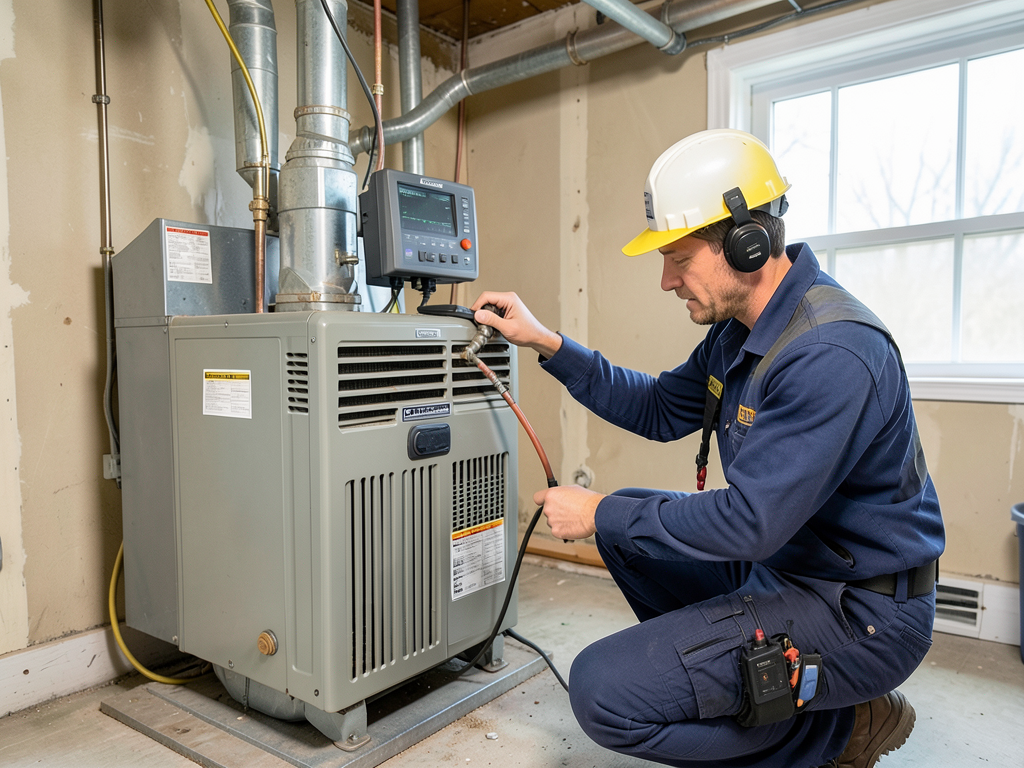
Our technicians assess burner combustion efficiency using flue gas analyzers, measuring oxygen levels and carbon monoxide output to ensure your system operates within manufacturer specifications and Philadelphia mechanical code standards. We inspect heat exchangers for stress cracks that compromise safety and efficiency. We evaluate control sequences for makeup air units, ensuring fresh air intake rates meet ASHRAE 62.1 ventilation standards without overworking your heating plant.

For industrial heating services, we conduct amp draw tests on blower motors, check belt tension on belt-driven systems, and verify that variable frequency drives respond correctly to building automation commands. We review your preventive maintenance logs to identify recurring failures that signal deeper system design flaws rather than component wear. Commercial heating contractors who skip these steps treat symptoms instead of causes. That approach costs you more in callbacks, downtime, and energy waste than doing the job correctly the first time.

What Happens When You Call Elite HVAC Philadelphia for Commercial Heating

Commercial Heating Services in Philadelphia – Industrial-Grade Systems That Keep Your Business Running
01

Rapid System Assessment

We dispatch commercial heating contractors to your Philadelphia facility within two hours during business emergencies. Our team evaluates your entire heating plant, not just the failing component. We document system pressures, temperatures, and control settings to establish baseline performance data. You receive a preliminary diagnosis and timeline before we begin work, allowing you to coordinate with tenants, employees, or operations managers about expected downtime.
02

Targeted Repair or Replacement

Elite HVAC Philadelphia stocks commercial-grade parts for major brands and can source specialty components for older systems common in Philadelphia's commercial districts. We prioritize repairs that restore heat fastest, then schedule comprehensive fixes during off-hours or low-occupancy periods. Our technicians coordinate with building engineers to maintain minimum heat levels in occupied spaces while we work on primary systems. We test all zones before leaving the site.
03

Performance Verification and Documentation

After restoring your commercial heating system, we verify temperature uniformity across all zones, confirm proper thermostat response, and document system performance metrics. You receive a detailed service report including before-and-after combustion readings, parts replaced, and recommendations for preventing future failures. We provide this documentation for your facilities management records, insurance requirements, or tenant communications. Our work meets Philadelphia commercial building code requirements.

Why Philadelphia Businesses Trust Elite HVAC Philadelphia for Commercial Heating

Philadelphia's commercial heating landscape requires familiarity with building systems ranging from 1920s steam plants in Old City to modern geothermal systems in LEED-certified office buildings near Rittenhouse Square. Elite HVAC Philadelphia handles this spectrum daily. Our technicians understand Philadelphia's mechanical code amendments, particularly requirements for combustion air in older buildings with tightened envelopes and ventilation standards for high-occupancy spaces.

We work with building managers who need documentation for insurance claims, property owners juggling multiple tenant complaints, and facility directors managing campuses with interconnected heating plants. Commercial heating companies that primarily serve residential clients lack the project management skills required to coordinate multi-phase repairs in occupied buildings. We schedule work around your operational needs, communicate clearly with stakeholders, and deliver solutions that prioritize business continuity.

Our experience with Philadelphia's commercial building stock means we anticipate problems before they cascade. We recognize when a single zone heating failure indicates a larger control system issue. We know which legacy equipment still has available parts and which systems require modernization planning. We understand that your heating system is not a comfort feature. It is infrastructure that enables revenue generation. When that infrastructure fails, you need commercial HVAC heating services delivered with the urgency and professionalism your business demands, not the residential service model most contractors default to.

What to Expect When Elite HVAC Philadelphia Services Your Commercial Heating System

Emergency Response and Scheduling Flexibility

Commercial heating emergencies receive priority dispatch. We maintain on-call crews for Philadelphia businesses facing heating failures that threaten operations, inventory, or occupant safety. For non-emergency service, we schedule around your business hours, minimizing disruption to tenants or employees. Large projects receive dedicated project managers who coordinate with your team on access, noise restrictions, and phased completion timelines. We provide daily progress updates for multi-day projects and adjust schedules when building conditions change. Our goal is restoring full heating capacity with minimal impact to your revenue-generating activities.

Comprehensive System Evaluation

Elite HVAC Philadelphia conducts thorough diagnostics before recommending repairs. We evaluate your entire heating plant, including distribution systems, controls, and ventilation components. Our assessments identify root causes rather than obvious symptoms. You receive a written evaluation explaining what failed, why it failed, and what additional components show wear that may cause future failures. This transparency allows you to make informed decisions about repair versus replacement, budget for upcoming capital expenses, and prioritize fixes based on risk to business operations. We present options with clear cost-benefit analysis tailored to your facility's specific heating demands and occupancy patterns.

Code-Compliant, Performance-Verified Results

Every commercial heating repair or installation meets Philadelphia mechanical code requirements and manufacturer specifications. We pull necessary permits for major work and coordinate inspections with city officials. Our technicians test system performance after completion, verifying temperature control, airflow rates, and safety interlocks function correctly. You receive documentation proving code compliance for your building files, insurance records, or tenant disclosure requirements. We stand behind our commercial heating solutions with service records that demonstrate professional-grade workmanship. Your heating system will perform reliably because we engineer solutions for long-term durability, not quick fixes that fail during the next cold snap.

Preventive Maintenance Programs

Commercial heating systems require scheduled maintenance to prevent failures during peak demand periods. Elite HVAC Philadelphia offers maintenance contracts tailored to your equipment and usage patterns. We perform seasonal inspections, cleaning, and adjustments that extend equipment life and reduce energy consumption. Our maintenance programs include priority scheduling, discounted repair rates, and detailed service histories that help you budget for future capital improvements. We track your equipment age, performance trends, and failure patterns to recommend proactive replacements before catastrophic failures disrupt your business. Preventive maintenance costs far less than emergency repairs and lost productivity from unexpected heating outages in Philadelphia's coldest months.

Frequently Asked Questions

You Have Questions,
We Have Answers

What is the $5000 rule for HVAC? +

The $5000 rule is an IRS guideline for business expense deductions. If a repair or improvement costs less than $5000, you can typically expense it immediately. If it exceeds $5000, you must capitalize it and depreciate the cost over time. For Philadelphia commercial properties, this matters when deciding between repairing an aging rooftop unit or replacing it entirely. Minor fixes qualify for immediate write-offs, while full system replacements require depreciation schedules. Consult your tax advisor to maximize deductions and align HVAC decisions with your fiscal year planning.

How much does a commercial HVAC cost? +

Commercial HVAC costs vary widely based on building size, system type, and complexity. A small retail space might require $10,000 to $30,000, while a mid-size office building could range from $50,000 to $150,000. Large warehouses or multi-tenant properties in Philadelphia can exceed $250,000. Rooftop units, ductwork modifications, zoning requirements, and energy efficiency upgrades all affect total investment. Philadelphia's variable climate demands robust systems that handle humid summers and cold winters. Request detailed proposals that break down equipment, installation labor, and long-term operating costs to evaluate true ROI.

What is the most common commercial HVAC system? +

Rooftop packaged units dominate Philadelphia commercial installations. These self-contained systems combine heating, cooling, and ventilation components in one weatherproof cabinet. They save valuable interior space, simplify maintenance access, and scale easily for low-rise commercial buildings. Split systems also appear in smaller offices, while larger facilities may use variable refrigerant flow or chilled water systems. Rooftop units handle Philadelphia's humidity and temperature swings effectively, making them the default choice for retail, restaurants, and office buildings across the metro area. Installation logistics favor rooftop placement in dense urban environments.

How often should a commercial HVAC be serviced? +

Commercial HVAC systems require maintenance quarterly at minimum. Schedule inspections before cooling season starts in spring and before heating season begins in fall. High-use facilities like restaurants or data centers need monthly checks. Philadelphia's freeze-thaw cycles stress equipment, making preventive maintenance non-negotiable. Regular service catches refrigerant leaks, cleans coils, tests controls, and verifies proper airflow. Deferred maintenance leads to mid-operation failures, employee complaints, and costly emergency repairs. A service contract ensures priority response and extends equipment lifespan. Budget 1-3% of system replacement cost annually for maintenance.

How much does a HVAC system cost for 4000 square feet? +

A 4000 square foot commercial space typically requires 40 to 60 tons of cooling capacity, depending on occupancy, insulation, and heat load. Budget $20,000 to $60,000 for a basic rooftop package unit installation. High-efficiency models, zoning controls, or complex ductwork modifications increase costs. Philadelphia buildings with poor insulation or large window areas demand more capacity. Factor in electrical upgrades, crane rental for rooftop placement, and code compliance work. Operating costs matter more than purchase price over a 15-year lifespan. Request load calculations before accepting equipment proposals to avoid undersized or oversized systems.

Is a new HVAC system tax deductible in 2025? +

In 2025, new commercial HVAC systems qualify for immediate Section 179 expensing up to certain limits, allowing businesses to deduct the full cost in the purchase year rather than depreciating over time. Energy-efficient systems may also qualify for federal tax credits under the Inflation Reduction Act. Philadelphia businesses should verify eligibility requirements with their tax advisors. Timing the installation within your fiscal year can maximize deductions. Keep detailed invoices and energy efficiency certifications. These incentives substantially reduce net investment costs and improve ROI for system replacements and upgrades.

What is the difference between HVAC and commercial HVAC? +

Commercial HVAC systems handle larger spaces, higher occupancy loads, and extended operating hours compared to residential units. They use three-phase power, modular designs for scalability, and centralized controls for multiple zones. Commercial equipment prioritizes durability and serviceability over aesthetics. Philadelphia commercial buildings face stricter code requirements, ADA compliance, and ventilation standards for indoor air quality. Residential systems are smaller, quieter, and designed for comfort over continuous operation. Commercial installations require professional load calculations, engineered ductwork, and ongoing maintenance contracts. The equipment itself is built for commercial duty cycles and warranty structures.

How much is HVAC for a 2000 square foot house? +

A 2000 square foot house requires residential equipment, not commercial systems. Residential installations typically range from $5,000 to $12,000 for standard efficiency units. This question falls outside commercial HVAC scope. Philadelphia homeowners should consult residential contractors for accurate estimates. Commercial systems use different sizing methods, power requirements, and installation practices. Business owners comparing costs should recognize that commercial square footage calculations differ significantly from residential applications. Commercial projects require load calculations based on occupancy, equipment heat loads, and ventilation codes rather than simple square footage multipliers.

What is the lifespan of a commercial HVAC unit? +

Commercial HVAC units last 15 to 20 years with proper maintenance. Rooftop units in Philadelphia face harsh weather exposure, reducing lifespan without regular service. Compressors, fans, and controls wear from continuous operation. High-use facilities may see 12 to 15 years before replacement becomes necessary. Deferred maintenance cuts lifespan significantly. After 15 years, efficiency drops and repair costs escalate. Plan capital budgets assuming a 15-year replacement cycle. Extending equipment beyond designed lifespan risks mid-season failures during peak demand. Monitor refrigerant phase-out schedules, as obsolete systems become expensive to service.

What is the best commercial HVAC brand? +

Trane, Carrier, Lennox, and York dominate commercial installations in Philadelphia. The best brand depends on your specific application, service availability, and budget. Trane and Carrier offer extensive product lines and strong local service networks. York provides value-oriented options for cost-sensitive projects. Lennox excels in rooftop packaged units. Focus on equipment sizing, energy efficiency ratings, and warranty coverage rather than brand alone. Local service availability matters more than nameplate recognition. Your contractor's expertise with specific brands affects installation quality and ongoing support. Request references for similar Philadelphia commercial projects before committing.

How Philadelphia's Building Codes and Historic Infrastructure Shape Commercial Heating Requirements

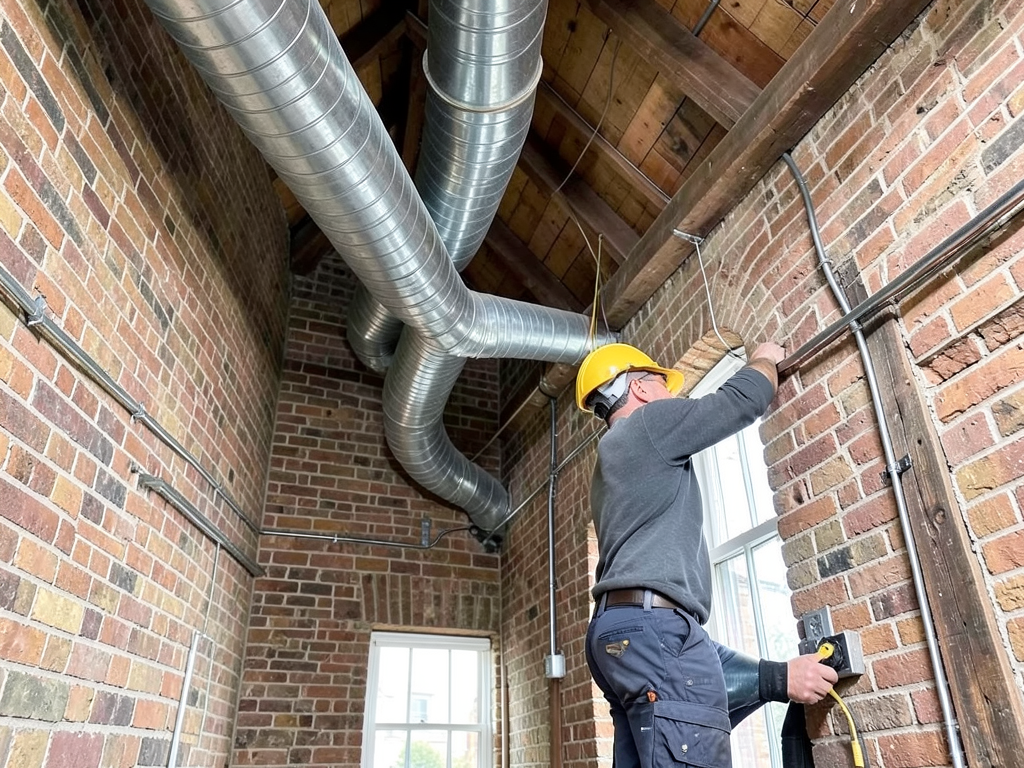
Philadelphia enforces strict mechanical code standards for commercial buildings, particularly regarding combustion air supply, flue venting, and carbon monoxide detection in occupied spaces. Many commercial buildings in Center City and surrounding neighborhoods occupy structures built before modern HVAC standards existed. Converting these spaces to commercial use requires heating systems that meet current code while working within structural limitations like low floor-to-ceiling heights, limited rooftop access, and masonry walls that complicate ductwork installation. Commercial heating contractors unfamiliar with Philadelphia's inspection requirements often design systems that fail permitting, delaying projects and increasing costs.

Elite HVAC Philadelphia has worked throughout Philadelphia's commercial districts, from the Navy Yard industrial campus to Manayunk's converted mill buildings. We understand how local building officials interpret code requirements and what documentation they expect for commercial heating installations. Our relationships with inspectors and familiarity with Philadelphia's permit process streamline approvals, keeping your project on schedule. When you hire commercial heating companies without local expertise, you risk delays, failed inspections, and systems that do not perform as promised. Local knowledge matters when your business depends on reliable heat.
HVAC Services in The Philadelphia Area

Come visit our office or explore our extensive service area on the map below. Elite HVAC proudly serves residential and commercial clients across Philadelphia, ensuring prompt and reliable heating, ventilation, and air conditioning solutions wherever you are. Whether you need an emergency repair or a new installation, we’re strategically located to provide quick and efficient service right to your doorstep, ensuring your comfort is never compromised.

Address:
Elite HVAC Philadelphia, 2231 E Ontario St, Philadelphia, PA, 19134

Additional Services We Offer

Our news updates

Latest Articles & News from The Blogs

Creative Ways to Hide HVAC Ductwork in a High Ceiling South Kensington Loft Living in a South Kensington loft means…

Creative Ways to Hide HVAC Ductwork in a High Ceiling South Kensington Loft

Creative Ways to Hide HVAC Ductwork in a High Ceiling South Kensington Loft Living in a South Kensington loft means…

Picking a Whisper Quiet Heat Pump for Small Backyards in Haddington

Picking a Whisper Quiet Heat Pump for Small Backyards in Haddington Living in Haddington means dealing with tight backyard spaces…

Should You Keep Repairing or Just Replace That 15 Year Old Furnace in Your Bustleton Split Level Home

Should You Keep Repairing or Just Replace That 15 Year Old Furnace in Your Bustleton Split Level Home Your 15-year-old…

Contact Us

Contact Elite HVAC Philadelphia at (215) 610-9099 for commercial heating evaluation, emergency repair, or system modernization. We respond quickly, work professionally, and deliver heating solutions that keep Philadelphia businesses operational through winter.