



Menu

Commercial AC Repair in Philadelphia – Minimize Downtime and Protect Revenue with Industrial-Grade HVAC Solutions

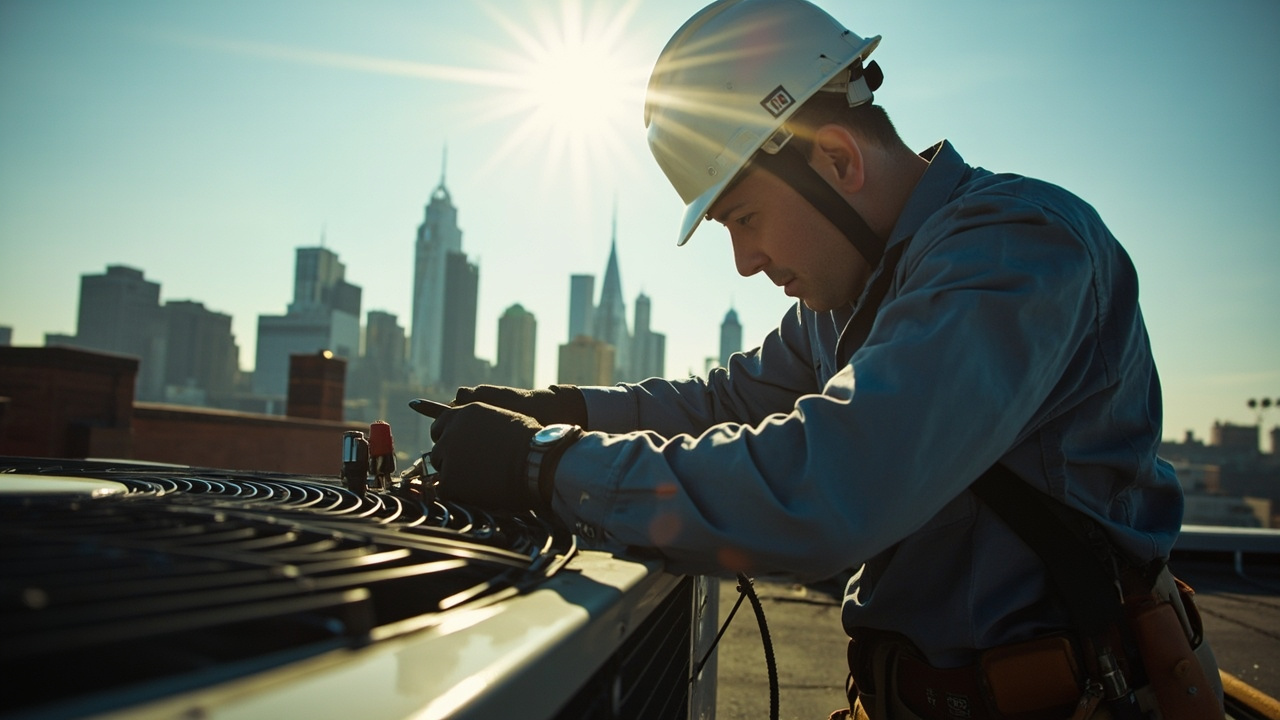
Elite HVAC Philadelphia delivers rapid commercial air conditioning repair for offices, warehouses, and industrial facilities across the greater Philadelphia metro, keeping your operations running through the region's extreme heat and humidity swings.

Slider Image 1
Slider Image 2
Slider Image 3
Slider Image 4
Slider Image 5
Slider Image 7
Slider Image 8
Slider Image 9
Slider Image 10
Slider Image 11

Why Philadelphia's Climate Puts Commercial HVAC Systems Under Constant Stress

Philadelphia's commercial properties face a unique challenge. Summer heat routinely climbs above 90 degrees with humidity levels that push condensers and compressors past their design limits. Your employees complain. Productivity drops. Customers notice the discomfort.

The freeze-thaw cycles from December through March create additional strain. Rooftop units and chillers endure rapid temperature swings that degrade refrigerant lines, crack housings, and cause electrical components to fail prematurely. Add in the dust and particulate matter from nearby industrial zones in Kensington and Port Richmond, and your filters clog faster than residential systems.

Commercial cooling repair cannot wait. When your system fails during a heat wave, you face immediate consequences. Refrigerated inventory spoils. Server rooms overheat. Retail customers walk out. Manufacturing lines slow or stop completely.

Industrial ac repair in Philadelphia requires technicians who understand tonnage calculations, three-phase power, and the specific demands of multi-zone systems. A residential technician cannot diagnose a failed economizer or balance airflow across a 20,000-square-foot warehouse. You need commercial hvac repair specialists who work on systems rated for continuous operation, not intermittent residential use.

Business ac repair is not about comfort. It is about liability, compliance, and keeping your doors open. Philadelphia's commercial building codes require specific ventilation rates and temperature controls. When your system fails, you risk health department violations, OSHA citations, and employee complaints that escalate into legal problems.

Why Philadelphia's Climate Puts Commercial HVAC Systems Under Constant Stress
How We Diagnose and Repair Commercial HVAC Failures Correctly

How We Diagnose and Repair Commercial HVAC Failures Correctly

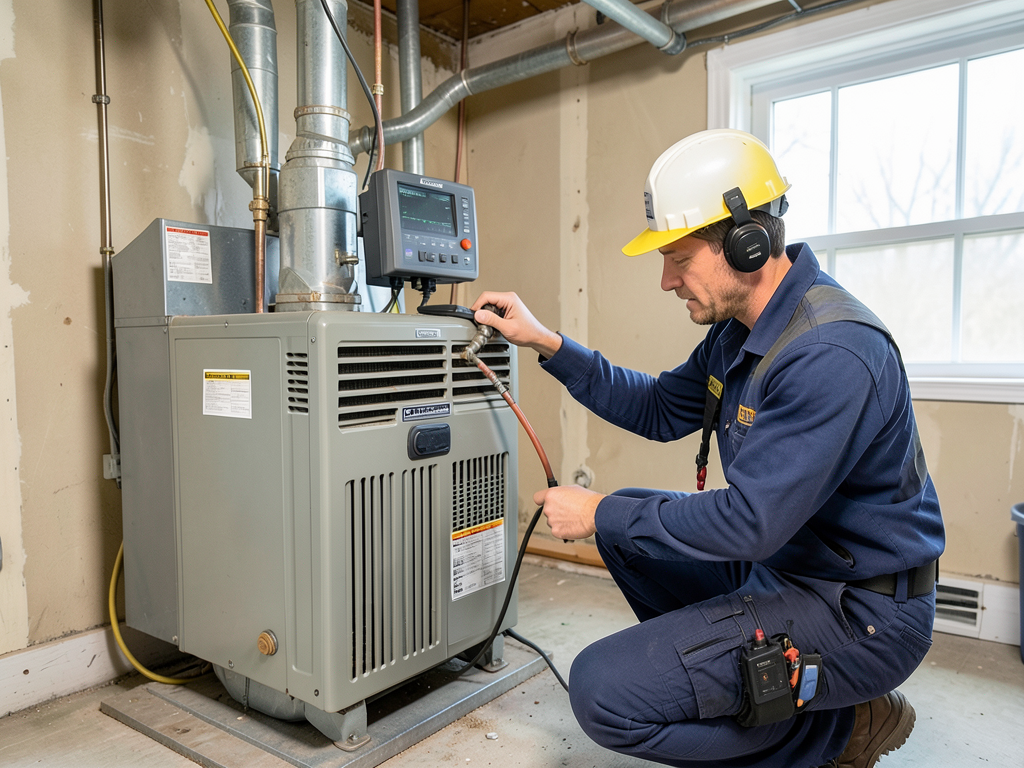
Commercial air conditioning repair starts with load calculations and airflow analysis, not guesswork. We measure supply and return temperatures, check static pressure across the ductwork, and test amperage draw on compressor motors. These diagnostics reveal whether you have a refrigerant leak, a failing contactor, or undersized ductwork that no amount of repair will fix.

Refrigerant recovery and charging require EPA-certified equipment and adherence to Section 608 regulations. We do not top off systems without finding the leak first. Leaking refrigerant costs you money every month and damages the environment. We use nitrogen pressure testing and electronic leak detectors to locate failures in condenser coils, evaporator coils, and line sets that run through ceiling plenums or across rooftops.

Electrical diagnostics separate competent commercial hvac repair from amateur work. We test contactors, capacitors, and transformer voltage under load conditions. A capacitor might test fine with a multimeter but fail when the compressor starts. We replace components before they cascade into bigger failures that damage motors or control boards.

Airflow balancing matters in commercial environments. Offices near the air handler get too much cooling while spaces at the end of duct runs stay warm. We adjust dampers, verify CFM delivery at each diffuser, and ensure your system meets ASHRAE ventilation standards. Proper airflow prevents humidity problems, reduces energy waste, and stops complaints from tenants or employees.

We source commercial-grade components, not residential parts adapted to fit. Commercial contactors, compressors, and motors operate at different voltages and duty cycles. Using the wrong part voids manufacturer compatibility and creates premature failure. We stock parts for Carrier, Trane, York, and Lennox commercial units common to Philadelphia properties.

What Happens When You Call for Emergency Commercial Cooling Repair

Commercial AC Repair in Philadelphia – Minimize Downtime and Protect Revenue with Industrial-Grade HVAC Solutions
01

Immediate System Assessment

We dispatch a technician to your facility within two hours during business hours. The technician inspects your rooftop unit or chiller, checks electrical panels, and measures refrigerant pressures. You receive a verbal assessment of the problem, the required parts, and the estimated repair window. We prioritize getting your system operational, even if that means a temporary fix while ordering specialized components for your commercial hvac repair needs.
02

Component Replacement and Testing

We replace failed contactors, compressors, or circuit boards using factory-specified parts. Every repair includes electrical testing under load to confirm voltage stability and amperage draw within manufacturer specifications. We measure superheat and subcooling to verify proper refrigerant charge. Your system is not considered repaired until we confirm temperature differentials across the evaporator coil and airflow meets design specifications for your square footage and occupancy load.
03

Performance Verification and Documentation

We run your system through a full cooling cycle and document supply air temperatures, return air temperatures, and amp draw on all motors. You receive a written service report detailing what failed, what we replaced, and any deferred maintenance items that need attention. We explain the remaining lifespan of major components like compressors and heat exchangers so you can budget for future capital expenses instead of facing surprise failures.

Why Philadelphia Businesses Choose Elite HVAC for Commercial Cooling Systems

Philadelphia's commercial districts span from the high-rises in Center City to the industrial warehouses in Northeast Philadelphia. Each building type presents different HVAC challenges. Office buildings need precise zone control and humidity management. Warehouses require high-capacity units that handle large cubic footage and variable occupancy. Retail spaces cannot tolerate downtime during peak shopping hours.

We understand Philadelphia's commercial building stock. Many properties were built in the 1960s and 1970s with original HVAC systems that are past their design life. You face a choice between ongoing commercial ac repair and full replacement. We provide honest assessments. If your compressor is failing and your heat exchanger shows cracks, we tell you the math does not support another repair. You need replacement cost analysis, not another temporary fix.

Local building codes in Philadelphia require specific ventilation rates based on occupancy classification. A restaurant needs different CFM per person than an office or a gym. We design repairs that maintain code compliance and avoid violations during inspections. Our technicians understand the difference between International Mechanical Code requirements and Philadelphia's local amendments.

Your business cannot afford downtime during summer heat waves or unexpected cold snaps. We stock common commercial parts in our trucks and maintain relationships with local suppliers for same-day acquisition of specialized components. When a contactor fails on a Friday afternoon, we do not tell you to wait until Monday. We source the part and complete the industrial ac repair before your weekend operations suffer.

We work around your schedule. Manufacturing facilities that run 24/7 cannot shut down for repairs during production shifts. We coordinate maintenance during planned downtime or perform hot swaps on redundant systems. Retail businesses cannot lose cooling on weekends. We prioritize your revenue cycle, not our convenience.

What You Can Expect from Our Commercial HVAC Repair Service

Response Time and Availability

We dispatch technicians within two hours for emergency commercial cooling repair during business hours. After-hours and weekend emergency calls receive response within four hours. Non-emergency service calls are scheduled within 24 hours. We understand that your business operates on a clock. Every hour without cooling costs you money in lost productivity, spoiled inventory, or customer complaints. Our dispatch system prioritizes commercial clients based on facility type and occupancy risk. A medical office gets priority over a warehouse with minimal staff.

Diagnostic Process and Transparency

You receive a verbal explanation of the problem before we begin repairs. We show you the failed component and explain why it failed. If your system requires multiple repairs, we prioritize based on what restores cooling fastest and what can be deferred. You are not pressured into unnecessary work. We provide written estimates for any repair exceeding standard service call costs. Our technicians carry tablets to show you parts diagrams, manufacturer bulletins, and warranty information. You make informed decisions, not emotional ones driven by heat and frustration.

Quality of Repairs and Parts

We install OEM or commercial-grade aftermarket parts rated for continuous duty cycles. Residential-grade components do not survive in commercial applications. Your compressor operates under higher head pressures and longer run times than a home system. We match parts to your system's tonnage, refrigerant type, and electrical specifications. Every electrical connection is torqued to manufacturer specifications and verified with thermal imaging to detect hot spots that indicate loose connections. Refrigerant charging follows superheat and subcooling charts specific to your equipment model, not generic rules of thumb that leave systems undercharged or overcharged.

Post-Repair Support and Maintenance

Every business ac repair includes a 30-day callback period. If the same issue recurs, we return at no additional diagnostic charge. We also provide maintenance recommendations based on your system's age and condition. Commercial HVAC systems require quarterly filter changes, annual coil cleaning, and biannual refrigerant pressure checks. Deferred maintenance is the leading cause of premature failure. We offer maintenance contracts that include priority scheduling, discounted parts, and scheduled service that prevents failures during peak cooling season. Planned maintenance costs less than emergency repairs and extends equipment lifespan.

Frequently Asked Questions

You Have Questions,
We Have Answers

What is the $5000 AC rule? +

The $5000 AC rule is an IRS guideline for commercial property owners. If your repair or replacement costs less than $5000, you can deduct it as a maintenance expense in the same tax year. If it exceeds $5000, you must capitalize it and depreciate the cost over several years. This threshold impacts your cash flow and tax planning. Philadelphia business owners should consult a CPA before major HVAC work to determine the best approach for their books, especially when deciding between repairs and full system replacement.

What are common commercial HVAC problems? +

Commercial HVAC systems in Philadelphia face refrigerant leaks, compressor failures, and electrical issues due to high usage demands. Dirty condenser coils and clogged filters reduce efficiency, especially during humid summers when systems run continuously. Thermostat malfunctions cause uneven cooling across zones. Worn belts and bearings create noise and failure risks. Philadelphia's freeze-thaw cycles stress outdoor units, leading to cracked housings or damaged components. Ductwork leaks waste conditioned air and drive up operating costs. Regular maintenance catches these issues before they cause downtime and disrupt operations.

What are the costs of commercial HVAC repair? +

Commercial HVAC repair costs vary based on system size, problem complexity, and business type. Minor fixes like thermostat replacement or filter changes run lower, while compressor or evaporator coil replacement costs significantly more. Philadelphia businesses face higher labor rates due to local market conditions. Emergency after-hours service adds premium charges but prevents revenue loss from downtime. Multi-unit buildings or retail spaces with large systems require more labor and parts. Deferred maintenance increases repair frequency and costs. Budgeting for preventive service agreements reduces emergency repair expenses over time.

What is the average life of a commercial air conditioner? +

Commercial air conditioners last 15 to 20 years with proper maintenance. Philadelphia's climate, with hot humid summers and cold winters, stresses systems year-round, potentially shortening lifespan. Usage intensity matters. A retail store running 12 hours daily wears components faster than an office operating 8 hours. Rooftop units exposed to weather age quicker than indoor equipment. Regular filter changes, coil cleaning, and refrigerant checks extend service life. Poor maintenance or deferred repairs can cut lifespan to 10 years. Plan for replacement budgeting after year 12.

What is the 3 minute rule for AC? +

The 3 minute rule prevents compressor damage. After your AC shuts off, wait at least 3 minutes before restarting it. This allows refrigerant pressure to equalize throughout the system. Immediate restart forces the compressor to work against high pressure, causing mechanical stress and potential failure. Commercial systems with multiple zones or complex controls should have this delay built into their control boards. Philadelphia businesses running multiple rooftop units need this safeguard to avoid costly compressor replacement. Technicians check this timing during service calls to protect your equipment investment.

Can I write off my new AC unit on my taxes? +

Yes, but the rules differ for commercial properties. Under Section 179, Philadelphia businesses can deduct the full cost of qualifying HVAC equipment in the purchase year, up to current limits. Alternatively, you can depreciate the cost over 39 years for commercial buildings using MACRS. The $5000 rule determines repair versus capital improvement treatment. Energy-efficient systems may qualify for additional tax credits under federal programs. Consult your tax advisor before purchasing to maximize deductions and cash flow benefits. Proper documentation of the business necessity is required for audits.

What is the 2 foot rule for HVAC? +

The 2 foot rule requires a minimum 2 foot clearance around outdoor HVAC units for proper airflow and service access. Philadelphia rooftop installations often violate this due to space constraints or added equipment over time. Blocked airflow reduces efficiency, causes overheating, and voids warranties. Technicians need clearance to perform maintenance safely. This includes distance from walls, stored materials, and other mechanical equipment. Code inspectors check this during commercial building reviews. Businesses adding rooftop storage or equipment must maintain this clearance to avoid performance issues and compliance problems.

What is the most common part to fail on an AC unit? +

Capacitors fail most frequently in commercial AC units. These components start the compressor and fan motors, and Philadelphia's humid summers stress them through constant cycling. Capacitor failure prevents startup or causes weak cooling. They are inexpensive parts but require professional replacement due to electrical hazards. Contactor switches also fail often from electrical arcing during thousands of on-off cycles. Both parts are wear items that preventive maintenance catches before they cause system-wide failure. Replacing them proactively during service visits prevents emergency calls and business disruption.

How often should a commercial HVAC system be serviced? +

Commercial HVAC systems need professional service twice yearly, ideally spring and fall. Philadelphia businesses benefit from pre-season tuneups before summer cooling and winter heating demands. High-usage facilities like restaurants or data centers may need quarterly service. Each visit should include filter replacement, coil cleaning, refrigerant level checks, electrical connection inspection, and belt examination. This schedule catches wear before it causes failure. Service agreements with scheduled visits cost less than emergency repairs and extend equipment life. Skipping maintenance voids warranties and increases energy costs from reduced efficiency.

What is the most expensive repair on an AC unit? +

Compressor replacement is the most expensive commercial AC repair. This component pumps refrigerant through the system and fails from electrical issues, refrigerant problems, or mechanical wear. Philadelphia businesses face high replacement costs due to labor intensity, refrigerant handling requirements, and the part itself. For older systems, compressor failure often justifies full replacement rather than repair due to cost and efficiency considerations. Evaporator or condenser coil replacement also runs high. Preventive maintenance and prompt refrigerant leak repairs protect the compressor and avoid this major expense.

How Philadelphia's Urban Heat Island Effect Accelerates Commercial HVAC Failures

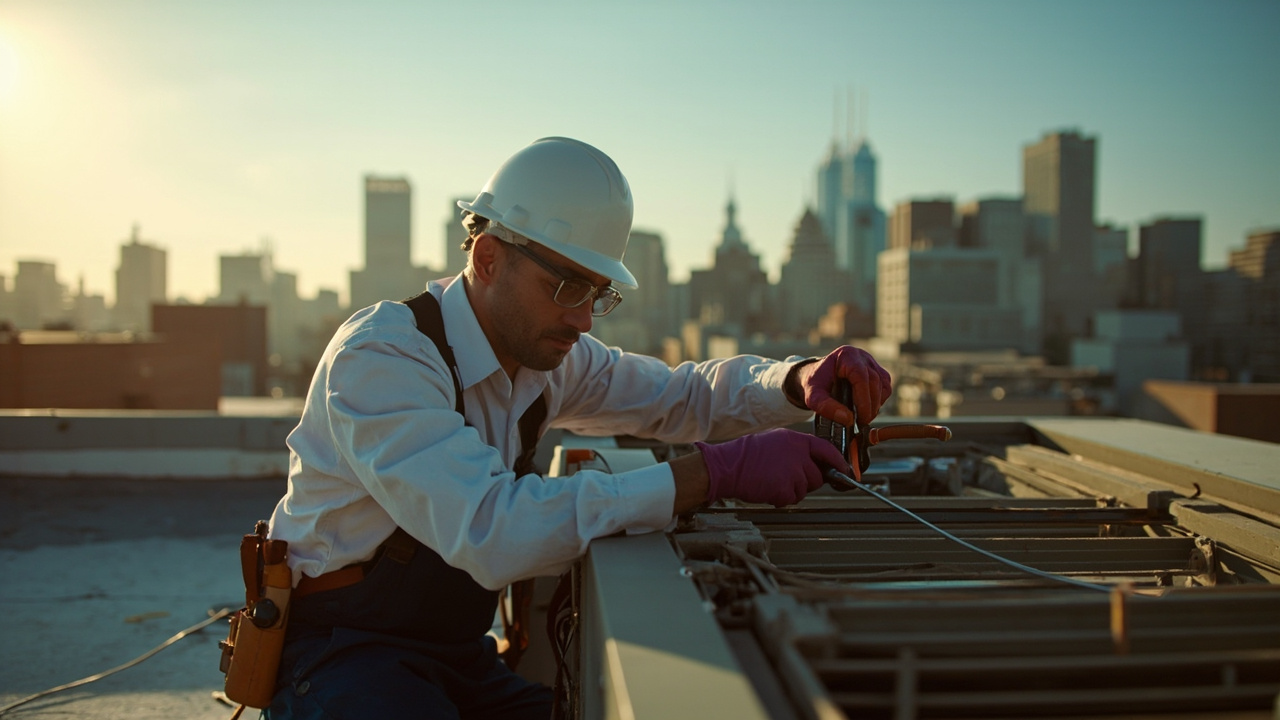
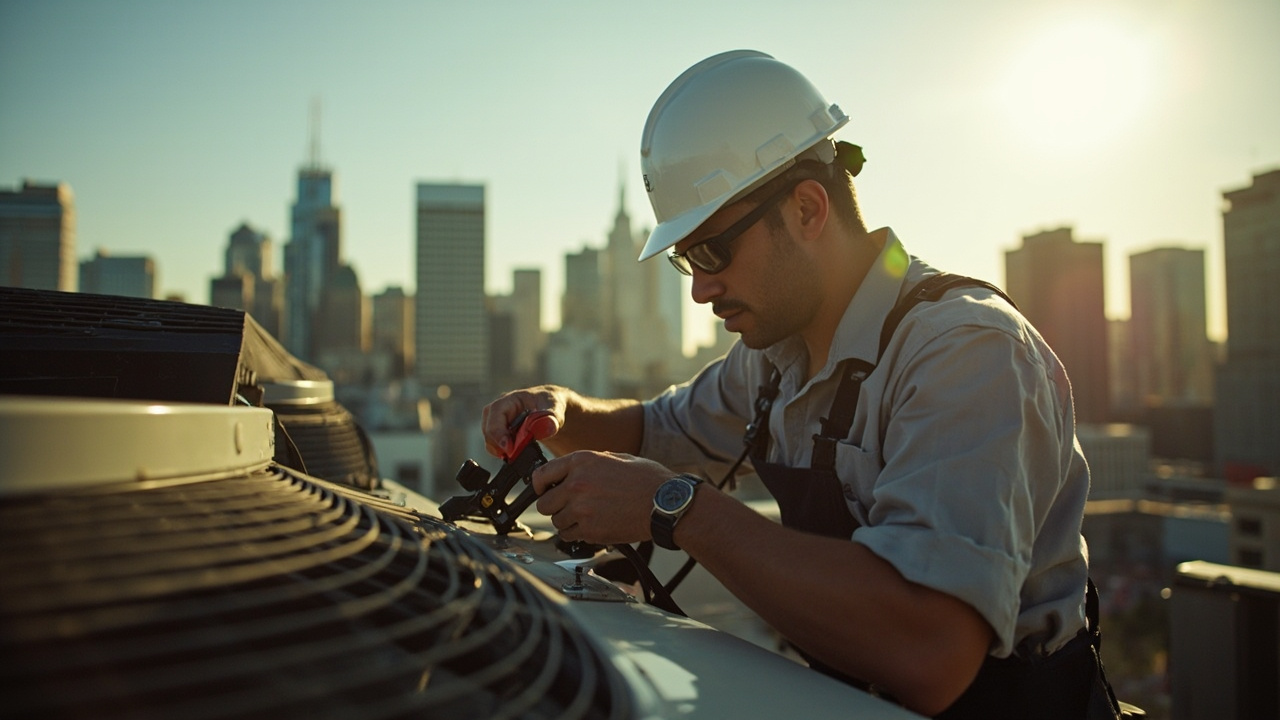
Philadelphia's dense urban core creates a heat island effect that pushes rooftop temperatures 10 to 15 degrees higher than surrounding suburbs. Your commercial air conditioning repair needs increase because condensers work harder to reject heat when ambient temperatures exceed design specifications. Black tar roofs in areas like Fishtown and Northern Liberties absorb solar radiation and radiate heat back at rooftop units throughout the night. This continuous thermal load prevents compressors from cycling off, which accelerates wear on contactors, capacitors, and motor windings. Commercial hvac repair becomes necessary more frequently as components fail under sustained operating conditions they were not designed to handle.

Philadelphia's commercial building inspectors enforce strict adherence to ventilation and temperature control standards outlined in the International Mechanical Code and local amendments. A failed cooling system in a multi-tenant office building can trigger tenant complaints, health department inspections, and potential violations that carry fines. Elite HVAC Philadelphia maintains relationships with local inspectors and understands the documentation required for commercial cooling repair that involves refrigerant handling, electrical modifications, or changes to ductwork layout. Choosing a contractor familiar with Philadelphia's enforcement standards protects you from compliance issues that delay occupancy permits or trigger reinspection fees.
HVAC Services in The Philadelphia Area

Come visit our office or explore our extensive service area on the map below. Elite HVAC proudly serves residential and commercial clients across Philadelphia, ensuring prompt and reliable heating, ventilation, and air conditioning solutions wherever you are. Whether you need an emergency repair or a new installation, we’re strategically located to provide quick and efficient service right to your doorstep, ensuring your comfort is never compromised.

Address:
Elite HVAC Philadelphia, 2231 E Ontario St, Philadelphia, PA, 19134

Additional Services We Offer

Our news updates

Latest Articles & News from The Blogs

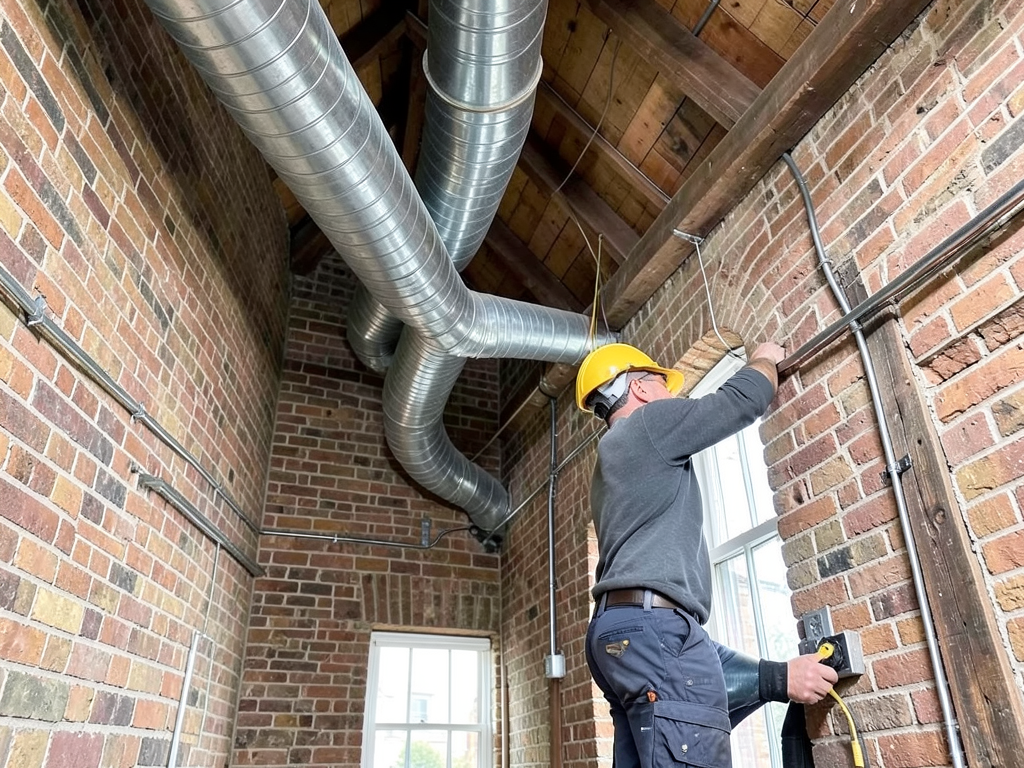
Creative Ways to Hide HVAC Ductwork in a High Ceiling South Kensington Loft Living in a South Kensington loft means…

Creative Ways to Hide HVAC Ductwork in a High Ceiling South Kensington Loft

Creative Ways to Hide HVAC Ductwork in a High Ceiling South Kensington Loft Living in a South Kensington loft means…

Picking a Whisper Quiet Heat Pump for Small Backyards in Haddington

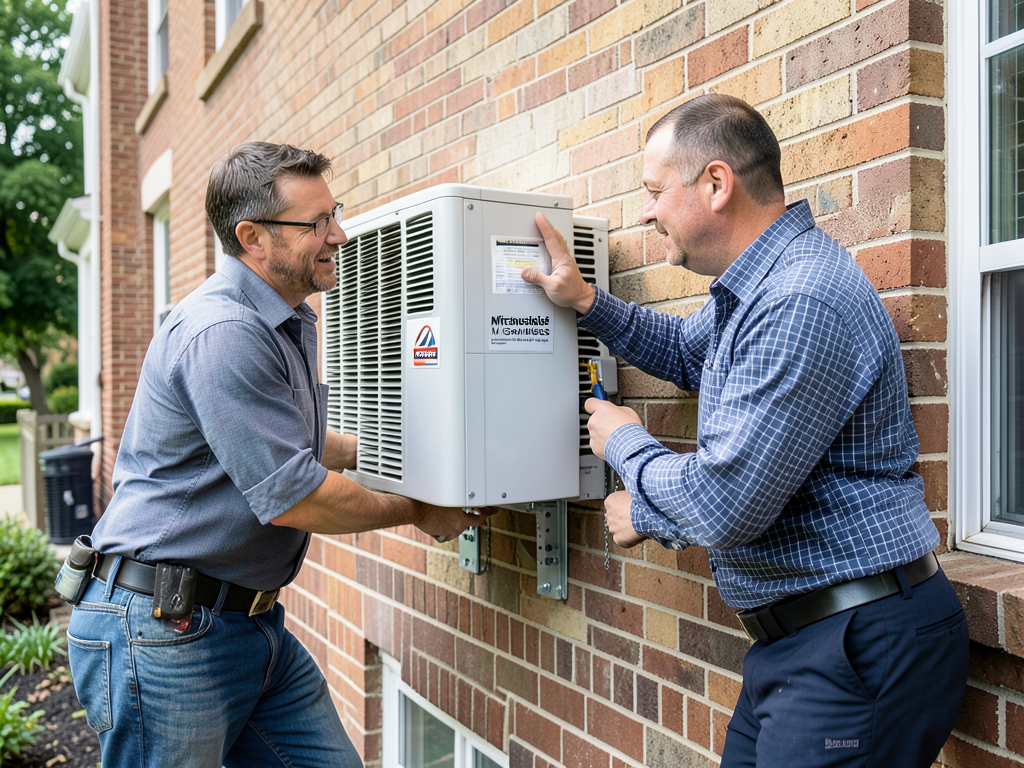
Picking a Whisper Quiet Heat Pump for Small Backyards in Haddington Living in Haddington means dealing with tight backyard spaces…

Should You Keep Repairing or Just Replace That 15 Year Old Furnace in Your Bustleton Split Level Home

Should You Keep Repairing or Just Replace That 15 Year Old Furnace in Your Bustleton Split Level Home Your 15-year-old…

Contact Us

Call Elite HVAC Philadelphia now at (215) 610-9099. We dispatch technicians fast, diagnose the failure accurately, and restore cooling before your business suffers additional losses. Your employees and customers are counting on you to fix this today.