



Menu

Air Duct Cleaning in Philadelphia – Eliminate Allergens and Restore Indoor Air Quality Fast

Professional HVAC duct cleaning services for Philadelphia homes and businesses, removing years of dust, mold spores, and contaminants that compromise your air quality and system efficiency.

Slider Image 1
Slider Image 2
Slider Image 3
Slider Image 4
Slider Image 5
Slider Image 7
Slider Image 8
Slider Image 9
Slider Image 10
Slider Image 11

Why Philadelphia Air Ducts Get Dirty Faster Than You Think

Philadelphia's humid summers and freeze-thaw winter cycles create the perfect breeding ground for mold, dust mites, and airborne contaminants inside your ductwork. When outdoor humidity hovers above 70 percent for weeks at a time, condensation forms inside air vents and plenum boxes. That moisture mixes with dust, pollen from Fairmount Park, and particulates from vehicle exhaust along I-95, creating a thick biofilm that coats the interior of your ducts.

Most Philadelphia homeowners run their AC systems hard from June through September, then switch to heat by October. That constant cycling stirs up settled debris, pushing allergens directly into your living spaces. If you notice dust reappearing on furniture within hours of cleaning, or if family members are sneezing more indoors than outside, your ductwork is likely the culprit.

Older rowhomes in neighborhoods like Fishtown and Graduate Hospital often have original ductwork from the 1960s and 1970s. Decades of accumulated pet dander, cigarette smoke residue, and construction dust from home renovations sit inside those air vents. Every time your furnace or AC kicks on, you are breathing that contamination.

AC duct cleaning is not about making your system look better. It is about removing the hidden pollutants that trigger asthma, allergies, and respiratory infections. Philadelphia's aging housing stock and variable climate make air vent cleaning a health necessity, not a luxury.

Why Philadelphia Air Ducts Get Dirty Faster Than You Think
How Professional Ductwork Cleaning Actually Works

How Professional Ductwork Cleaning Actually Works

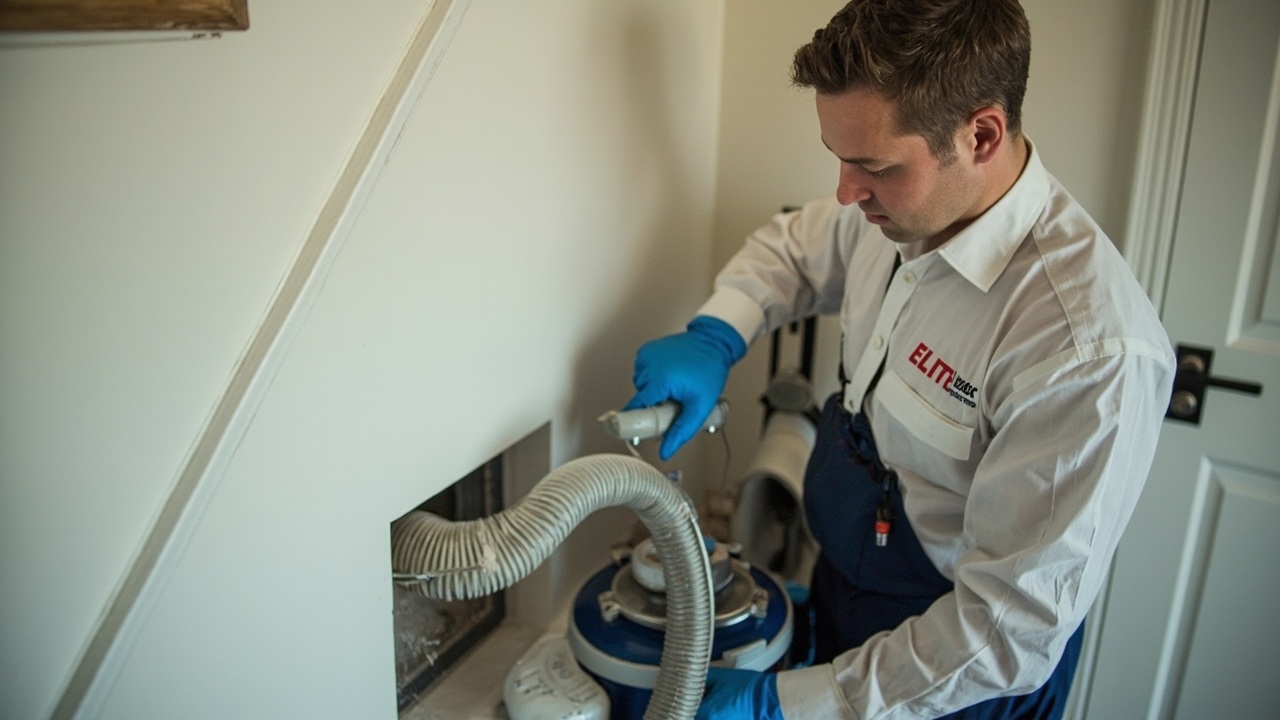
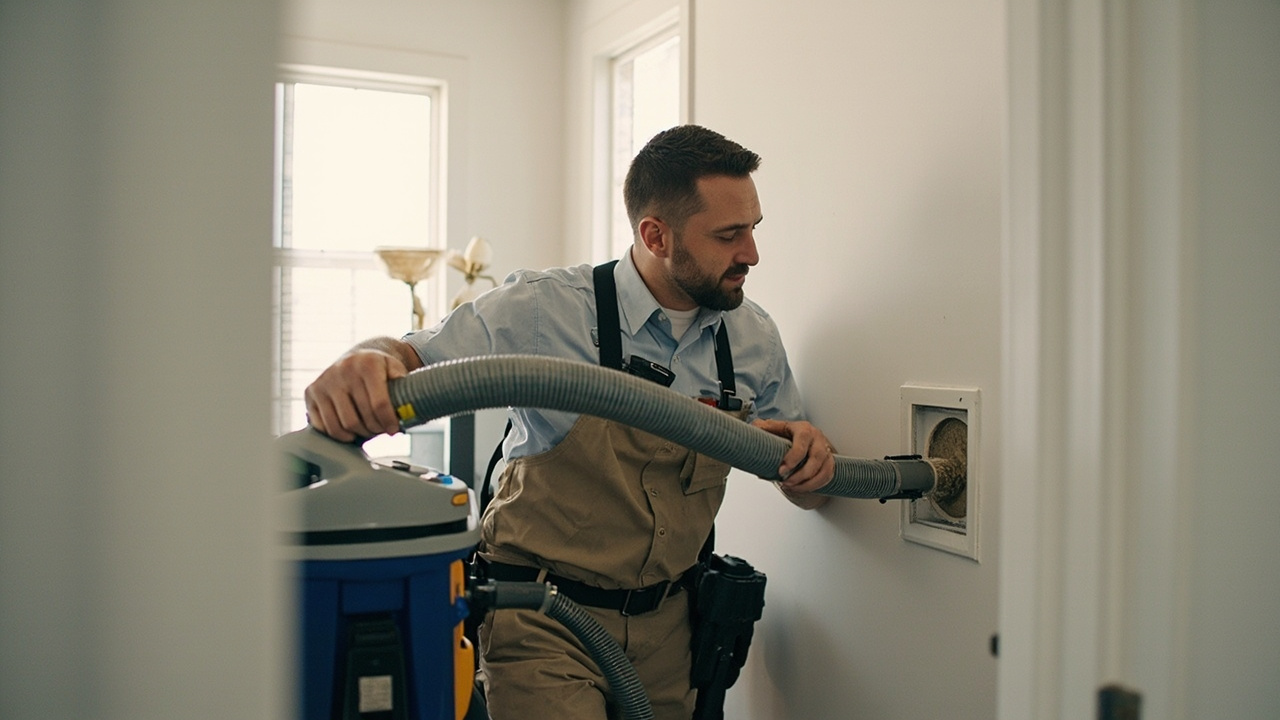
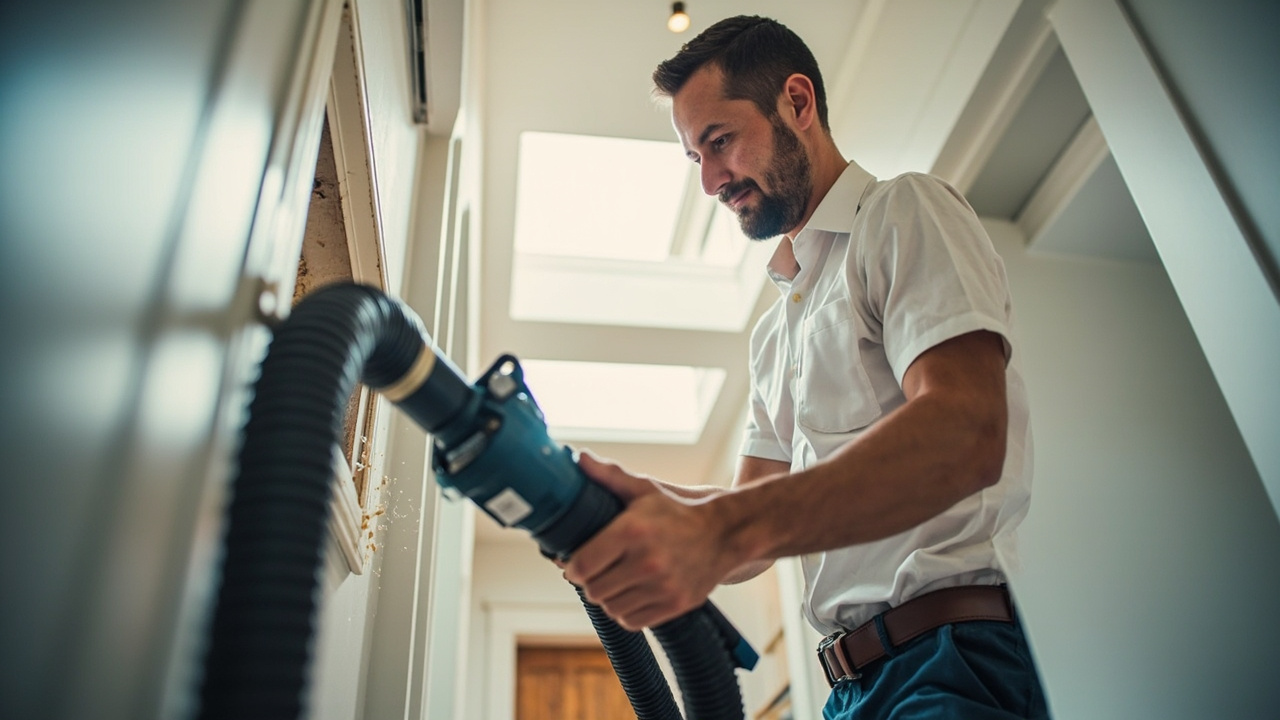
Real HVAC duct cleaning requires negative air pressure machines, rotary brush systems, and EPA-registered antimicrobial treatments. We do not just blow air through your vents and call it done. Our team seals off each supply and return register, then uses a HEPA-filtered vacuum system to create suction at the main trunk line. This pulls loosened debris toward a collection unit outside your home, preventing recontamination.

We insert rotating nylon brushes through access ports cut into the main ducts. These brushes scrub the interior walls of your ductwork, dislodging caked-on dust, mold colonies, and biofilm buildup. The negative pressure system immediately captures the debris before it can circulate back into your rooms.

For homes with flexible duct runs common in finished basements throughout South Philadelphia, we use compressed air whips that agitate the duct lining without tearing it. Fiberglass duct board and sheet metal require different tools and techniques. We identify your duct material during the initial inspection and adjust our approach accordingly.

After mechanical cleaning, we apply an antimicrobial fogger to kill remaining mold spores and bacteria. This step is critical in Philadelphia's humid climate, where mold can recolonize within weeks if not properly treated. We also inspect for duct leaks, disconnected joints, and failed insulation that reduce system efficiency.

The final step involves replacing your air filter with a high-MERV option and sanitizing the blower compartment and evaporator coil. Dirty coils recontaminate clean ducts within days, so we address the entire air distribution system as one integrated unit.

What Happens During Your Duct Cleaning Appointment

Air Duct Cleaning in Philadelphia – Eliminate Allergens and Restore Indoor Air Quality Fast
01

System Inspection and Access

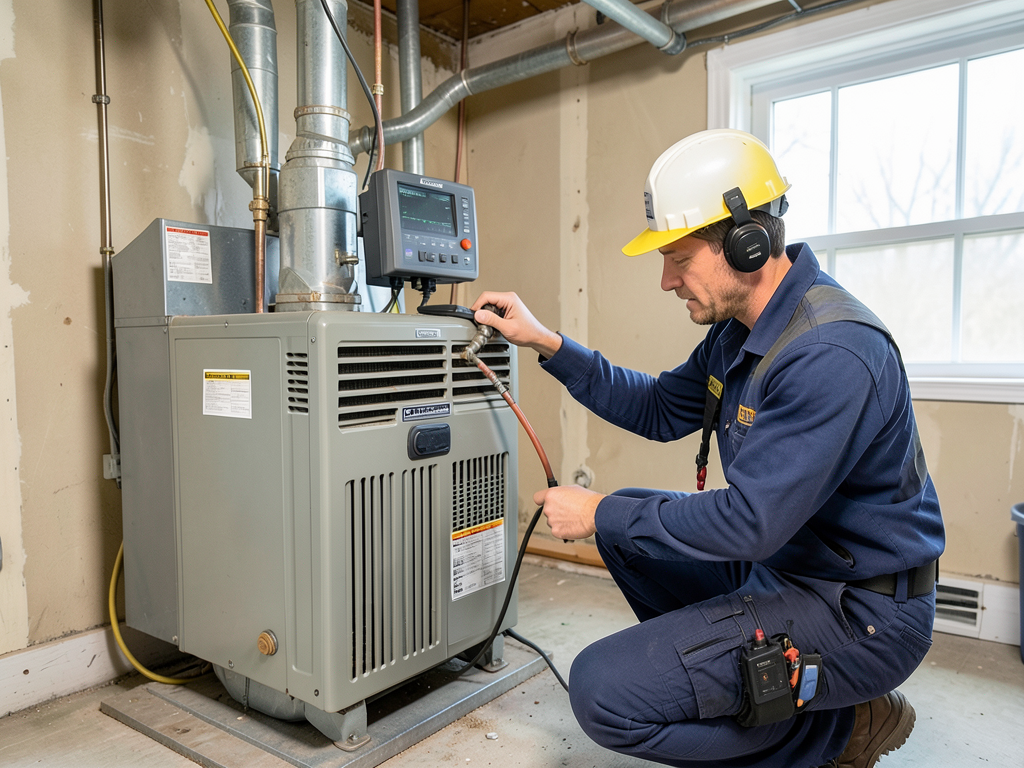
We start by mapping your entire duct system, counting registers, and identifying the main trunk lines. Our technician inspects the furnace or air handler, checks filter condition, and looks for visible mold or pest intrusion. We cut small access ports in metal ductwork or remove sections of flex duct to reach all areas. This diagnostic phase takes 30 to 45 minutes and determines the cleaning strategy.
02

Mechanical Cleaning and Extraction

Our crew connects the negative air machine to the main trunk, seals all registers with foam blocks, and begins the rotary brush process. We clean every supply duct, return duct, and plenum box. The vacuum runs continuously, capturing dislodged debris in a HEPA filtration unit. For a typical Philadelphia rowhome with 10 to 12 registers, this phase takes two to three hours depending on contamination levels and duct accessibility.
03

Sanitization and Final Walkthrough

After mechanical cleaning, we fog the ductwork with an EPA-approved antimicrobial solution that prevents mold regrowth. We seal access ports with metal patches and mastic, replace registers, and install a new air filter. Our technician runs the system to verify airflow and checks for unusual noises. You get before-and-after photos of the worst sections and a printed maintenance guide for keeping ducts cleaner longer.

Why Philadelphia Homeowners Choose Elite HVAC for Duct Cleaning

Elite HVAC Philadelphia has cleaned ductwork in over 3,000 Philadelphia homes, from Victorian twins in West Philadelphia to modern condos in Old City. We understand how Philadelphia's building codes and historic district regulations affect HVAC work. Many companies use subcontractors or franchise models. We employ our own trained technicians who live in the metro area and know the difference between cleaning a forced-air system in a 1920s rowhouse versus a 1990s suburban split-level.

Philadelphia's housing stock is among the oldest in the nation. We regularly encounter asbestos-wrapped ducts, knob-and-tube wiring near duct runs, and undersized return air pathways that create negative pressure issues. Our team is trained to identify these hazards and recommend solutions that comply with local building codes without upselling unnecessary work.

We use truck-mounted negative air systems, not portable shop vacuums. The difference in suction power is measurable. Our equipment pulls 5,000 cubic feet per minute, enough to extract debris from ducts 50 feet from the access point. Cheaper companies use underpowered units that leave half the contamination behind.

You also get transparent pricing. We provide a fixed quote after the initial inspection, not an estimate that balloons once we start working. Our contracts include antimicrobial treatment, access port sealing, and post-cleaning airflow testing at no extra charge.

We operate year-round, including weekends, because we know Philadelphia homeowners need duct cleaning before the summer cooling season and again before winter heating. Scheduling flexibility matters when you are coordinating around work and family obligations.

What to Expect When You Schedule Air Duct Cleaning

Scheduling and Turnaround Time

Most residential duct cleaning jobs take four to six hours depending on home size and contamination severity. We offer same-week appointments during non-peak months and next-day service for urgent situations like post-renovation dust or confirmed mold growth. You do not need to leave your home during the process, but plan to keep windows closed and avoid running exhaust fans. We work room by room, so you retain access to most of your house. Commercial properties can be scheduled during off-hours to avoid disrupting business operations.

Initial Assessment and Scope Confirmation

Our technician arrives with a camera scope to inspect ductwork through existing registers before cutting any access ports. You see live video of the contamination level inside your ducts, which helps you understand the scope of work. We test airflow at each register using a flow hood and compare readings to ACCA Manual D standards. If we find disconnected ducts, failed dampers, or undersized returns, we document them with photos and provide repair recommendations separate from the cleaning quote.

Cleaning Results and Air Quality Improvement

You will notice improved airflow immediately after cleaning. Rooms that were always too hot or too cold often balance out once obstructions are removed. Dust accumulation on furniture slows significantly within the first week. Allergy and asthma symptoms typically improve within two to three weeks as airborne particulate levels drop. We provide a post-cleaning report showing debris weight removed and airflow measurements before and after service. Most clients report lower energy bills within the first billing cycle due to improved system efficiency.

Maintenance Plans and Long-Term Care

Ductwork should be cleaned every three to five years under normal conditions, or every two years if you have pets, smokers, or family members with respiratory conditions. We offer maintenance plans that include annual filter changes, coil cleaning, and discounted duct cleaning when the interval comes due. Philadelphia's humidity makes biannual HVAC tune-ups essential to prevent mold regrowth. Our maintenance members get priority scheduling and 15 percent off emergency service calls. All duct cleaning work is documented in your service file for future reference.

Frequently Asked Questions

You Have Questions,
We Have Answers

Is it worth having air ducts cleaned? +

Yes, air duct cleaning is worth it if you have visible mold growth, rodent droppings, or excessive dust buildup inside your ducts. Philadelphia homes face high humidity in summer, which can promote mold growth in ductwork. If someone in your household has asthma or allergies, clean ducts can reduce airborne irritants. However, if your system is relatively new and you change filters regularly, cleaning may not provide significant benefits. The EPA recommends cleaning only when needed, not on a fixed schedule. Focus on real problems like reduced airflow or musty odors before scheduling service.

What is the average cost to have ductwork cleaned? +

Air duct cleaning in Philadelphia typically costs between $300 and $700 for a standard single-family home. The final price depends on system size, number of vents, level of contamination, and ductwork accessibility. Older Philadelphia rowhomes with tight crawlspaces or historic properties with complex duct layouts may cost more due to access challenges. Companies charging under $100 often use bait-and-switch tactics, adding fees once on site. Get written estimates that specify what is included, such as return vents, supply vents, and the main trunk lines. Beware of upsells for unnecessary add-ons.

How often should air ducts be cleaned? +

Air ducts should be cleaned every three to five years, but only if you notice specific issues. Philadelphia homeowners should consider cleaning after renovation projects, which stir up dust and debris that settles in ductwork. If you have pets, smoke indoors, or recently had water damage, you may need more frequent cleaning. Most homes do not need annual duct cleaning despite what some companies claim. The National Air Duct Cleaners Association recommends inspection first. Change your HVAC filter every 90 days and inspect ducts for visible contamination before committing to a full cleaning.

What are the signs of dirty air ducts? +

Dirty air ducts show several warning signs. You may notice dust puffing from vents when your HVAC starts, or dust accumulating quickly on furniture even after cleaning. Musty or stale odors when the system runs indicate mold or mildew growth inside ducts. Philadelphia homes with high humidity are especially prone to this issue. Visible mold around vent registers, inconsistent airflow between rooms, or increased allergy symptoms indoors also signal contamination. If you see rodent droppings or insect debris near vents, schedule an inspection immediately. These signs warrant professional cleaning, not just filter changes.

What are the disadvantages of duct cleaning? +

Duct cleaning has drawbacks if done improperly. Aggressive brushing or high-pressure air can damage duct seams, dislodge insulation, or spread contaminants throughout your home. Some companies push unnecessary chemical treatments or sealants that may emit fumes. Philadelphia homeowners should avoid companies that do not follow NADCA standards. Cleaning does not fix leaky ducts or poor system design, which are often the real causes of indoor air quality issues. If your ducts are already in poor condition, cleaning may worsen leaks. Always verify the contractor uses proper containment and HEPA filtration during the process.

Does homeowners insurance cover air duct cleaning? +

Homeowners insurance typically does not cover routine air duct cleaning. It is considered preventive maintenance, like changing filters or servicing your furnace. However, if duct contamination results from a covered peril such as fire, smoke damage, or a sudden water leak, your policy may cover cleaning as part of the restoration. Philadelphia homeowners dealing with storm damage or burst pipes should document contamination and contact their insurer before cleaning. Filing a claim requires proof that the damage was sudden and accidental, not due to neglect. Always get a detailed estimate to submit with your claim.

Can I clean air ducts myself? +

You should not clean air ducts yourself. Effective duct cleaning requires specialized equipment like truck-mounted vacuums with HEPA filtration and rotary brushes to dislodge debris without damaging ductwork. DIY attempts with shop vacs or household brushes push contaminants deeper into the system or release them into living spaces. Philadelphia homes with older metal ducts or fragile fiberglass duct board risk damage from improper handling. You also cannot access the main trunk lines or inspect for mold without proper tools. Save your effort for simple tasks like vacuuming vent registers and changing filters regularly.

How much does Stanley Steemer charge for cleaning air ducts? +

Stanley Steemer prices vary by location and system size, but their air duct cleaning typically starts around $300 to $500 for a standard home. They often run promotions or bundle deals with carpet cleaning services. Philadelphia homeowners should request a detailed written estimate before scheduling, as add-ons for mold treatment or dryer vent cleaning can increase the total. Stanley Steemer is a national franchise, so service quality may differ between technicians. Compare their quote with local NADCA-certified contractors who specialize in duct cleaning and may offer more personalized service for Philadelphia homes.

How long does duct cleaning usually take? +

Duct cleaning usually takes two to four hours for a typical single-family home. The time depends on system size, ductwork accessibility, and contamination level. Philadelphia rowhomes with narrow crawlspaces or multi-story properties with complex layouts may take longer. A thorough job includes cleaning supply and return vents, the main trunk lines, and the air handler or furnace blower. Rushed jobs under two hours often skip critical areas. Ask contractors how long they estimate for your specific property and what their process includes. Quality cleaning cannot be done in 30 minutes despite discount company claims.

What time of year is best for duct cleaning? +

Late spring or early fall is the best time for duct cleaning in Philadelphia. Scheduling before you switch from heating to cooling, or vice versa, ensures your system runs efficiently when you need it most. Spring cleaning removes winter dust, pollen, and mold spores before summer humidity worsens indoor air quality. Fall cleaning clears out summer allergens before you seal your home for winter. Avoid peak HVAC season in July and January when contractors are busy with emergency repairs. Off-season scheduling often means faster service and better availability for thorough inspections.

How Philadelphia's Climate Accelerates Duct Contamination

Philadelphia experiences 50 to 60 inches of precipitation annually, with summer humidity regularly exceeding 70 percent. This moisture infiltrates duct systems through leaky return air pathways, condensation on cold supply ducts, and humid air pulled in during cooling cycles. Once inside, it combines with organic debris to create mold colonies on duct interiors. The freeze-thaw cycle compounds the problem. When outdoor temperatures swing 40 degrees in 24 hours during spring and fall, condensation forms inside ducts as temperatures fluctuate. This repeated wetting and drying creates ideal conditions for dust mites and bacterial growth that mechanical filtration cannot address.

Philadelphia enforces strict indoor air quality standards for commercial buildings under the International Mechanical Code as adopted by the Department of Licenses and Inspections. Residential properties are not subject to the same requirements, but homeowners insurance policies increasingly ask about HVAC maintenance history when processing mold-related claims. Elite HVAC Philadelphia maintains relationships with local inspectors and understands how duct cleaning intersects with renovation permits, especially in historic districts like Society Hill where alterations require approval. Choosing a local contractor ensures compliance with Philadelphia-specific regulations that out-of-state companies often miss.
HVAC Services in The Philadelphia Area

Come visit our office or explore our extensive service area on the map below. Elite HVAC proudly serves residential and commercial clients across Philadelphia, ensuring prompt and reliable heating, ventilation, and air conditioning solutions wherever you are. Whether you need an emergency repair or a new installation, we’re strategically located to provide quick and efficient service right to your doorstep, ensuring your comfort is never compromised.

Address:
Elite HVAC Philadelphia, 2231 E Ontario St, Philadelphia, PA, 19134

Additional Services We Offer

Our news updates

Latest Articles & News from The Blogs

Creative Ways to Hide HVAC Ductwork in a High Ceiling South Kensington Loft Living in a South Kensington loft means…

Creative Ways to Hide HVAC Ductwork in a High Ceiling South Kensington Loft

Creative Ways to Hide HVAC Ductwork in a High Ceiling South Kensington Loft Living in a South Kensington loft means…

Picking a Whisper Quiet Heat Pump for Small Backyards in Haddington

Picking a Whisper Quiet Heat Pump for Small Backyards in Haddington Living in Haddington means dealing with tight backyard spaces…

Should You Keep Repairing or Just Replace That 15 Year Old Furnace in Your Bustleton Split Level Home

Should You Keep Repairing or Just Replace That 15 Year Old Furnace in Your Bustleton Split Level Home Your 15-year-old…

Contact Us

Call Elite HVAC Philadelphia at (215) 610-9099 to schedule your duct inspection. We offer free camera scope evaluations and same-week cleaning appointments. Stop breathing contaminated air and start saving on heating and cooling costs today.