



Menu

HVAC Maintenance & Tune-Ups in Philadelphia – Protect Your System From Brutal Humidity and Freeze-Thaw Damage

Prevent costly breakdowns before they happen with HVAC preventative maintenance designed for Philadelphia's extreme seasonal shifts, from sweltering summers to sub-zero winters that test every component in your system.

Slider Image 1
Slider Image 2
Slider Image 3
Slider Image 4
Slider Image 5
Slider Image 7
Slider Image 8
Slider Image 9
Slider Image 10
Slider Image 11

Why Philadelphia's Climate Destroys Unprepared HVAC Systems

Philadelphia sits in a climate goldilocks zone that punishes HVAC equipment year-round. Summer humidity hovers near 70%, forcing air conditioners to work overtime removing moisture while battling 90-degree heat. Your evaporator coils corrode faster here than in dry climates. Condensate drain lines clog with algae. Compressors strain under the load.

Then winter hits. Temperatures plunge into the teens, triggering freeze-thaw cycles that crack heat exchangers and stress furnace components. Your heating system cycles on and off constantly, wearing out igniters, blower motors, and limit switches faster than normal use would.

Between seasons, the 40-degree temperature swings from March through May put additional stress on reversing valves in heat pumps and expansion valves in AC systems. These parts fail without warning if you skip seasonal HVAC check ups.

Most Philadelphia homeowners discover these problems at the worst possible moment: during a heatwave or polar vortex. A heating and cooling tune up identifies worn components before they fail. You replace a $200 capacitor during maintenance instead of paying emergency rates for a full compressor replacement at 11 PM on the hottest night of July.

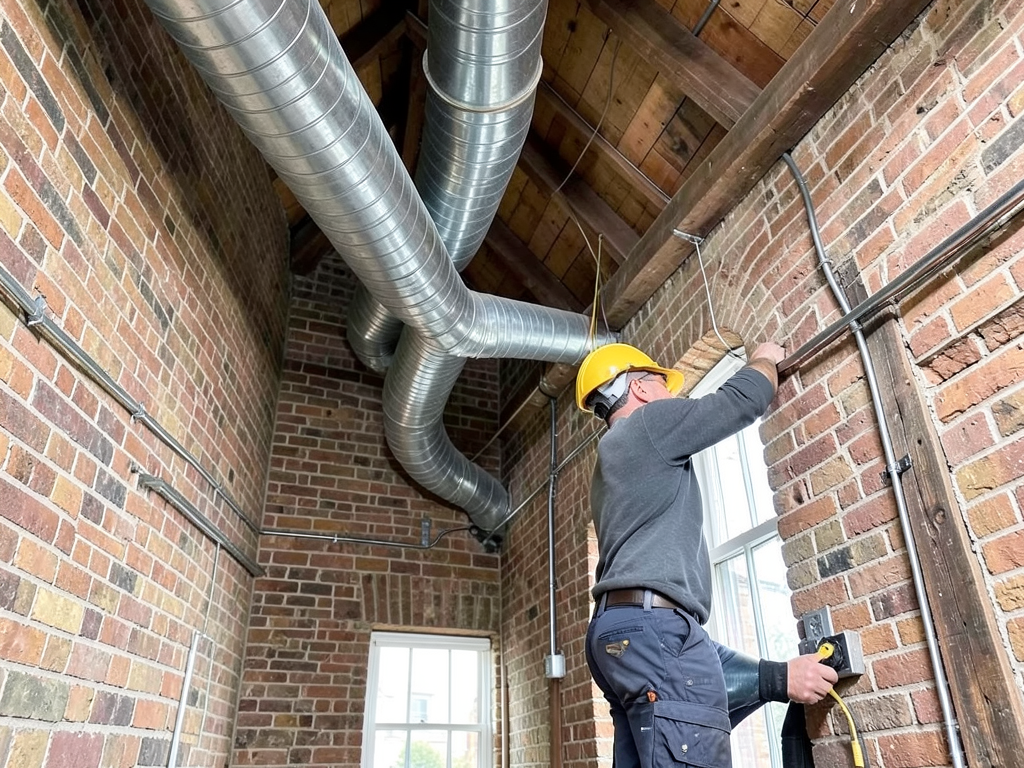
Philadelphia's older housing stock adds another layer of complexity. Row homes in Fishtown and Queen Village have ductwork snaking through tight spaces, making AC and furnace maintenance more critical because airflow restrictions magnify every inefficiency. An HVAC system inspection catches these issues before they cost you hundreds in wasted energy each season.

Why Philadelphia's Climate Destroys Unprepared HVAC Systems
Our Philadelphia-Specific HVAC Maintenance Protocol

Our Philadelphia-Specific HVAC Maintenance Protocol

Generic tune-ups miss the problems that actually kill HVAC systems in Philadelphia. We built our maintenance protocol around the failures we see most often in this climate zone.

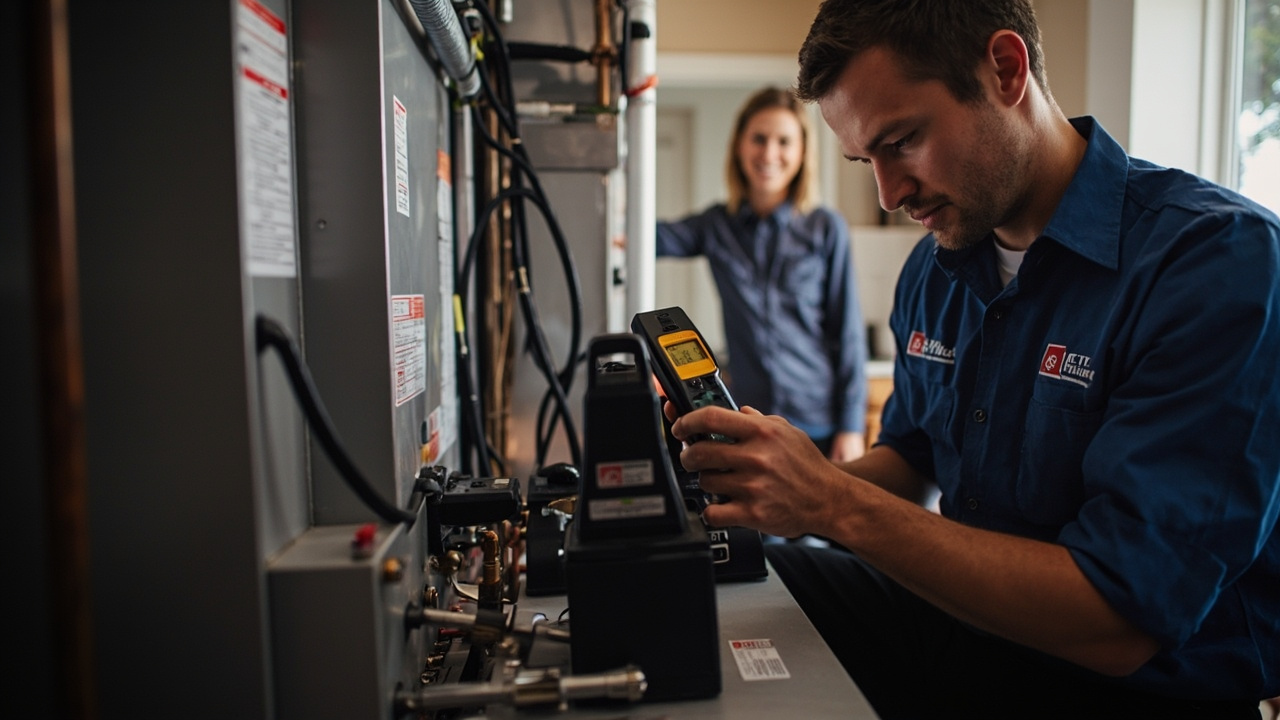
We start by measuring refrigerant superheat and subcooling, not just pressure. Philadelphia's humidity throws off standard pressure readings. Superheat tells us if your evaporator coil is actually removing moisture efficiently or just recirculating humid air. Subcooling reveals if your condenser is rejecting heat properly or struggling against the thick summer air.

We pull and inspect the blower wheel, which accumulates dust faster in Philadelphia because of particulate pollution from I-95 and the Navy Yard. A dirty blower wheel drops airflow by 30%, forcing your compressor to run longer cycles that shorten its lifespan. Most techs never remove the wheel. We do it every visit.

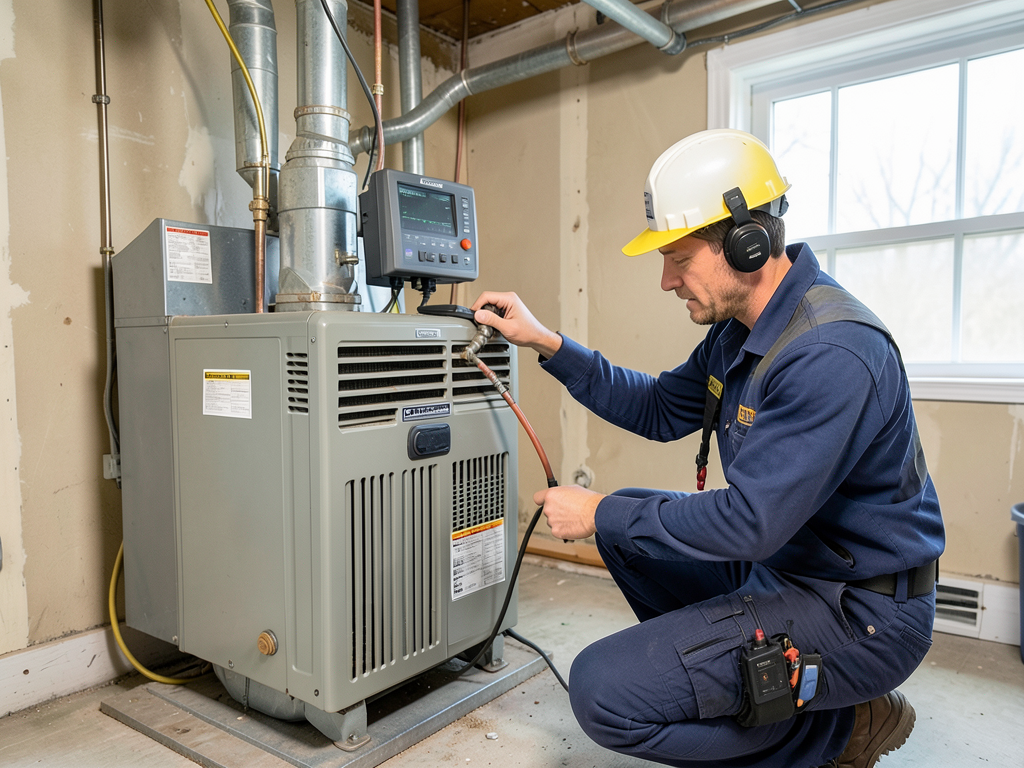
For furnaces, we perform combustion analysis with a calibrated flue gas analyzer. Philadelphia rowhomes often have marginal venting because of shared chimneys or outdated flue designs. We measure oxygen levels, carbon monoxide, and draft pressure to confirm your furnace vents safely. A visual inspection misses backdrafting that puts your family at risk.

We test capacitors under load, not just with a multimeter. Capacitors are the number one failure point in Philadelphia AC systems because heat and humidity degrade the dielectric fluid inside. A capacitor can test fine when cool but fail when your compressor pulls startup amps. We simulate real conditions.

Finally, we verify thermostat calibration and staging. Many Philadelphia homes have zoned systems or multi-stage equipment. Poor calibration causes short cycling that wastes energy and wears out contactors. We use a psychrometer to compare actual temperature and humidity against your thermostat readings, then adjust accordingly.

What Happens During Your Tune-Up Visit

HVAC Maintenance & Tune-Ups in Philadelphia – Protect Your System From Brutal Humidity and Freeze-Thaw Damage
01

System Performance Baseline

We document current amperage draw, static pressure, temperature differential, and refrigerant levels before touching anything. This baseline reveals hidden problems and gives us a comparison point after completing maintenance. You get a printed report showing exactly where your system stands. We photograph corroded connections, damaged insulation, and worn components so you see what we see.
02

Component Inspection and Cleaning

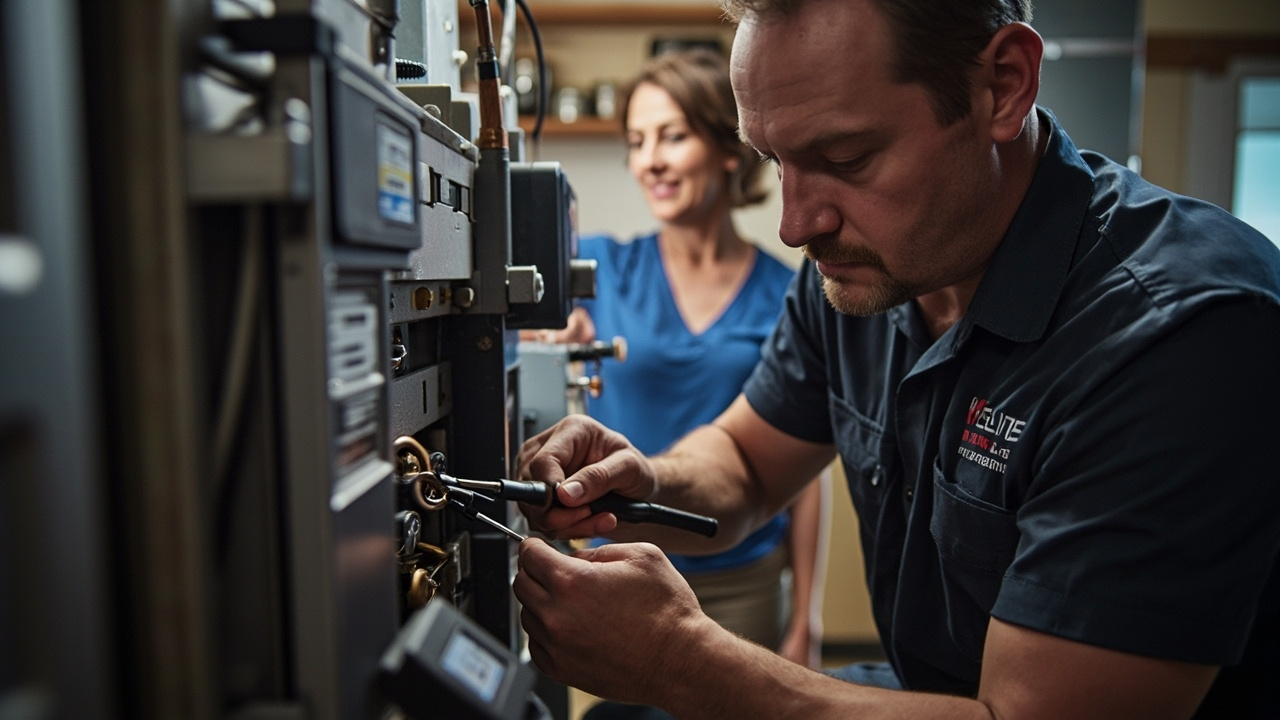
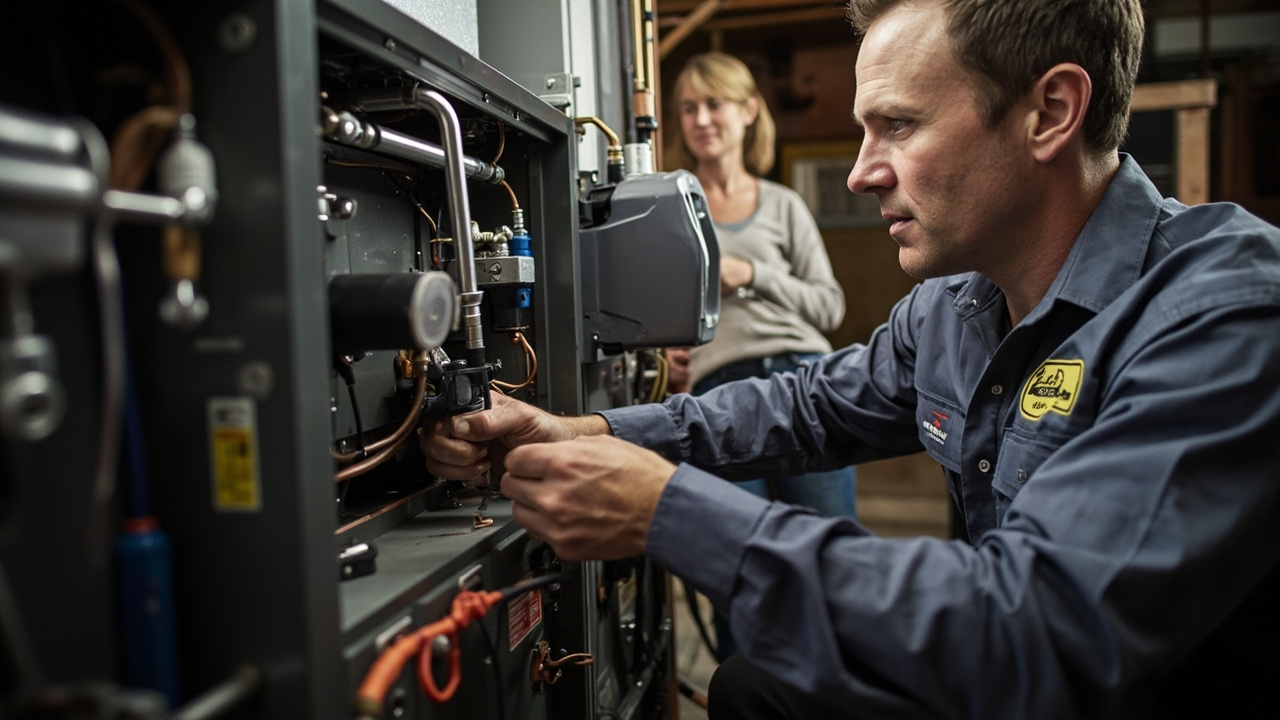
We disassemble and clean the blower assembly, evaporator coil, and condensate system. Your outdoor condenser gets coil cleaning and fin straightening. We inspect electrical connections for signs of arcing or overheating, then tighten terminals to manufacturer torque specs. Belts get tension checks. Motors get lubrication. Gas furnaces receive burner cleaning and flame sensor polishing. This is methodical work, not a quick visual scan.
03

Testing and Calibration

We run your system through complete heating and cooling cycles, measuring performance against the baseline. Thermostats get recalibrated. Safety controls get tested. You receive a detailed report showing before and after measurements, photos of any concerns, and recommendations prioritized by urgency. We explain what needs attention now, what to watch, and what can wait. No pressure, just facts.

Why Philadelphia Homeowners Choose Elite HVAC Philadelphia for Maintenance

Philadelphia's housing diversity demands local expertise. A maintenance approach that works in Chestnut Hill's standalone colonials fails in South Philly's narrow rowhomes. We have worked in every neighborhood, from the renovated lofts in Northern Liberties to the pre-war bungalows in Mayfair.

We understand Philadelphia-specific code requirements. The city adopted the 2018 International Mechanical Code with local amendments that affect ductwork, venting, and combustion air requirements. When we recommend upgrades, they comply with L&I standards. You avoid the nightmare of failed inspections or insurance claim denials because work was not code-compliant.

Our techs know the quirks of equipment common in this market. Philadelphia has thousands of homes with Weil-McLain boilers, Carrier Infinity systems, and Rheem heat pumps. We stock parts for the brands actually installed here, not generic inventory that might work. When we find a worn inducer motor on your Lennox furnace, we have the replacement on the truck.

We also recognize the signs of problems specific to Philadelphia's housing stock. Shared walls in rowhomes create pressure imbalances that cause backdrafting. Finished basements often have return air issues because previous owners covered vents during renovations. Converted attics trap heat that overworks AC systems. These are not textbook problems. They require experience in this exact building environment.

You also work with the same tech every visit. Continuity matters in maintenance because your technician learns your system's history, your concerns, and the specific modifications made to your home. You are not explaining your setup to a stranger twice a year. Your tech already knows that your evaporator coil is in a tight crawl space or that your condensate pump acts up during heavy rain.

What Your Maintenance Visit Includes

Scheduling and Arrival

We recommend scheduling your heating system tune up in September and your AC system tune up in April, before peak demand hits. You avoid the rush and lock in preferred appointment times. Our techs arrive in a marked van with all necessary tools and common replacement parts. We call 30 minutes before arrival and respect your schedule. Most maintenance visits take 90 minutes to two hours, depending on your system configuration and accessibility. We never rush through critical checks to hit a quota.

Comprehensive System Evaluation

Your tech performs a complete HVAC system inspection covering all major components. This includes electrical connections, refrigerant levels, ductwork integrity, thermostat accuracy, safety controls, ventilation adequacy, and combustion efficiency for gas equipment. We use diagnostic tools like manometers, infrared thermometers, and flue gas analyzers, not just visual checks. You receive documentation of all measurements and findings. We explain any concerns in plain language, showing you exactly what we found and why it matters for your system's performance and safety.

Performance Optimization

After cleaning and inspection, we optimize your system for peak efficiency. This includes adjusting blower speed, calibrating thermostat anticipators, balancing airflow across zones, and fine-tuning refrigerant charge if needed. Your system runs quieter, cycles properly, and uses less energy. We verify proper drainage, check for air leaks in ductwork, and ensure outdoor units have adequate clearance. You see measurable improvement in temperature consistency and monthly utility costs. Most Philadelphia homeowners notice the difference within the first billing cycle.

Ongoing Support and Priority Service

Maintenance customers receive priority scheduling if repairs become necessary. You move to the front of the line during heat waves and cold snaps. We keep detailed service records so any tech who responds to your call has complete system history. You also receive reminder calls before your next scheduled maintenance. We track equipment age and performance trends, alerting you when major components approach end of expected lifespan so you can budget accordingly. No surprises, no emergencies that could have been prevented with proper planning.

Frequently Asked Questions

You Have Questions,
We Have Answers

What does an HVAC tune-up include? +

An HVAC tune-up includes a thorough inspection of your heating and cooling system. The technician cleans or replaces air filters, checks refrigerant levels, inspects electrical connections, lubricates moving parts, and tests thermostat accuracy. They examine the condensate drain, clean evaporator and condenser coils, and verify airflow. For furnaces, the technician inspects the heat exchanger and burner assembly. In Philadelphia, where humidity and seasonal temperature swings stress systems, technicians also check for rust or corrosion common in older row homes. This preventive service catches small issues before they become expensive repairs.

How much is an HVAC tune-up? +

HVAC tune-up costs vary based on system type, age, and service complexity. Expect different pricing for standalone furnace service versus combined heating and cooling maintenance. Many Philadelphia contractors offer seasonal tune-up packages or annual maintenance agreements that reduce per-visit costs. Pricing often reflects the technician's experience level and thoroughness of inspection. Older systems in Philadelphia's historic neighborhoods may require additional time due to accessibility challenges or outdated equipment. The investment prevents breakdowns during extreme weather and maintains manufacturer warranty requirements. Always request a detailed service checklist before scheduling.

What is the $5000 rule for HVAC? +

The $5000 rule helps homeowners decide between repairing or replacing an HVAC system. Multiply the repair cost by the system's age in years. If the result exceeds $5000, replacement makes more financial sense than repair. For example, a $400 repair on a 10-year-old system equals $4000, suggesting repair is worthwhile. A $600 repair on a 15-year-old system equals $9000, indicating replacement is smarter. This guideline considers that older systems have diminishing efficiency and increasing failure risk. Philadelphia's humid summers and cold winters accelerate wear, making this calculation particularly relevant for aging equipment.

How often should HVAC be tuned up? +

HVAC systems need professional tune-ups twice yearly in Philadelphia. Schedule heating maintenance in fall before temperatures drop and cooling maintenance in spring before summer humidity arrives. This timing prepares your system for peak demand seasons. Philadelphia's temperature extremes and high humidity levels stress both heating and cooling components, making biannual service essential. Homes with older systems, pets, or respiratory concerns may benefit from more frequent filter changes between professional visits. Commercial properties often require quarterly maintenance due to constant operation. Consistent tune-ups extend equipment life and maintain energy efficiency through freeze-thaw cycles.

What is the average cost of a full tune-up? +

A full HVAC tune-up typically costs more than basic maintenance because it includes comprehensive inspection and cleaning of both heating and cooling systems. The service covers all components, from ductwork inspection to electrical testing and refrigerant checks. Philadelphia homes with combined systems or zoned heating and cooling see higher costs due to additional equipment. Prices reflect the technician's thoroughness, travel time, and any parts needed like filters or belts. Many contractors bundle full tune-ups with seasonal maintenance plans, reducing overall annual costs. The investment prevents mid-season breakdowns and maintains peak efficiency during extreme weather.

What are the four types of maintenance HVAC? +

The four types of HVAC maintenance are preventive, predictive, corrective, and emergency. Preventive maintenance includes scheduled tune-ups and filter changes to avoid breakdowns. Predictive maintenance uses diagnostics to identify potential failures before they occur. Corrective maintenance addresses minor issues discovered during inspections before they worsen. Emergency maintenance responds to unexpected system failures requiring immediate repair. Philadelphia homeowners benefit most from preventive maintenance due to harsh seasonal changes that accelerate wear. Regular tune-ups shift you from reactive emergency calls to planned servicing, saving money and preventing discomfort during temperature extremes common in the region.

What is the 3 minute rule for AC? +

The 3 minute rule prevents compressor damage when restarting your air conditioner. After shutting down, wait at least 3 minutes before turning the system back on. This pause allows refrigerant pressure to equalize throughout the system. Starting too quickly forces the compressor to work against high pressure, causing mechanical stress and potential failure. Philadelphia's humid summers tempt homeowners to frequently adjust thermostats, but this practice strains equipment. Modern thermostats with built-in delay timers automatically enforce this rule. Ignoring the 3 minute rule shortens compressor life and leads to expensive repairs on units already stressed by regional humidity.

How much is HVAC for a 1200 square foot house? +

HVAC costs for a 1200 square foot house depend on system type, efficiency rating, and installation complexity. Philadelphia homes require systems that handle both humid summers and cold winters, influencing equipment selection. Row homes and older construction may need ductwork modifications or creative installation approaches that affect total cost. Higher efficiency units cost more upfront but reduce monthly utility bills, particularly during temperature extremes. Factors like insulation quality, window condition, and ceiling height also impact sizing requirements. Request load calculations from licensed contractors to ensure proper equipment sizing rather than relying solely on square footage estimates.

What is the lifespan of an HVAC system? +

HVAC systems last 15 to 20 years with proper maintenance, but Philadelphia's climate can reduce this lifespan. Humid summers cause corrosion while freeze-thaw cycles stress components. Systems in older row homes with poor ventilation or dusty conditions age faster. Furnaces often outlast air conditioners due to less demanding operating conditions. Lack of biannual tune-ups, dirty filters, and deferred repairs significantly shorten equipment life. Coastal moisture from the Delaware River accelerates rust in outdoor units. Replace systems approaching 15 years that require frequent repairs or show declining efficiency. Modern equipment offers better performance and lower energy costs than aging units.

Is a new HVAC system tax deductible in 2025? +

New HVAC systems may qualify for federal tax credits in 2025 if they meet specific energy efficiency requirements. The Inflation Reduction Act provides credits for high-efficiency heat pumps, central air conditioners, and furnaces that exceed minimum standards. Philadelphia homeowners should verify current IRS guidelines and equipment qualifications before purchasing. Credits typically require ENERGY STAR certification and professional installation. Keep all receipts, manufacturer certifications, and contractor documentation for tax filing. State and local utility rebates may stack with federal credits, increasing total savings. Consult a tax professional to understand eligibility and claiming procedures for your specific situation and equipment choices.

How Philadelphia's Housing Density Affects HVAC Maintenance Needs

Philadelphia has the second-highest percentage of attached housing in the country, with rowhomes dominating neighborhoods from Passyunk Square to Manayunk. These shared-wall configurations create unique HVAC challenges that standard maintenance misses. Heat transfer through party walls means your AC works harder when your neighbor skips cooling. Shared chimneys and common venting in older rowhomes require specialized inspection because one tenant's backdrafting furnace can affect the entire block. Your HVAC preventative maintenance must account for these density issues or you pay for inefficiencies created by your building's footprint, not your usage patterns.

Philadelphia's Department of Licenses and Inspections enforces mechanical code compliance more aggressively than surrounding counties, especially for rental properties and commercial buildings. A heating and cooling tune up performed by techs who understand local requirements protects you during inspections and keeps insurance coverage valid. We document all work to L&I standards and ensure combustion equipment meets current venting regulations. This local knowledge matters because a failed inspection can halt a property sale or trigger expensive remediation that proper maintenance would have prevented.
HVAC Services in The Philadelphia Area

Come visit our office or explore our extensive service area on the map below. Elite HVAC proudly serves residential and commercial clients across Philadelphia, ensuring prompt and reliable heating, ventilation, and air conditioning solutions wherever you are. Whether you need an emergency repair or a new installation, we’re strategically located to provide quick and efficient service right to your doorstep, ensuring your comfort is never compromised.

Address:
Elite HVAC Philadelphia, 2231 E Ontario St, Philadelphia, PA, 19134

Additional Services We Offer

Our news updates

Latest Articles & News from The Blogs

Creating an Allergy Friendly Home in Elkins Park with Advanced Air Scrubbers Philadelphia's humid continental climate creates perfect conditions for…

Creating an Allergy Friendly Home in Elkins Park with Advanced Air Scrubbers

Creating an Allergy Friendly Home in Elkins Park with Advanced Air Scrubbers Philadelphia's humid continental climate creates perfect conditions for…

The Best Way to Get Central Air into Your Olney Attic Conversion

Why Your Olney Attic Bedroom Feels Like an Oven Philadelphia summers turn your Olney attic into a heat trap. Hot…

Simple HVAC Tasks Port Richmond Homeowners Can Actually Do Themselves

Simple HVAC Tasks Port Richmond Homeowners Can Actually Do Themselves\n\nPort Richmond homeowners can handle several basic HVAC maintenance tasks that…

Contact Us

Your system will face either a Philadelphia heatwave or a polar vortex within the next 90 days. The question is whether it will be ready. Call (215) 610-9099 now to lock in your seasonal HVAC check up and avoid the emergency service premiums when everyone else's equipment fails at once.