





Bristol sits in southeastern Pennsylvania where humid summers and cold winters put constant stress on heating and cooling systems. Summer temperatures regularly climb into the 90s with humidity that makes homes feel like saunas without working air conditioning. Winter brings freezing temperatures that can drop below 20 degrees, forcing furnaces to run nonstop for weeks.
The Delaware River valley creates unique humidity challenges for Bristol residents in neighborhoods like Croydon and Levittown. Moisture builds up in ductwork, causing mold growth and reducing air quality. Older homes near Grundy Park and along the riverfront often have undersized HVAC systems that struggle to keep up with modern heating and cooling demands.
Bristol's mix of historic homes and newer construction means HVAC systems vary widely. Victorian homes near Mill Street need careful ductwork retrofits. Split-level homes in residential areas require zone control for proper temperature balance. When your system fails in Bristol, you need technicians who understand these local building characteristics and can repair any equipment type in any home style.
Elite HVAC Philadelphia has built our reputation in Bristol by showing up when other companies won't. We answer emergency calls at 2 AM on holidays because we know a broken furnace in January is a dangerous situation, not an inconvenience. Our technicians live in the greater Philadelphia area and reach Bristol homes fast, often within 90 minutes of your call.
We stock our service vehicles with the most commonly needed parts for every major HVAC brand. That means we repair most systems during the first visit instead of making you wait days for parts to arrive. Our technicians carry compressors, motors, thermostats, contactors, and capacitors for Carrier, Trane, Lennox, Rheem, and Goodman systems. When we diagnose the problem, we fix it immediately.
Bristol homeowners choose us because we provide honest assessments without pressure tactics. If your 15-year-old air conditioner needs a $1,200 compressor replacement, we tell you the truth about whether repair makes sense or if replacement is smarter. We explain your options, give you the costs for each choice, and let you decide. No games, no upselling, no commission-driven recommendations.
Our technicians complete ongoing training on new HVAC technology and efficiency standards. They hold EPA certifications for refrigerant handling and stay current on Pennsylvania building codes. When we work on your system, we follow manufacturer specifications exactly, which protects your equipment warranty and ensures repairs last.

We answer emergency calls every day of the year, including nights, weekends, and holidays. When your heat fails on Christmas Eve or your AC quits during a July heat wave, we dispatch a technician immediately. You get a real person on the phone, not an answering service, and a firm arrival time within hours.

Our trucks carry an extensive parts inventory for all major HVAC brands. We complete most repairs during the initial service call because we bring the components needed to fix common failures. This eliminates the frustration of waiting days for parts while your family suffers in extreme temperatures.
We diagnose problems accurately and explain your repair and replacement options without pressure. Our technicians show you the failed component, explain what caused the failure, and provide upfront pricing for every solution. You make informed decisions based on facts, not fear tactics or inflated emergency pricing.
We service HVAC systems throughout Bristol and know the specific challenges facing homes in this area. From humidity control in riverside neighborhoods to heating older homes near downtown, we understand how local climate and construction affect your comfort system and apply solutions that work long-term.
Elite HVAC Philadelphia handles every heating and cooling need for Bristol residential properties. We repair central air conditioners that stopped cooling, furnaces that won't ignite, and heat pumps stuck in defrost mode. We install new high-efficiency systems when replacement makes more sense than repair. We maintain equipment through seasonal tune-ups that prevent breakdowns during peak heating and cooling season.
Our service range covers emergency repairs, planned installations, and preventive maintenance. We work on all equipment types including gas furnaces, electric heat pumps, central air conditioning, ductless mini splits, and hybrid dual-fuel systems. Whether you need immediate AC service on a 90-degree day or want to replace an aging system before it fails, we deliver the expertise Bristol homeowners depend on.
Every service includes thorough diagnostics using calibrated testing equipment. We measure refrigerant pressures, test electrical components, inspect heat exchangers for cracks, and verify proper airflow throughout your duct system. This comprehensive approach finds problems other companies miss and ensures your HVAC system operates safely and efficiently.
We respond immediately to heating and cooling emergencies in Bristol. When your air conditioner quits during a heat wave or your furnace stops working in freezing temperatures, we dispatch a technician who arrives with the tools and parts to restore your comfort fast. Our emergency service covers complete system failures, refrigerant leaks, blower motor breakdowns, compressor failures, and ignition problems. We troubleshoot the issue, explain what failed and why, and complete repairs the same day in most cases.
We install new heating and cooling systems when repair costs exceed replacement value or when you want better efficiency. Our installation service includes load calculations to properly size equipment for your home, ductwork modifications if needed, and complete removal of old equipment. We install Carrier, Trane, Lennox, Rheem, and Goodman systems with manufacturer warranties. Every installation meets Pennsylvania code requirements and includes startup testing to verify proper operation before we leave your property.
Our maintenance service keeps HVAC systems running efficiently and catches small problems before they become expensive failures. We clean coils, test refrigerant levels, inspect electrical connections, lubricate motors, check safety controls, and measure airflow. Spring AC tune-ups prepare your cooling system for summer heat. Fall furnace inspections ensure safe heating through winter. Regular maintenance extends equipment life, reduces energy costs, and prevents emergency breakdowns during extreme weather when you need your system most.
Bristol's location along the Delaware River creates specific HVAC challenges that stress heating and cooling equipment. High summer humidity accelerates compressor wear and promotes mold growth in ductwork. Cold winter temperatures force furnaces to cycle constantly, which wears out igniters and blower motors faster than in milder climates. Older homes near the riverfront and in historic districts often have undersized duct systems that restrict airflow and reduce efficiency.
We see the same problems repeatedly in Bristol neighborhoods. Air conditioners freeze up from dirty coils or low refrigerant. Furnaces short cycle because of failed limit switches or clogged filters. Heat pumps struggle in winter because outdoor units ice over during temperature swings. These failures happen at the worst times, usually during the coldest nights or hottest afternoons when your system works hardest.
Refrigerant leaks cause air conditioners to lose cooling capacity gradually. You notice the system runs constantly but never reaches the thermostat setting. Leaks develop in coil joints, service valves, and line connections. We locate leaks using electronic detectors, repair the leak source, evacuate moisture from the system, and recharge with the correct refrigerant type and amount.
Gas furnaces fail to start when igniters crack, flame sensors get coated with carbon deposits, or gas valves malfunction. You hear the blower run but no heat comes from the vents. Ignition problems require immediate attention because they can indicate dangerous conditions. We test all safety controls, replace failed ignition components, and verify proper burner operation before restoring heat.
Indoor coils freeze when airflow drops below normal levels or refrigerant pressure falls too low. Ice builds up on the coil until it blocks all airflow and your AC stops cooling completely. Common causes include dirty filters, blocked return vents, failed blower motors, and refrigerant leaks. We identify what caused the freeze-up, thaw the coil safely, and fix the underlying problem.
Leaking ducts waste conditioned air in attics, crawl spaces, and wall cavities instead of delivering it to living spaces. You notice weak airflow from certain vents, hot and cold spots in different rooms, and higher energy bills. We pressure test duct systems, seal leaks with mastic and metal tape, and verify balanced airflow to all rooms after repairs.
When you contact Elite HVAC Philadelphia for service in Bristol, you get a straightforward experience focused on fixing your problem fast. We answer calls promptly, ask questions to understand your situation, and give you a realistic arrival time. Our technicians call before arriving, show up in marked vehicles, and carry identification. They respect your home by wearing shoe covers and using drop cloths to protect floors.
We believe customers deserve honest information and fair pricing. Our technicians explain what failed, why it happened, and what repair involves before starting work. You receive upfront pricing with no hidden fees or surprise charges. If we find additional problems during repair, we discuss them with you and get approval before doing extra work. This transparent approach eliminates the anxiety most people feel when calling for HVAC service.
When you call our office, you speak with knowledgeable staff who ask about your HVAC problem and schedule service based on urgency. Emergency calls get immediate dispatch. Non-emergency service typically happens within 24 hours. You receive a confirmation call with your technician's name and estimated arrival window. If we encounter delays, we contact you immediately with updated information.
Our technicians arrive with testing equipment and diagnostic tools to identify the exact problem. We inspect your system completely, test all components, and verify what failed. Before recommending repairs, we show you the problem when possible and explain what needs fixing. You receive a written estimate covering parts, labor, and any permits required. We answer your questions and ensure you understand exactly what we propose to do.
We guarantee all repair work and use quality replacement parts backed by manufacturer warranties. After completing service, we test system operation thoroughly and verify your HVAC equipment works correctly. You receive documentation of all work performed, parts installed, and warranty information. If you experience any issues with our repair, we return promptly to make it right at no additional charge.
We designed our service process to minimize disruption and maximize results. From your initial call to final testing, every step focuses on solving your HVAC problem efficiently while keeping you informed throughout.
Call Elite HVAC Philadelphia at (215) 610-9099 to describe your heating or cooling problem. Our staff asks questions to understand the situation and determine urgency. We schedule emergency service immediately or book non-emergency appointments within 24 hours. You receive confirmation with your technician's name and arrival window. We dispatch from our Philadelphia location with full access to parts inventory and diagnostic equipment.
Your technician arrives, introduces himself, and begins system inspection. He tests components, measures pressures and temperatures, and identifies the failed part. You receive a clear explanation of what broke, why it failed, and what repair entails. We provide upfront pricing and answer all questions. Once you approve the estimate, we proceed with repairs using parts from our truck inventory when available.
We complete repairs using manufacturer-specified parts and proper installation procedures. After finishing work, we test your system thoroughly to verify correct operation. You see the HVAC equipment running properly before we leave. We clean up completely, removing all debris and old parts. You receive documentation of repairs, warranty information, and maintenance recommendations to prevent future problems.
Professional HVAC service in Bristol requires compliance with Pennsylvania's Uniform Construction Code, which adopts the International Mechanical Code with state-specific amendments. These regulations govern installation methods, refrigerant handling, combustion safety, and ventilation requirements. Elite HVAC Philadelphia follows all code provisions to ensure your heating and cooling system operates safely and maintains manufacturer warranty coverage.
Refrigerant work requires EPA Section 608 certification because federal law prohibits venting refrigerants to atmosphere. Our technicians hold current certifications allowing them to service systems containing R-22, R-410A, and newer refrigerants like R-32 and R-454B. We use recovery equipment to capture old refrigerant, evacuate systems properly before charging, and measure exact refrigerant quantities by weight rather than pressure alone. This precision prevents overcharging, which damages compressors and wastes energy.
Gas furnace installation and repair follow strict safety protocols defined by the National Fuel Gas Code. We verify proper combustion air supply, test for gas leaks using approved methods, and measure flue gas composition to ensure complete combustion. Carbon monoxide testing is mandatory on every service call involving fuel-burning equipment. We inspect heat exchangers for cracks using mirrors and inspection cameras because cracked heat exchangers allow combustion gases to mix with breathing air.
Load calculation determines proper equipment sizing for new installations. We follow Manual J procedures published by the Air Conditioning Contractors of America, which account for home size, insulation levels, window area, orientation, and occupancy. Oversized equipment costs more to operate and provides poor humidity control. Undersized systems run constantly and fail to maintain comfort during extreme weather. Correct sizing based on engineering calculations ensures optimal performance and longevity.
Bristol HVAC work must comply with Pennsylvania's adopted International Mechanical Code covering equipment installation, ductwork construction, ventilation rates, and combustion safety. We pull permits when required, pass inspections, and document all work to protect your investment and maintain code compliance throughout your system's lifespan.
Proper HVAC sizing depends on accurate load calculations accounting for home square footage, insulation quality, window efficiency, air infiltration rates, and occupancy patterns. Oversized systems waste energy through short cycling. Undersized equipment runs continuously and fails during peak demand. We calculate loads using Manual J procedures to match equipment capacity to actual needs.
Federal EPA regulations require certified technicians for all refrigerant work. We recover old refrigerant before opening systems, evacuate moisture using vacuum pumps, and charge systems by weight to manufacturer specifications. Proper refrigerant handling prevents environmental damage, protects compressors from contamination, and ensures peak cooling efficiency.
Gas furnace service includes mandatory carbon monoxide testing, heat exchanger inspection, and combustion analysis. We verify adequate combustion air supply, test for gas leaks, measure flue draft, and analyze exhaust gases to confirm complete combustion. These safety checks protect your family from carbon monoxide exposure and prevent fire hazards.
This video explains common HVAC problems facing Bristol, Pennsylvania homeowners and how to choose quality heating and air conditioning repair service. Topics include refrigerant leaks, furnace ignition failures, frozen evaporator coils, ductwork issues, and Pennsylvania code requirements for HVAC installations. Viewers learn what causes system failures in Bristol's humid climate, warning signs of equipment problems, and what to expect from professional AC service and furnace repair.
Elite HVAC Philadelphia provides complete heating and cooling service throughout Bristol and neighboring Bucks County areas. We serve homeowners in Croydon, where older ranch homes and split-levels often need ductwork upgrades for better temperature balance. Levittown residents call us for furnace repairs and AC installations in the classic post-war housing that defines this historic planned community. We handle HVAC emergencies in Bristol Township, from the riverside neighborhoods along the Delaware to residential streets near Mill Creek.
Our service area extends to Tullytown, where we install high-efficiency systems in homes near the riverfront and repair aging equipment in established neighborhoods. We respond to calls from Fairless Hills, helping homeowners in this quiet community maintain comfortable indoor temperatures year-round. Edgely residents rely on us for fast emergency service when systems fail during extreme weather.
Bristol's proximity to the Delaware River creates unique humidity challenges that affect HVAC performance. Homes in lower-lying areas near the water experience higher moisture levels that promote mold growth in ductwork and reduce system efficiency. We address these issues with proper dehumidification solutions and duct cleaning services. Properties on higher ground toward the township's western edge face different challenges, including exposure to prevailing winds that increase heating loads in winter.
The mix of housing types across Bristol demands versatile HVAC expertise. Victorian homes near downtown require careful retrofits to add central air conditioning without damaging historic features. Modern construction in newer developments needs precision installation to match builder specifications. Split-level designs common throughout the area require zone control for balanced heating and cooling across different floor levels.
We maintain fast response times to Bristol because our service area focuses on Bucks County and surrounding Philadelphia suburbs. Our technicians know local streets, understand area building characteristics, and carry parts for HVAC brands common in Bristol homes. When you call for emergency service, we reach your property quickly and arrive prepared to fix your system.
The $5000 rule is a simple guideline for deciding whether to repair or replace your HVAC system. Multiply the age of your unit by the cost of the repair. If the result exceeds $5000, replacement makes more financial sense. For example, a 12-year-old system needing a $500 repair equals $6000, signaling it's time to replace. Bristol homeowners should factor in Pennsylvania's humid summers and cold winters, which put extra strain on older systems. High humidity accelerates wear on compressors and coils, making this calculation especially relevant for aging equipment.
Replacing HVAC for a 2000 square foot home in Bristol typically depends on equipment efficiency, ductwork condition, and system type. Most homeowners choose mid-efficiency systems with standard installation. Costs vary based on whether you select a basic single-stage unit or a variable-speed model. Bristol's climate requires balanced heating and cooling capacity due to humid summers and freezing winters. Two-story homes often need zoning systems, which affects pricing. Existing ductwork condition matters too. Leaky ducts reduce efficiency by 30 percent, so inspection is critical before replacement.
Whole HVAC system replacement costs vary by equipment efficiency rating, home size, and installation complexity. A complete changeout includes the outdoor condenser, indoor air handler or furnace, refrigerant lines, thermostat, and labor. Bristol homeowners should consider SEER ratings appropriate for our climate. Higher humidity levels here mean your system works harder during summer months. Ductwork modifications, electrical upgrades, and permit fees add to base equipment costs. Two-stage or variable-speed systems cost more upfront but save money on utility bills through better humidity control and temperature consistency.
The $5000 rule is a simple guideline for deciding whether to repair or replace your HVAC system. Multiply the age of your unit by the cost of the repair. If the result exceeds $5000, replacement makes more financial sense. For example, a 12-year-old system needing a $500 repair equals $6000, signaling it's time to replace. Bristol homeowners should factor in Pennsylvania's humid summers and cold winters, which put extra strain on older systems. High humidity accelerates wear on compressors and coils, making this calculation especially relevant for aging equipment.
Replacing HVAC for a 2000 square foot home in Bristol typically depends on equipment efficiency, ductwork condition, and system type. Most homeowners choose mid-efficiency systems with standard installation. Costs vary based on whether you select a basic single-stage unit or a variable-speed model. Bristol's climate requires balanced heating and cooling capacity due to humid summers and freezing winters. Two-story homes often need zoning systems, which affects pricing. Existing ductwork condition matters too. Leaky ducts reduce efficiency by 30 percent, so inspection is critical before replacement.
Whole HVAC system replacement costs vary by equipment efficiency rating, home size, and installation complexity. A complete changeout includes the outdoor condenser, indoor air handler or furnace, refrigerant lines, thermostat, and labor. Bristol homeowners should consider SEER ratings appropriate for our climate. Higher humidity levels here mean your system works harder during summer months. Ductwork modifications, electrical upgrades, and permit fees add to base equipment costs. Two-stage or variable-speed systems cost more upfront but save money on utility bills through better humidity control and temperature consistency.
Average HVAC service calls in Bristol range based on the issue complexity and time required. A standard diagnostic visit includes system inspection, refrigerant level check, electrical testing, and airflow measurement. Emergency calls after hours or weekends cost more than scheduled maintenance. Bristol's seasonal temperature swings mean spring and fall are peak service times. Simple fixes like thermostat batteries or clogged filters take less time than diagnosing refrigerant leaks or compressor failures. Established local companies often offer service agreements that reduce per-visit costs while providing priority scheduling.
HVAC system costs can qualify for federal tax credits in 2025 if you install qualifying high-efficiency equipment. The Inflation Reduction Act offers credits for heat pumps, central air conditioners, and furnaces meeting specific efficiency standards. Equipment must meet ENERGY STAR certification requirements. The credit covers a percentage of costs including installation, with annual and lifetime caps. Bristol homeowners should verify current efficiency requirements before purchasing. Standard efficiency systems do not qualify. You need manufacturer certification statements for tax filing. Consult a tax professional for your specific situation and eligibility details.
The 3-minute rule protects your air conditioner compressor from damage. After your system shuts off, wait at least three minutes before restarting it. This allows refrigerant pressure to equalize throughout the system. Restarting too quickly forces the compressor to start against high pressure, causing excessive electrical draw and potential motor damage. Bristol's humid climate means your AC cycles frequently during summer. Short cycling from thermostat issues or oversized equipment violates this rule repeatedly, reducing compressor lifespan. Modern systems have built-in delay timers, but older units rely on you respecting this interval.
HVAC systems last 15 to 20 years with proper maintenance, but Bristol's climate affects this timeline. Humid summers force air conditioners to run longer, accelerating compressor wear. Freeze-thaw cycles during winter stress furnace heat exchangers. Furnaces typically outlast air conditioners by 5 years. Coastal proximity increases corrosion risk on outdoor units. Regular maintenance extends lifespan significantly. Skipping annual tune-ups cuts 5 years off expected life. Systems installed in the 1990s used different refrigerants and are less efficient. Age, repair frequency, and rising energy bills signal replacement time.
16 SEER outperforms 13 SEER in efficiency and comfort for Bristol homes. Higher SEER means lower operating costs during our humid summers when systems run constantly. A 16 SEER unit uses approximately 23 percent less electricity than 13 SEER. The efficiency gap widens during high-demand periods. 16 SEER systems often include two-stage compressors or variable-speed technology, providing better humidity removal and temperature consistency. Upfront cost differences shrink over the system's lifespan through utility savings. Pennsylvania summers justify the upgrade. Cold winters mean you need balanced heating efficiency too, not just cooling SEER ratings.
Fall and early spring offer the best HVAC system prices in Bristol. Contractors are less busy between peak cooling and heating seasons, creating better negotiating opportunities. October through November and March through April see lower demand. You avoid emergency replacement during temperature extremes when you have time to compare quotes. Manufacturers release new models in spring, discounting previous years' inventory. Financing promotions cluster around shoulder seasons. Waiting until your system fails during July heat or January cold reduces your bargaining power. Plan replacement when your system hits 12 years old, before emergency failure forces rushed decisions.
HVAC system costs are generally not tax deductible for residential properties as personal expenses. However, high-efficiency equipment qualifies for federal energy tax credits, which directly reduce taxes owed rather than deducting from taxable income. Credits differ from deductions. The Inflation Reduction Act provides credits for qualifying heat pumps, AC units, and furnaces meeting efficiency thresholds. Business or rental property HVAC expenses follow different rules allowing depreciation and deductions. Bristol homeowners should explore available credits for efficient equipment. Save manufacturer certifications and receipts. Consult tax professionals for guidance on current credit amounts and eligibility requirements.
Average HVAC service calls in Bristol range based on the issue complexity and time required. A standard diagnostic visit includes system inspection, refrigerant level check, electrical testing, and airflow measurement. Emergency calls after hours or weekends cost more than scheduled maintenance. Bristol's seasonal temperature swings mean spring and fall are peak service times. Simple fixes like thermostat batteries or clogged filters take less time than diagnosing refrigerant leaks or compressor failures. Established local companies often offer service agreements that reduce per-visit costs while providing priority scheduling.
HVAC system costs can qualify for federal tax credits in 2025 if you install qualifying high-efficiency equipment. The Inflation Reduction Act offers credits for heat pumps, central air conditioners, and furnaces meeting specific efficiency standards. Equipment must meet ENERGY STAR certification requirements. The credit covers a percentage of costs including installation, with annual and lifetime caps. Bristol homeowners should verify current efficiency requirements before purchasing. Standard efficiency systems do not qualify. You need manufacturer certification statements for tax filing. Consult a tax professional for your specific situation and eligibility details.
The 3-minute rule protects your air conditioner compressor from damage. After your system shuts off, wait at least three minutes before restarting it. This allows refrigerant pressure to equalize throughout the system. Restarting too quickly forces the compressor to start against high pressure, causing excessive electrical draw and potential motor damage. Bristol's humid climate means your AC cycles frequently during summer. Short cycling from thermostat issues or oversized equipment violates this rule repeatedly, reducing compressor lifespan. Modern systems have built-in delay timers, but older units rely on you respecting this interval.
HVAC systems last 15 to 20 years with proper maintenance, but Bristol's climate affects this timeline. Humid summers force air conditioners to run longer, accelerating compressor wear. Freeze-thaw cycles during winter stress furnace heat exchangers. Furnaces typically outlast air conditioners by 5 years. Coastal proximity increases corrosion risk on outdoor units. Regular maintenance extends lifespan significantly. Skipping annual tune-ups cuts 5 years off expected life. Systems installed in the 1990s used different refrigerants and are less efficient. Age, repair frequency, and rising energy bills signal replacement time.
16 SEER outperforms 13 SEER in efficiency and comfort for Bristol homes. Higher SEER means lower operating costs during our humid summers when systems run constantly. A 16 SEER unit uses approximately 23 percent less electricity than 13 SEER. The efficiency gap widens during high-demand periods. 16 SEER systems often include two-stage compressors or variable-speed technology, providing better humidity removal and temperature consistency. Upfront cost differences shrink over the system's lifespan through utility savings. Pennsylvania summers justify the upgrade. Cold winters mean you need balanced heating efficiency too, not just cooling SEER ratings.
Fall and early spring offer the best HVAC system prices in Bristol. Contractors are less busy between peak cooling and heating seasons, creating better negotiating opportunities. October through November and March through April see lower demand. You avoid emergency replacement during temperature extremes when you have time to compare quotes. Manufacturers release new models in spring, discounting previous years' inventory. Financing promotions cluster around shoulder seasons. Waiting until your system fails during July heat or January cold reduces your bargaining power. Plan replacement when your system hits 12 years old, before emergency failure forces rushed decisions.
HVAC system costs are generally not tax deductible for residential properties as personal expenses. However, high-efficiency equipment qualifies for federal energy tax credits, which directly reduce taxes owed rather than deducting from taxable income. Credits differ from deductions. The Inflation Reduction Act provides credits for qualifying heat pumps, AC units, and furnaces meeting efficiency thresholds. Business or rental property HVAC expenses follow different rules allowing depreciation and deductions. Bristol homeowners should explore available credits for efficient equipment. Save manufacturer certifications and receipts. Consult tax professionals for guidance on current credit amounts and eligibility requirements.
Come visit our office or explore our extensive service area on the map below. Elite HVAC proudly serves residential and commercial clients across Philadelphia, ensuring prompt and reliable heating, ventilation, and air conditioning solutions wherever you are. Whether you need an emergency repair or a new installation, we’re strategically located to provide quick and efficient service right to your doorstep, ensuring your comfort is never compromised.
Address:
Bristol, PA, 19007

Protecting Your Narberth Home from Water Damage with a Smart HVAC Leak Detection System\n\nWater damage from HVAC systems kills home values faster than most homeowners realize. In Narberth's humid climate, your air conditioner pulls gallons…
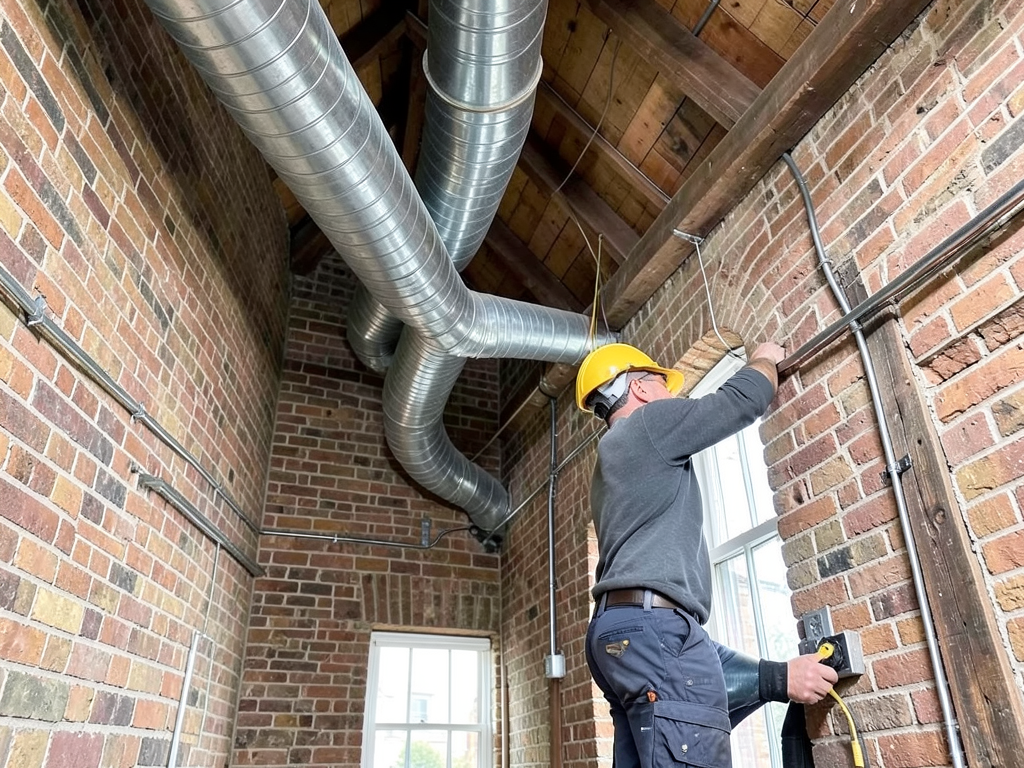
Creative Ways to Hide HVAC Ductwork in a High Ceiling South Kensington Loft Living in…
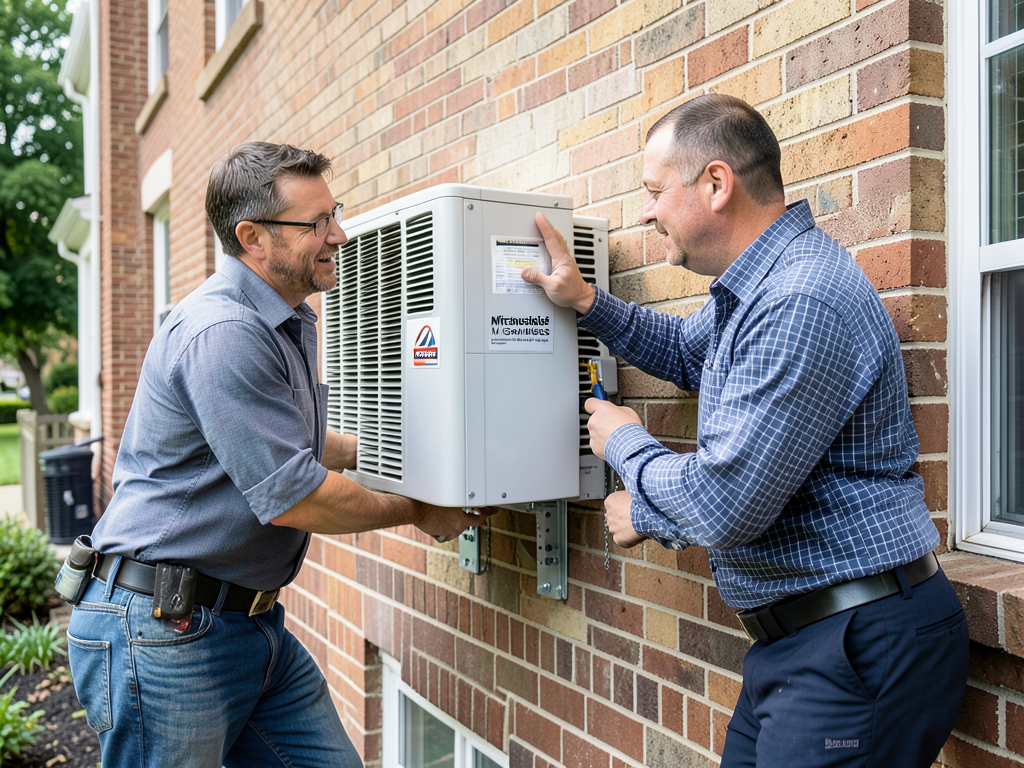
Picking a Whisper Quiet Heat Pump for Small Backyards in Haddington Living in Haddington means…
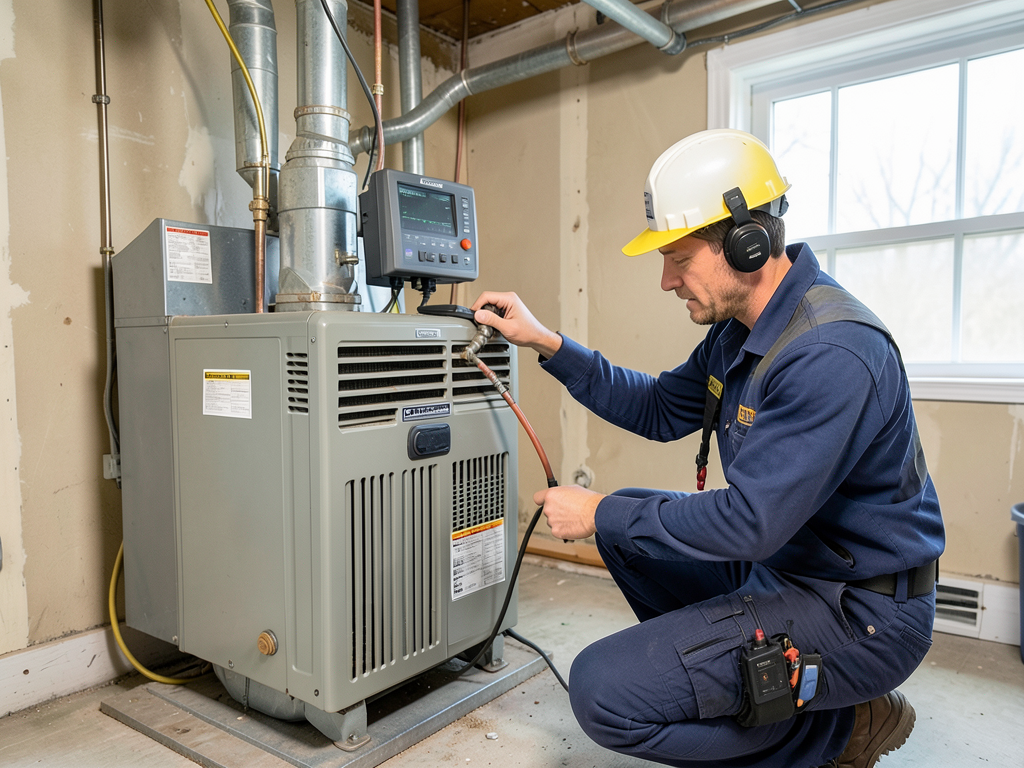
Should You Keep Repairing or Just Replace That 15 Year Old Furnace in Your Bustleton…
Your comfort matters, especially during extreme weather. Call Elite HVAC Philadelphia now at (215) 610-9099 for immediate service. Our technicians respond quickly to Bristol emergencies with the parts and expertise to fix your system right the first time.