
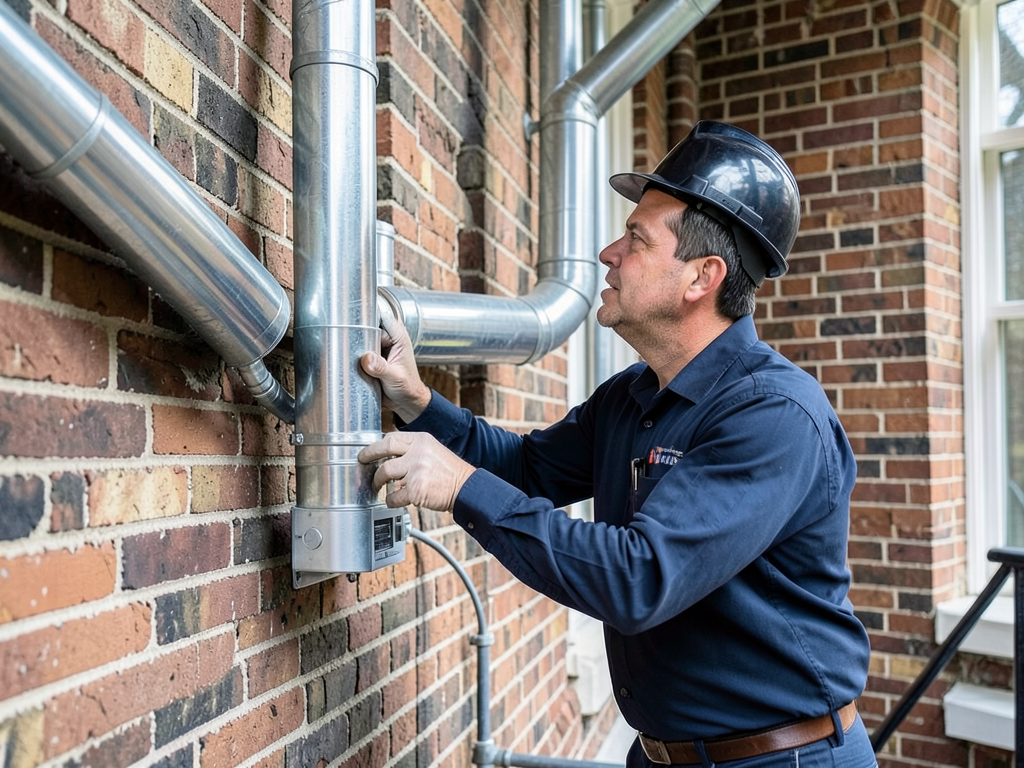
How to Vet a Heating and Cooling Specialist for Your New Graduate Hospital Construction
Finding the right HVAC contractor for your Graduate Hospital construction project requires more than just comparing prices. The 19146 ZIP code presents unique challenges from historic row home constraints to Philadelphia’s humid continental climate that demand specialized expertise. This guide walks you through exactly what to look for when vetting heating and cooling specialists for your Graduate Hospital property. Expert Boiler Repair and Maintenance for Historic Homes in Chestnut Hill and Mt Airy.
Understanding Graduate Hospital’s HVAC Challenges
Graduate Hospital row homes built before 1950 typically feature narrow lot dimensions and lack existing ductwork. These structural limitations create specific HVAC installation requirements that generic contractors often overlook. The neighborhood’s proximity to Center City means older gas lines and electrical systems that may need upgrades before installing modern high-efficiency equipment. Best Rated HVAC Contractors in the Main Line Area.
Philadelphia’s climate adds another layer of complexity. Summer humidity regularly exceeds 70% while winter temperatures drop below freezing for extended periods. Your HVAC system must handle both extremes efficiently while maintaining proper indoor air quality in the dense urban environment. HVAC Philadelphia.
Essential Credentials to Verify
Start by confirming Pennsylvania Home Improvement Contractor (PA HIC) licensing through the state’s official portal. Graduate Hospital contractors should carry at least $500,000 in liability insurance and workers’ compensation coverage. Ask for proof of EPA Section 608 certification for refrigerant handling since older row homes often require retrofitting. EPA Section 608 certification.
Look for NATE (North American Technician Excellence) certification which demonstrates advanced technical knowledge beyond basic licensing. For Graduate Hospital specifically, contractors should understand Philadelphia Department of Licenses and Inspections (L&I) requirements for historic districts and zero-clearance installations. NATE certification.
Experience with Philadelphia Row Home Construction
Not all HVAC experience translates to Graduate Hospital expertise. Ask potential contractors about specific projects in the 19146 area. Have they installed ductless mini-split systems in homes without existing ductwork? Do they understand the structural limitations of 16-foot-wide row homes?. Read more about What Philadelphia Landlords Need to Know About Keeping Rental HVAC Systems Up to Code.
Request references from nearby streets like South Street Christian Street or Fitzwater Street. Contractors familiar with Graduate Hospital will understand local parking constraints and can plan for equipment delivery on narrow streets. They should also know local PECO energy efficiency rebate programs specific to Philadelphia residents.
Technical Assessment Capabilities
A qualified Graduate Hospital HVAC specialist performs comprehensive load calculations using Manual J methodology. This ensures your system matches your home’s specific heating and cooling requirements rather than oversizing or undersizing equipment.
During initial consultations contractors should evaluate:
- Existing ductwork condition and routing options
- Electrical panel capacity and gas line specifications
- Insulation levels and air sealing opportunities
- Indoor air quality concerns specific to urban environments
Ask about their diagnostic tools. Do they use thermal imaging to identify heat loss patterns? Can they perform duct leakage testing to verify system efficiency?
Understanding Local Building Codes
Philadelphia enforces strict building codes through L&I inspections. Your contractor must understand requirements for:
- Proper venting for gas furnaces in tight row home spaces
- Electrical disconnects and surge protection
- Permitting requirements for historic district modifications
- Energy efficiency standards exceeding state minimums
Contractors familiar with Graduate Hospital know which inspectors are most stringent and how to ensure first-time approval. They should provide detailed permit applications and coordinate inspections throughout the project.
Equipment Selection for Graduate Hospital Homes
High-efficiency equipment selection matters more in Graduate Hospital than suburban areas. Consider these factors:
| Equipment Type | Graduate Hospital Advantage | Typical ROI |
|---|---|---|
| Ductless Mini-Split | Preserves historic architecture | 3-5 years |
| High-Efficiency Furnace | Reduces utility costs in older homes | 5-7 years |
| Heat Pump System | Provides both heating and cooling | 4-6 years |
Ask contractors to explain equipment efficiency ratings like SEER2 and AFUE in terms of actual utility bill savings for your specific home size and usage patterns.
Project Timeline and Communication
Graduate Hospital construction often requires coordination with multiple tradespeople. Your HVAC contractor should provide:
- Detailed project timeline with milestone dates
- Clear communication protocols for addressing issues
- Permit acquisition and inspection scheduling
- Post-installation support and warranty information
Ask about their typical response time for warranty service calls. Contractors familiar with Graduate Hospital will have established relationships with local suppliers and can source parts quickly.
Cost Considerations and Value Assessment
Price alone doesn’t indicate value when vetting HVAC contractors. Consider these cost factors:
| Cost Factor | Impact on Graduate Hospital Projects | Typical Range |
|---|---|---|
| System Sizing | Incorrect sizing wastes energy | $500-2,000 |
| Permit Fees | Philadelphia permits vary by scope | $150-800 |
| Historic District Requirements | May require specialized equipment | $1,000-5,000 |
Get detailed written estimates that break down equipment labor and permit costs. Be wary of quotes significantly lower than competitors as they may indicate cutting corners on essential steps.
Red Flags to Watch For
Several warning signs indicate contractors who may not be suitable for Graduate Hospital projects:
- Pressure to sign contracts immediately
- Refusal to provide written estimates
- Lack of physical business address in Philadelphia
- No references from local projects
- Unwillingness to pull required permits
Trust your instincts. If a contractor seems unfamiliar with Graduate Hospital’s specific challenges they may not deliver the quality installation your new construction deserves.
Making Your Final Decision
After gathering information from multiple contractors compare them on these criteria:
- Licensing and insurance verification
- Local Graduate Hospital experience
- Technical assessment capabilities
- Communication and timeline management
- Equipment recommendations and efficiency knowledge
- Permit and code compliance understanding
The best contractor balances competitive pricing with demonstrated expertise in Graduate Hospital’s unique construction environment. They should make you feel confident about their ability to handle unexpected challenges that arise during installation.
Frequently Asked Questions
How long does HVAC installation typically take in a Graduate Hospital row home?
Most installations require 2-3 days for standard replacements and 4-5 days for complete system upgrades in row homes. Historic district projects may take longer due to permit requirements.
What permits are required for HVAC work in Graduate Hospital?
Philadelphia requires mechanical permits for all HVAC installations. Historic district projects need additional approvals from L&I. Your contractor should handle all permit acquisition and inspections.. Read more about The Most Efficient Way to Heat and Cool a New Home Addition in Mount Airy.
Can I keep my existing radiators when installing central air?
Yes. Many Graduate Hospital homeowners install high-velocity mini-duct systems that work alongside existing hot water radiators providing both heating and cooling without removing historic features.. Read more about Comparing the Best Air Filtration Systems for Families in University City.
How do I know if my electrical system can handle a new HVAC system?
A qualified contractor will perform a load calculation and inspect your electrical panel. Older Graduate Hospital homes often need electrical upgrades to support modern high-efficiency equipment.
Next Steps for Your Graduate Hospital Project
Ready to move forward with your HVAC installation? Start by scheduling consultations with three qualified contractors who meet all the criteria outlined above. Ask detailed questions about their Graduate Hospital experience and request written estimates that include all necessary permits and inspections.
Remember that the lowest price rarely provides the best value for Graduate Hospital construction. Investing in proper sizing, quality equipment, and experienced installation will save you money on utilities and prevent costly repairs for years to come. Emergency AC Repair in Fishtown (Fast Service When the Heat Hits).
Call (215) 610-9099 today to schedule your professional HVAC assessment and get started on your Graduate Hospital construction project with confidence.
You may also find this helpful. The Most Reliable Commercial HVAC Maintenance in Center City Philadelphia.
You may also find this helpful. Why Landlords Near Temple University Need a Reliable HVAC Maintenance Partner.
{
“@context”: “https://schema.org”,
“@type”: “BlogPosting”,
“headline”: “How to Vet a Heating and Cooling Specialist for Your New Graduate Hospital Construction”,
“description”: “Learn how to evaluate HVAC contractors for Graduate Hospital construction projects. Find licensed experts who understand Philadelphia row home challenges and local codes.”,
“wordCount”: 1194,
“datePublished”: “2026-04-05T12:29:00.000Z”,
“dateModified”: “2026-04-05T12:29:00.000Z”,
“inLanguage”: “en-US”,
“mainEntityOfPage”: {
“@type”: “WebPage”,
“@id”: “https://elitehvacphiladelphia.com”
},
“publisher”: {
“@type”: “LocalBusiness”,
“name”: “Elite HVAC Philadelphia”,
“url”: “https://elitehvacphiladelphia.com”
},
“author”: {
“@type”: “Organization”,
“name”: “Elite HVAC Philadelphia”,
“url”: “https://elitehvacphiladelphia.com”
},
“image”: {
“@type”: “ImageObject”,
“url”: “https://elitehvacphiladelphia.com/wp-content/uploads/2026/03/how-to-vet-a-heating-and-cooling-specialist-for-yo-1.png”
}
}
{
“@context”: “https://schema.org”,
“@type”: “HVACBusiness”,
“name”: “Elite HVAC Philadelphia”,
“url”: “https://elitehvacphiladelphia.com”,
“address”: {
“@type”: “PostalAddress”,
“addressLocality”: “Philadelphia”
},
“areaServed”: {
“@type”: “City”,
“name”: “Philadelphia”
}
}
{
“@context”: “https://schema.org”,
“@type”: “FAQPage”,
“mainEntity”: [
{
“@type”: “Question”,
“name”: “How long does HVAC installation typically take in a Graduate Hospital row home?”,
“acceptedAnswer”: {
“@type”: “Answer”,
“text”: “Most installations require 2-3 days for standard replacements and 4-5 days for complete system upgrades in row homes. Historic district projects may take longer due to permit requirements.”
}
},
{
“@type”: “Question”,
“name”: “What permits are required for HVAC work in Graduate Hospital?”,
“acceptedAnswer”: {
“@type”: “Answer”,
“text”: “Philadelphia requires mechanical permits for all HVAC installations. Historic district projects need additional approvals from L&I. Your contractor should handle all permit acquisition and inspections.”
}
},
{
“@type”: “Question”,
“name”: “Can I keep my existing radiators when installing central air?”,
“acceptedAnswer”: {
“@type”: “Answer”,
“text”: “Yes. Many Graduate Hospital homeowners install high-velocity mini-duct systems that work alongside existing hot water radiators providing both heating and cooling without removing historic features.”
}
},
{
“@type”: “Question”,
“name”: “How do I know if my electrical system can handle a new HVAC system?”,
“acceptedAnswer”: {
“@type”: “Answer”,
“text”: “A qualified contractor will perform a load calculation and inspect your electrical panel. Older Graduate Hospital homes often need electrical upgrades to support modern high-efficiency equipment.”
}
}
]
}
{
“@context”: “https://schema.org”,
“@type”: “BreadcrumbList”,
“itemListElement”: [
{
“@type”: “ListItem”,
“position”: 1,
“name”: “Home”,
“item”: “https://elitehvacphiladelphia.com”
},
{
“@type”: “ListItem”,
“position”: 2,
“name”: “Blog”,
“item”: “https://elitehvacphiladelphia.com/blog”
},
{
“@type”: “ListItem”,
“position”: 3,
“name”: “How to Vet a Heating and Cooling Specialist for Your New Graduate Hospital Construction”
}
]
}
{
“@context”: “https://schema.org”,
“@type”: “Service”,
“serviceType”: “HVAC”,
“provider”: {
“@type”: “LocalBusiness”,
“name”: “Elite HVAC Philadelphia”,
“url”: “https://elitehvacphiladelphia.com”
},
“areaServed”: {
“@type”: “City”,
“name”: “Philadelphia”
},
“description”: “Learn how to evaluate HVAC contractors for Graduate Hospital construction projects. Find licensed experts who understand Philadelphia row home challenges and local codes.”
}