
Comparing the Best Air Filtration Systems for Families in University City
University City’s dense urban environment creates unique air quality challenges for families. With older row homes, heavy traffic along the Schuylkill Expressway, and seasonal pollen from Penn Park and Clark Park, indoor air quality becomes critical for health and comfort. This guide compares the most effective air filtration systems available for Philadelphia homes, helping you make an informed decision based on your specific needs and budget. HVAC Philadelphia.
Modern air filtration technology has advanced significantly beyond basic furnace filters. Today’s systems can remove particles as small as 0.3 microns, eliminate airborne bacteria and viruses, and even neutralize volatile organic compounds that off-gas from furniture and building materials. For University City residents dealing with urban pollution, historic home dust, or family members with allergies or asthma, the right filtration system can transform your indoor environment.. Read more about Choosing the Best Air Filters to Block Out Center City Dust and Pollution.
Understanding University City’s Air Quality Challenges
Philadelphia’s air quality index typically ranges from 40-80 throughout the year, with occasional spikes during summer heat waves when ozone levels rise. University City specifically faces challenges from several sources: vehicle emissions from I-76 and University Avenue, construction dust from ongoing campus developments, and pollen from the numerous trees in university quads and residential areas.
Historic row homes in the area often have older HVAC systems with leaky ductwork, allowing unfiltered air to bypass filtration entirely. The clay-based soil common in Philadelphia can also contribute to basement moisture issues, creating conditions where mold spores circulate through HVAC systems if not properly filtered.. Read more about Stopping Basement Mildew in Girard Estate with Targeted HVAC Dehumidification.
Types of Air Filtration Systems Available
Choosing the right air filtration system requires understanding the different technologies available and how they address specific air quality concerns. Here’s a comprehensive comparison of the main options:. Read more about Why an ERV System Beats Opening Your Windows for Fresh Air in Center City.
| System Type | Best For | MERV Rating Range | Maintenance Frequency |
|---|---|---|---|
| HEPA Filters | Allergens, fine particles | 17-20 | 6-12 months |
| Media Air Cleaners | Dust, pet dander | 11-16 | 3-6 months |
| Electronic Air Cleaners | Smoke, odors | 8-15 | 1-3 months |
| UV Germicidal Lights | Bacteria, viruses | N/A | Annually |
HEPA Filtration Systems
High-Efficiency Particulate Air (HEPA) filters represent the gold standard for air filtration, capturing 99.97% of particles 0.3 microns or larger. These systems are particularly effective in University City homes where pollen, dust mites, and fine urban particulates are concerns. EPA Indoor Air Quality Guidelines.
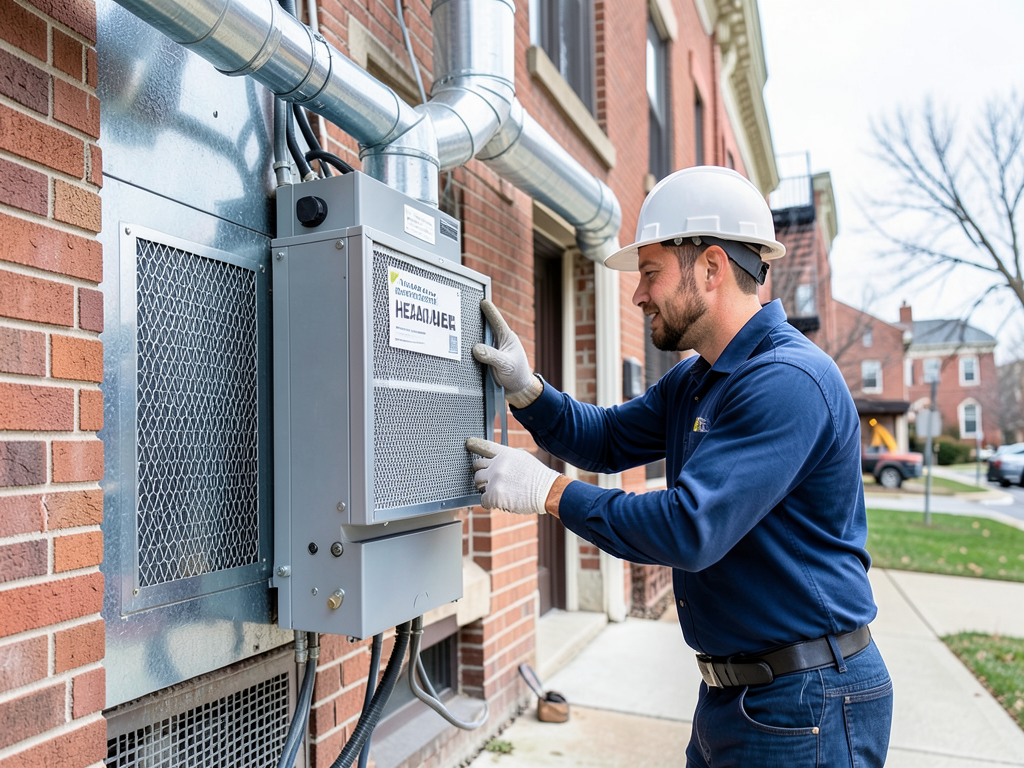
HEPA filters require specific HVAC system modifications since they create significant airflow resistance. Most standard residential furnaces cannot handle HEPA filters without system upgrades. The installation involves assessing your current system’s static pressure capabilities and potentially upgrading the blower motor or ductwork to accommodate the higher resistance. Weak Airflow from Vents.
Media Air Cleaners
Media air cleaners offer an excellent balance between filtration efficiency and system compatibility. These pleated filters typically achieve MERV ratings between 11 and 16, capturing particles from 1 to 10 microns including mold spores, pet dander, and most pollen.
For University City families, media air cleaners provide effective filtration without requiring major HVAC modifications. They fit standard filter housings and can be selected based on your specific concerns – higher MERV ratings for allergy sufferers, or lower ratings for optimal airflow in older systems.
Electronic Air Cleaners
Electronic air cleaners use electrostatic precipitation to charge particles as they pass through, causing them to stick to collection plates. These systems excel at capturing smoke particles, cooking odors, and fine urban pollutants that other filters might miss.
The advantage for University City residents is the washable collection cells, eliminating replacement filter costs. However, these systems require regular cleaning to maintain efficiency and can produce small amounts of ozone as a byproduct, which may concern some homeowners.
UV Germicidal Light Systems
Ultraviolet germicidal irradiation systems install directly in your HVAC ductwork, using UV-C light to neutralize bacteria, viruses, and mold spores. While they don’t remove particles from the air, they prevent biological growth within your system.. Read more about Why UV Light Installation is the Best Way to Combat Indoor Allergens in Bala Cynwyd.
University City’s older homes often have moisture issues in ductwork or near cooling coils, making UV systems particularly valuable. They work best as a complement to particle filtration rather than a standalone solution.
MERV Ratings Explained for Philadelphia Homes
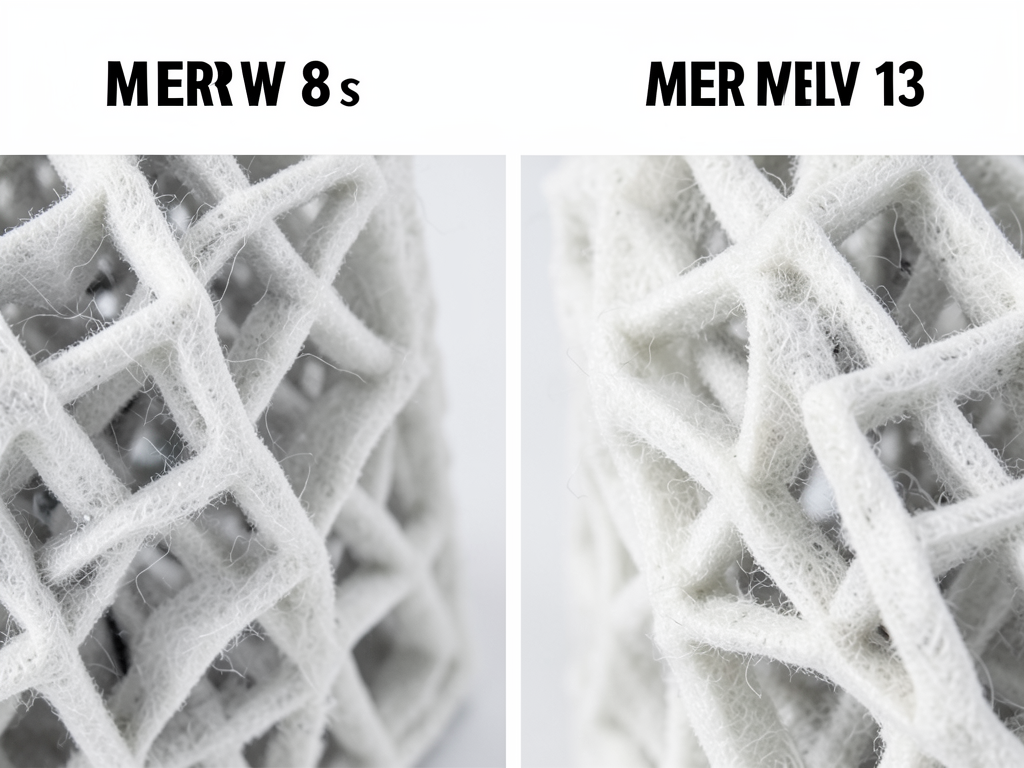
The Minimum Efficiency Reporting Value (MERV) scale ranges from 1 to 20, with higher numbers indicating better filtration. Understanding MERV ratings helps you select the right system for your University City home:
| MERV Rating | Particle Size Captured | Best Applications | Airflow Impact |
|---|---|---|---|
| MERV 8-11 | 3-10 microns | Basic residential | Minimal |
| MERV 13-16 | 0.3-1 micron | Allergy sufferers | Moderate |
| MERV 17-20 | 0.3 microns | HEPA systems | Significant |
For most University City homes, a MERV 13 filter provides excellent filtration of pollen, mold spores, and fine particulates while maintaining reasonable airflow through older HVAC systems. Homes with severe allergy sufferers might benefit from MERV 16, while basic filtration needs can be met with MERV 11.
Installation Considerations for University City Row Homes
Historic Philadelphia architecture presents unique installation challenges. Many University City row homes lack central air conditioning, requiring creative solutions for whole-home filtration. Some options include: The True Cost of Installing Central Air in an Older South Philly Rowhome.
- Installing filtration in existing boiler systems with add-on air handlers
- Using ductless mini-split systems with built-in filtration
- Implementing portable high-efficiency units for specific rooms
- Creating custom ductwork solutions to accommodate modern filtration
The Philadelphia Department of Licenses and Inspections requires permits for most HVAC modifications, particularly in historic districts. Our team navigates these requirements regularly, ensuring your installation meets all local codes while maximizing filtration efficiency.
Maintenance Requirements and Costs
Proper maintenance ensures your air filtration system continues performing optimally. Here’s what to expect for different system types:
- Filter Replacement Schedule
Replace or clean filters according to manufacturer specifications – typically every 1-6 months depending on MERV rating and usage patterns.
- UV Light Replacement
UV bulbs lose effectiveness over time and should be replaced annually, even if they still produce visible light.
- Duct Inspection
Have ducts inspected annually for leaks, which can bypass filtration entirely and reduce system efficiency.
- System Performance Testing
Professional testing every 2-3 years ensures your system maintains proper airflow and filtration efficiency.
Annual maintenance costs typically range from $150-400 depending on system complexity. HEPA systems generally require more frequent filter replacements, while electronic air cleaners have higher cleaning requirements but lower replacement costs.
Energy Efficiency Considerations
Higher MERV ratings improve air quality but also increase energy consumption by creating more resistance to airflow. The relationship between filtration and energy efficiency requires careful balancing:
Most modern HVAC systems include variable-speed blowers that can compensate for higher filter resistance, maintaining comfort while improving air quality. However, older University City homes may need blower motor upgrades to handle higher MERV filters without significantly increasing energy costs.
Energy savings from improved filtration can offset some costs through extended HVAC equipment life. Clean air reduces strain on system components, potentially adding 2-3 years to your furnace or air conditioner’s lifespan.
Comparing Portable vs. Whole-Home Systems
University City residents must choose between portable room units and whole-home filtration systems. Here’s how they compare:
| Feature | Portable Units | Whole-Home Systems |
|---|---|---|
| Initial Cost | $200-800 | $1,500-4,000 |
| Coverage Area | 150-1,500 sq ft | Entire home |
| Noise Level | Moderate to high | Minimal |
| Maintenance | Monthly | Quarterly to annually |
| Energy Efficiency | Varies by unit | Integrated with HVAC |
Portable units work well for apartments or specific rooms where whole-home installation isn’t feasible. However, they cannot address duct contamination or provide consistent air quality throughout the entire home.
Special Considerations for University City Families
University City’s unique demographic – with many young families, students, and academics – creates specific air quality needs. Families with young children benefit from higher MERV ratings to reduce exposure to allergens and pollutants during critical developmental years.
Students and academics working from home may require systems that also address volatile organic compounds from printers, copiers, and office equipment. The high-density living typical of the area means shared air quality concerns, making whole-home systems more effective than individual room units.
Many University City homes have mixed-use spaces, with ground floors converted to offices or rental units. These configurations may require zoned filtration approaches or multiple system types to address varying air quality needs in different areas.
Choosing the Right System for Your Home
Selecting the optimal air filtration system depends on several factors specific to your University City home:
- Existing HVAC System Age: Older systems may need modifications to handle higher MERV filters
- Home Size and Layout: Open floor plans vs. compartmentalized rooms affect system sizing
- Specific Health Concerns: Allergies, asthma, or chemical sensitivities guide filter selection
- Budget Constraints: Balance initial costs against long-term maintenance expenses
- Energy Efficiency Goals: Higher filtration often means higher energy use
Our diagnostic process includes airflow testing, duct inspection, and air quality assessment to recommend the most effective solution for your specific situation. We consider your home’s unique characteristics, your family’s health needs, and your budget to design a system that delivers optimal results.
Frequently Asked Questions
What MERV rating should I choose for my University City home?
For most University City homes, MERV 13 provides an excellent balance of filtration efficiency and system compatibility. Homes with allergy sufferers might benefit from MERV 16, while basic filtration needs can be met with MERV 11. The right choice depends on your specific HVAC system and air quality concerns.
How often should I replace my air filters?
Filter replacement frequency depends on the filter type and your home’s conditions. Standard MERV 8-11 filters typically need replacement every 3 months, while higher MERV ratings may require 1-2 month intervals. Homes with pets, allergies, or near construction sites may need more frequent changes.
Can I install a HEPA filter in my existing HVAC system?
Most standard residential HVAC systems cannot handle true HEPA filters without modifications. HEPA filters create significant airflow resistance that can damage standard blowers. However, we can often upgrade your system with a more powerful blower or install a dedicated HEPA unit alongside your existing HVAC.
Do air filtration systems help with COVID-19 and other viruses?
UV germicidal systems and high-MERV filters can reduce airborne virus transmission by capturing or neutralizing viral particles. While no system guarantees complete protection, proper filtration significantly reduces the concentration of airborne pathogens in your home.
How much does professional air filtration installation cost?
Installation costs vary based on system type and home configuration. Basic media air cleaner installation typically ranges from $800-1,500, while comprehensive HEPA systems with system modifications can cost $3,000-6,000. We provide detailed quotes after assessing your specific needs and home configuration.
Take Control of Your Indoor Air Quality Today
University City’s unique urban environment makes air quality a critical concern for families. Whether you’re dealing with seasonal allergies, historic home dust, or simply want to provide the healthiest environment for your family, the right air filtration system makes a significant difference.
Our team understands the specific challenges of Philadelphia’s architecture and climate. We don’t just sell filters – we provide comprehensive air quality solutions tailored to your home’s unique characteristics and your family’s specific needs.
Don’t wait until air quality issues affect your family’s health and comfort. Call (215) 610-9099 today to schedule your professional air quality assessment. Our experts will evaluate your current system, test your indoor air quality, and recommend the most effective filtration solution for your University City home. Expert Boiler Repair and Maintenance for Historic Homes in Chestnut Hill and Mt Airy.
Pick up the phone and call (215) 610-9099 before the next allergy season hits. Your family deserves to breathe clean, healthy air every day of the year. For more information, visit ASHRAE Filtration Standards.
{
“@context”: “https://schema.org”,
“@type”: “BlogPosting”,
“headline”: “Comparing the Best Air Filtration Systems for Families in University City”,
“description”: “Discover the best air filtration systems for University City homes. Compare HEPA filters, MERV ratings, and UV-C systems to improve indoor air quality in Philadelphia’s dense urban environment.”,
“wordCount”: 1910,
“datePublished”: “2026-03-23T10:54:00.000Z”,
“dateModified”: “2026-03-23T10:54:00.000Z”,
“inLanguage”: “en-US”,
“mainEntityOfPage”: {
“@type”: “WebPage”,
“@id”: “https://elitehvacphiladelphia.com”
},
“publisher”: {
“@type”: “LocalBusiness”,
“name”: “Elite HVAC Philadelphia”,
“url”: “https://elitehvacphiladelphia.com”
},
“author”: {
“@type”: “Organization”,
“name”: “Elite HVAC Philadelphia”,
“url”: “https://elitehvacphiladelphia.com”
},
“image”: {
“@type”: “ImageObject”,
“url”: “https://elitehvacphiladelphia.com/wp-content/uploads/2026/03/comparing-the-best-air-filtration-systems-for-fami-1.png”
}
}
{
“@context”: “https://schema.org”,
“@type”: “HVACBusiness”,
“name”: “Elite HVAC Philadelphia”,
“url”: “https://elitehvacphiladelphia.com”,
“address”: {
“@type”: “PostalAddress”,
“addressLocality”: “Philadelphia”
},
“areaServed”: {
“@type”: “City”,
“name”: “Philadelphia”
}
}
{
“@context”: “https://schema.org”,
“@type”: “FAQPage”,
“mainEntity”: [
{
“@type”: “Question”,
“name”: “What MERV rating should I choose for my University City home?”,
“acceptedAnswer”: {
“@type”: “Answer”,
“text”: “For most University City homes, MERV 13 provides an excellent balance of filtration efficiency and system compatibility. Homes with allergy sufferers might benefit from MERV 16, while basic filtration needs can be met with MERV 11. The right choice depends on your specific HVAC system and air quality concerns.”
}
},
{
“@type”: “Question”,
“name”: “How often should I replace my air filters?”,
“acceptedAnswer”: {
“@type”: “Answer”,
“text”: “Filter replacement frequency depends on the filter type and your home’s conditions. Standard MERV 8-11 filters typically need replacement every 3 months, while higher MERV ratings may require 1-2 month intervals. Homes with pets, allergies, or near construction sites may need more frequent changes.”
}
},
{
“@type”: “Question”,
“name”: “Can I install a HEPA filter in my existing HVAC system?”,
“acceptedAnswer”: {
“@type”: “Answer”,
“text”: “Most standard residential HVAC systems cannot handle true HEPA filters without modifications. HEPA filters create significant airflow resistance that can damage standard blowers. However, we can often upgrade your system with a more powerful blower or install a dedicated HEPA unit alongside your existing HVAC.”
}
},
{
“@type”: “Question”,
“name”: “Do air filtration systems help with COVID-19 and other viruses?”,
“acceptedAnswer”: {
“@type”: “Answer”,
“text”: “UV germicidal systems and high-MERV filters can reduce airborne virus transmission by capturing or neutralizing viral particles. While no system guarantees complete protection, proper filtration significantly reduces the concentration of airborne pathogens in your home.”
}
},
{
“@type”: “Question”,
“name”: “How much does professional air filtration installation cost?”,
“acceptedAnswer”: {
“@type”: “Answer”,
“text”: “Installation costs vary based on system type and home configuration. Basic media air cleaner installation typically ranges from $800-1,500, while comprehensive HEPA systems with system modifications can cost $3,000-6,000. We provide detailed quotes after assessing your specific needs and home configuration.”
}
}
]
}
{
“@context”: “https://schema.org”,
“@type”: “HowTo”,
“name”: “Air Filtration System Maintenance”,
“step”: [
{
“@type”: “HowToStep”,
“position”: 1,
“name”: “Filter Replacement Schedule”,
“text”: “Replace or clean filters according to manufacturer specifications – typically every 1-6 months depending on MERV rating and usage patterns.”
},
{
“@type”: “HowToStep”,
“position”: 2,
“name”: “UV Light Replacement”,
“text”: “UV bulbs lose effectiveness over time and should be replaced annually, even if they still produce visible light.”
},
{
“@type”: “HowToStep”,
“position”: 3,
“name”: “Duct Inspection”,
“text”: “Have ducts inspected annually for leaks, which can bypass filtration entirely and reduce system efficiency.”
},
{
“@type”: “HowToStep”,
“position”: 4,
“name”: “System Performance Testing”,
“text”: “Professional testing every 2-3 years ensures your system maintains proper airflow and filtration efficiency.”
}
],
“image”: “https://elitehvacphiladelphia.com/wp-content/uploads/2026/03/comparing-the-best-air-filtration-systems-for-fami-1.png”
}
{
“@context”: “https://schema.org”,
“@type”: “BreadcrumbList”,
“itemListElement”: [
{
“@type”: “ListItem”,
“position”: 1,
“name”: “Home”,
“item”: “https://elitehvacphiladelphia.com”
},
{
“@type”: “ListItem”,
“position”: 2,
“name”: “Blog”,
“item”: “https://elitehvacphiladelphia.com/blog”
},
{
“@type”: “ListItem”,
“position”: 3,
“name”: “Comparing the Best Air Filtration Systems for Families in University City”
}
]
}
{
“@context”: “https://schema.org”,
“@type”: “Service”,
“serviceType”: “HVAC”,
“provider”: {
“@type”: “LocalBusiness”,
“name”: “Elite HVAC Philadelphia”,
“url”: “https://elitehvacphiladelphia.com”
},
“areaServed”: {
“@type”: “City”,
“name”: “Philadelphia”
},
“description”: “Discover the best air filtration systems for University City homes. Compare HEPA filters, MERV ratings, and UV-C systems to improve indoor air quality in Philadelphia’s dense urban environment.”
}