
Deciding Between a Heat Pump and a Gas Furnace for Your Philadelphia Home
Philadelphia homeowners face a critical decision when replacing their heating system. The choice between a heat pump and a gas furnace affects not just comfort but energy bills for the next 15 to 25 years. With PECO electric rates averaging 16.8 cents per kilowatt-hour and PGW natural gas prices fluctuating around $1.45 per therm in 2026, the math matters. Heat pumps offer cooling in summer and heating in winter, while gas furnaces provide powerful heat during polar vortex events. Understanding how each system performs in Philadelphia’s humid continental climate zone helps you make the right investment. PECO Ways to Save program.
Understanding the Philadelphia Climate Challenge
Philadelphia sits in climate zone 4, experiencing hot, humid summers and cold, damp winters. January temperatures average 25°F to 40°F, with occasional drops below 20°F during nor’easters. The city receives about 41 inches of rain annually and 23 inches of snow, creating freeze-thaw cycles that stress heating equipment. Humidity levels often exceed 70% in summer, making proper dehumidification essential. These conditions mean your heating system must handle rapid temperature swings while maintaining indoor air quality in older homes with varying insulation levels. HVAC Philadelphia.
The Gas Furnace: Reliability for PA Winters
Gas furnaces remain popular in Philadelphia for good reason. Modern units achieve 95% to 98% Annual Fuel Utilization Efficiency (AFUE), meaning nearly all the fuel converts to heat. Natural gas flows through PGW’s extensive pipeline network, ensuring reliable operation even during ice storms that might knock out power. Furnaces deliver consistent heat regardless of outdoor temperature, making them ideal for Philadelphia’s occasional sub-zero nights. The upfront cost typically ranges from $4,500 to $7,500 installed, with 15 to 20-year lifespans requiring minimal maintenance beyond annual inspections. Finding a Reliable AC Repair Service in Center City Philadelphia That Actually Shows Up.
Older Philadelphia row homes often have existing gas lines and chimneys, reducing installation complexity. However, gas furnaces produce drier air than heat pumps, which can worsen respiratory issues during winter. They also generate carbon emissions, though modern high-efficiency models minimize this impact. The key advantage remains their ability to maintain comfortable temperatures when outdoor conditions become extreme.. Read more about Affordable Mini Split AC Installation for New Brewerytown Homeowners.
The Modern Heat Pump: Efficiency in the Northeast
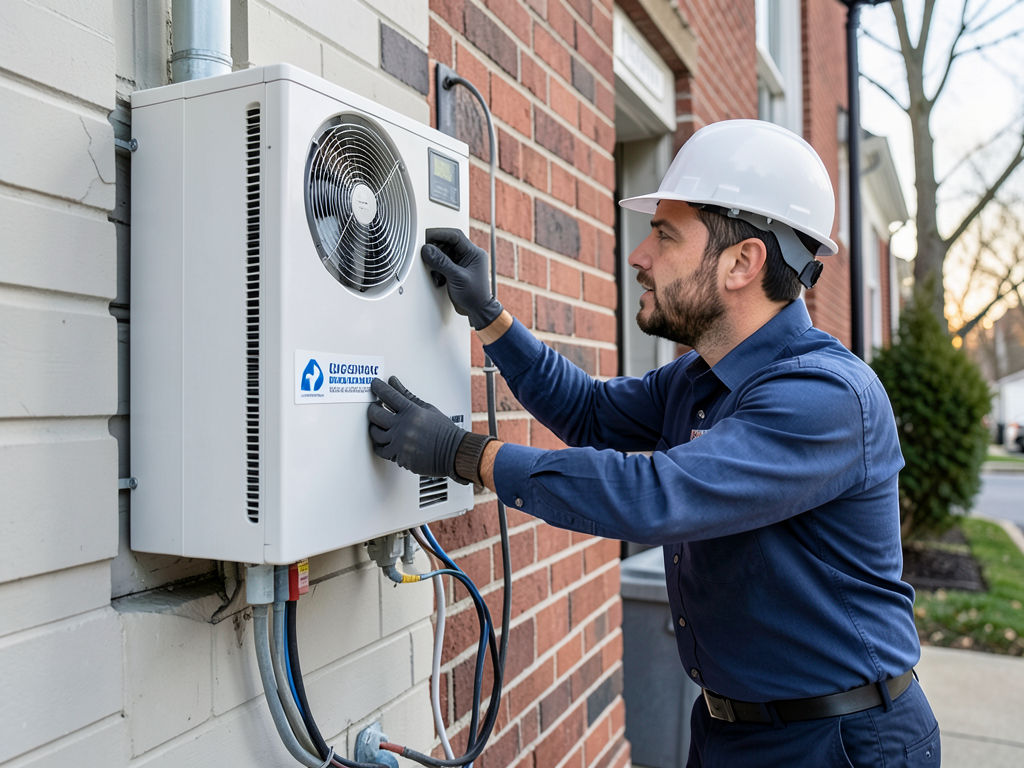
Heat pumps have evolved dramatically since 2023 with SEER2 and HSPF2 rating standards. Cold climate heat pumps now operate efficiently at temperatures as low as -13°F, using variable-speed compressors and inverter technology. These systems extract heat from outdoor air even in freezing conditions, providing both heating and cooling through a single unit. Installation costs range from $6,000 to $12,000, but federal tax credits cover up to $2,000 under the Inflation Reduction Act’s 25C provision. federal energy efficiency tax credits.
Heat pumps offer several advantages for Philadelphia homes. They dehumidify effectively during humid summers, improving indoor air quality. Operation costs often run 30% to 50% lower than gas furnaces when electricity rates are favorable. The systems produce no on-site emissions, aligning with Philadelphia’s climate action goals. However, performance drops during extreme cold, and backup heating may be necessary for the coldest nights.. Read more about Ductless Heating and Cooling for the Unique Victorian Homes of East Falls.
Direct Cost Comparison: Upfront vs. Long-term
| System Type | Installation Cost | Annual Operating Cost | Expected Lifespan | Tax Credits |
|---|---|---|---|---|
| 80% AFUE Gas Furnace | $4,500 – $5,500 | $900 – $1,200 | 15-20 years | None |
| 95% AFUE Gas Furnace | $5,500 – $7,500 | $850 – $1,100 | 15-20 years | None |
| Cold Climate Heat Pump | $6,000 – $12,000 | $600 – $900 | 15-20 years | $2,000 federal credit |
| Dual Fuel System | $8,000 – $14,000 | $700 – $1,000 | 15-20 years | $2,000 federal credit |
The Hybrid Solution: Dual Fuel Systems
Dual fuel systems represent the optimal solution for most Philadelphia homes. These setups combine a heat pump for mild weather with a gas furnace for extreme cold. The heat pump handles temperatures above 35°F efficiently, while the gas furnace automatically activates when outdoor temperatures drop below the balance point. This configuration maximizes energy savings while ensuring reliable comfort during polar vortex events. Weak Airflow from Vents.
Installation typically costs $8,000 to $14,000 but qualifies for the full $2,000 federal tax credit since the heat pump component meets efficiency requirements. Operating costs average 15% to 25% lower than single-fuel systems. The setup works particularly well in Philadelphia’s variable climate, where temperatures fluctuate dramatically throughout winter. Smart thermostats optimize switching between fuel sources based on real-time utility rates and weather forecasts.. Read more about Pros and Cons of Switching to Electric Heating for Your Lower Merion Property.
Philadelphia Rebates and Tax Credits
The federal 25C tax credit covers 30% of heat pump installation costs up to $2,000 through 2032. Pennsylvania offers additional incentives through the Alternative Energy Portfolio Standard, though specific amounts vary by utility provider. PECO’s Ways to Save program provides rebates for high-efficiency equipment, with amounts typically ranging from $300 to $1,000 depending on the system’s efficiency ratings.
Philadelphia Gas Works occasionally offers rebates for high-efficiency gas furnaces, though these programs change annually. The City of Philadelphia’s EnergyWorks program provides low-interest financing for energy efficiency upgrades, including heating system replacements. Local HVAC contractors often bundle these incentives into their quotes, maximizing your savings. The key is timing your purchase during promotional periods when multiple rebates align. Best Rated HVAC Contractors in the Main Line Area.
Philadelphia Building Codes and Permit Requirements
Philadelphia Department of Licenses and Inspections requires permits for heating system replacements. The Pennsylvania Uniform Construction Code (UCC) mandates specific efficiency standards and venting requirements. For gas furnaces, proper flue sizing and combustion air supply must comply with International Fuel Gas Code Section 503. Heat pumps must meet International Mechanical Code requirements for refrigerant piping and electrical connections.. Read more about Preparing Your Philly Furnace for Winter with a Professional 20-Point Tune Up.
Historic district homes in areas like Society Hill or Old City face additional restrictions. Any exterior modifications require approval from the Philadelphia Historical Commission. Ductless mini-split heat pumps often provide the best solution for these properties since they require minimal exterior modifications. All installations must pass final inspections, with failure to obtain permits potentially resulting in fines and insurance complications.
Maintenance Requirements for Each System
Gas furnaces require annual maintenance including heat exchanger inspection, burner cleaning, and safety control testing. Technicians check for carbon monoxide leaks and ensure proper venting. Heat pumps need bi-annual service since they operate year-round. Maintenance includes coil cleaning, refrigerant level checks, and reversing valve operation verification. Dual fuel systems combine both service requirements.. Read more about Picking the Right HVAC Maintenance Plan in Delaware County Without Wasting Money.
Philadelphia’s humidity creates specific challenges. Heat pumps need regular condensate drain cleaning to prevent mold growth. Gas furnaces in older homes may require chimney liner inspections to prevent backdrafting. Both systems benefit from regular air filter changes every 1 to 3 months. Professional maintenance extends equipment life and maintains warranty coverage.. Read more about Comparing the Best Air Filtration Systems for Families in University City.
Impact on Indoor Air Quality
Philadelphia’s aging housing stock often suffers from poor indoor air quality. Heat pumps provide superior dehumidification, maintaining relative humidity between 30% and 50% during summer. This range inhibits dust mite growth and reduces mold risk. Many heat pumps include advanced filtration capturing allergens and pollutants. Gas furnaces produce drier air, potentially causing static electricity and respiratory irritation.
Older homes with lead paint or asbestos require special considerations. Heat pumps eliminate combustion byproducts, improving air quality in homes with compromised ventilation. However, both systems need proper duct sealing to prevent pollutant infiltration. Philadelphia’s urban pollution levels make high-efficiency filtration particularly important for allergy sufferers.
Making Your Decision: Key Factors
Several factors influence the optimal choice for your Philadelphia home. Consider your home’s age and construction. Row homes with existing gas lines favor gas or dual fuel systems. Homes without ductwork may benefit from ductless heat pumps. Your budget timeline matters too. Heat pumps offer lower operating costs but higher upfront investment.
Climate considerations extend beyond temperature. Philadelphia’s humidity levels favor systems with strong dehumidification capabilities. Your commitment to environmental goals influences the decision. Heat pumps produce zero on-site emissions, while high-efficiency gas furnaces minimize but don’t eliminate carbon output. Local utility rates significantly impact operating costs. Monitor PECO and PGW rate structures when calculating long-term expenses.. Read more about The Critical Importance of Carbon Monoxide Testing for Older Homes in Point Breeze.
Professional Installation Considerations
Choosing the right contractor proves as important as selecting the equipment. Look for NATE-certified technicians with specific experience in Philadelphia’s housing stock. Proper load calculations ensure correctly sized equipment. Oversized systems cycle frequently, reducing efficiency and comfort. Undersized units struggle during extreme weather.
Philadelphia’s urban environment creates unique installation challenges. Row home access requires careful planning for equipment removal and installation. Noise considerations matter in densely populated areas. Modern heat pumps operate at 50 to 60 decibels, comparable to moderate rainfall. Proper placement minimizes disturbance to neighbors while ensuring adequate airflow.
Future-Proofing Your Investment
Energy markets continue evolving. Pennsylvania’s electricity grid increasingly relies on renewable sources, improving heat pump environmental benefits. Gas prices remain volatile due to global markets. Dual fuel systems provide flexibility to adapt to changing energy economics. Smart thermostats optimize operation based on real-time pricing and weather forecasts.
Philadelphia’s climate action plan aims for significant emissions reductions by 2030. This may affect future gas availability or pricing. Heat pumps align with these goals while maintaining performance through technological improvements. The best choice today balances immediate needs with long-term trends toward electrification and renewable energy integration.
Frequently Asked Questions
Which system costs less to operate in Philadelphia?
Heat pumps typically cost 30% to 50% less to operate than gas furnaces when electricity rates are favorable. However, during extreme cold spells, gas furnaces may be more economical. Dual fuel systems automatically select the most cost-effective fuel source.
Do heat pumps work in Philadelphia’s coldest winters?
Modern cold climate heat pumps operate efficiently down to -13°F. During Philadelphia’s occasional sub-zero nights, they continue producing heat, though at reduced capacity. Most homeowners use supplemental electric resistance heat or maintain a gas furnace for backup during extreme conditions.
How long does installation take?
Standard furnace replacement takes 1 to 2 days. Heat pump installations require 2 to 4 days due to additional electrical and refrigerant work. Dual fuel systems need 3 to 5 days. Historic home installations may require additional time for permitting and specialized equipment handling.
Are there any Philadelphia-specific incentives?
Philadelphia offers various incentives through PECO’s Ways to Save program, Philadelphia Gas Works rebates, and the city’s EnergyWorks financing. Federal tax credits cover up to $2,000 for qualifying heat pumps. Local HVAC contractors often help navigate these programs to maximize savings. HVAC Financing & Rebates.
What size system do I need?
System sizing depends on your home’s square footage, insulation levels, window efficiency, and local climate. A professional Manual J load calculation ensures proper sizing. Most Philadelphia homes require 30 to 60 BTUs per square foot, adjusted for factors like ceiling height and sun exposure.
Ready to Upgrade Your Home’s Heating System?
Don’t let another Philadelphia winter catch you unprepared. Whether you choose a high-efficiency gas furnace, a modern heat pump, or the optimal dual fuel solution, proper installation makes all the difference. Our NATE-certified technicians understand Philadelphia’s unique heating challenges and building requirements. We’ll help you navigate rebates, permits, and the best system for your specific home. Call (215) 610-9099 today to schedule your free consultation and take the first step toward lower energy bills and reliable comfort. Our team responds quickly across Philadelphia and surrounding suburbs, ensuring your home stays warm when temperatures plummet.. Read more about How to Prepare Your Havertown Home for a Smooth Heat Pump Conversion.
You may also find this helpful. Upgrading Your Graduate Hospital Property with a Multi Zone HVAC System.
You may also find this helpful. Comparing Carrier and Trane AC Units for Media Homeowners Who Want the Best.
You may also find this helpful. How HVAC Zoning Can Finally Cool Down the Third Floor of Your Society Hill Rowhome.
You may also find this helpful. Custom Radiant Floor Heating for Historic Society Hill Renovations.
You may also find this helpful. Keeping Your Pennsport Rowhome Cooler with a Solar Powered Attic Fan.
You may also find this helpful. Stopping Basement Mildew in Girard Estate with Targeted HVAC Dehumidification.
{
“@context”: “https://schema.org”,
“@type”: “BlogPosting”,
“headline”: “Deciding Between a Heat Pump and a Gas Furnace for Your Philadelphia Home”,
“description”: “Compare heat pumps vs gas furnaces for Philadelphia homes. Learn about local energy costs, cold climate performance, rebates, and the best dual fuel solution for PA winters.”,
“wordCount”: 1851,
“datePublished”: “2026-03-19T15:41:00.000Z”,
“dateModified”: “2026-03-19T15:41:00.000Z”,
“inLanguage”: “en-US”,
“mainEntityOfPage”: {
“@type”: “WebPage”,
“@id”: “https://elitehvacphiladelphia.com”
},
“publisher”: {
“@type”: “LocalBusiness”,
“name”: “Elite HVAC Philadelphia”,
“url”: “https://elitehvacphiladelphia.com”
},
“author”: {
“@type”: “Organization”,
“name”: “Elite HVAC Philadelphia”,
“url”: “https://elitehvacphiladelphia.com”
},
“image”: {
“@type”: “ImageObject”,
“url”: “https://elitehvacphiladelphia.com/wp-content/uploads/2026/03/deciding-between-a-heat-pump-and-a-gas-furnace-for-1.png”
}
}
{
“@context”: “https://schema.org”,
“@type”: “HVACBusiness”,
“name”: “Elite HVAC Philadelphia”,
“url”: “https://elitehvacphiladelphia.com”,
“address”: {
“@type”: “PostalAddress”,
“addressLocality”: “Philadelphia”
},
“areaServed”: {
“@type”: “City”,
“name”: “Philadelphia”
}
}
{
“@context”: “https://schema.org”,
“@type”: “FAQPage”,
“mainEntity”: [
{
“@type”: “Question”,
“name”: “Which system costs less to operate in Philadelphia?”,
“acceptedAnswer”: {
“@type”: “Answer”,
“text”: “Heat pumps typically cost 30% to 50% less to operate than gas furnaces when electricity rates are favorable. However, during extreme cold spells, gas furnaces may be more economical. Dual fuel systems automatically select the most cost-effective fuel source.”
}
},
{
“@type”: “Question”,
“name”: “Do heat pumps work in Philadelphia’s coldest winters?”,
“acceptedAnswer”: {
“@type”: “Answer”,
“text”: “Modern cold climate heat pumps operate efficiently down to -13°F. During Philadelphia’s occasional sub-zero nights, they continue producing heat, though at reduced capacity. Most homeowners use supplemental electric resistance heat or maintain a gas furnace for backup during extreme conditions.”
}
},
{
“@type”: “Question”,
“name”: “How long does installation take?”,
“acceptedAnswer”: {
“@type”: “Answer”,
“text”: “Standard furnace replacement takes 1 to 2 days. Heat pump installations require 2 to 4 days due to additional electrical and refrigerant work. Dual fuel systems need 3 to 5 days. Historic home installations may require additional time for permitting and specialized equipment handling.”
}
},
{
“@type”: “Question”,
“name”: “Are there any Philadelphia-specific incentives?”,
“acceptedAnswer”: {
“@type”: “Answer”,
“text”: “Philadelphia offers various incentives through PECO’s Ways to Save program, Philadelphia Gas Works rebates, and the city’s EnergyWorks financing. Federal tax credits cover up to $2,000 for qualifying heat pumps. Local HVAC contractors often help navigate these programs to maximize savings. HVAC Financing & Rebates.”
}
},
{
“@type”: “Question”,
“name”: “What size system do I need?”,
“acceptedAnswer”: {
“@type”: “Answer”,
“text”: “System sizing depends on your home’s square footage, insulation levels, window efficiency, and local climate. A professional Manual J load calculation ensures proper sizing. Most Philadelphia homes require 30 to 60 BTUs per square foot, adjusted for factors like ceiling height and sun exposure.”
}
},
{
“@type”: “Question”,
“name”: “Ready to Upgrade Your Home’s Heating System?”,
“acceptedAnswer”: {
“@type”: “Answer”,
“text”: “Don’t let another Philadelphia winter catch you unprepared. Whether you choose a high-efficiency gas furnace, a modern heat pump, or the optimal dual fuel solution, proper installation makes all the difference. Our NATE-certified technicians understand Philadelphia’s unique heating challenges and building requirements. We’ll help you navigate rebates, permits, and the best system for your specific home. Call (215) 610-9099 today to schedule your free consultation and take the first step toward lower energy bills and reliable comfort. Our team responds quickly across Philadelphia and surrounding suburbs, ensuring your home stays warm when temperatures plummet.”
}
}
]
}
{
“@context”: “https://schema.org”,
“@type”: “BreadcrumbList”,
“itemListElement”: [
{
“@type”: “ListItem”,
“position”: 1,
“name”: “Home”,
“item”: “https://elitehvacphiladelphia.com”
},
{
“@type”: “ListItem”,
“position”: 2,
“name”: “Blog”,
“item”: “https://elitehvacphiladelphia.com/blog”
},
{
“@type”: “ListItem”,
“position”: 3,
“name”: “Deciding Between a Heat Pump and a Gas Furnace for Your Philadelphia Home”
}
]
}
{
“@context”: “https://schema.org”,
“@type”: “Service”,
“serviceType”: “HVAC”,
“provider”: {
“@type”: “LocalBusiness”,
“name”: “Elite HVAC Philadelphia”,
“url”: “https://elitehvacphiladelphia.com”
},
“areaServed”: {
“@type”: “City”,
“name”: “Philadelphia”
},
“description”: “Compare heat pumps vs gas furnaces for Philadelphia homes. Learn about local energy costs, cold climate performance, rebates, and the best dual fuel solution for PA winters.”
}