
Managing Moisture and Humidity in Historic Germantown Stone Homes
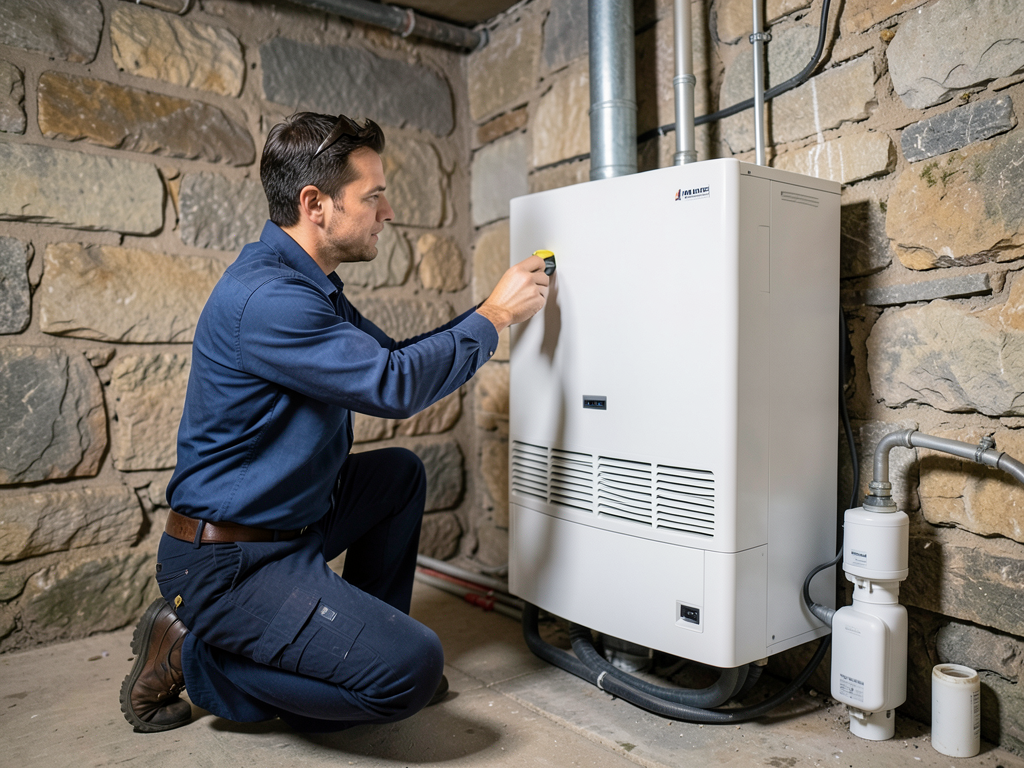
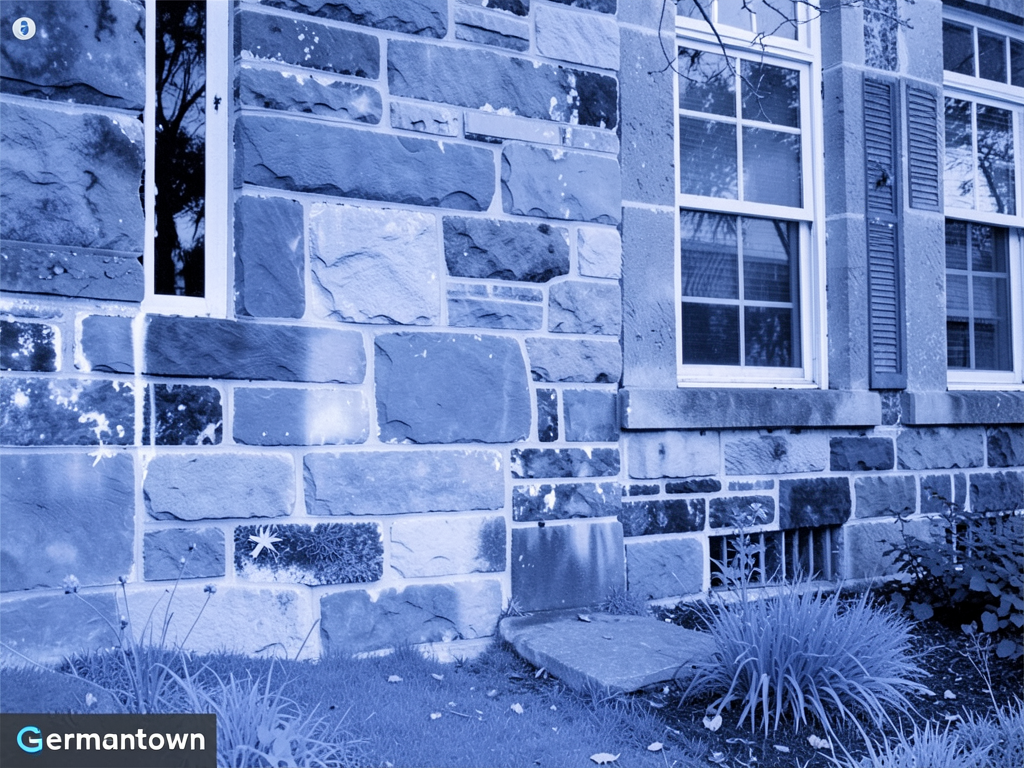
Living in a historic Germantown stone home means embracing architectural beauty but also managing unique moisture challenges. These solid masonry structures built with Wissahickon schist and fieldstone have different thermal properties than modern homes. The thick stone walls absorb moisture from Philadelphia’s humid summers and release it slowly, creating conditions where indoor humidity can climb above 60% without proper HVAC management. HVAC Philadelphia.
The key to comfort and preservation lies in understanding how stone interacts with moisture and implementing targeted solutions that work with the building’s natural breathability rather than against it.
Why Stone Homes in Germantown Face Special Moisture Challenges
Stone homes in the Germantown area built before 1940 typically lack modern vapor barriers. The Wissahickon schist used throughout Northwest Philadelphia has high thermal mass, meaning it absorbs heat slowly and releases it gradually. This creates a unique problem: during summer months, the stone walls remain cooler than the surrounding air. When warm humid air contacts these cool surfaces, condensation forms on the interior faces of the walls.
Philadelphia’s climate exacerbates this issue. The city experiences 110+ days annually with relative humidity above 70%, and summer dew points regularly exceed 70°F. This combination means stone walls in Germantown homes are constantly exposed to moisture-laden air that seeks equilibrium.
Common moisture sources in historic stone homes include:
- Basement seepage through porous mortar joints
- Condensation on cool stone walls during summer
- Improper drainage directing water toward foundation walls
- Modern renovations that trap moisture with vapor barriers
The Problem with Standard HVAC Solutions
Traditional central air conditioning systems often fail in historic stone homes for several reasons. First, the high thermal mass of stone walls means cooling loads are uneven throughout the day. A system sized for peak afternoon heat may short-cycle in the morning, never running long enough to properly dehumidify. The True Cost of Installing Central Air in an Older South Philly Rowhome.
Second, many Germantown stone homes lack adequate ductwork. Installing conventional ducts often requires structural modifications that compromise historic integrity. Even when ducts exist, they may be undersized for modern cooling loads.
Third, standard HVAC systems struggle with the breathability factor. Stone walls need to release moisture vapor. When modern insulation and vapor barriers trap this moisture, it can lead to efflorescence (white mineral deposits), spalling, and even structural damage.
Effective Humidity Control Solutions for Stone Homes
Whole-Home Dehumidification Systems
Whole-home dehumidifiers connect directly to your HVAC system and remove 70-130 pints of moisture daily. Unlike portable units, these systems maintain consistent humidity levels throughout your home. For a typical Germantown stone home, we recommend models with built-in condensate pumps since gravity drainage can be challenging with thick stone walls.
The Aprilaire 1850F or Ultra-Aire SD12 are excellent choices for homes between 2,000-4,000 square feet. These units include MERV-13 filtration, removing both moisture and airborne particulates that can contribute to indoor air quality issues.. Read more about Choosing Between a High Velocity System and Traditional Ducts for Your Fitler Square Brownstone.
High-Velocity HVAC Systems
High-velocity systems like Unico or SpacePak use small, flexible ducts that fit within existing wall cavities without major demolition. These systems deliver 2-inch diameter supply ducts through walls and floors, maintaining the home’s historic character while providing modern comfort. EPA Mold Guidelines.
The key advantage for stone homes is the system’s ability to run longer at lower capacities. This extended run time is crucial for moisture removal. A 2-ton high-velocity system can remove 3-4 pints of moisture per hour compared to 1-2 pints for a conventional system.
Ductless Mini-Split Systems
Ductless mini-splits offer another solution for homes where traditional ductwork is impractical. These systems use variable-speed compressors that adjust output based on demand, running longer at lower speeds for better dehumidification.
For stone homes, we recommend models with built-in dehumidification modes. The Mitsubishi MXZ-SM series can remove up to 1.5 pints of moisture per hour while maintaining temperatures within 1°F of the setpoint.
Energy Recovery Ventilators with Dehumidification
ERVs exchange indoor air with fresh outdoor air while transferring heat and moisture between the airstreams. For Philadelphia’s climate, models with enthalpic heat exchangers can reduce incoming humidity by 50-70% before it enters your home.
The Panasonic Intelli-Balance 100 or RenewAire EV90 are well-suited for historic homes. These units include washable filters and can be integrated with whole-home dehumidifiers for comprehensive moisture control. Best Rated HVAC Contractors in the Main Line Area.
Recommended Humidity Levels for Historic Preservation
Maintaining proper indoor humidity protects both your comfort and your home’s structural integrity. For historic stone homes, we recommend:
| Season | Ideal Relative Humidity | Notes |
|---|---|---|
| Summer | 45-55% | Below 60% prevents mold growth |
| Winter | 30-40% | Prevents window condensation |
| Year-round | 35-50% | Balances comfort and preservation |
Monitoring dew point is equally important. When indoor dew point exceeds 60°F, condensation becomes likely on cool stone surfaces. Smart hygrometers can alert you when conditions approach this threshold.. Read more about The Best Way to Ventilate and Condition a Huntingdon Valley Sunroom for Comfort All Year Long.
Philadelphia-Specific Considerations
Germantown’s location in Northwest Philadelphia presents unique challenges. The area’s elevation changes mean some homes sit above the water table while others experience seasonal groundwater fluctuations. The Wissahickon schist bedrock beneath many homes can channel groundwater toward foundations.. Read more about Protecting Your Narberth Home from Water Damage with a Smart HVAC Leak Detection System.
Philadelphia’s Building Code Section 13-610 requires proper drainage for all residential structures. For historic homes, this often means retrofitting French drains or exterior waterproofing systems that comply with preservation guidelines.
The Philadelphia Historical Commission guidelines emphasize maintaining original materials and breathability. This means any moisture control solution must work with the building’s existing structure rather than creating new moisture traps.
Case Study: Restoring Comfort in a 1920s Germantown Stone Home
A recent project on Morris Street involved a 3,200-square-foot stone home built in 1923. The homeowners experienced persistent dampness, musty odors, and window condensation during summer months. Initial humidity readings showed 68% RH throughout the main floor.
Our assessment revealed several issues:
- Undersized 2.5-ton AC system short-cycling constantly
- No whole-home dehumidification
- Existing ductwork leaking 25% of conditioned air
- Foundation walls absorbing moisture from poor exterior grading
The solution involved installing a 3-ton high-velocity system with a 120-pint whole-home dehumidifier. We sealed and insulated existing ductwork, added a condensate pump for the dehumidifier, and corrected exterior drainage. Post-installation testing showed 48% RH and consistent temperatures throughout the home.
Smart Monitoring for Historic Homes
Modern smart hygrometers provide real-time monitoring of temperature and humidity conditions. Devices like the SensorPush or Ecobee SmartSensor can track conditions in multiple rooms and send alerts when humidity exceeds preset thresholds.
For stone homes, we recommend placing sensors in these locations:
- Near exterior walls to detect condensation risk
- In basements to monitor foundation moisture
- Away from direct airflow to get accurate readings
Some advanced systems can integrate with HVAC controls, automatically adjusting system operation based on humidity levels rather than just temperature.
Maintenance Tips for Stone Home Humidity Control
Proper maintenance ensures your humidity control system operates efficiently:
- Clean or replace air filters monthly during cooling season
- Check condensate drains quarterly for clogs or algae growth
- Inspect ductwork annually for leaks or insulation damage
- Test humidity control systems in spring before peak cooling season
- Clean outdoor condenser coils when pollen counts drop
For homes with whole-home dehumidifiers, the condensate pump should be tested monthly by pouring water into the collection pan.
Energy Efficiency Considerations
Humidity control and energy efficiency go hand-in-hand for stone homes. When humidity is properly managed, you can set thermostats 2-3°F higher while maintaining the same comfort level. This reduces cooling costs by 10-15% annually.
Variable-speed systems offer the best efficiency for stone homes. These units can operate at 25-100% capacity, running longer at lower speeds for optimal moisture removal while using less electricity than single-speed units.
Proper insulation also plays a role. While historic homes shouldn’t be wrapped in modern vapor barriers, adding insulation to attics and basements can reduce the cooling load and allow HVAC systems to run more efficiently.
When to Call a Professional
Certain signs indicate it’s time to consult an HVAC professional familiar with historic stone homes:
- Persistent musty odors that don’t respond to cleaning
- Visible condensation on stone walls during summer
- Efflorescence appearing on interior stone surfaces
- High energy bills despite moderate thermostat settings
- Uneven cooling with hot and cold spots throughout the home
A professional assessment should include humidity level testing, system sizing calculations, and inspection of existing ductwork and insulation.
Protecting Your Investment
Historic stone homes in Germantown represent significant investments that deserve proper care. Managing moisture and humidity isn’t just about comfort—it’s about preserving structural integrity and preventing costly damage.
The right humidity control strategy can extend the life of your HVAC system, prevent mold and mildew growth, and maintain the architectural character that makes your home special. It’s an investment that pays dividends in comfort, efficiency, and preservation.
Frequently Asked Questions
Can I use a portable dehumidifier in my stone home?
Portable dehumidifiers can help in specific areas but aren’t sufficient for whole-home moisture control in stone homes. They typically remove 30-70 pints daily versus 120+ pints for whole-home systems, and they don’t address the root causes of humidity in historic masonry.
Will humidity control make my stone walls colder?
Properly designed humidity control systems won’t significantly affect stone wall temperatures. The goal is to manage the moisture in the air, not to cool the walls themselves. In fact, reducing humidity can make your home feel cooler at higher temperatures.
How much does a whole-home humidity control system cost?
Costs vary based on home size and existing equipment, but whole-home dehumidifiers typically range from $2,500-$4,500 installed. High-velocity HVAC systems with integrated humidity control can range from $12,000-$25,000 depending on home size and complexity.
Will humidity control help with allergies?
Yes. Maintaining humidity between 30-50% reduces dust mite populations and prevents mold growth, both common allergens. Many whole-home systems also include high-efficiency filtration that removes pollen, pet dander, and other airborne irritants. Weak Airflow from Vents.
How long does installation take?
Most whole-home dehumidifier installations can be completed in one day. High-velocity system installations typically require 3-5 days, depending on home size and existing infrastructure. Professional installers work to minimize disruption to your home.
Take Control of Your Home’s Comfort Today
Don’t let moisture damage your historic stone home or compromise your family’s comfort. Our team understands the unique challenges of Germantown’s historic architecture and Philadelphia’s climate. We’ll assess your specific situation and recommend solutions that preserve your home’s character while providing modern comfort.
Call (215) 610-9099 today to schedule your humidity assessment. Our experts will evaluate your home’s moisture levels, inspect your current HVAC system, and provide a detailed plan for achieving optimal comfort and preservation. Expert Boiler Repair and Maintenance for Historic Homes in Chestnut Hill and Mt Airy.
Pick up the phone and call (215) 610-9099 before the next humid summer day makes your stone walls sweat. Your home deserves professional care from technicians who understand historic preservation and modern HVAC technology. For more information, visit ASHRAE Humidity Standards.
{
“@context”: “https://schema.org”,
“@type”: “BlogPosting”,
“headline”: “Managing Moisture and Humidity in Historic Germantown Stone Homes”,
“description”: “Expert HVAC solutions for historic Germantown stone homes. Learn how to control moisture, prevent mold, and protect your investment with Philadelphia-specific strategies.”,
“wordCount”: 1799,
“datePublished”: “2026-05-26T13:42:00.000Z”,
“dateModified”: “2026-05-26T13:42:00.000Z”,
“inLanguage”: “en-US”,
“mainEntityOfPage”: {
“@type”: “WebPage”,
“@id”: “https://elitehvacphiladelphia.com”
},
“publisher”: {
“@type”: “LocalBusiness”,
“name”: “Elite HVAC Philadelphia”,
“url”: “https://elitehvacphiladelphia.com”
},
“author”: {
“@type”: “Organization”,
“name”: “Elite HVAC Philadelphia”,
“url”: “https://elitehvacphiladelphia.com”
},
“image”: {
“@type”: “ImageObject”,
“url”: “https://elitehvacphiladelphia.com/wp-content/uploads/2026/03/managing-moisture-and-humidity-in-historic-germant-1.png”
}
}
{
“@context”: “https://schema.org”,
“@type”: “HVACBusiness”,
“name”: “Elite HVAC Philadelphia”,
“url”: “https://elitehvacphiladelphia.com”,
“address”: {
“@type”: “PostalAddress”,
“addressLocality”: “Philadelphia”
},
“areaServed”: {
“@type”: “City”,
“name”: “Philadelphia”
}
}
{
“@context”: “https://schema.org”,
“@type”: “FAQPage”,
“mainEntity”: [
{
“@type”: “Question”,
“name”: “Can I use a portable dehumidifier in my stone home?”,
“acceptedAnswer”: {
“@type”: “Answer”,
“text”: “Portable dehumidifiers can help in specific areas but aren’t sufficient for whole-home moisture control in stone homes. They typically remove 30-70 pints daily versus 120+ pints for whole-home systems, and they don’t address the root causes of humidity in historic masonry.”
}
},
{
“@type”: “Question”,
“name”: “Will humidity control make my stone walls colder?”,
“acceptedAnswer”: {
“@type”: “Answer”,
“text”: “Properly designed humidity control systems won’t significantly affect stone wall temperatures. The goal is to manage the moisture in the air, not to cool the walls themselves. In fact, reducing humidity can make your home feel cooler at higher temperatures.”
}
},
{
“@type”: “Question”,
“name”: “How much does a whole-home humidity control system cost?”,
“acceptedAnswer”: {
“@type”: “Answer”,
“text”: “Costs vary based on home size and existing equipment, but whole-home dehumidifiers typically range from $2,500-$4,500 installed. High-velocity HVAC systems with integrated humidity control can range from $12,000-$25,000 depending on home size and complexity.”
}
},
{
“@type”: “Question”,
“name”: “Will humidity control help with allergies?”,
“acceptedAnswer”: {
“@type”: “Answer”,
“text”: “Yes. Maintaining humidity between 30-50% reduces dust mite populations and prevents mold growth, both common allergens. Many whole-home systems also include high-efficiency filtration that removes pollen, pet dander, and other airborne irritants. Weak Airflow from Vents.”
}
},
{
“@type”: “Question”,
“name”: “How long does installation take?”,
“acceptedAnswer”: {
“@type”: “Answer”,
“text”: “Most whole-home dehumidifier installations can be completed in one day. High-velocity system installations typically require 3-5 days, depending on home size and existing infrastructure. Professional installers work to minimize disruption to your home.”
}
}
]
}
{
“@context”: “https://schema.org”,
“@type”: “BreadcrumbList”,
“itemListElement”: [
{
“@type”: “ListItem”,
“position”: 1,
“name”: “Home”,
“item”: “https://elitehvacphiladelphia.com”
},
{
“@type”: “ListItem”,
“position”: 2,
“name”: “Blog”,
“item”: “https://elitehvacphiladelphia.com/blog”
},
{
“@type”: “ListItem”,
“position”: 3,
“name”: “Managing Moisture and Humidity in Historic Germantown Stone Homes”
}
]
}
{
“@context”: “https://schema.org”,
“@type”: “Service”,
“serviceType”: “HVAC”,
“provider”: {
“@type”: “LocalBusiness”,
“name”: “Elite HVAC Philadelphia”,
“url”: “https://elitehvacphiladelphia.com”
},
“areaServed”: {
“@type”: “City”,
“name”: “Philadelphia”
},
“description”: “Expert HVAC solutions for historic Germantown stone homes. Learn how to control moisture, prevent mold, and protect your investment with Philadelphia-specific strategies.”
}