
Choosing Between a High Velocity System and Traditional Ducts for Your Fitler Square Brownstone
Philadelphia’s Fitler Square neighborhood features some of the city’s most iconic brownstones with their distinctive brick facades and historic charm. When it comes to adding central air conditioning to these beautiful homes, homeowners face a critical decision: should you install a high velocity system or traditional ductwork? This choice affects not just comfort but also your home’s historic integrity, energy efficiency, and long-term maintenance costs. Philadelphia Historical Commission.
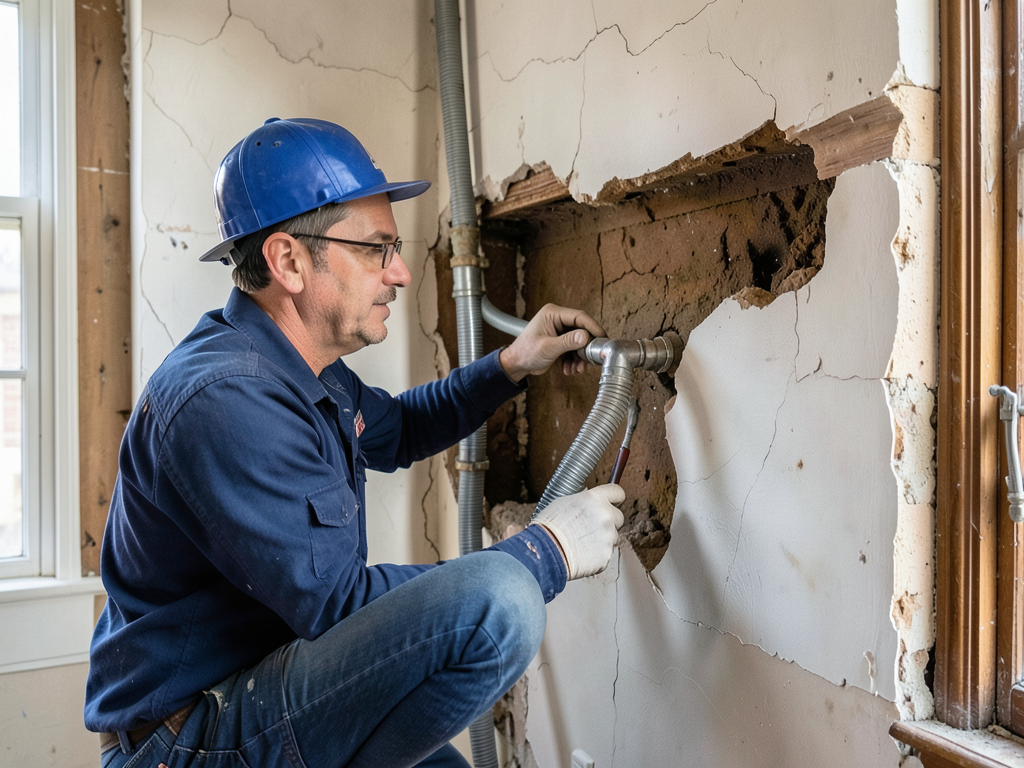
High velocity systems use flexible 2-inch tubing that snakes through walls and ceilings with minimal disruption, while traditional systems require larger metal ducts that can dramatically alter your home’s interior. The right choice depends on your specific brownstone’s layout, your comfort priorities, and your budget constraints.
What is High Velocity HVAC? (The Small-Duct Solution)
High velocity HVAC systems operate on an aspiration principle that creates a gentle mixing of air throughout your space. Instead of large vents pushing air in one direction, these systems use small 2-inch flexible supply tubes that deliver conditioned air at higher velocities. The air exits through round or slotted outlets about the size of a CD, which can be painted to match your walls or trim. Weak Airflow from Vents.
The Unico System and SpacePak are the two primary manufacturers of high velocity equipment in the Philadelphia market. These systems typically operate at static pressures between 400-600 Pa, compared to traditional systems that run at 150-250 Pa. This higher pressure allows the smaller ducts to deliver the same cooling capacity while fitting into tight spaces where traditional ducts cannot go. HVAC Philadelphia.
Installation involves running flexible tubing through existing wall cavities, floor joists, and ceiling spaces. The main trunk line connects to a compact air handler that can fit in a closet, attic, or basement. The outdoor condenser unit is similar in size to traditional systems but requires careful placement to comply with Philadelphia’s historic district regulations.
Traditional HVAC Systems: The Industry Standard
Traditional HVAC systems use galvanized steel ductwork ranging from 6 to 24 inches in diameter. These rigid ducts require dedicated chases, soffits, or bulkheads to conceal them within your home’s structure. A typical installation needs 6-8 inches of vertical space for supply ducts and 4-6 inches for return air pathways.
The systems rely on larger rectangular or round vents, typically 4×10 inches or 6 inches in diameter, to distribute air throughout your home. Installation requires significant planning to route ducts from the basement or attic to each room while maintaining adequate airflow and minimizing noise.
Traditional systems have been the industry standard for decades and offer proven reliability. They work well in homes with existing ductwork or where significant interior modifications are acceptable. The larger duct size allows for better air filtration and can accommodate higher-efficiency equipment with SEER2 ratings up to 26.
Head-to-Head Comparison
Understanding the differences between these systems helps you make an informed decision for your Fitler Square brownstone.
| Feature | High Velocity System | Traditional Ducts |
|---|---|---|
| Installation Space Required | 2-3 inches | 6-14 inches |
| Vent Size | 2-4 inches round | 4×10 to 6 inches round |
| Noise Level | 30-35 dB | 35-45 dB |
| Air Distribution | Aspirated mixing | Directional flow |
| Humidity Removal | Excellent | Good |
| Initial Cost | $12,000-18,000 | $8,000-15,000 |
| Energy Efficiency | SEER2 15-19 | SEER2 16-26 |
The Philadelphia Factor: Why High Velocity Wins in Historic Homes
Fitler Square brownstones present unique challenges for HVAC installation. Built primarily between 1850 and 1920, these homes feature 12-inch brick walls, plaster over wood lath, and minimal attic or basement space. The Philadelphia Historical Commission requires any exterior modifications to maintain the building’s historic character, making traditional condenser placement difficult.
High velocity systems excel in these conditions because they require minimal structural modification. The 2-inch tubes can be fished through existing wall cavities without removing plaster or disturbing original woodwork. This preserves the home’s historic fabric while providing modern comfort.
Philadelphia’s humid continental climate creates another advantage for high velocity systems. These units remove 30% more moisture from the air than traditional systems at the same cooling capacity. During our muggy summers when relative humidity often exceeds 80%, this enhanced dehumidification prevents mold growth and improves indoor air quality.
The aspiration principle also eliminates hot and cold spots common in traditional systems. Air circulates more evenly throughout rooms, reducing the need for zoning controls and providing consistent comfort from floor to ceiling.
Cost Analysis & ROI
High velocity systems typically cost 30-40% more upfront than traditional installations. However, several factors affect the true cost comparison for Fitler Square homeowners.
Traditional duct installation in historic homes often requires extensive plaster removal, custom bulkhead construction, and historic commission approvals. These hidden costs can push total installation expenses above $20,000, eliminating the initial price advantage.
High velocity systems install faster, typically 2-3 days versus 5-7 days for traditional ducts. This reduces labor costs and minimizes disruption to your household. The compact equipment also frees up valuable closet or basement space that would otherwise be consumed by ductwork.
Energy efficiency differences are modest but meaningful. High velocity systems operate at 15-19 SEER2, while traditional systems can reach 26 SEER2 with premium equipment. However, the enhanced dehumidification of high velocity units often allows homeowners to set thermostats 2-3 degrees higher while maintaining comfort, potentially offsetting the efficiency gap.
Property value impact varies by buyer preference. Traditional systems appeal to buyers who prioritize maximum energy efficiency and are comfortable with visible ductwork modifications. High velocity systems attract buyers who value historic preservation and want invisible comfort solutions.
Installation Considerations for Fitler Square Homes
Philadelphia’s building codes require all HVAC installations to comply with the Pennsylvania Uniform Construction Code and local mechanical codes. Historic district properties need additional approvals from the Philadelphia Historical Commission before any exterior work begins.
Condenser placement requires careful planning. Units must be positioned at least 5 feet from property lines and cannot be visible from the street in historic districts. Some Fitler Square homes use roof-mounted condensers or locate units in rear courtyards to maintain street appearance.
Electrical service is another consideration. High velocity systems require 240-volt circuits similar to traditional systems, but the compact air handlers may need dedicated circuits that weren’t required for older equipment. Most Fitler Square homes built before 1950 will need electrical panel upgrades to support modern HVAC equipment.
Noise considerations matter in dense urban settings. High velocity systems operate at lower decibel levels, typically 30-35 dB compared to 35-45 dB for traditional systems. This difference becomes noticeable in bedrooms and home offices where quiet operation is essential.
Maintenance and Longevity
Both systems require annual maintenance, but the specific needs differ. High velocity systems use specialized filters that capture smaller particles than standard filters. These filters need replacement every 3-6 months and cost $15-25 each compared to $5-10 for traditional filters.
The flexible tubing in high velocity systems can develop kinks or blockages over time, requiring professional inspection every 2-3 years. Traditional metal ducts rarely develop internal obstructions but may need cleaning every 5-7 years if the home has pets or recent renovations.
Component lifespan is similar for both systems. Air handlers typically last 15-20 years, while outdoor units last 12-15 years. High velocity systems may have slightly higher repair costs due to specialized parts and the need for technicians familiar with aspiration technology. Emergency AC Repair in Fishtown (Fast Service When the Heat Hits).
Making Your Decision
Choose high velocity if you prioritize historic preservation, have limited space for ductwork, want superior dehumidification, or plan to stay in your home long-term. These systems work best in homes where traditional ducts would require extensive demolition or where maintaining original architectural details is essential.
Choose traditional ducts if you have existing ductwork, want maximum energy efficiency, plan to sell within 5 years, or have ample space for concealed ducts. Traditional systems also make sense if you need extensive zoning control or have specific air filtration requirements.
Consider a hybrid approach for some homes. You might install high velocity in the main living areas while using traditional ducts in attics or basements where space constraints are less critical. This balances preservation with efficiency goals.
Professional assessment is crucial before making your final decision. A qualified HVAC contractor should inspect your home’s layout, evaluate existing electrical service, and discuss your comfort priorities before recommending a specific system type.
Frequently Asked Questions
Is high velocity HVAC louder than traditional systems?
High velocity systems actually operate more quietly than traditional systems. The air moves faster through smaller ducts, creating a gentle aspiration effect rather than the whooshing sound of large ducts. Most homeowners report noise levels around 30-35 dB, comparable to a quiet library.
Can I use my existing furnace with a high velocity system?
High velocity systems require specialized air handlers that cannot be integrated with traditional furnaces. However, many installations use heat pump technology that provides both heating and cooling from a single outdoor unit, eliminating the need for separate heating equipment. Best Rated HVAC Contractors in the Main Line Area.
Does high velocity HVAC qualify for PECO rebates?
Yes, high velocity systems with SEER2 ratings of 15 or higher qualify for PECO Smart Equipment Incentives. Current rebates range from $300-500 depending on system efficiency. Traditional high-efficiency systems may qualify for larger rebates but often require more invasive installation. PECO Smart Equipment Incentives.
How long does installation take for each system type?
High velocity installations typically require 2-3 days, while traditional duct installations need 5-7 days minimum. The faster installation time for high velocity systems reduces labor costs and minimizes disruption to your household routine.
Will high velocity vents look out of place in my historic home?
The small round or slotted outlets can be painted to match your walls or trim, making them nearly invisible. Many Fitler Square homeowners report that guests rarely notice the vents even when they’re looking for them. Traditional vents are larger and more noticeable, especially in rooms with original moldings.

Ready to upgrade your Fitler Square brownstone’s comfort without compromising its historic character? Call (215) 610-9099 today to schedule your professional assessment. Our experienced technicians understand the unique challenges of Philadelphia’s historic homes and can recommend the perfect HVAC solution for your specific needs.
Don’t wait until summer heat makes your home uncomfortable. Pick up the phone and call (215) 610-9099 before the next heat wave hits. We offer free consultations and can show you exactly how each system would work in your home’s unique layout.
{
“@context”: “https://schema.org”,
“@type”: “BlogPosting”,
“headline”: “Choosing Between a High Velocity System and Traditional Ducts for Your Fitler Square Brownstone”,
“description”: “Discover the best HVAC solution for your Fitler Square brownstone. Compare high velocity vs traditional ducts for historic homes with expert Philadelphia insights.”,
“wordCount”: 1739,
“datePublished”: “2026-03-13T11:08:00.000Z”,
“dateModified”: “2026-03-13T11:08:00.000Z”,
“inLanguage”: “en-US”,
“mainEntityOfPage”: {
“@type”: “WebPage”,
“@id”: “https://elitehvacphiladelphia.com”
},
“publisher”: {
“@type”: “LocalBusiness”,
“name”: “Elite HVAC Philadelphia”,
“url”: “https://elitehvacphiladelphia.com”
},
“author”: {
“@type”: “Organization”,
“name”: “Elite HVAC Philadelphia”,
“url”: “https://elitehvacphiladelphia.com”
},
“image”: {
“@type”: “ImageObject”,
“url”: “https://elitehvacphiladelphia.com/wp-content/uploads/2026/03/choosing-between-a-high-velocity-system-and-tradit-1.png”
}
}
{
“@context”: “https://schema.org”,
“@type”: “HVACBusiness”,
“name”: “Elite HVAC Philadelphia”,
“url”: “https://elitehvacphiladelphia.com”,
“address”: {
“@type”: “PostalAddress”,
“addressLocality”: “Philadelphia”
},
“areaServed”: {
“@type”: “City”,
“name”: “Philadelphia”
}
}
{
“@context”: “https://schema.org”,
“@type”: “FAQPage”,
“mainEntity”: [
{
“@type”: “Question”,
“name”: “Is high velocity HVAC louder than traditional systems?”,
“acceptedAnswer”: {
“@type”: “Answer”,
“text”: “High velocity systems actually operate more quietly than traditional systems. The air moves faster through smaller ducts, creating a gentle aspiration effect rather than the whooshing sound of large ducts. Most homeowners report noise levels around 30-35 dB, comparable to a quiet library.”
}
},
{
“@type”: “Question”,
“name”: “Can I use my existing furnace with a high velocity system?”,
“acceptedAnswer”: {
“@type”: “Answer”,
“text”: “High velocity systems require specialized air handlers that cannot be integrated with traditional furnaces. However, many installations use heat pump technology that provides both heating and cooling from a single outdoor unit, eliminating the need for separate heating equipment. Best Rated HVAC Contractors in the Main Line Area.”
}
},
{
“@type”: “Question”,
“name”: “Does high velocity HVAC qualify for PECO rebates?”,
“acceptedAnswer”: {
“@type”: “Answer”,
“text”: “Yes, high velocity systems with SEER2 ratings of 15 or higher qualify for PECO Smart Equipment Incentives. Current rebates range from $300-500 depending on system efficiency. Traditional high-efficiency systems may qualify for larger rebates but often require more invasive installation. PECO Smart Equipment Incentives.”
}
},
{
“@type”: “Question”,
“name”: “How long does installation take for each system type?”,
“acceptedAnswer”: {
“@type”: “Answer”,
“text”: “High velocity installations typically require 2-3 days, while traditional duct installations need 5-7 days minimum. The faster installation time for high velocity systems reduces labor costs and minimizes disruption to your household routine.”
}
},
{
“@type”: “Question”,
“name”: “Will high velocity vents look out of place in my historic home?”,
“acceptedAnswer”: {
“@type”: “Answer”,
“text”: “The small round or slotted outlets can be painted to match your walls or trim, making them nearly invisible. Many Fitler Square homeowners report that guests rarely notice the vents even when they’re looking for them. Traditional vents are larger and more noticeable, especially in rooms with original moldings.”
}
}
]
}
{
“@context”: “https://schema.org”,
“@type”: “BreadcrumbList”,
“itemListElement”: [
{
“@type”: “ListItem”,
“position”: 1,
“name”: “Home”,
“item”: “https://elitehvacphiladelphia.com”
},
{
“@type”: “ListItem”,
“position”: 2,
“name”: “Blog”,
“item”: “https://elitehvacphiladelphia.com/blog”
},
{
“@type”: “ListItem”,
“position”: 3,
“name”: “Choosing Between a High Velocity System and Traditional Ducts for Your Fitler Square Brownstone”
}
]
}
{
“@context”: “https://schema.org”,
“@type”: “Service”,
“serviceType”: “HVAC”,
“provider”: {
“@type”: “LocalBusiness”,
“name”: “Elite HVAC Philadelphia”,
“url”: “https://elitehvacphiladelphia.com”
},
“areaServed”: {
“@type”: “City”,
“name”: “Philadelphia”
},
“description”: “Discover the best HVAC solution for your Fitler Square brownstone. Compare high velocity vs traditional ducts for historic homes with expert Philadelphia insights.”
}